Labour Day is a public holiday most Australians enjoy without necessarily thinking about why it exists. We welcome the long weekend, some sleep in, some light the barbecue, and some people spend time with family and friends.
I welcome the long weekend; I get out of bed before dawn to go for a walk and I am happy spending it alone on my couch watching TV. Mind you I did go into the office today to complete some compulsory training in peace and quiet.
Behind the public holiday lies a story of workers who argued for something many of us take for granted: a reasonable balance between work, recreation, and rest.
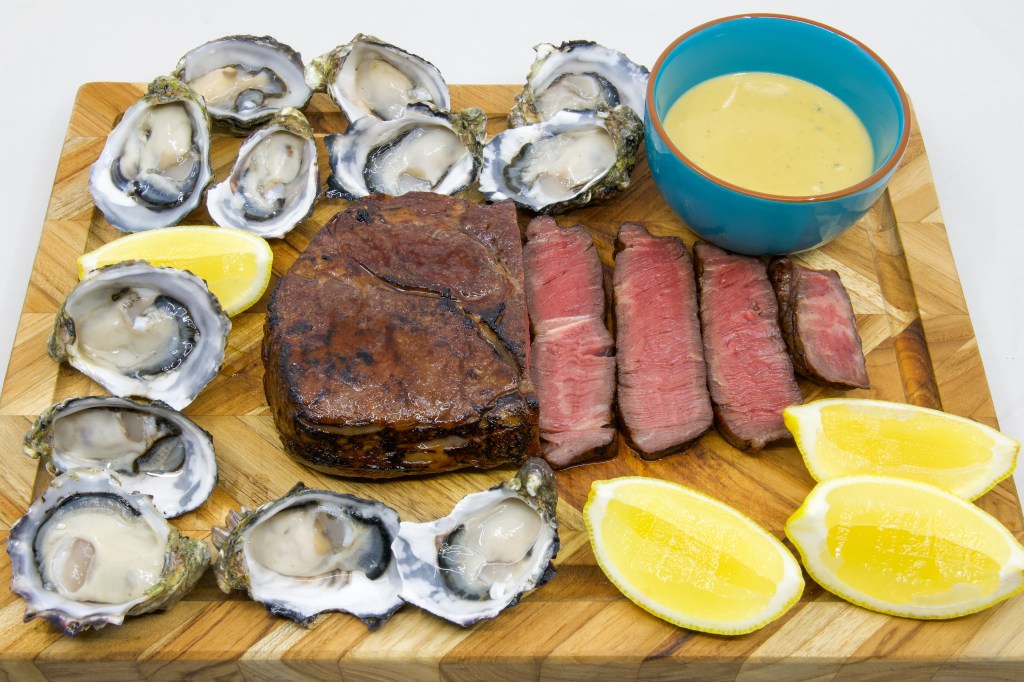
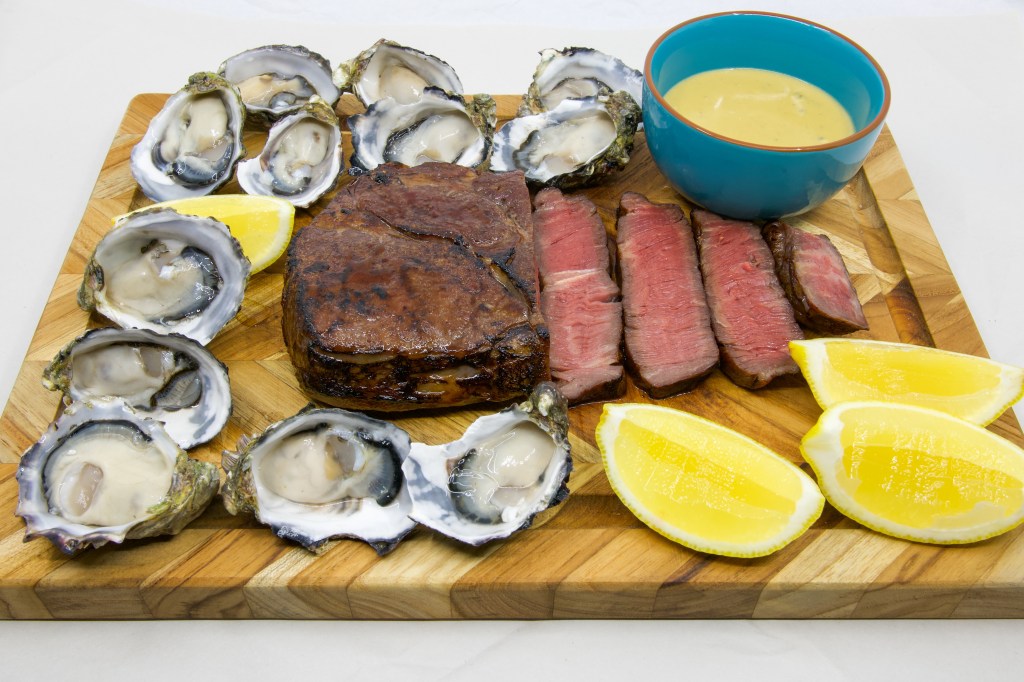
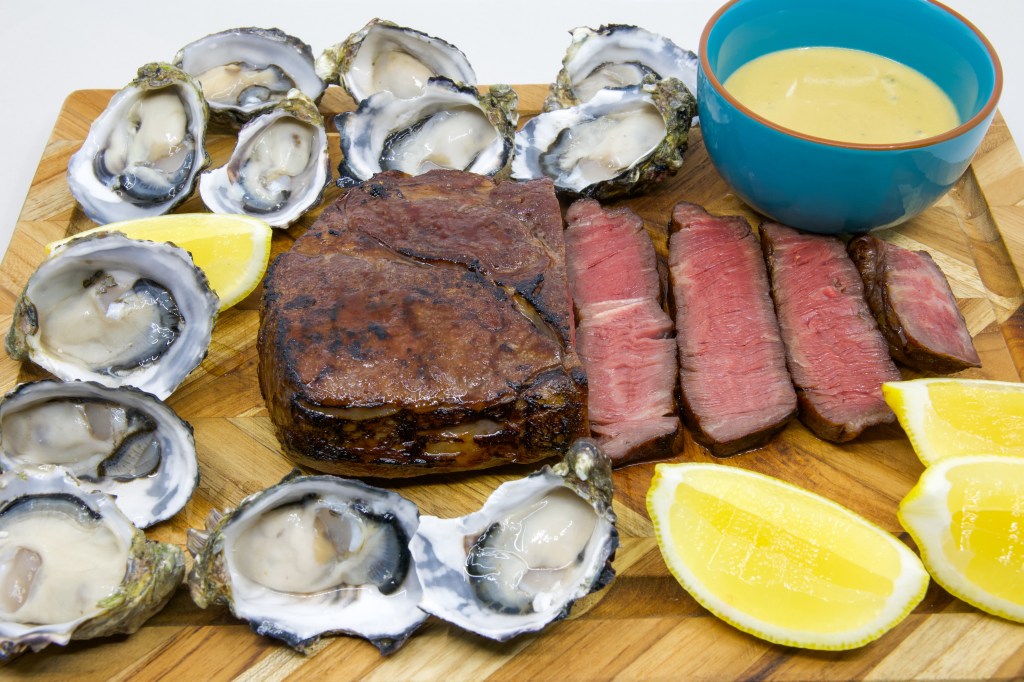
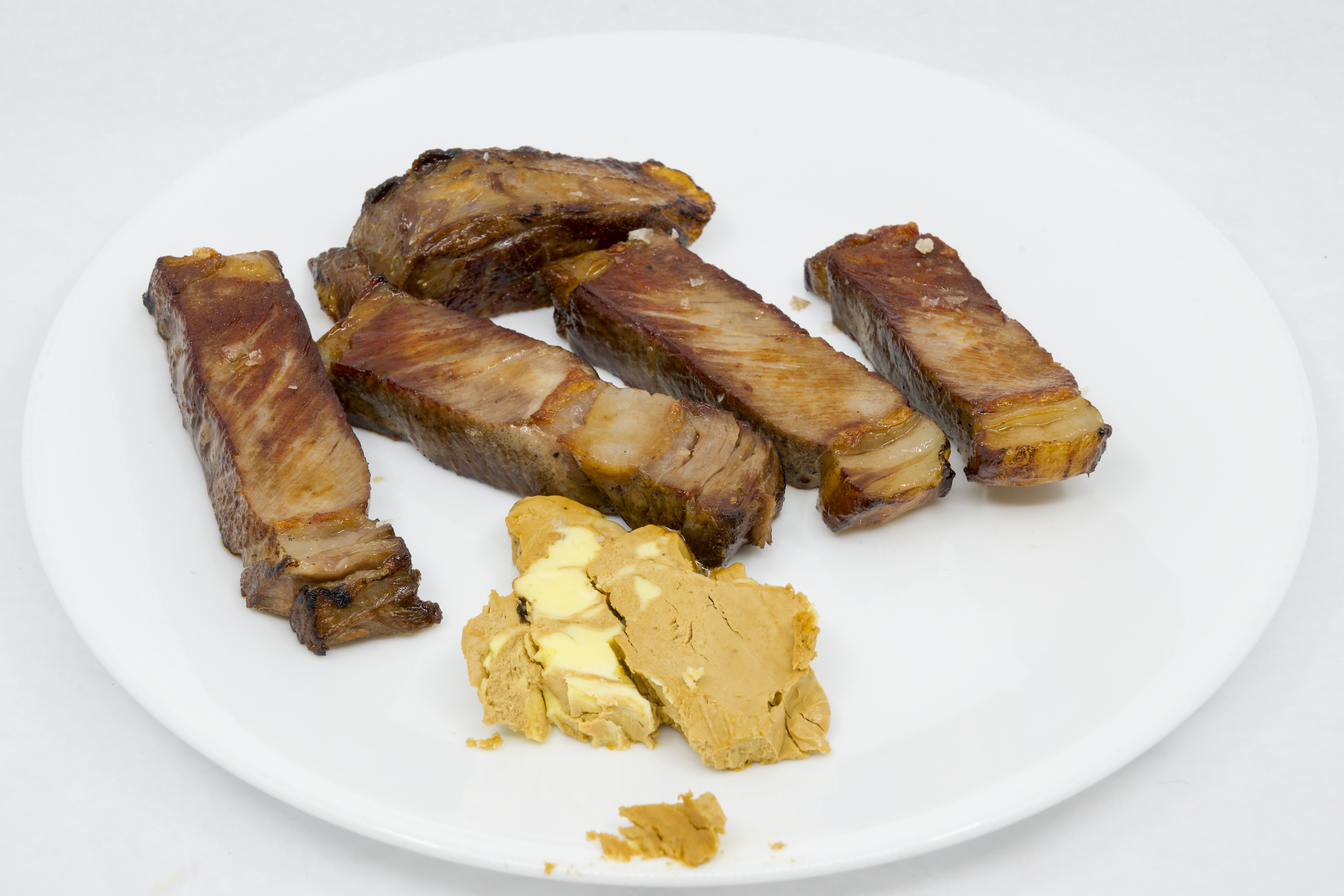
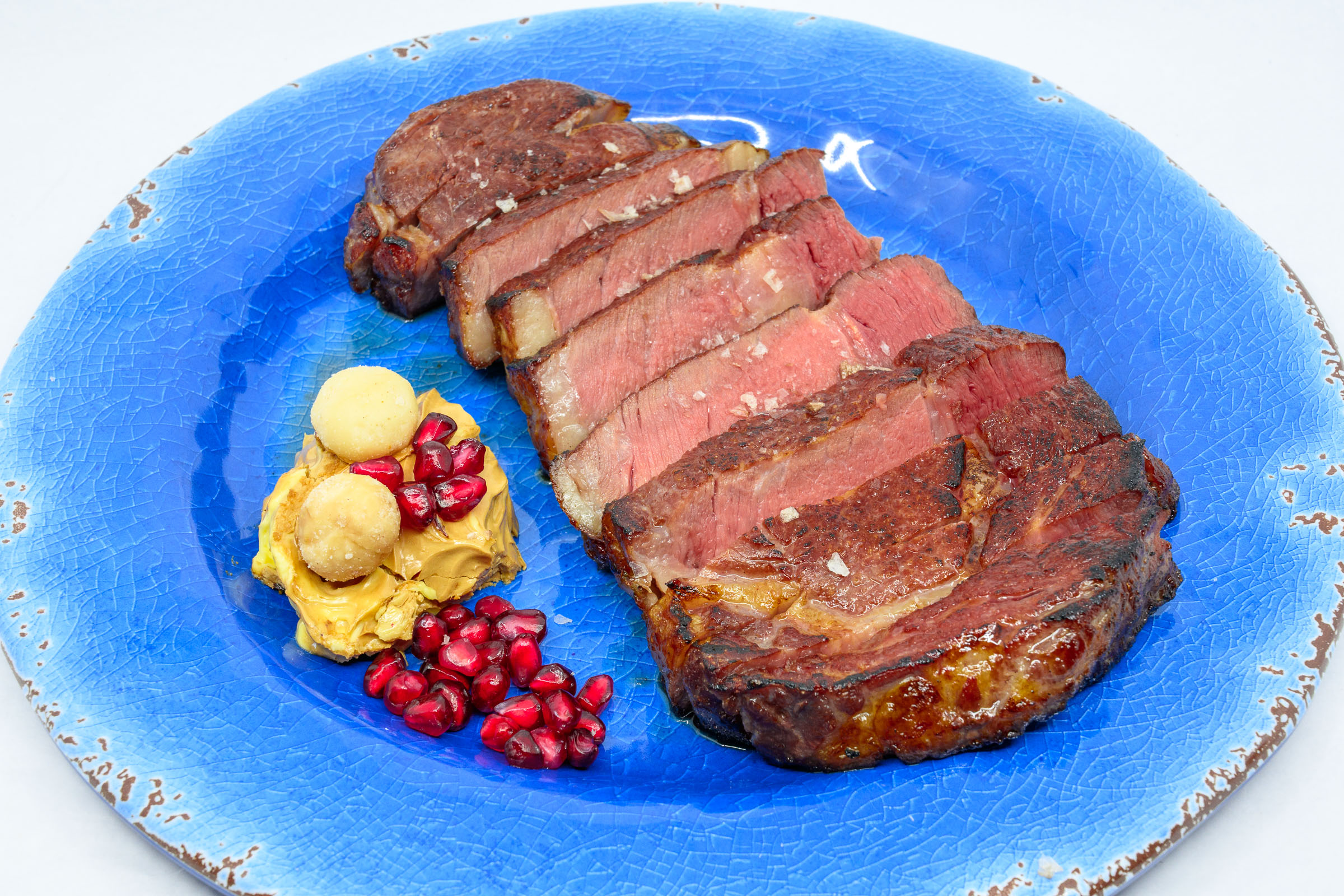
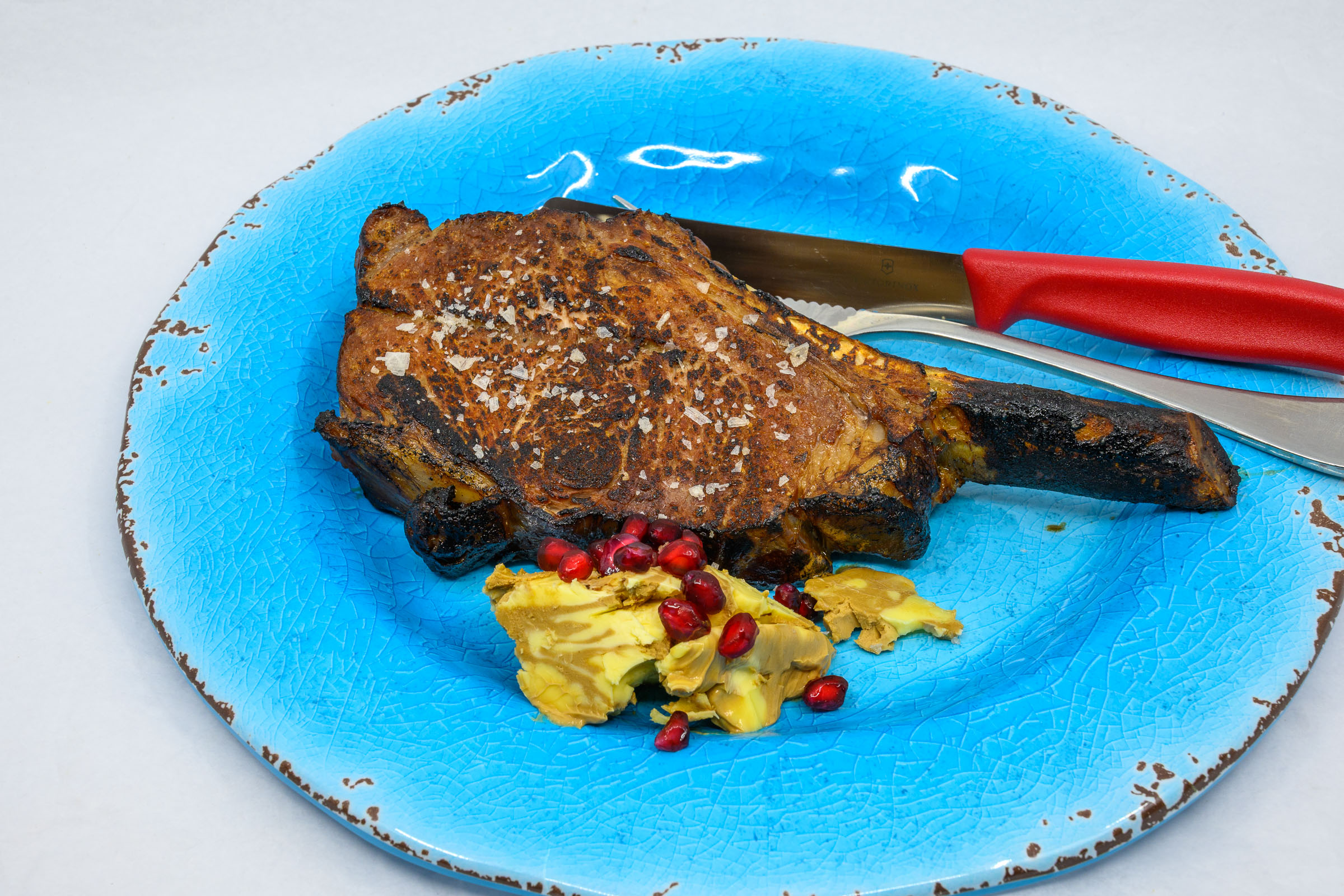
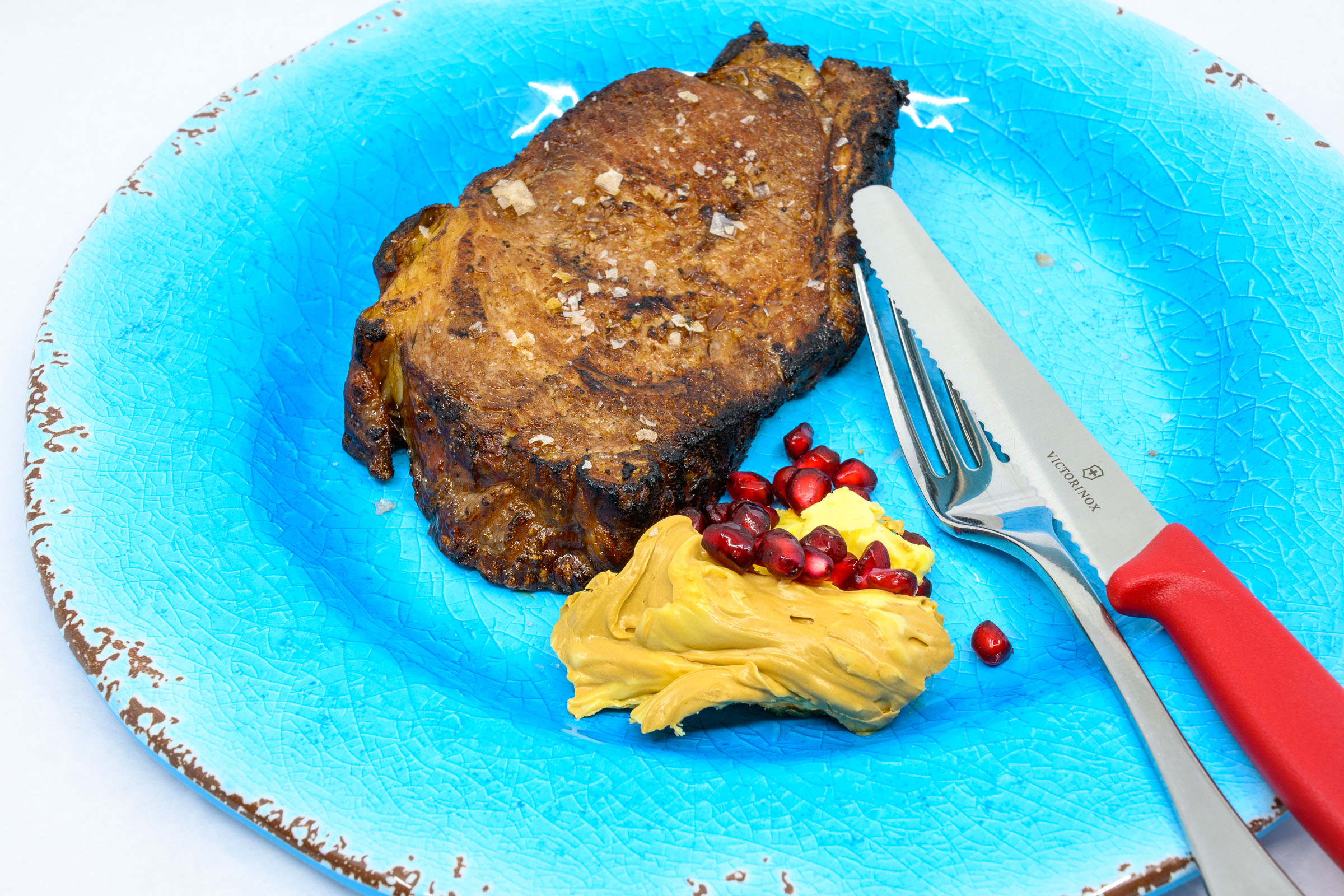
This Labour Day, I celebrated with a scotch fillet steak, crispy potato gems cooked in beef fat, and a blue cheese sauce.
What is Labour Day?
Labour Day marks the achievements of the labour movement and the efforts for fair working conditions in Australia. It celebrates the campaign for the eight-hour working day.
This idea was revolutionary. In the mid-1800s, many workers worked for 10 to 14 hours a day, six days a week, often in physically demanding and dangerous conditions.
Labour Day in Australia
Australia’s Labour Day traces its origins to the Eight Hour Day movement.
On 21 April 1856, stonemasons working on the construction of the University of Melbourne stopped work and marched through Melbourne demanding shorter working hours. Their campaign succeeded, securing an eight-hour working day without a reduction in pay. This was a landmark achievement and one of the earliest successful campaigns of its kind anywhere in the world.
It became a symbol for workplace reforms. Over subsequent decades, workers and unions continued campaigning for better conditions, leading eventually to shorter working weeks, workplace safety improvements, paid leave, and other employment protections that Australians now regard as normal.
What Does Labour Day Mark?
Labour Day marks:
- The achievements of Australian workers.
- The success of the eight-hour day movement.
- The importance of fair pay and working conditions.
- The contribution of organised labour and trade unions.
- The principle that life should include work, rest, and recreation.
Labour Day recognises that workers are more than economic units. They are parents, partners, community members, volunteers, and citizens.
Why Do We Have a Labour Day Public Holiday?
The purpose of the public holiday is both commemorative and practical.
It commemorates the struggles and victories of previous generations of workers while giving today’s workers a day to enjoy the very work-life balance those campaigns sought to achieve. The holiday reminds Australians that fair working conditions were won through collective action rather than simply granted by employers or governments.
A long weekend is arguably an expression of the eight-hour movement’s goals.
What Official Activities Occur on Labour Day?
Official activities vary between states and territories, but commonly include:
- Union-organised marches and parades.
- Community festivals.
- Speeches by union representatives and political leaders.
- Ceremonies recognising workers and labour history.
- Educational events focused on workplace rights and labour history.
In Queensland, May Day marches remain a prominent tradition, while other states often host commemorative gatherings and community events connected to labour organisations.
How Many Australians Participate in Official Labour Day Events?
This is harder to answer precisely.
While Labour Day marches, parades, and commemorative activities occur, I could not locate an authoritative national statistic showing what proportion of Australians participate in official Labour Day events. Sources describe the events and their significance, but do not provide a national participation rate.
Anecdotally, participation in official events represents only a small fraction of the Australian population, with most people observing the holiday simply as a public holiday and long weekend.
Labour day meal
A public holiday deserves a meal that feels special without requiring a day spent in the kitchen.
Scotch Fillet Steak
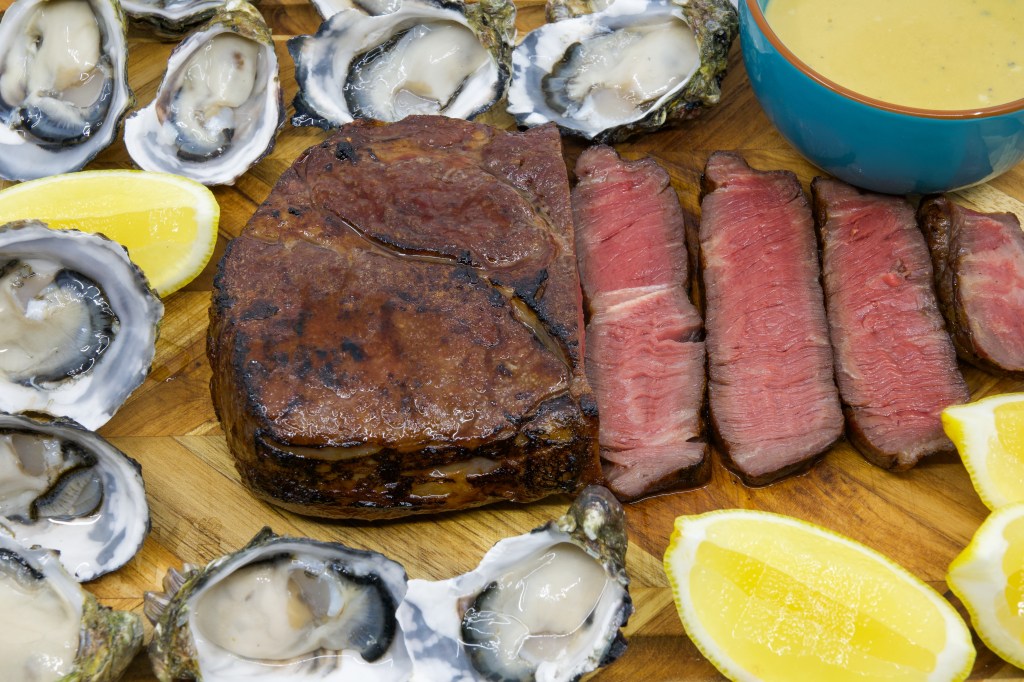
The dry-brined steak spent one hour in a water bath maintained at 57 °C. This temperature produces an even medium-rare result from edge to edge, preserving tenderness and juiciness.
Once removed from the bag, the steak was dried thoroughly and finished over a gas barbecue. To achieve a deeper crust, a gas blowtorch assisted with the final sear, creating a caramelised exterior.
The result was what a scotch fillet should be:
- Tender.
- Juicy.
- Beefy.
- Browned on the outside.
Potato Gems in Beef Fat
Potato gems are already one of humanity’s finer inventions.
Cooking them in beef fat elevates them to another level.
The hot beef fat develops a blistered golden crust while enhancing the savoury flavour. The outside becomes wonderfully crisp while the inside remains fluffy and soft.
Every bite tastes indulgent.
Blue Cheese Sauce
The blue cheese sauce added richness and complexity.
Sharp, salty, creamy, and slightly funky, it complemented the scotch fillet beautifully. Each mouthful balanced the sweetness of the beef, the crunch of the potato gems, and the bold character of the cheese.





Final Thoughts
Labour Day is a reminder that the balance between work, rest, and recreation is worth protecting. More than 170 years after some stonemasons marched for the eight-hour day, Australians continue to benefit.
A long weekend provides an opportunity to reflect on those achievements. It also provides an excuse to cook a scotch fillet steak, crisp some potato gems in beef fat, and drown everything in blue cheese sauce.
References
National Museum of Australia. 2024. Eight-hour day.
State Library Victoria. Origins of the 8-hour day.
Australian Workers Heritage Centre. 2025. Labour Day History.
Australian Workers Heritage Centre. 2026. 170 Years of the Eight Hour Day.
LabourDay.com.au. What is Labour Day?
ABC News. 2026. Which states get a public holiday today? What event is it?
Time Out Australia. 2026. What is Australia’s Labour Day public holiday for?