

I now live in a jurisdiction with a bicameral legislature. While we have the Australian Senate nationally, in the states or territories I’ve lived in, there has only been a lower house, meaning there is no house of review. I don’t intend to share my personal thoughts on upper houses; suffice to say, the lack of an upper house doesn’t seem to make much difference to state or territory governance (in my opinion).
There is an election this Saturday, and as has become my practice, I arrange to vote early. My early voting isn’t because I am a keen participant in my privilege as a citizen, but because of my desire to avoid other human beings as much as possible.
It’s time to write again about:
The Democracy Sausage
on Yummy Lummy.
What have I been listening to?
I listened to an interview with linguist and psychologist Steven Pinker. He is a Canadian‑American cognitive psychologist and a public intellectual, known for his work on language, human nature, and the surprising ways our world is improving.
His books include The Language Instinct, How the Mind Works, The Better Angels of Our Nature: Why Violence Has Declined, Enlightenment Now: The Case for Reason, Science, Humanism, and Progress, Rationality: What It Is, Why It Seems Scarce, Why It Matters, The Blank Slate: The Modern Denial of Human Nature, and The Sense of Style: The Thinking Person’s Guide to Writing in the 21st Century. The interview I listened to focused on his latest book, When Everyone Knows That Everyone Knows: Common Knowledge and the Mysteries of Money, Power, and Everyday Life.
I left with a better understanding that I don’t share common knowledge very often. It helped explain why I miss social cues and why I’m socially awkward.
I’ve also been listening to the Westminster Tradition podcast. It offers lessons for public service by examining public policy failures such as Robodebt and the UK’s Mad Cow Disease incident.
What have I been watching?
The truth about the toxic algal bloom spreading across the south of Australia.
The ABC’s Four Corners presented a show on the algal bloom across southern Australia.
You can also view it on YouTube.
I won’t comment on it because I have a connection to it through my job. I usually don’t watch Four Corners, and I won’t be watching it again anytime soon.
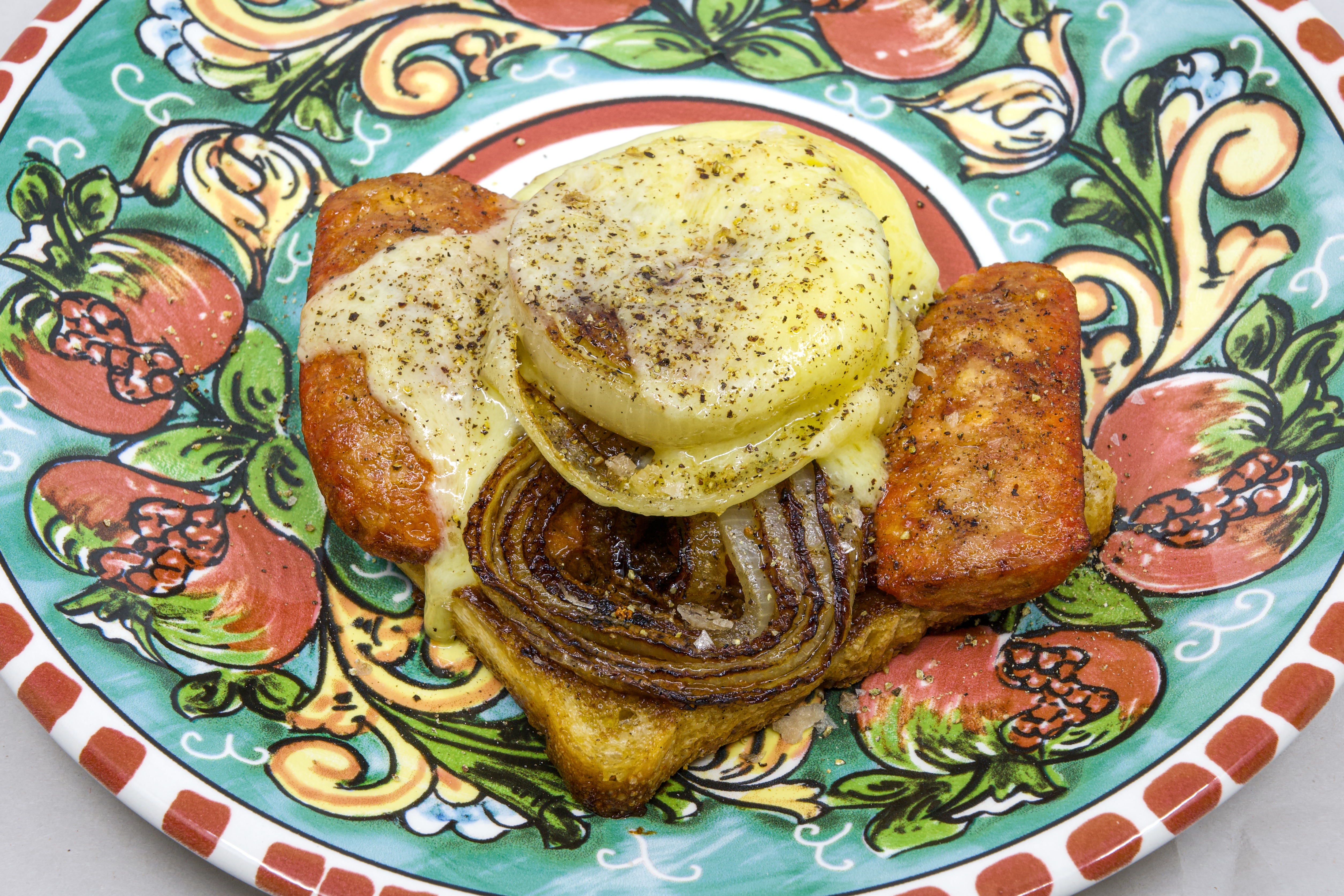
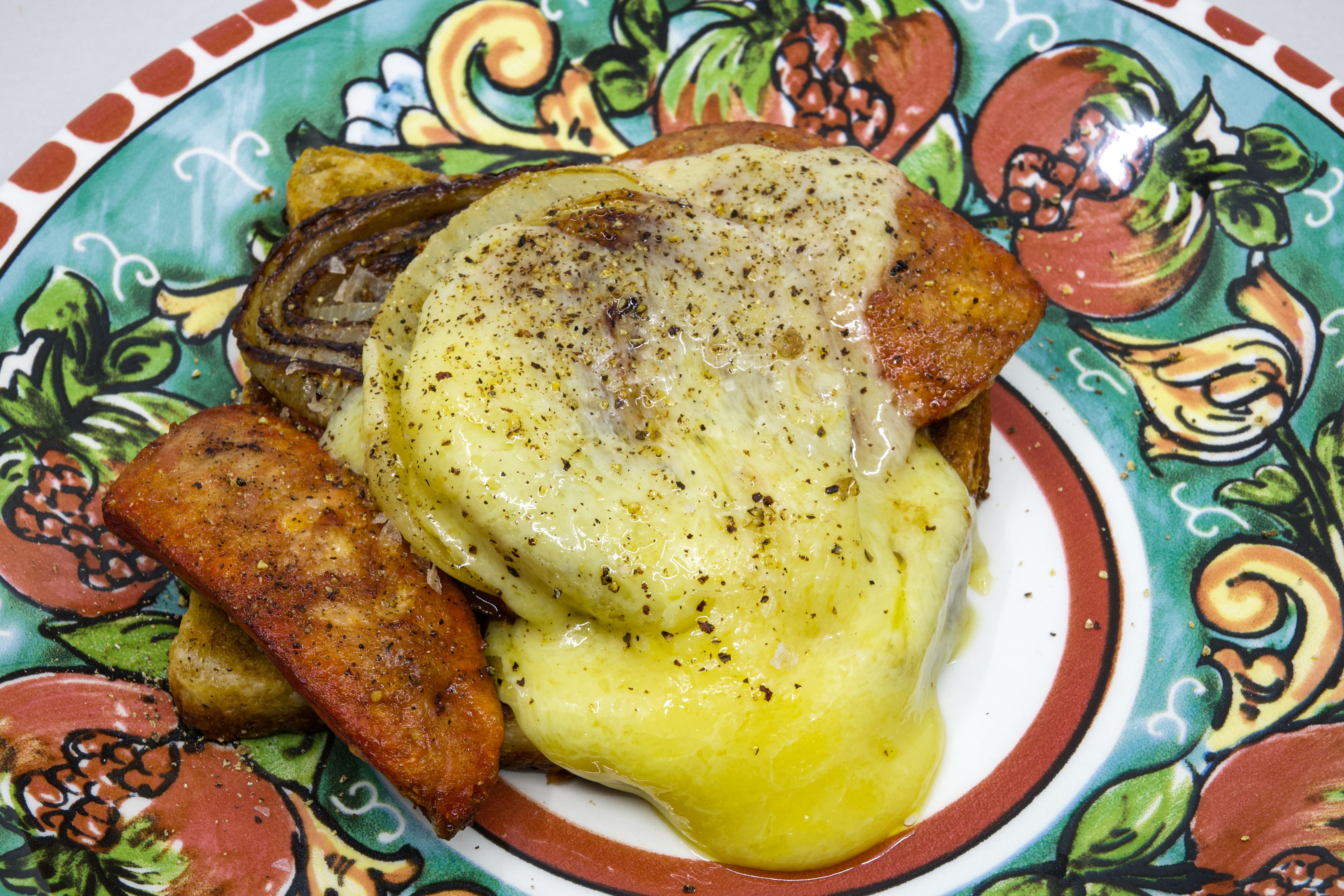
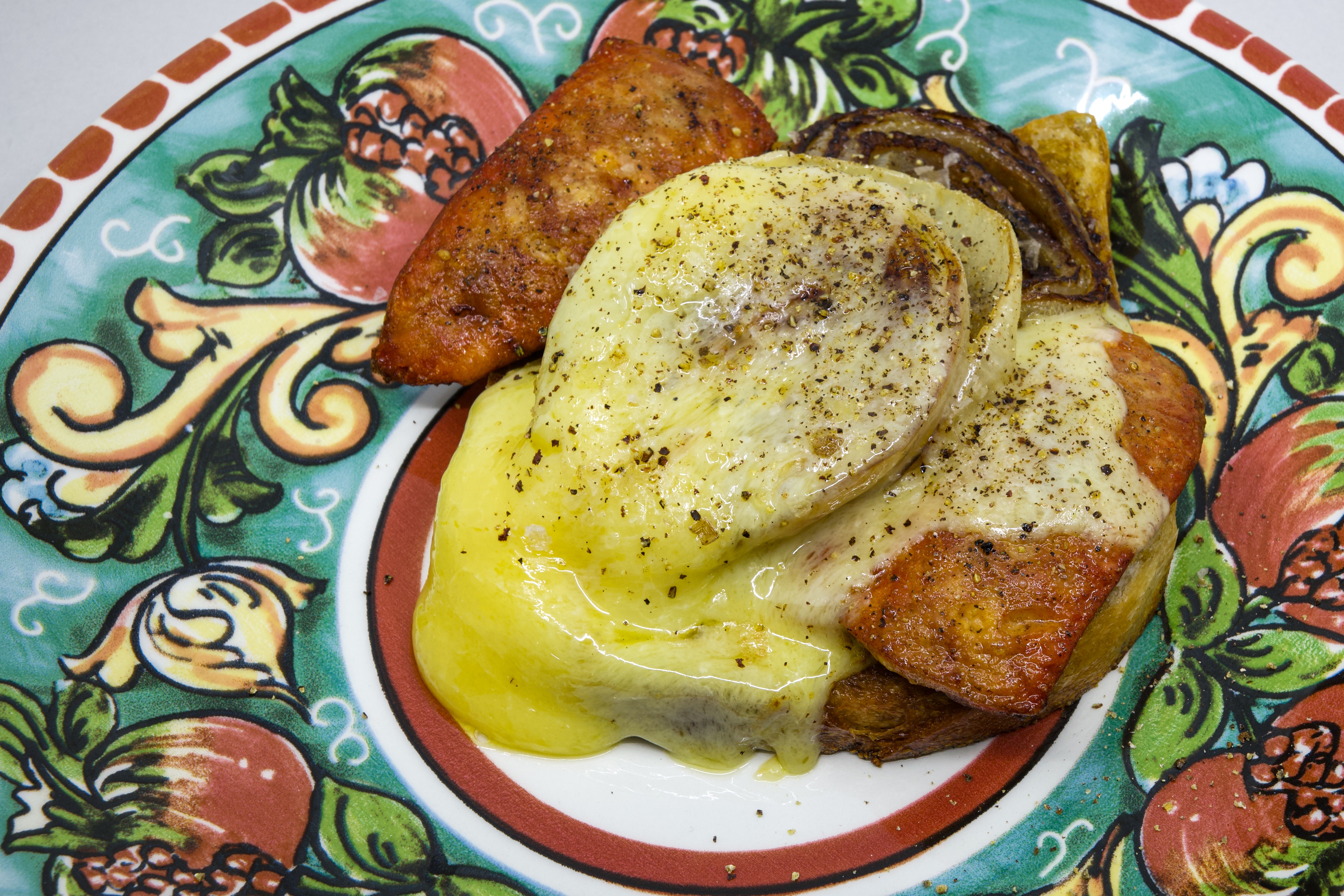
Democracy sausage made with Kransky and cheese with onion, cheddar, and sourdough, lined with whipped Vegemite butter.
A slice of white sourdough bread with a generous layer of whipped Vegemite butter for lubrication and umami.
One kransky and cheese sausage cut longitudinally and then bisected. Cooked on a cast-iron flat-top in the Weber Q+.
A couple of slices of brown onion. Cooked on a cast-iron flat-top in the Weber Q+.
The sausage was loaded onto the bread, and then the onion, and then a couple of pieces of aged cheddar cheese. I finished it on the Weber Q+ with the hood down, so the cheese started to melt, and the sourdough was fried in beef fat and whipped Vegemite butter.
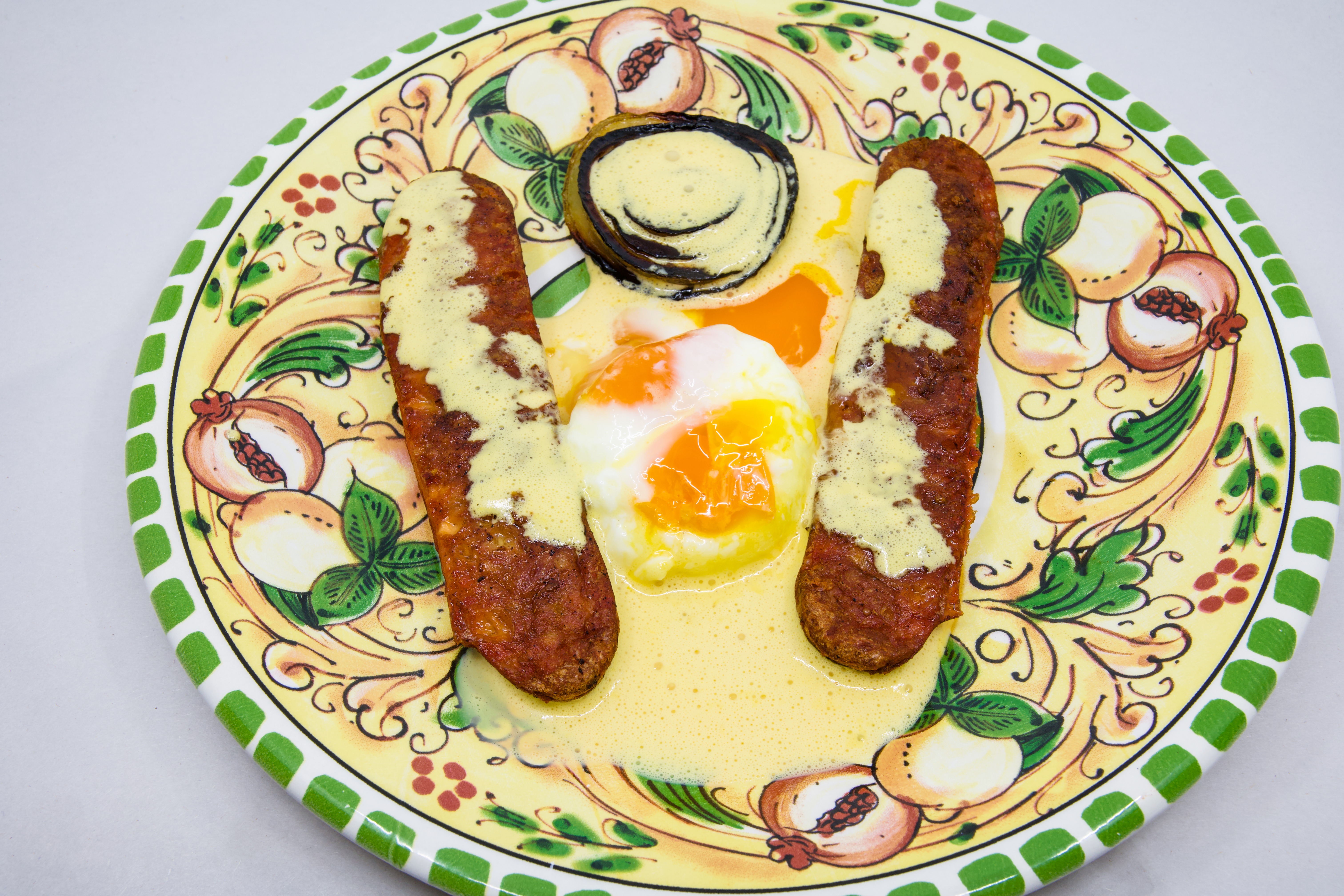
I had another kransky sausage and made another meal with poached eggs and Hollandaise sauce.
Democracy sausage, cooked in the Weber Q+ with some white onion, was served with a couple of poached eggs and freshly made Hollandaise sauce. The sauce was delicious, made with three egg yolks, freshly squeezed lemon juice, Vegemite and melted salted butter. However, the poached egg yolks broke prematurely, creating a mess on the plate.
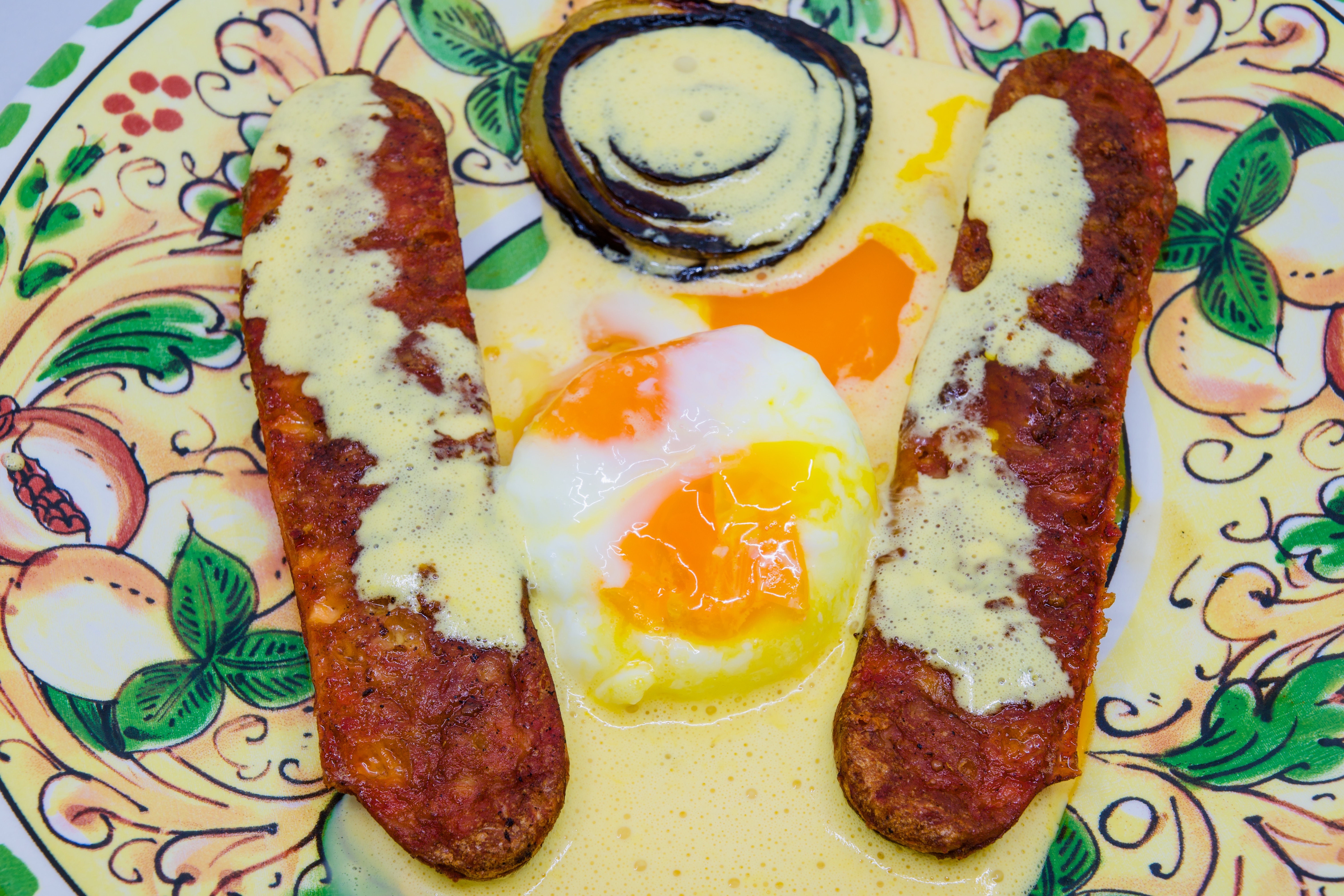
A Kransky is a smoked, cured pork sausage originating from Slovenia, where it is known as kranjska klobasa. It is now widely produced and enjoyed in Australia.
Key Characteristics
- Smoked (traditionally beechwood or hardwood)
- Coarse‑minced pork (sometimes pork + beef)
- Seasoned with garlic, pepper, paprika, coriander, and other spices
- Encased in natural or collagen casings
- Fully cooked and ready to heat or eat
Ingredients
- 100% Australian pork
- Water
- Salt
- Mineral salts (450, 451, 452)
- Antioxidant (316)
- Vegetable gum (412)
- Spices
- Preservative (250)
- Collagen casing
- Naturally beechwood smoked
Per 100 g (standardised comparison)
| Nutrient | Amount |
| Energy | ~253–336 kcal |
| Protein | ~14.9–18.9 g |
| Total Fat | ~21–22.4 g |
| Saturated Fat | ~9–9.8 g |
| Carbohydrates | ~1–2.8 g |
| Sugars | ~1–1.3 g |
| Sodium | ~943–1013 mg |
History of the Democracy Sausage
Polling day in Australia often smells of onions and tomato sauce. The Democracy Sausage — a sausage sizzle run by community groups at polling places — has become a ritual, part of Australian elections: a fundraiser, a social moment and a cultural symbol rolled into one. (Museum of Australian Democracy 2024).
Origins and early fundraising
Community fundraising at polling places dates back at least to the 1920s, with cake-and-tea stalls. The sausage sizzle emerged later, becoming widespread with the availability of portable barbecues in the late 1900s. The phrase “democracy sausage” entered popular use in the 2010s and became well known by the mid-2010s. (Museum of Australian Democracy 2024).
Why it stuck
Compulsory voting (introduced federally in 1924) and Saturday polling create large, captive, family-friendly crowds at local schools and halls. These constitute ideal conditions for community groups to fundraise with food. Over time, the sausage sizzle moved from pragmatic fundraiser to cultural shorthand for the civic act of voting. (Museum of Australian Democracy 2024).
Forms of the Democracy Sausage
Classic form
The archetypal democracy sausage is a grilled pork or beef sausage, served on a slice of plain white bread with tomato or barbecue sauce, and sometimes with fried onions.
The bread is not buttered.
Contemporary variations
Stalls have expanded their offerings to include sourdough rolls, gourmet sausages, vegetarian and vegan sausages, gluten-free bread, and accompaniments such as kimchi, sauerkraut, or cheese. Social media and crowd-sourced maps listing which booths offer which options have also encouraged variety. (Wikipedia 2024).
Reasons for the Democracy Sausage
Practical and social reasons
- Fundraising: For many schools, churches, and community groups, the election-day sizzle is one of the year’s biggest fundraising opportunities.
- Queue relief: Long queues make a quick, hot snack practical and welcome.
- Community ritual: The sausage sizzle turns voting into a communal, family-friendly event and reinforces local ties.
Political implications of the Democracy Sausage
Non-partisan civic culture
Although run by local groups rather than political parties, the democracy sausage contributes to a visible, everyday culture of participation that normalises voting as a communal act rather than a purely private duty. This normalisation supports turnout in a system where voting is compulsory and helps frame elections as both local social events and political contests.
Soft political effects
I wonder if the sausage sizzle can have subtle political effects.
The sausage sizzle increases foot traffic at certain polling places, creates opportunities for informal political conversation, and can shape the mood on polling day.
I have thoughts about stereotypes, which may or may not be worthy. I wonder if the barbecues staffed by more young, environmentally conscious people include vegetarian and vegan sausages. I wonder what meat-only stalls say about the local politics.
I wonder if anyone has studied this and published their findings.
Range and variety of the Democracy Sausage
From humble snag to culinary creativity
Across Australia, you’ll find everything from the classic snag-in-bread to artisan sausages on brioche, plant-based options, and culturally inflected toppings. The diversity reflects broader food trends (health, ethics, gourmetisation) and local tastes; some stalls advertise their menus in advance so voters can choose a polling place based on what’s on offer. stalls advertise their menus in advance so voters can choose a polling place based on what’s on offer.
The likely future of the Democracy Sausage
Evolution, not extinction
I assume the democracy sausage will remain a fixture. I expect continued diversification (more plant-based and dietary-specific options), greater use of digital mapping and social media to publicise stalls, and occasional debates about health, waste (single-use packaging) and food safety. In the absence of major changes to voting day timing or compulsory voting, the sausage sizzle will remain.
Endnotes
- Museum of Australian Democracy, 2024, The sizzling history of the democracy sausage. Museum of Australian Democracy
- Wikipedia 2024, Democracy sausage, Wikipedia. Wikipedia
