Tag: Congee

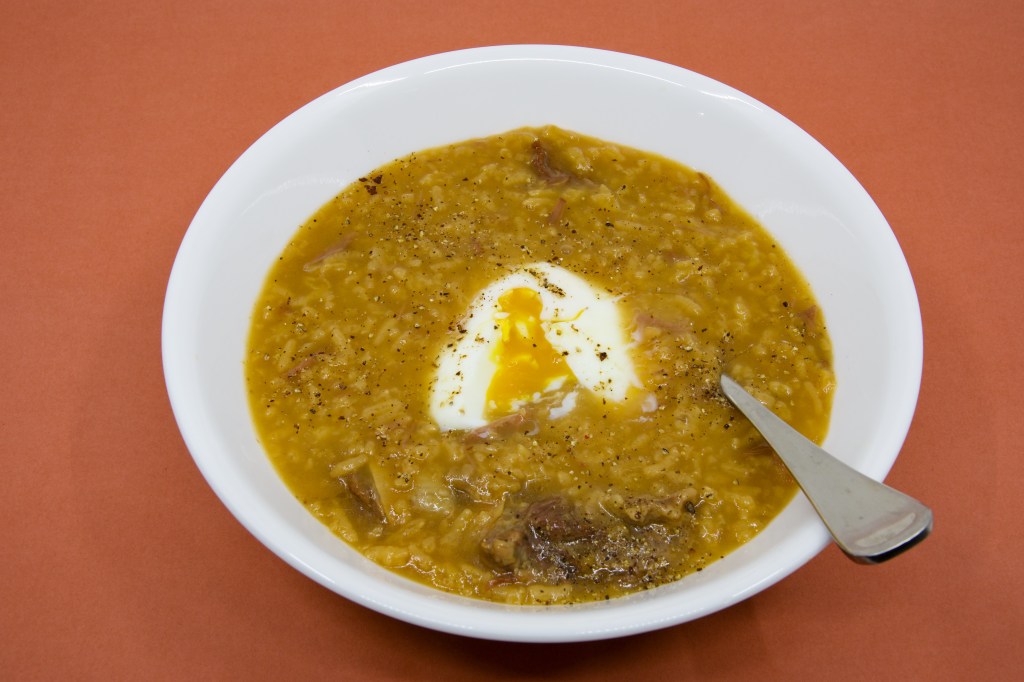
  • Beef short rib rice porridge

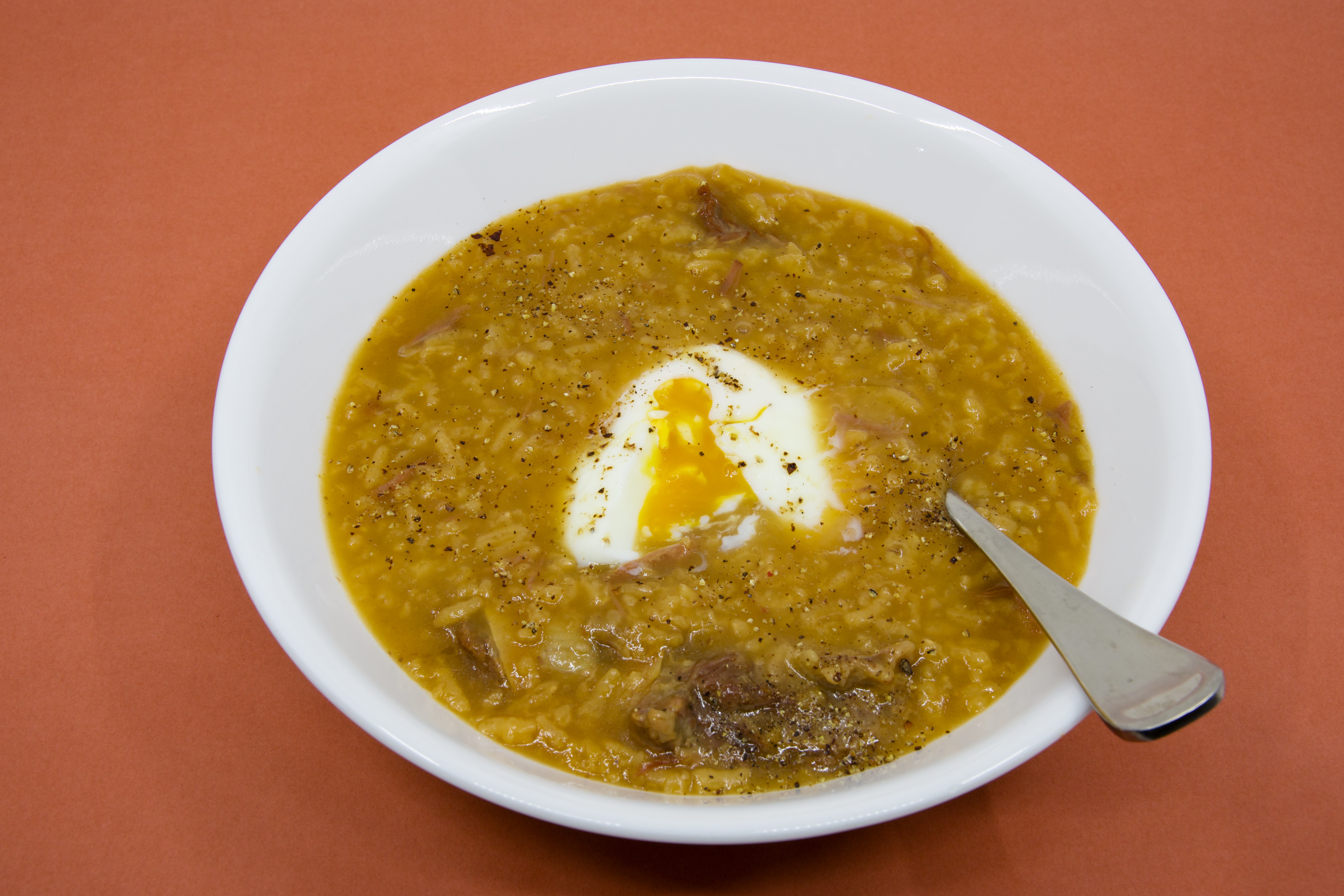
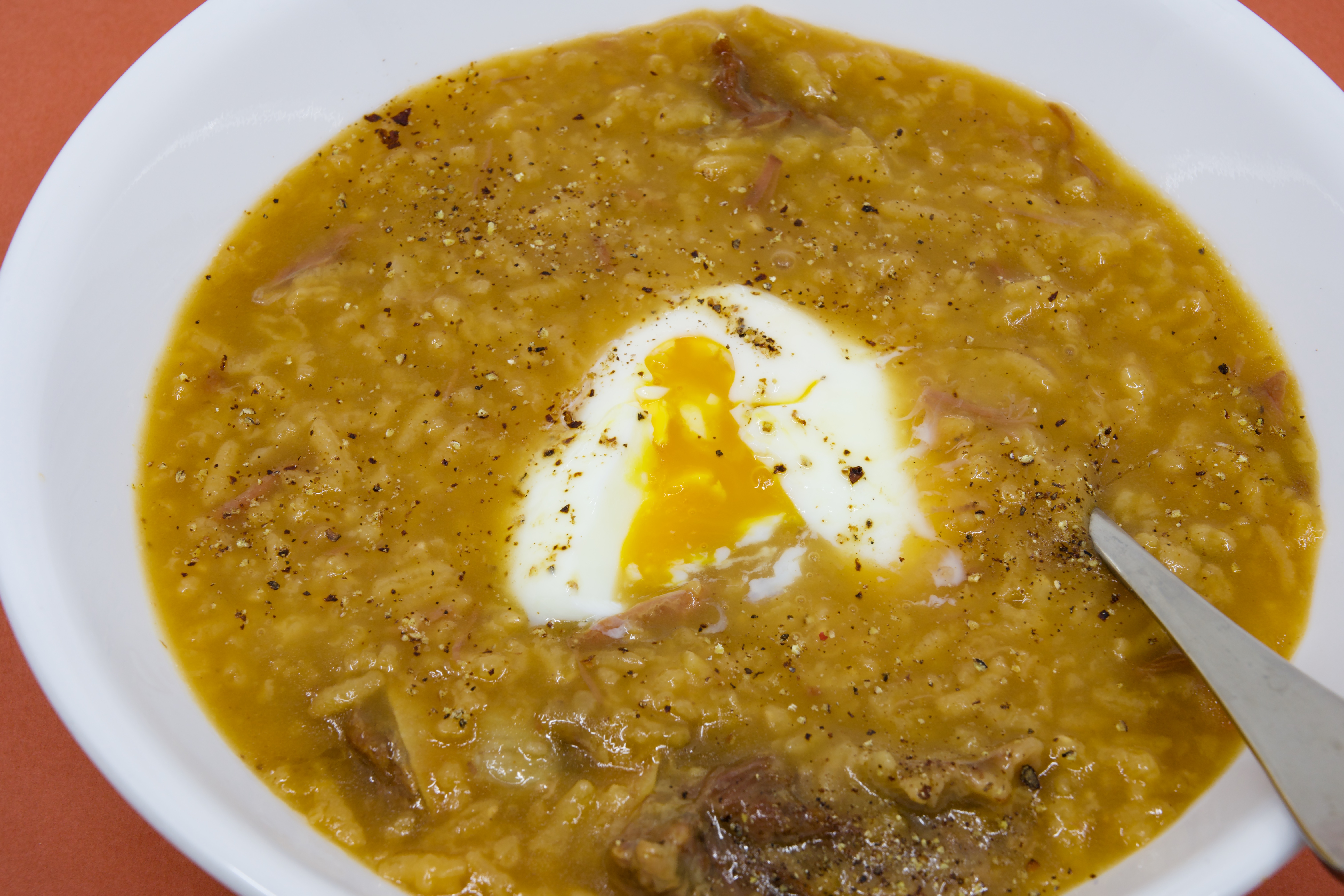
    Beef short rib rice porridge


    I haven’t been running on all eight[i] this week. The weather has turned, and I feel like my seasonal affective disorder[ii] is about to kick in.

    To feel happy, I thought I’d make some rice porridge with beef short rib meat.

    Rice porridge is known by many as congee. I grew up calling it jook. I know “The Mouse” from Live2EatEat2Live Blog also calls it jook. The Mouse is a brother from another mother. He lives in Spamland[iii]. We’ve been following each other’s blogs for at least 16 years.

    I’ve been thinking about The Mouse a bit lately as I continue to watch Hawaii Five-0.

    In Season 7 episode 13, Lou describes the joy of dunking malasadas from Leonard’s Bakery in coffee. A malasada is a Portuguese deep-fried, yeast-raised doughnut without a hole, traditionally coated in sugar. I remember in 2015 eating half a dozen custard-filled malasadas from Leonard’s Bakery, but not dunking them in coffee.

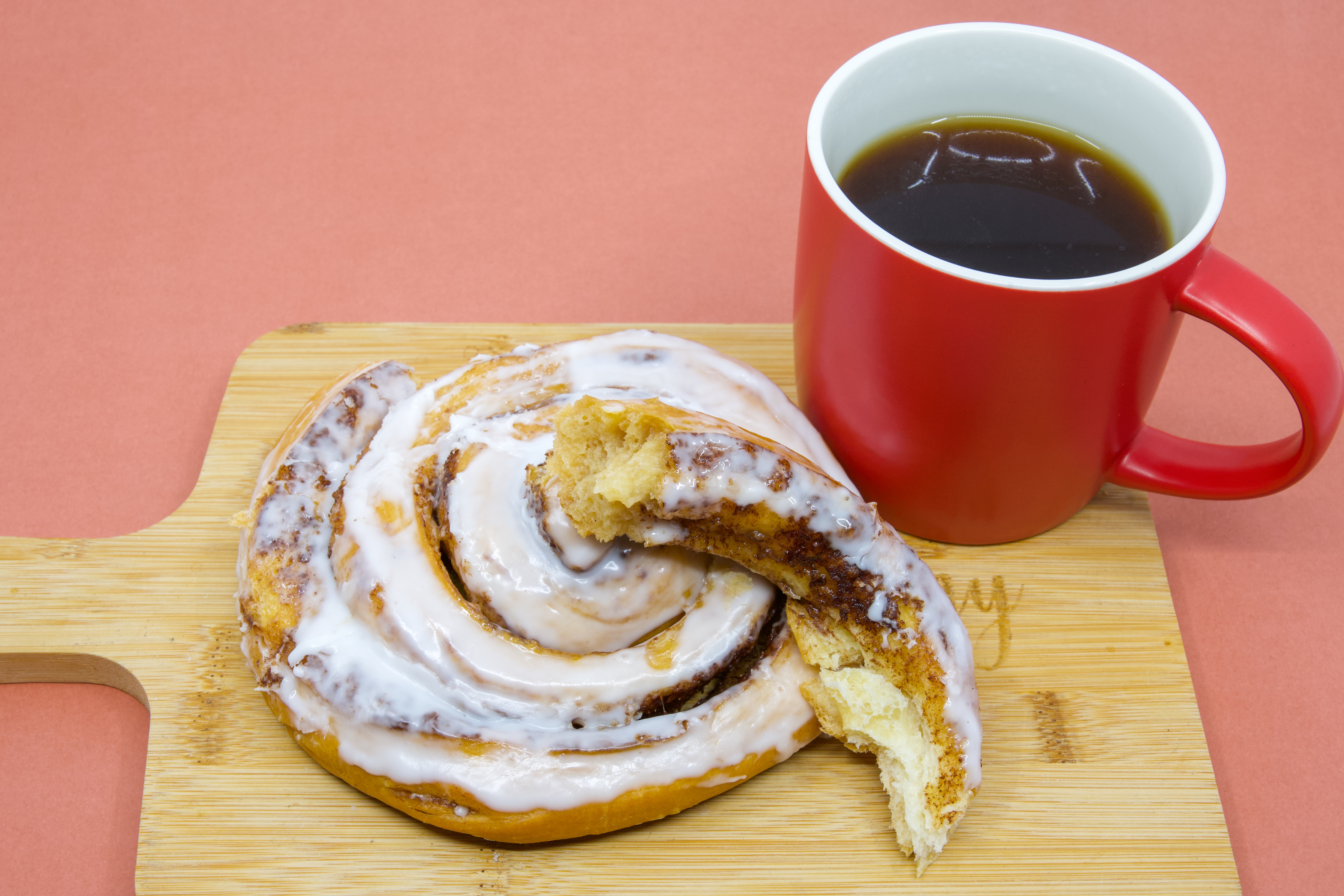
    I don’t know that I can find a Portuguese deep-fried, yeast-raised doughnut filled with custard locally. To compensate, I got a cinnamon scroll from my local patisserie and enjoyed morning tea by dunking it into a mug of black coffee.

    The cinnamon scroll absorbed the coffee without becoming soggy. The mouthfeel and flavour of the sweet dough cut through the coffee’s bitterness perfectly. Unfurling the scroll and breaking off pieces for dunking made the whole affair most enjoyable. It was so good, I think I’d even do this in public.

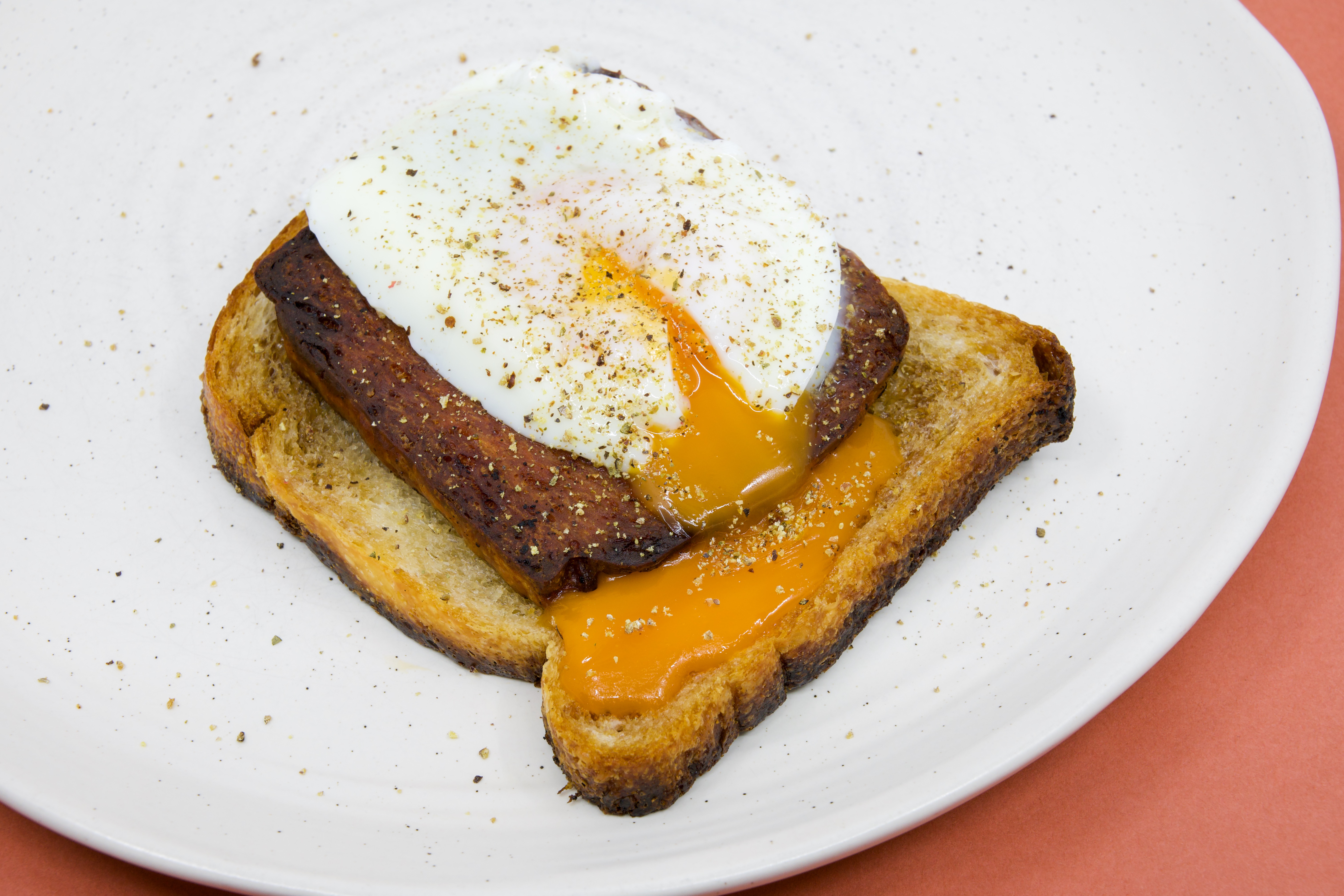
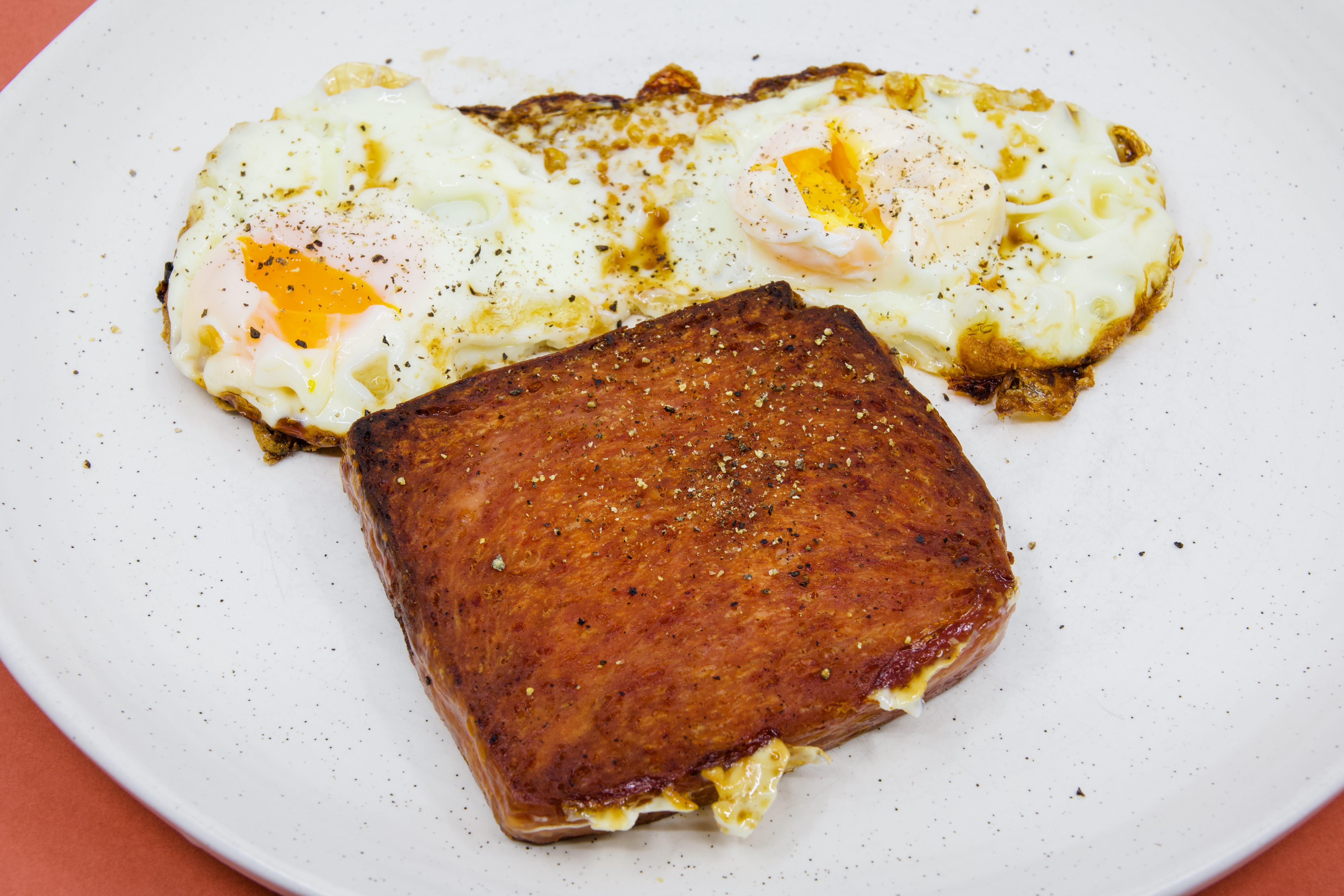
    Of course, when I think of Spamland, I think of Spam[iv]. I had Spam for lunch yesterday and today.
    Recipe

    Ingredients

    • Rice
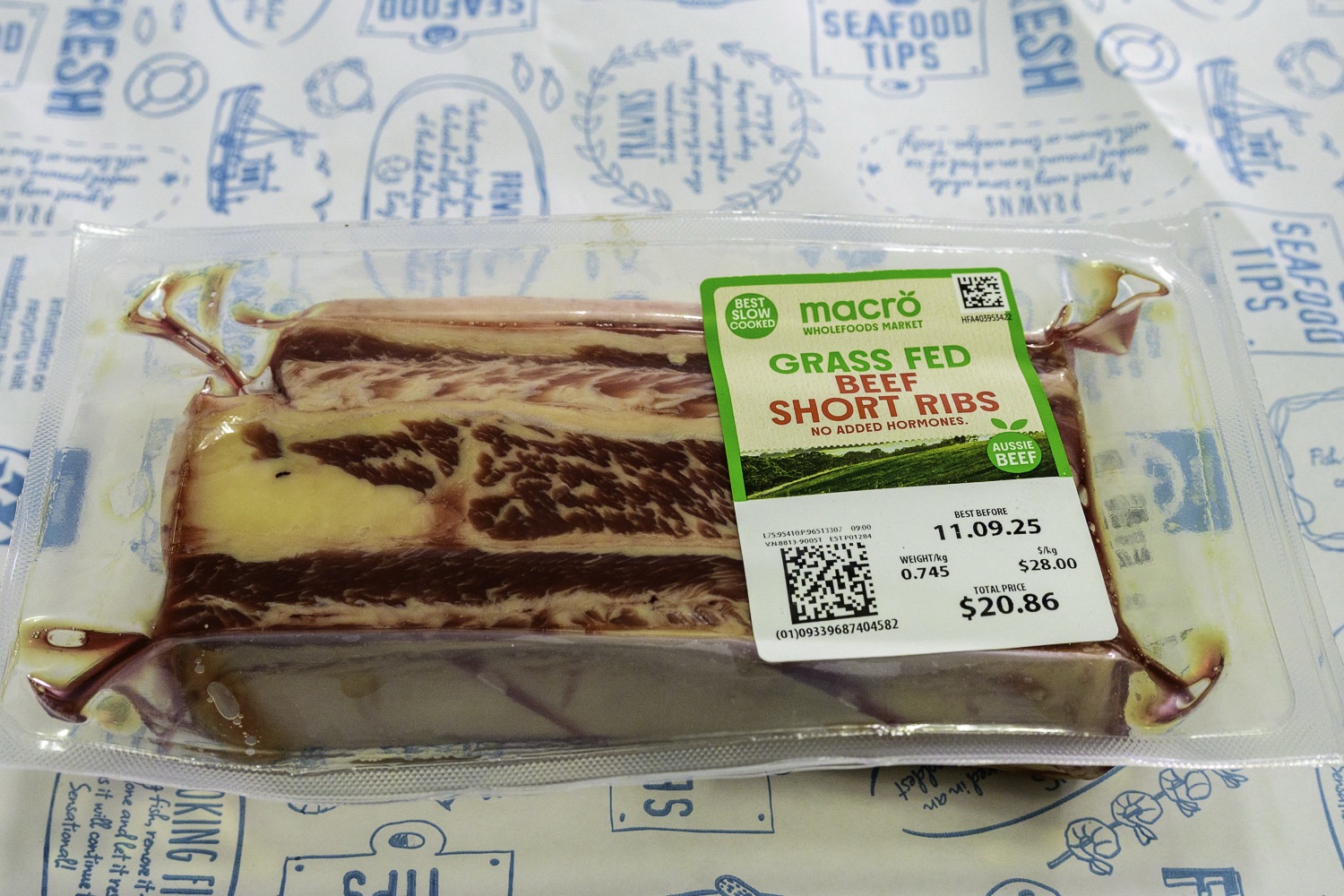
    • Beef short ribs
    • Salt
    • Water
    • Beef broth (from previous beef short rib meals cooked in the pressure cooker)
    • Egg

    Equipment

    • Pressure cooker
    • Microwave oven

    Instructions

    1. Wash one cup of rice until the water is clear.
    2. Place the rice and beef broth in the pressure cooker, then add water until the total liquid volume is 8 cups.
    3. Add salt.
    4. Cook for 1 hour, then allow the pressure to return to 1 atmosphere naturally.
    5. Strip the meat from the ribs.
    6. Shred the meat and mix it through the rice gruel.
    7. Aliquot enough for a dinner bowl.
    8. Put the rest in a container and refrigerate.
    9. When cool. Place a cup of rice porridge into a vacuum bag for freezing. There should be enough for six bags. Freezing the rice porridge will create resistant starch.
    10. Poach an egg with microwave radiation.
    11. Serve the rice porridge with a poached egg.
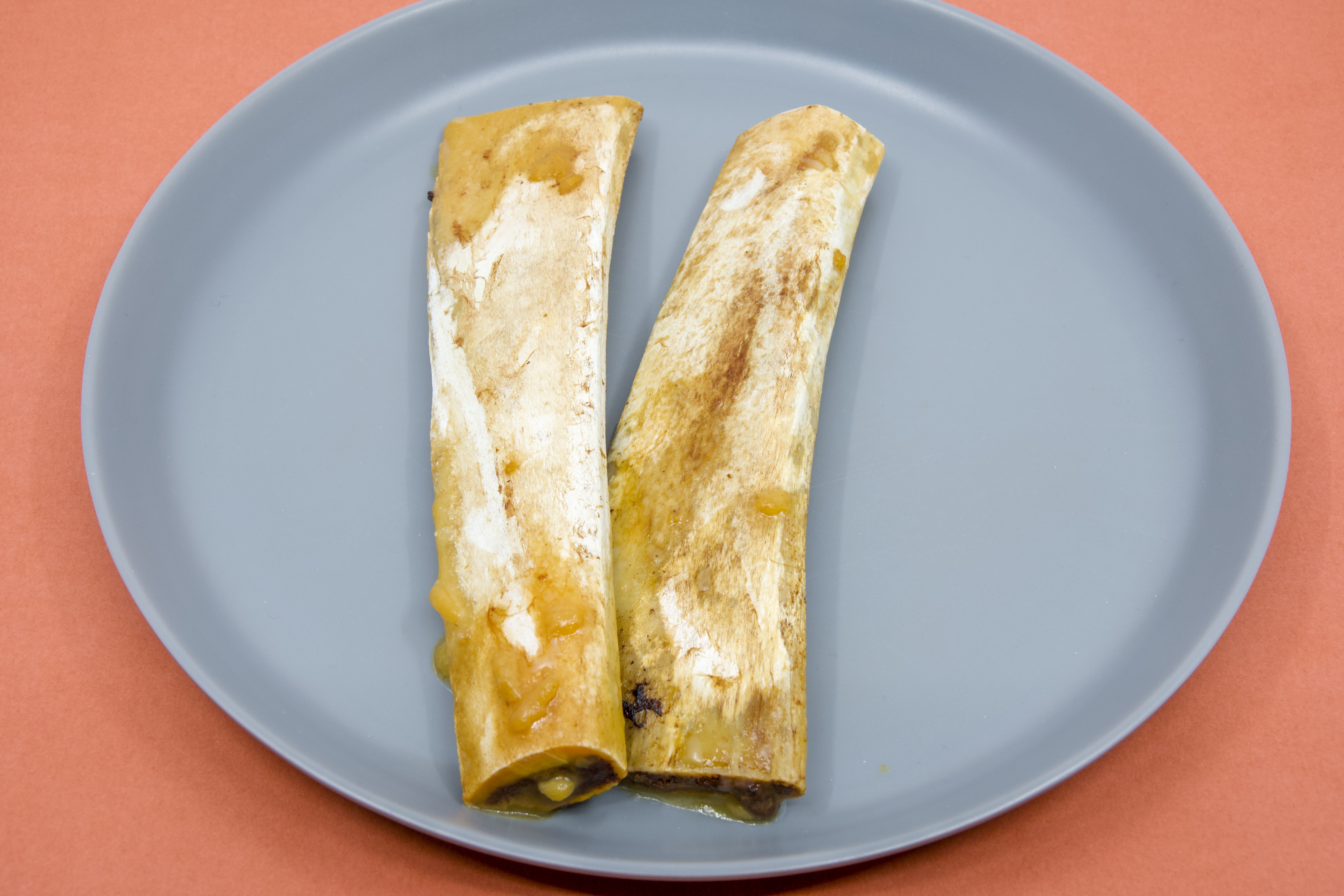
    Thoughts on the rice porridge

    This was a “no frills” rice porridge. It was not flavourful like my mother’s, which is my favourite food.

    My version was filling, and I enjoyed it. I wouldn’t share this with anyone; it was bland and not a good example of how good rice porridge can taste.


    [i] In Australian colloquial speech, “running on all eight” means someone is functioning at full capacity — mentally sharp, physically energised, and performing at their best.

    [ii] A depressive disorder usually associated with the onset of winter weather.

    [iii] Hawaii

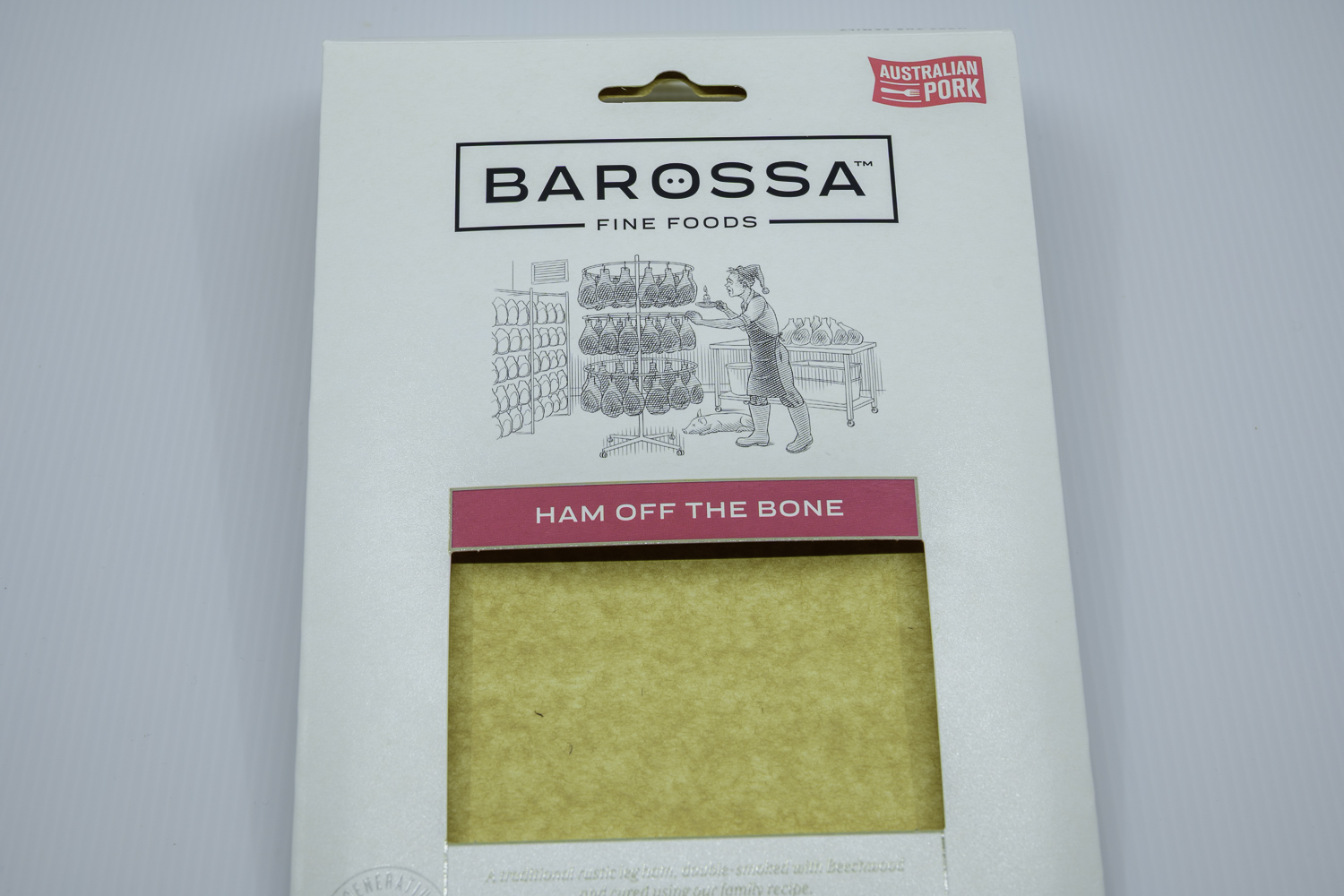
    [iv] Pork with ham; salt; water; modified potato starch; sugar; sodium nitrite. Modified potato starch is potato starch that has been physically, enzymatically, or chemically altered to change its functional properties (viscosity, stability, freeze–thaw resistance, gelling, etc.). It is still made from the starch extracted from potatoes, but its molecular structure has been intentionally changed so it performs better in industrial food processing.

    Fediverse Reactions
  • Beef congee

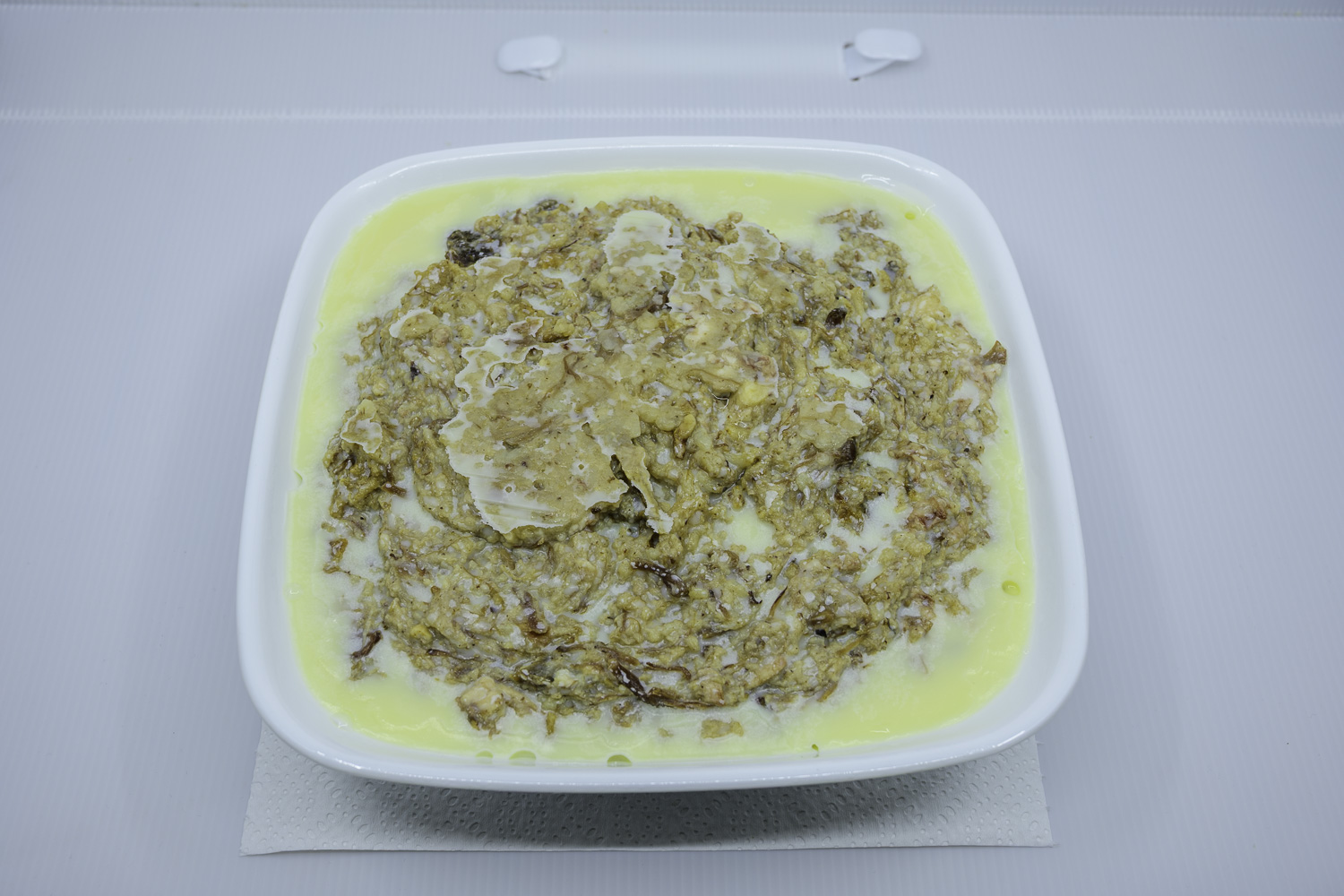
    Beef congee


    From time to time, I’m adding some starches to my diet. It’s been a while since I’ve eaten any rice. Having just spent a weekend with many Asians, an innate fondness for rice and chopsticks welled up to the surface. I often cook with chopsticks, e.g., when I make blue vein cheese sauce, wooden chopsticks are my go-to tool for stirring and mixing.

    The rice in the congee[i] is problematic. The starch constitutes carbohydrates I do not need. I can partially ameliorate the problem by freezing the cooked rice and converting it to resistant starch to lower the glycaemic index.

    Recipe

    Ingredients

    • Rice
    • Beef broth
    • Beef short ribs
    • Beef chuck steak
    • Water
    • Salt

    Equipment

    • Fast/slow cooker

    Instructions

    1. Wash a cup of uncooked rice and then add it to the slow cooker.
    2. Add a cup of beef broth and enough water to cover the rice by one distal phalange.
    3. Add the beef short ribs and beef chuck.
    4. Add some salt.
    5. Cook for 8 hours.
    6. At the end of 8 hours, add the optional sterilisation by steam under pressure in the pressure cooker. I sometimes do this if I’m using beef broth that has been in the refrigerator for a week or more. While the risk of bacterial contamination is low because of the hygiene precautions I take, this step is belt and braces.
    7. If you use a fast/slow cooker (or similar device), this can be achieved without changing cooking vessels.
    8. Transfer the contents into a large bowl and start to pull the meat and mix it with the rice gruel.
    9. Remove the rib bones.
    10. Refrigerate the congee overnight so the rice develops resistant starch.
    11. Aliquots can now be taken and reheated for small meals, like lunch.

    Reheating

    1. Divide the refrigerated congee into six portions.
    2. Add the portions to vacuum bags and seal the bags.
    3. Reheat the contents in water bath at 80 °C for 45 minutes. The solidified beef fat will melt, and the rice and meat with break up and become softer.
    4. Pour the hot congee into a bowl.
    5. Serve the reheated congee, which has now developed resistant starch, in a bowl and eat with a spoon.
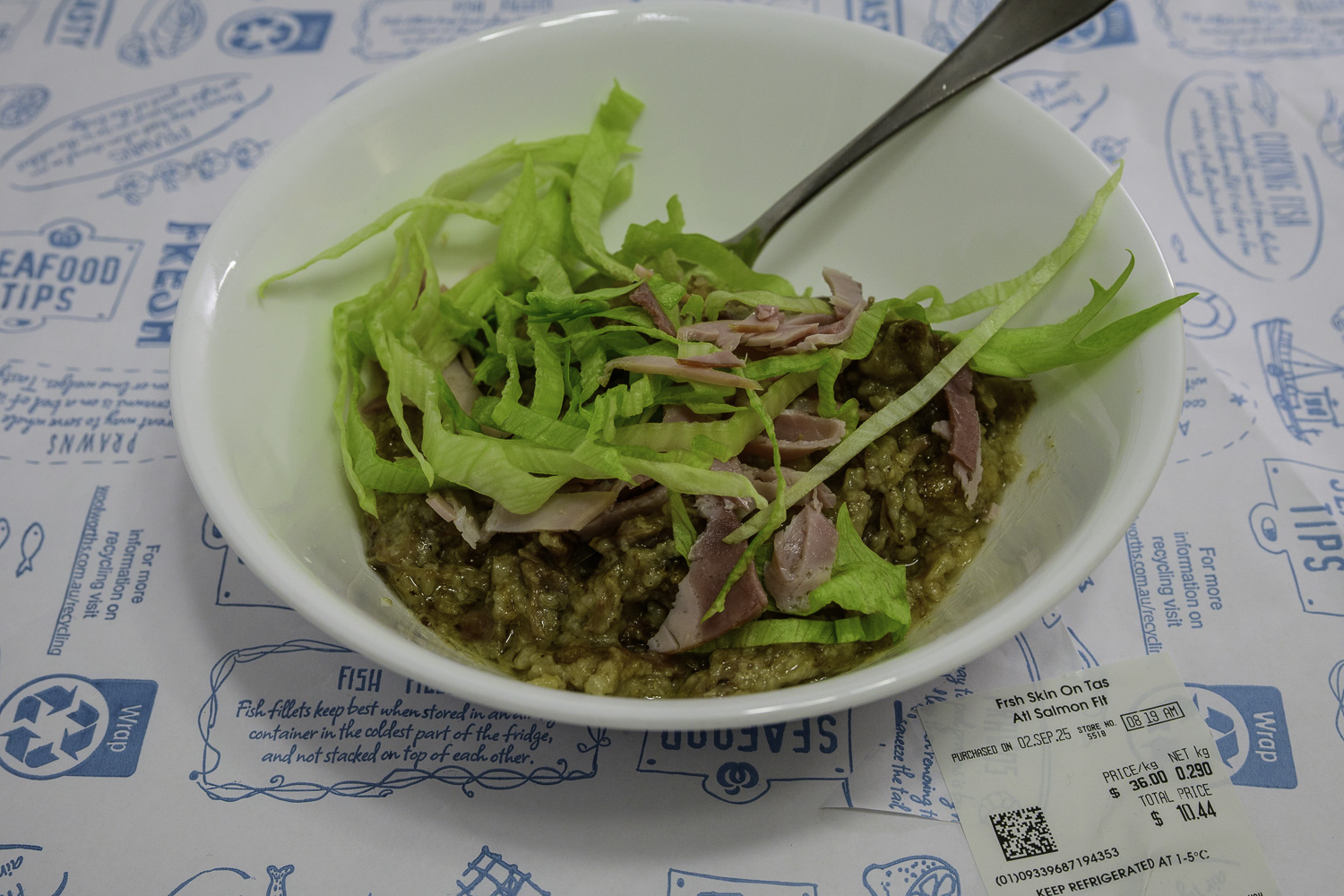
    6. You can add shredded pork and lettuce.

    Photographs

    Select an image and scroll through.

    Thoughts on the meal

    My mother makes my favourite congee. It is chicken congee, and she uses a pressure cooker. She would always use a whole chicken and basic white long-grain rice. Mum would add soy sauce and other Chinese herbs and spices. In serving, we’d have shredded iceberg lettuce, shredded ham, plus extra soy sauce. We’d eat the jook (that’s what we called congee) for an evening meal most of the time in winter. It would keep us warm. If there was any leftover, we may get some reheated for lunch.

    My version of this recipe is a significant departure from my mother’s version. I’m incorporating some of my preferences. There is no soy sauce, no seed oils, no herbs and spices. The flavours come from salt and the meat, and the rib bones, which were in the slow cooker. This congee or jook is also laden with beef fat, gloriously unctuous[ii] beef fat.

    Nutrient values for rice.

    NutrientPer 1 Cup (≈186 g)Per 100 g% Daily Value (1 Cup)
    Calories242 kcal130 kcal~12%
    Carbohydrates53 g28.5 g~18%
    Protein4.4 g2.4 g~9%
    Fat0.4 g0.2 g~1%
    Fibre0.8 g0.4 g~3%
    Sugars0.2 g0.1 g

    Walking Photographs

    Select an image and scroll through.


    [i] noun [mass noun] (in Chinese cooking) broth or porridge made from rice.

    [ii] adjective (of food or drink) having a pleasingly rich taste