
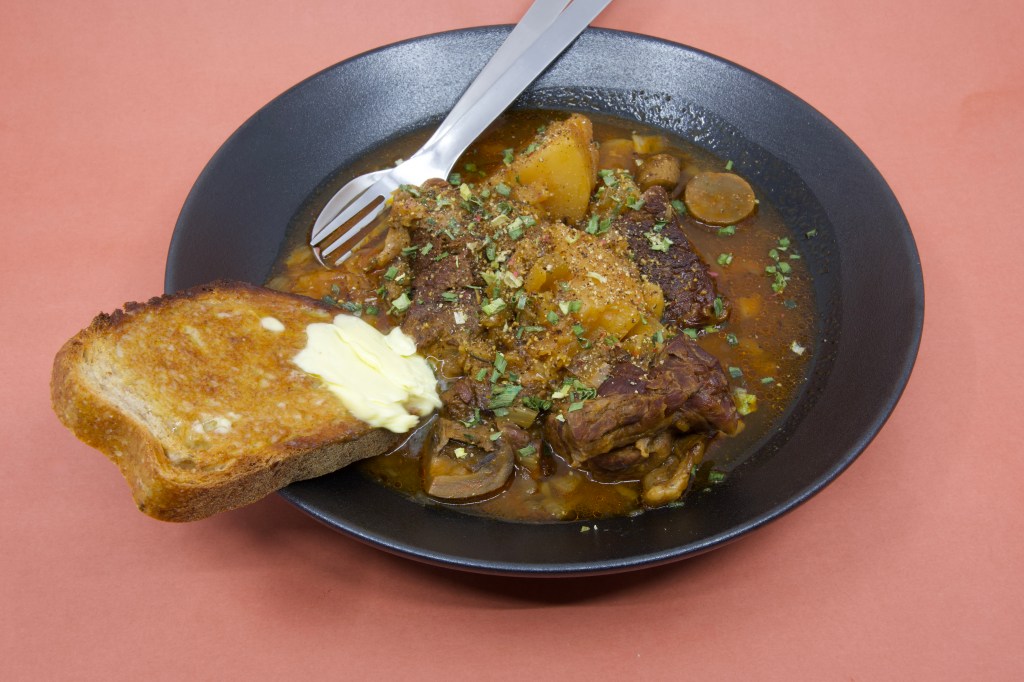
Chuck under pressure
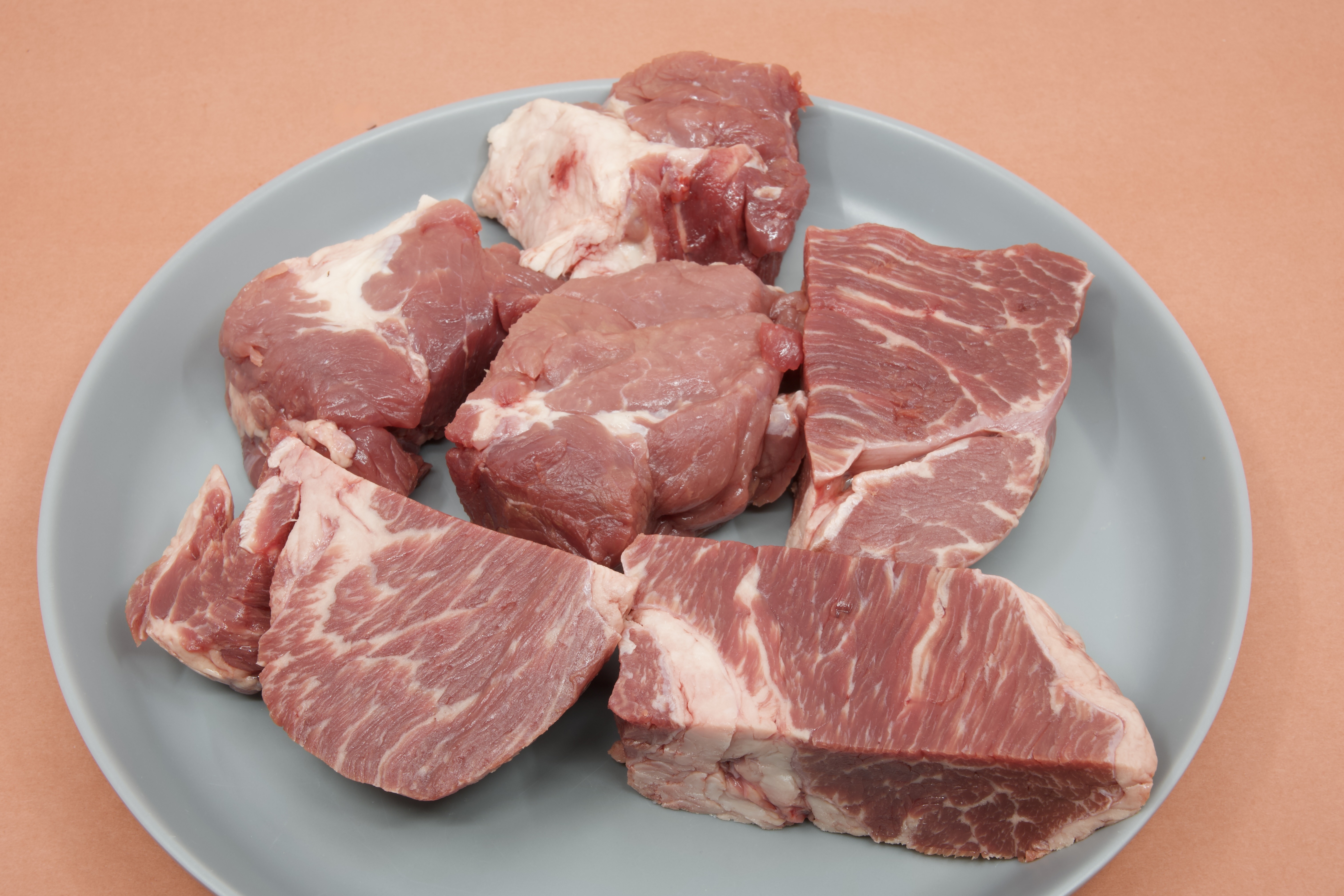
In today’s food diary, we have some beef chuck.
Overview
- Style: pressure-cooker beef chuck with tomato, fennel, rosemary, and bay.
- Serves: 4 generous portions or 2 “Gary-sized” portions.
- Cook time: about 75 minutes, including pressure build-up and natural release.
- Best served with: toasted rye sourdough spread with cultured butter, plus a spoon of Greek-style yoghurt to soften the tomato and fennel.
- Diet note: the braise itself is relatively low in carbohydrate; the rye sourdough adds most of the carbohydrate in the full meal.
Ingredients
- 1 kg beef chuck, cut into 4 cm chunks.
- 1 fennel bulb, trimmed, cored, and sliced.
- 1 brown onion, diced.
- 2 celery sticks, sliced.
- 700 mL passata.
- 1–2 tablespoons beef fat.
- 1 teaspoon salt, plus more to finish.
- 1 teaspoon whole peppercorns, freshly ground.
- 1 teaspoon fennel seeds, lightly crushed.
- 2 dried bay leaves.
- 1 sprig fresh rosemary.
- Greek-style yoghurt, to serve.
- Frozen rye sourdough, thawed and toasted, to serve.
- Cultured butter, to serve.
Equipment
- Pressure cooker
- Cast-iron skillet for sautéing and browning the meat.
- Sharp cook’s knife and chopping board.
- Large bowl for holding the browned beef.
- Wooden spoon for stirring and scraping the pot base.
- Tongs for turning and transferring the beef.
- Measuring spoons and a measuring jug.
- Mortar and pestle for crushing fennel seeds and peppercorns.
- Toaster, grill, or frypan for the rye sourdough.
- Warm serving bowls.
Method
- Thaw the rye sourdough and keep it aside until serving.
- Pat the beef chuck dry. Season it with salt and crushed peppercorns.
- Heat the skillet to brown. Melt the beef fat, then brown the beef in batches. Avoid crowding the skillet. Transfer browned beef to a bowl.
- Add the onion, celery, and fennel to the skillet. Cook for 5–7 minutes, stirring often, until softened and lightly coloured.
- Stir in the crushed fennel seeds, bay leaves, and rosemary. Cook for 30 seconds, just until fragrant.
- Pour in the passata. Scrape the bottom to lift any fond.
- Transfer everything to the pressure cooker, including the beef and any resting juices. Stir to coat the meat in the tomato and fennel mixture.
- Seal the lid. Cook on high pressure for 45 minutes.
- Allow a natural pressure release for 15 minutes, then carefully release any remaining pressure.
- Remove the bay leaves and rosemary stem. Stir gently. If the sauce is thin, transfer it to a saucepan for reduction.
- Adjust seasoning with salt and freshly cracked pepper.
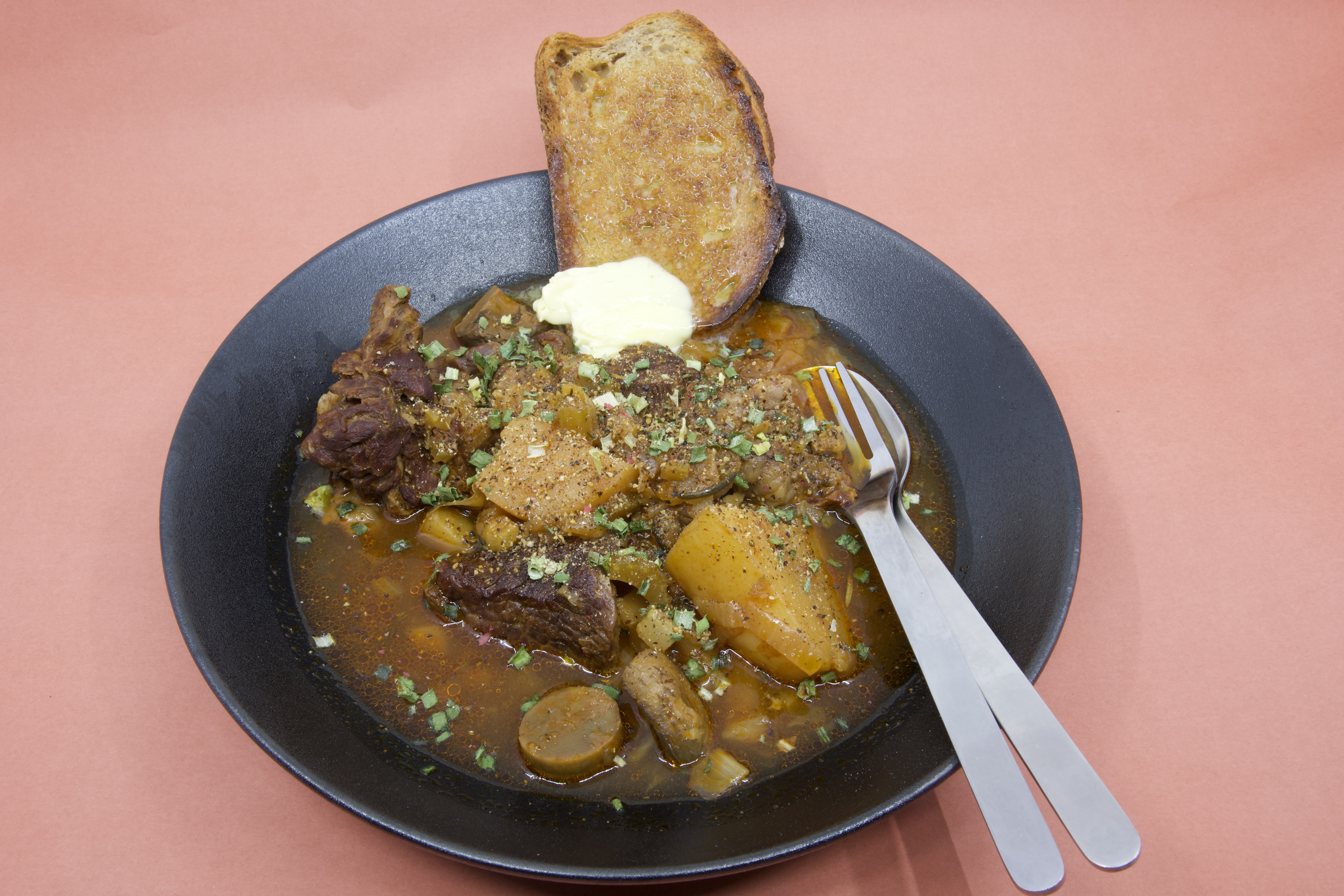
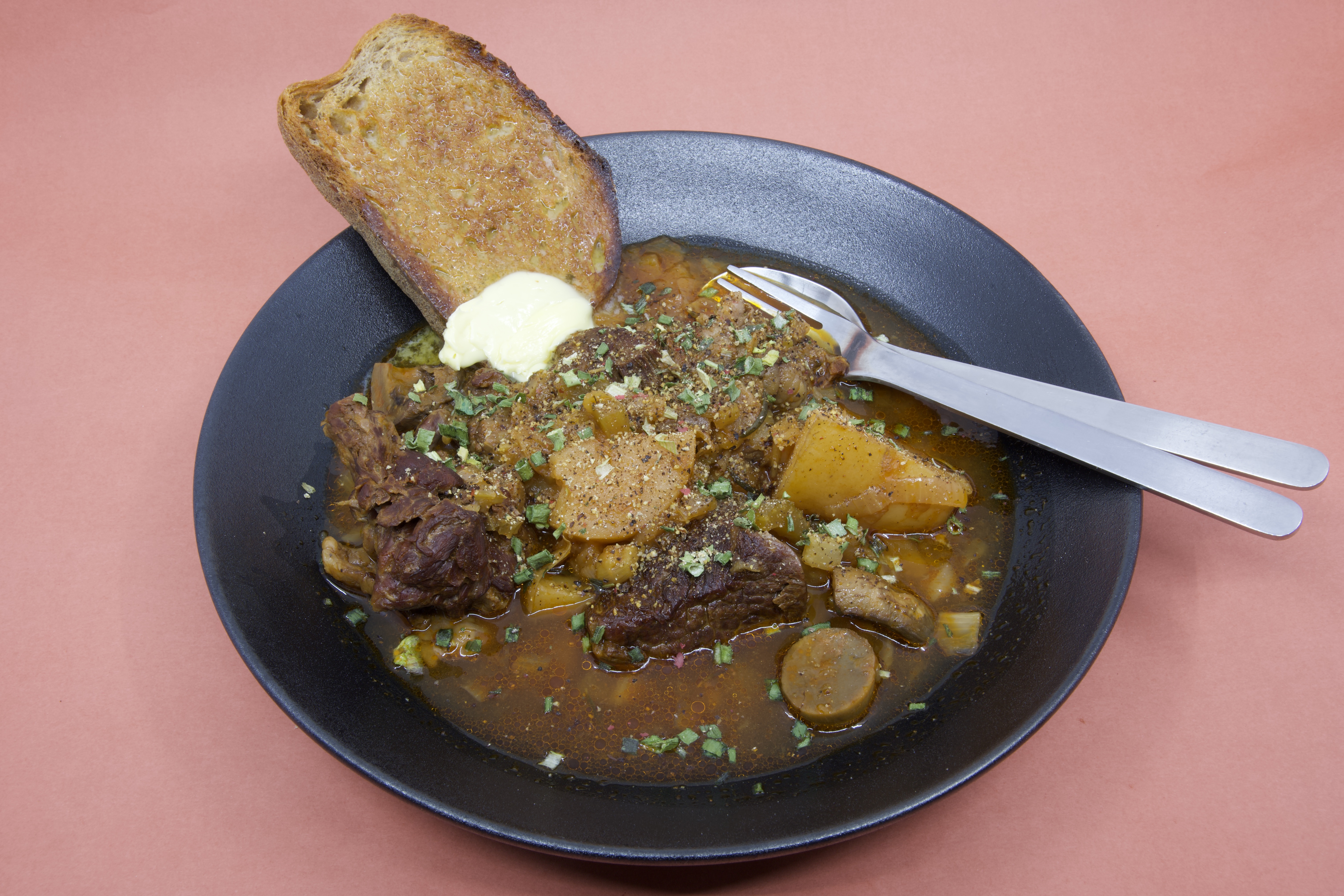
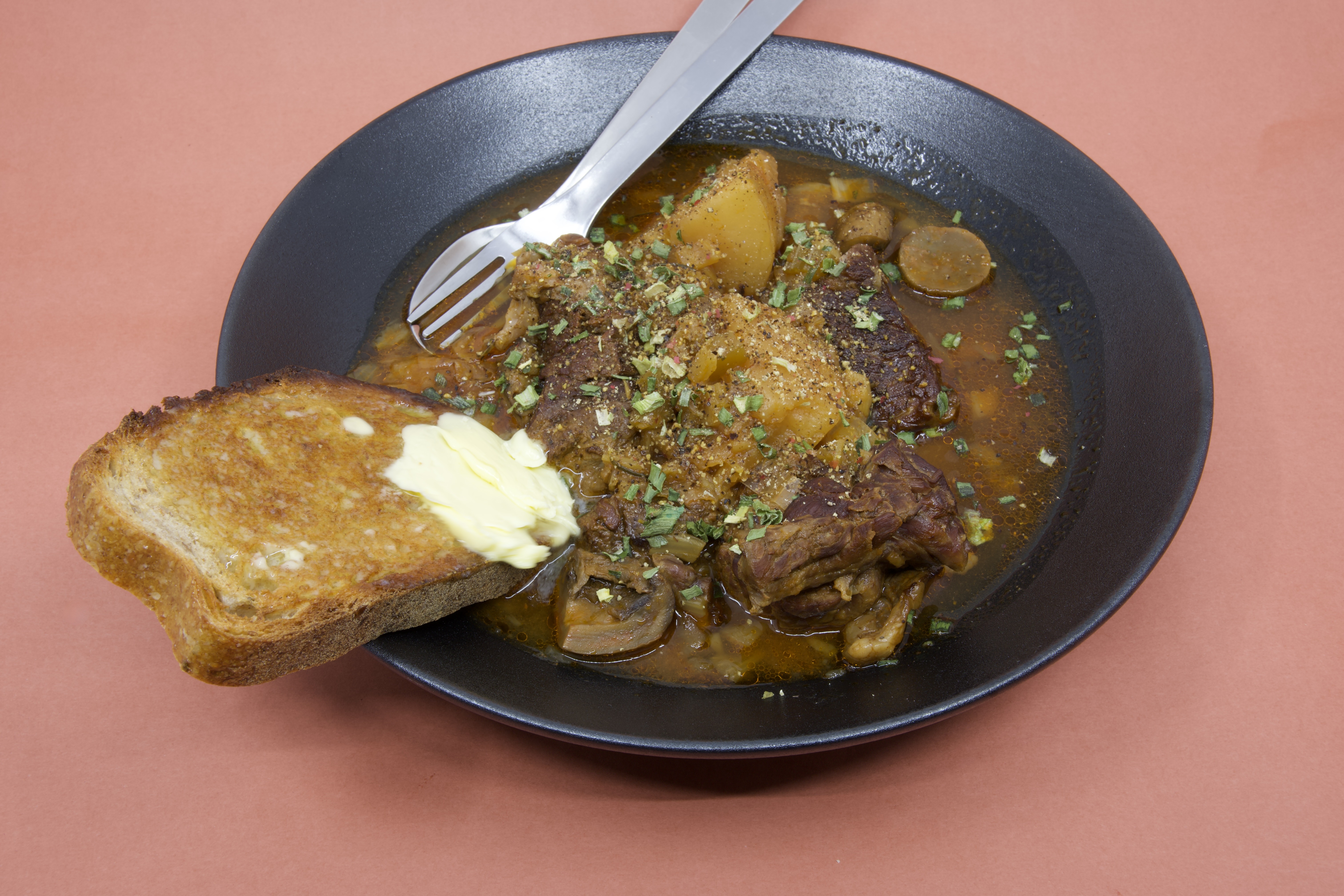
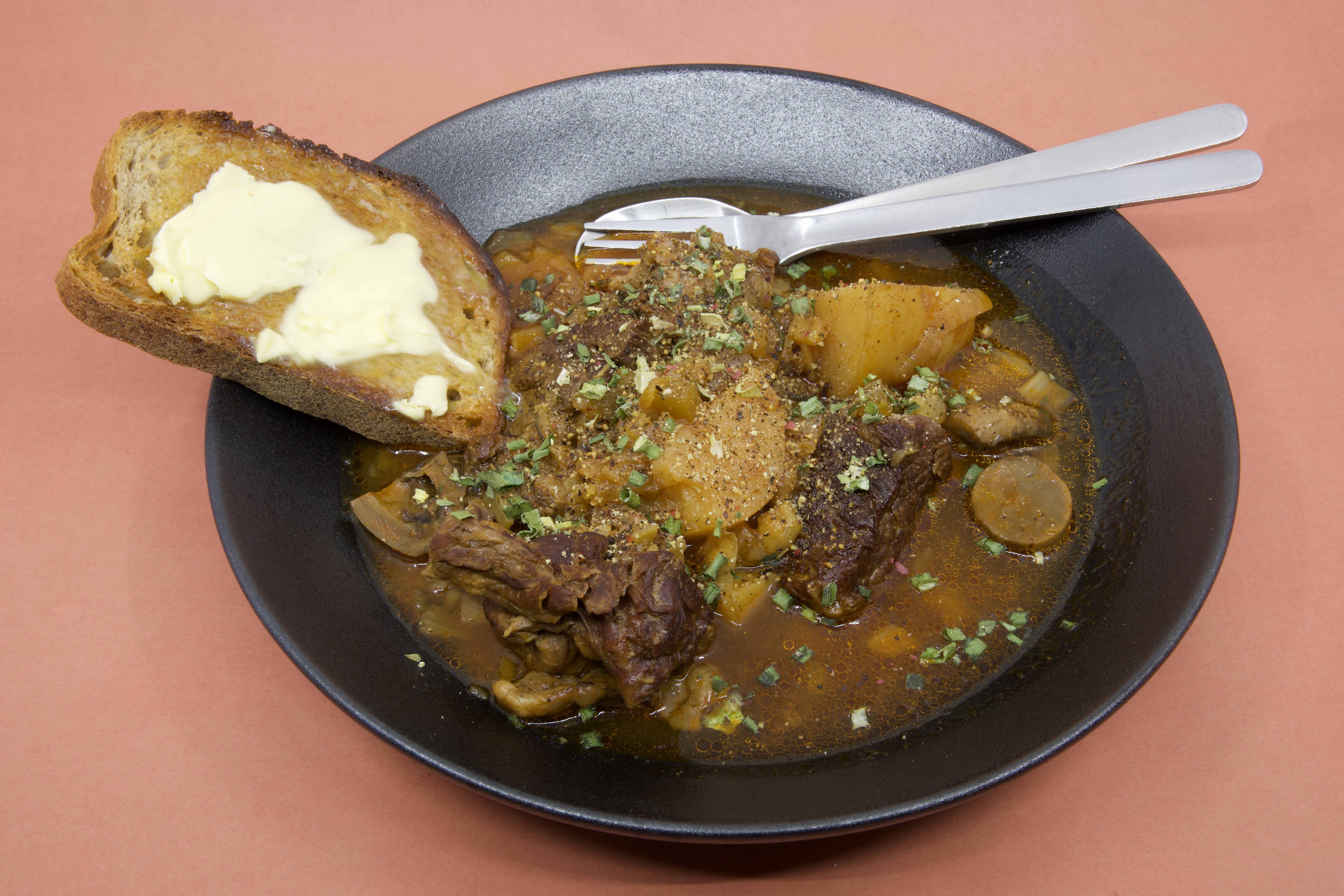
- Serve in warm bowls with a spoon of Greek-style yoghurt. Add toasted rye sourdough spread with cultured butter on the side.
Cook’s notes
- Because there is no stock, the flavour base comes from browning the beef, sweating the vegetables, blooming the fennel seeds, and using passata.
- Do not add extra water unless the pressure cooker requires a minimum amount of liquid. The passata and vegetable moisture should usually be enough.
- Greek-style yoghurt works best as a finishing garnish rather than a cooking ingredient because pressure cooking can split dairy.
- The sauce should taste beefy, sweet from fennel and onion, gently acidic from tomato, and aromatic from rosemary and bay.
- I forgot to add the Greek-style yoghurt. The meal didn’t really need it. The beef was tender, soft, and easily fell apart. The vegetables were lovely and soft as well. It all went nicely with some rustic toasted rye sourdough bread.
Beef chuck anatomy
The chuck comes from the forequarter, around the shoulder, neck, and upper forelimb. It is a hard-working area with well-used muscles, connective tissue, intramuscular fat, and strong beef flavour. Chuck is one of the major primal regions, with related sub-primals including chuck roll and blade; these can be broken into smaller cuts for slow cooking, roasting, thin slicing, or grilling, when the grade and muscle suit the method.
For a pressure cooker, diced chuck is ideal because moist heat and pressure help convert collagen into gelatine. This gives the sauce body and turns a firm, working muscle into tender, pull-apart beef. It is usually more forgiving than lean hindquarter cuts, because the connective tissue and fat protect it during long cooking.
Braise versus stew?
A braise and a stew both use gentle, moist heat to soften tougher cuts of meat, but they differ in scale, liquid level, and how the finished dish eats. In a braise, the cook usually browns larger pieces of meat first, then cooks them covered with a smaller amount of liquid. The meat is partly submerged, while the exposed surface cooks in steam. The liquid reduces into a concentrated sauce.
In a stew, the meat and vegetables are cut into smaller, spoon-sized pieces and are usually fully covered with liquid. The liquid is part of the meal rather than just a sauce, so the result is looser, more uniform, and more broth-like. A stew is eaten as an all-in-one bowl; a braise often presents the meat as the focus, with the sauce spooned over or around it.
This recipe sits closer to a braise than a stew. The beef chuck is browned in larger chunks, the passata and vegetable moisture form a thick cooking medium rather than a thin broth, and the goal is tender beef coated in a tomato, fennel, rosemary, and bay sauce.
Estimated macronutrients
| Serving option | Energy | Protein | Fat | Carbohydrate |
| Per 1 of 4 serves | About 430 kcal | About 52 g | About 18 g | About 14 g |
| With 40 g Greek-style yoghurt | About 465 kcal | About 56 g | About 19 g | About 16 g |
| With yoghurt, 1 slice rye sourdough, and 10 g cultured butter | About 625 kcal | About 61 g | About 28 g | About 40 g |
Nutrition estimates are indicative only. They assume 1 kg raw beef chuck, 700 mL passata, one fennel bulb, one onion, two celery sticks, one tablespoon beef fat, and four serves. Beef chuck nutrition varies with trimming, marbling, and whether the purchased piece is lean diced chuck, chuck steak, or fattier chuck roll.
