
Ingredients
For the ribs
- 2 racks pork ribs (approximately 1.5 to 2 kg total)
- 1 teaspoon sea salt
- 1 teaspoon freshly cracked black pepper
- 2 teaspoons dried fennel seeds
For the braising base
- 1 brown onion, roughly sliced
- 1 fennel bulb, sliced into wedges
- 2 celery stalks, sliced
- 500 mL passata
- 250 mL water
- 1 teaspoon sea salt
- ½ teaspoon black pepper
- 1 teaspoon dried fennel seeds
Equipment
- Electric pressure cooker or stovetop pressure cooker
- Sharp knife
- Chopping board
- Measuring spoons
- Tongs
- Large serving platter
- Small bowl for resting the cooked ribs
Instructions
1. Prepare the ribs
Remove the membrane from the back of the ribs if it is still attached.
Season both sides generously with:
- 1 teaspoon salt
- 1 teaspoon black pepper
- 2 teaspoons fennel seeds
Allow the ribs to sit while preparing the vegetables.
2. Prepare the cooking base
Place the following into the pressure cooker:
- Sliced onion
- Fennel wedges
- Celery
- Passata
- Water
- Remaining salt
- Remaining pepper
- Remaining fennel seeds
Stir gently.
The vegetables will form a trivet-like base that keeps the ribs slightly elevated above the liquid.
3. Load the cooker
Cut the racks into manageable sections if necessary.
Arrange the ribs vertically or lean them against the sides of the cooker, nestling them among the vegetables.
Avoid packing them too tightly.
4. Pressure cook
Seal the cooker and cook at high pressure for:
35 minutes
Allow a 15-minute natural pressure release before manually releasing any remaining pressure.
5. Finish the sauce
Carefully remove the ribs and set aside.
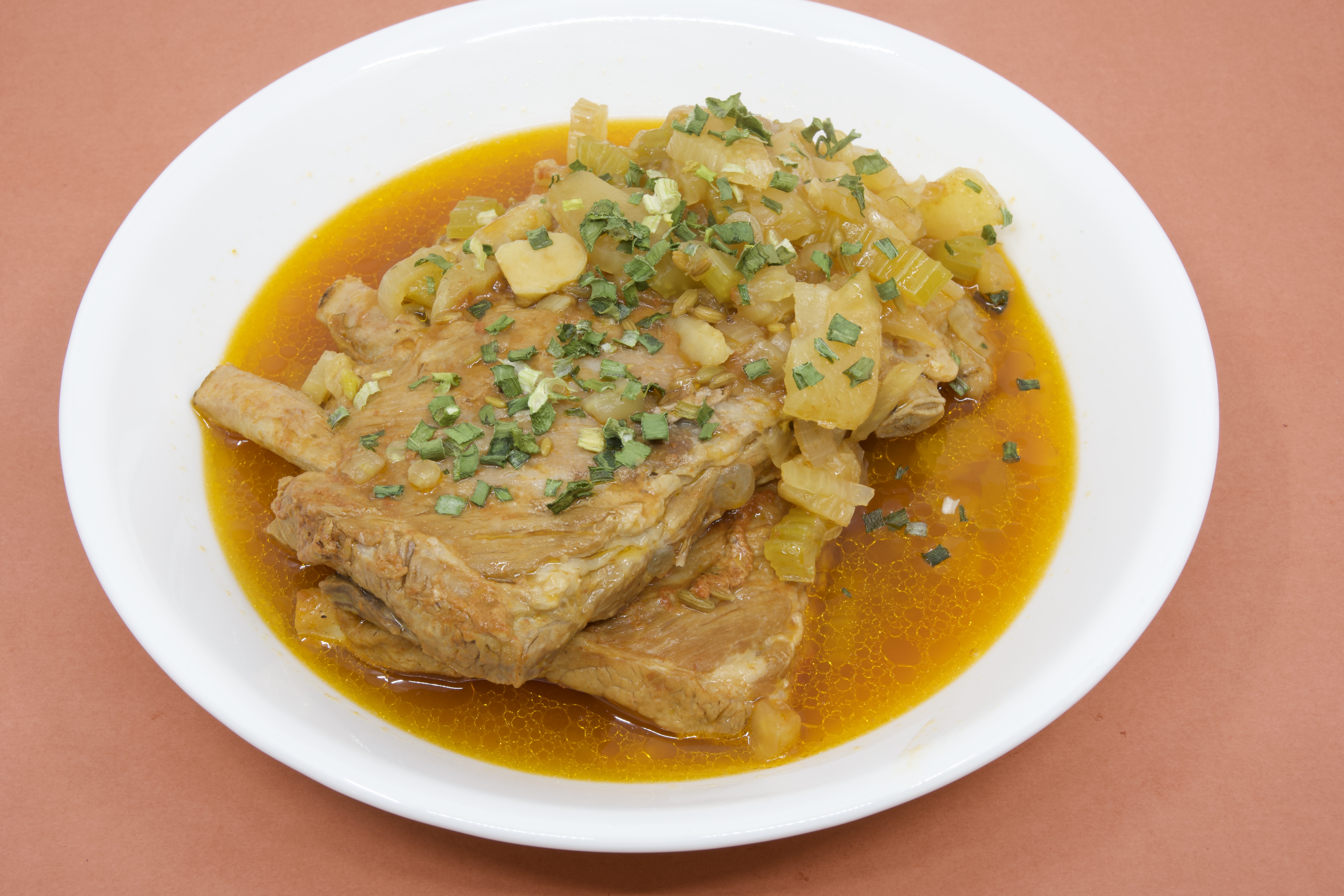
Using a spoon, stir the vegetables into the sauce. The pressure cooking process will have softened the onion, fennel, and celery until they are almost melting.
If the sauce is thinner than you like, simmer it uncovered for 5 to 10 minutes using the sauté function until slightly reduced.
6. Serve
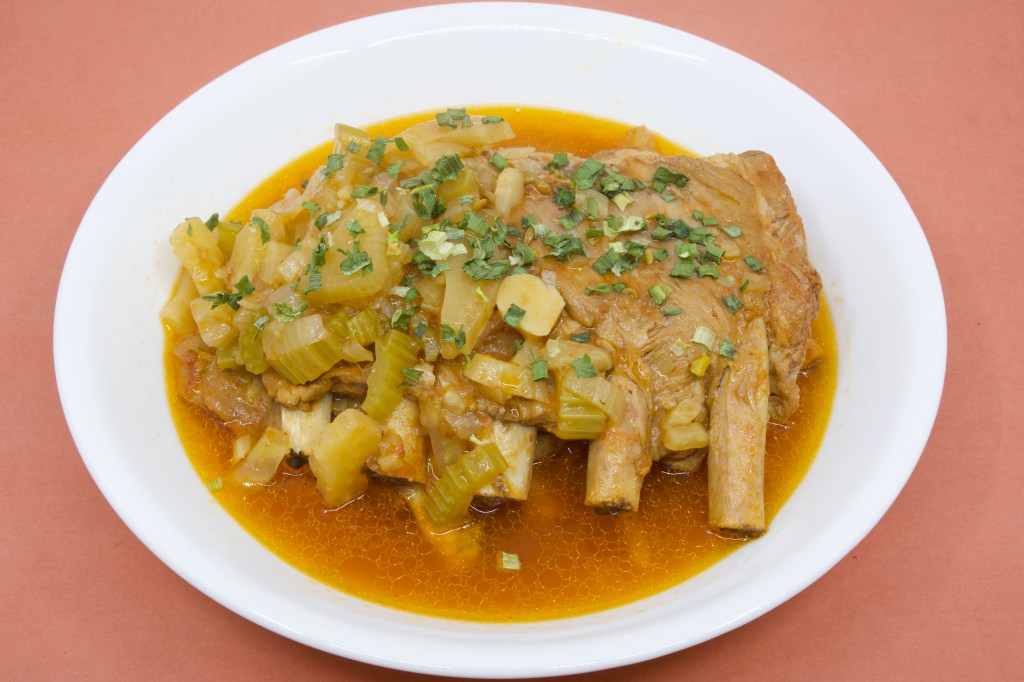
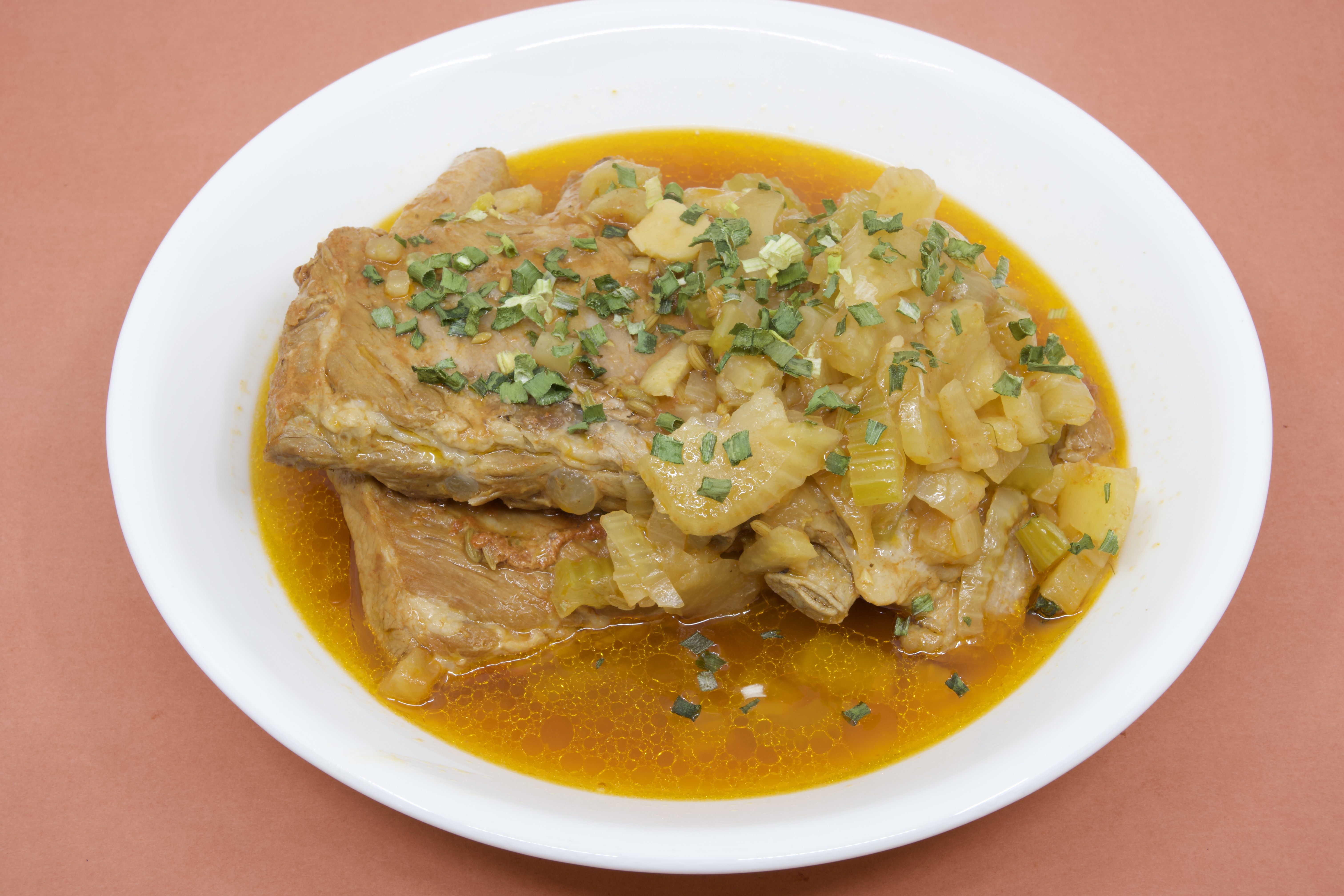
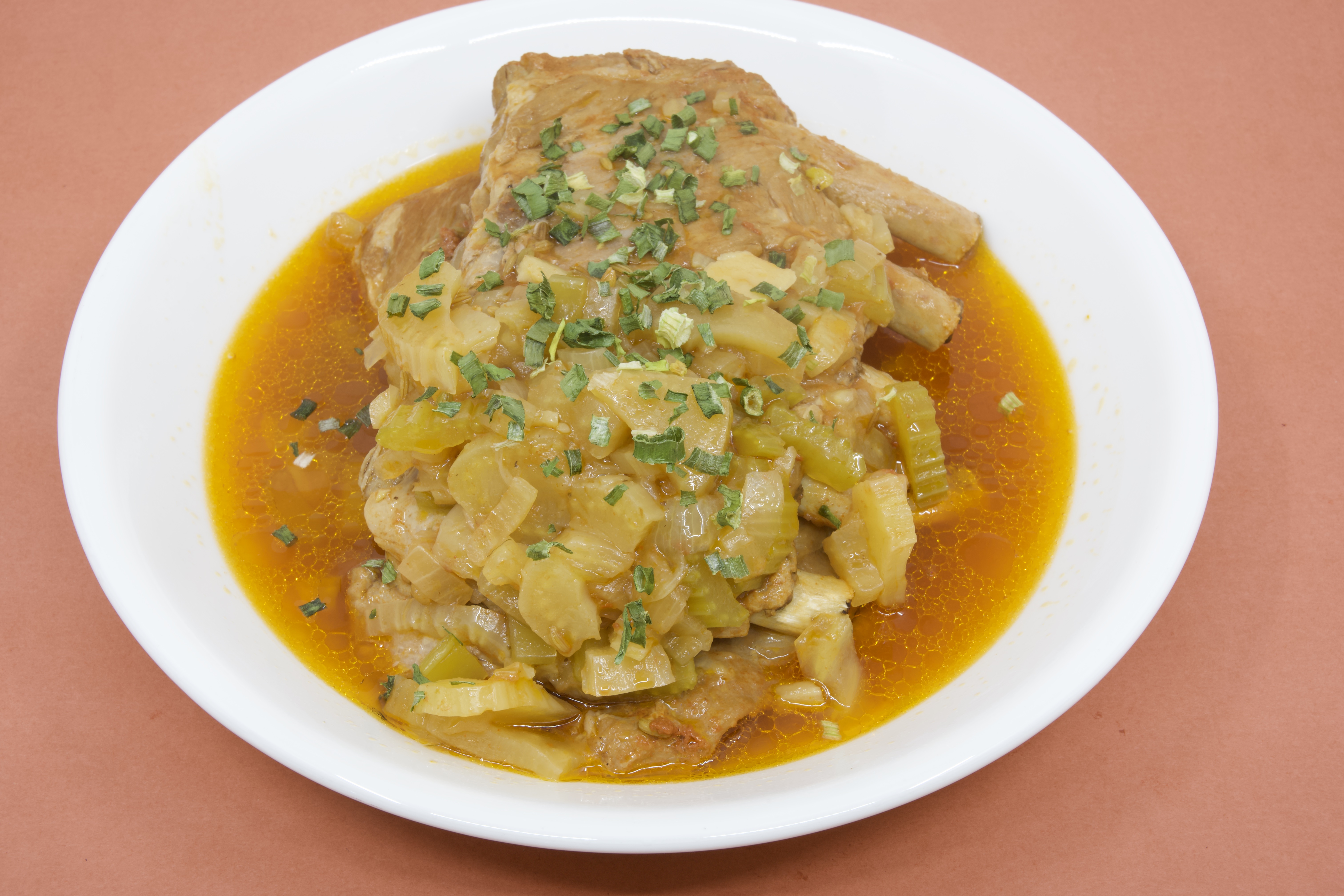
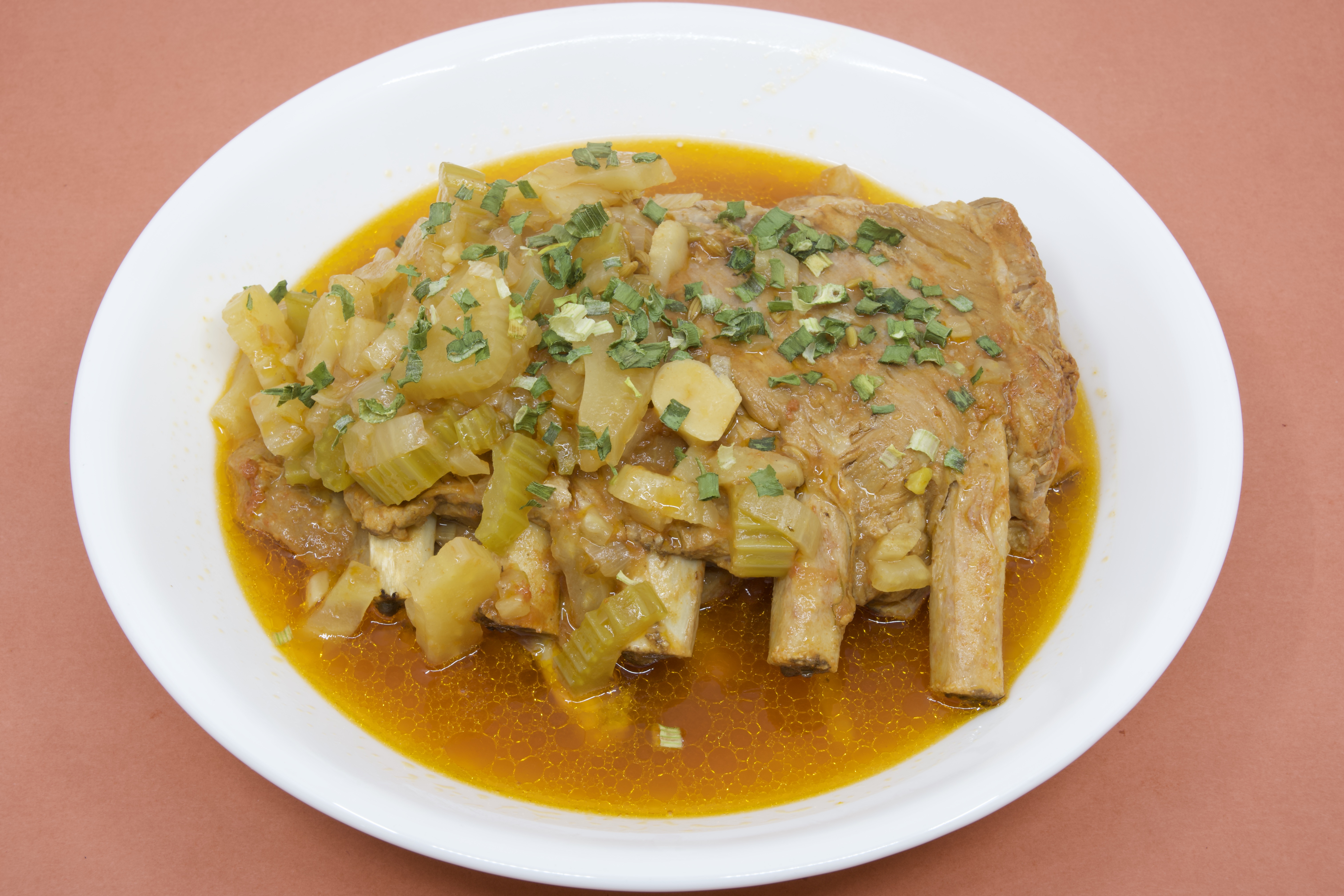
Arrange the ribs on a platter.
Spoon the fennel and tomato sauce generously over the ribs.
Finish with additional cracked black pepper.
Notes from Yummy Lummy
The beauty of this dish is the fennel. Many people think fennel belongs only in salads or with fish. That’s a mistake. Fennel and pork are old friends. The sweet aniseed flavour balances the richness of the pork and softens beautifully under pressure.
The passata contributes acidity and sweetness without the fuss of peeling and crushing tomatoes. After 35 minutes under pressure, the vegetables collapse into a thick rustic sauce that tastes as though you’ve spent an afternoon tending a stove instead of pressing a button and waiting.
Educational Information: Pork Ribs
What are pork ribs?
Pork ribs are cut from the rib cage of the pig and contain a mixture of:
- Bone
- Connective tissue
- Fat
- Muscle
The connective tissue is rich in collagen.
Why pressure cooking works so well
Collagen is tough when undercooked. Given enough heat and moisture it converts to gelatin. Gelatin gives ribs their:
- Succulent texture
- Sticky mouthfeel
- Rich flavour
Pressure cooking accelerates this process because water boils at a higher temperature under pressure than it does in a conventional pot.
Spare ribs versus baby back ribs
Baby back ribs
- Shorter and more curved
- Leaner
- Slightly more tender
Spare ribs
- Larger and flatter
- More fat and connective tissue
- Richer flavour
Both work well in a pressure cooker, although spare ribs particularly benefit from the extended moist heat.
Food safety
For pork, modern food safety guidelines focus on achieving a safe internal temperature rather than overcooking. Ribs destined for tenderness are usually cooked well beyond the minimum safe temperature because collagen breakdown requires higher temperatures and longer cooking times.
