Oh, the pain, the Dolphins lost their game to Manly last night. They were beaten badly, and it was hard to watch. The Dolphins have a bye in round 6. I hope the coach and players can sort themselves out for round 7 when we face Penrith, who sit at the top of the ladder.
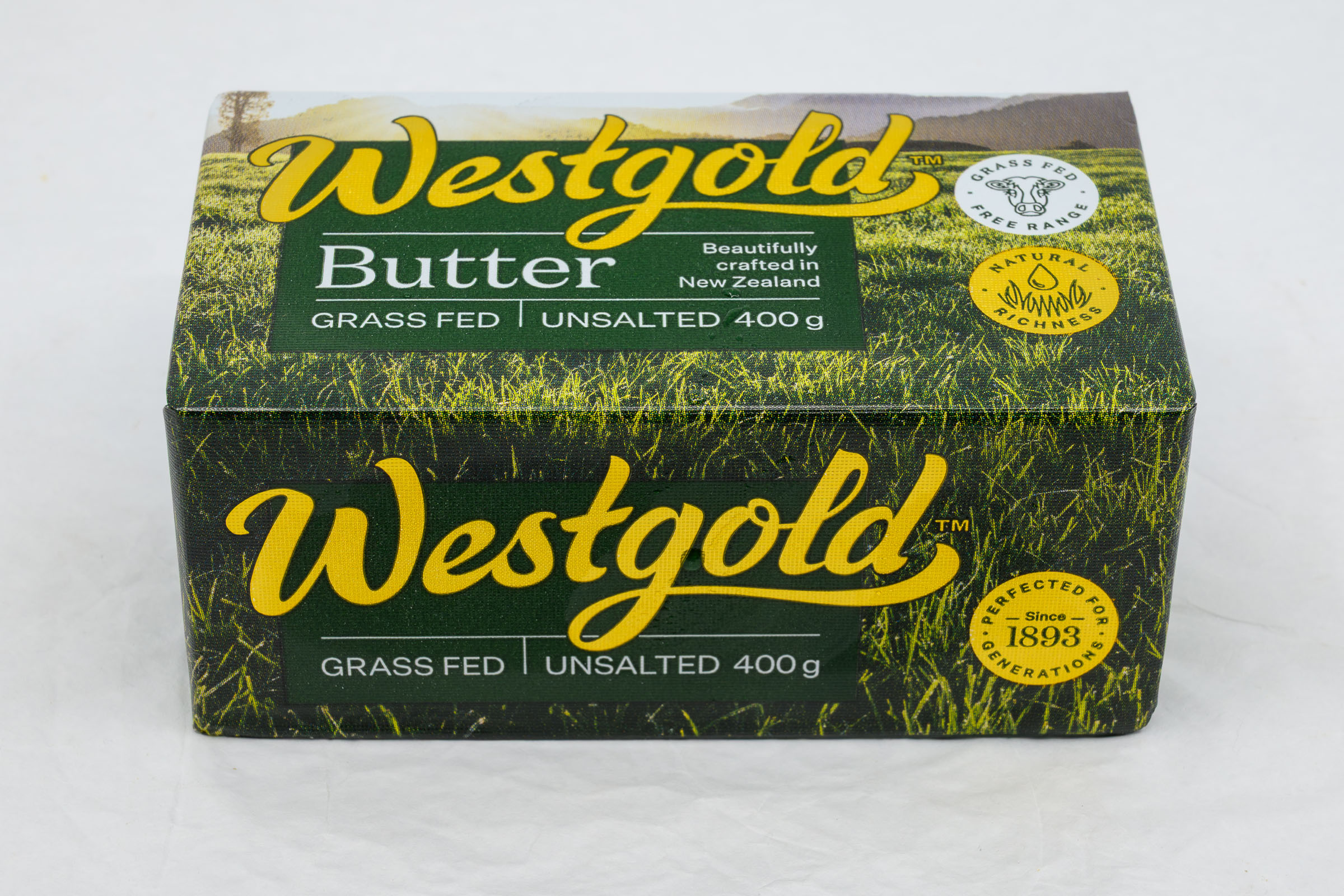
A stick of butter
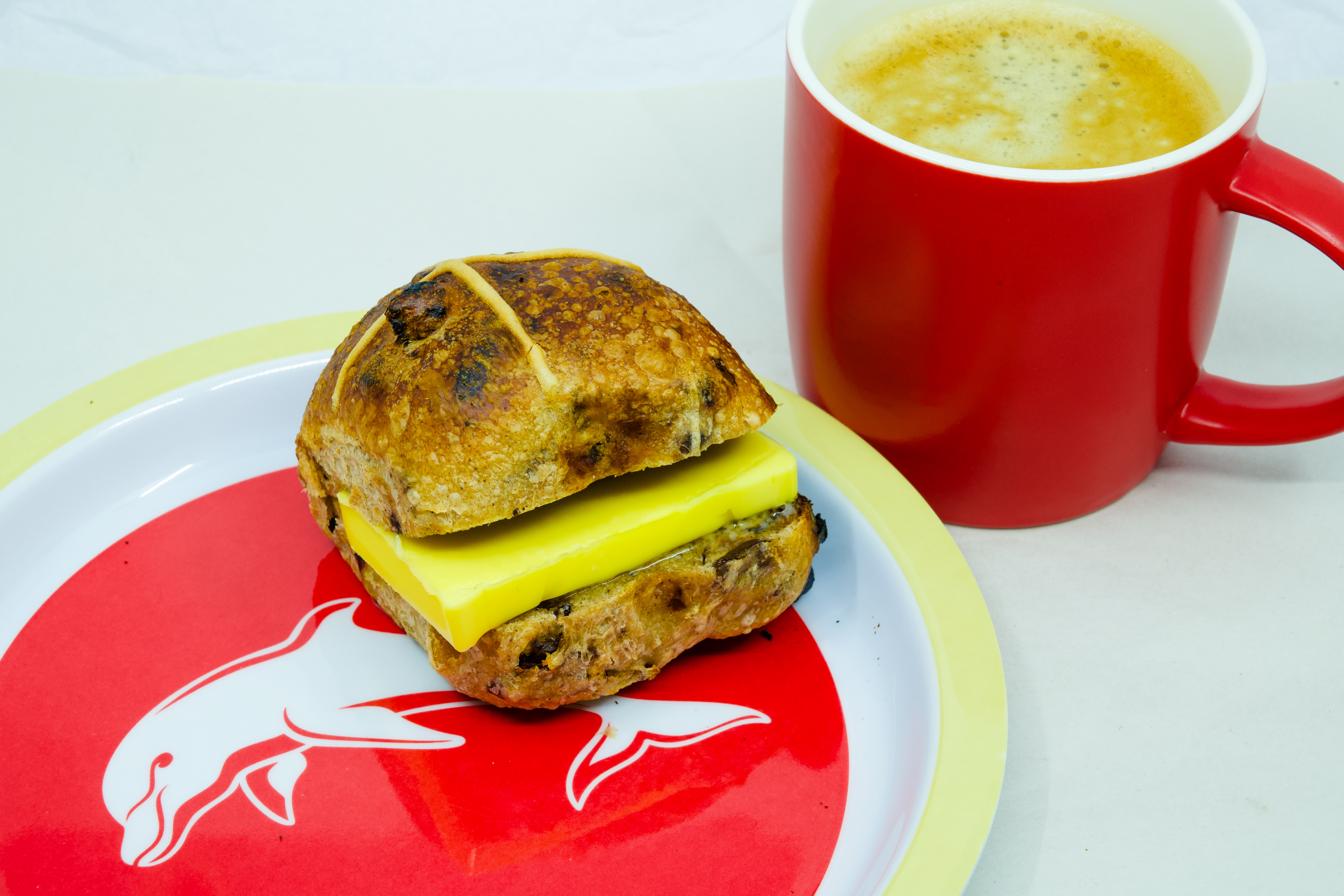
I like a sourdough Hot Cross Bun with my stick of grass-fed butter.
I bought half a dozen sourdough Hot Cross Buns from a bakery about a month ago. I like a Hot Cross Bun with fruit, especially citrus peel. I have no objection to creations like vanilla custard-filled Hot Cross Buns and Nutella® Hot Cross Buns. However, to enjoy the butter, a toasted Hot Cross Bun is my preference.
The Dolphins lost (badly) to Manly last night. Grass-fed butter makes everything better, so I enjoyed therapeutic butter with a little sourdough Hot Cross Bun and a mug of coffee. I now feel better.
@DolphinsNRL #PhinsUp
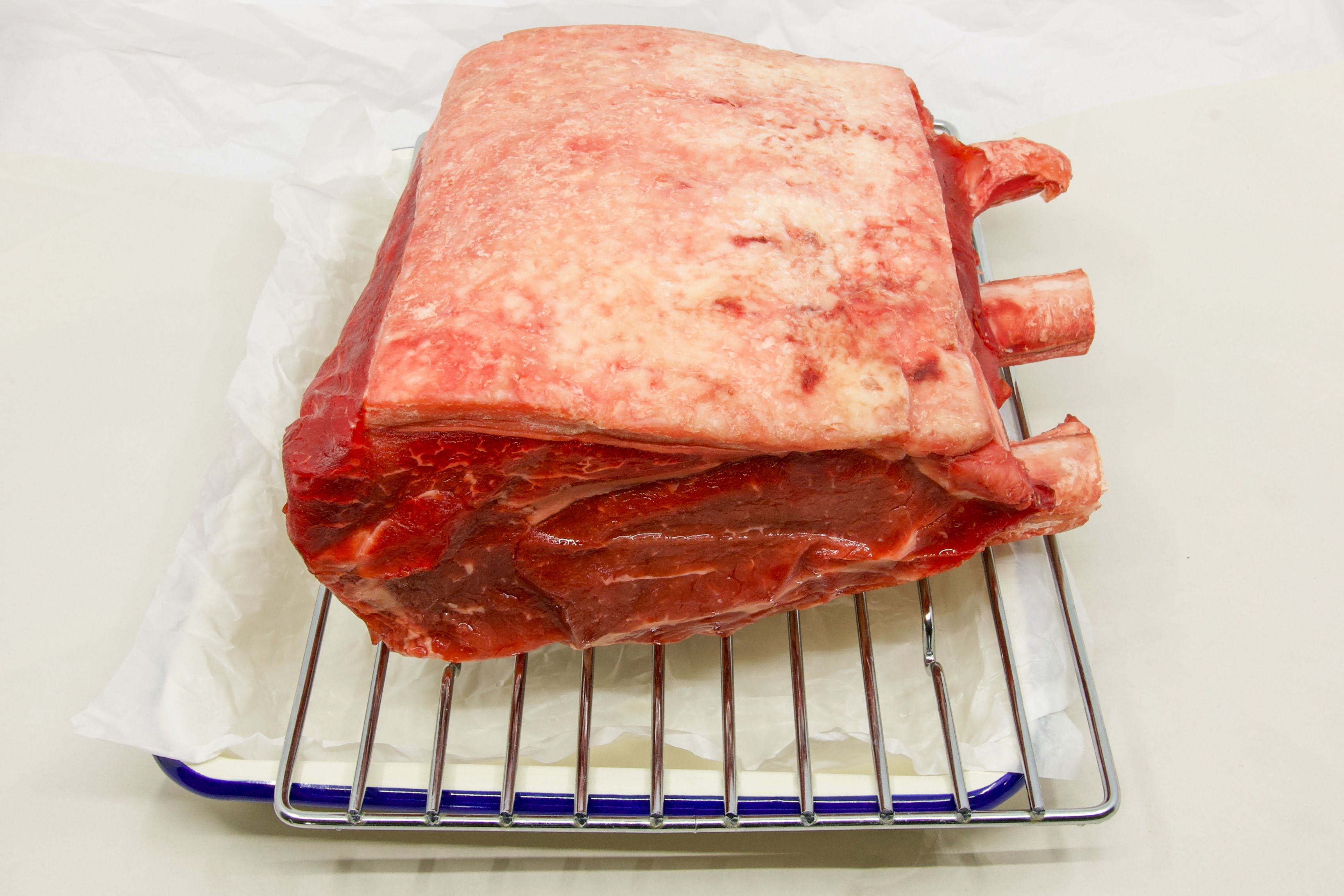
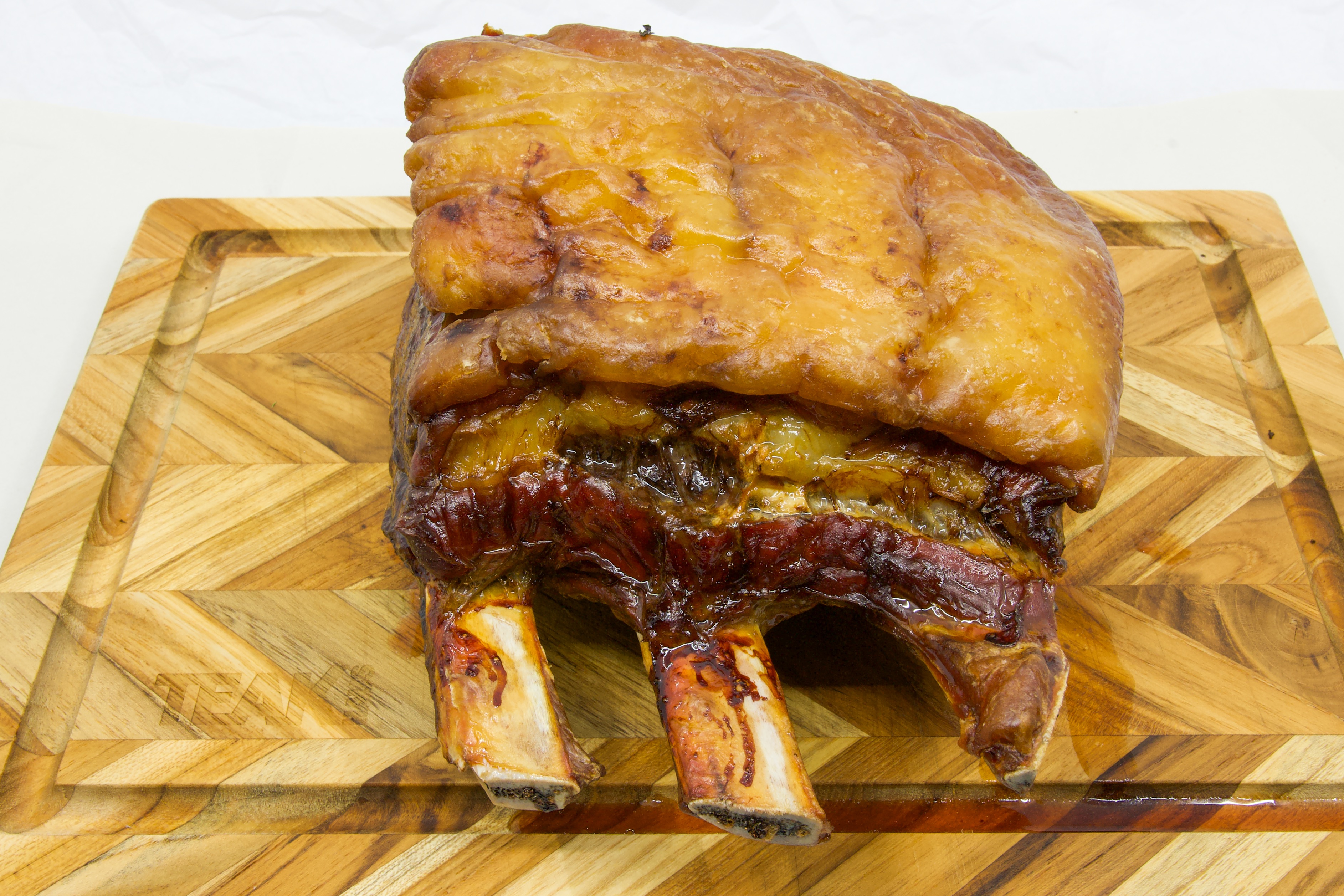
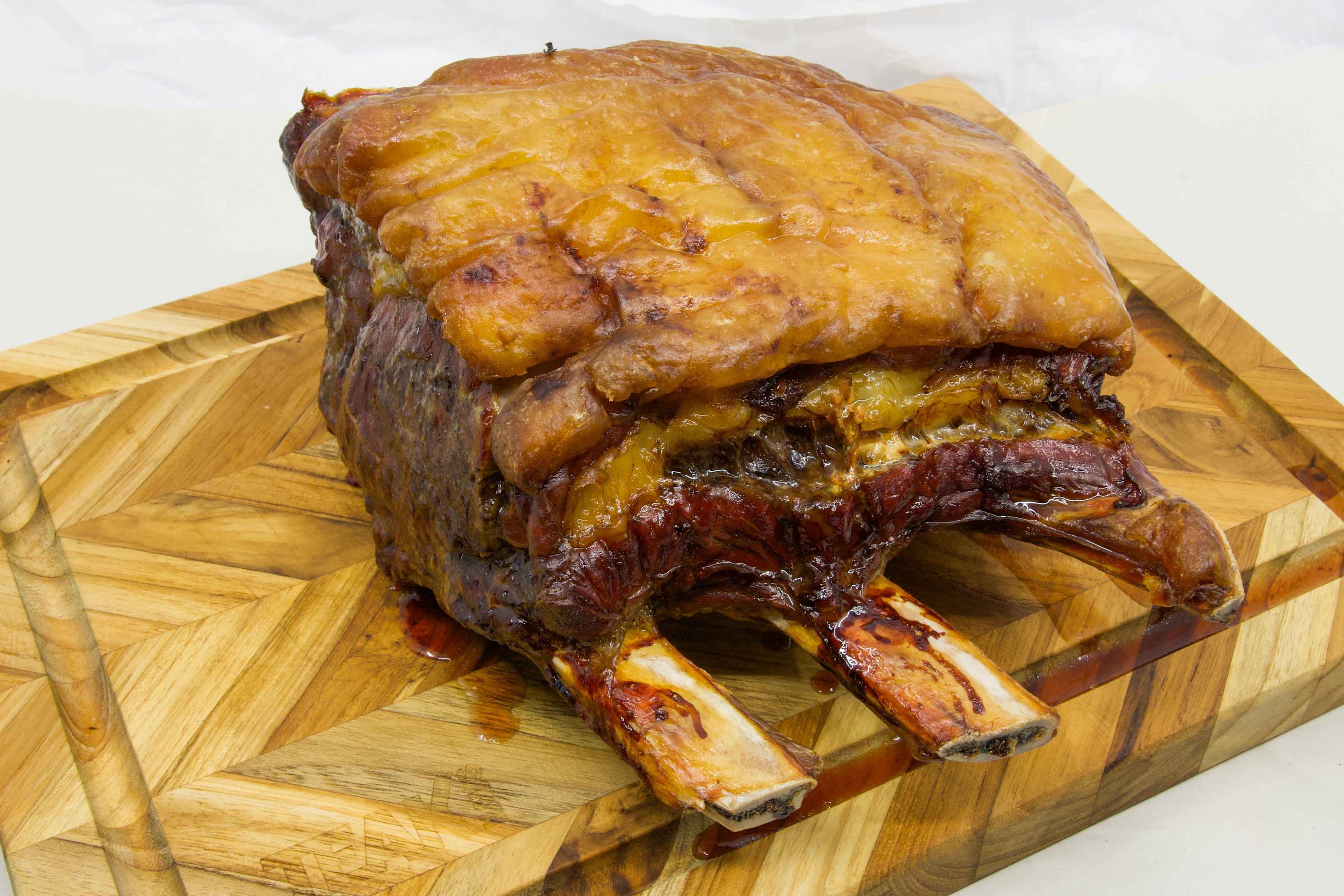
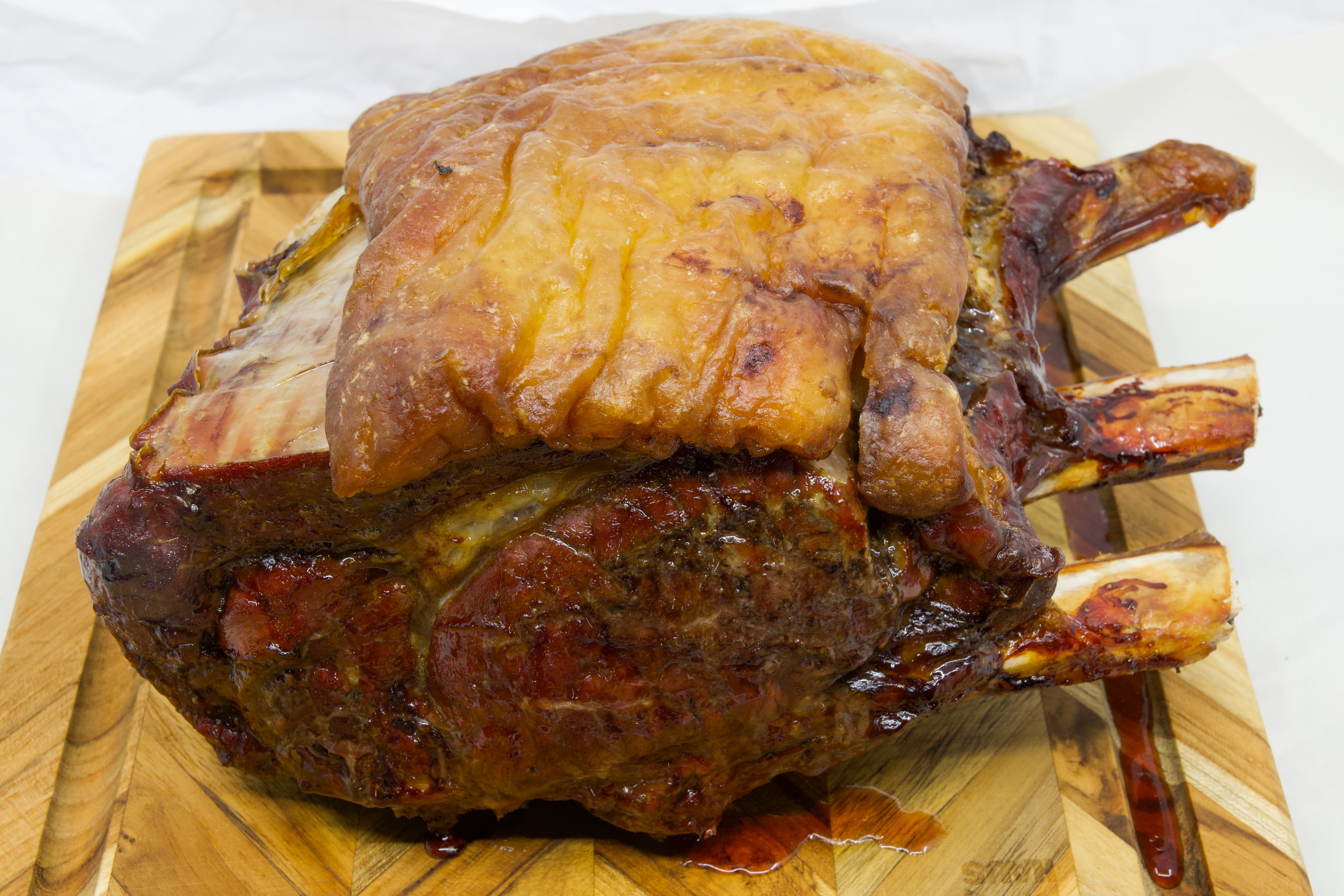
Standing Rib Roast
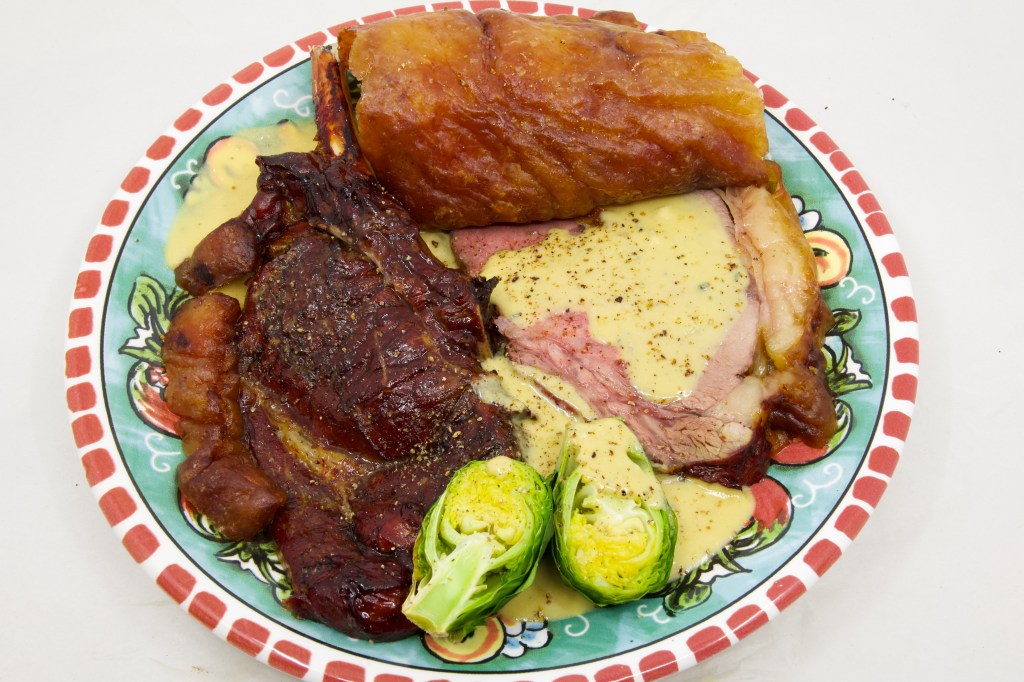
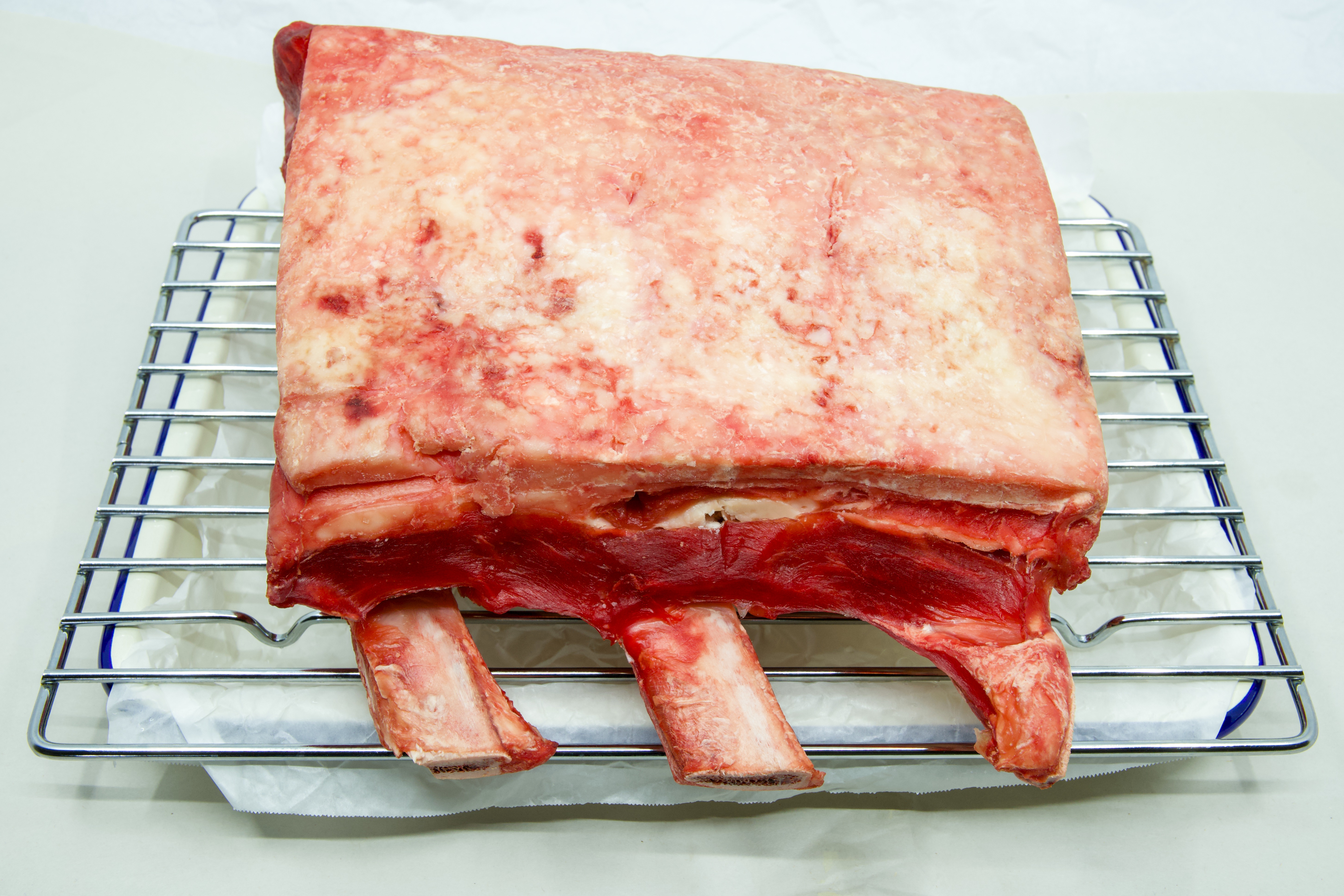
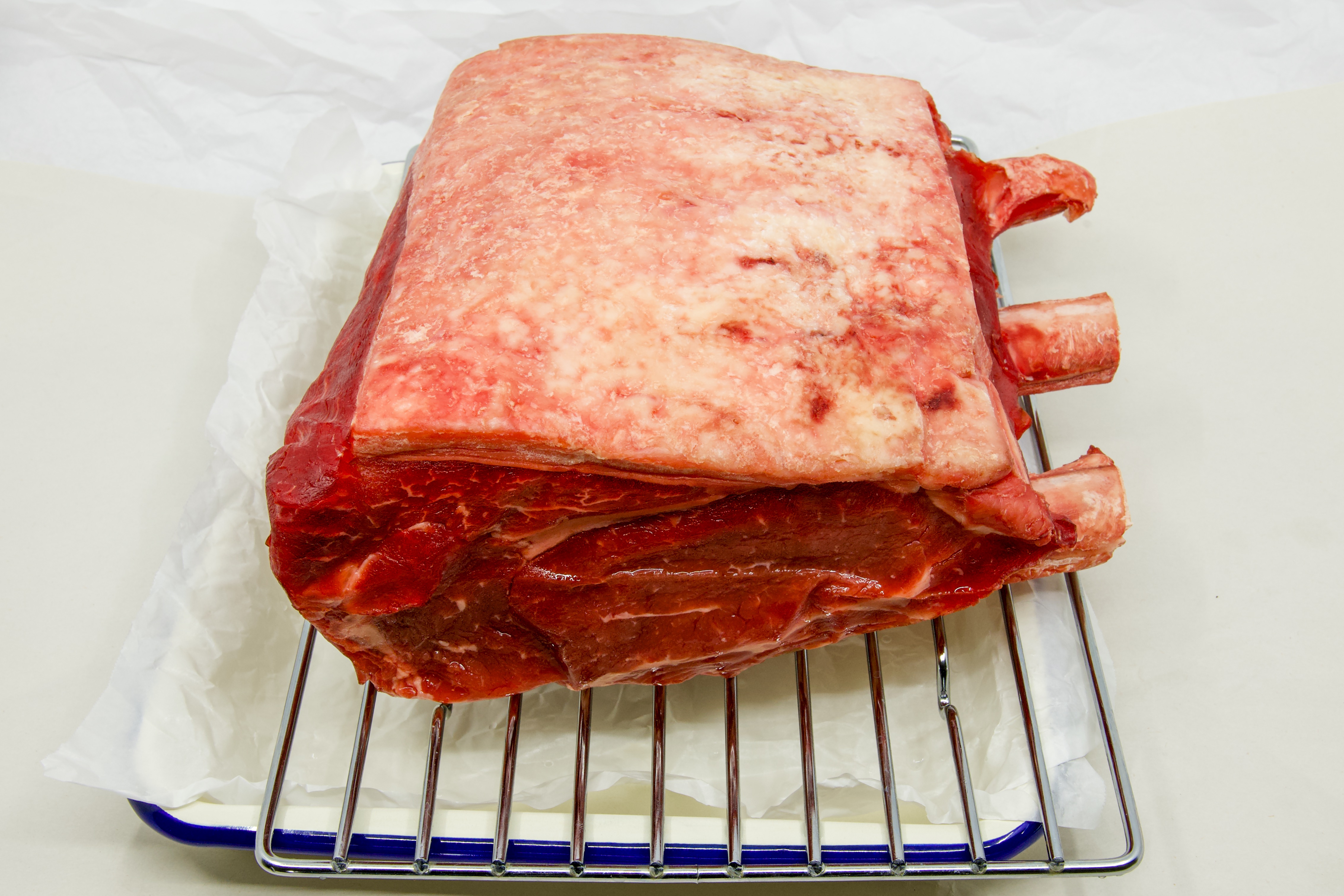
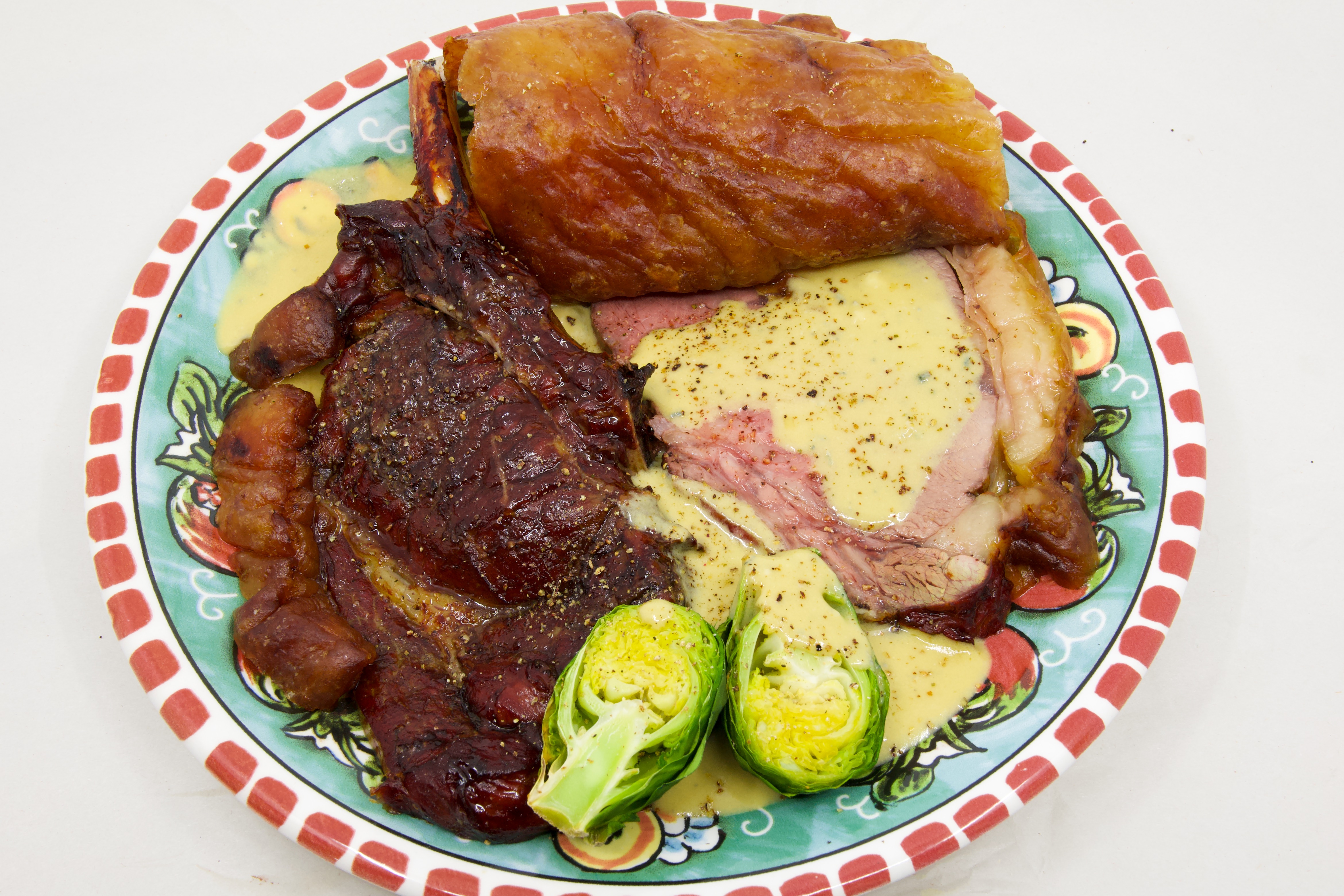
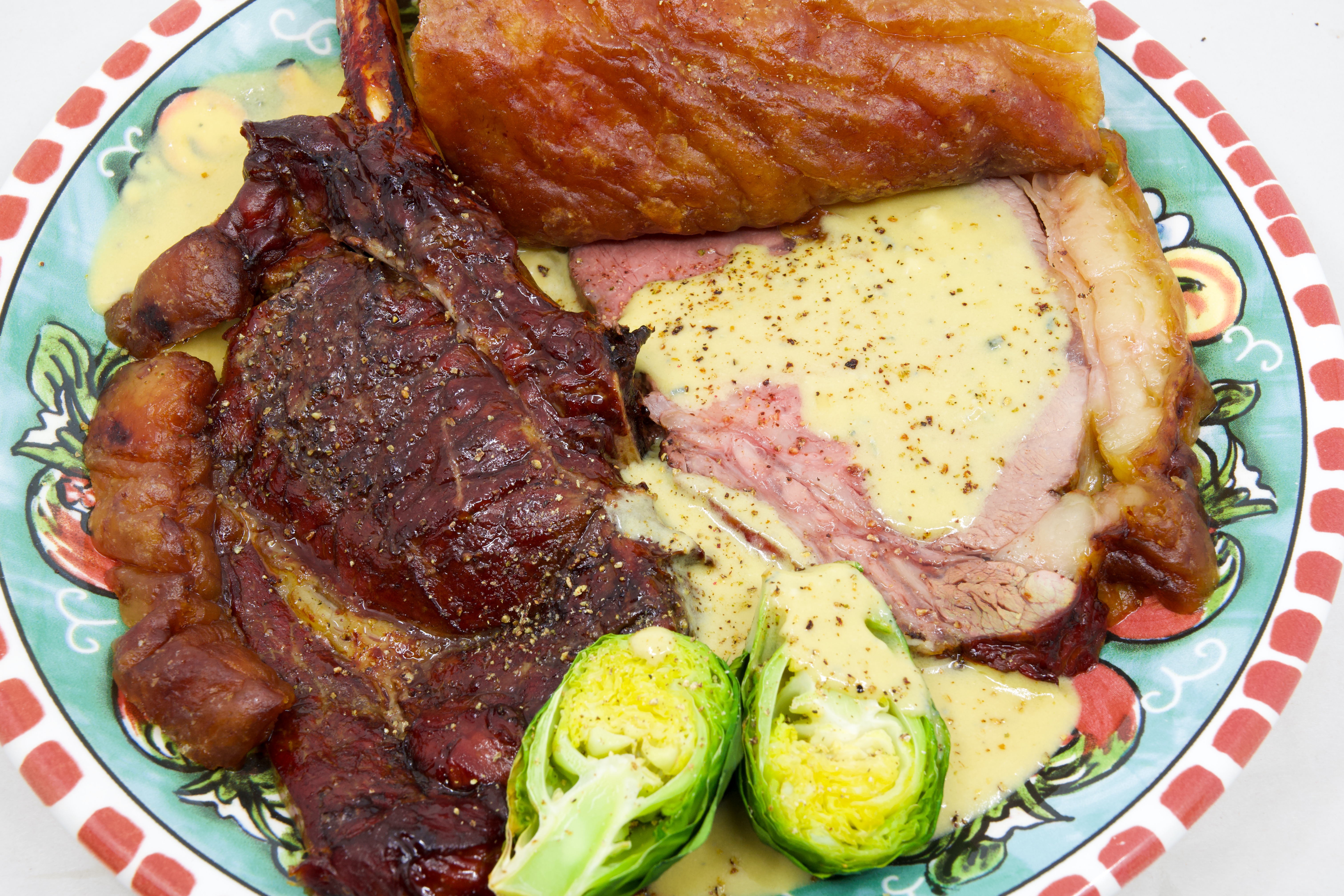
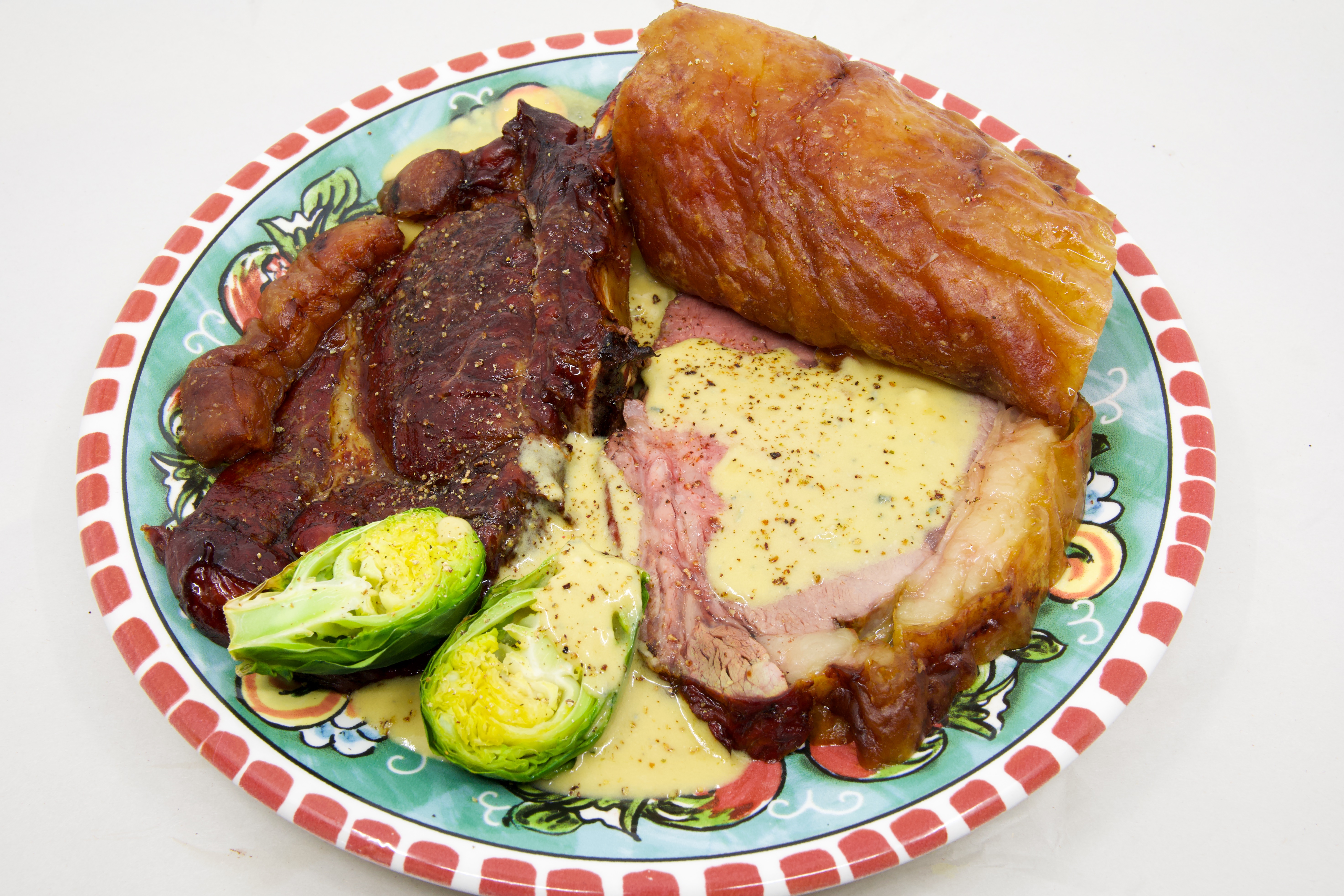
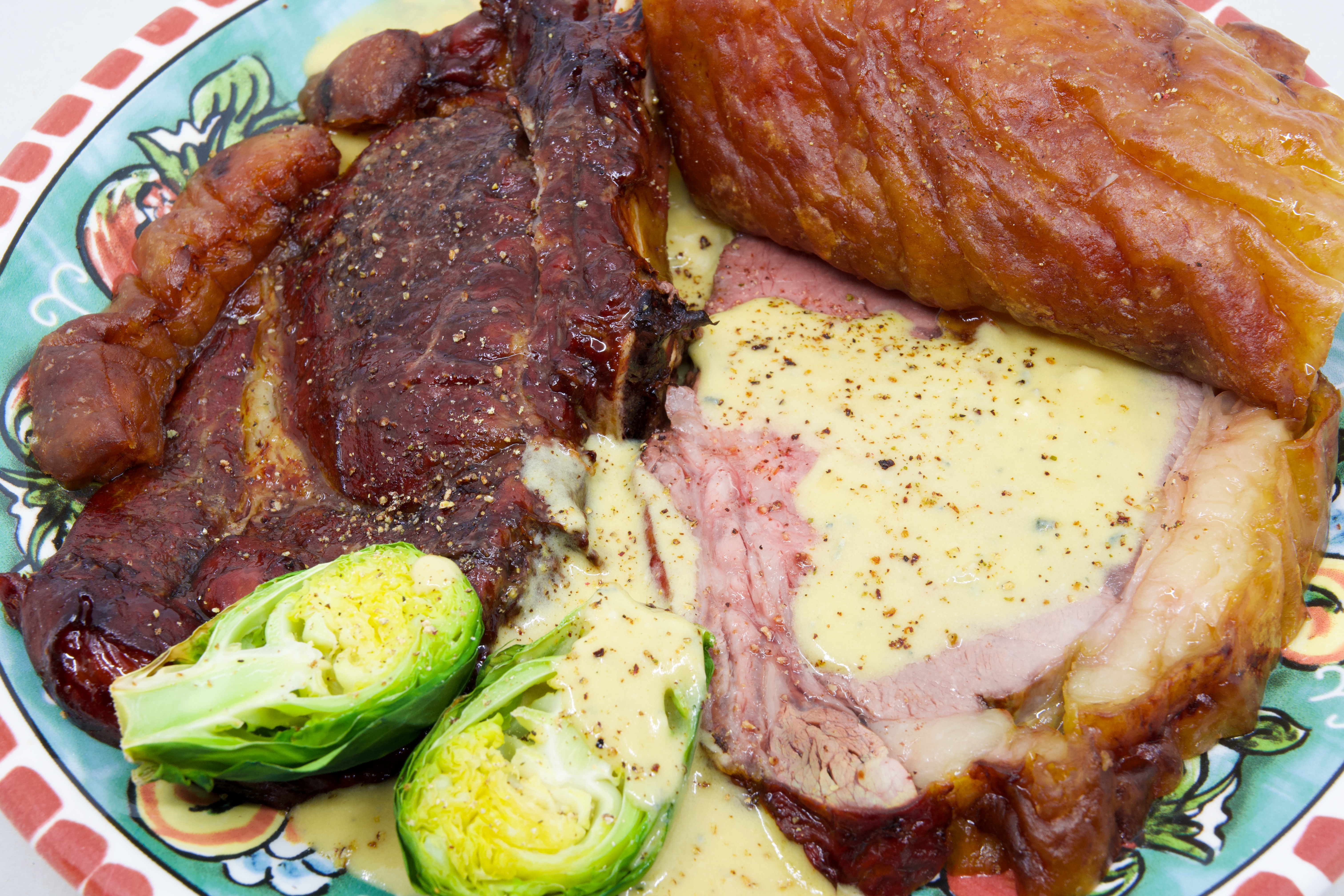
For lunch, I cooked a 2.450 kg standing rib roast. The meat had been frozen for about a month. After thawing the meat, I’d dry-brined it for a couple of days, and cooked it in a bench-top oven, which had been set at 120 °C. It took 2 hours and 20 minutes to cook to my desired doneness.
I ate a couple of slices, the fat cap, some Vegemite® blue vein cheese sauce, and a Brussels sprout.
Hot Cross Bun Dessert
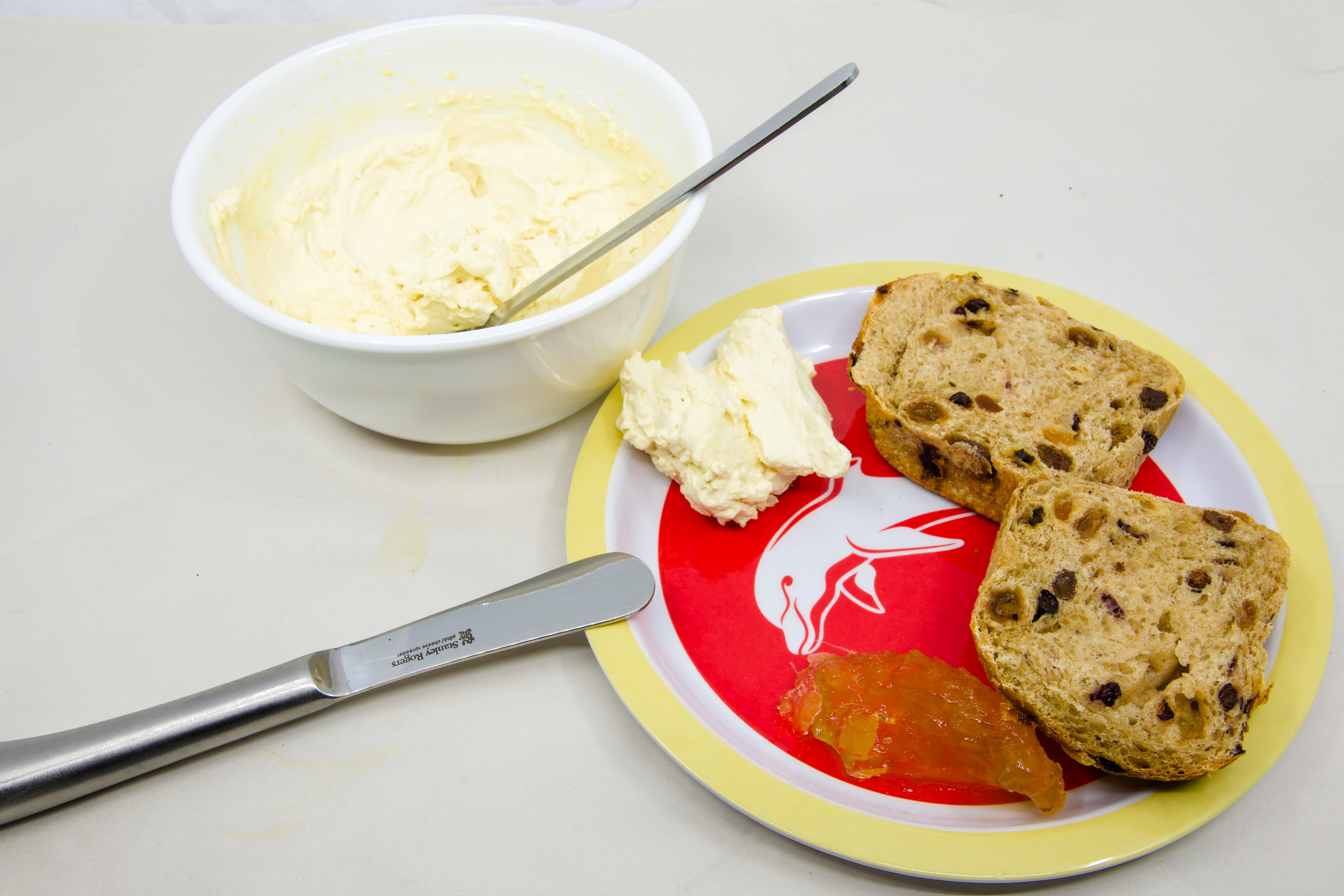
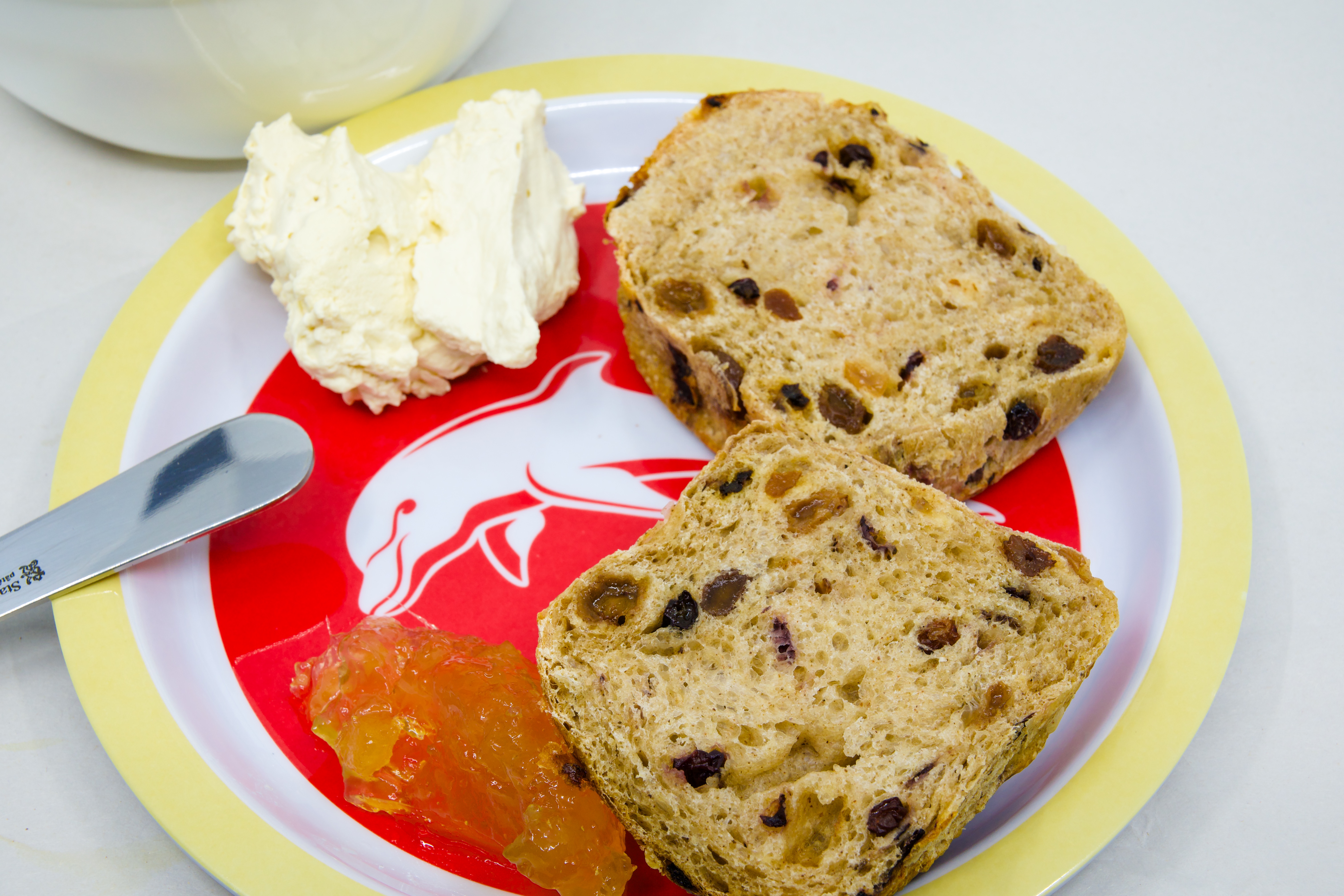
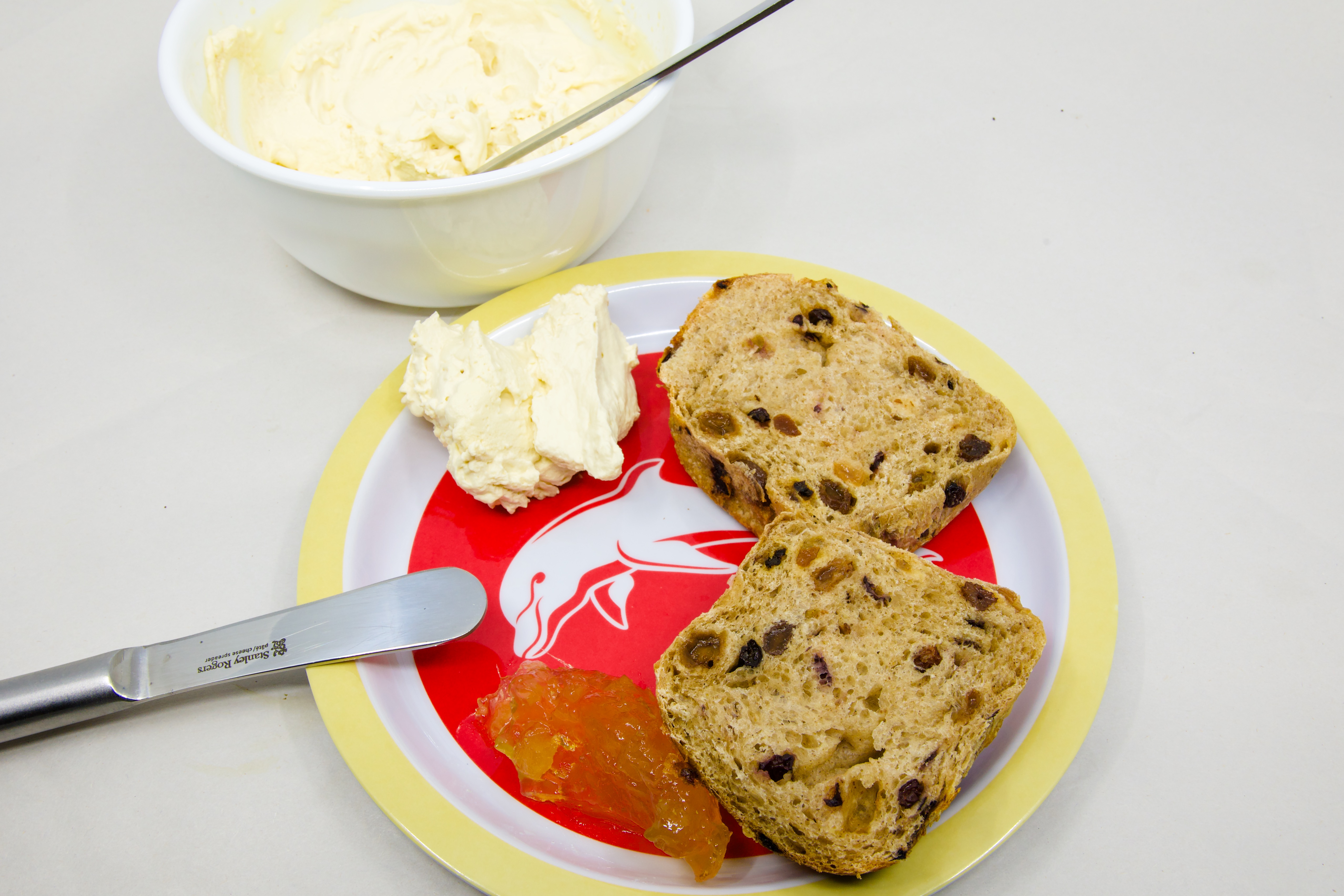
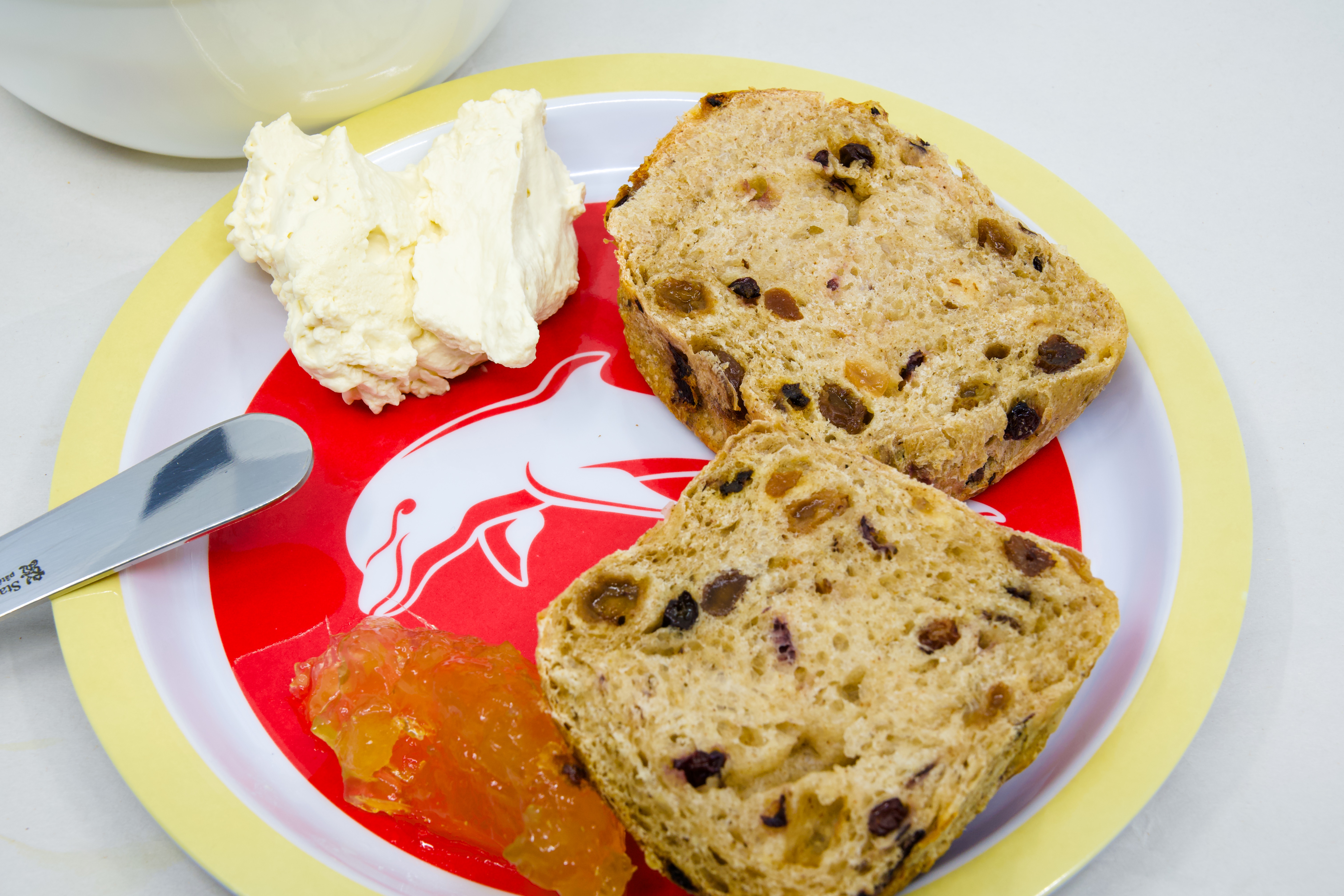
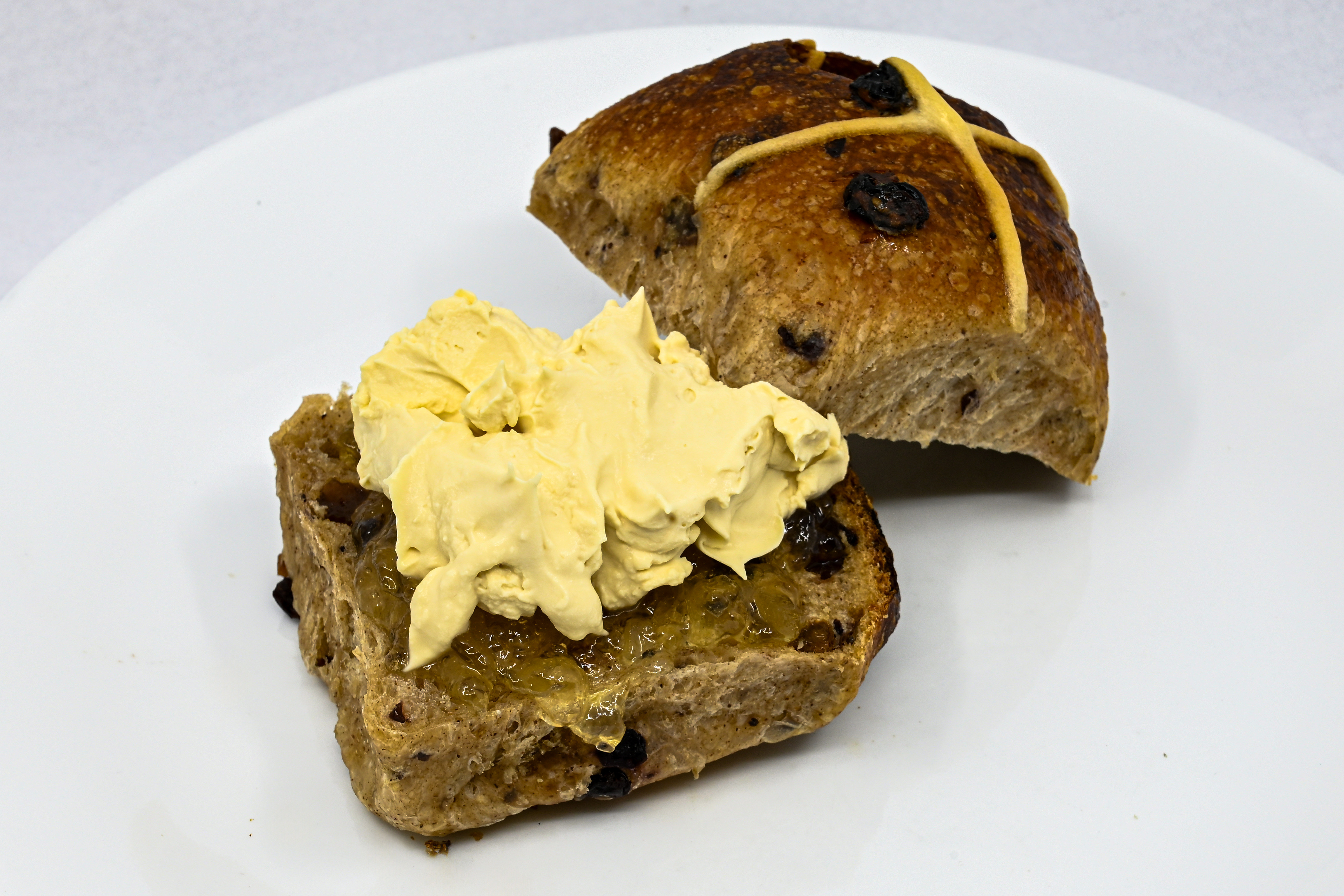
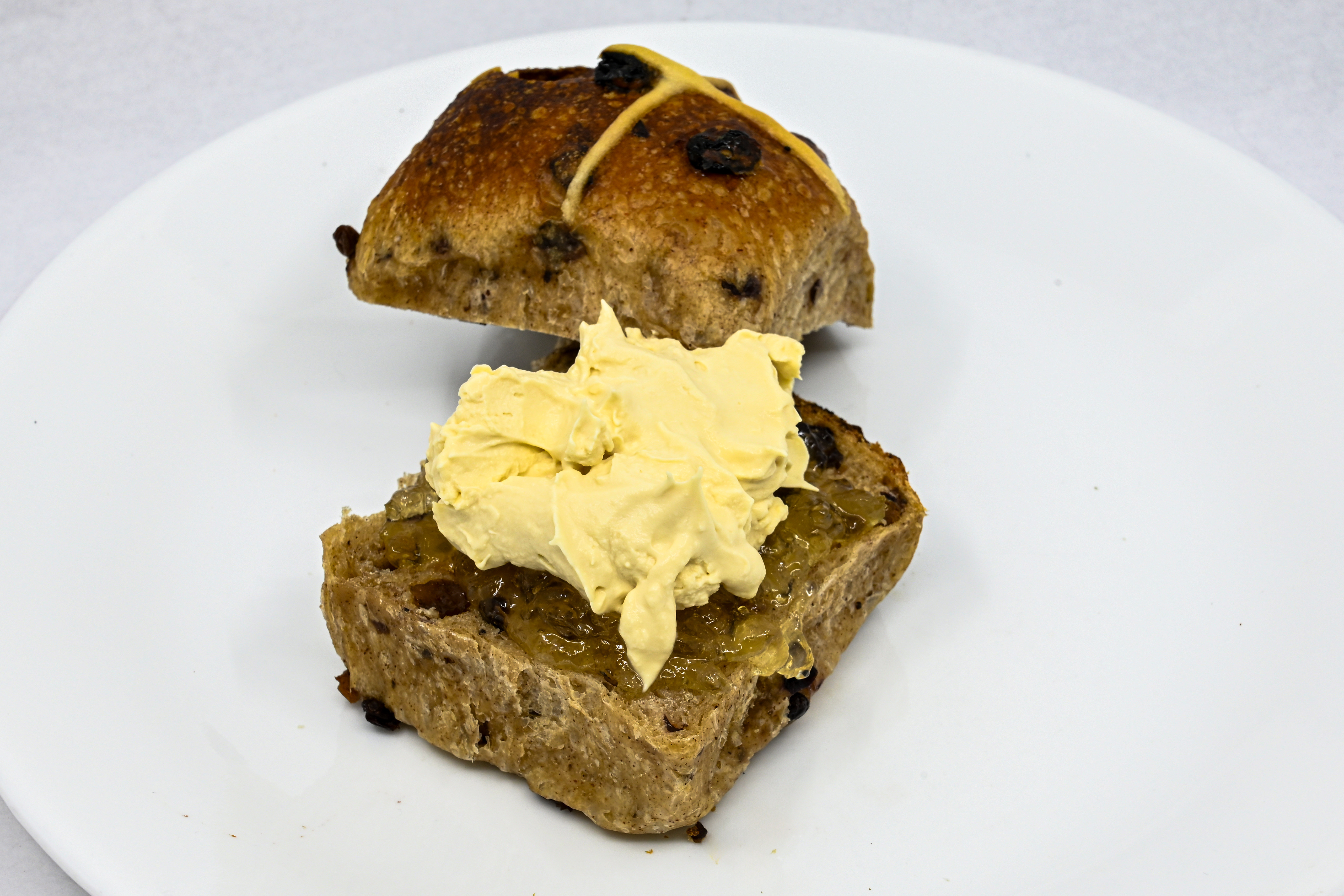
A warm sourdough Hot Cross Bun with whipped vanilla cream and ginger marmalade.
It was delicious.
Hot Cross Bun with vanilla whipped cream and ginger marmalade
Last week on the Lunchbox Envy podcast, the theme was spreads. The hosts made disparaging comments about an Australian food product.
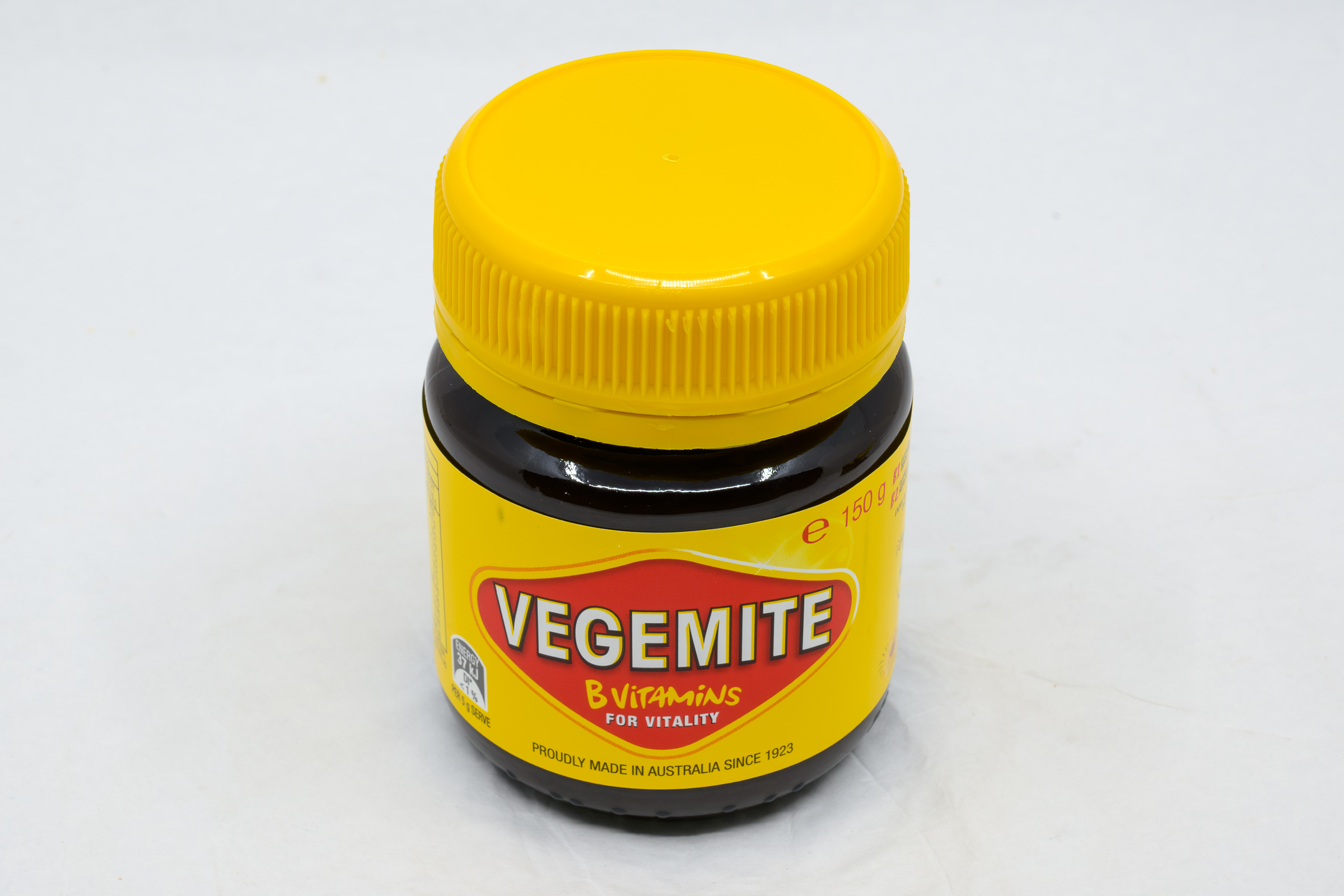
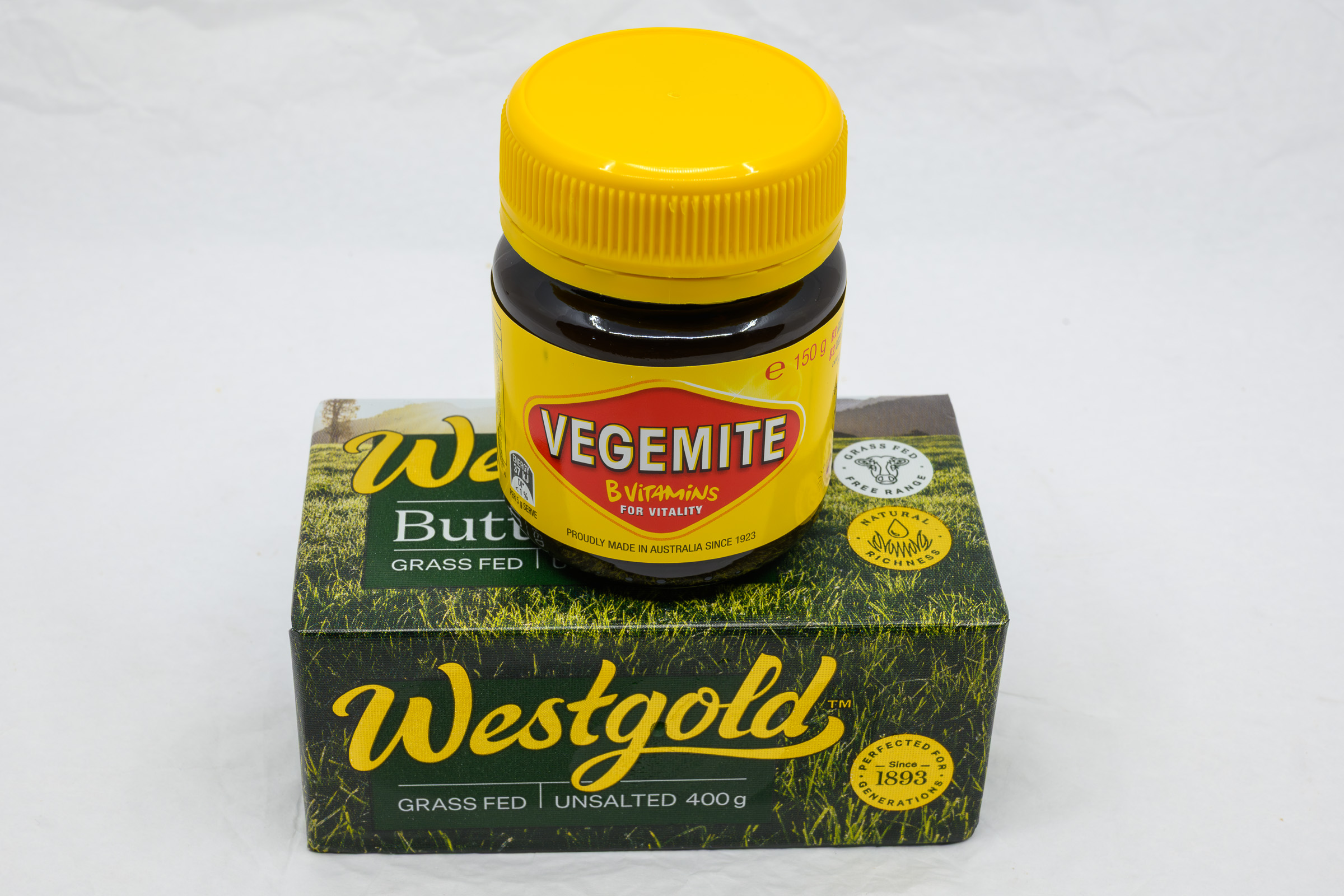
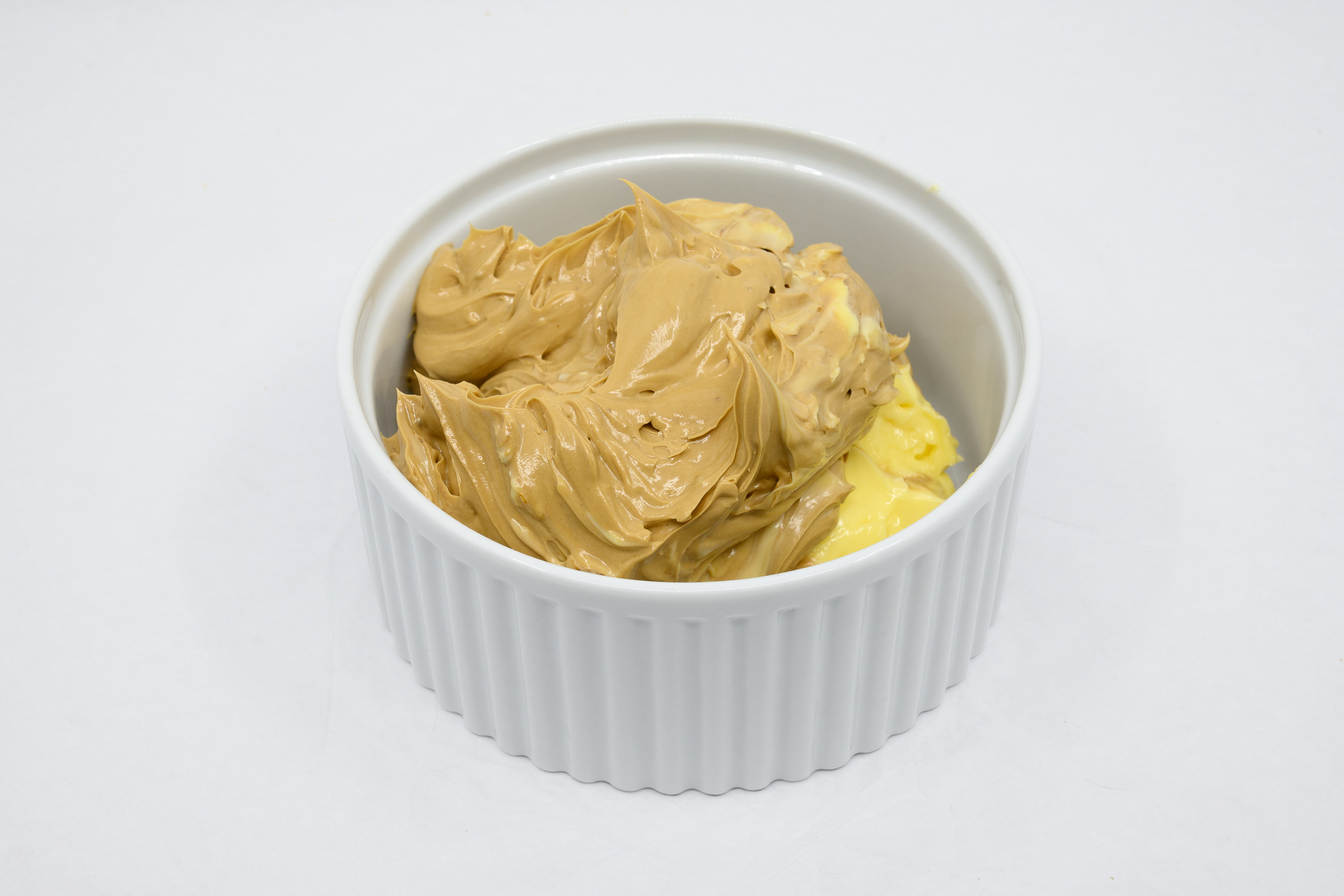
It inspired me to make whipped Vegemite[i] butter using products from Australia and New Zealand.
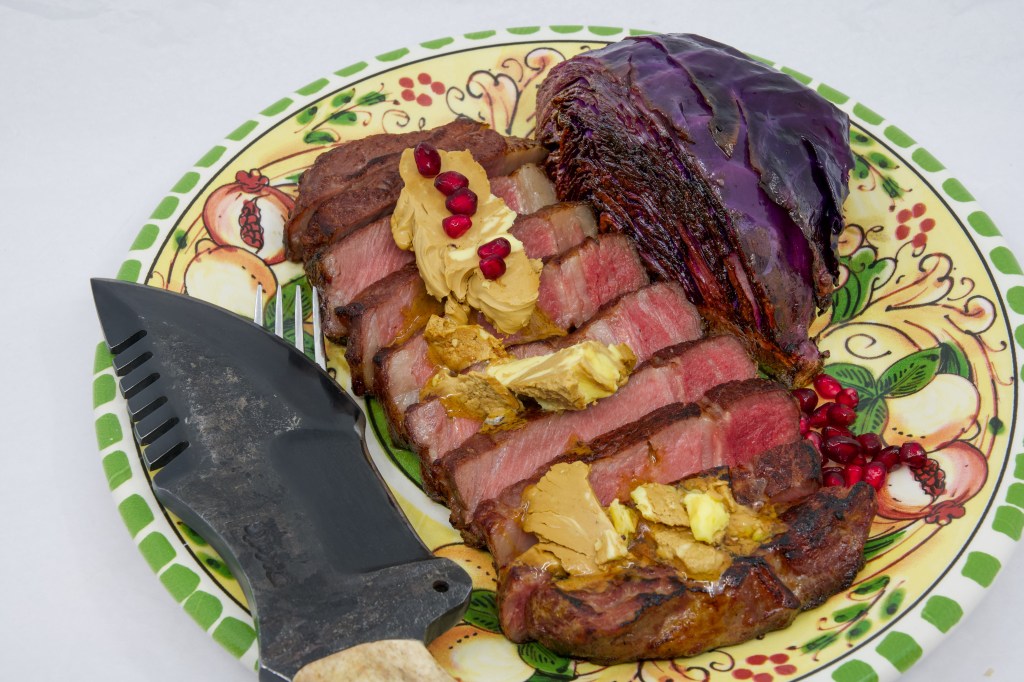
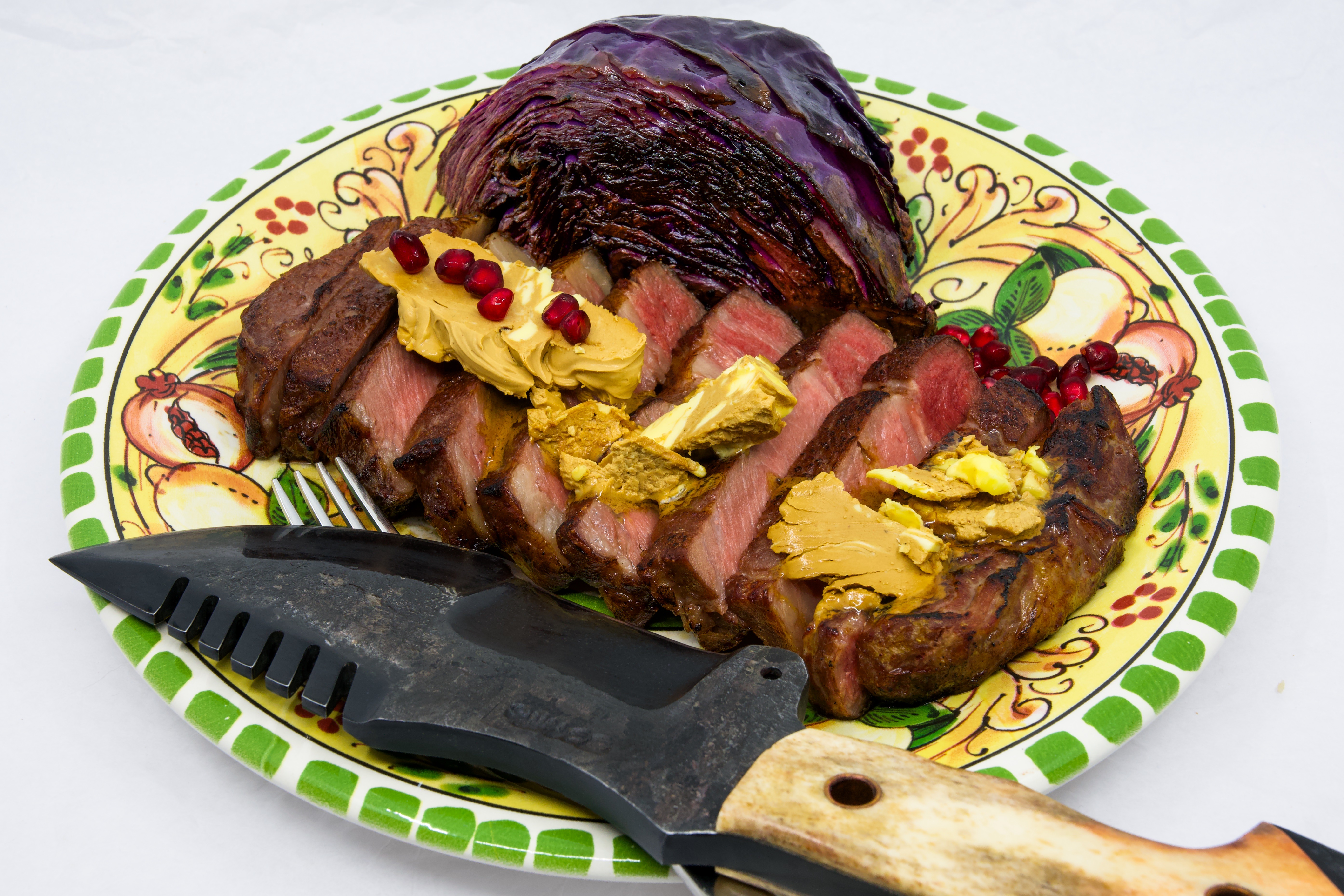
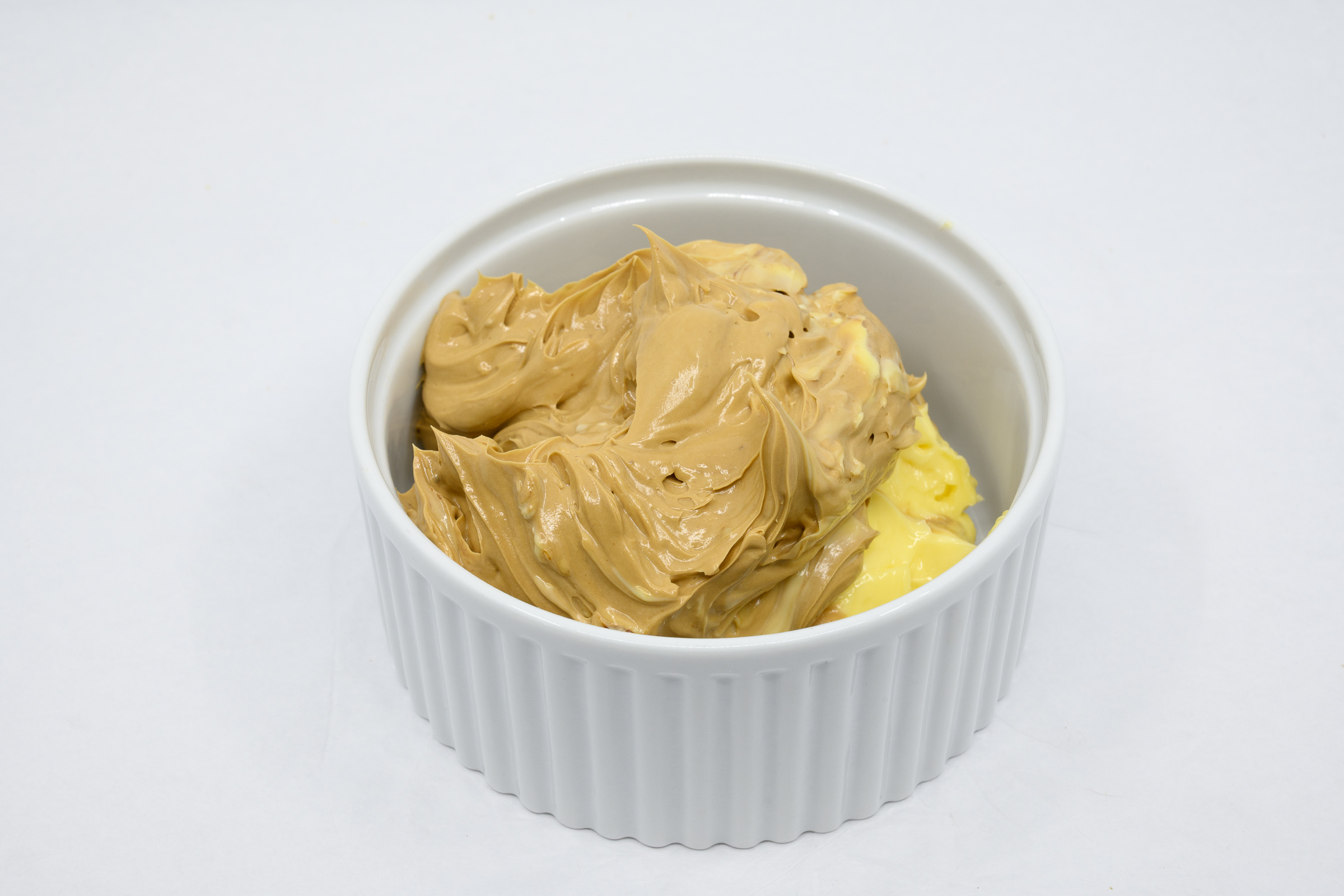
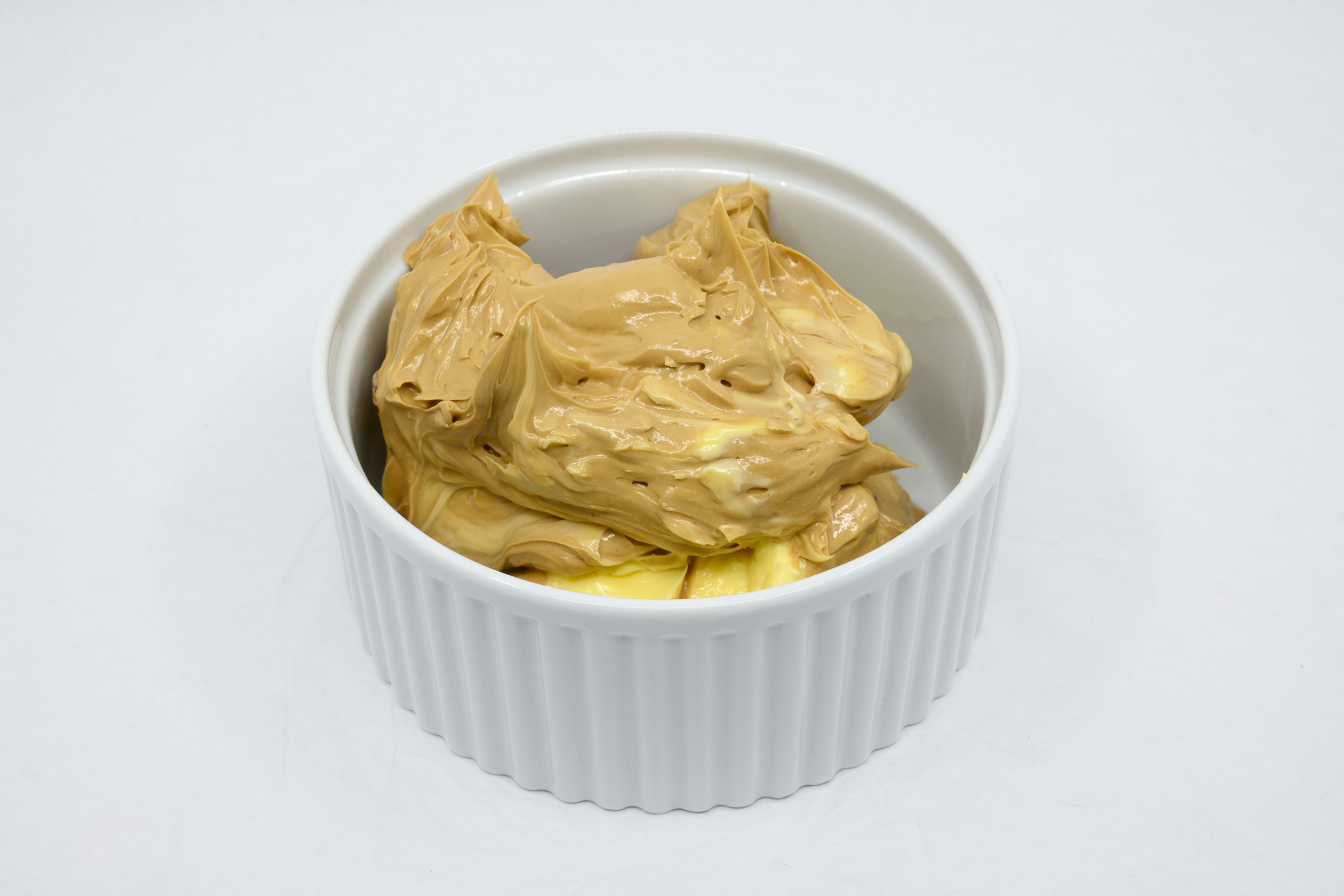
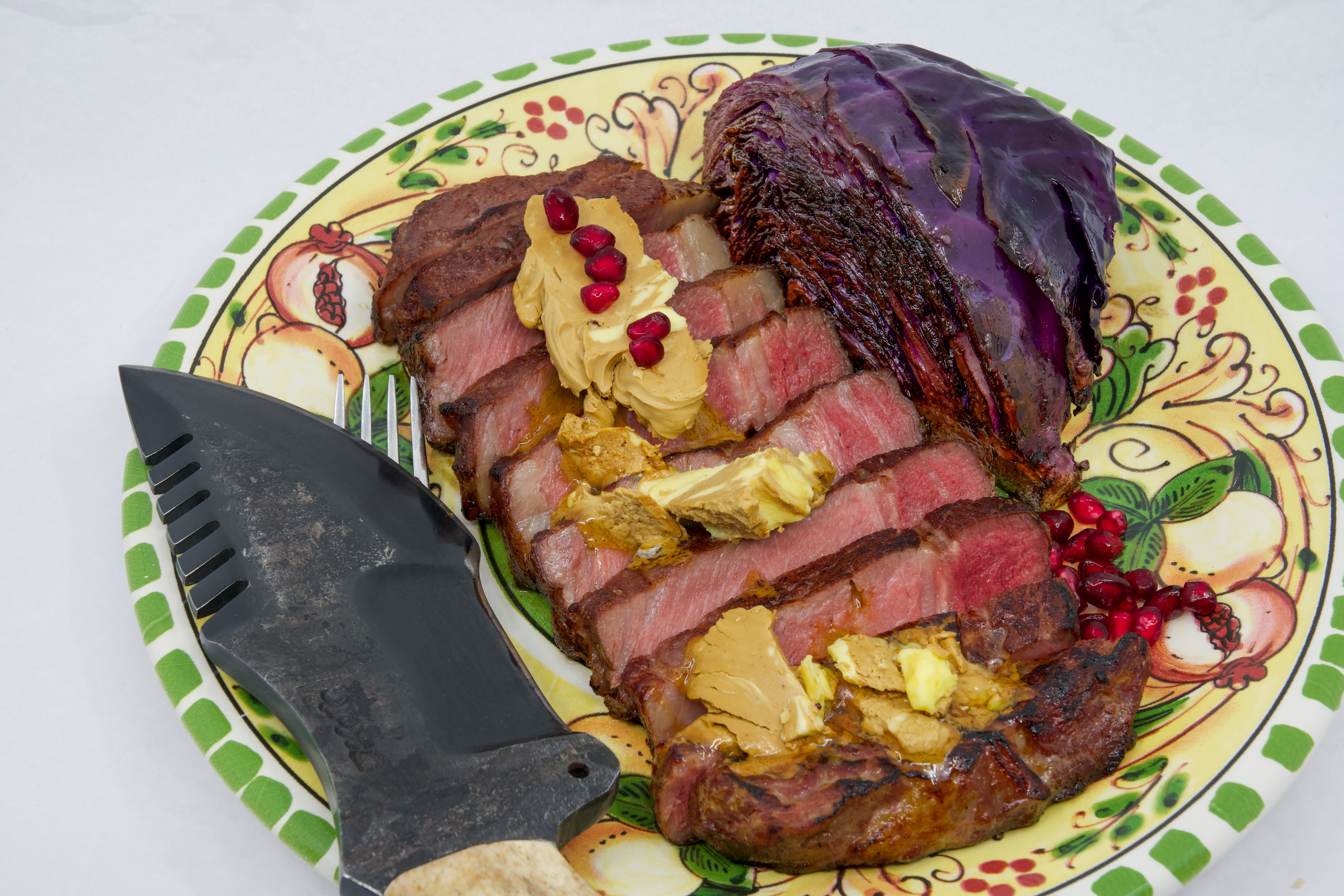
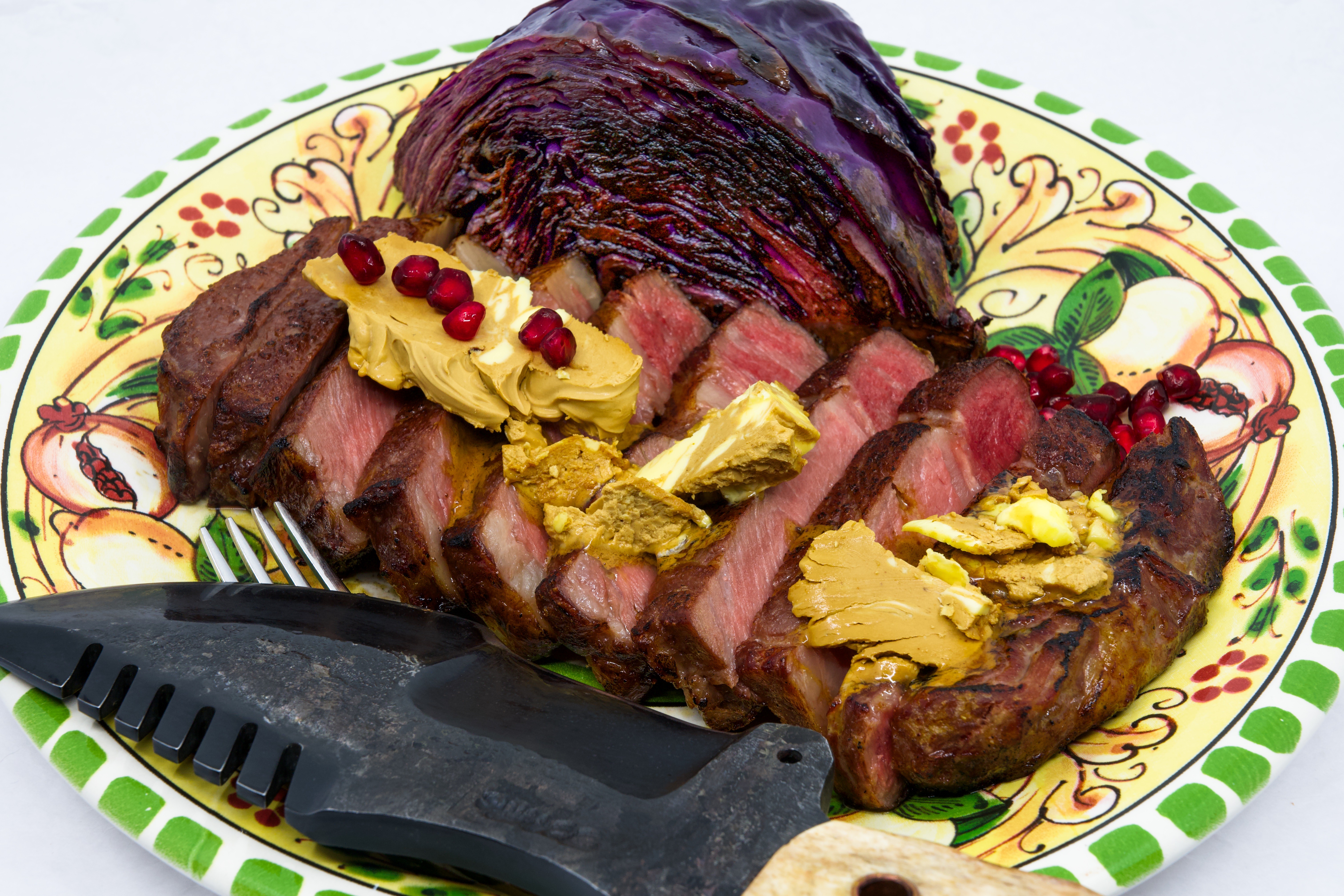
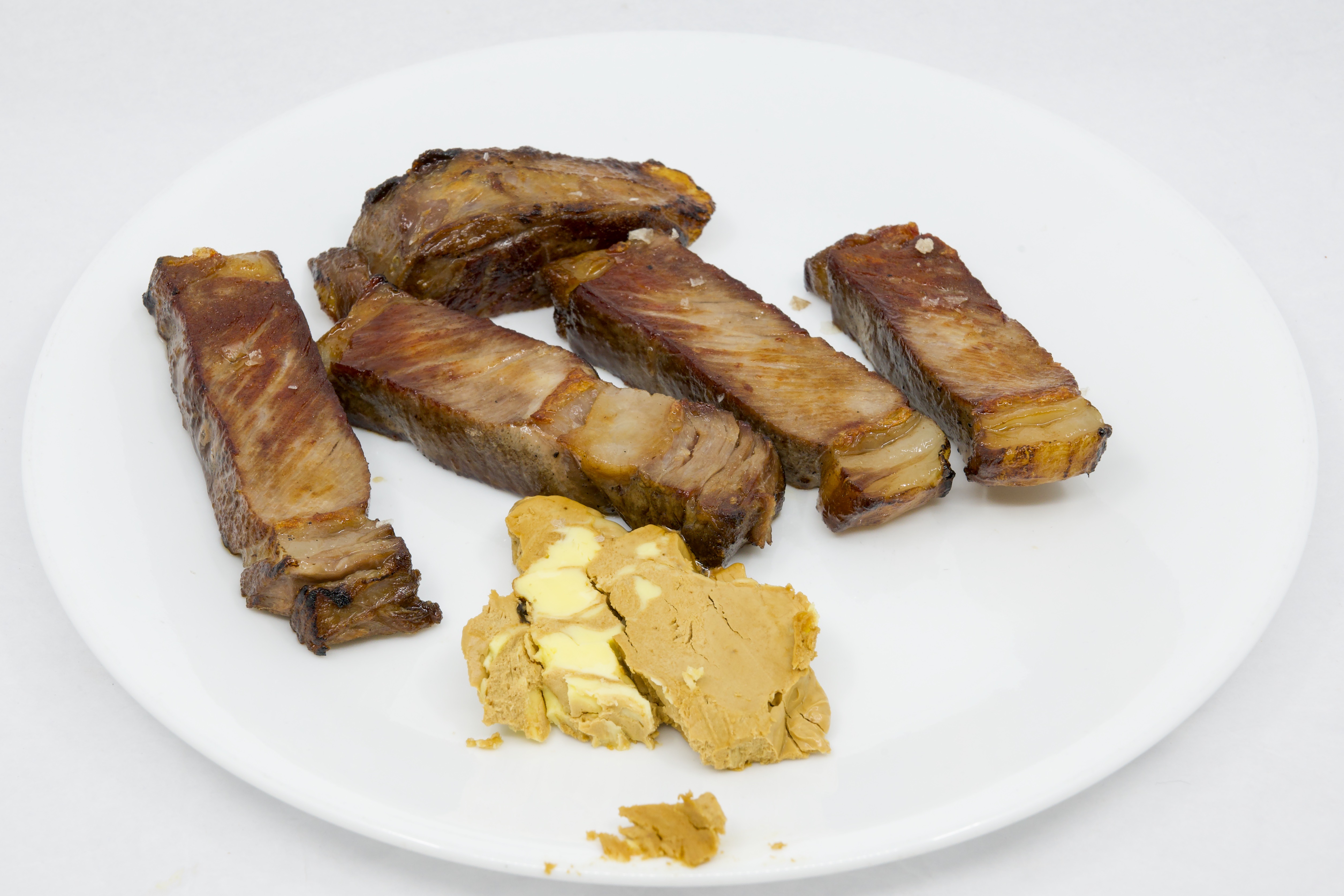
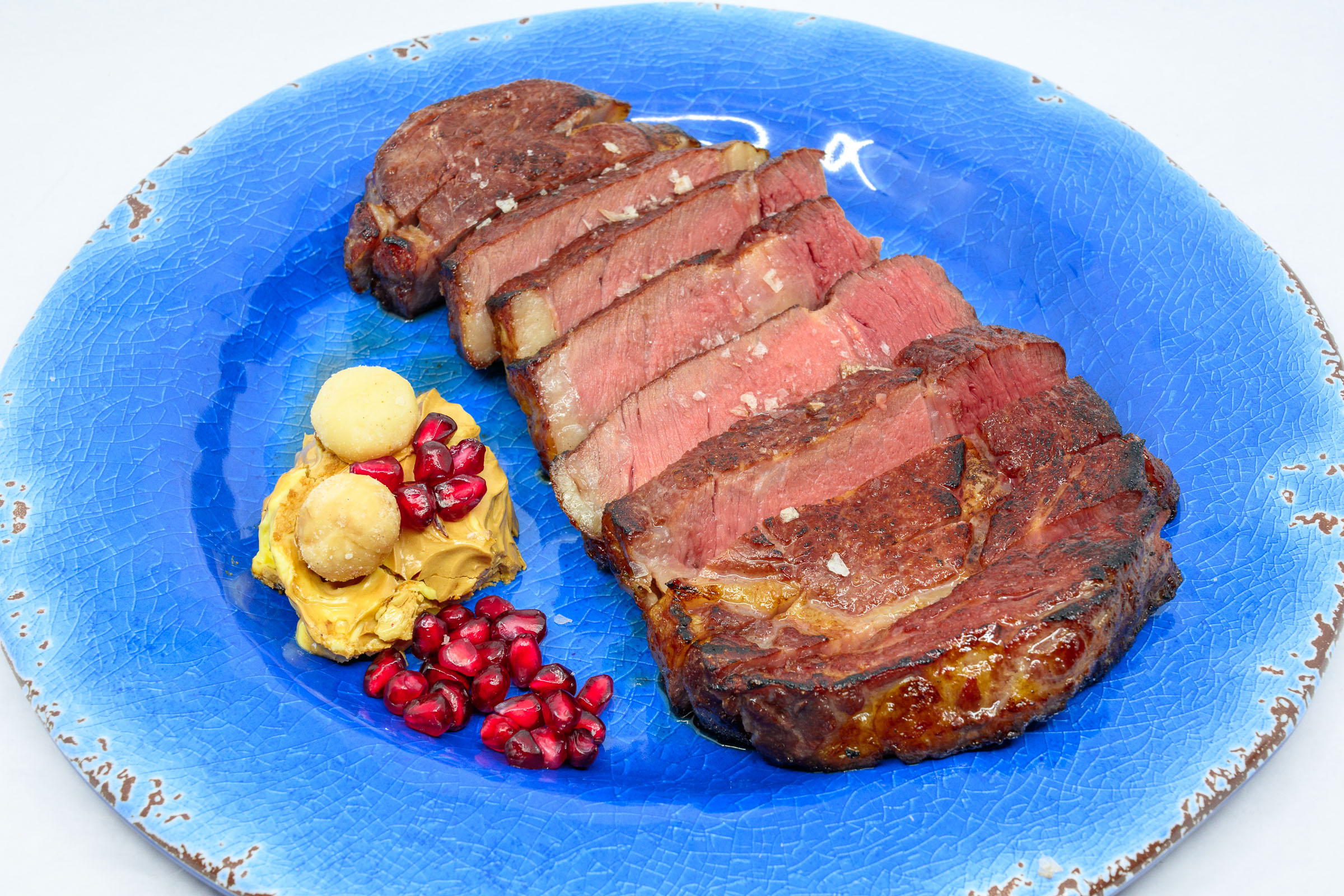
It was easy to make; it just took a few hours for the butter to soften enough to whip into a light, fluffy butter cream. I was surprised by how little Vegemite was needed to alter the colour and turn the whipped butter into a mousse-like, sweet, chocolate-coloured dessert. Instead, I had a light and fluffy bowl of umami goodness. In my mind, I thought it would be perfect to spread on steak.
This is NOT whipped Vegemite butter. It is whipped pure pouring cream sitting atop some ginger marmalade on a sourdough Hot Cross Bun.
Recipe
Whipped Vegemite butter
Ingredients
Butter — 200 g
Vegemite — 1 teaspoon
Equipment
Hand-held mixer
Instructions
Allow the butter to get to room temperature.
Place the butter in a bowl and, with a hand-held mixer, whip it until light, fluffy, and well aerated.
Add the teaspoon of Vegemite and continue whipping the Vegemite butter.
Steak
Ingredients
Grass-fed scotch fillet steak
Red cabbage
Equipment
Water bath
Precision cooker
Hooded barbecue grill
Gas torch
Instructions
Cook the steak in the water bath for 2 hours at 57 °C.
Heat the hooded barbecue and plate the cabbage on the cast-iron flat-top.
Sear the steak on the cast-iron flat-top on the barbecue.
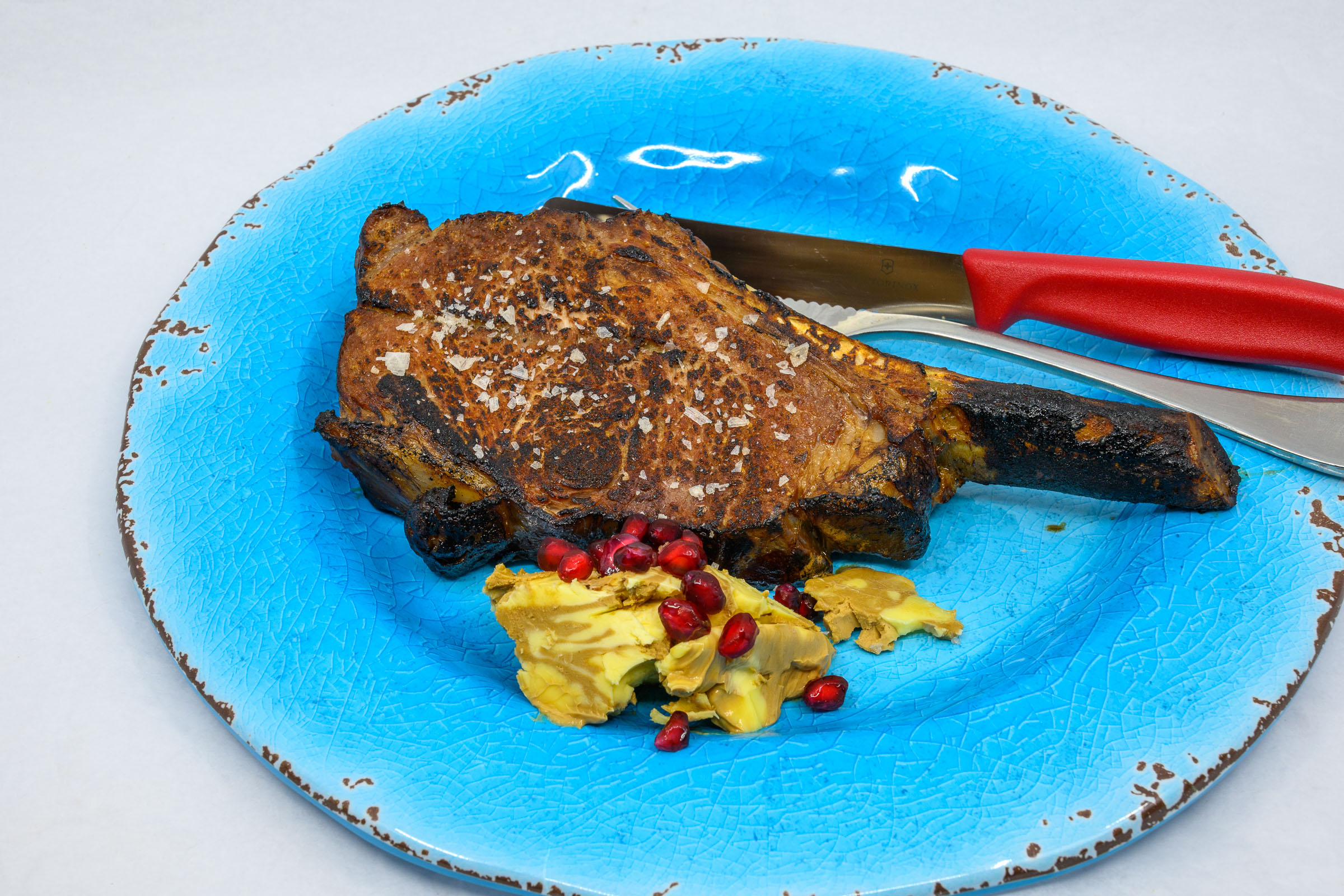
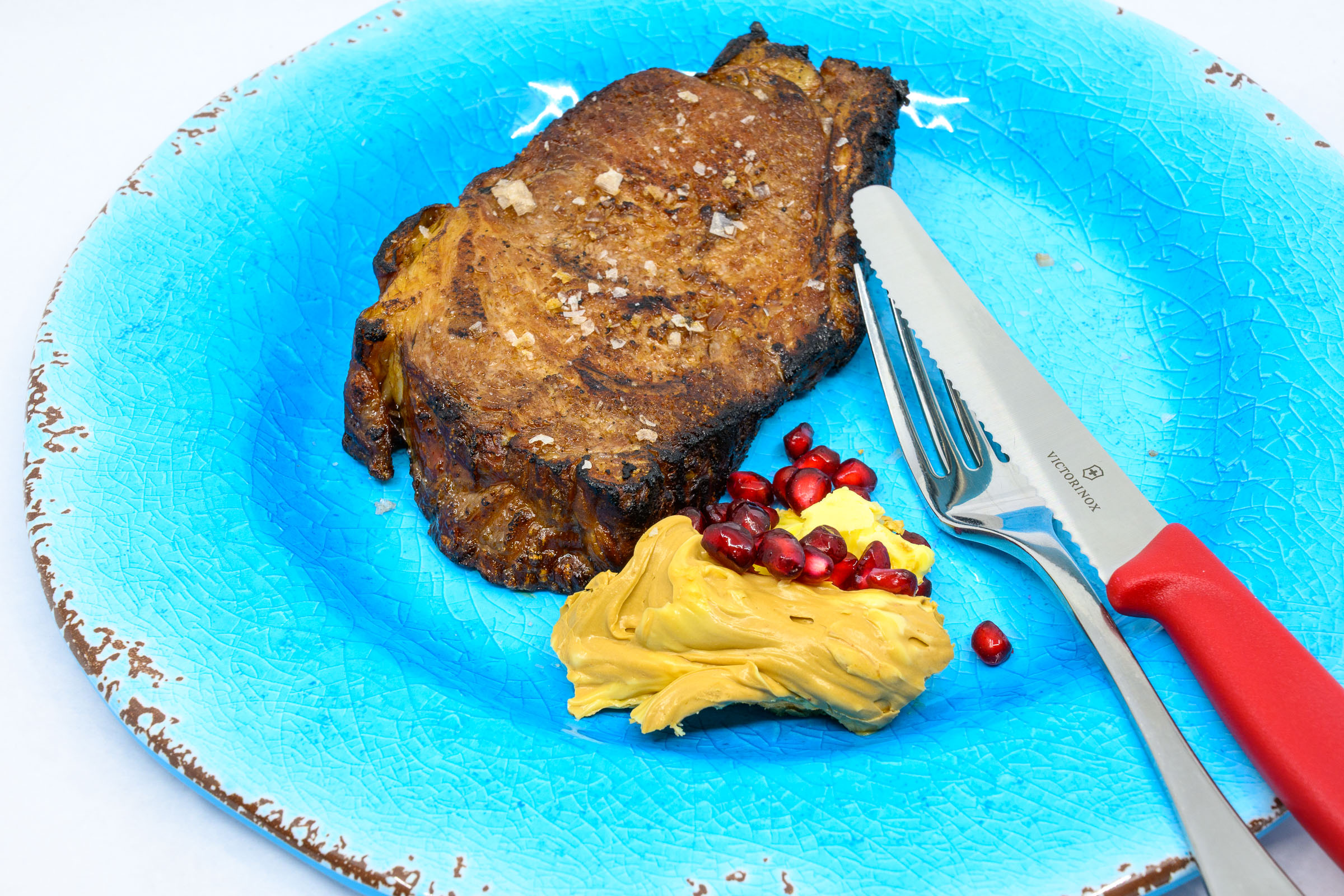
Serve the steak with the whipped Vegemite butter.
Dessert — A scone alternative
A sourdough hot cross bun with fruit is a great alternative to a scone. The cream was whipped pure-pouring Cream (300 mL), and the “jam” was Ginger Marmalade (365 g). Marmalade also featured on the “spreads” episode of the Lunchbox Envy podcast.
This is my version of a “Devonshire tea,” only it is a dessert.
Photographs
including previous meals with the whipped Vegemite butter.
Vegemite love
When I was in primary school, I used to eat Vegemite sandwiches every day for a year, and the following year I’d alternate with peanut paste sandwiches.
[i] Vegemite is one of Australia’s most iconic flavours, born in the early 1920s when chemist Cyril Callister set out to create a local alternative to British Marmite. Developed in 1922 and first sold in 1923, it was originally called Pure Vegetable Extract before a naming competition produced the now‑famous “Vegemite.” Although it took time to win over Australian households, wartime shortages of imported goods helped it become a national staple, and it has remained deeply woven into Australian food culture ever since.
At its core, Vegemite is made from leftover brewer’s yeast extract—a by‑product of beer production—combined with vegetable extracts, salt, and malt extract. The yeast undergoes autolysis, a process that breaks down the cells and concentrates the savoury, umami‑rich liquid that gives Vegemite its signature flavour. This mixture is then blended into a thick, dark brown paste with a consistency similar to firm jelly. The exact vegetable extract blend remains a closely guarded secret, but the result is unmistakable: salty, slightly bitter, deeply savoury, and intensely aromatic.
Nutritionally, Vegemite is surprisingly dense for such a small serving. A teaspoon delivers around 1.3 grams of protein with minimal fat and carbohydrates, making it extremely low in calories. Its standout feature is its B‑vitamin content—thiamine (B1), riboflavin (B2), niacin (B3), and folate (B9) are all present in significant amounts, with some versions also fortified with vitamins B6 and B12. These micronutrients support energy metabolism and overall wellbeing, which is part of why Vegemite was historically marketed as a health food. The only caution is its naturally high sodium content, though reduced‑salt varieties are now available.