

At the end, take a look at the dolphins.🐬
You can go straight to the recipe.
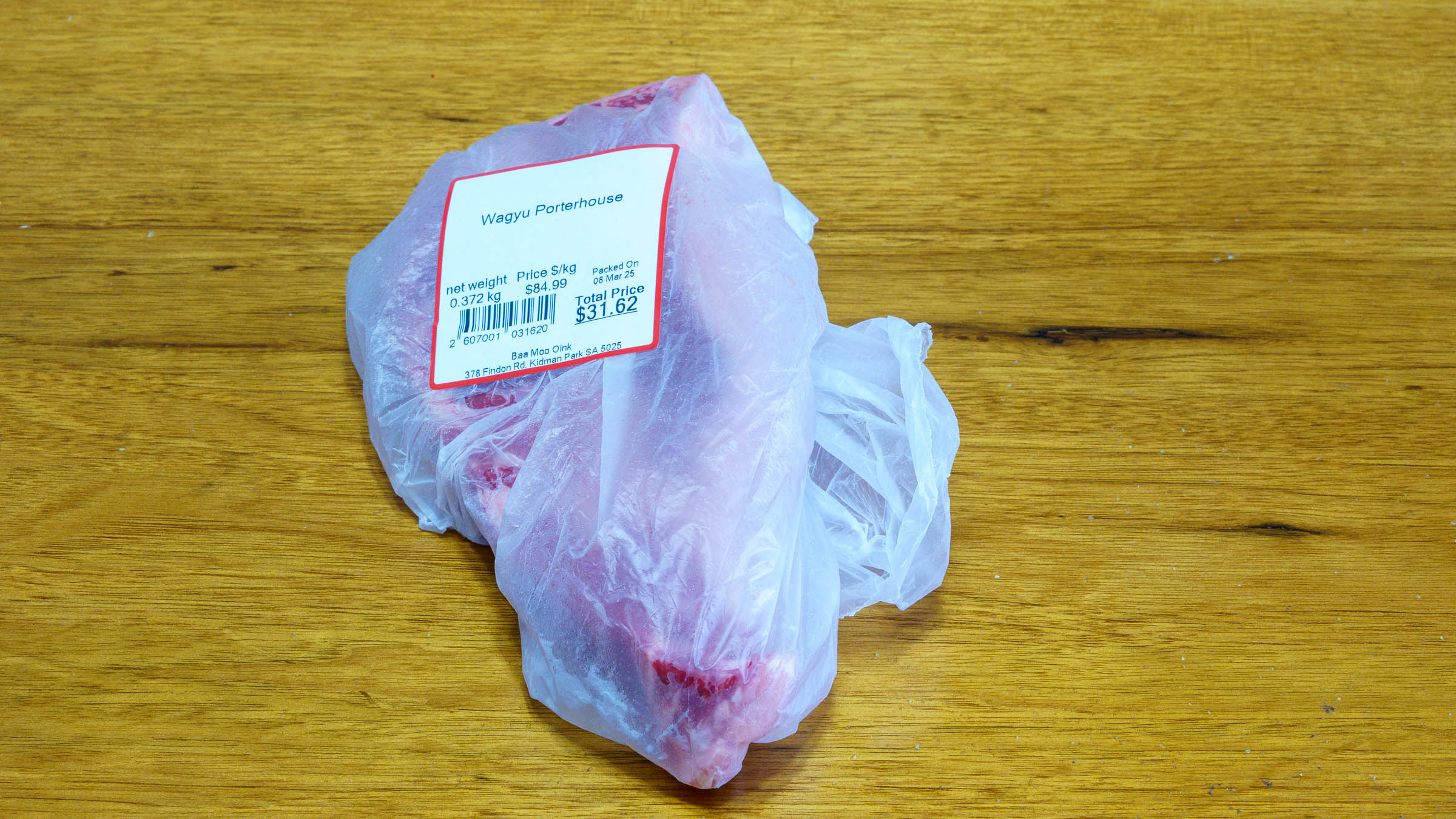
I bought this porterhouse steak from my regular butcher as a treat.
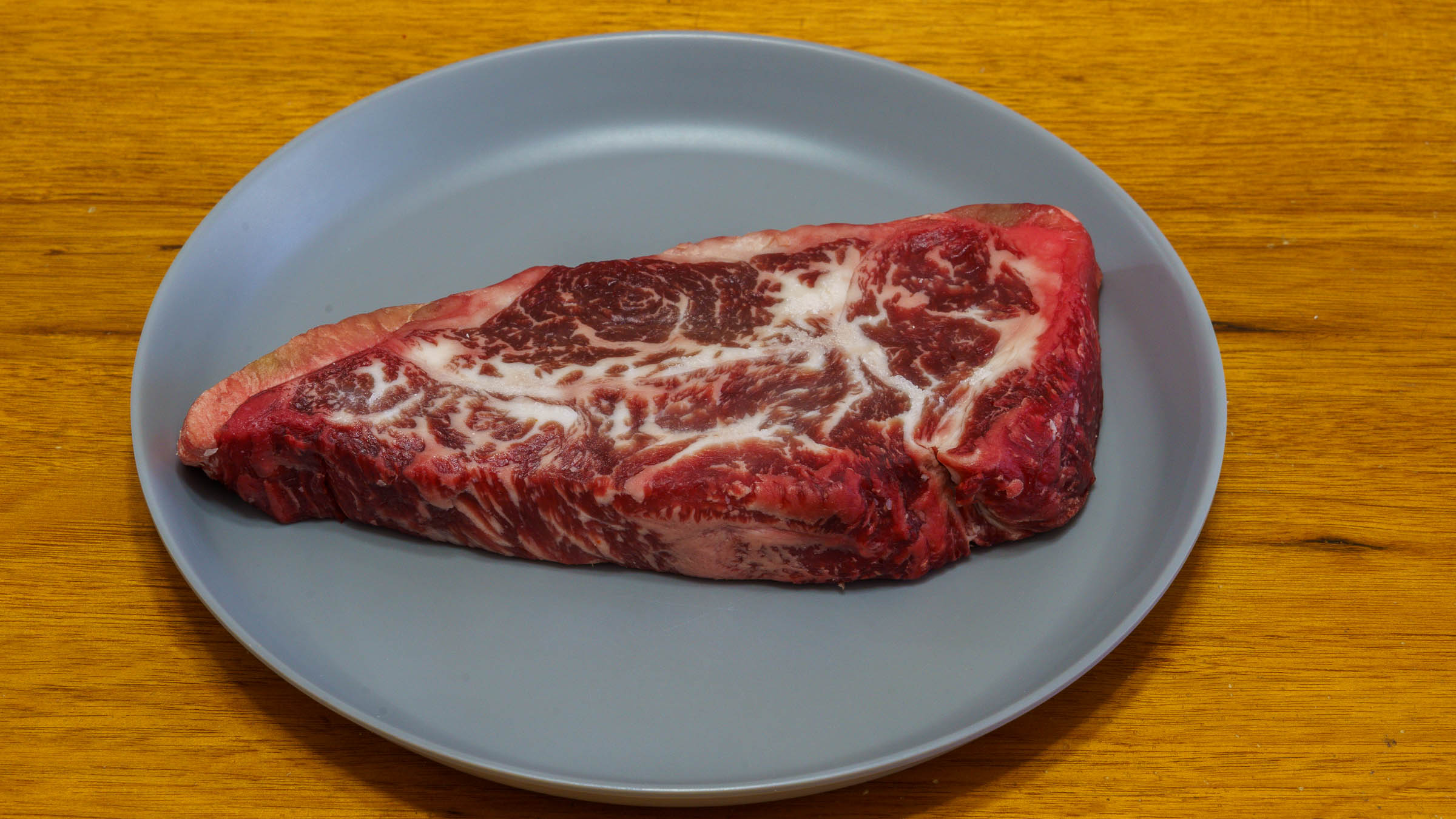
Wagyu beef is expensive. I don’t think I would ever purchase Wagyu imported from Japan. I’m sure the meat would taste good, but it’s not worth the money.
I chose this piece from the display cabinet because I’m a sucker for nice layer of fat.
On a porterhouse steak, there’s often a band of connective tissue between the fat cap and the muscle meat. You can see some fascial membrane if you look closely. It can be tough and chewy.
The Porterhouse Steak
Anatomy of a Bovine and the Origin of the Porterhouse Steak
Beef cattle are divided into various primal cuts, each offering different textures and flavours. The porterhouse steak is cut from the short loin, a section located in the middle to lower back of the beast. This area includes part of the tenderloin and the top loin, making the porterhouse steak a combination of the tenderloin’s easy chewing and the top loin’s robust flavour. It is distinguished by the “T-bone” that separates these two sections.
International Nomenclature
The porterhouse steak is known by different names in various parts of the world. In the United States and Canada, it retains its original name, “porterhouse.” In the United Kingdom, it may be referred to as a “T-bone” steak, though this can sometimes cause confusion, as a traditional T-bone steak contains a smaller section of the tenderloin compared to the porterhouse. In Italy, it is known as “bistecca alla Fiorentina,” often served with a splash of olive oil and lemon juice.
Ways to Cook a Porterhouse Steak
Cooking a porterhouse steak requires a few key steps:
Seasoning: Start by generously seasoning the steak with salt. For extra flavour, consider a marinade or dry rub with garlic, rosemary, or thyme.
Preheating: Preheat your grill or pan until it is hot. A high heat will sear the outside, creating a delicious crust.
Cooking: Sear the steak on each side, then move it to a cooler part of the grill or reduce the heat in the pan. Cook to your desired doneness, using a meat thermometer to check the internal temperature.
Resting: Let the steak rest for at least 5 minutes before slicing.
Selecting a Porterhouse Steak at the Butcher Shop
When choosing a porterhouse steak, look for the following qualities:
Marbling: Fine streaks of fat within the meat, known as marbling, enhance flavour and tenderness. This is guaranteed with Wagyu beef.
Thickness: Opt for a steak that is at least 3 centimetres thick. Thicker cuts are less likely to overcook and offer a better texture. My piece of meat wasn’t as thick as I’d normally like it, but a thicker steak would have cost considerably more.
Colour: The meat should be a bright, cherry-red colour, indicating freshness. The fat should be a creamy white colour.
Nutritional Value of a Porterhouse Steak
Porterhouse steak is a rich source of nutrients. Here is a breakdown of its nutritional content per 100 grams:
Fats: Approximately 20 grams. This includes both saturated and unsaturated fats.
Protein: Around 28 grams.
Carbohydrates: Virtually none. Steak is a low-carbohydrate food.
Premarket Processes
Before reaching the consumer, porterhouse steaks undergo several premarket processes:
Ageing: Steaks may be dry-aged or wet-aged to enhance flavour and tenderness. Dry-aging involves hanging the meat in a controlled environment, allowing natural enzymes to break down muscle fibres. Wet-aging is done by vacuum-sealing the meat and refrigerating it.
Inspection: In Australia, meat inspection is mandatory to ensure safety and quality. Inspectors check for signs of disease and contamination.
Packaging: The meat is then packaged, often vacuum-sealed to extend shelf life and maintain freshness.
The porterhouse steak is a cut of beef that offers a combination of tenderness and flavour. You can enjoy a satisfying meal by selecting a high-quality steak, cooking it with care, and understanding its nutritional benefits.
Recipe
Ingredients
- Porterhouse steak — Wagyu
- Salt
Equipment
- Vacuum chamber
- Water bath
- Precision cooker
- Gas torch
Instructions
- Dry brine the steak overnight by seasoning it with salt and leaving it uncovered on a rack in the refrigerator.
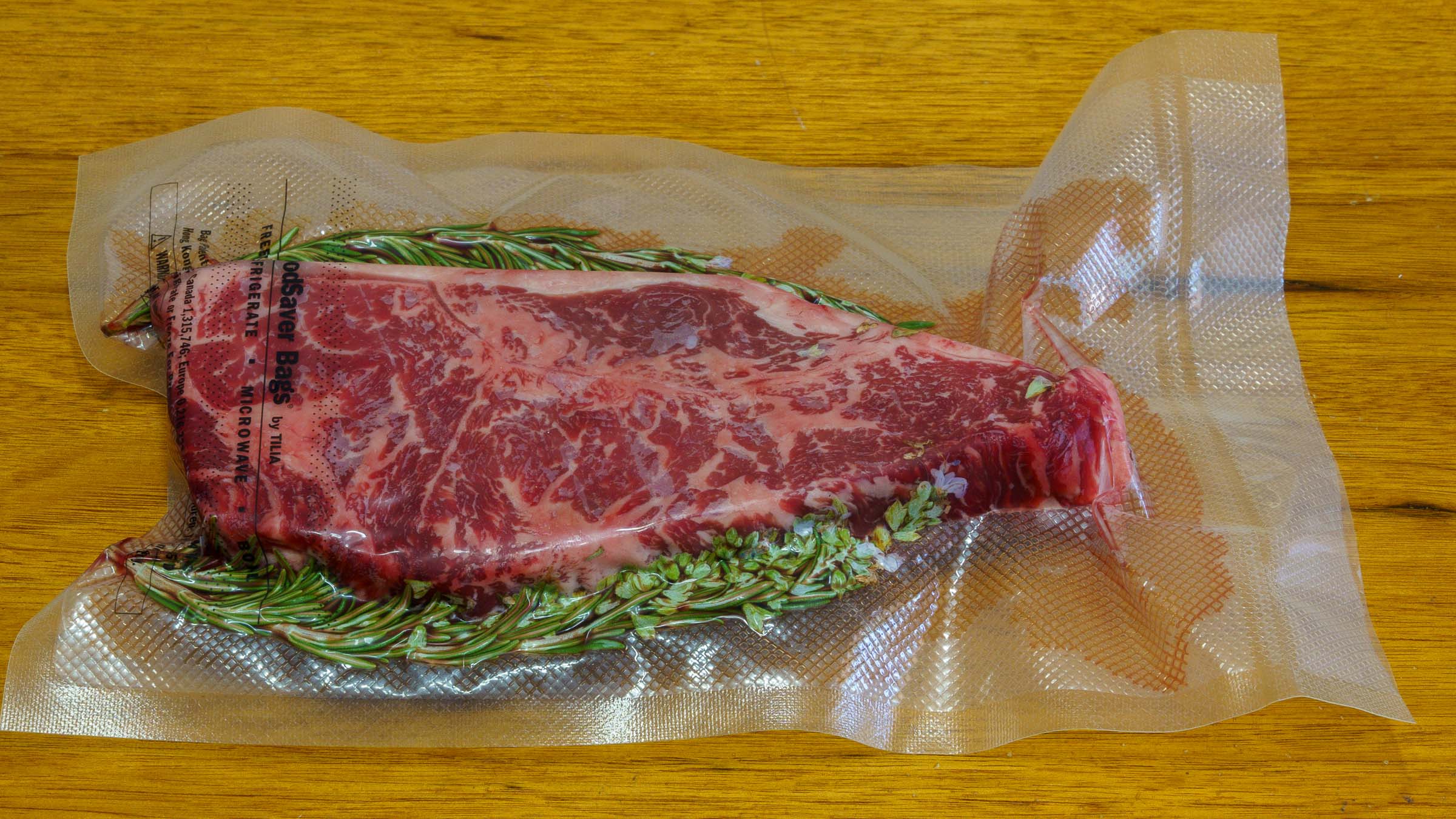
- Vacuum seal the steak in a food-safe bag.
- Cook the steak for one hour at 57 °C.
- Remove the meat and dry the surface with paper towels.
- Sear the steak with a gas torch.
- Slice the steak with a good knife.
- Serve the steak with a wedge of lime, some flaky salt, and some butter.
Thoughts on the meal
I don’t know that Wagyu beef is worth the expense. It was a nice piece of steak. It tasted good and it was tender and juicy.
In the dry brining photographs, you’ll see that I also purchased some economy scotch fillet steak. The slices are 3 cm thick. For about $AUD45, that works out to $AUD9 a slice. I’ll see how this works out.
Photographs
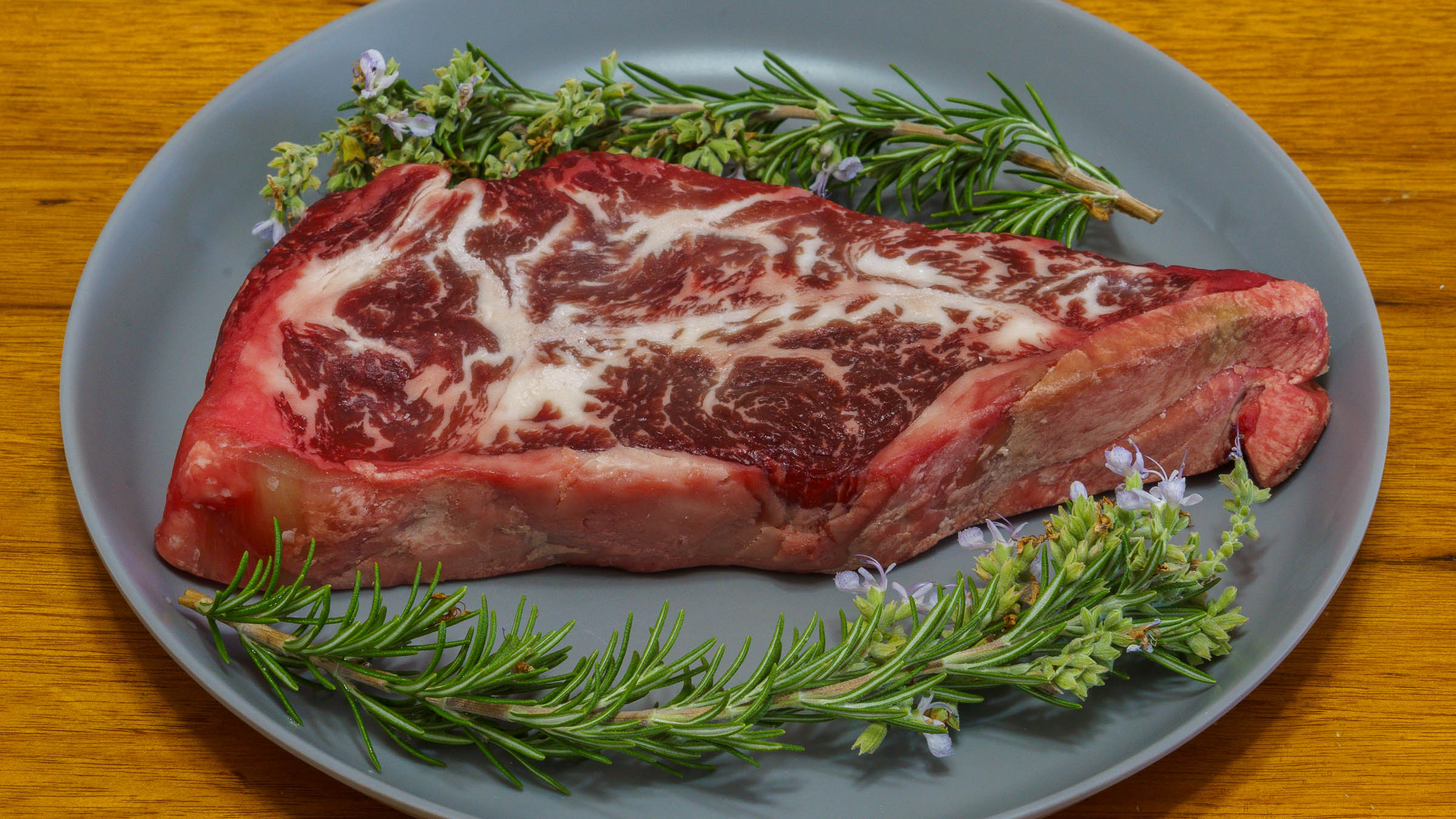
This is a gallery of photographs. Click on one and scroll through the gallery.



Dolphins
I was walking this morning and from the Henley Beach Jetty I spotted a pair of dolphins. Sadly in the NRL, South Sydney defeated the Dolphins on Friday evening.
