Tag: Sourdough

  • Cheeky beef

    Cheeky beef


    Pressure Cooker Beef Cheek

    This is the sort of meal that rewards patience at the start and then lets the pressure cooker do the heavy lifting. Rendering and roasting the beef bones first creates a rich, savoury foundation, while the beef cheek becomes meltingly tender in a tomato and vegetable braise.

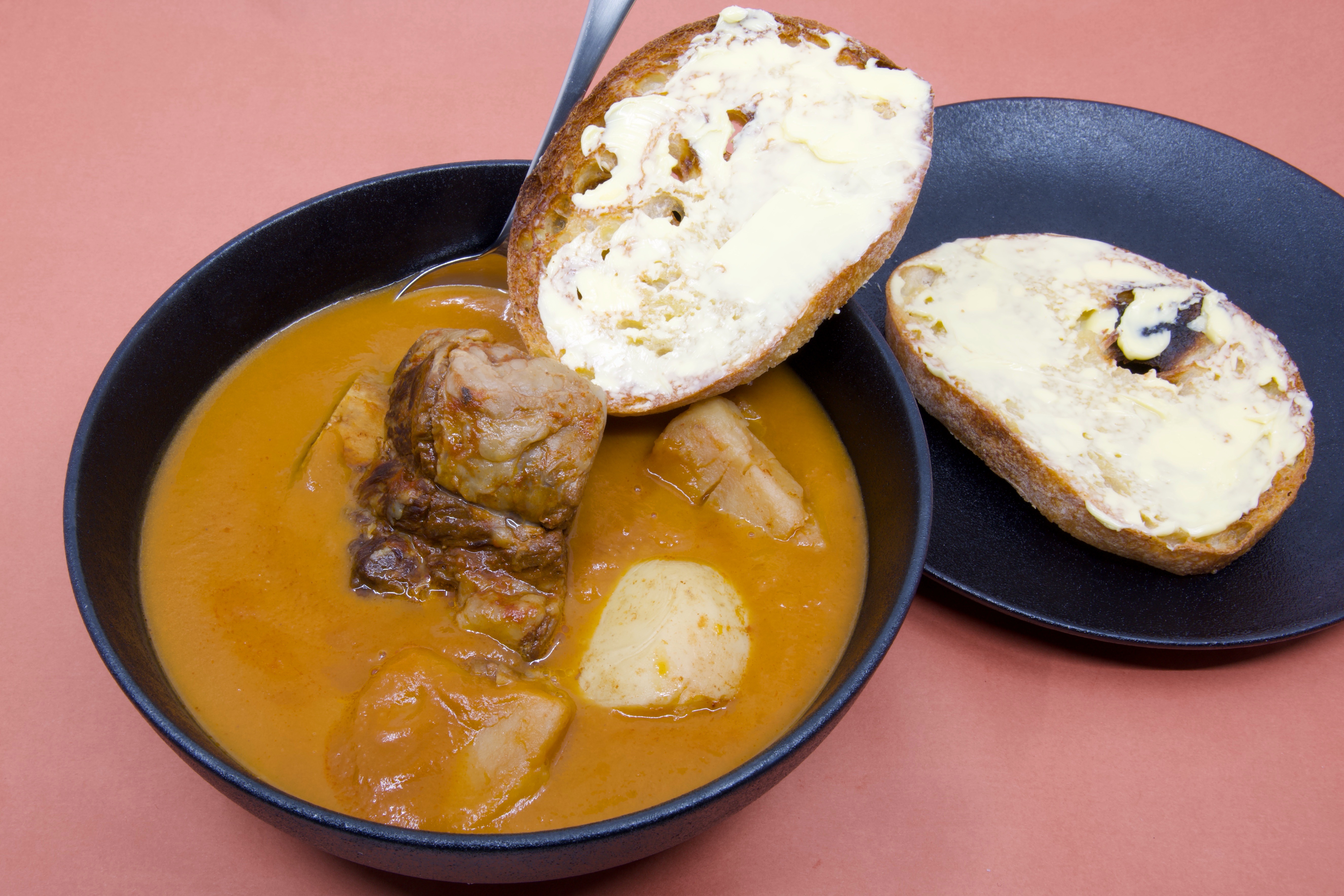
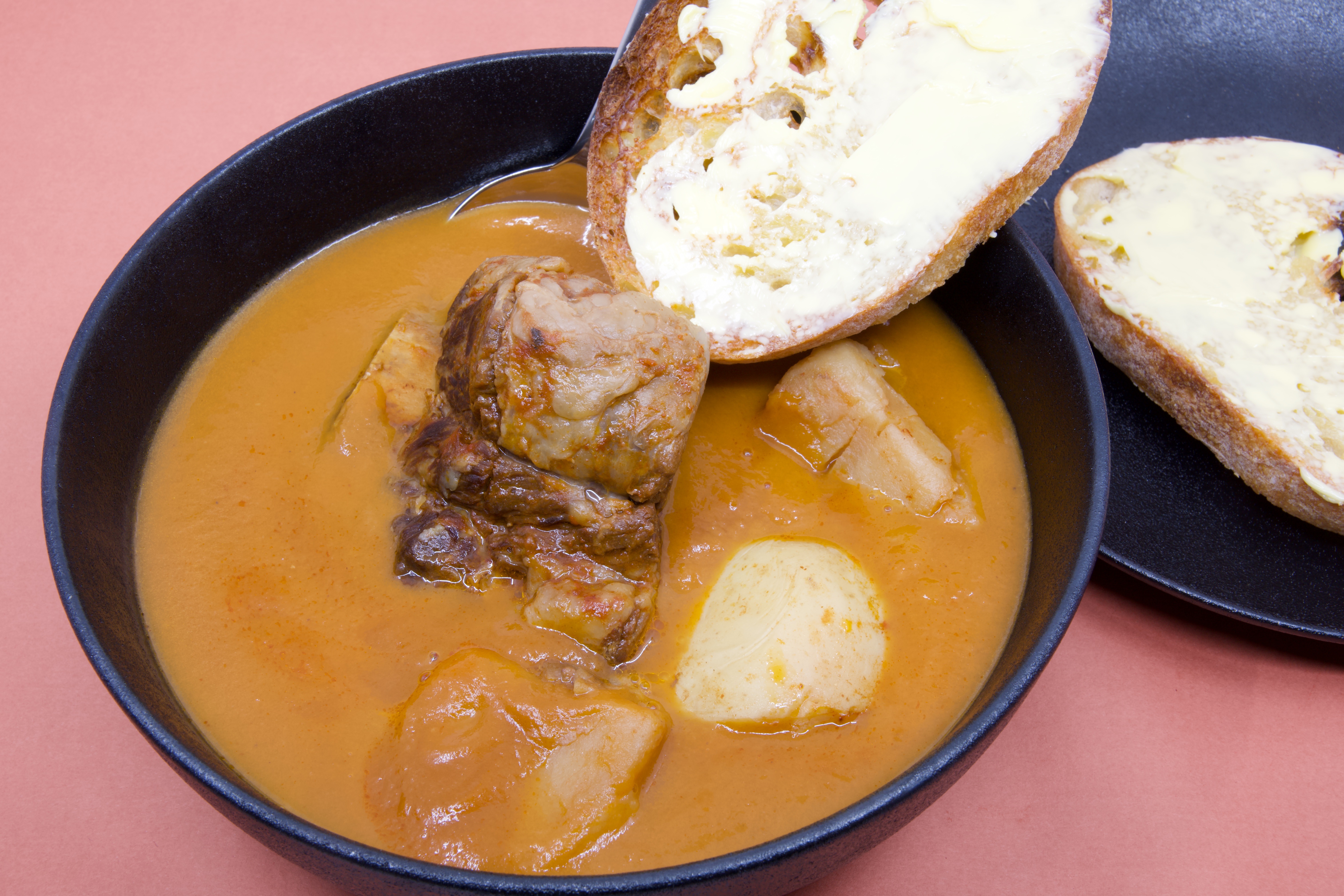
    The finished dish is versatile. Serve it over buttered toasted rye sourdough for a rustic cold-weather meal, or ladle it through Hokkien noodles for a comforting bowl of hearty goodness.

    This is a photograph of a multicoloured bowl with Hokkien noodles and leftover beef cheek and beef short rib stew. The utensils include chopsticks and a spoon.

    Serves

    4 to 6 people or one Gary

    Equipment

    • Cast-iron skillet
    • Pressure cooker
    • Tongs
    • Sharp knife
    • Chopping board
    • Wooden spoon or silicone spatula
    • Measuring jug
    • Large bowl

    Ingredients

    For the rendered bone base

    • 1 kg beef bones, preferably with some marrow attached
    • 1 teaspoon salt
    • ½ teaspoon freshly ground black pepper
    This is a photograph of a white bowl containing cooked beef bones that have come out of the pressure cooker.

    For the braise

    • 1 large beef cheek, approximately 800 g to 1 kg
    • 1 large brown onion, sliced
    • 2 celery stalks, sliced
    • 1 fennel bulb, sliced
    • 700 g passata
    • 500 mL water
    • 1 teaspoon salt, or to taste
    • 1 teaspoon freshly ground black pepper
    • Reserved rendered beef fat from the bones

    Estimated macronutrients by major ingredient

    Approximate macronutrients for the main ingredients, before cooking
    IngredientAmount usedEnergyProteinFatCarbohydrateFibre
    Beef cheek800 g to 1 kgAbout 887 to 1,109 kcalAbout 78 to 97 gAbout 34 to 43 gAbout 20 to 25 gNot available
    Beef bones and marrow1 kg bonesVariableVariableVariableMinimal0 g
    Brown onion1 large, about 150 gAbout 53 kcalAbout 1.4 gAbout 0.2 gAbout 11.6 gAbout 1.8 g
    Celery2 stalks, about 100 gAbout 14 kcalAbout 0.7 gAbout 0.2 gAbout 3 gAbout 1.6 g
    Fennel bulb1 bulb, about 230 gAbout 71 kcalAbout 2.8 gAbout 0.5 gAbout 17 gAbout 7.1 g
    Passata700 gAbout 203 kcalAbout 11.9 gAbout 2.1 gAbout 37.8 gAbout 9.1 g
    Water, salt, and pepperAs listedMinimal0 g0 gMinimal0 g

    These figures are estimates only. Values vary with meat trim, the amount of marrow rendered into the sauce, passata brand, and final serving size. Beef bone values are especially variable because most of the bone mass is not eaten. This table was generated using a large language model. Large language models can hallucinate and make errors. No attempt has been made to verify the details in the table.

    Method

    Stage 1: Render and roast the beef bones

    1. Heat a cast-iron skillet over medium heat.
    2. Add the beef bones and season with salt and pepper.
    3. Cook the bones for 20 to 30 minutes, turning occasionally, until they are deeply browned and have released a noticeable amount of beef fat.
    4. Carefully remove the bones and set them aside.
    5. Reserve the rendered fat in the skillet. This fat will be used to build flavour for the braise.

    Stage 2: Build the braise

    1. Trim any large pieces of excess surface fat from the beef cheek, but leave enough for flavour.
    2. Add the beef cheek to the cast-iron skillet and brown it on all sides in the rendered beef fat.
    3. Remove the cheek and set aside.
    4. Add the onion, celery, and fennel to the skillet.
    5. Cook for 8 to 10 minutes, stirring regularly, until softened and lightly caramelised.
    6. Transfer the vegetables to the pressure cooker.
    7. Add the browned beef cheek and roasted beef bones.
    8. Pour in the passata and water.
    9. Season with salt and pepper.
    10. Stir gently to combine.

    Pressure cook

    1. Secure the lid according to the manufacturer’s instructions.
    2. Cook on high pressure for 70 minutes.
    3. Allow a natural pressure release for 15 to 20 minutes before opening.
    4. Remove the beef cheek and bones.
    5. Discard the bones.
    6. Shred some of the beef cheek using two forks and return the meat to the sauce.
    7. Stir thoroughly and taste for seasoning.

    If the sauce is thinner than you prefer, simmer it uncovered for 10 to 15 minutes until slightly reduced.

    Serving suggestion 1: Toasted rye sourdough

    1. Toast slices of frozen rye sourdough until crisp and golden.
    2. Spread generously with cultured butter while still hot.
    3. Spoon the braised beef cheek and sauce over the toast.
    4. Serve with extra black pepper.

    The slight tang of rye sourdough and cultured butter complements the richness of the beef beautifully.

    Serving suggestion 2: Hokkien noodles

    1. Prepare Hokkien noodles according to the packet instructions.
    2. Drain well.
    3. Toss the noodles through the hot braised beef cheek sauce.
    4. Serve in deep bowls with plenty of sauce.

    The noodles soak up the tomato-rich braising liquid and turn the dish into something approaching a hearty beef ragù.

    Notes on Hokkien noodles

    Hokkien noodles originated with migrants from Fujian Province in southern China, historically known as Hokkien in many overseas Chinese communities. They are popular throughout South-East Asia and Australia.

    Characteristics include:

    • A thick, round shape.
    • A chewy texture.
    • Usually made from wheat and egg.
    • Commonly sold fresh, cooked, and vacuum-packed in Australian supermarkets.

    They work particularly well with slow-cooked meats because their sturdy texture stands up to rich sauces without becoming mushy. In this recipe, they provide a satisfying contrast to the soft, succulent beef cheek.

    Yummy Lummy notes

    • Beef cheek is one of the great value cuts for pressure cooking.
    • Rendering and browning the bones first adds depth and body that cannot be achieved with meat alone.
    • Fennel contributes a subtle sweetness and gentle anise character that softens the acidity of the passata.
    • Leftovers improve overnight and freeze exceptionally well.
    • The sauce can also be used as a filling for jaffles, pies, or a baked potato topping.

    Footy finals note

    This weekend marks the first round of the footy finals. The Dolphins are playing the Warriors in New Zealand this afternoon, and this meal was eaten while watching the footy. Rich beef cheek, tomato, fennel, and rye sourdough feel like the right sort of food for finals rugby league: hearty, savoury, and made for slow eating in front of the television.

    Cook’s tip

    If the bones contain marrow, scoop the softened marrow into the sauce after pressure cooking and stir it through before serving. It enriches the braising liquid and adds a luxurious mouthfeel without requiring any additional ingredients.

    Fediverse Reactions
  • Porky Pumpkin Soup

    Porky Pumpkin Soup


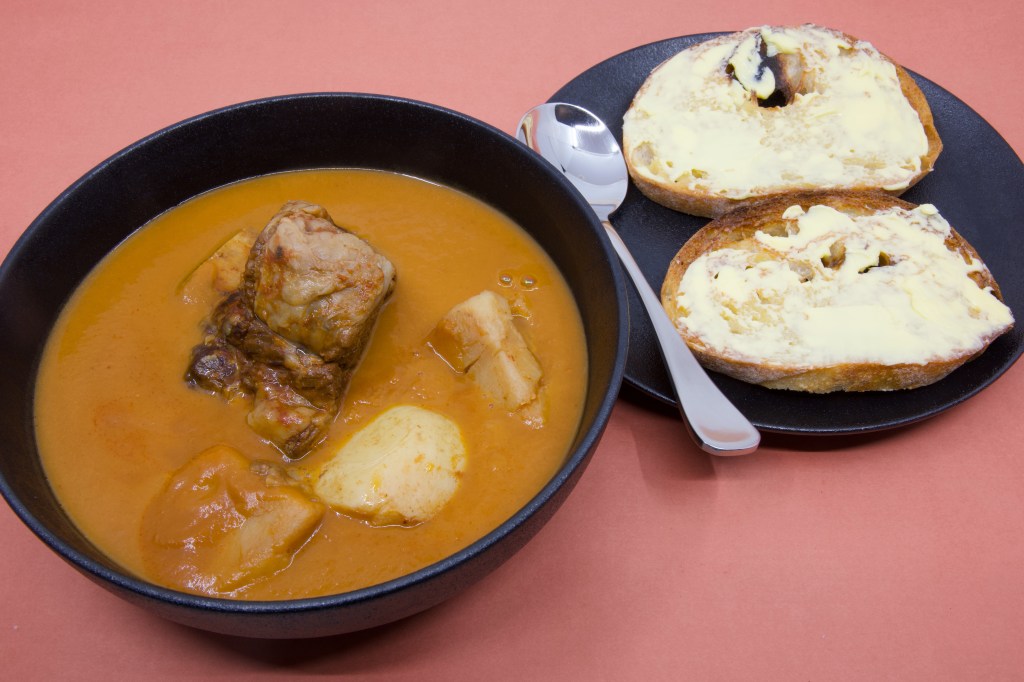
    Porky 🐖 Pumpkin 🎃 Soup 🥣

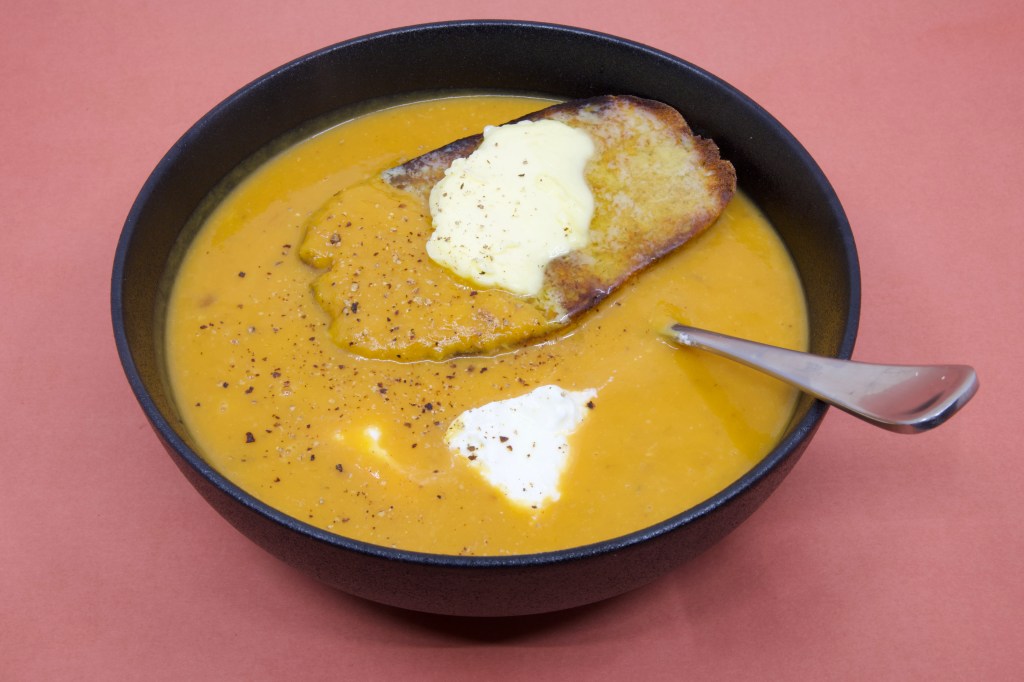
    After my pressure-cooker pork ribs, I had something valuable leftover, viz., the cooking liquor, enriched with passata, onion, fennel, celery, pork juices, collagen, and rendered fat, which is suitable for a rich, deeply flavoured pumpkin soup.

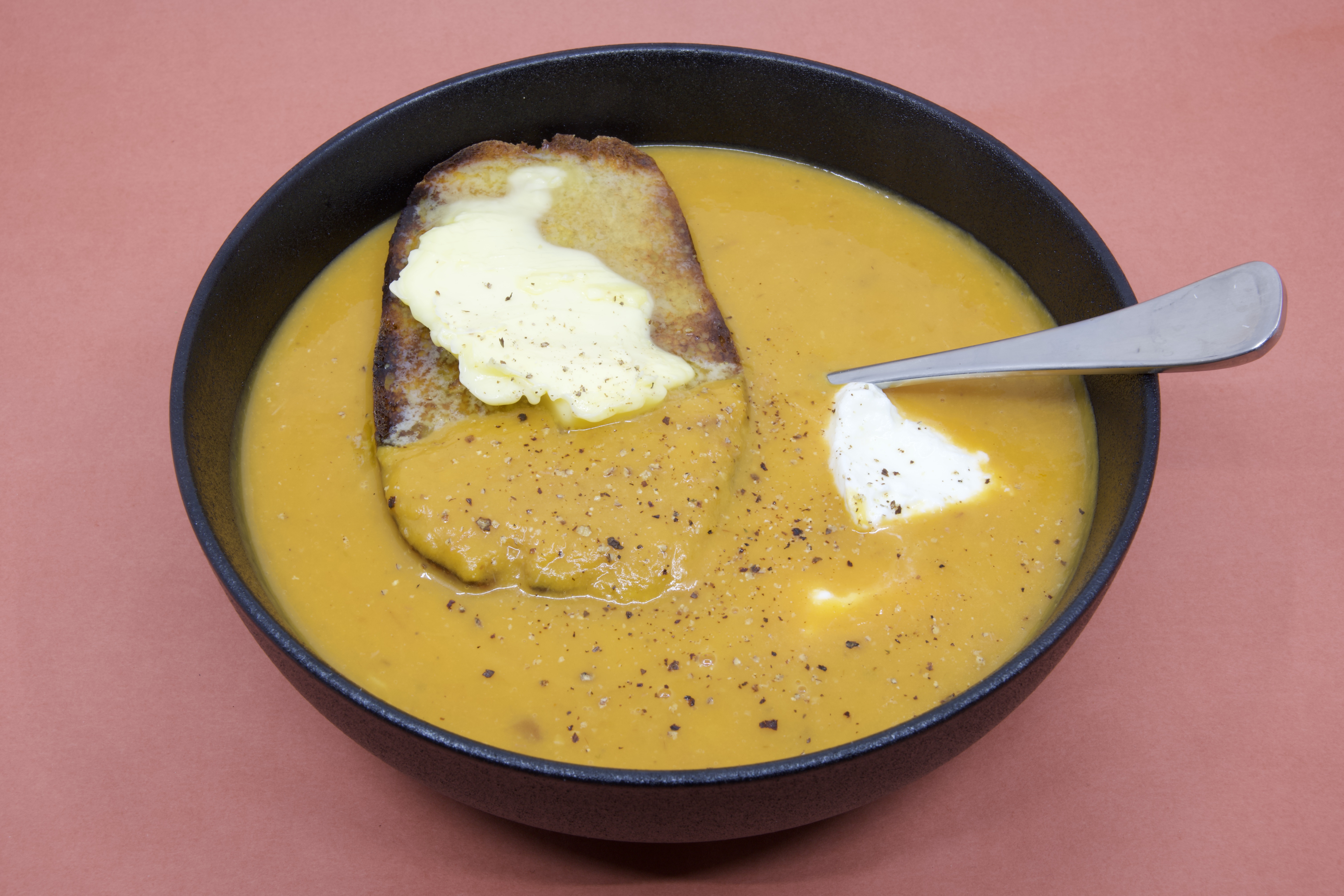
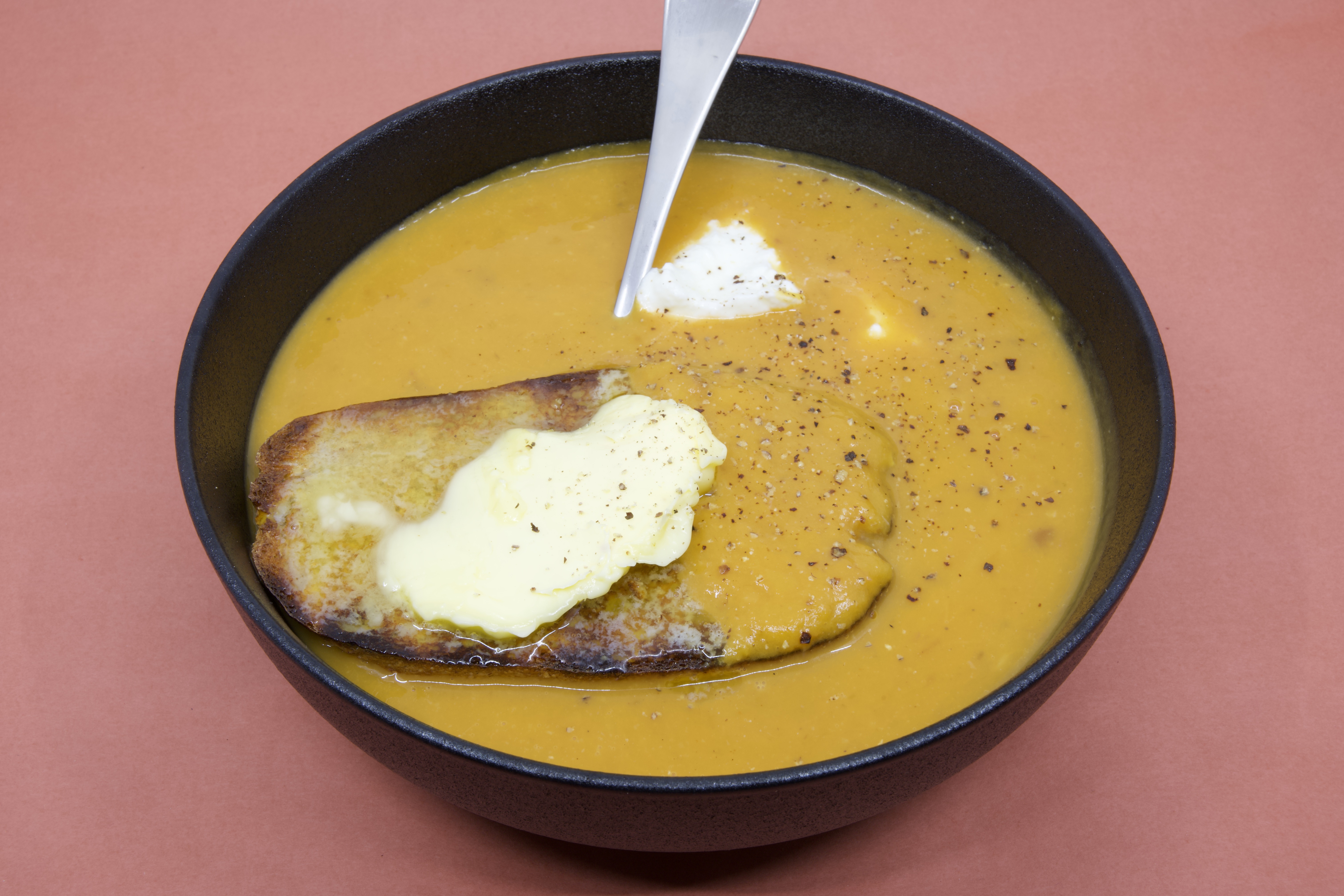
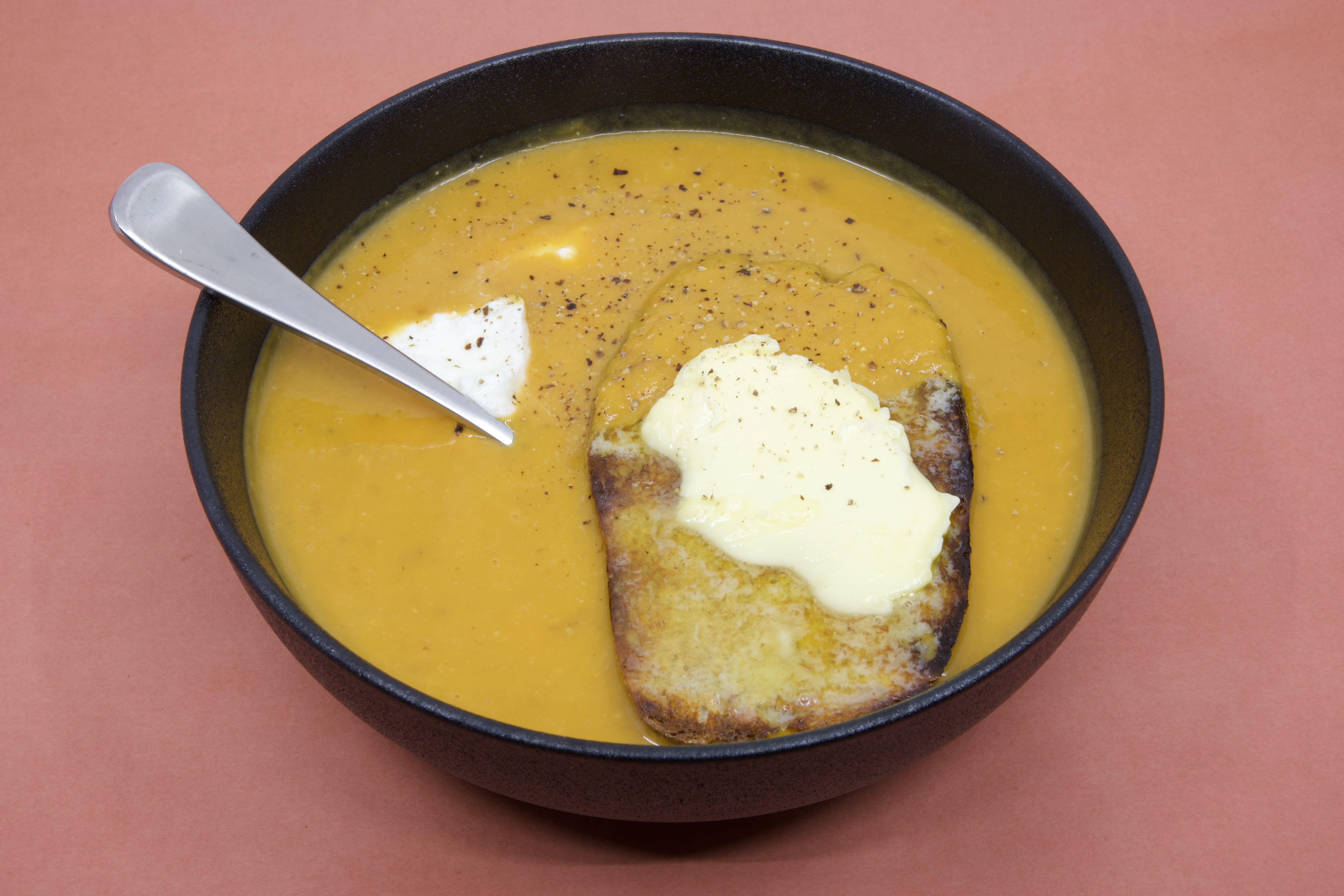
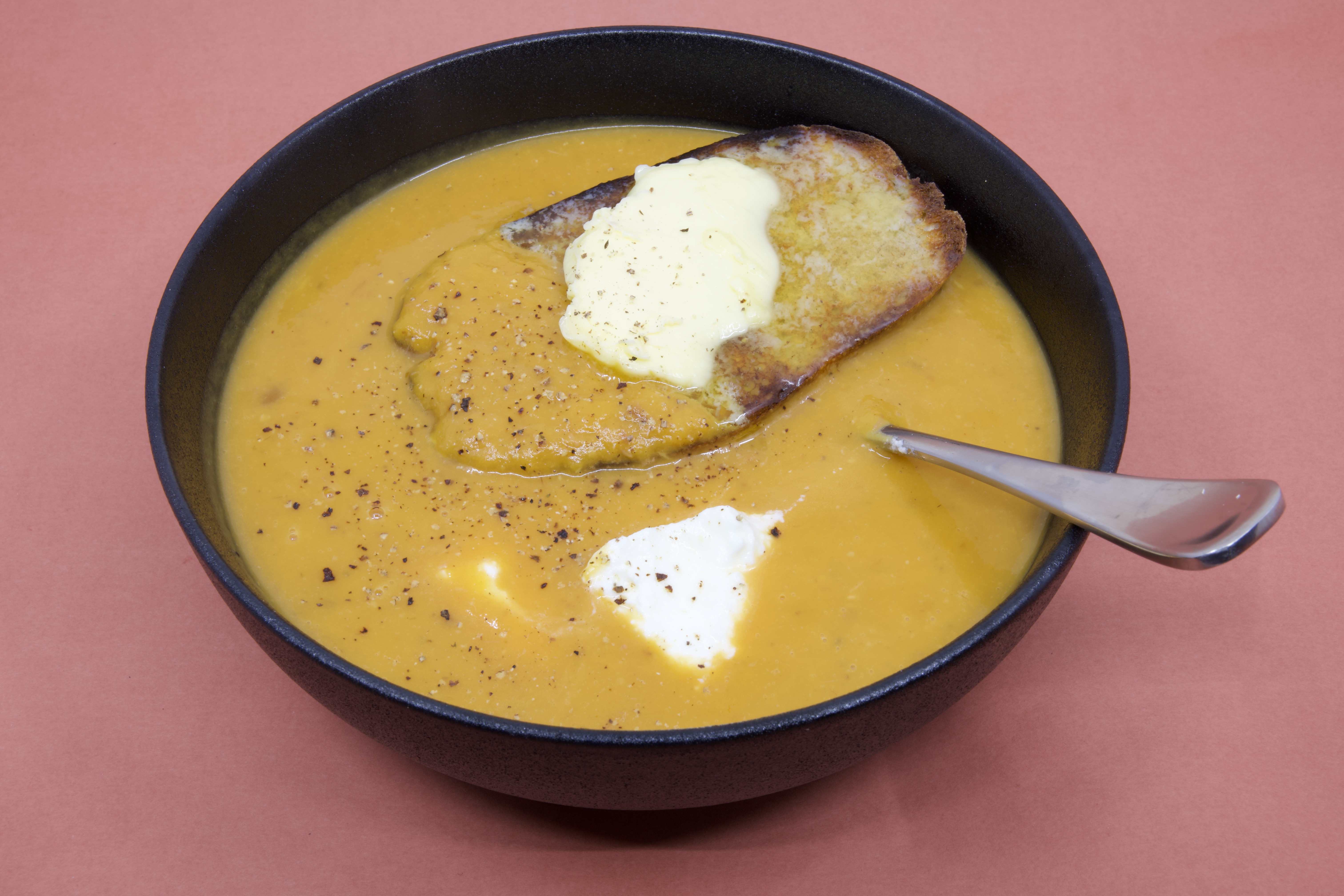
    This soup pairs with a slice of rye sourdough, generously trowelled with cultured butter.

    Ingredients

    For the soup

    • 1.5 kg jap pumpkin, peeled and cut into chunks
    • 750 mL reserved pork rib cooking liquor
    • 500 mL water (or more as needed)
    • 125 g bacon pieces
    • Freshly cracked black pepper, to taste
    • Sea salt, if required
    • Greek-style yoghurt
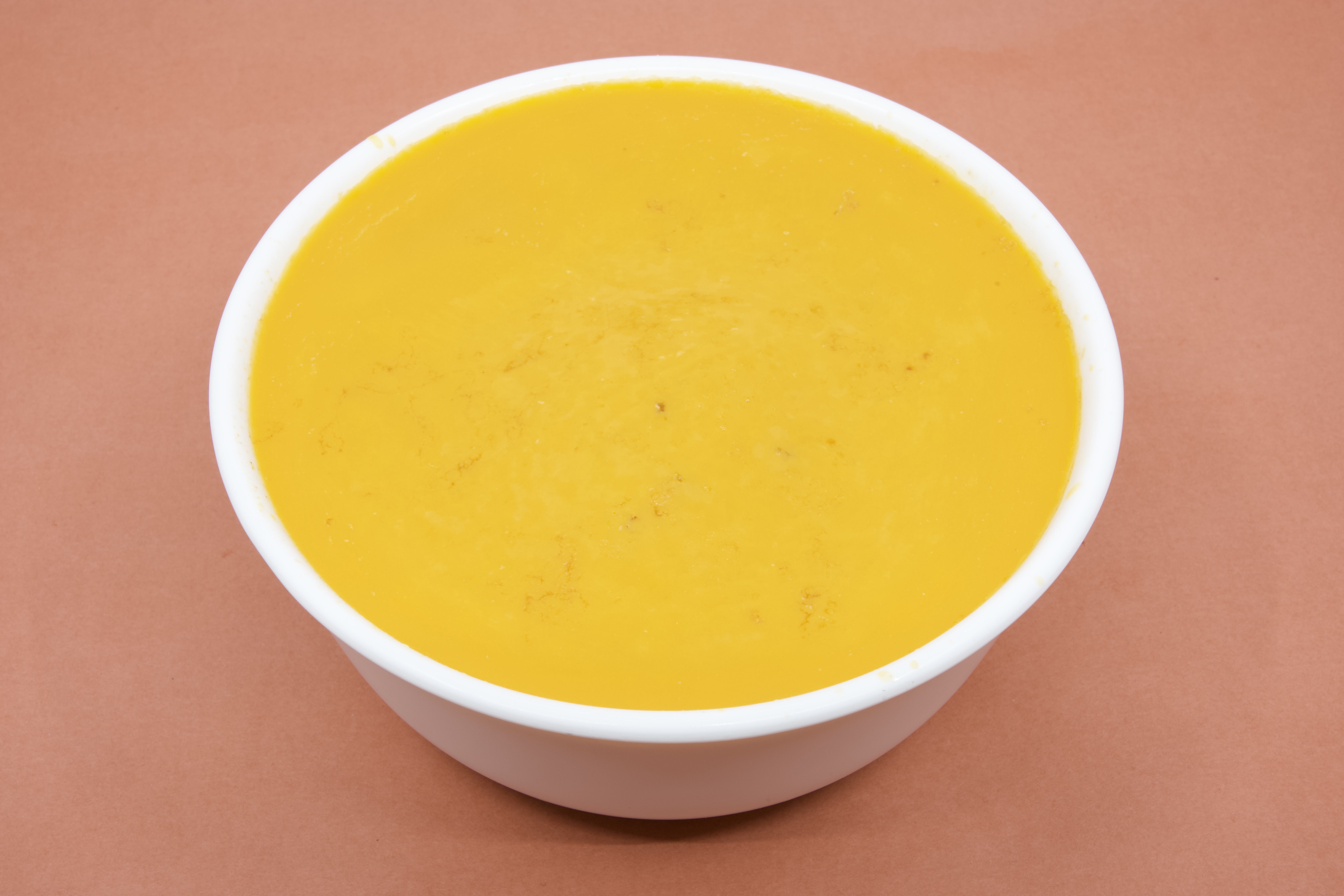
    A photograph of a bowl with chilled pork rib cooking liquor. The surface of the fluid is solid with pork and beef fat. The fat is orange in colour. The bowl is white in colour.
    A photograph of a bowl with chilled pork rib cooking liquor. The surface of the fluid is solid with pork and beef fat.

    To serve

    • Toasted rye sourdough bread (frozen to develop resistant starch)
    • Cultured butter
    • Extra cracked black pepper
    • Chives for garnish

    Equipment

    • Cast-iron skillet
    • Pressure cooker
    • Chopping board
    • Sharp cook’s knife
    • Vegetable peeler
    • Measuring jug
    • Wooden spoon or heat-safe stirring spoon
    • Stick blender
    • Ladle
    • Soup bowls
    • Bread knife and butter knife for serving the rye sourdough with cultured butter

    Method

    1. Pressure-cook the pumpkin

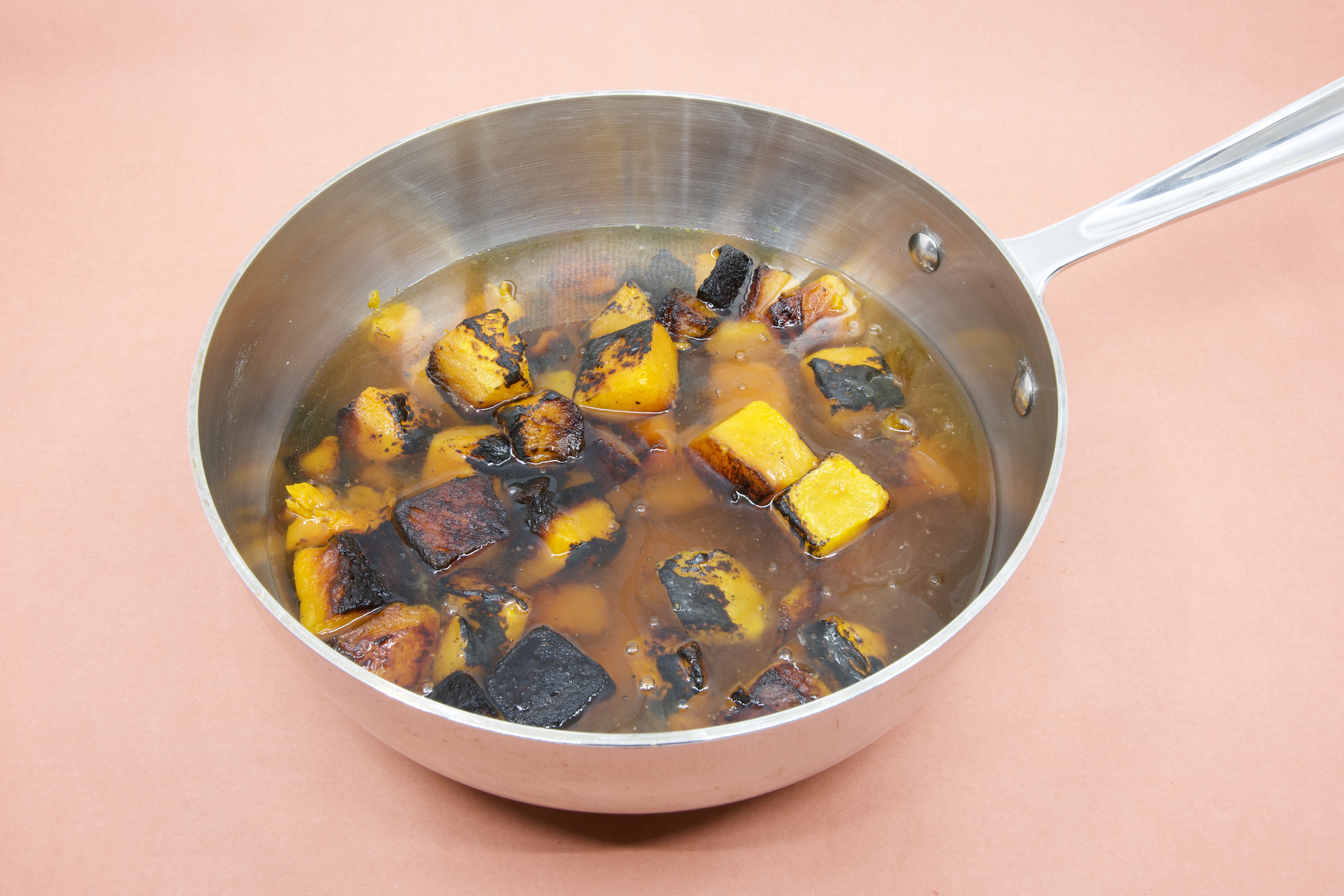
    • Place the bacon pieces and some water in a skillet, then bring the water to a simmer. Keep cooking while the water evaporates and the bacon fat renders. Keep going until the bacon pieces are crispy.
    • Place the pumpkin chunks in the pressure cooker.
    • Pour in the reserved pork rib cooking liquor and the water, ensuring the total volume remains below the pressure cooker’s maximum fill line.
    • Lock the lid, bring the cooker to high pressure, and cook for 8 minutes. Allow the pressure to release naturally for 10 minutes, then carefully release any remaining pressure before opening the lid.

    2. Blend

    • Transfer the crispy bacon pieces to the pressure cooker vessel.
    • Using a stick blender, blend the soup until smooth and velvety.
    • If the soup is too thick, add a little more water until it reaches your preferred consistency.

    3. Finish

    • Taste before adding salt. The braising liquid from the ribs may already contain enough seasoning.
    • Add plenty of cracked black pepper.
    • For a richer, tangier finish, stir through a spoonful or two of Greek-style yoghurt after blending, keeping the soup off the boil so the yoghurt stays smooth.

    4. Serve

    • Ladle the soup into warmed bowls.
    • Serve with a thick slice of toasted rye sourdough generously spread with cultured butter.
    • A final grind of black pepper over the top is a nice touch.
    • Give thanks.

    Notes from Yummy Lummy

    The fennel from the original rib cook does a lot here. Pork and fennel are best mates, and the aniseed notes complement pumpkin well. The passata adds acidity, preventing the soup from becoming overly sweet, while the collagen extracted from the ribs contributes body and a luxurious mouthfeel.

    The result is a soup that tastes much more complex than a standard pumpkin soup, with layers of savoury flavour underneath the pumpkin’s natural sweetness.

    Why This Soup Is Not Vegetarian or Vegan

    This recipe is neither vegetarian nor vegan.

    Not vegetarian

    The cooking liquor comes from pressure-cooking pork ribs. During cooking, pork juices, rendered fat, gelatine from collagen, and other animal-derived compounds enter the liquid. There’s also bacon 🥓 in it.

    Not vegan

    In addition to the pork-derived cooking liquor, the serving suggestion includes cultured butter, which is a dairy product made from milk.

    For these reasons, the recipe contains both meat-derived and dairy-derived ingredients.

    About Jap Pumpkin

    The pumpkin most Australians simply call “pumpkin” is often jap pumpkin.

    Despite the name, jap pumpkin is not actually from Japan. The term is believed to have arisen from historical references to Japanese pumpkin varieties introduced into Australia.

    Jap pumpkin typically has:

    • Dark green, mottled skin
    • Dense orange flesh
    • A naturally sweet flavour
    • A dry texture that becomes creamy when cooked

    It is one of the best pumpkins for soup because the flesh breaks down easily and produces a thick, silky result without requiring large amounts of cream.

    Information About Queensland Pumpkins

    A Microsoft Copilot generated image of a map of Queensland with a compass point for North. On the right is a coral reef beach scene in blue and on the left a Great Dividing Range scene in orange.
    Created with Microsoft Copilot.

    Queensland is one of Australia’s major pumpkin-growing regions, thanks to its warm climate and long growing season.

    I also associate Queensland pumpkin with pumpkin scones. I remember meeting Lady Flo Bjelke-Petersen in the diagnostic laboratory where I was working while putting myself through medical school. Lady Flo Bjelke-Petersen was the wife of Sir Joh Bjelke-Petersen, a former Premier of Queensland, and she was well known for making pumpkin scones and sharing them with others. Lady Flo was also an Australian Senator. She used to serve her pumpkin scones in the Senate, apparently. The memory fits neatly here: warm, orange-gold scones, a little butter, and the unmistakable comfort of pumpkin treated as something homely rather than ordinary.

    Some interesting facts include:

    • Pumpkins are grown commercially across several parts of Queensland, particularly in the Darling Downs, Lockyer Valley, Central Queensland, and the Bundaberg region.
    • Queensland’s warm weather allows growers to produce pumpkins over a longer period than cooler southern states.
    • Jap pumpkin is one of the most commonly cultivated pumpkin types in Queensland.
    • Pumpkins are botanically classified as fruit because they develop from the flower and contain seeds.
    • A mature jap pumpkin stores exceptionally well and can often keep for several months in a cool, dry place.
    • The deep orange colour of jap pumpkin flesh comes from β-carotene, which the body converts to vitamin A.

    Final Thoughts

    This soup is an example of kitchen thrift. The pork rib cooking liquor already contains tomato, fennel, onion, celery, pork flavour, and gelatine. Rather than discarding it, use it as the backbone of a hearty pumpkin soup. Served with rye sourdough and cultured butter, it makes a satisfying lunch or a light evening meal that feels both comforting and just a little indulgent.
    Today’s meals

    Morning tea

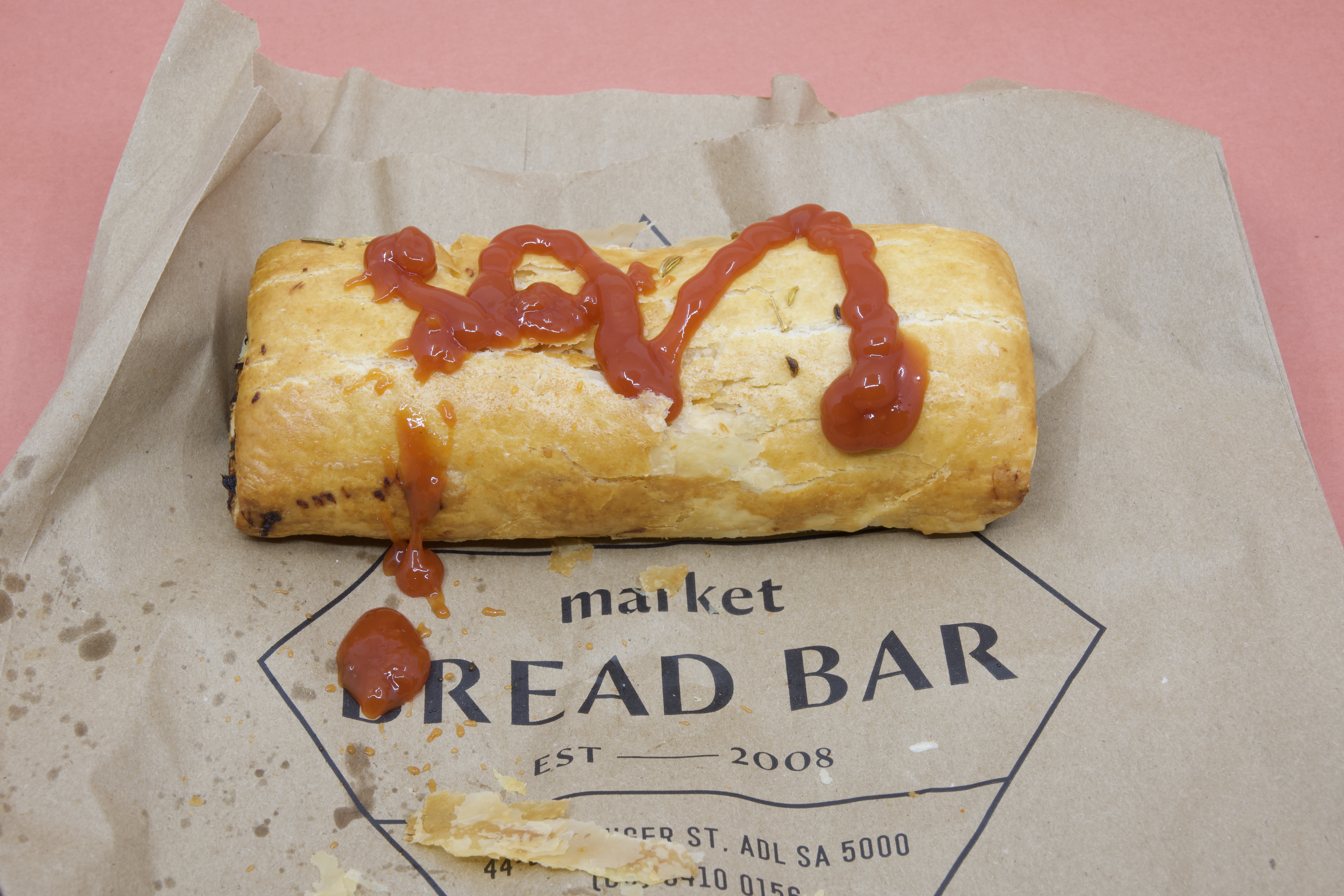
    A pork and fennel sausage roll from Market Bread Bar.

    This was the best pork-and-fennel sausage roll I’ve eaten in South Australia.

    Lunch

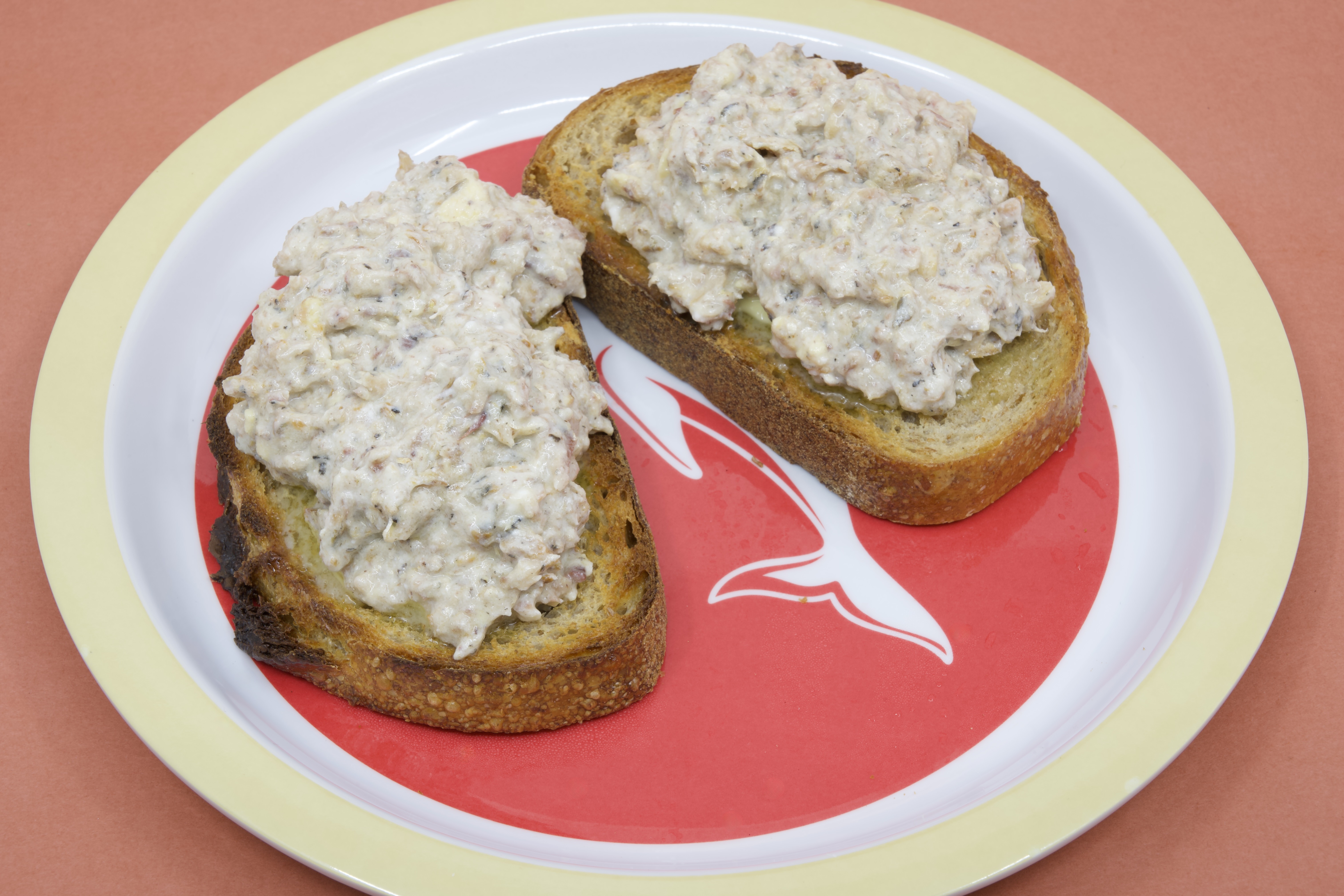
    Sardines on toast

    Photograph of John West sardines in spring water with market bread, bar rye sourdough, which has been toasted, and buttered with cultured butter. The sardines have been mixed with some Jalna biodynamic organic yoghurt. The sardines on the two pieces of toasted rye sourdough are placed on a Dolphins NRL plate.

    I mashed some sardines with yoghurt and spread it on a couple of pieces of toasted rye sourdough bread (from Market Bread Bar [Adelaide Central Market]), which had been buttered with cultured butter.

    The yoghurt reduces the “fishiness” and adds some creaminess. It’s perfect on nicely toasted rye sourdough.

    Fediverse Reactions
  • Beef brisket and roast pumpkin

    Beef brisket and roast pumpkin


    I wasn’t sure what to cook today. During the week, I thought about another pumpkin soup, this time with a ham hock and bacon.

    I woke up this morning and didn’t feel like cooking and eating pork.

    I still had some brisket in the fridge after I had slowly cooked a large piece last Sunday, and I’ve been enjoying it throughout the week.

    I also had some leftover pumpkin from last week.

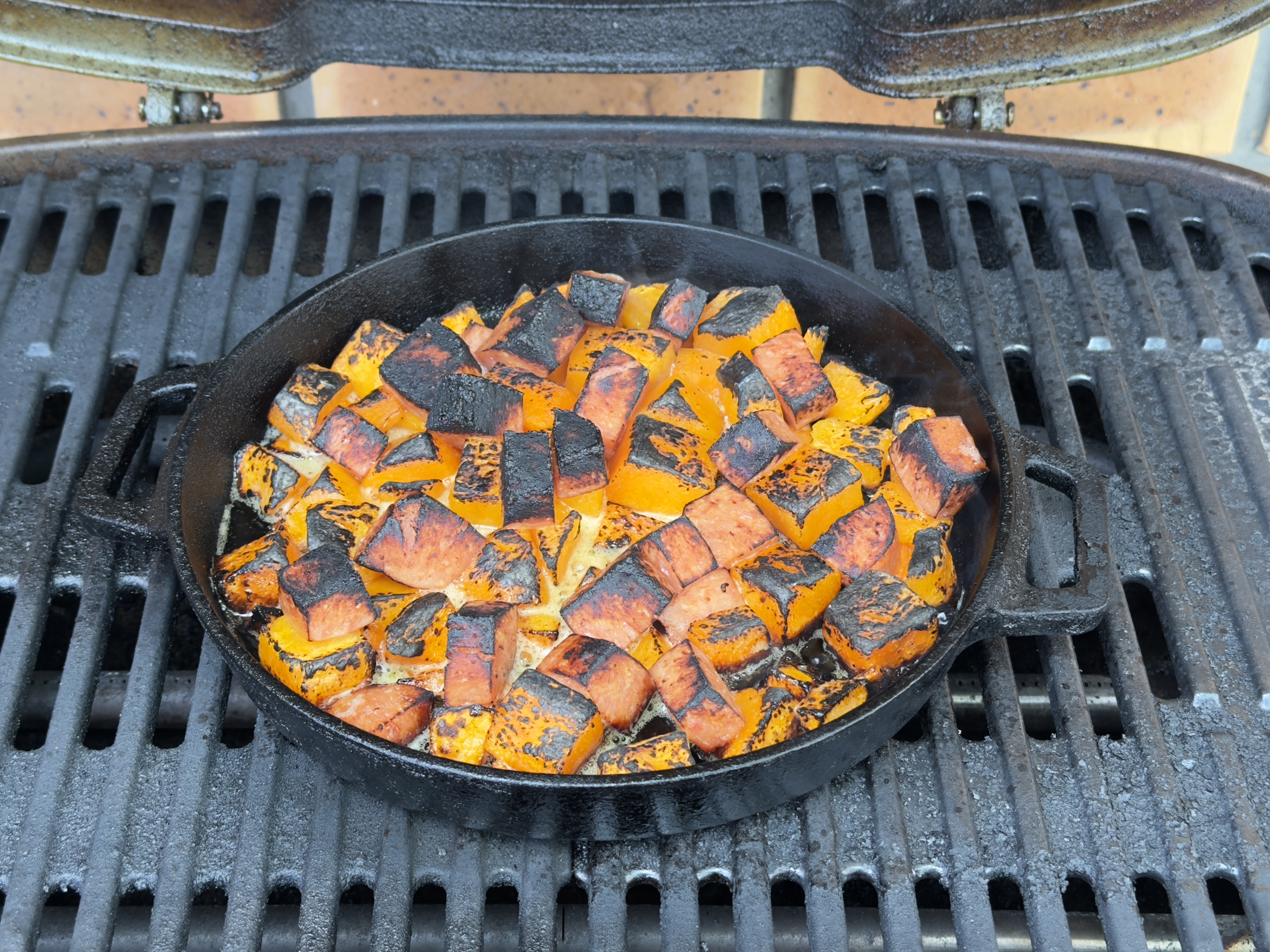
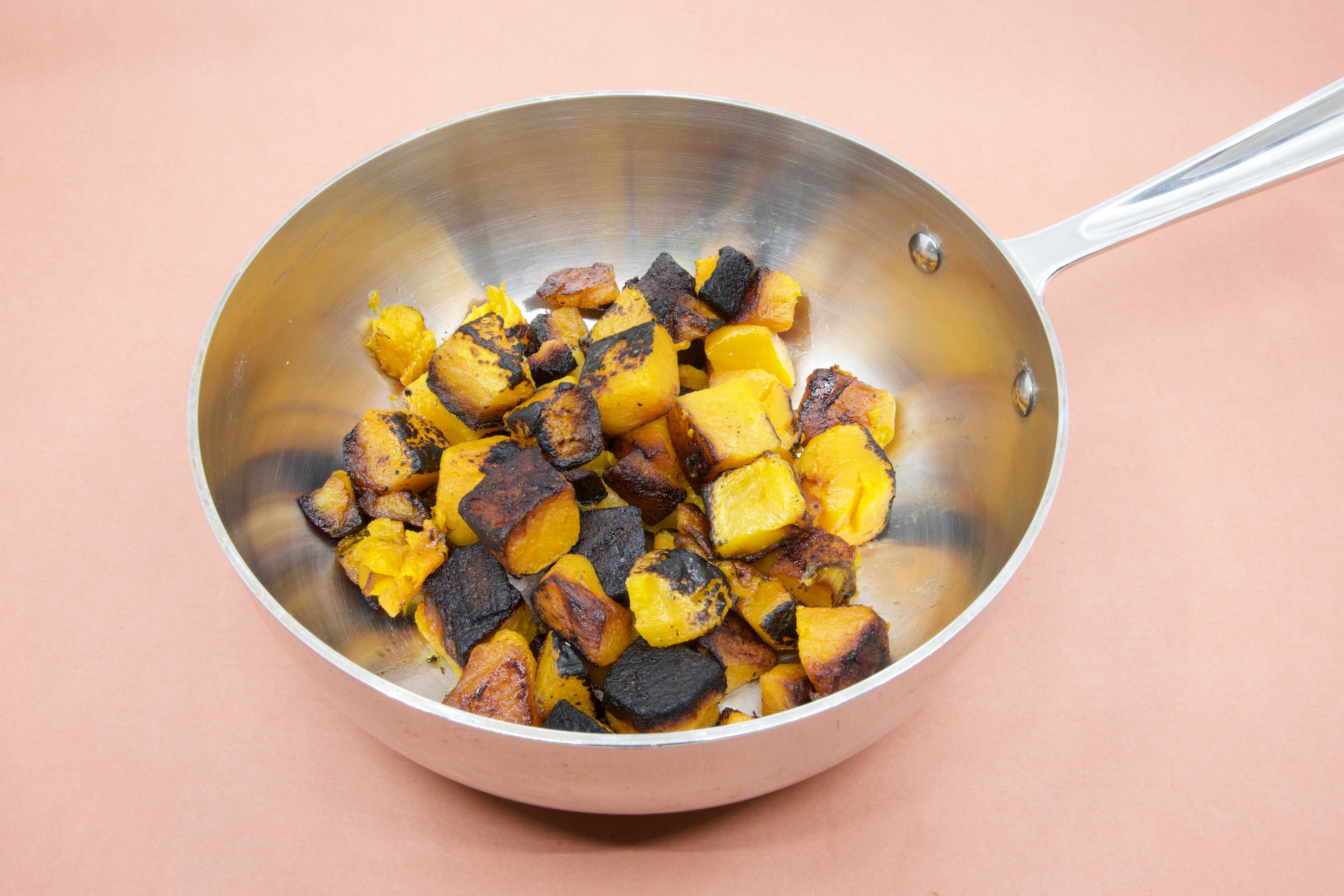
    In a lazy mood, I thought I’d just reheat the brisket and cook the pumpkin in the Weber Q+.

    I went for a wander in town today and, at the market, bought some cultured butter and rye sourdough bread.

    Tonight’s dinner was simply beef, pumpkin, rye sourdough bread, and cultured butter. It was simple and delicious.

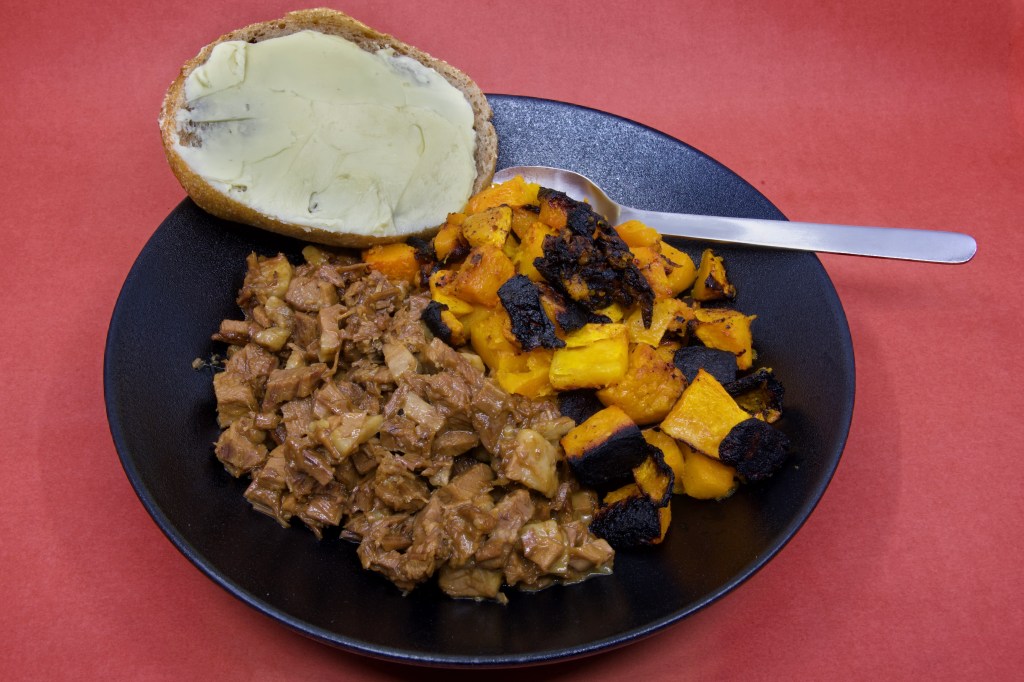
    Slow-cooked beef brisket leftovers, served with roast pumpkin and rye sourdough bread spread with cultured butter

    I got sent a couple of photographs from when I spoke at a conference a few weeks ago in Melbourne.

    Fediverse Reactions
  • Pumpkin soup

    Pumpkin soup


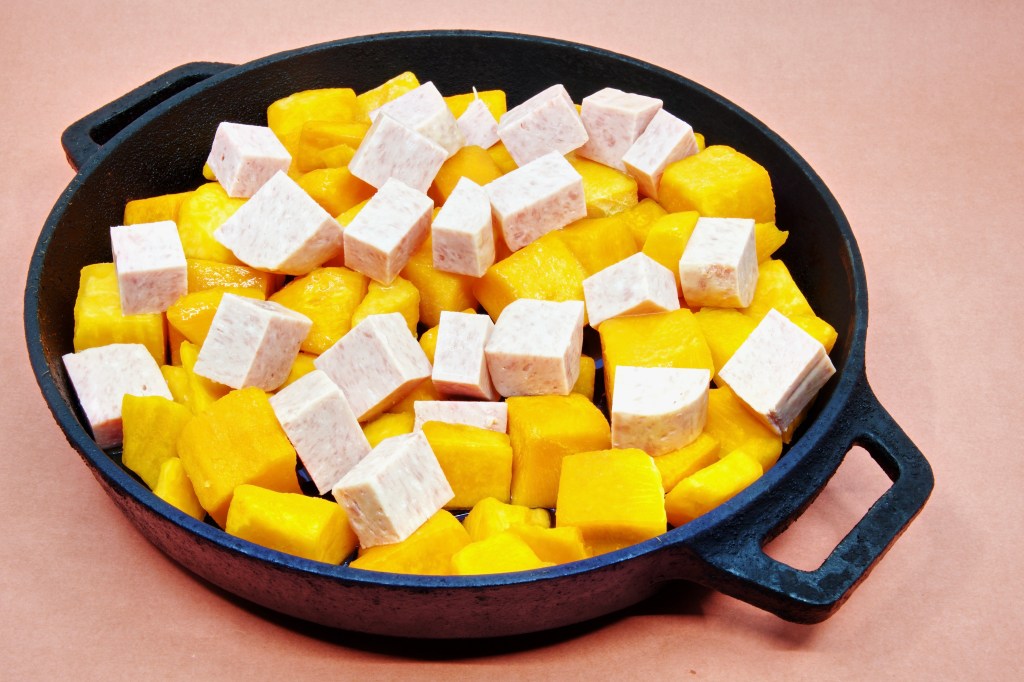
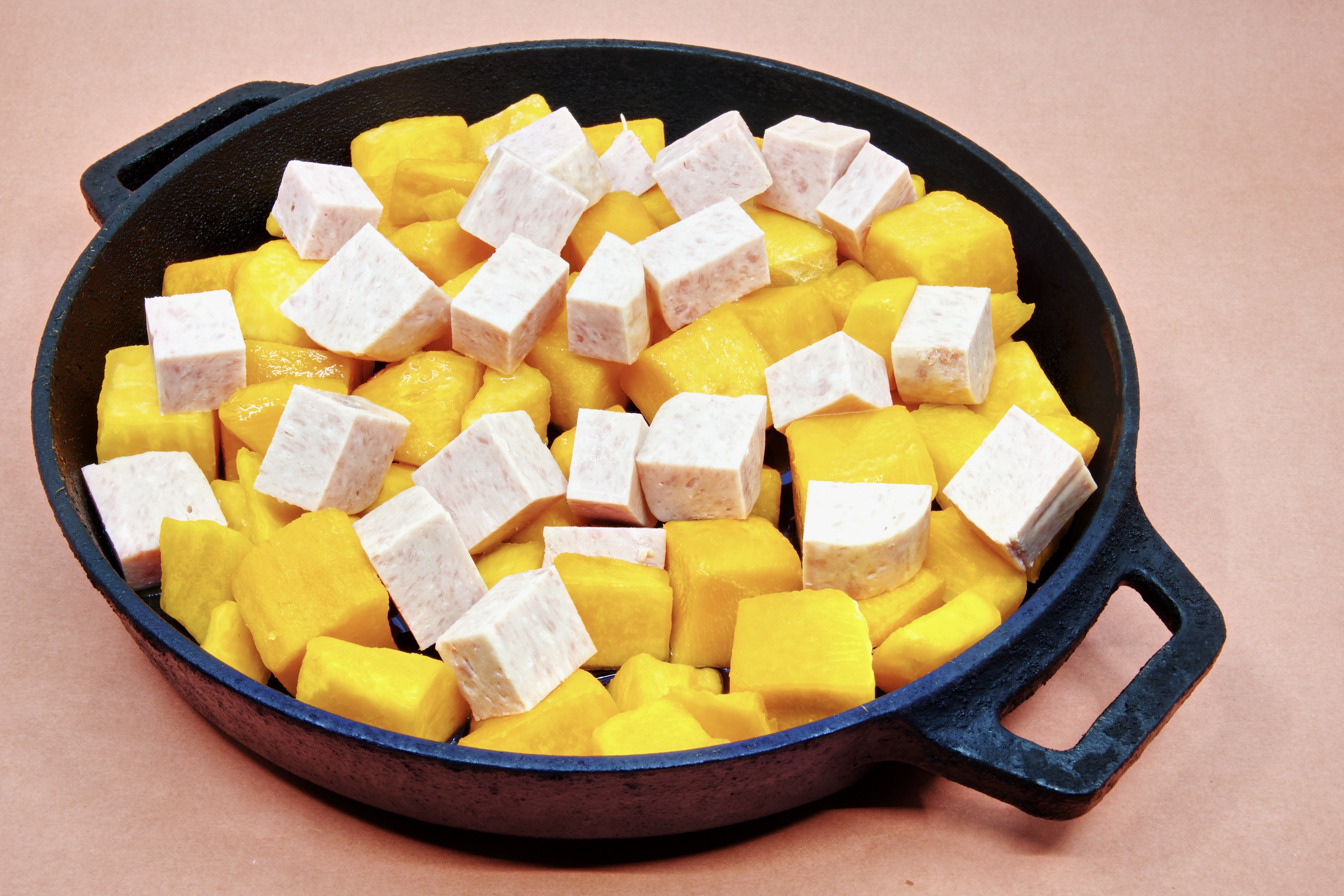
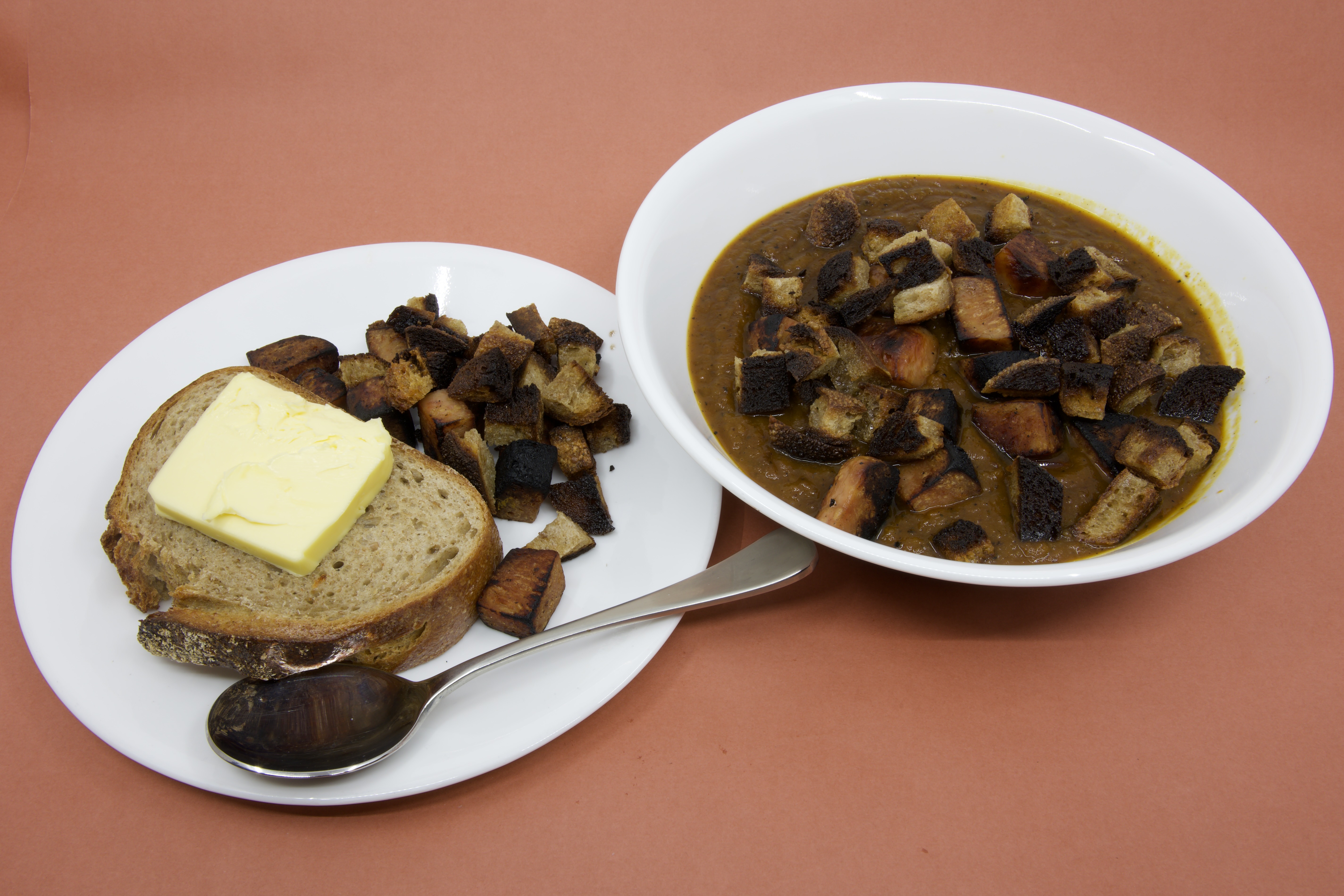
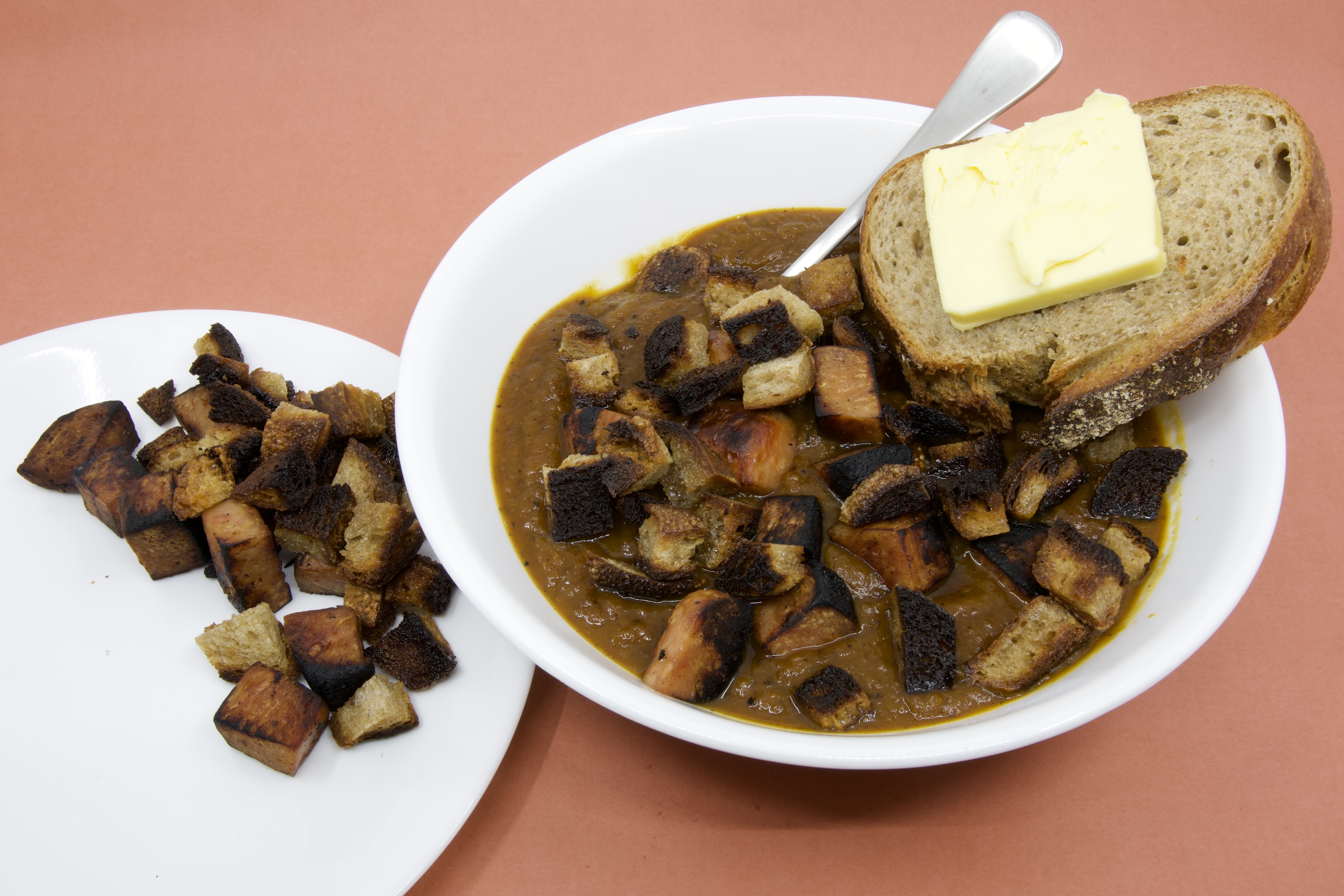
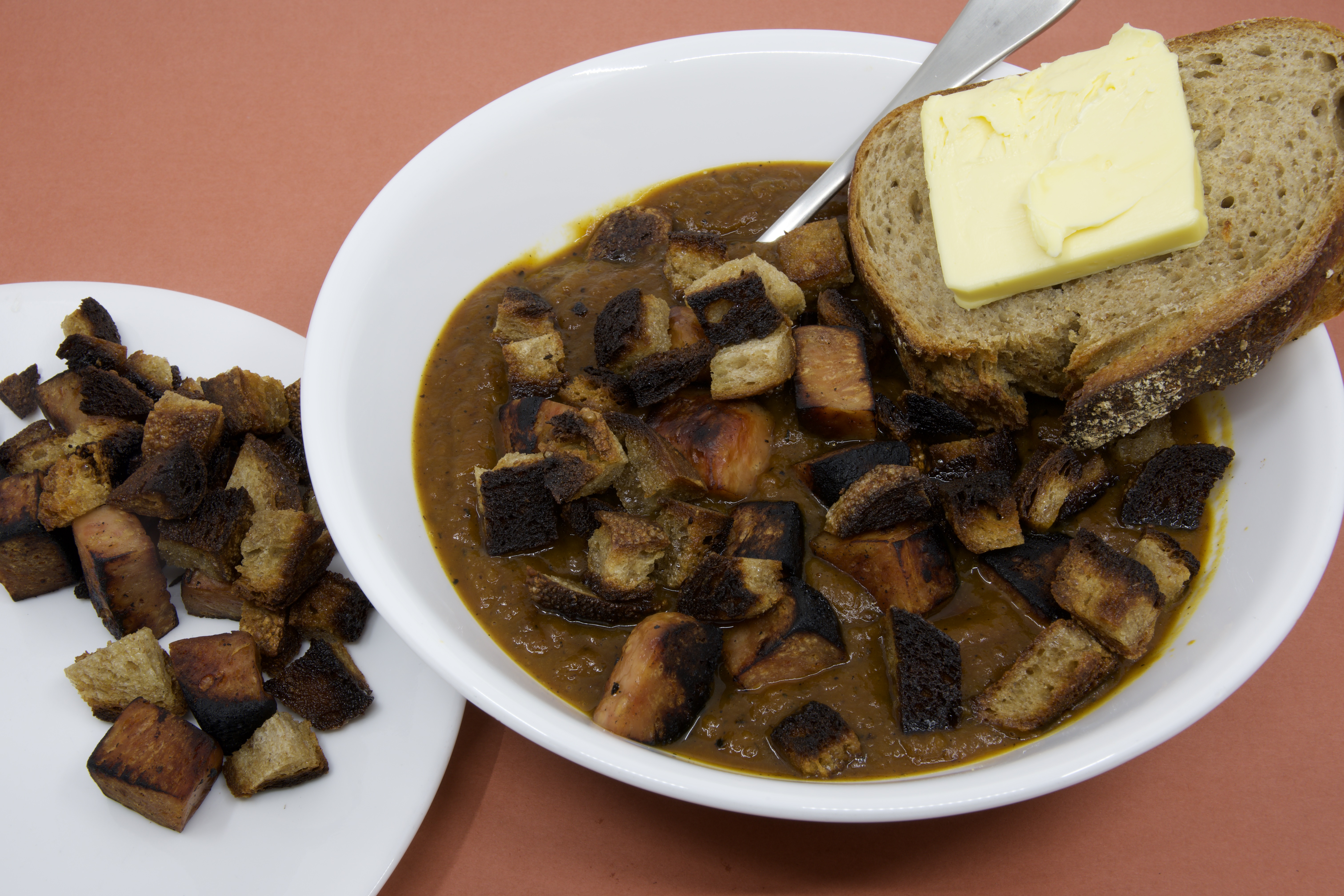
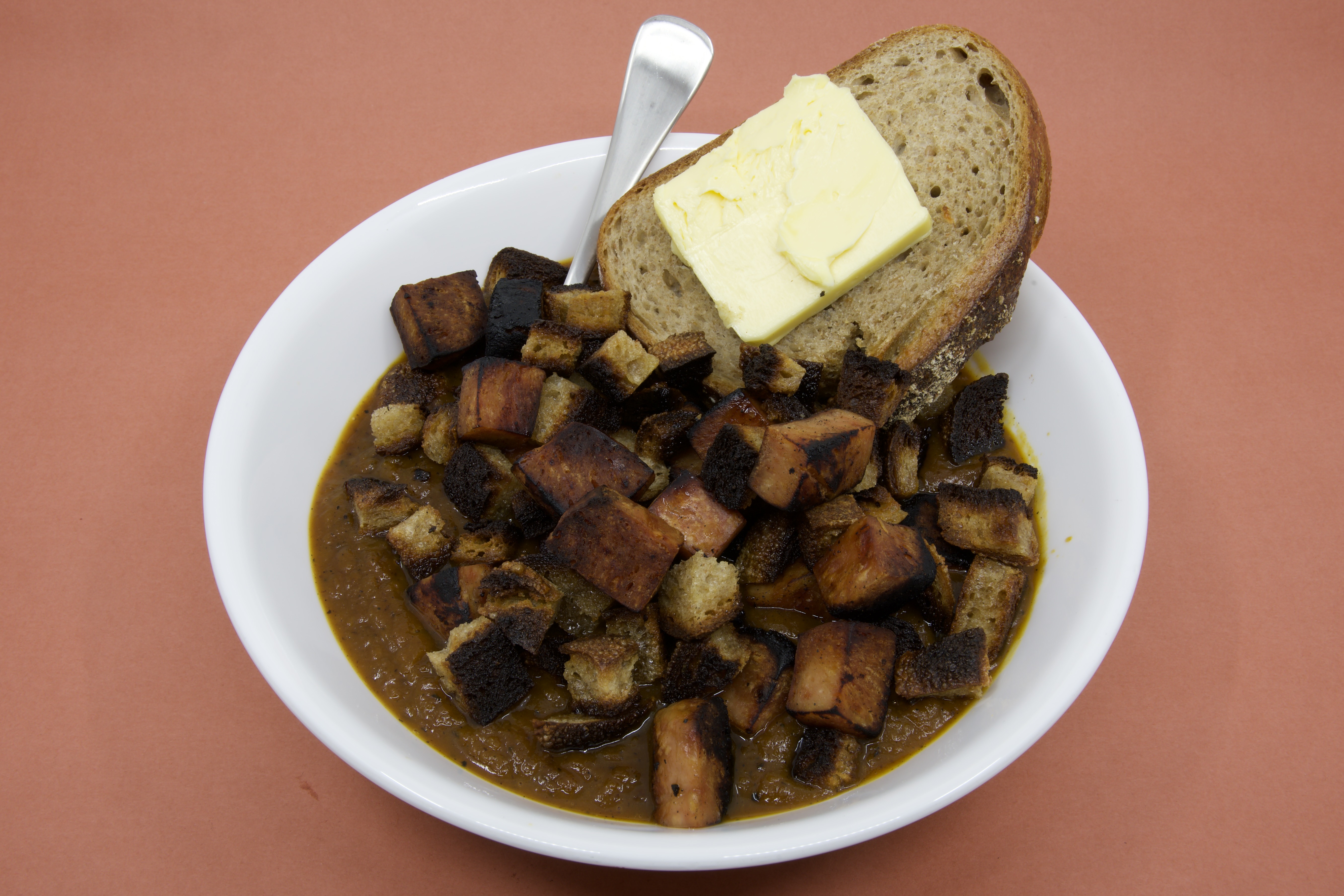
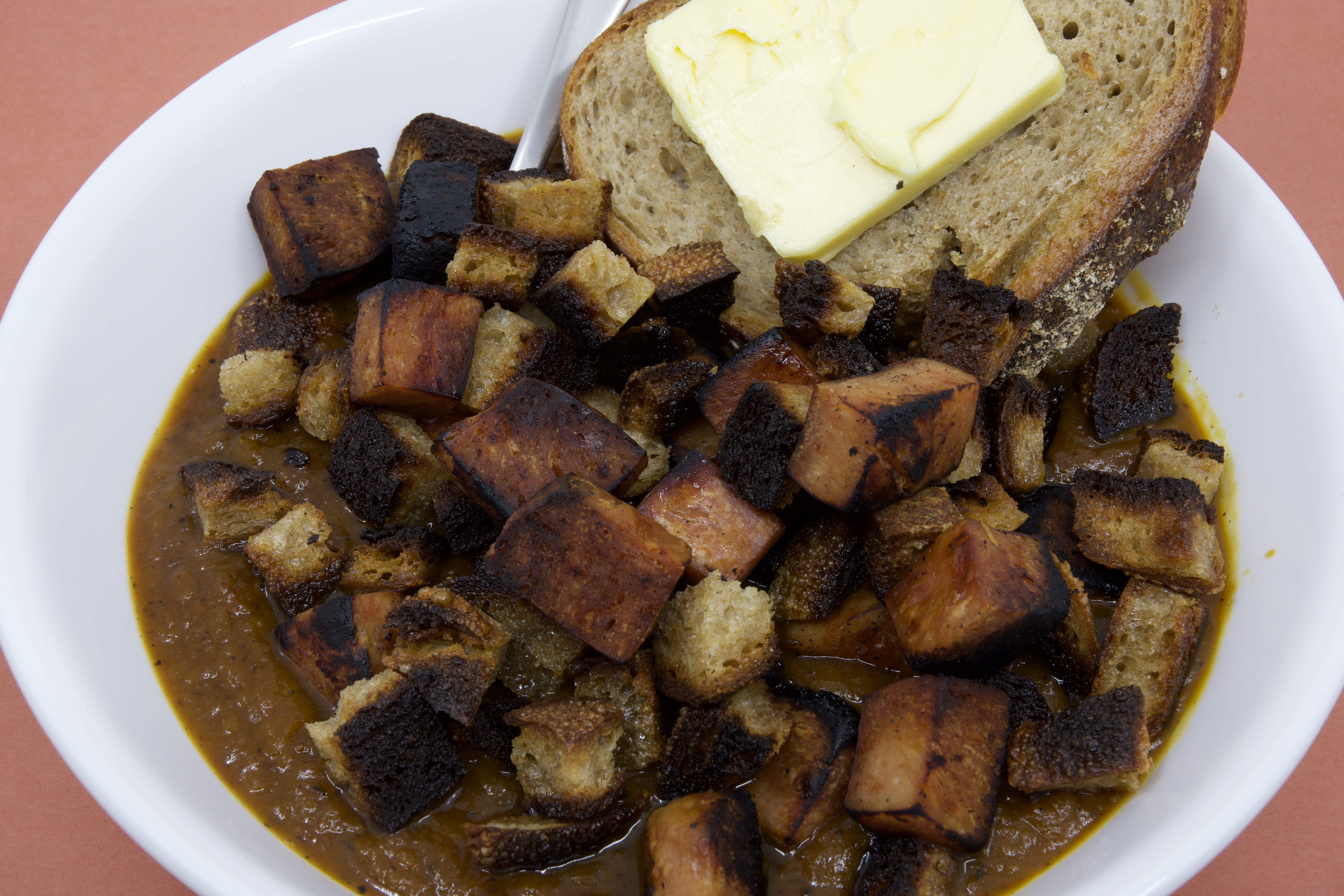
    Pumpkin Soup with Crispy Spam and Rye Sourdough Croutons

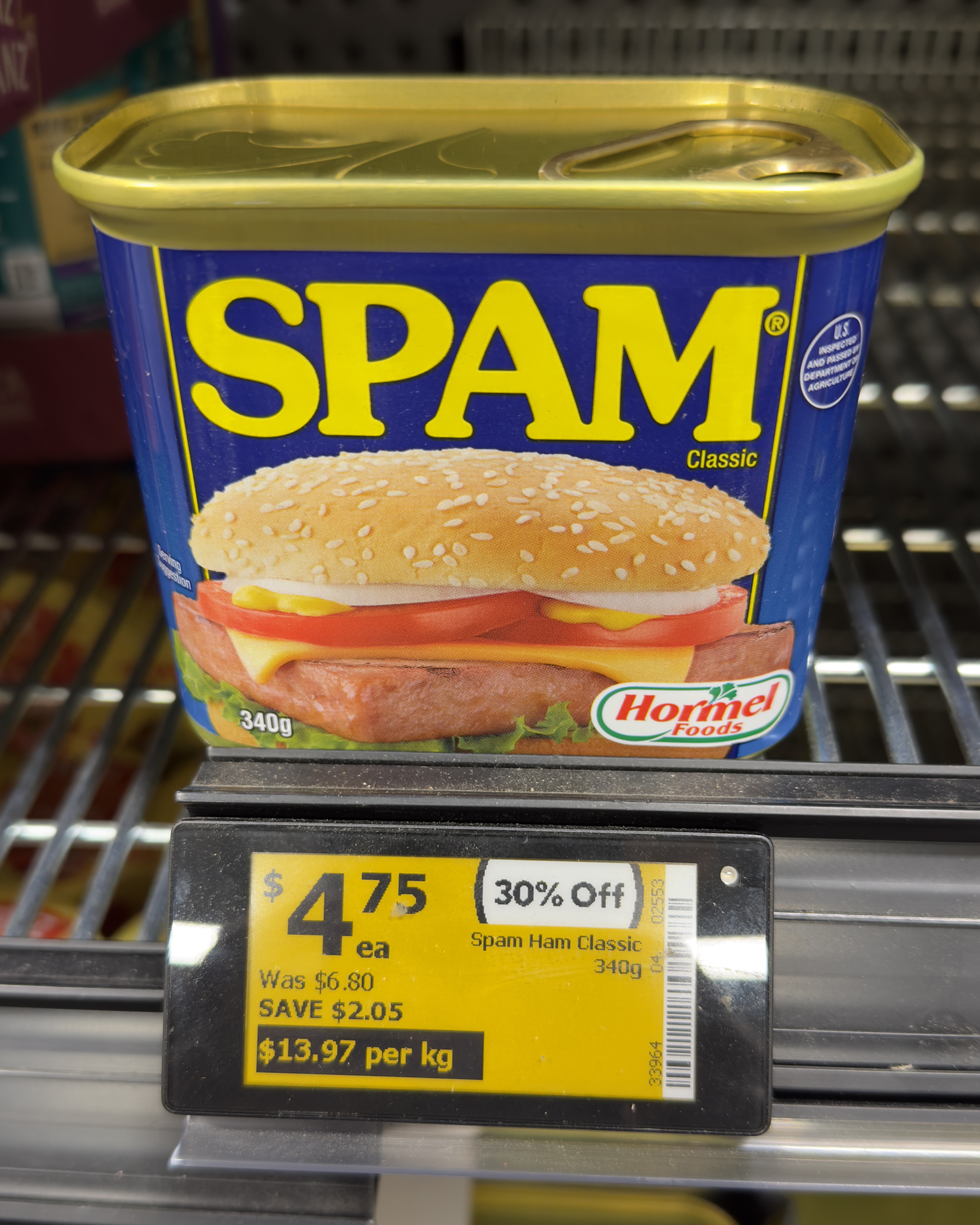
    Spam on special. Thirty per cent off. $4.75 instead of $6.80.

    This pumpkin soup has a savoury surprise: golden, crispy cubes of Spam folded through the bowl like salty little treasures. Roasted pumpkin brings sweetness and body, cream and cream cheese make it rich and silky, and rye sourdough croutons add a crunchy finish.

    Ingredients

    • One small pumpkin or about 500 g pumpkin pieces, peeled and chopped.
    • One half of a tin of Spam, diced.
    • One tablespoon of coconut oil or beef dripping
    • 250 mL beef, lamb, and pork stock
    • 75 mL pure pouring cream (no thickeners)
    • One tablespoon of cream cheese
    • Salt and freshly ground black pepper, to taste
    • Some rye sourdough bread, preferably frozen overnight, then thawed slightly and diced.

    Method

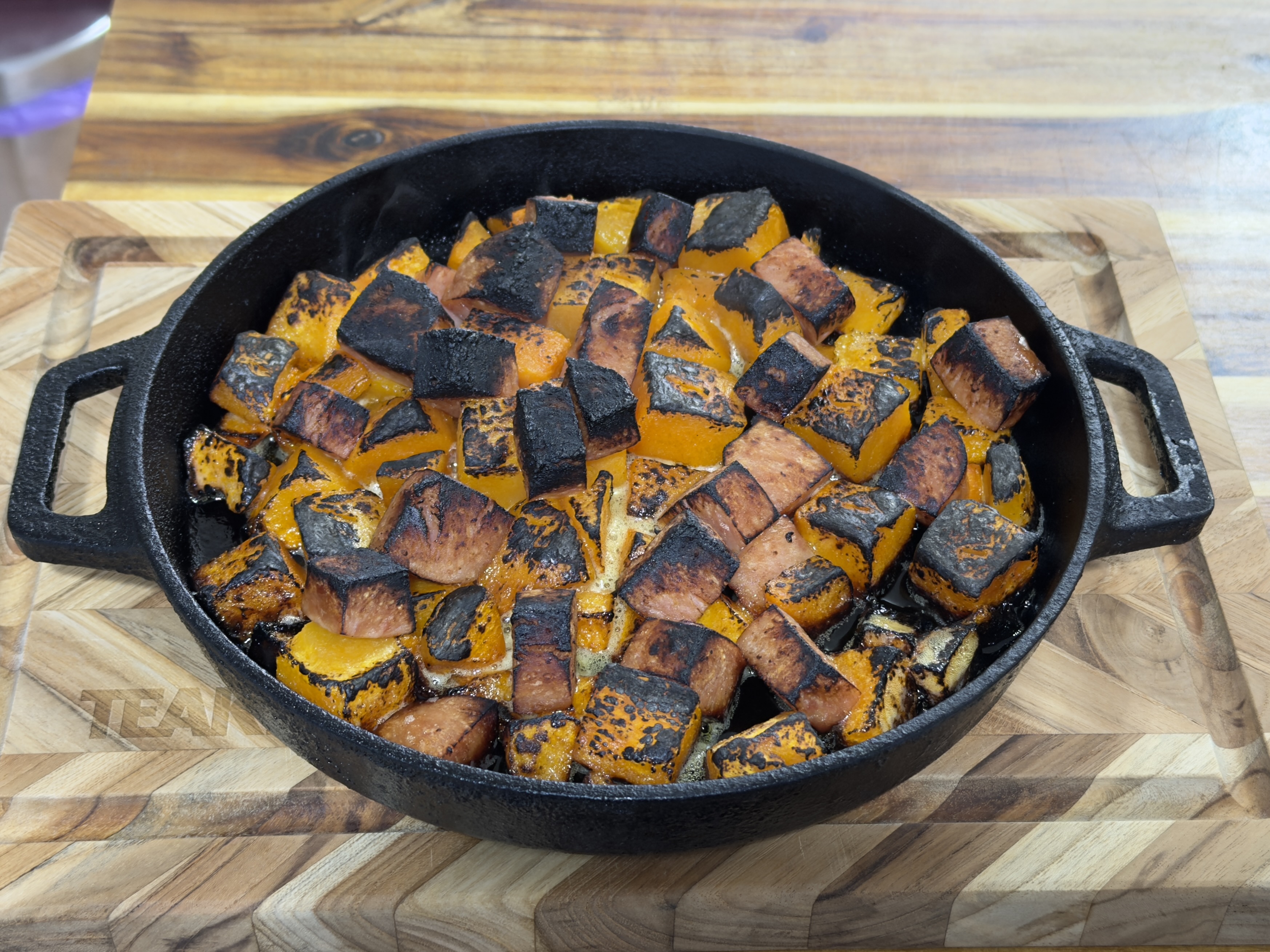
    1. Heat the oven or barbecue to 200 °C. Spread the pumpkin pieces and diced Spam on a tray, drizzle with a little coconut oil (or beef dripping), and roast until the pumpkin is soft, caramelised at the edges, and easy to mash.
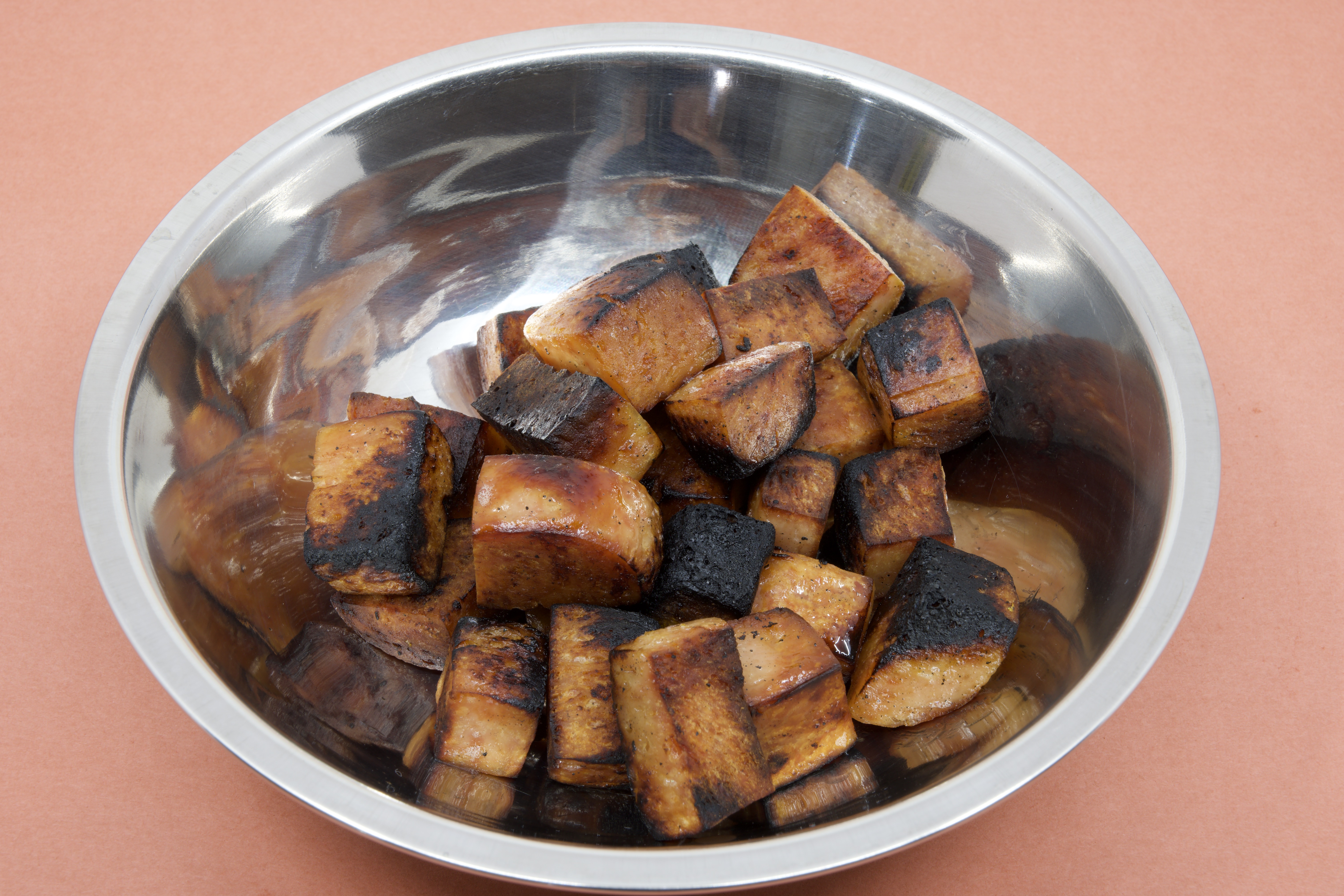
    2. The diced Spam should become crisp and browned. Set aside a small amount for “garnish.”
    3. Add the roasted pumpkin and cooking liquor to a saucepan. Simmer for 10 minutes so the flavours come together.
    4. Blend the soup until smooth. Stir in the cream and sour cream, then season with salt and pepper. Keep the heat gentle so the soup stays silky.
    5. Fry the diced rye sourdough in some beef dripping, letting it absorb the savoury pan flavours from the Spam. Cook until crisp.
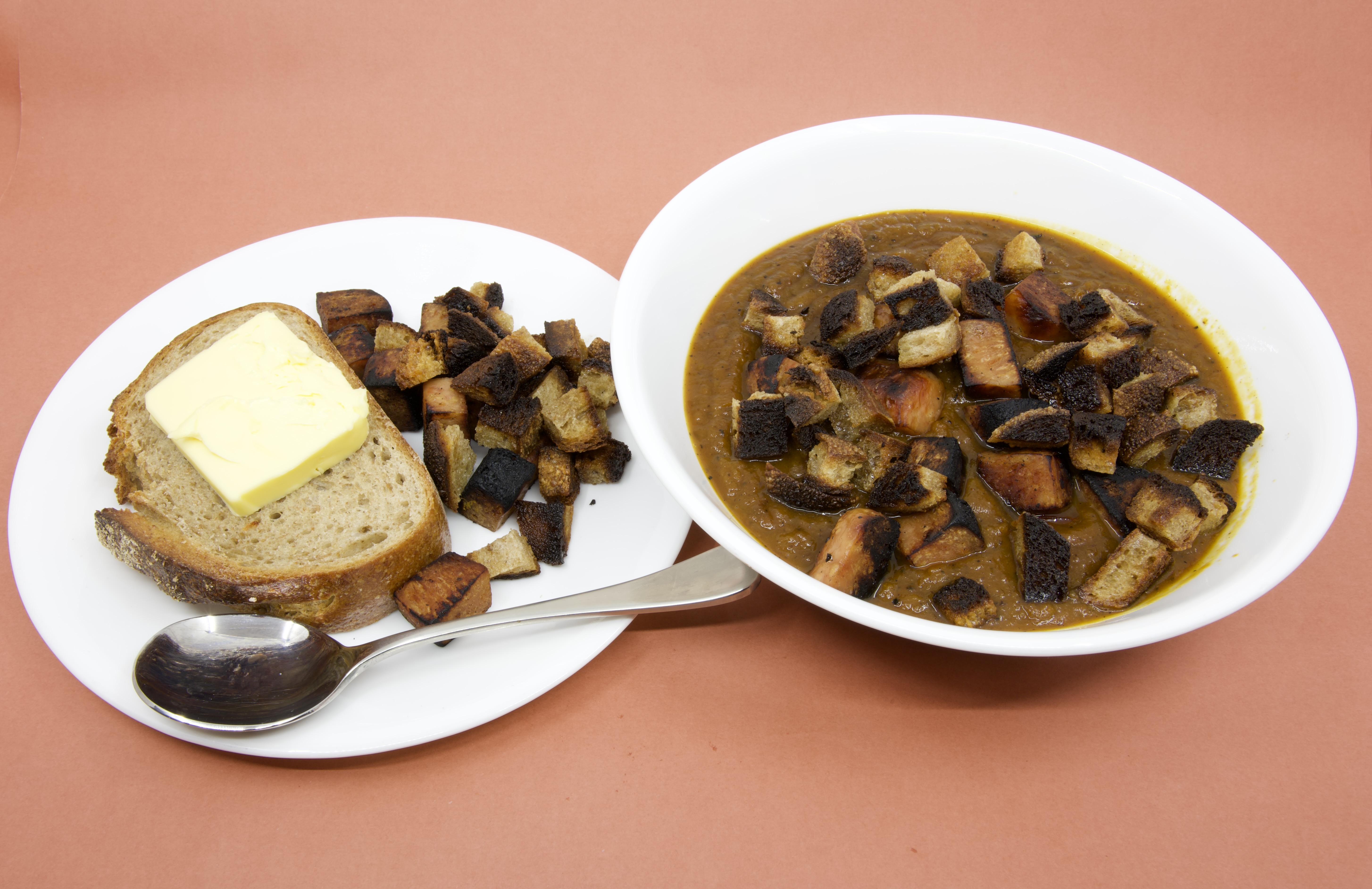
    6. Ladle the soup into a bowl. Scatter over the crispy Spam and rye sourdough croutons.

    Serving idea

    Serve this as a lunch or easy evening meal. The Spam gives the soup a savoury, meaty edge without announcing itself too loudly, while the rye sourdough croutons bring crunch.

    Cook’s note

    Freezing the rye sourdough roll overnight, then using it for croutons, is a handy way to work resistant starch into the meal while also reducing waste. For a smoother soup, blend thoroughly before adding the crispy Spam pieces.

    Today’s food diary

    Morning tea

    I posted this on the Facebook group The Best Vanilla Slices in Australia

    It is a private group with >124,000 members.

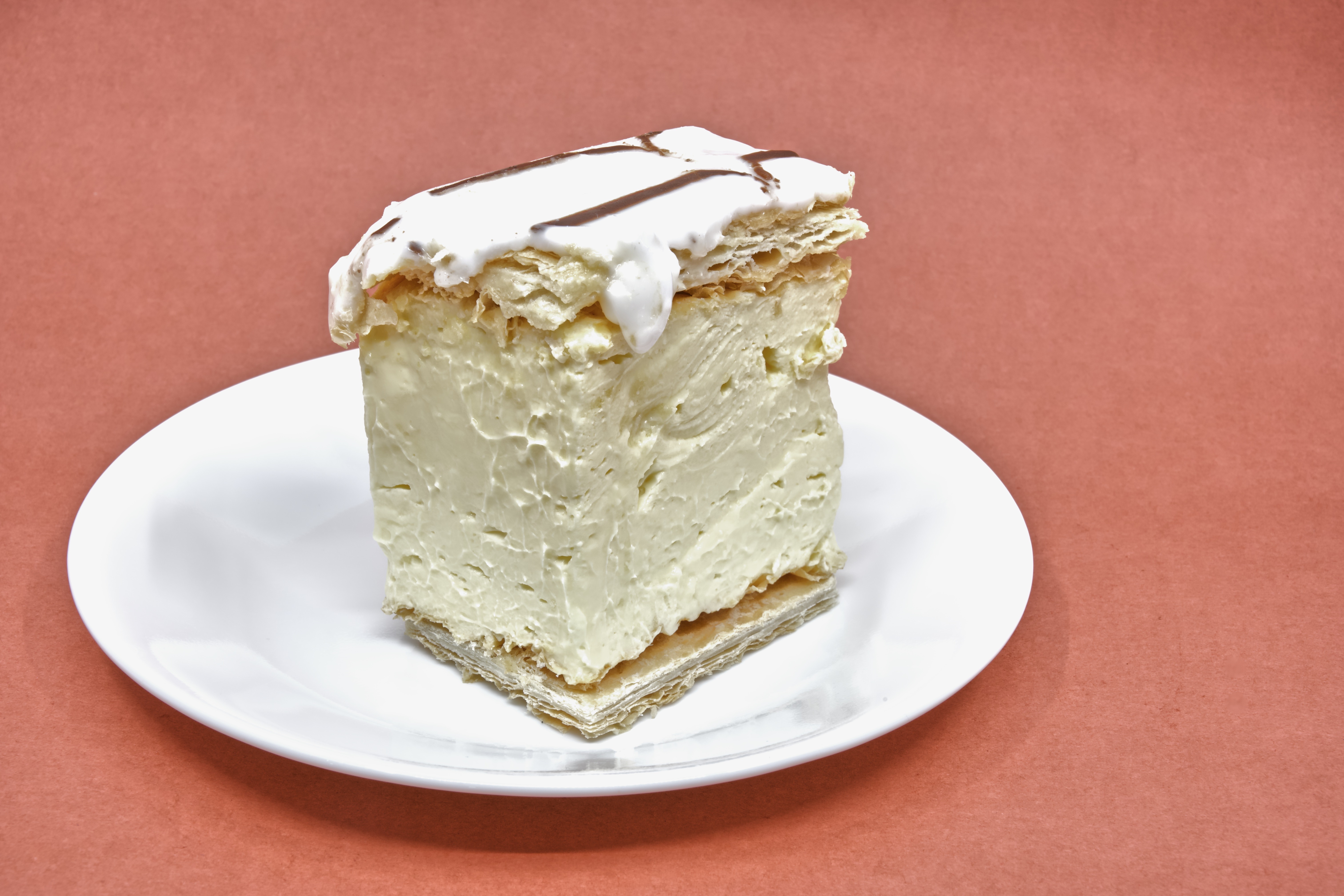
    Vanilla slice from Providore in the Adelaide Central Market.

    Price: $5.00, which is relatively cheap for a vanilla slice these days. 8/10

    Dimensions: Very high, too high for me to bite holding vertically. It would need to be approached sideways. There’s a reason why the majority of vanilla slices aren’t high, and (in my opinion) anyone who thinks this is a good selling point is fooling themselves. 3/10

    Custard: Vanilla flavour, firm but not too gelatinous. A fork slices through the custard without the custard becoming sloppy. 9/10

    Icing: Too sweet and goopy. Unpleasant. 2/10

    Pastry: Thick and soggy. The pastry also dehisced from the custard too easily. 1/10

    Overall score: 4.6/10

    Vanilla slice from Providore in the Adelaide Central Market. Price: $5.00, which is relatively cheap for a vanilla slice these days. 8/10 Dimensions: Very high, too high for me to bite holding vertically. It would need to be approached sideways. There’s a reason why the majority of vanilla slices aren’t high, and (in my opinion) anyone who thinks this is a good selling point is fooling themselves. 3/10 Custard: Vanilla flavour, firm but not too gelatinous. A fork slices through the custard without the custard becoming sloppy. 9/10 Icing: Too sweet and goopy. Unpleasant. 2/10 Pastry: Thick and soggy. The pastry also dehisced from the custard too easily. 1/10 Overall score: 4.6/10

    Lunch

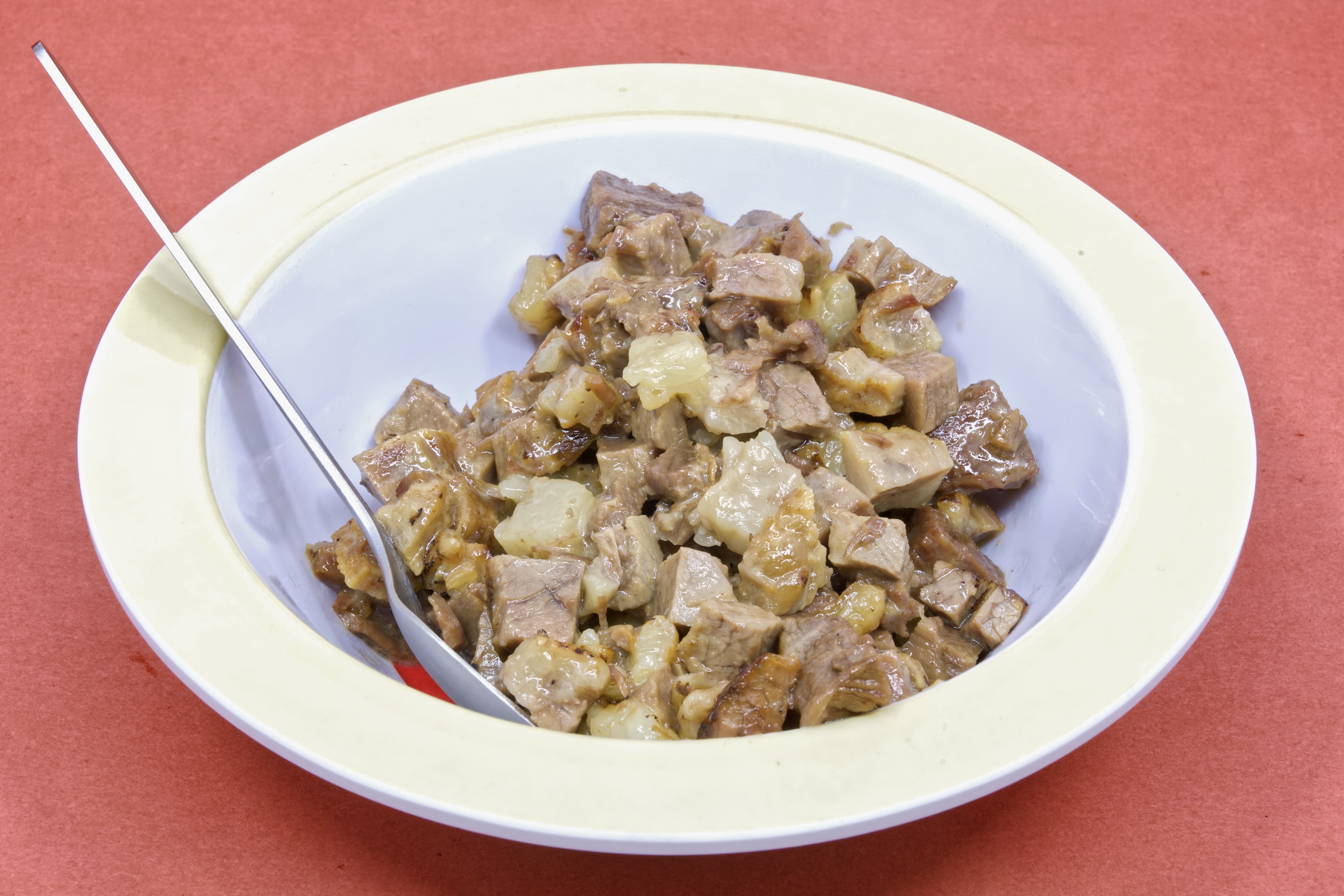
    The last of the bolar roast

    Leftover slow-cooked bolar roast

    Tea

    Pumpkin soup with Spam, rye sourdough croutons, and a slice of rye sourdough with cultured butter

    The soup was delicious and had amazing mouthfeel. The combination of the Spam and crusty, crispy croutons was fantastic.

    Fediverse Reactions
  • Salted cultured butter

    Salted cultured butter


    During the week, a workmate, B.C., asked me about butter. She wanted to know my preferences. I mentioned that over Christmas, supermarkets often have short runs of French butter. And sometimes the French butter on sale is also cultured. I haven’t seen any imported French butter or cultured butter in the local supermarkets for many months.

    I mentioned a local Australian brand of salted cultured butter, i.e., Pepe Saya. I wasn’t sure about local stockists, though.

    B.C. came back and mentioned that the Smelly Cheese Co. in the local markets is a stockist.

    I went to the markets this morning. I bought some butter, some rye sourdough, and some pheasant pâté. After spending some time at work, I came home and made myself a light lunch.

    Fediverse Reactions