Tag: Steak

  • Labour day steak

    Labour day steak


    Labour Day is a public holiday most Australians enjoy without necessarily thinking about why it exists. We welcome the long weekend, some sleep in, some light the barbecue, and some people spend time with family and friends.

    I welcome the long weekend; I get out of bed before dawn to go for a walk and I am happy spending it alone on my couch watching TV. Mind you I did go into the office today to complete some compulsory training in peace and quiet.

    Behind the public holiday lies a story of workers who argued for something many of us take for granted: a reasonable balance between work, recreation, and rest.

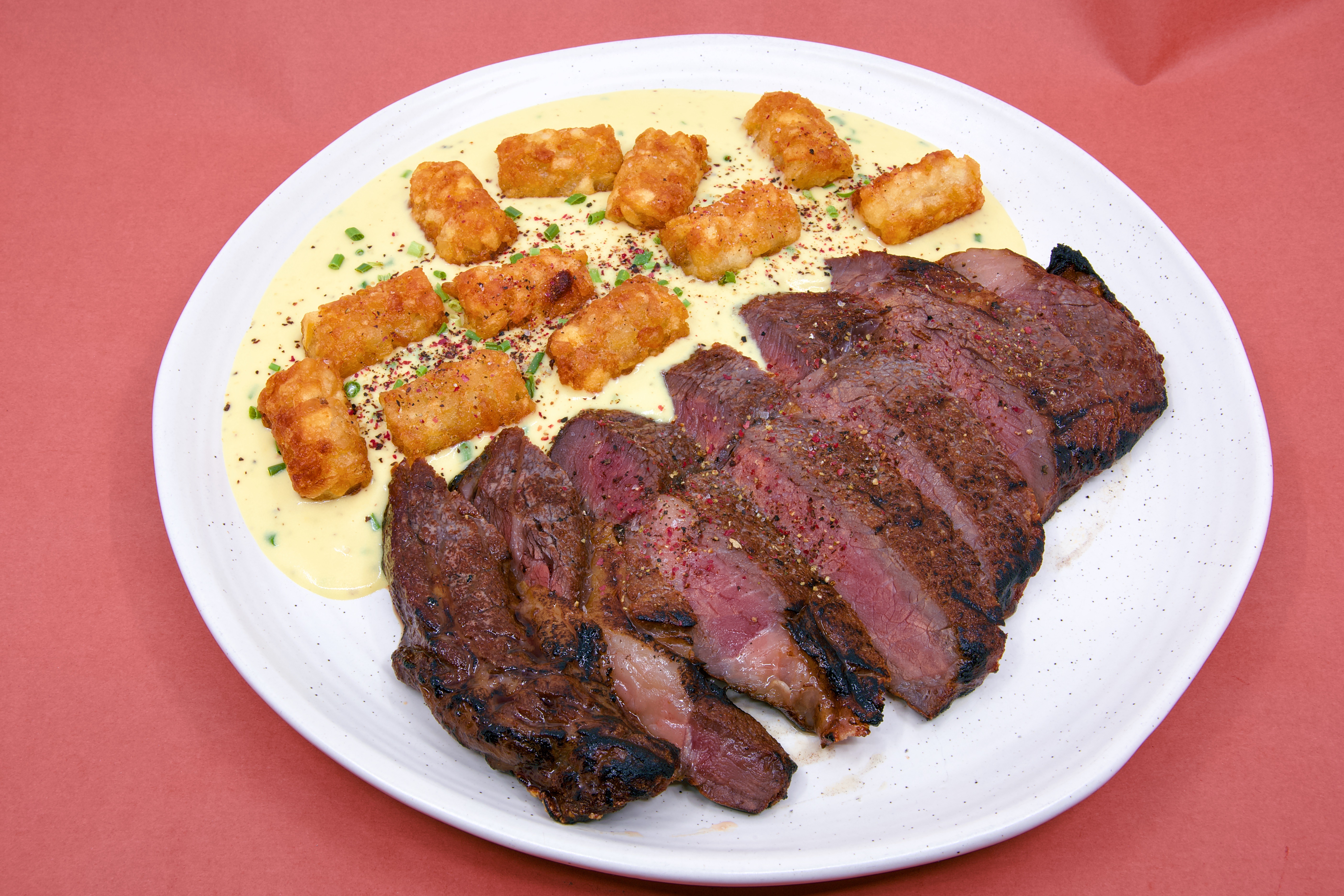
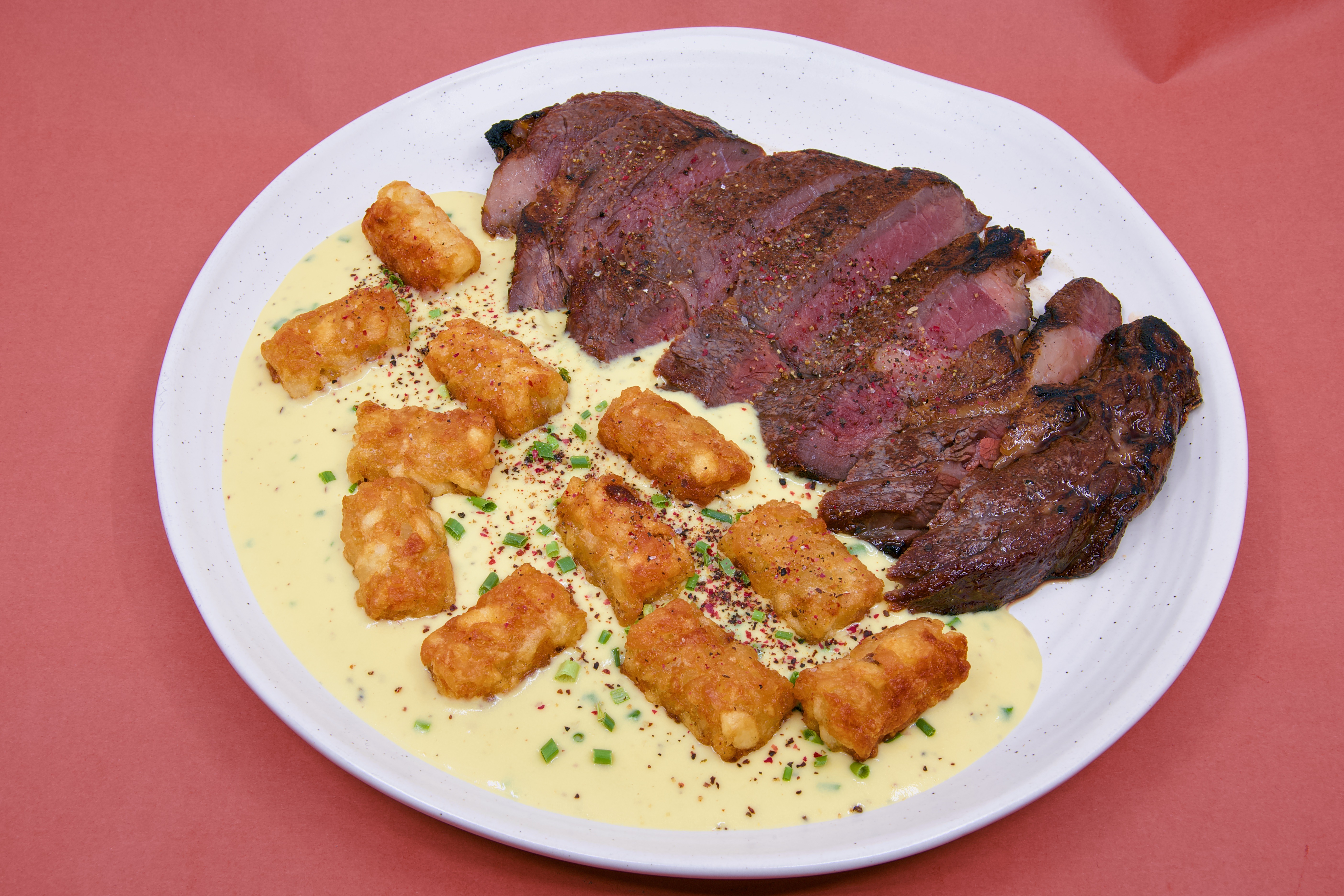
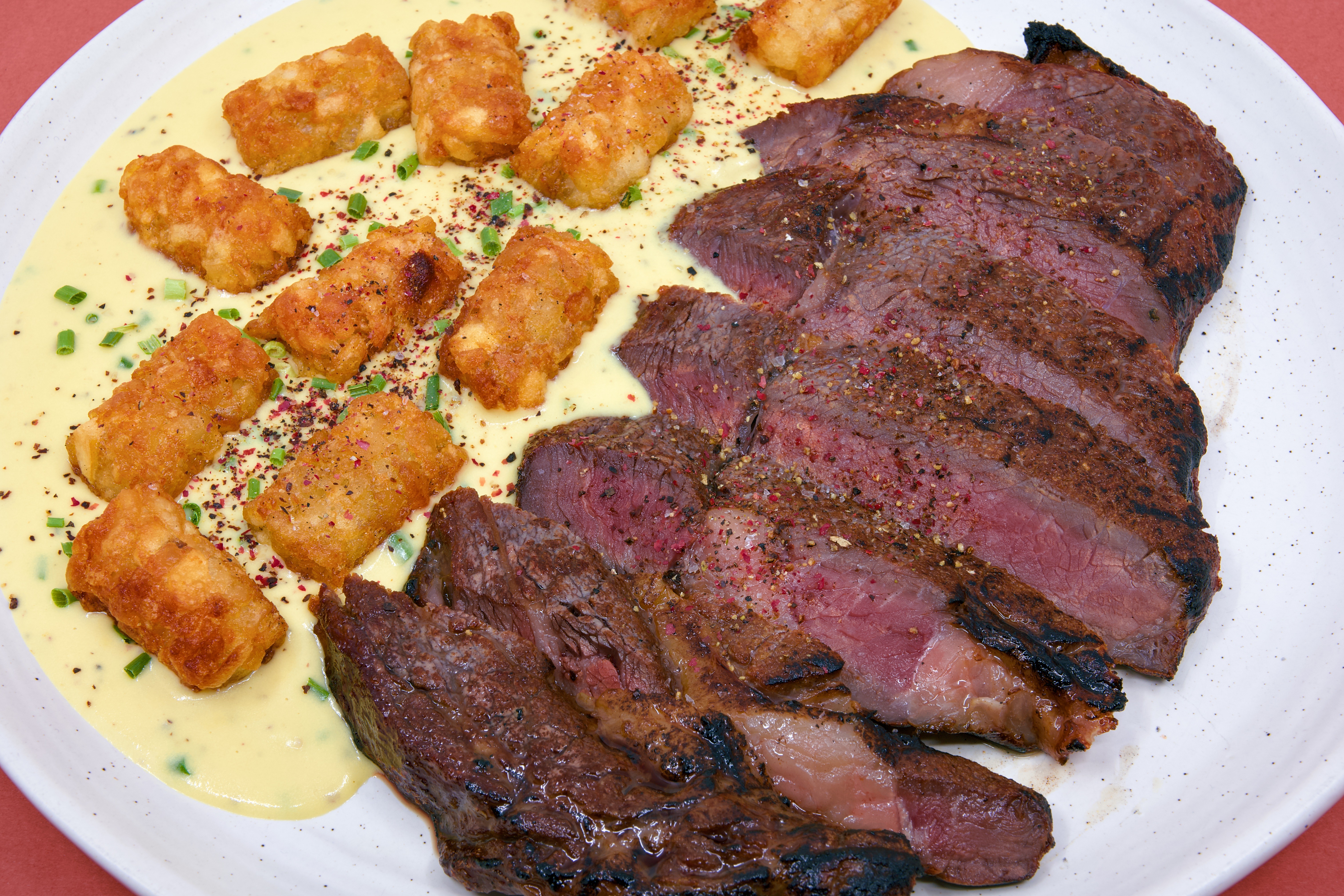
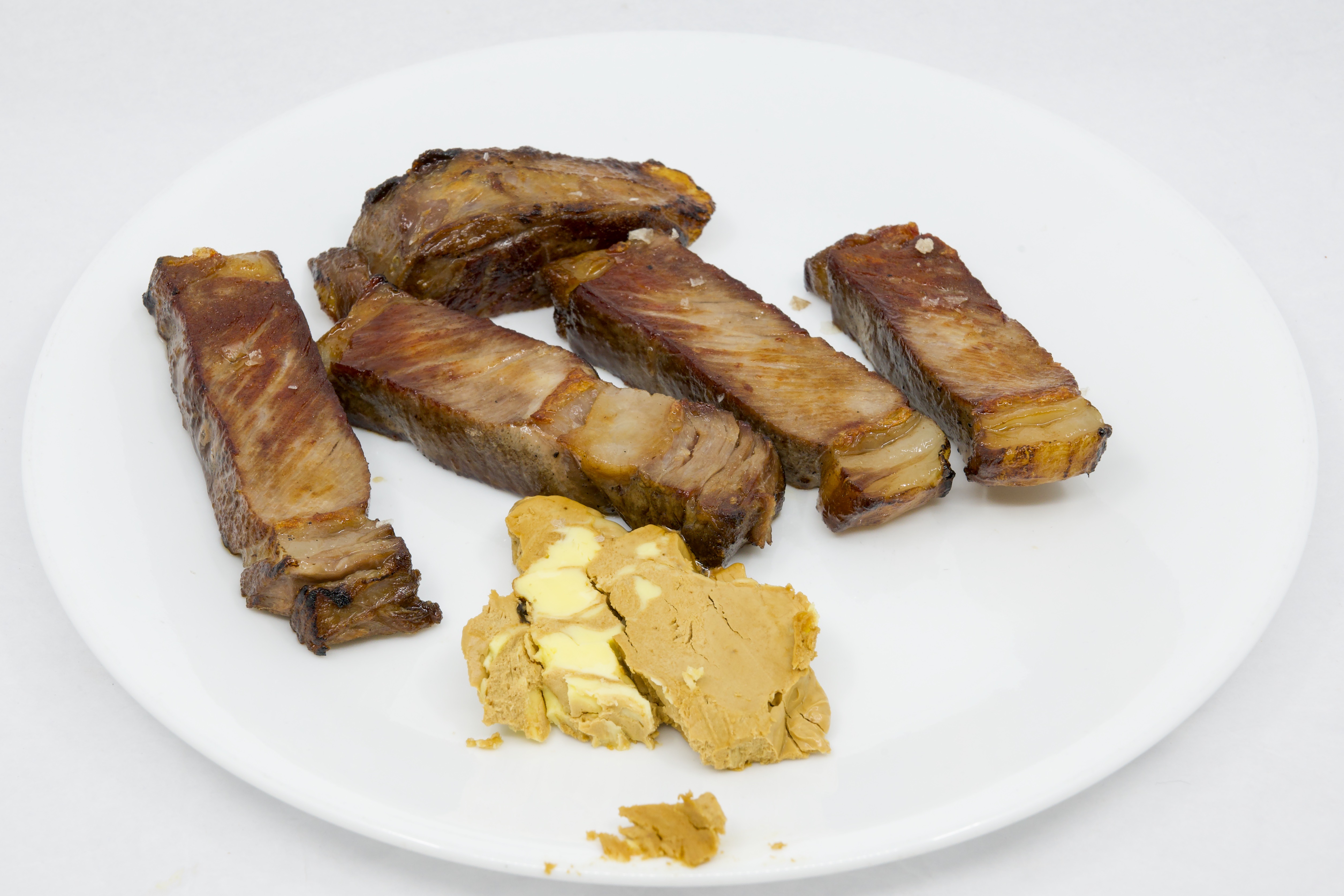
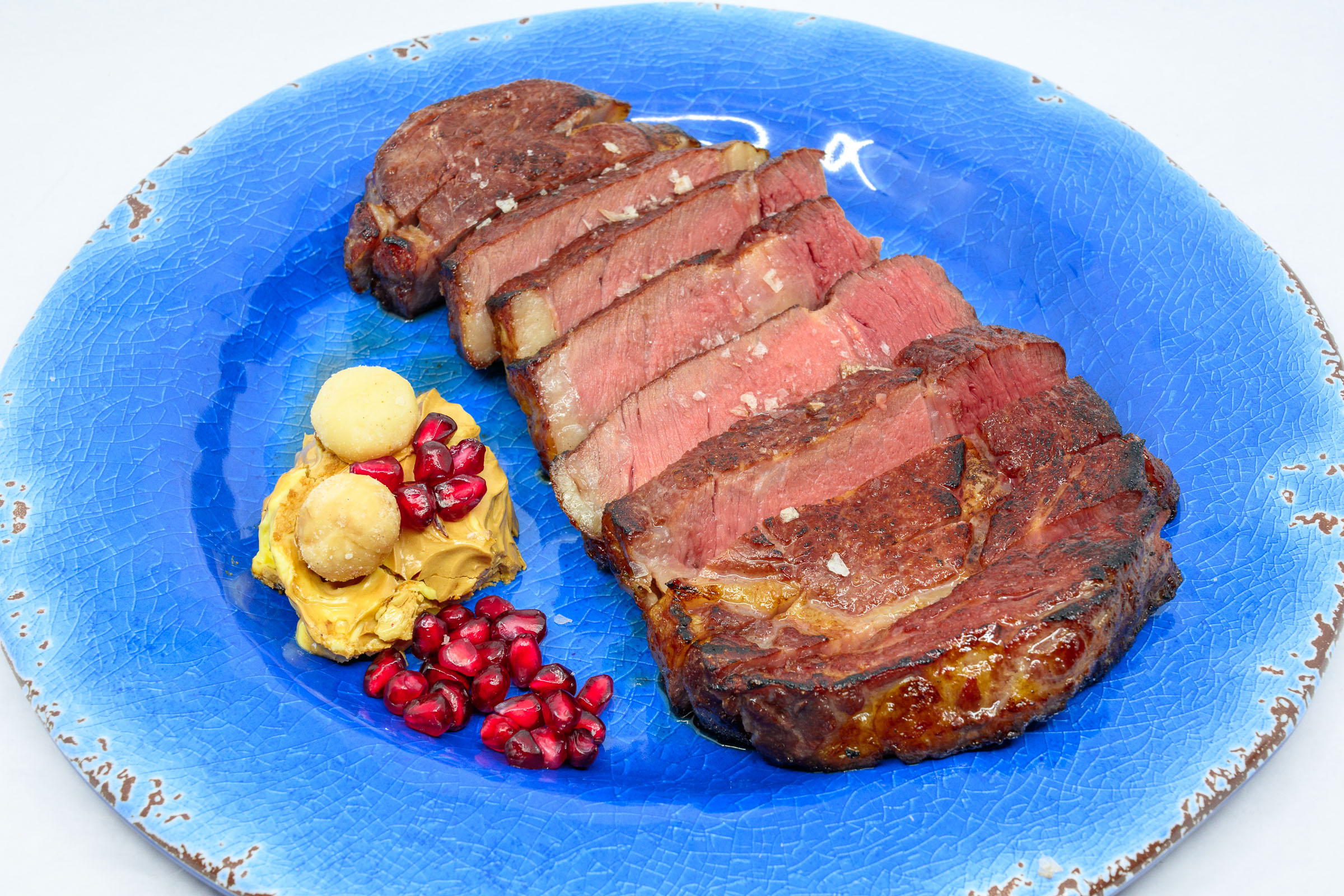
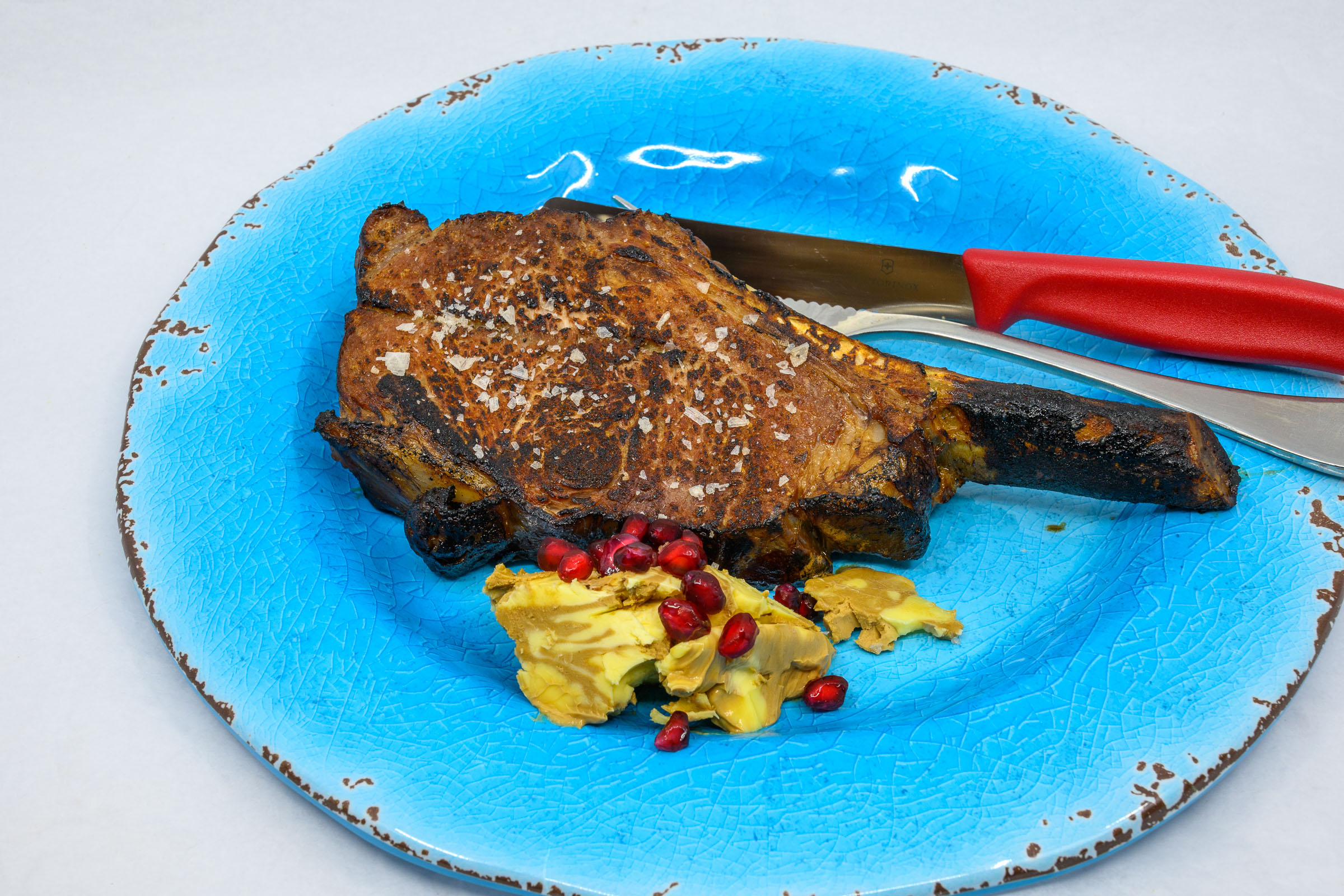
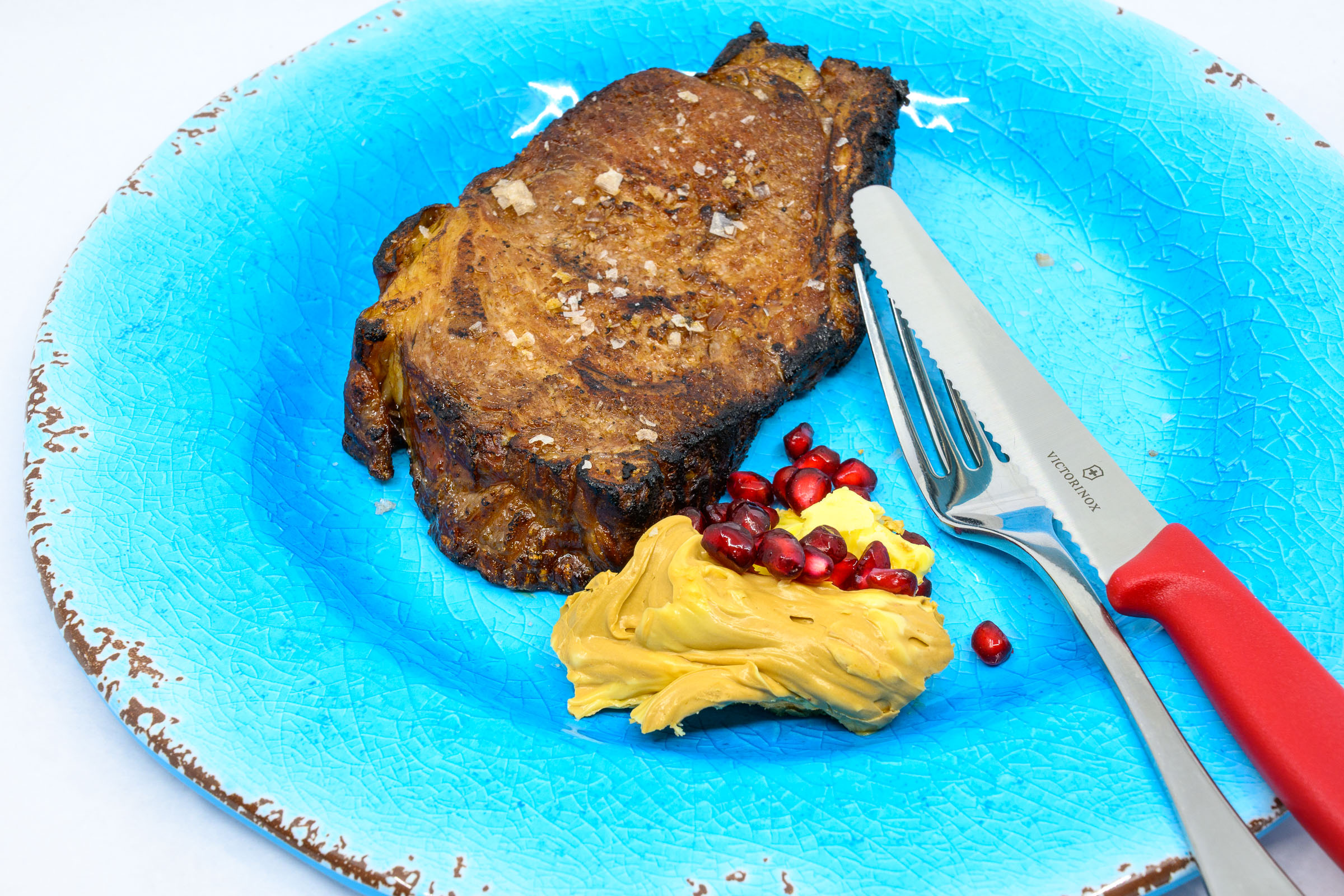
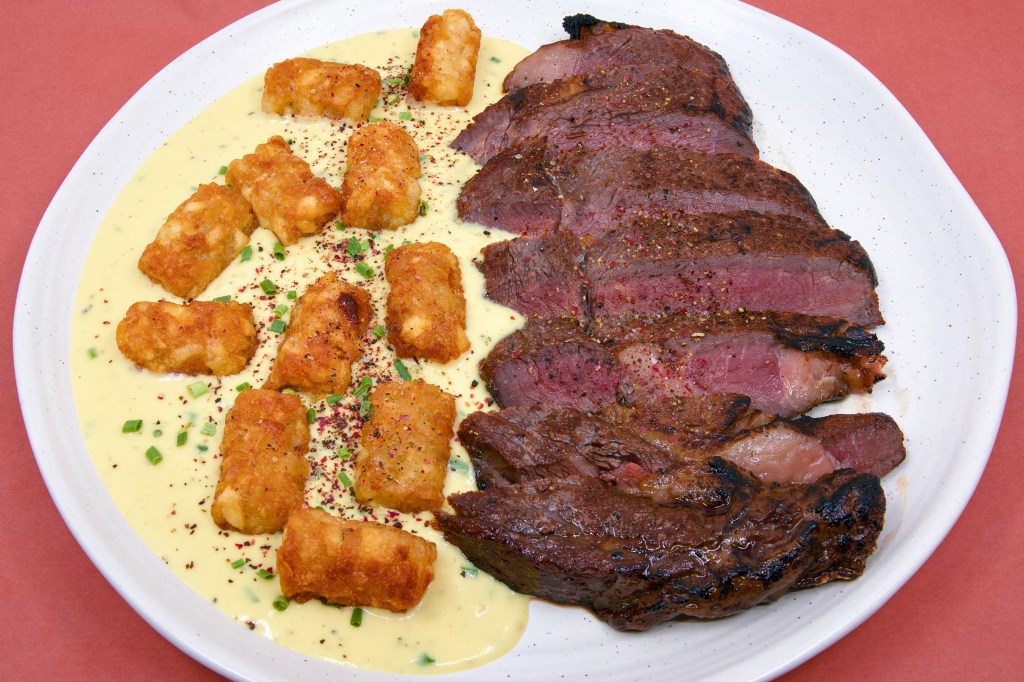
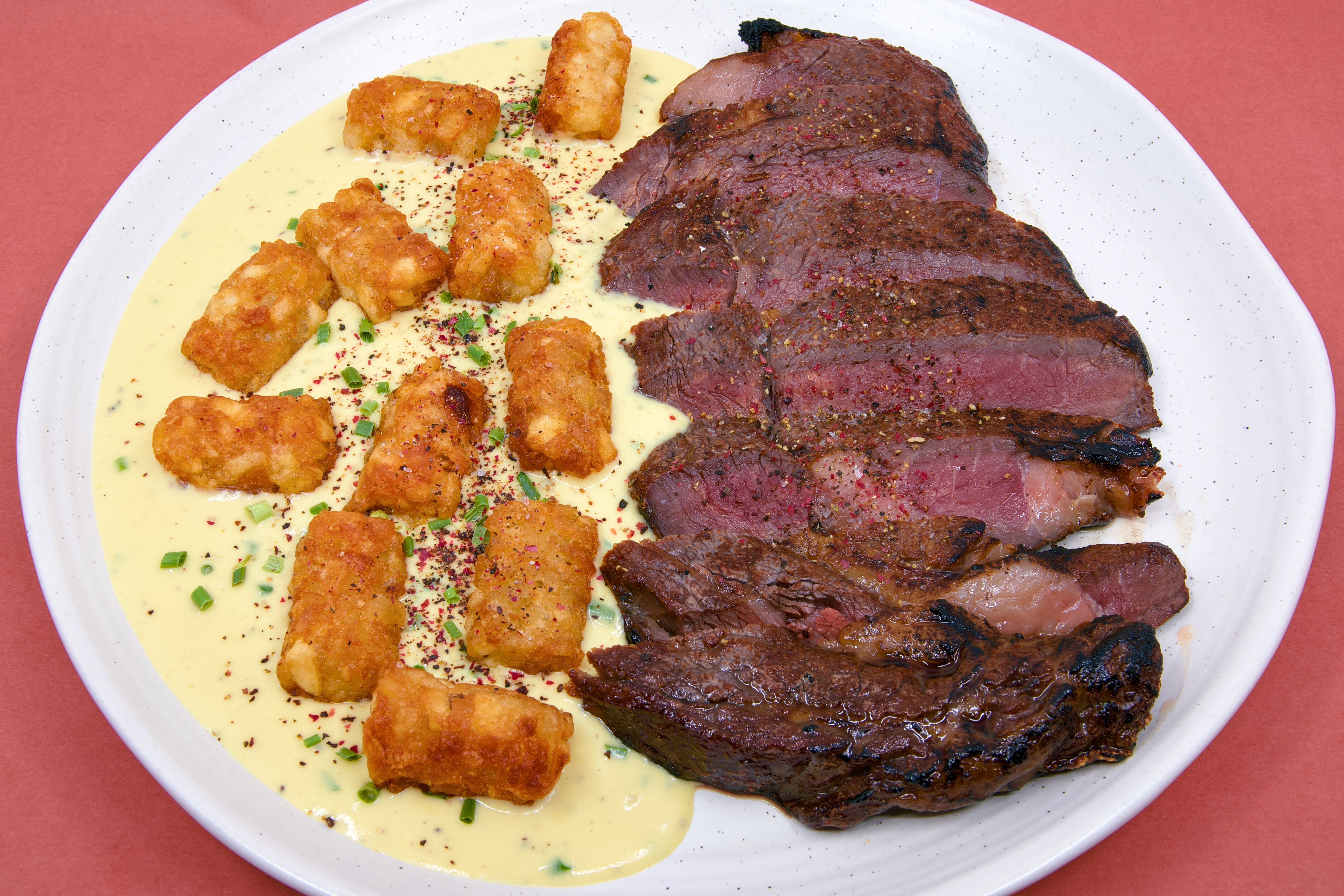
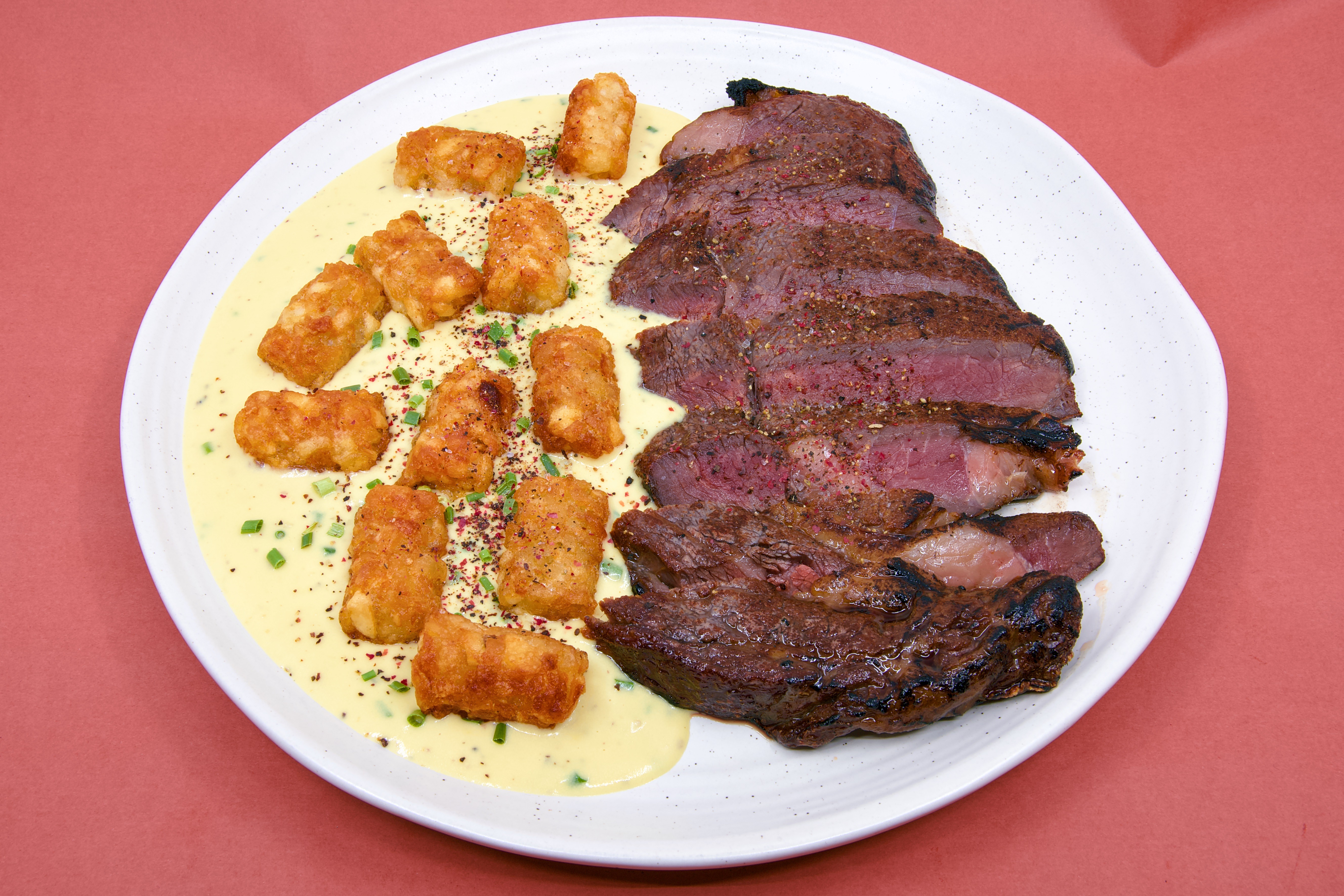
    This Labour Day, I celebrated with a scotch fillet steak, crispy potato gems cooked in beef fat, and a blue cheese sauce.

    What is Labour Day?

    Labour Day marks the achievements of the labour movement and the efforts for fair working conditions in Australia. It celebrates the campaign for the eight-hour working day.

    This idea was revolutionary. In the mid-1800s, many workers worked for 10 to 14 hours a day, six days a week, often in physically demanding and dangerous conditions.

    Labour Day in Australia

    Australia’s Labour Day traces its origins to the Eight Hour Day movement.

    On 21 April 1856, stonemasons working on the construction of the University of Melbourne stopped work and marched through Melbourne demanding shorter working hours. Their campaign succeeded, securing an eight-hour working day without a reduction in pay. This was a landmark achievement and one of the earliest successful campaigns of its kind anywhere in the world.

    It became a symbol for workplace reforms. Over subsequent decades, workers and unions continued campaigning for better conditions, leading eventually to shorter working weeks, workplace safety improvements, paid leave, and other employment protections that Australians now regard as normal.

    What Does Labour Day Mark?

    Labour Day marks:

    • The achievements of Australian workers.
    • The success of the eight-hour day movement.
    • The importance of fair pay and working conditions.
    • The contribution of organised labour and trade unions.
    • The principle that life should include work, rest, and recreation.

    Labour Day recognises that workers are more than economic units. They are parents, partners, community members, volunteers, and citizens.

    Why Do We Have a Labour Day Public Holiday?

    The purpose of the public holiday is both commemorative and practical.

    It commemorates the struggles and victories of previous generations of workers while giving today’s workers a day to enjoy the very work-life balance those campaigns sought to achieve. The holiday reminds Australians that fair working conditions were won through collective action rather than simply granted by employers or governments.

    A long weekend is arguably an expression of the eight-hour movement’s goals.

    What Official Activities Occur on Labour Day?

    Official activities vary between states and territories, but commonly include:

    • Union-organised marches and parades.
    • Community festivals.
    • Speeches by union representatives and political leaders.
    • Ceremonies recognising workers and labour history.
    • Educational events focused on workplace rights and labour history.

    In Queensland, May Day marches remain a prominent tradition, while other states often host commemorative gatherings and community events connected to labour organisations.

    How Many Australians Participate in Official Labour Day Events?

    This is harder to answer precisely.

    While Labour Day marches, parades, and commemorative activities occur, I could not locate an authoritative national statistic showing what proportion of Australians participate in official Labour Day events. Sources describe the events and their significance, but do not provide a national participation rate.

    Anecdotally, participation in official events represents only a small fraction of the Australian population, with most people observing the holiday simply as a public holiday and long weekend.

    Labour day meal

    A public holiday deserves a meal that feels special without requiring a day spent in the kitchen.

    Scotch Fillet Steak

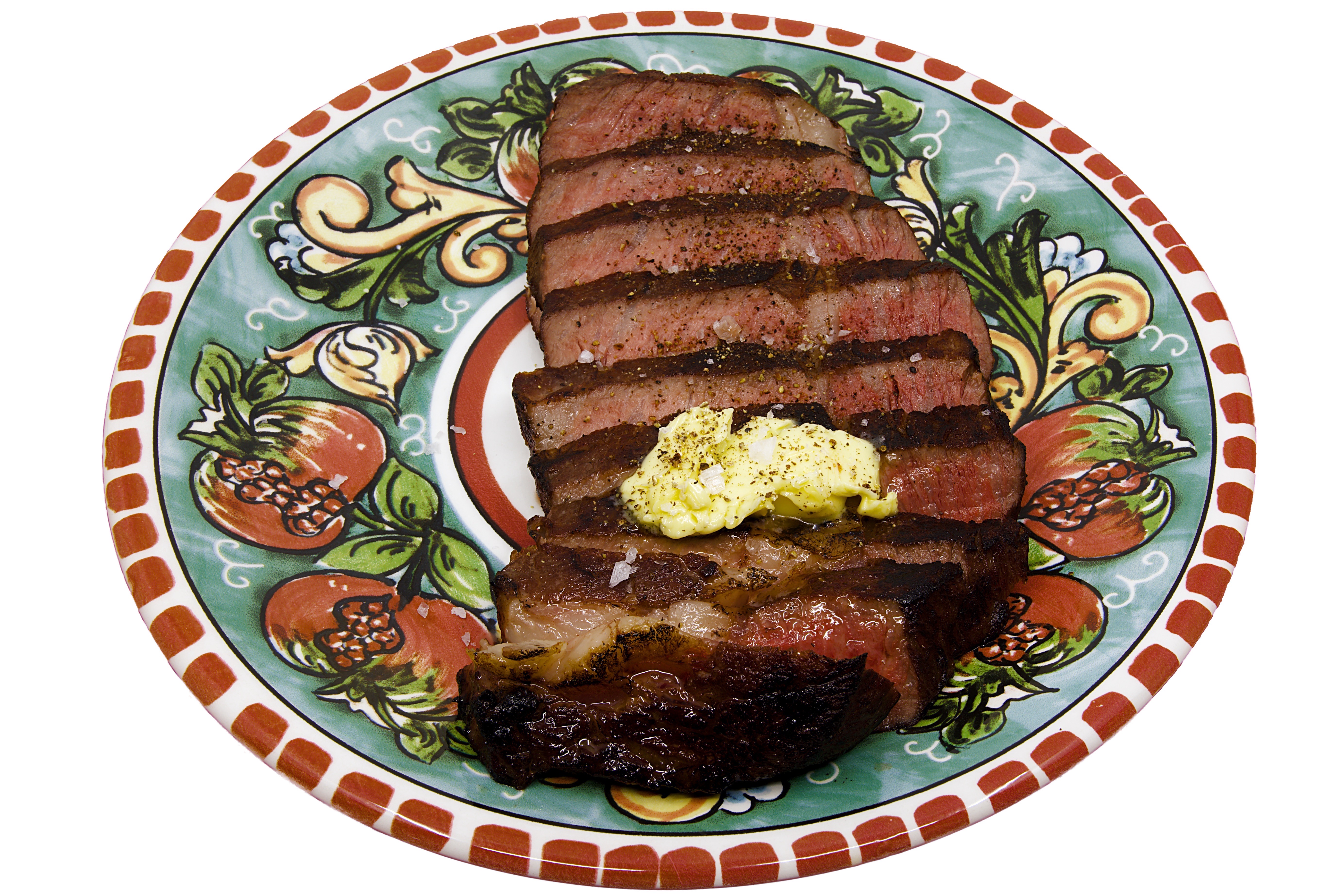
    The dry-brined steak spent one hour in a water bath maintained at 57 °C. This temperature produces an even medium-rare result from edge to edge, preserving tenderness and juiciness.

    Once removed from the bag, the steak was dried thoroughly and finished over a gas barbecue. To achieve a deeper crust, a gas blowtorch assisted with the final sear, creating a caramelised exterior.

    The result was what a scotch fillet should be:

    • Tender.
    • Juicy.
    • Beefy.
    • Browned on the outside.

    Potato Gems in Beef Fat

    Potato gems are already one of humanity’s finer inventions.

    Cooking them in beef fat elevates them to another level.

    The hot beef fat develops a blistered golden crust while enhancing the savoury flavour. The outside becomes wonderfully crisp while the inside remains fluffy and soft.

    Every bite tastes indulgent.

    Blue Cheese Sauce

    The blue cheese sauce added richness and complexity.

    Sharp, salty, creamy, and slightly funky, it complemented the scotch fillet beautifully. Each mouthful balanced the sweetness of the beef, the crunch of the potato gems, and the bold character of the cheese.
    Final Thoughts

    Labour Day is a reminder that the balance between work, rest, and recreation is worth protecting. More than 170 years after some stonemasons marched for the eight-hour day, Australians continue to benefit.

    A long weekend provides an opportunity to reflect on those achievements. It also provides an excuse to cook a scotch fillet steak, crisp some potato gems in beef fat, and drown everything in blue cheese sauce.

    References

    National Museum of Australia. 2024. Eight-hour day.

    State Library Victoria. Origins of the 8-hour day.

    Australian Workers Heritage Centre. 2025. Labour Day History.

    Australian Workers Heritage Centre. 2026. 170 Years of the Eight Hour Day.

    LabourDay.com.au. What is Labour Day?

    ABC News. 2026. Which states get a public holiday today? What event is it?

    Time Out Australia. 2026. What is Australia’s Labour Day public holiday for?
    Fediverse Reactions
  • Croissant sandwiches

    Croissant sandwiches


    A buttery reflection on steak, corned beef, and why a fresh croissant may be better than ordinary sandwich bread.

    There are moments in life when an ordinary sandwich loaf simply will not do. This week, fresh croissants found themselves pressed into sandwich service, and I am not sure I want to go back to standard bread any time soon.

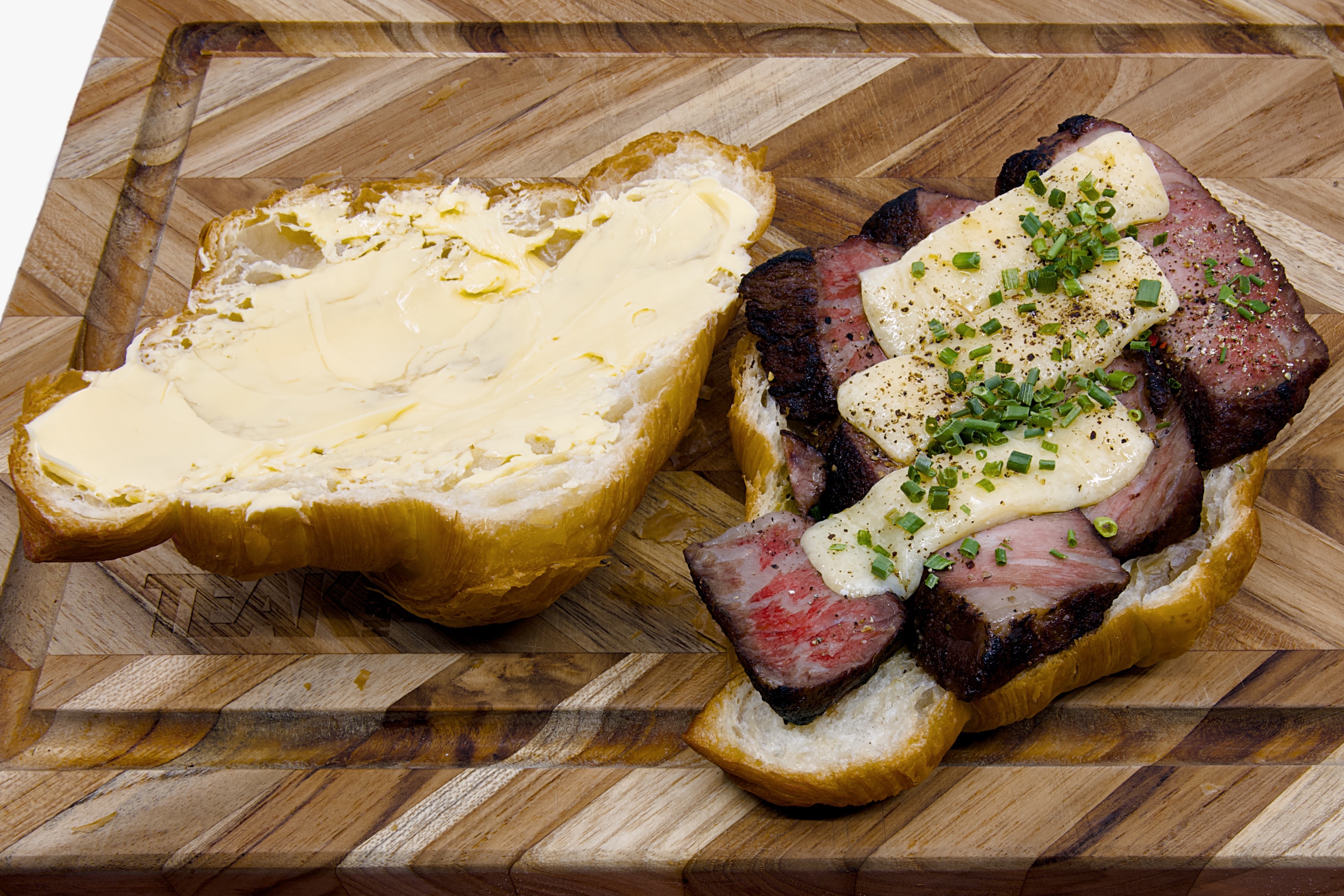
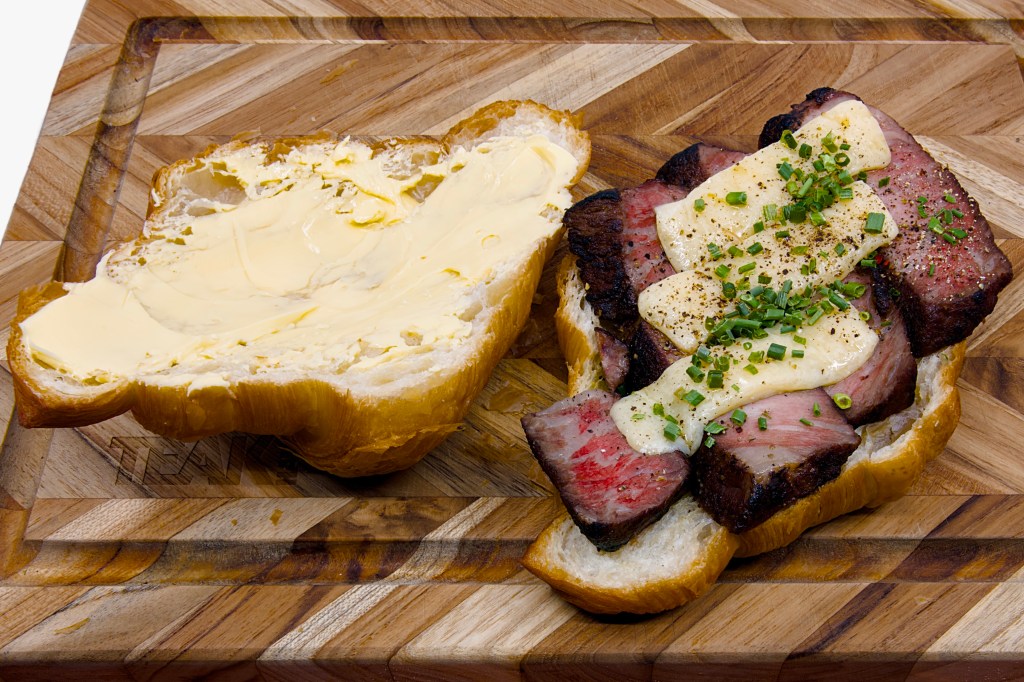
    The first experiment used leftover Scotch fillet strips, vintage cheddar, and cultured butter. The croissant was split, the base was buttered, the beef and cheese were layered over the top, and the whole lot had five minutes in the air fryer. The lid received another smear of cultured butter after it cooled slightly because, apparently, I had decided moderation was a spectator sport.

    The result was probably the best steak sandwich I have eaten in many, many years. There was flaky pastry, savoury beef, melted cheese, and enough cultured butter to make the croissant feel deeply appreciated.

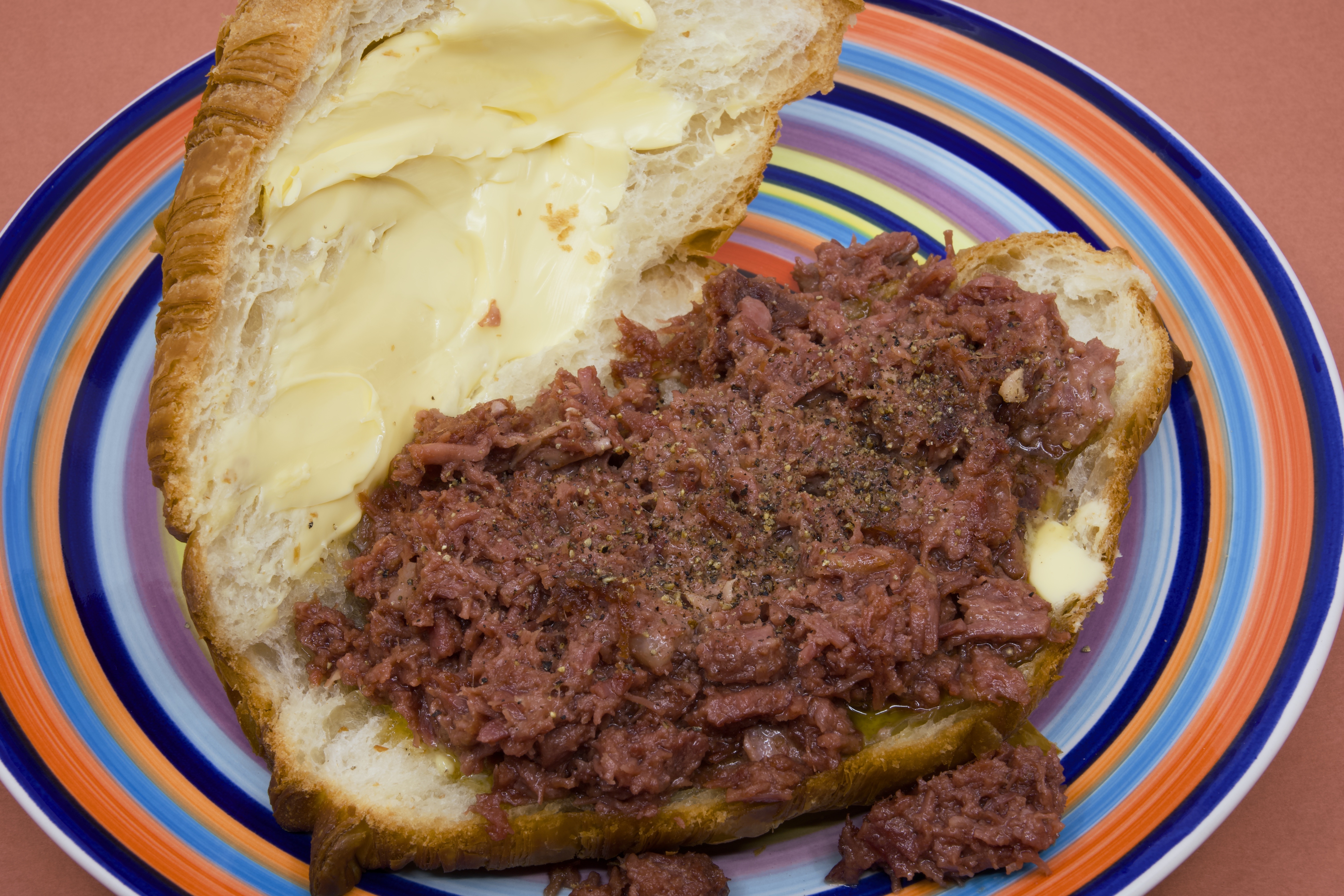
    Not content with one success, I repeated the experiment with hashed corned beef from a tin. The corned beef was gently sautéed in a skillet until the fat rendered and the meat took on a little colour without becoming dry. Because the meat was hashed, it spread beautifully over the croissant base.

    The warm corned beef met the generously buttered croissant, and the cultured butter melted through the pastry layers. This was not high ceremony. This was practical with a French accent and a very happy ending.

    Open butter croissant sandwich on a colourful striped plate, topped with a generous layer of pan-fried hashed corned beef. Thick cultured butter is spread across the upper half of the flaky croissant and has begun to melt into the pastry. The corned beef filling is lightly browned and seasoned with black pepper, with a small amount spilling onto the plate. The image highlights the contrast between the buttery golden croissant, rich pink corned beef, and brightly coloured plate.

    Why a Croissant Works So Well as Sandwich Bread

    A good sandwich loaf has one job: it holds the filling together. A good croissant does more than hold things. It participates. The laminated layers bring crispness, tenderness, and buttery richness. The exterior flakes, the interior stays soft, and every bite has more texture than a plain slice of bread can usually manage.

    That does not mean a croissant is right for every sandwich. A towering salad sandwich on a croissant may end with lettuce, tomato, and regret on your lap. However, with rich fillings such as steak, cheddar, ham, egg, chicken, or corned beef, a croissant can be just as good as ordinary bread, and possibly better. It is not merely a vehicle. It is the co-driver.

    The Nutritional Question

    Let us address the buttery elephant in the room. Nobody reaches for a croissant because it is dressed as a health food. A traditional butter croissant is more energy-dense than ordinary sandwich bread because it is made with laminated dough, in which butter is folded into the dough repeatedly to create those crisp, flaky layers.

    Approximate Nutrition per Butter Croissant

    Nutrientper large croissant
    Energy1,300–1,600 kJ
    Protein6–8 g
    Fat17–22 g
    Saturated fat10–13 g
    Carbohydrate30–40 g
    Sugars5–8 g
    Dietary fibre1–3 g
    Sodium250–450 mg

    The exact numbers will vary according to the baker, size, butter content, and whether the croissant is plain or filled. Once you add Scotch fillet, vintage cheddar, hashed corned beef, and cultured butter, the numbers change again. The beef lifts the protein and iron, the cheese adds protein and calcium, the corned beef contributes protein, iron, vitamin B12, and sodium, and the butter contributes joy, which nutrition panels still stubbornly refuse to measure.

    From a low-carbohydrate perspective, a croissant is not an everyday staple. From a culinary perspective, however, it is an occasional indulgence that can transform a simple sandwich into something memorable.

    Would the French Approve?

    Possibly. Traditional French breakfasts often feature croissants served simply with coffee, tea, hot chocolate, butter, or jam. The classic version is uncomplicated: buy it fresh, eat it fresh, and preferably enjoy it before the flakes have time to settle into your shirt.

    That said, France is not unfamiliar with savoury croissants. Café counters, bakeries, and takeaway shops commonly sell croissants filled with ham, cheese, chicken, or other savoury ingredients. Some pastry purists may object to using a croissant for corned beef, but food rules are often most interesting when they meet a hungry person holding cultured butter.

    A Brief, Buttery History

    The croissant is closely associated with France, but its ancestry is more complicated. Food historians commonly link it to the Austrian kipferl, a crescent-shaped bread or pastry that predates the modern French croissant. The croissant became distinct when French bakers applied yeasted laminated dough techniques, folding butter through dough to make the thin, airy layers that define the pastry today.

    Those layers do not happen by accident. Croissant dough is rolled, folded around butter, chilled, rolled again, folded again, shaped, proved, and baked. In the oven, water in the butter turns to steam, the layers lift, and the baker hopes the result is golden, crisp, and structured rather than a buttery landslide.

    A proper croissant is at its best on the day it is baked. The outside should shatter slightly, the inside should show an open honeycomb crumb, and the whole thing should make you feel that ordinary toast has taken the morning off.

    Final Thoughts

    Perhaps the lesson here is simple: croissants should not be confined by tradition. If a fresh croissant can elevate leftover Scotch fillet and vintage cheddar into a memorable steak sandwich, and transform humble hashed corned beef into something worth writing about, then it deserves greater recognition as sandwich bread.

    The French may debate pastry etiquette. I will be over here, applying another generous layer of cultured butter.

    Author’s note: No ordinary sandwich loaf was harmed during these experiments. Several croissants, however, made the ultimate sacrifice.

    An artificial intelligence large language model was exploited to generate some of the original text before review and editing. The images have not been edited using artificial intelligence.

    Fediverse Reactions
  • The most umami sauce

    The most umami sauce


    I’ve been away again this week.

    I was good catching up with friends.

    I got back late last night and decided I would eat well today.

    CIBO Cappuccino

    Easter is next week and I’m getting a head start.

    Perryman's Bakery Sourdough Hot Cross Bun with Coffee

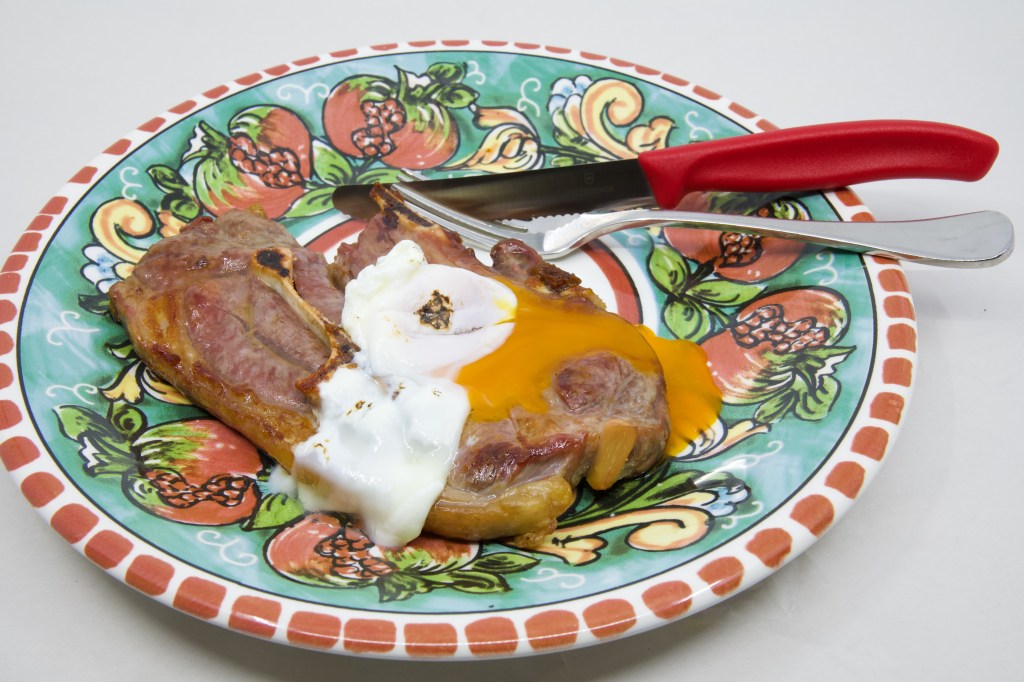
    Lunch was a lamb forequarter chop and poached egg.

    Lamb forequarter chop with a poached egg

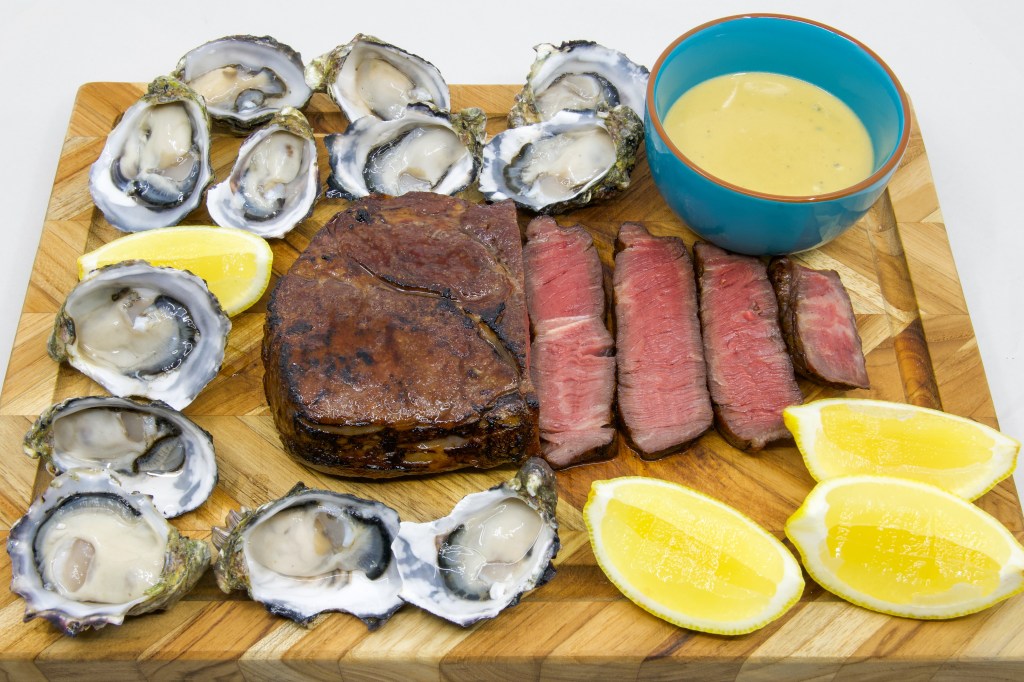
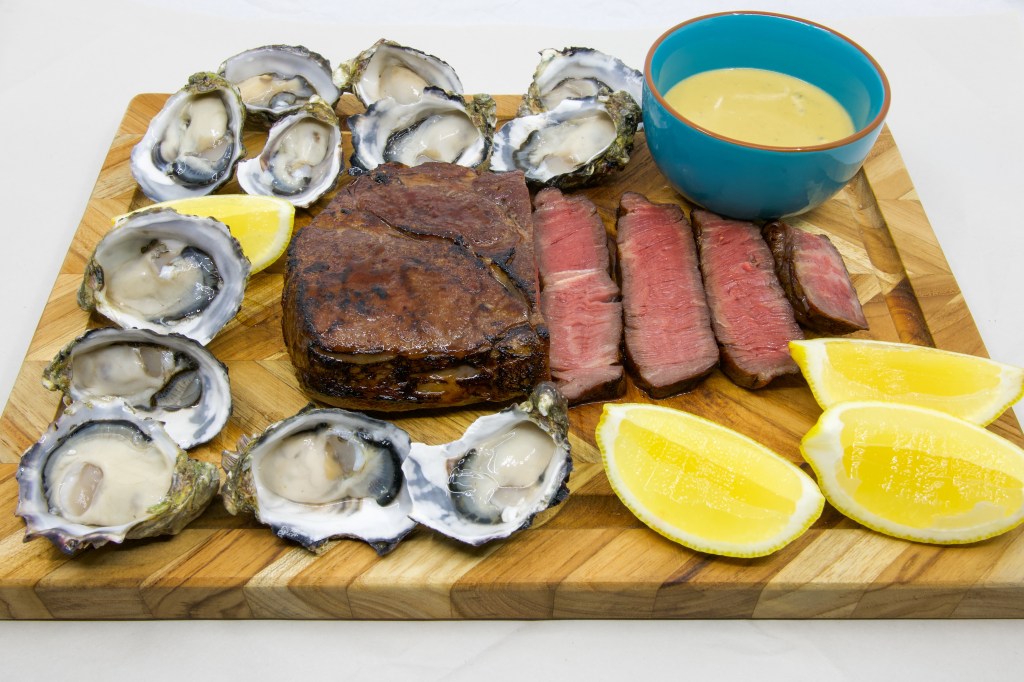
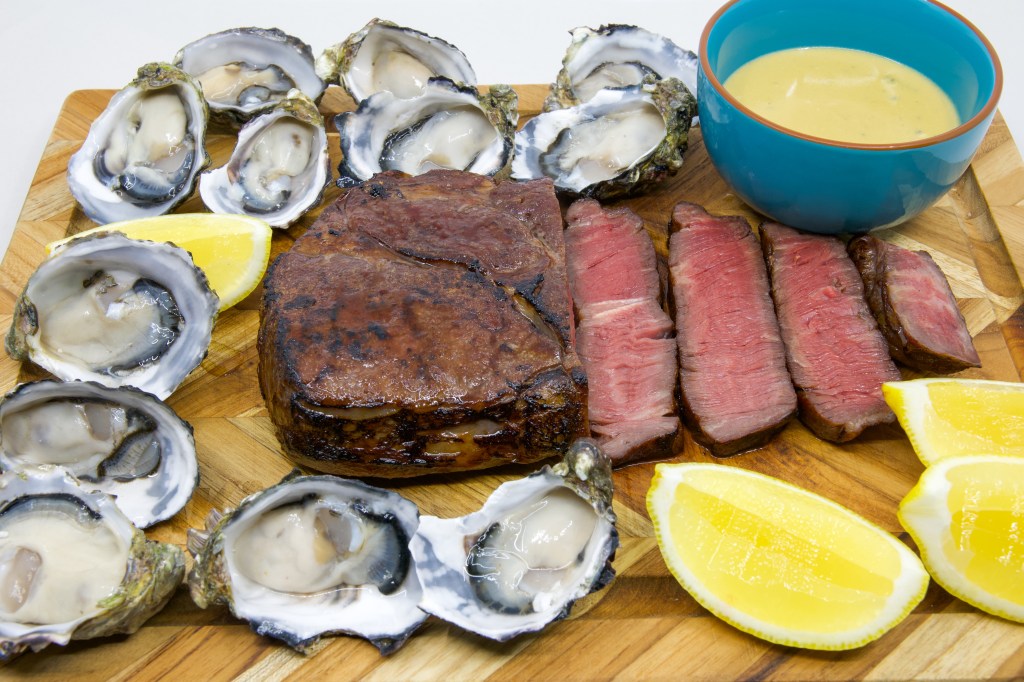
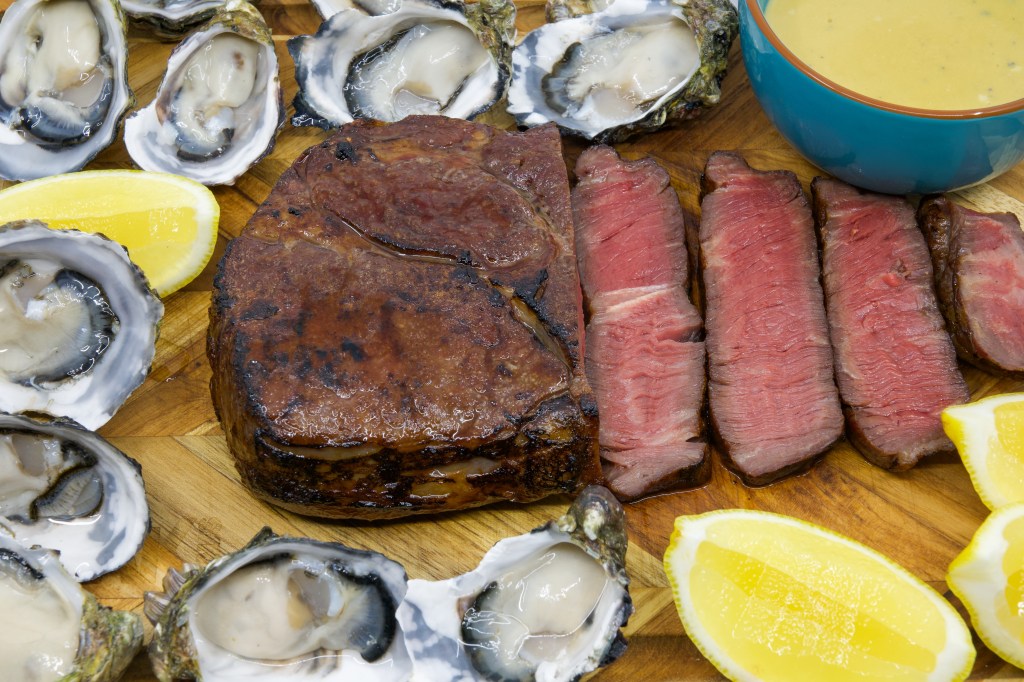
    To make the sauce I used grass-fed butter, cream, cream cheese, blue vein cheese, and Vegemite. It was amazing with both the oysters and the steak.

    Medium rare grass-fed scotch fillet steak with a dozen fresh oysters and the most umami Vegemite blue vein cheese sauce.

  • Whipped Vegemite butter

    Whipped Vegemite butter


    Last week on the Lunchbox Envy podcast, the theme was spreads. The hosts made disparaging comments about an Australian food product.

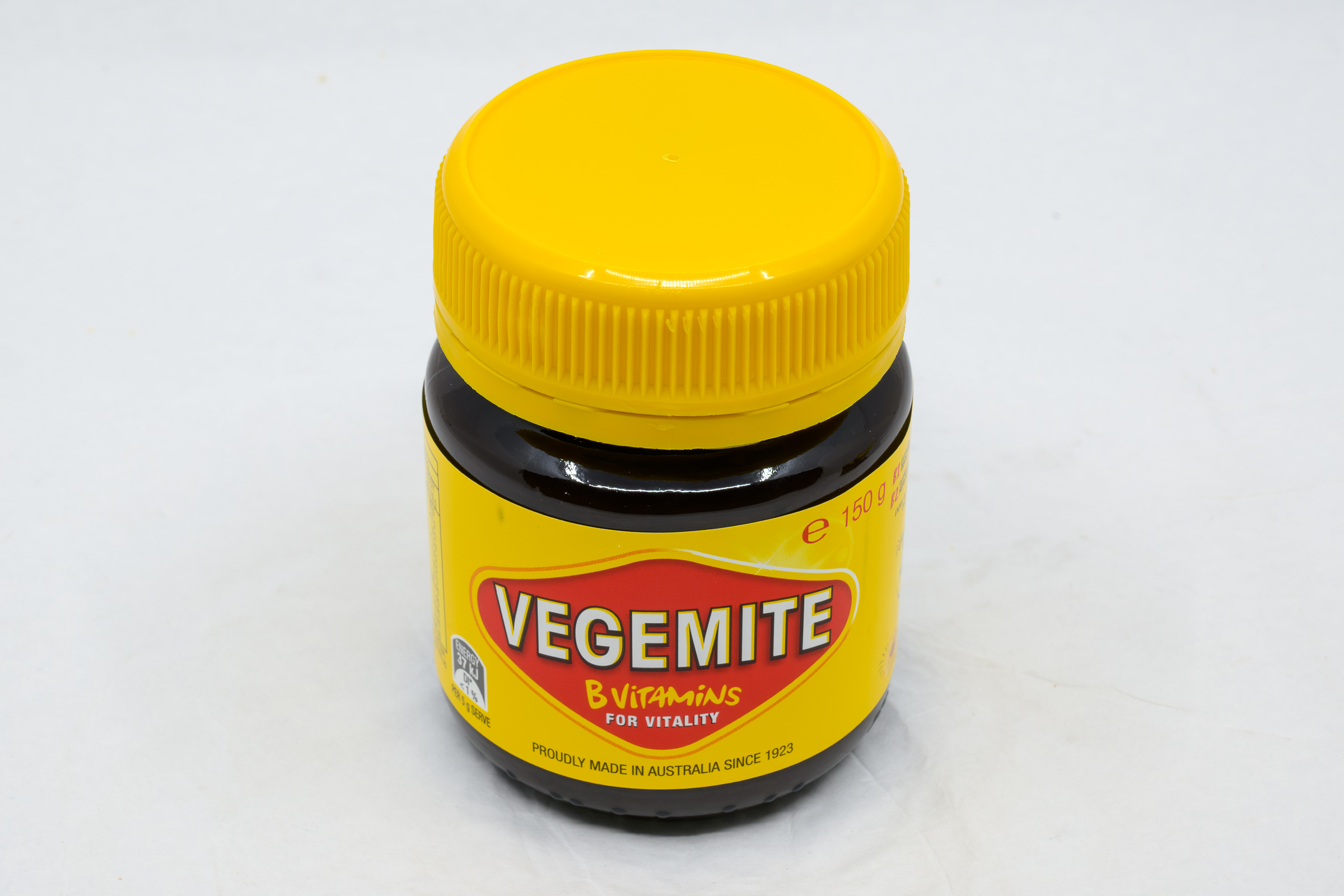
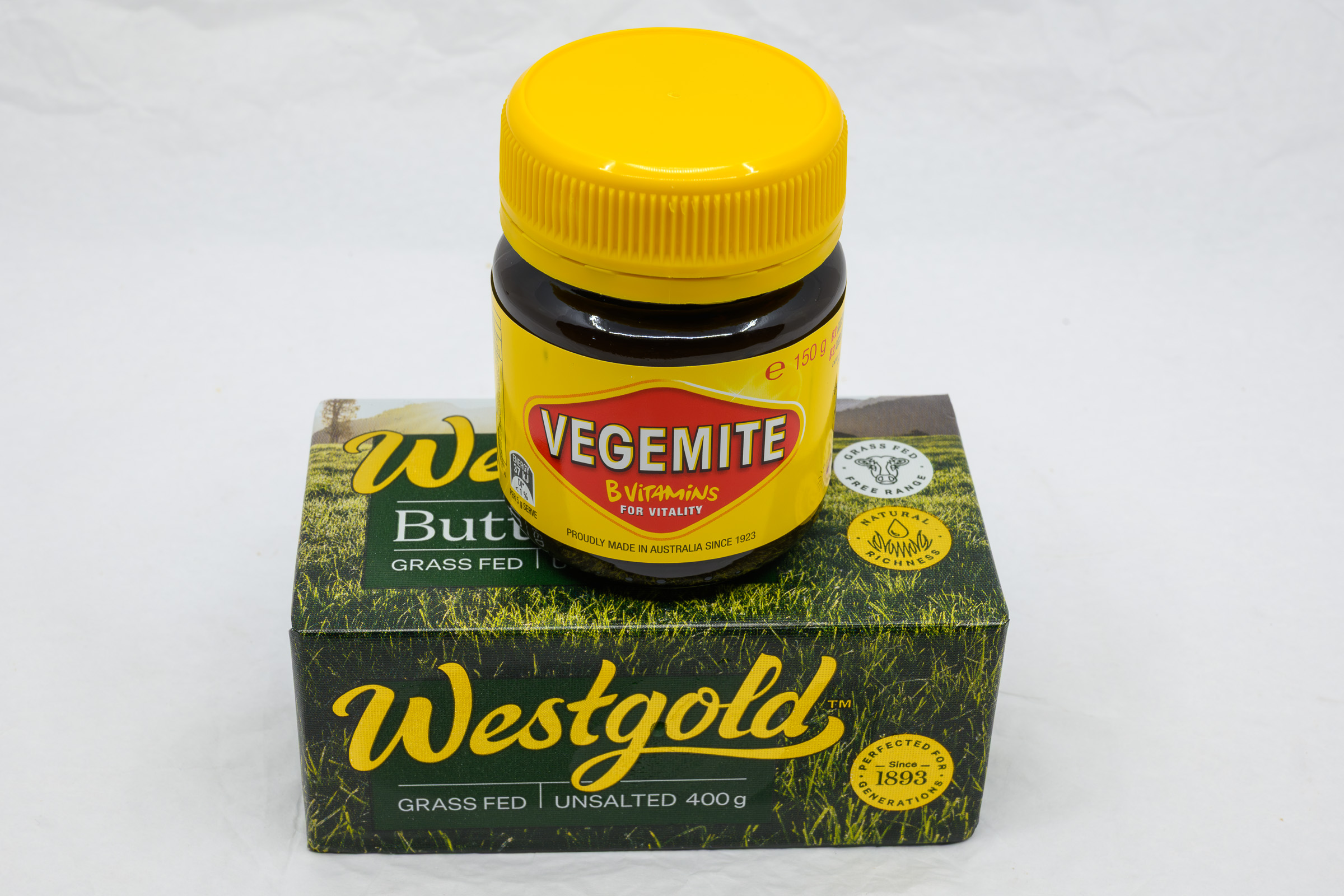
    It inspired me to make whipped Vegemite[i] butter using products from Australia and New Zealand.

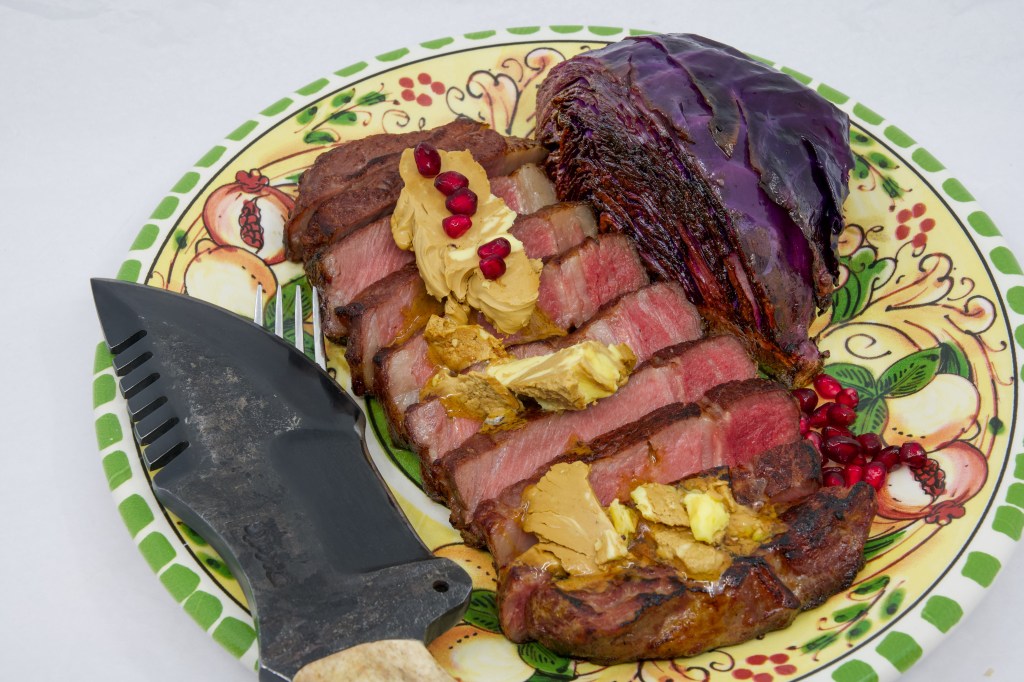
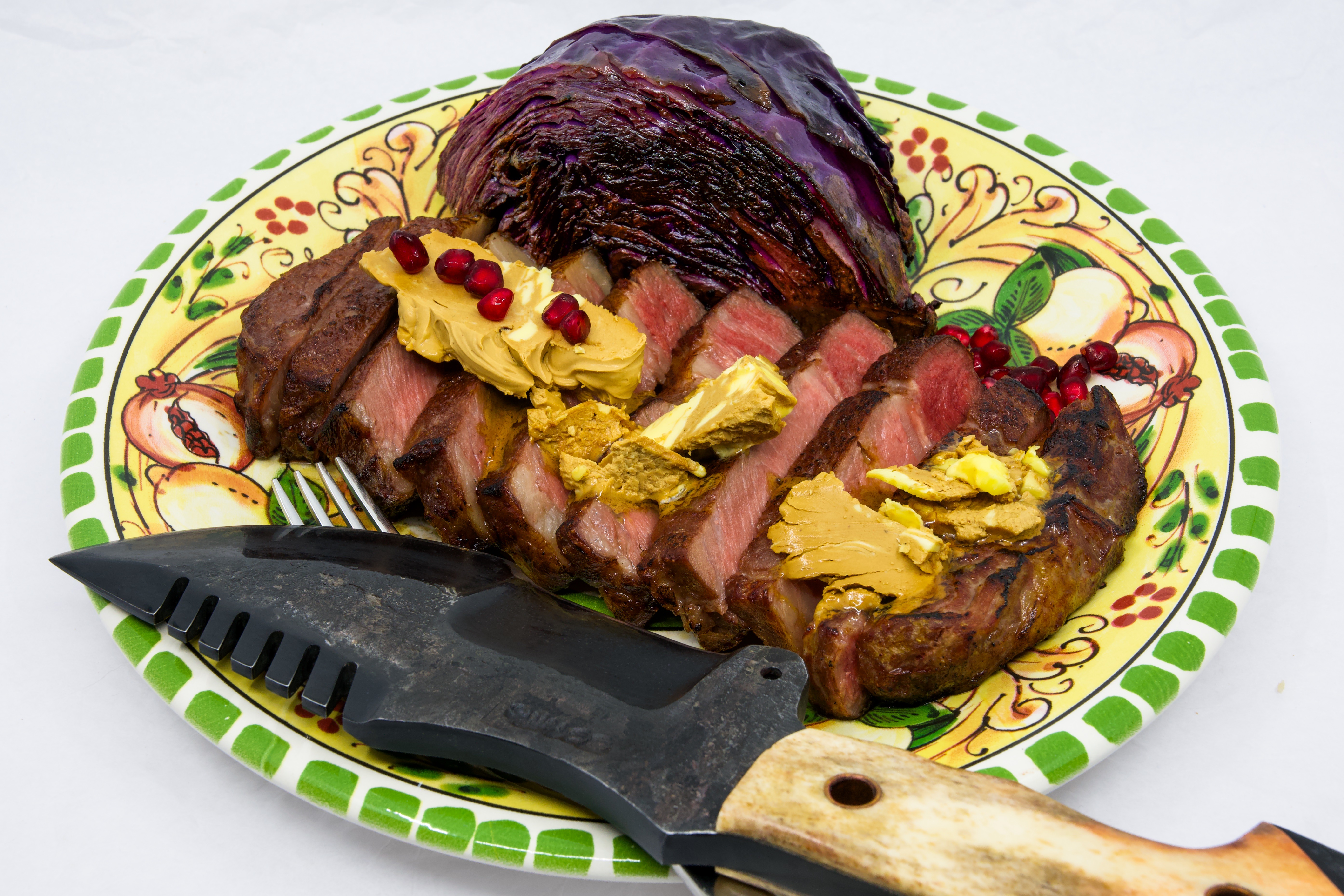
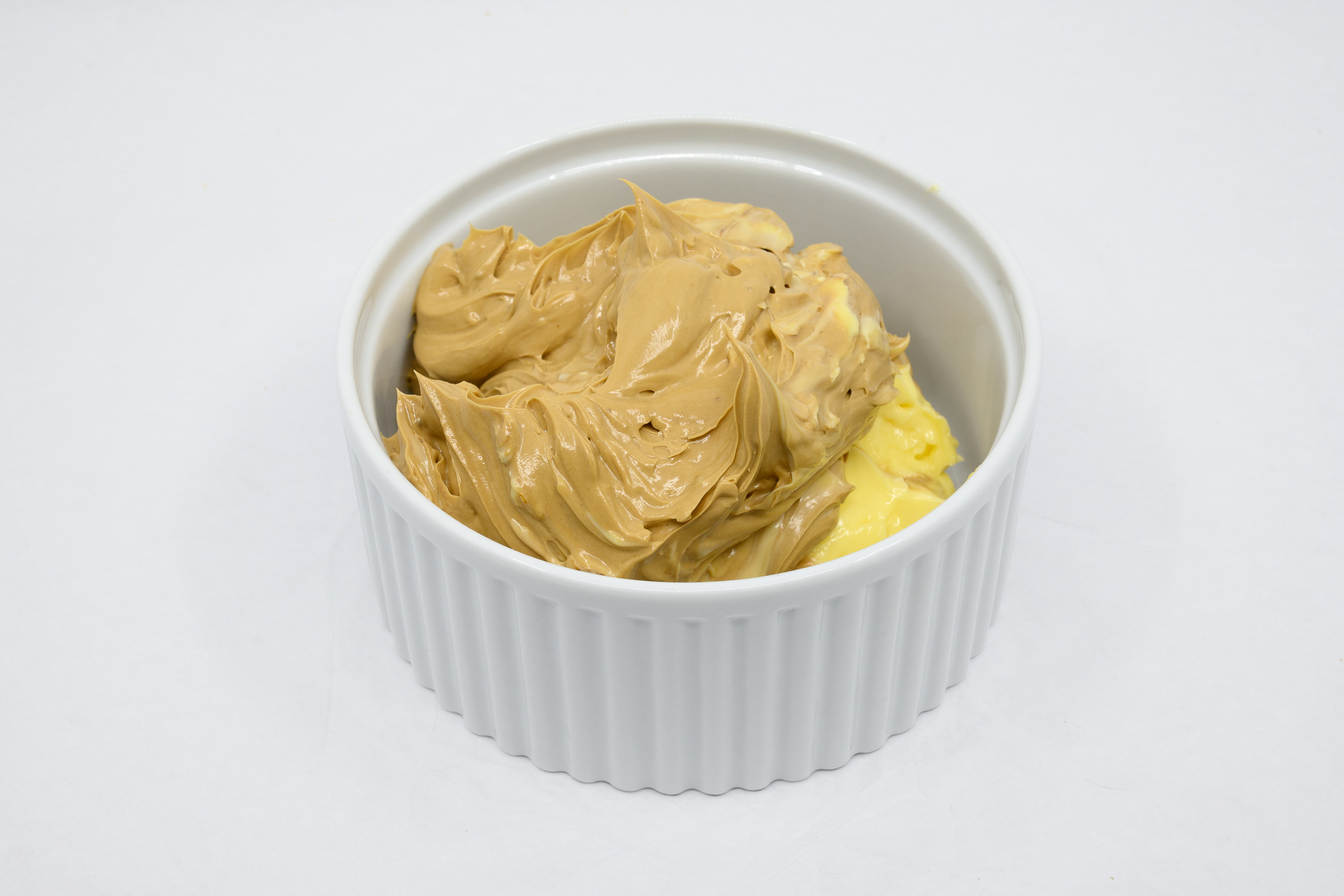
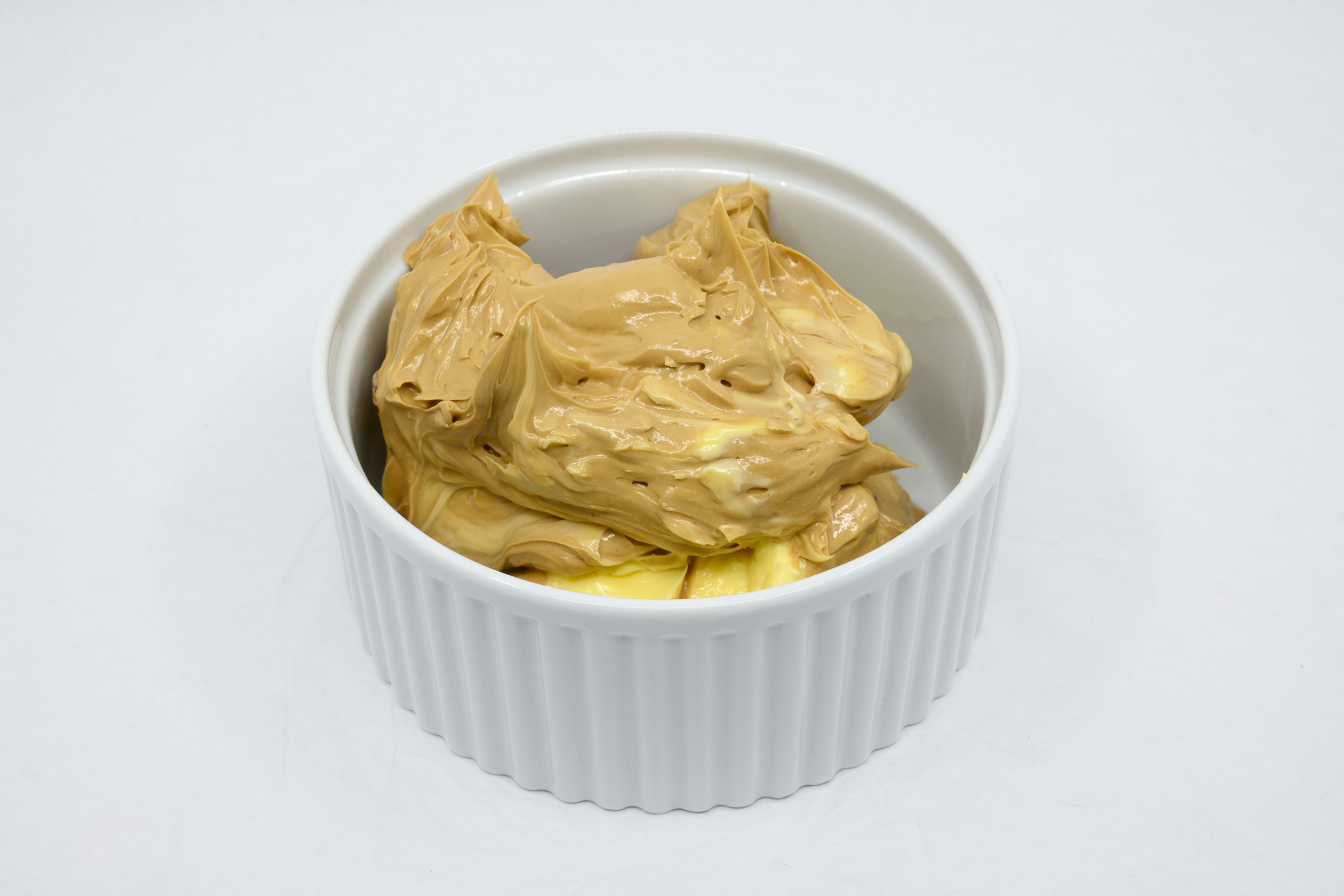
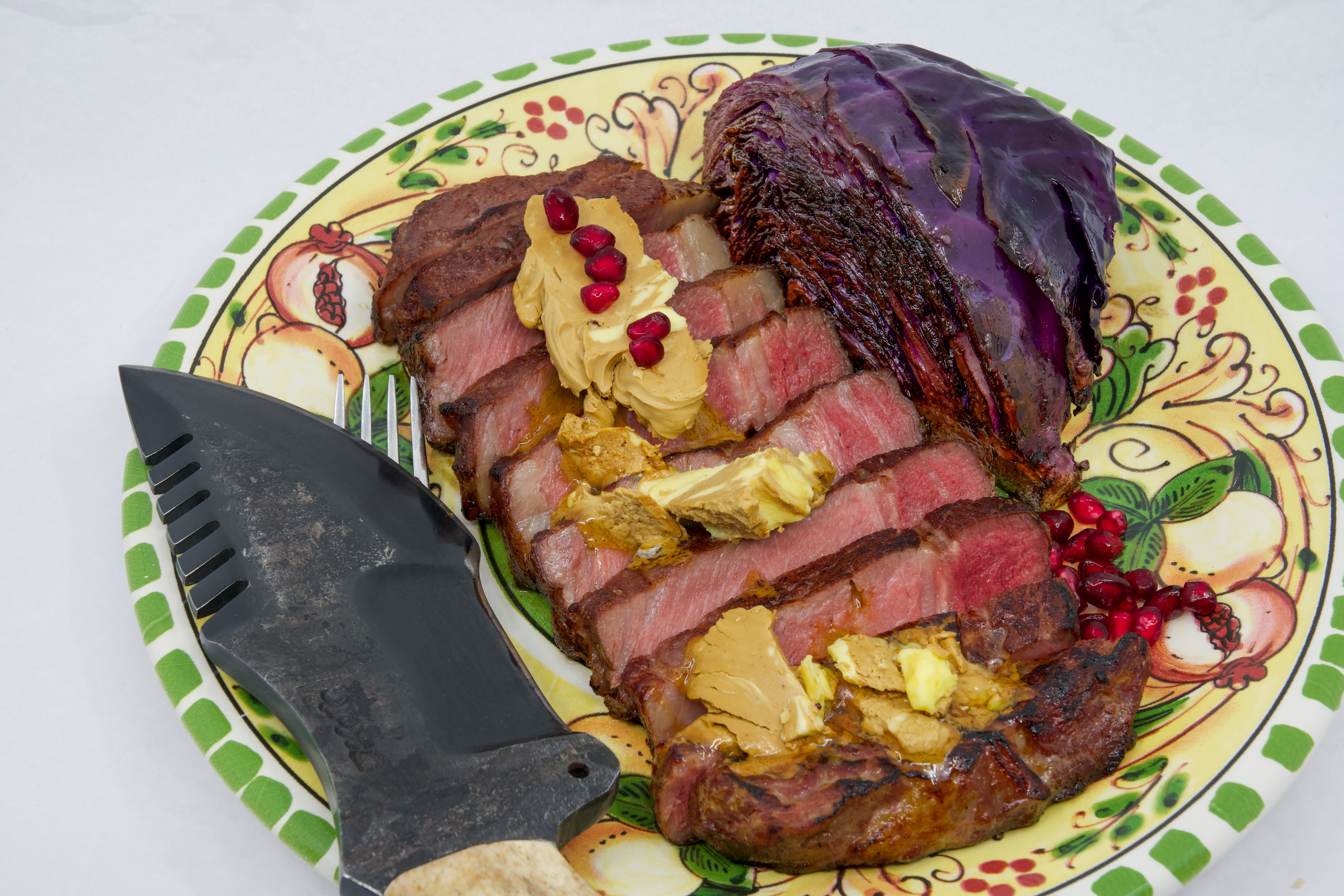
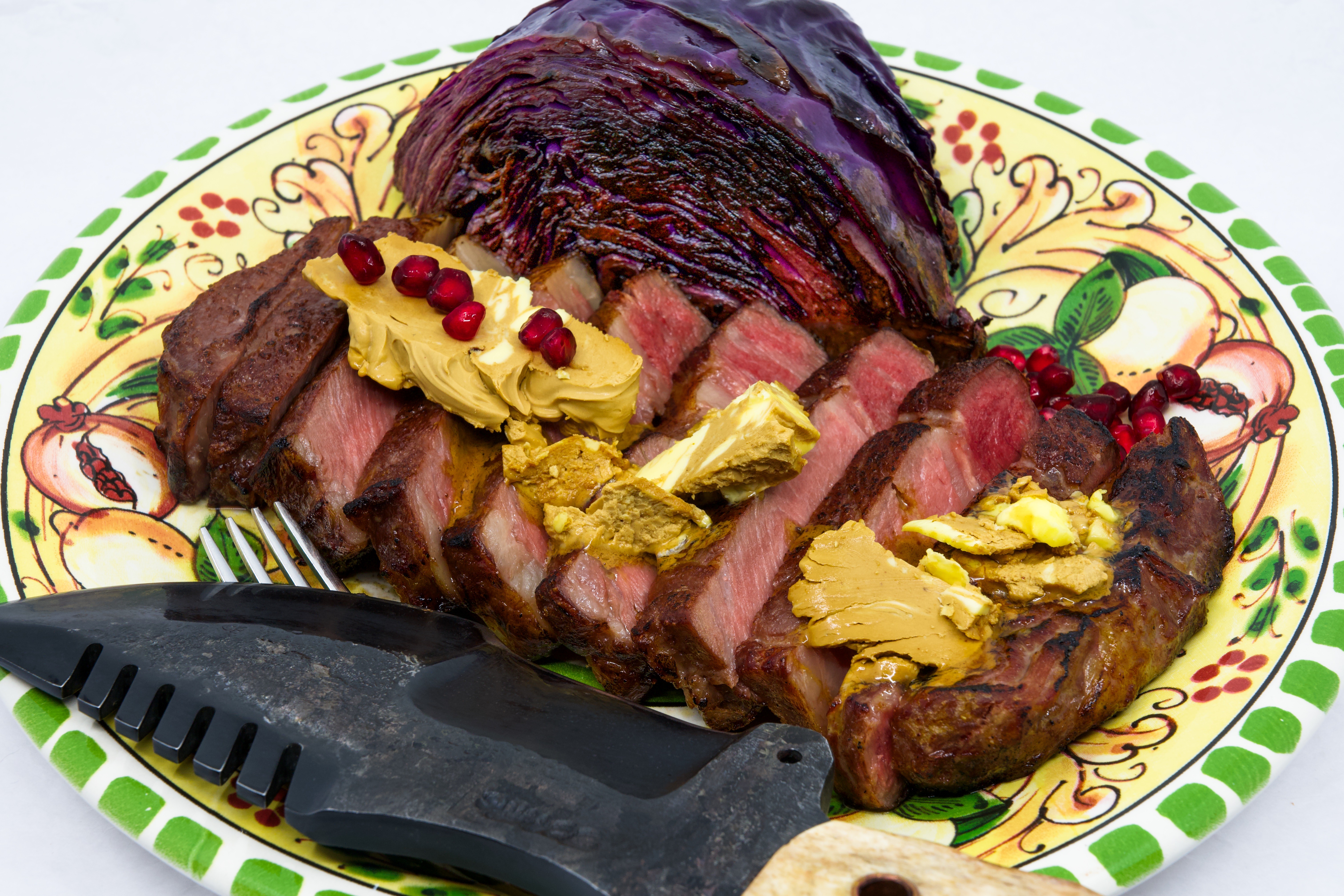
    Grass-fed scotch fillet steak, red cabbage, whipped Vegemite butter, and pomegranate arils

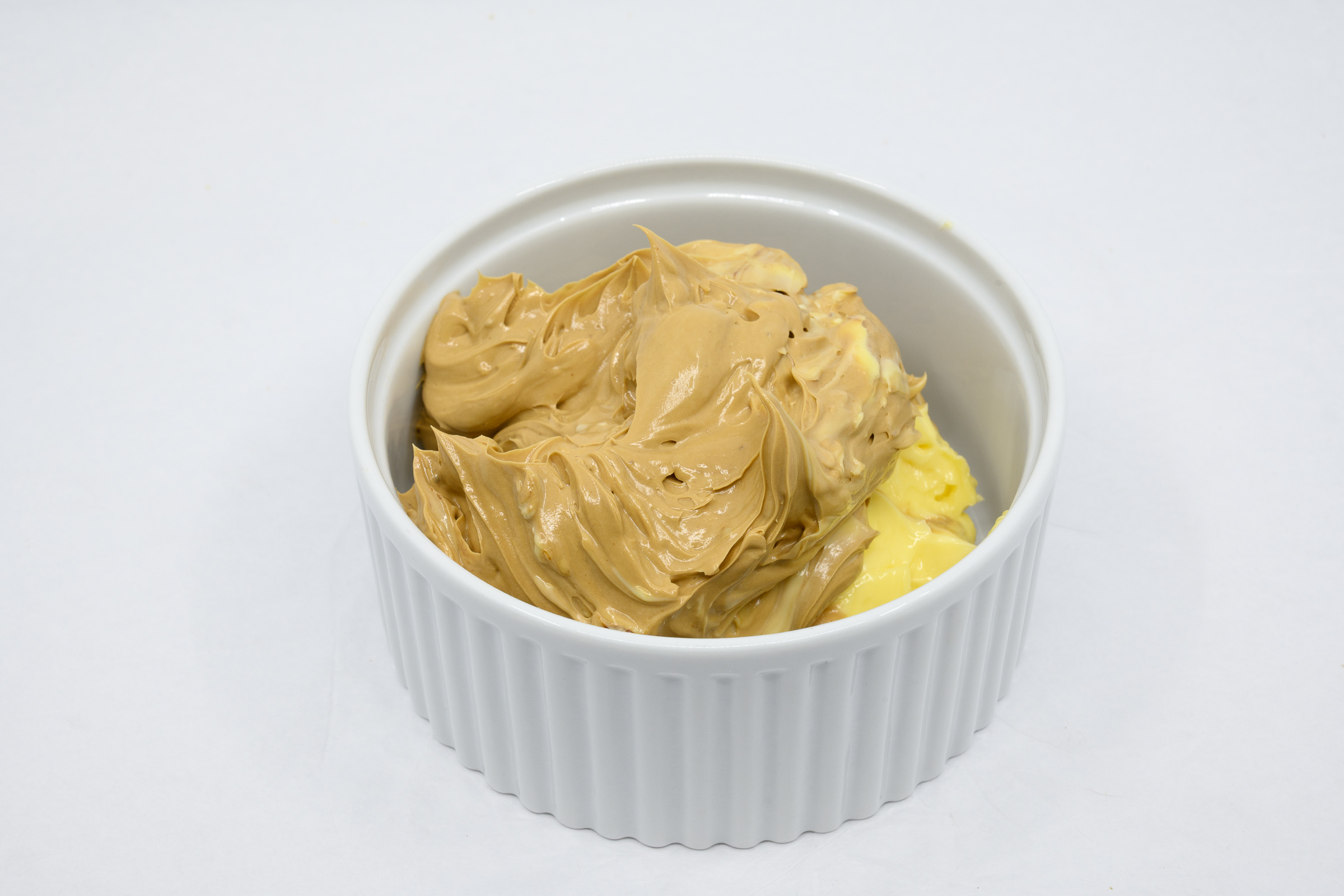
    It was easy to make; it just took a few hours for the butter to soften enough to whip into a light, fluffy butter cream. I was surprised by how little Vegemite was needed to alter the colour and turn the whipped butter into a mousse-like, sweet, chocolate-coloured dessert. Instead, I had a light and fluffy bowl of umami goodness. In my mind, I thought it would be perfect to spread on steak.

    Recipe

    Whipped Vegemite butter

    Ingredients

    • Butter — 200 g
    • Vegemite — 1 teaspoon

    Equipment

    • Hand-held mixer

    Instructions

    1. Allow the butter to get to room temperature.
    2. Place the butter in a bowl and, with a hand-held mixer, whip it until light, fluffy, and well aerated.
    3. Add the teaspoon of Vegemite and continue whipping the Vegemite butter.

    Steak

    Ingredients

    • Grass-fed scotch fillet steak
    • Red cabbage

    Equipment

    • Water bath
    • Precision cooker
    • Hooded barbecue grill
    • Gas torch

    Instructions

    • Cook the steak in the water bath for 2 hours at 57 °C.
    • Heat the hooded barbecue and plate the cabbage on the cast-iron flat-top.
    • Sear the steak on the cast-iron flat-top on the barbecue.
    • Serve the steak with the whipped Vegemite butter.

    Dessert — A scone alternative

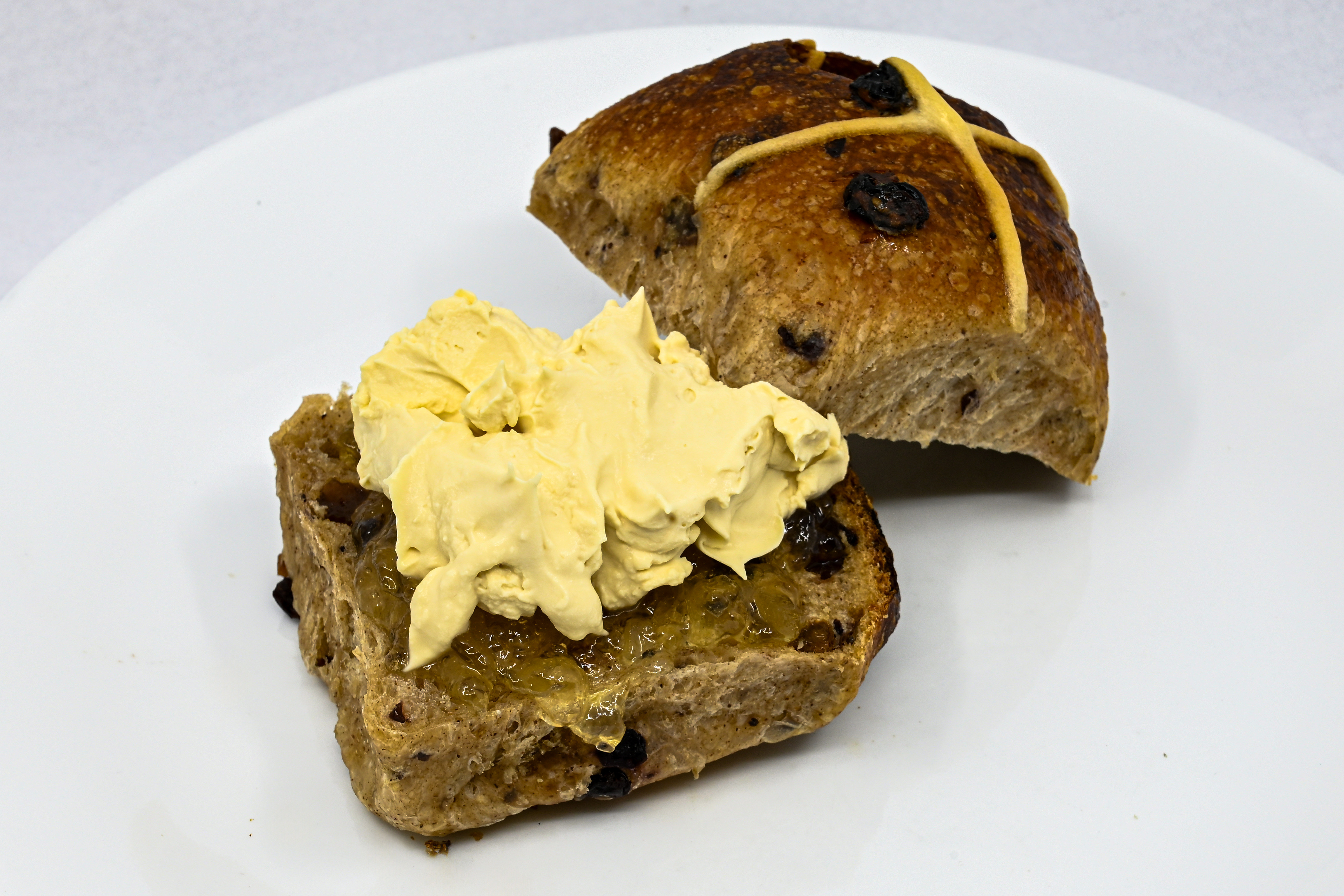
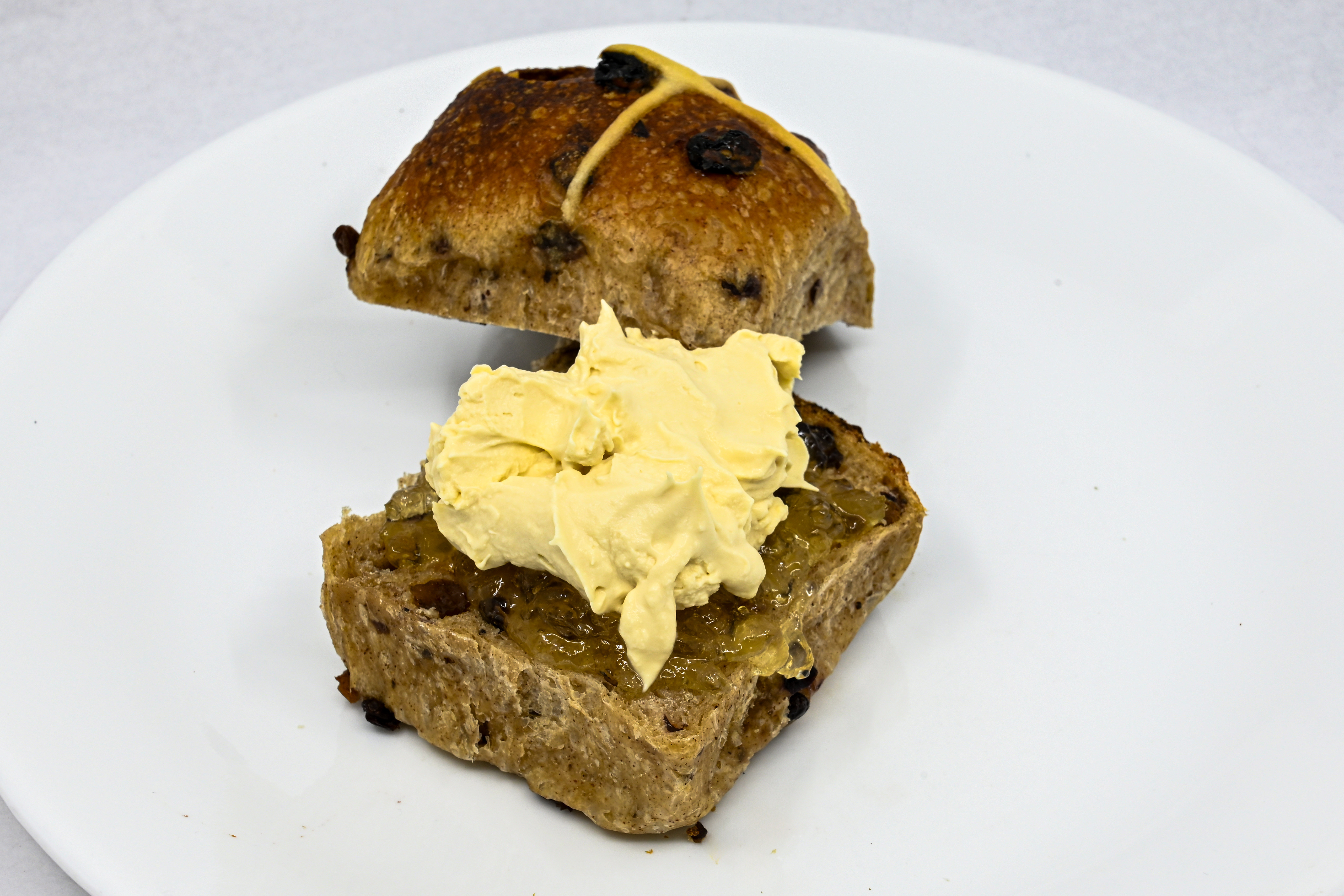
    A sourdough hot cross bun with fruit is a great alternative to a scone. The cream was whipped pure-pouring Cream (300 mL), and the “jam” was Ginger Marmalade (365 g). Marmalade also featured on the “spreads” episode of the Lunchbox Envy podcast.

    This is my version of a “Devonshire tea,” only it is a dessert.

    Photographs

    including previous meals with the whipped Vegemite butter.

    Vegemite love

    When I was in primary school, I used to eat Vegemite sandwiches every day for a year, and the following year I’d alternate with peanut paste sandwiches.


    [i] Vegemite is one of Australia’s most iconic flavours, born in the early 1920s when chemist Cyril Callister set out to create a local alternative to British Marmite. Developed in 1922 and first sold in 1923, it was originally called Pure Vegetable Extract before a naming competition produced the now‑famous “Vegemite.” Although it took time to win over Australian households, wartime shortages of imported goods helped it become a national staple, and it has remained deeply woven into Australian food culture ever since.

    At its core, Vegemite is made from leftover brewer’s yeast extract—a by‑product of beer production—combined with vegetable extracts, salt, and malt extract. The yeast undergoes autolysis, a process that breaks down the cells and concentrates the savoury, umami‑rich liquid that gives Vegemite its signature flavour. This mixture is then blended into a thick, dark brown paste with a consistency similar to firm jelly. The exact vegetable extract blend remains a closely guarded secret, but the result is unmistakable: salty, slightly bitter, deeply savoury, and intensely aromatic.

    Nutritionally, Vegemite is surprisingly dense for such a small serving. A teaspoon delivers around 1.3 grams of protein with minimal fat and carbohydrates, making it extremely low in calories. Its standout feature is its B‑vitamin content—thiamine (B1), riboflavin (B2), niacin (B3), and folate (B9) are all present in significant amounts, with some versions also fortified with vitamins B6 and B12. These micronutrients support energy metabolism and overall wellbeing, which is part of why Vegemite was historically marketed as a health food. The only caution is its naturally high sodium content, though reduced‑salt varieties are now available.

  • Rump steak, honey fig, and spicy cheese sauce

    Rump steak, honey fig, and spicy cheese sauce


    Several weeks have passed since my previous post. Recently, my meals have predominantly consisted of beef and lamb, with occasional salmon.

    I have also appreciated the favourable weather conditions and the opportunity for outdoor cooking. However, in my case, this primarily involves using the cast-iron flat top on my Weber Q+ barbecue.

    It’s a long weekend, however, with the current heatwave, I think I’ll spend the gazetted public holiday working in the office. One of the benefits will be uncongested roads and good traffic flow.

    What else have I been doing?

    Apart from work, with new responsibilities and a larger span of control, I have been finding joy in watching Star Trek on my television.

    Rather than rewatching old shows, I have been watching Star Trek: Discovery (ST: DIS), Star Trek: Strange New Worlds (ST: SNW), and Star Trek: Picard (ST: PIC).

    Since the original series (ST: TOS), Star Trek, through the vision of Gene Roddenberry, has advanced diversity, equity, and inclusion[i] (DEI) as a key foundation for the stories.

    DEI is more evident in the three shows I have recently watched. The creators thrust DEI on viewers, and I know that in online forums, the “in your face” approach has upset many people who prefer subtlety over bluntness. I thought it was fine and not over the top. It reflects the society we know now.

    Among these new Star Trek iterations, ST: SNW is the standout success (in my opinion). It was fun, with loads of whimsy and humour. The characters were fantastic and the acting superb. On the other hand, in ST: DIS, I liked the darker, edgier characters for their realism, while most of the characters and their actors were simply annoying. Who would have thought I would enjoy Jason Issacs playing Captain Lorca after his portrayal of Lucius Malfoy in the films adapted from JK Rowling’s Harry Potter book series? Michelle Yeoh is also stellar in her roles. Burnham, Book, and Tilly were the most annoying characters. If they had been “killed off” by the writers, I would not have minded.

    The enjoyment with ST: PIC was familiarity with characters and actors from Star Trek: The Next Generation (ST: TNG), plus the addition of characters from other series around that time. I am thinking of Seven of Nine, played by Jeri Ryan from Star Trek: Voyager (ST: VOY) and cameos from other characters from ST: VOY and Star Trek: Deep Space Nine (ST: DS9). I particularly enjoyed Commander Worf (played by Michael Dorn) and the change in his character. The humorous quips and his marriage of Klingon warrior philosophy[ii] with pacifism[iii] are welcome changes.

    If you grew up with Star Trek and enjoy watching it, I highly recommend these new series. I will also watch Star Trek: Lower Decks and Star Trek Academy at some stage. Of the three series I have just watched, I can see myself happily rewatching ST: SNW and ST: PIC but not ST: DIS.

    Do you like Star Trek? Tell me what you think?

    Tonight’s meal

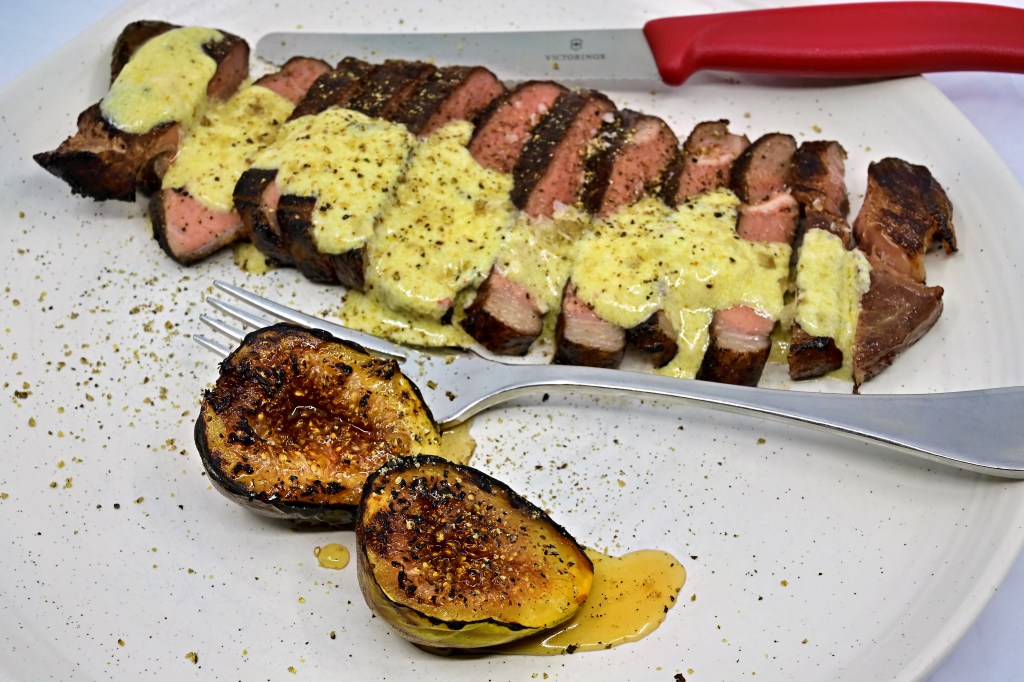
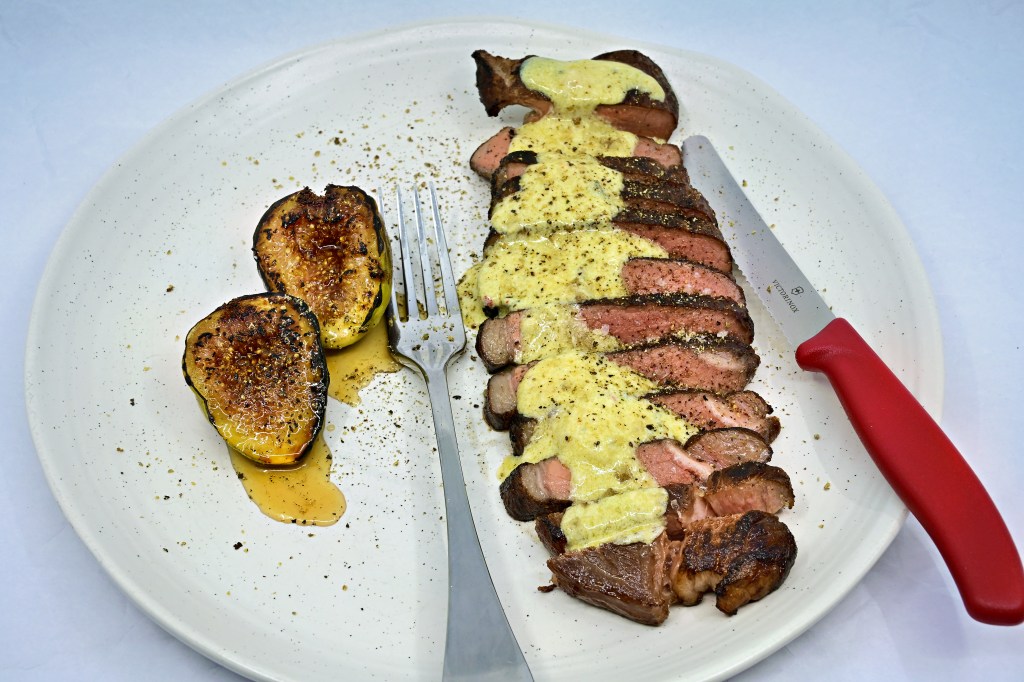
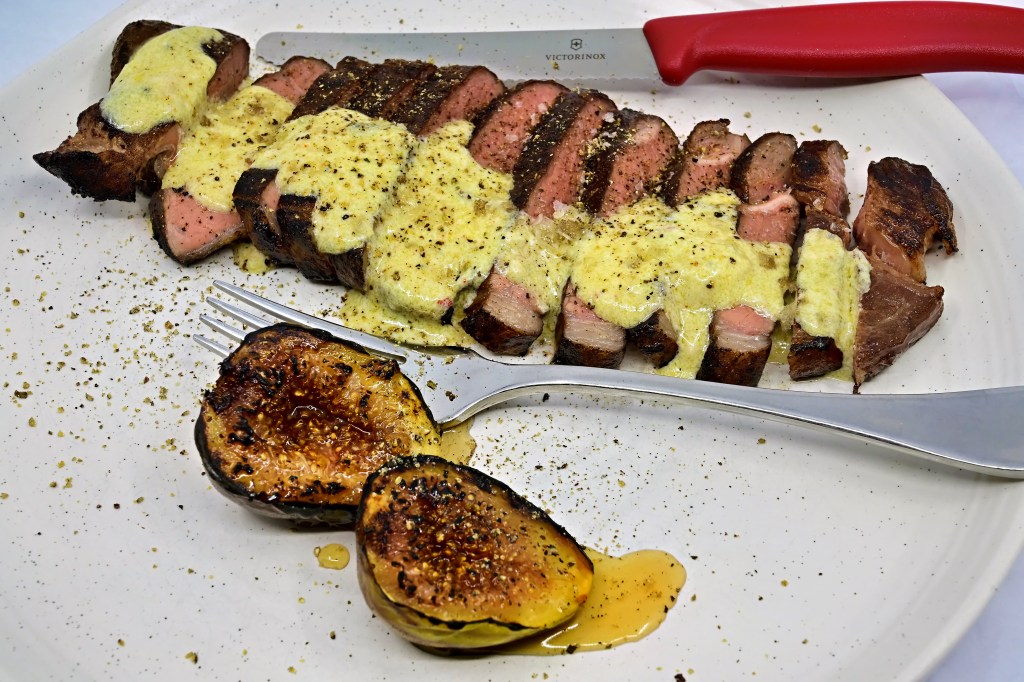
    Rump steak with spicy blue vein cheese sauce and honey-drizzled fresh fig.

    I know I do not eat a lot of fruit, but when in season, I do enjoy some fruits, like Bowen mangoes and figs. I saw some figs in the supermarket yesterday and bought a couple. At $AUD1.50 each, I should have just bought one.

    I also do not use many spices these days. My preference is to focus on the flavour of the main primary produce I am eating. The jalapeño-spiced blue-vein cheese was a concession so I could try it.

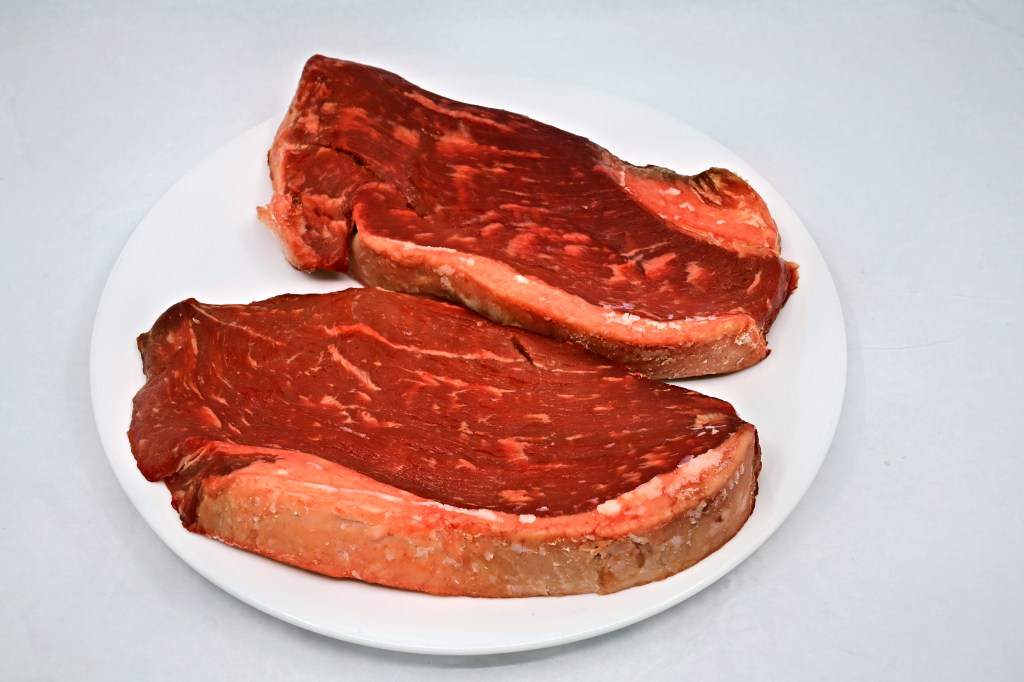
    Rump steak

    I cooked the steak in a water bath at 57 °C for 2 hours. I then seared the steak on a hot cast-iron flat top on my barbecue and augmented the sear with a gas torch.

    Cheese sauce

    I gently mixed butter, cream, cream cheese, and jalapeño-spiced blue-vein cheese in a small saucepan over low heat until it formed a sauce.

    Fig

    I washed the fig and then halved it. I warmed and coloured the cut surface on a hot cast-iron flat top in my barbecue. I drizzled some honey over the fig halves. I do not clean the flat top after each use, and I enjoy the crusty flavours that result from many layers of meat and fat.

    Photographs

    Thoughts on the meal

    Do you like figs? I enjoy eating them. The steak was cooked how I like it, and the spicy jalapeño blue vein cheese sauce added a hot and savoury flavour to the sweetness of the fig and honey.

    I thought the meal was nicely balanced. I’d happily eat this again. Given I have another rump steak and another fig, it’s likely to happen again soon. 😉

    Now watching

    After dinner, I’ll watch some “Tulsa King,” a television show starring Sylvester Stallone. Stallone plays an Italian mafia “capo[iv]” after being released from a 25-year prison term.


    [i] Diversity, equity, and inclusion (DEI) are interconnected principles that guide efforts to create fair, respectful, and welcoming environments—especially in workplaces, schools, and communities.

    [ii] Klingon warrior philosophy, as portrayed in Star Trek, revolves around honour, courage, and an unflinching acceptance of mortality. Strength—both physical and moral—is seen as the core of a meaningful life, and warriors are expected to face challenges directly rather than avoid them. Honour in battle, loyalty to one’s house and comrades, and a willingness to die gloriously rather than live without integrity define the Klingon worldview. It’s a culture that treats conflict not as something to fear, but as the crucible in which character is proven.

    [iii] Pacifism is the belief that violence and war are morally wrong and should be avoided in favour of peaceful methods of resolving conflict. At its core, it holds that human life and dignity are best protected through non‑violent action—whether that’s negotiation, protest, civil resistance, or other peaceful strategies. Some pacifists reject all forms of violence, while others allow for limited self‑defence but still see non‑violence as the ethical ideal.

    [iv] A mafia capo—short for caporegime or capodecina—is a mid‑level leader in an organised crime family. Think of the structure like a hierarchy, and the capo sits right in the middle.