Two meals a day

·

This is not health advice.

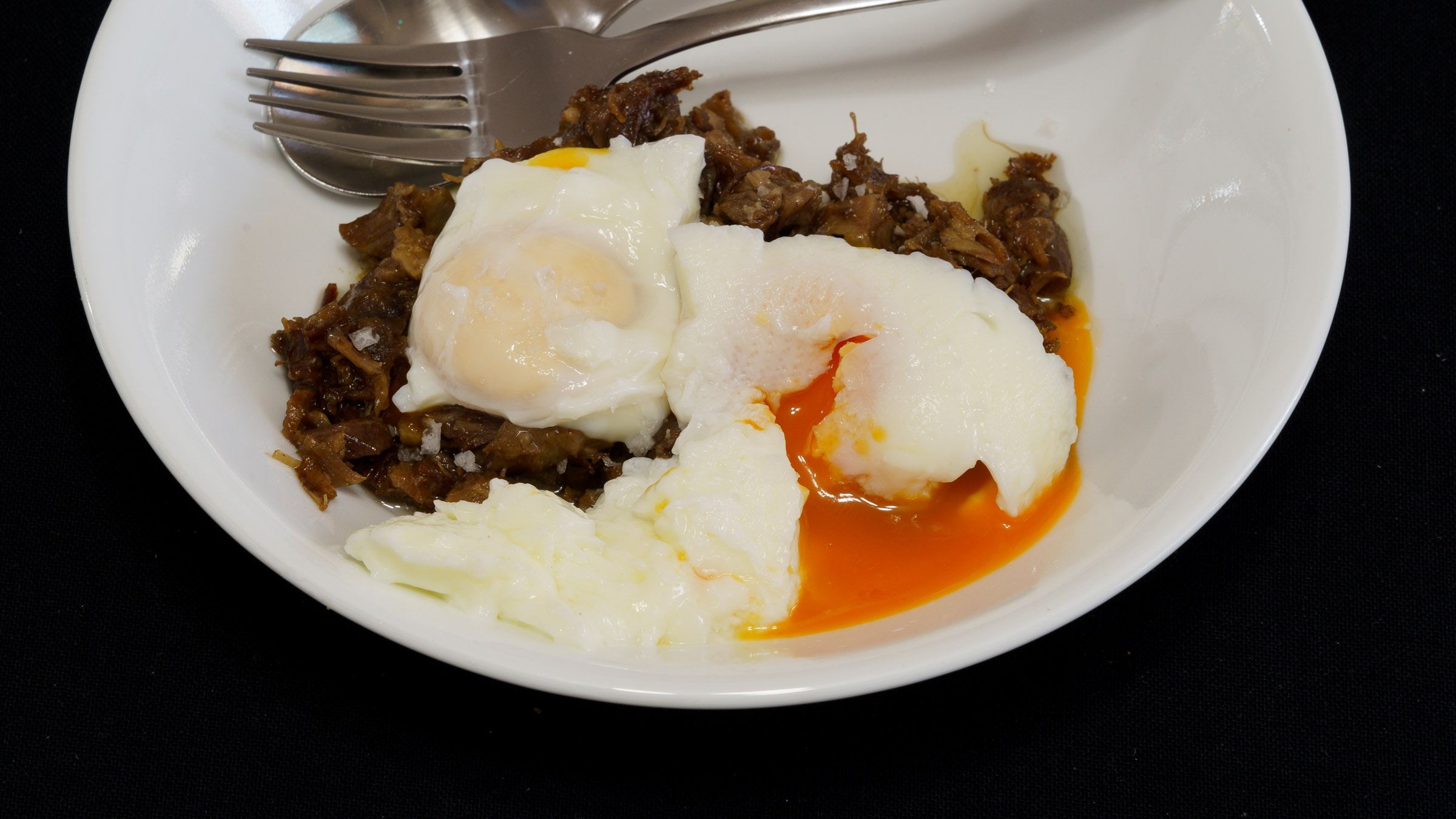
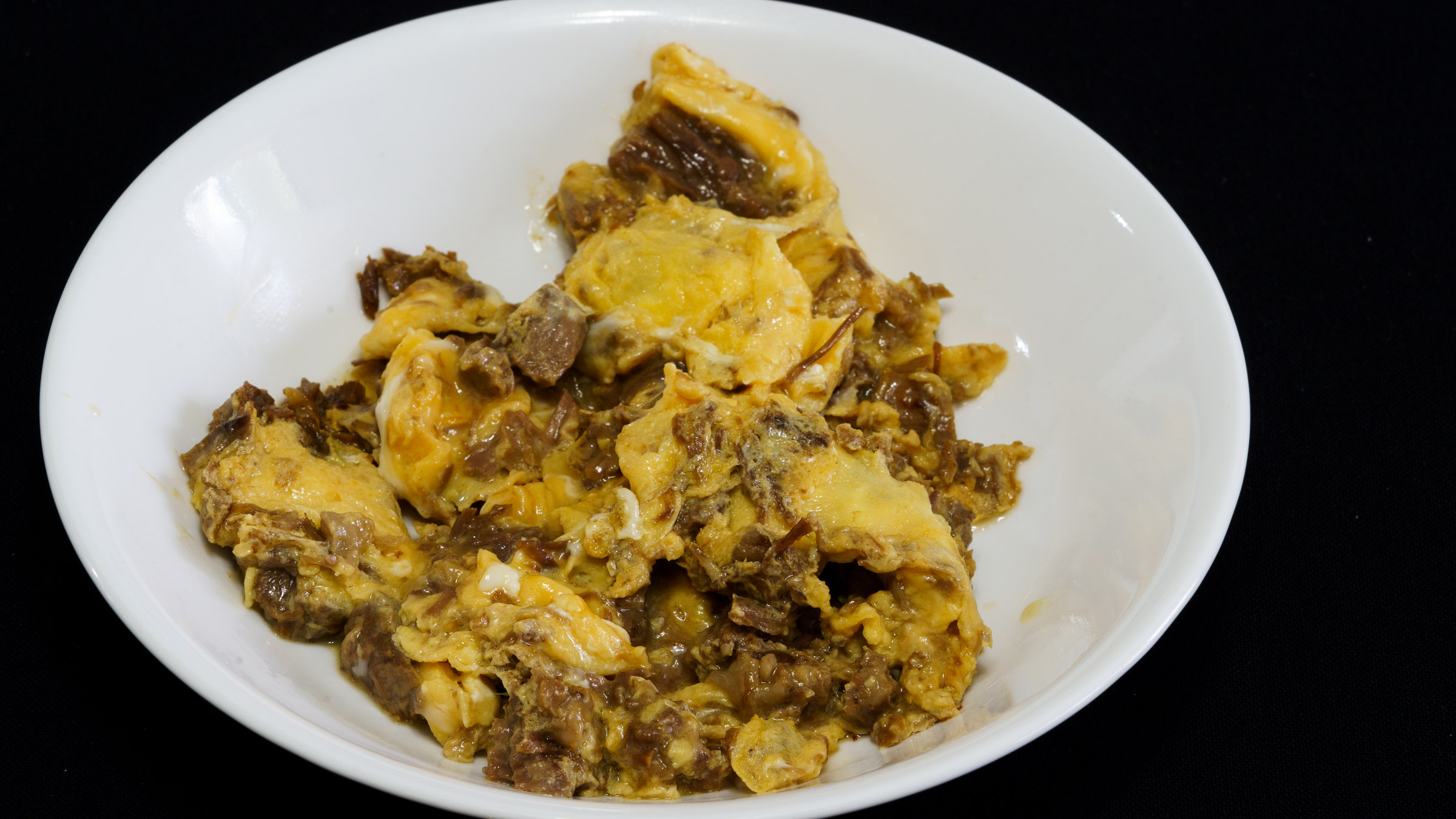
Last Saturday, I woke up and didn’t feel like making or eating breakfast. I usually have scrambled eggs every morning. I beat two or three eggs and cooked them in butter (or lamb fat). I’ve been doing this almost every morning for more than a year.

Rather than making and eating eggs, I decided to let it go and see when I felt hungry. It turns out that I didn’t feel the need to eat until about lunchtime. On Sunday morning, I woke up and asked myself, “Do I feel hungry and need to eat?” In my head, I answered, “No.”

I’ve been content cooking and eating two meals daily for the last week.

I’ve always adhered to the adage that breakfast is the most important meal of the day, believing it would set me up for the day. I was so firm that I would wake an hour earlier to make breakfast if I had an early morning flight. I believed that it was best to ensure I had breakfast in my belly.

I don’t think this approach would have been possible before I restarted a low-carbohydrate diet. I feel sated after protein and fat, and I know if I indulge in a meal with a significant carbohydrate load, I won’t be satisfied.

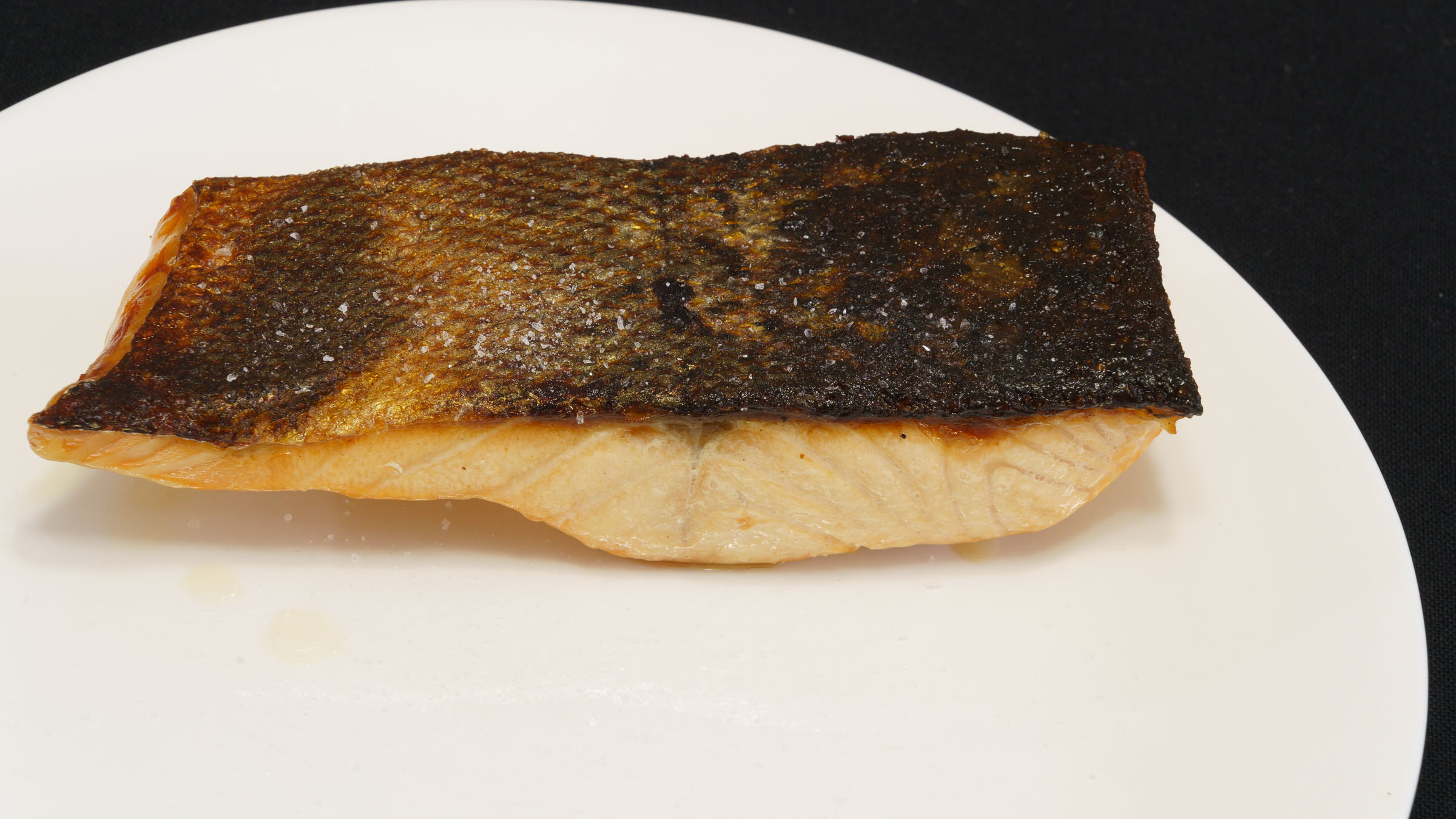
For the last week, I’ve been eating meat. It’s either beef or lamb. One day, I ate a fillet of salmon.

Will I continue this? I don’t know. If I feel hungry, I will cook and eat.
What are the advantages of eating two meals a day in the context of a low-carbohydrate diet?

This is not health advice.

In recent years, the popularity of low-carbohydrate diets has risen, driven by claims of weight loss, metabolic health, and overall well-being. While traditional meal patterns often revolve around three meals a day, there is an emerging trend for reducing this to just two meals. In the context of a low-carbohydrate diet, this approach offers some advantages, ranging from metabolic flexibility to convenience.

Metabolic Flexibility

Metabolic flexibility is the ability to switch between burning carbohydrates and fats for energy. By consuming two meals a day, especially with a low-carbohydrate diet, metabolic flexibility ensues. With reduced carbohydrate intake, the body relies more on fat oxidation for energy, which can improve insulin sensitivity. This dietary pattern also encourages the utilisation of stored fat.

Improved Appetite Regulation

Eating two meals a day can lead to better appetite control. Low-carbohydrate diets are often associated with increased satiety due to their higher protein and fat content. When meals are balanced and nutrient-dense, individuals are less likely to experience frequent hunger and cravings. This can help to reduce caloric intake. Longer periods between meals may positively influence hormones such as ghrelin and leptin, which have roles in hunger and fullness signals.

Simplified Meal Planning and Preparation

One of the practical benefits of eating two meals a day is the simplification of meal planning and preparation. Reducing the number of meals can save time and effort. It allows for more focus on creating meals without the constant need to snack or prepare multiple dishes throughout the day.

Potential for Improved Digestive Health

Frequent meals and snacks place a burden on the digestive system, leading to bloating, indigestion, and irregular bowel movements. By consolidating food intake into two main meals, the digestive system is given adequate time to rest and recover between meals. This can contribute to digestive efficiency. Moreover, low-carbohydrate diets emphasise whole, unprocessed foods, which are gut-friendly and less likely to cause digestive distress.

Better Blood Sugar Control

Maintaining stable blood sugar levels is a key goal. Eating two meals a day can help to achieve this by reducing the frequency of blood sugar peaks and troughs associated with more frequent eating. Lower carbohydrate intake minimises the need for insulin, and longer periods of fasting between meals contribute to blood sugar regulation.

This is not health advice.

Yummy Lummy 2.0

Comments

13 responses to “Two meals a day”

  1. Jeff the Chef Avatar

    I always take nutrition advice with a grain of salt. And that’s one of the reasons I like this post so much, Gary! It’s like all the rest of the functions of your body – like sex, or sleep. If you’re open-minded and reflective, you’ll discover what you seem to want. But then you have to balance that with what you’d prefer. And then society of course wants to tell you what you want and what you should prefer, and you have to balance that against being true to yourself. Knowledge is key in all of those things. To me, it sounds like you’re aware of all of this, and are choosing your best path!

    Like you, I’m also not hungry when I wake up. I can eat, but I’m not hungry. That’s the natural part. What I’ve noticed, though, is that if I go too long without eating, then I suddenly become ravenous and will overeat. So I’ve taken to gradually introducing my body to food every day. Every couple of hours, I eat a little something – very, very small. And then when I get hungry – usually in the early afternoon – I find that a nice, light meal satisfies me. Then I like a bit more substantial of a meal later in the day. So, that’s basically a two-meal day, and I’ve been doing this for quite some time, and I think I’m pretty healthy and happy.

    Like

    1. Gary Avatar

      Sounds like your approach is working for you Jeff.
      Imagine if more people simply ate simply and only when they felt hungry and just enough to satisfy hunger. So much waste would be avoided.

      Like

  2. Gail Avatar

    As I’ve grown older, I find two meals a day are sufficient. 😋🌿

    Liked by 1 person

    1. Gary Avatar

      Thanks, Gail. I wonder when I’ll only feel like needing one meal a day.

      Liked by 1 person

      1. Gail Avatar

        Not gonna happen to me. I’m a foodie, after all. 😋🍃

        Liked by 1 person

        1. Gary Avatar

          I expect I’ll be similar 😊

          Liked by 1 person

  3. ehacarr Avatar

    Gary – a smile first of all – well, Buddhists have survived on two meals a day ‘forever’, have they not – a big breakfast and then lunch, and then, ‘officially’ nought till the next day!

    As you well know, we two do differ on what amounts to a ‘healthy’ diet! Vive la difference :) ! I definitely believe in so-called ‘healthy’ carbs for energy but assiduously avoid sugars as far as possible. Do watch my saturated fats like a hawk!

    I do eat three meals a day but have never been ‘in love’ with any form of ‘snacks’ bar the occasional piece of fruit or handful of nuts. And, with available food these days oft coming in such poor quality because of the impoverished soils and chemical contaminants I do use a number of vitamin and mineral supplements. Well, you are you and I am ‘me’ :) !

    Liked by 1 person

    1. Gary Avatar

      Thanks, Eha, for sharing your perspective.

      Like

      1. ehacarr Avatar

        I am studying natural health, especially as far as nutrition is concerned, at a number of US tertiary institutions – do like the logical Harvard University Natural Health schooling . . . and love listening to most of the ‘conversations’ on Jonathan Landsman’s Florida setup – some of the top US (and GB & Euro) physicians there – not the pool of facts you may be drawing from . . . but feel fairly certain of my ability to tell the logical from the ‘drivel’ :) ! Besides food is such pleasure as far as regularly cooking for friends and going out at least a few days a week to try the most talented chefs available . . . I dunno !

        Like

        1. Gary Avatar

          Thanks, Eha.

          Like

  4. Lorraine @ Not Quite Nigella Avatar

    This is how I eat every day :) I’m just not hungry until 11:30-12pm and would just be forcing myself to eat.

    Liked by 2 people

    1. Gary Avatar

      That’s how I’m feeling now and it’s a revelation.

      Like

  5. Pork Belly and Speck – Yummy Lummy Avatar

    […] fit my two meals-a-day schedule, I had some of the speck and pork belly with an egg for lunch. I decided to sample only the pork […]

    Liked by 2 people

Leave a reply to Gail Cancel reply

This site uses Akismet to reduce spam. Learn how your comment data is processed.