

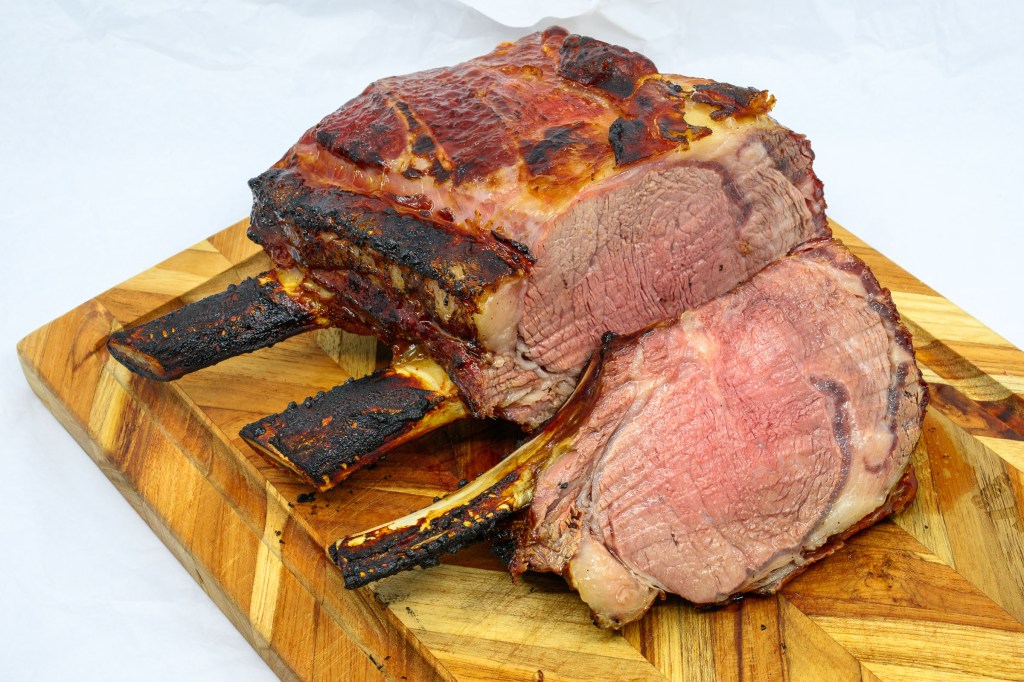
It’s been a while since I’ve seen a standing rib roast[i] in a meat display. The last time I cooked a standing rib roast was for Christmas 2023. It was the day before I dropped a blade through my left foot and severed my extensor hallucis longus tendon[ii].
I saw one on a shelf at my butcher’s yesterday.
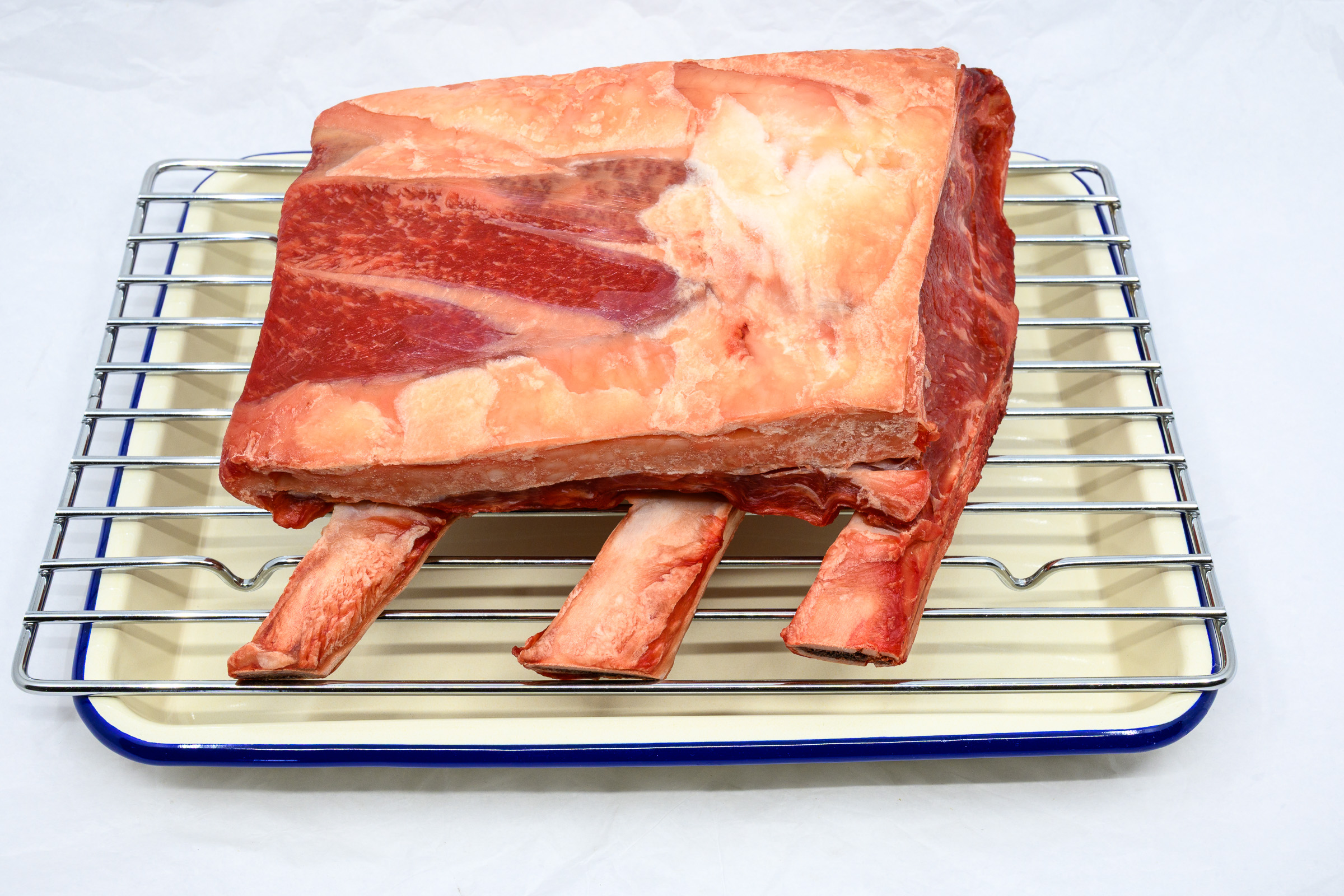
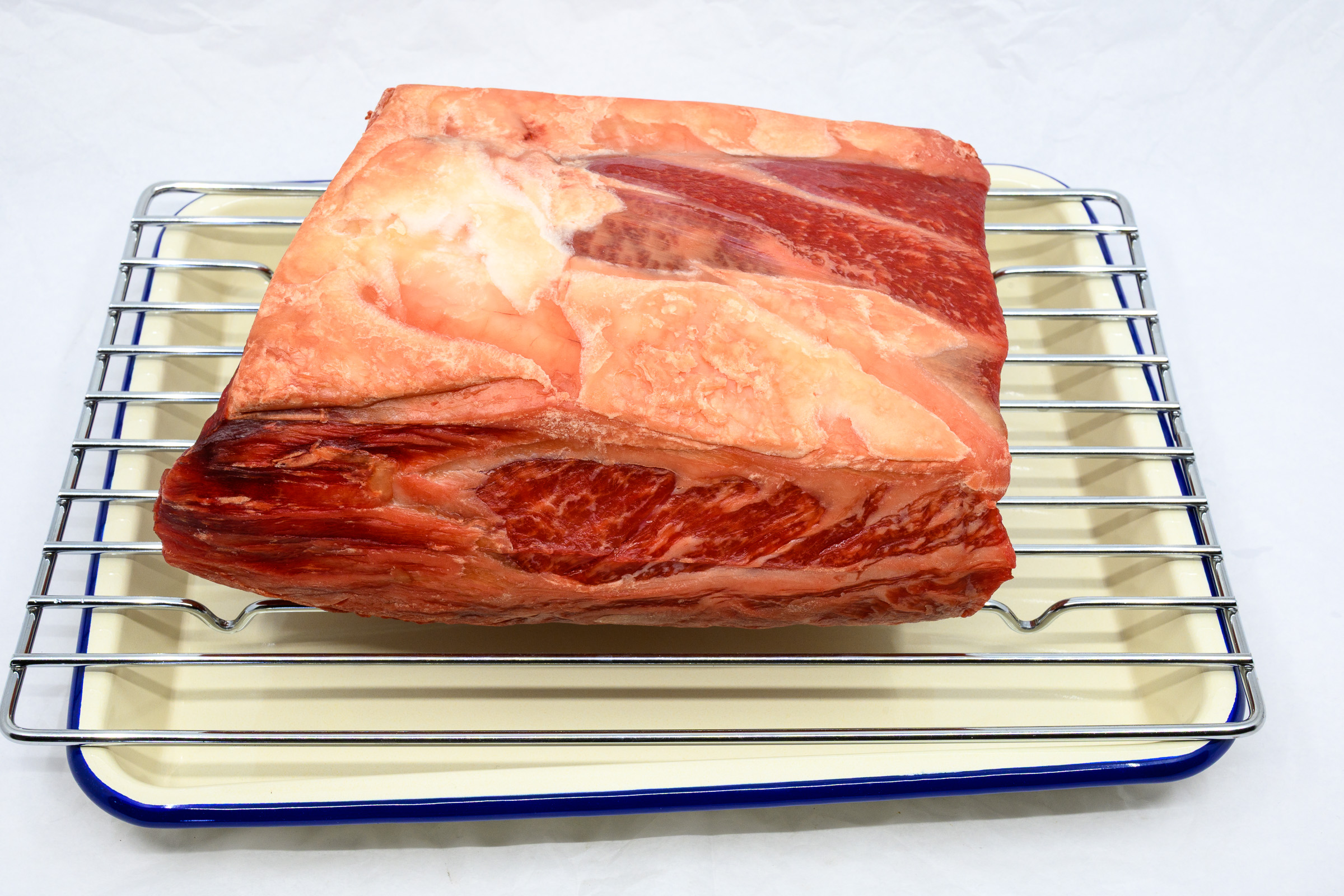
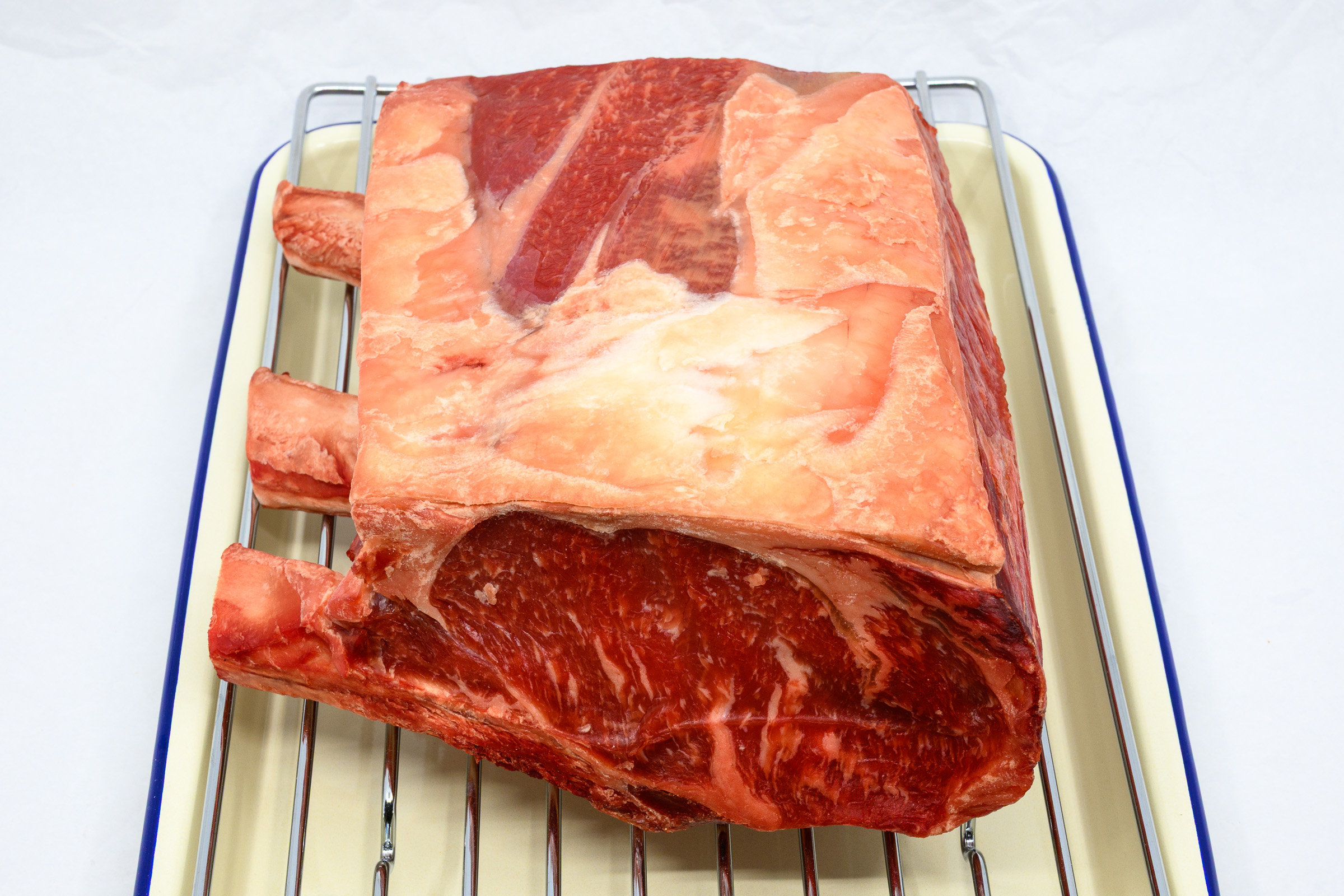
There’s nothing cheap or economical about a standing rib roast. It’s an expensive cut of meat. The muscles in a standing rib roast include the longissimus dorsi (the “eye” of the rib) and the spinalis dorsi (the marbled “cap” muscle), known for tenderness and flavour.
A standing rib roast is usually a special occasion joint of meat. I’m using the long weekend as a reason! This weekend, four Australian jurisdictions will enjoy a gazetted public holiday tomorrow. The reason varies for each jurisdiction. I’ll be working, but I thought it was a good reason to cook something special. I’ll “celebrate” the long weekend virtually with team-mates in jurisdictions with the public holiday.
This joint of meat will provide a plentiful bounty of leftover meat to enjoy during the week, especially cold cuts, while I’m in the office.
What’s happening today?
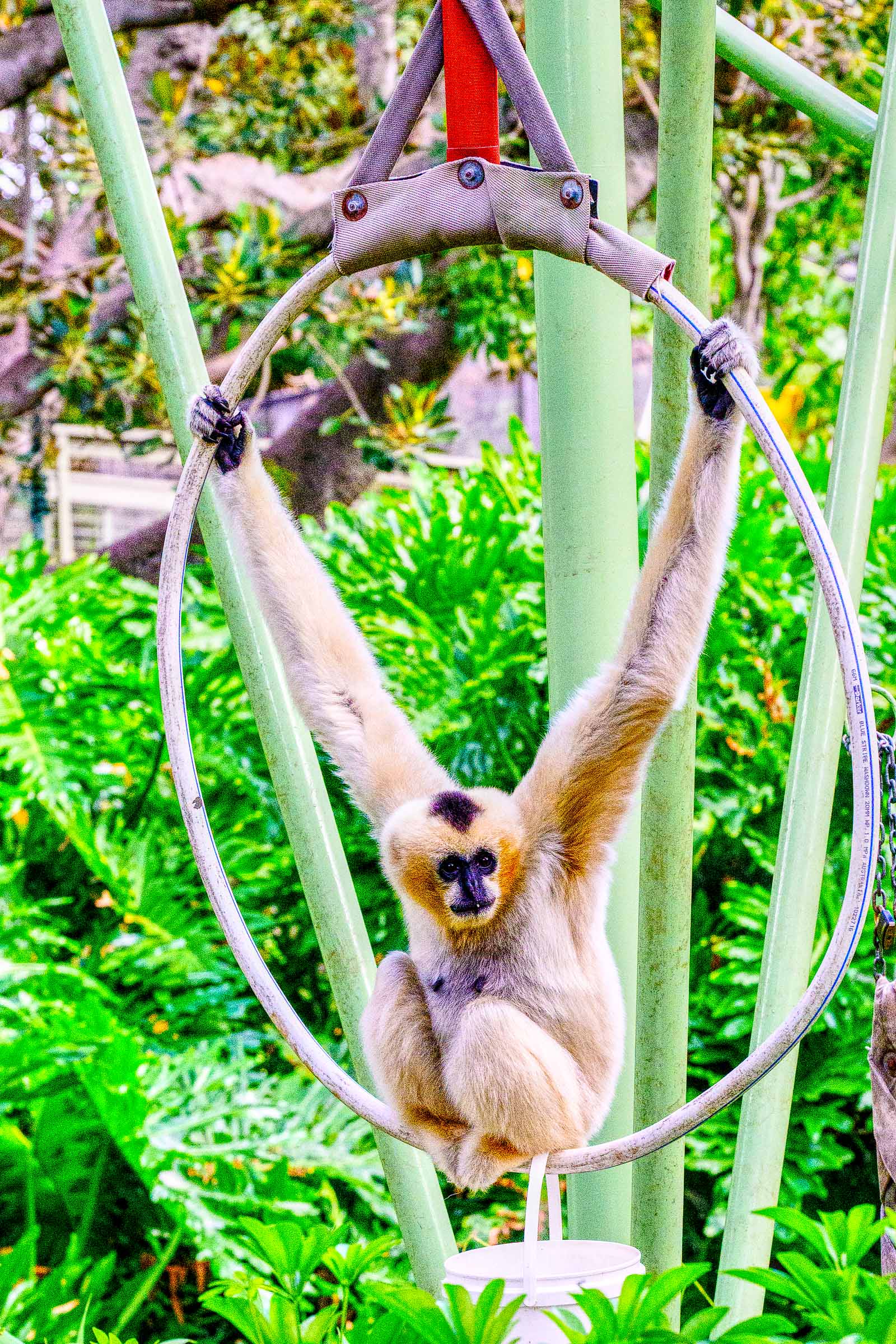
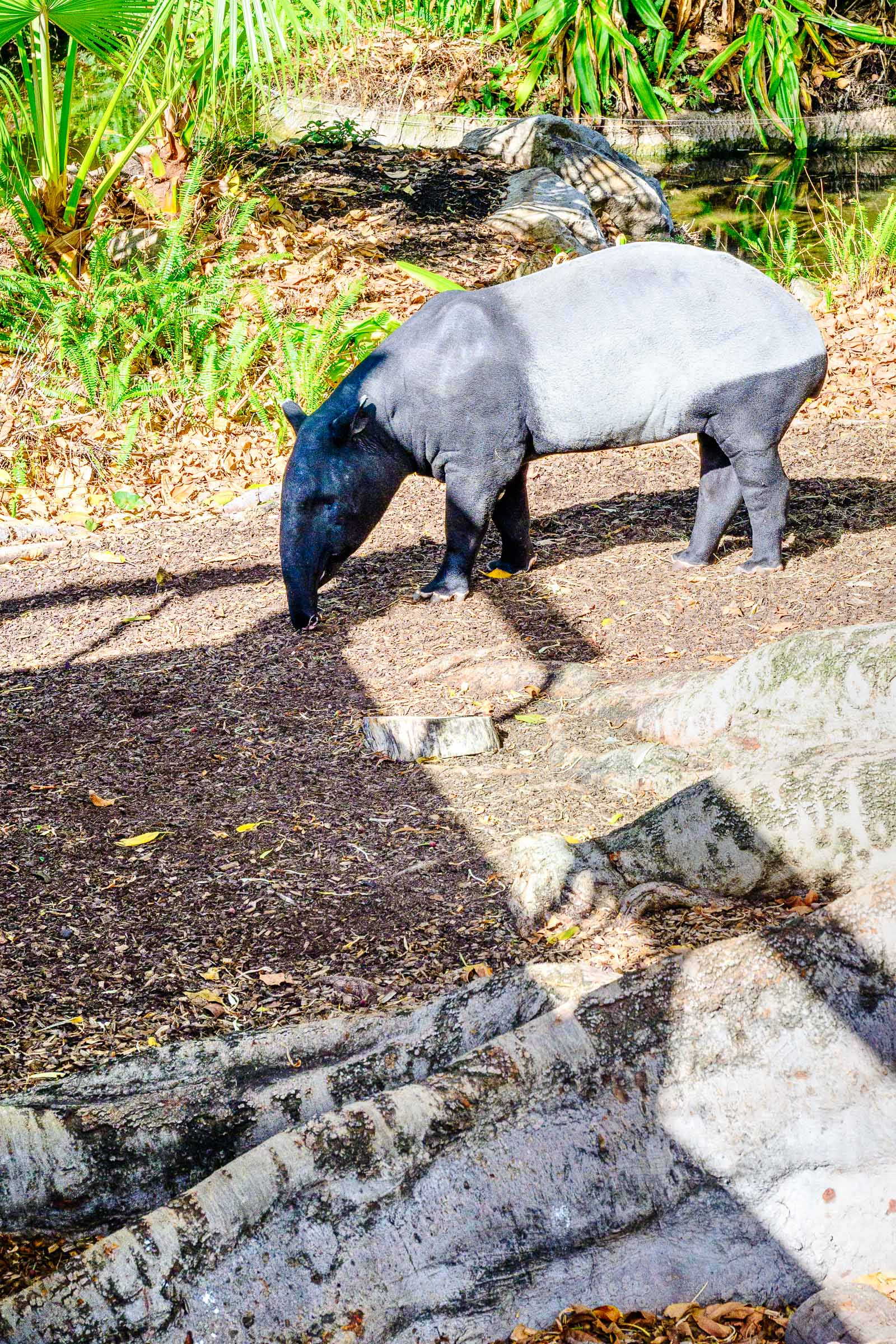
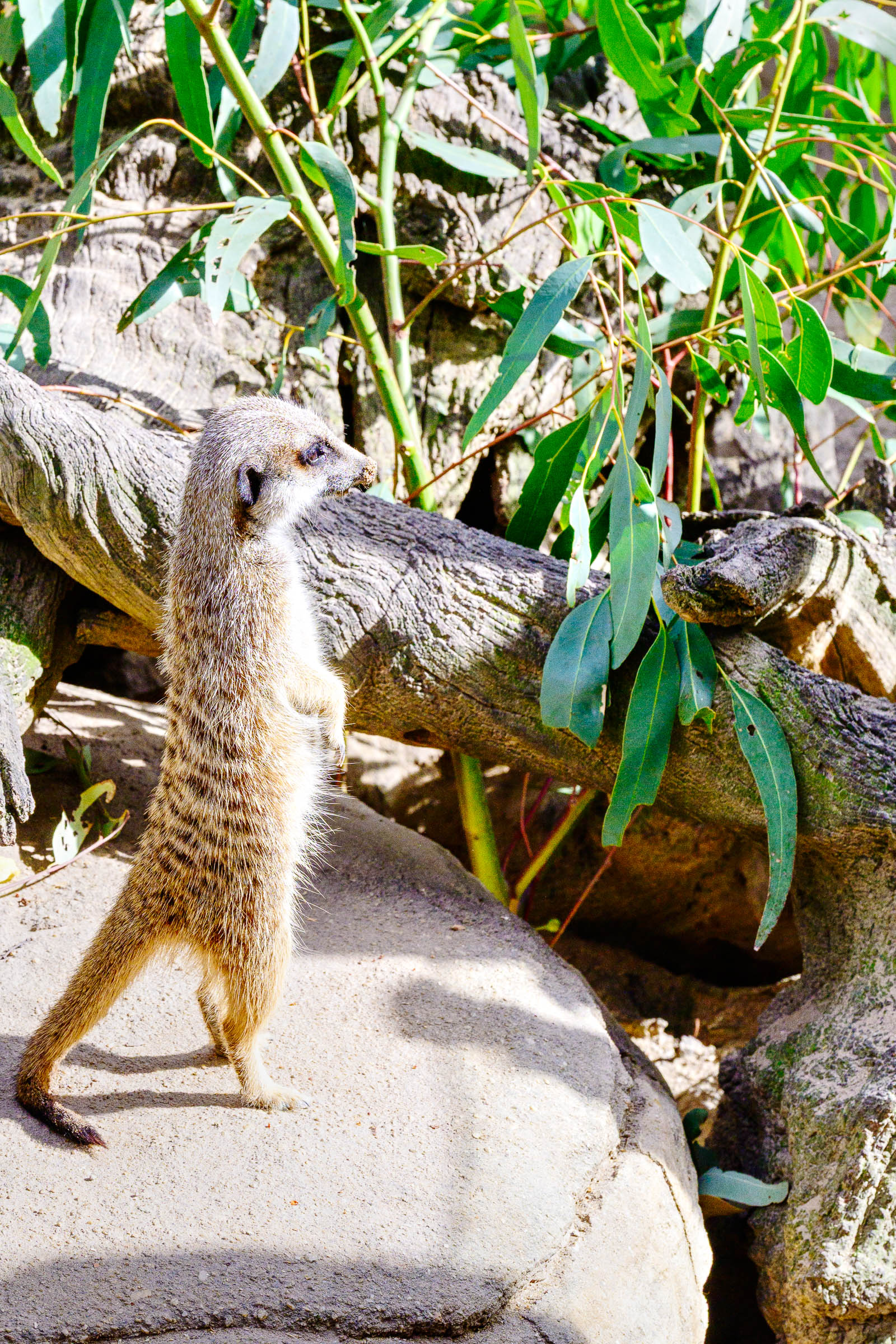
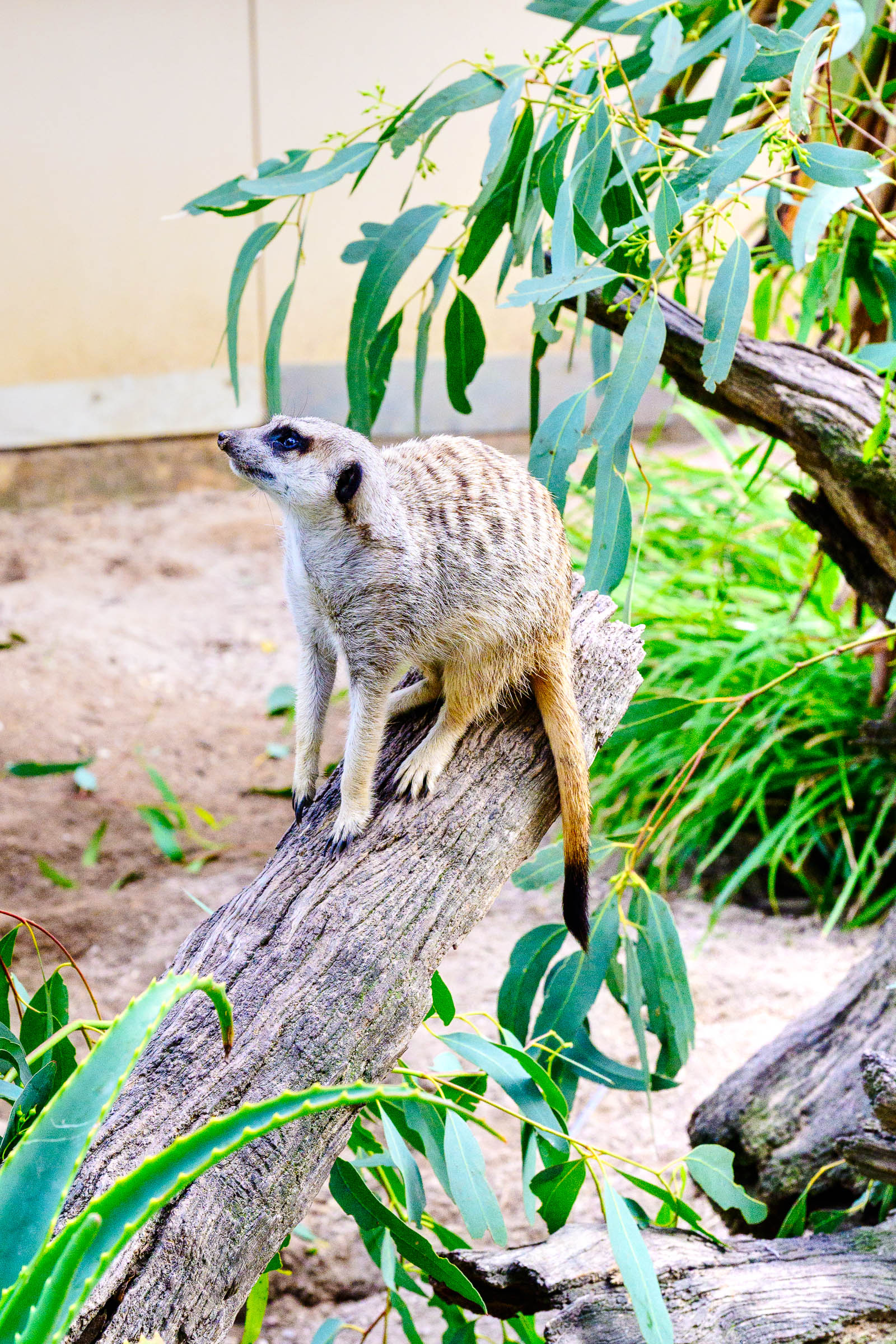
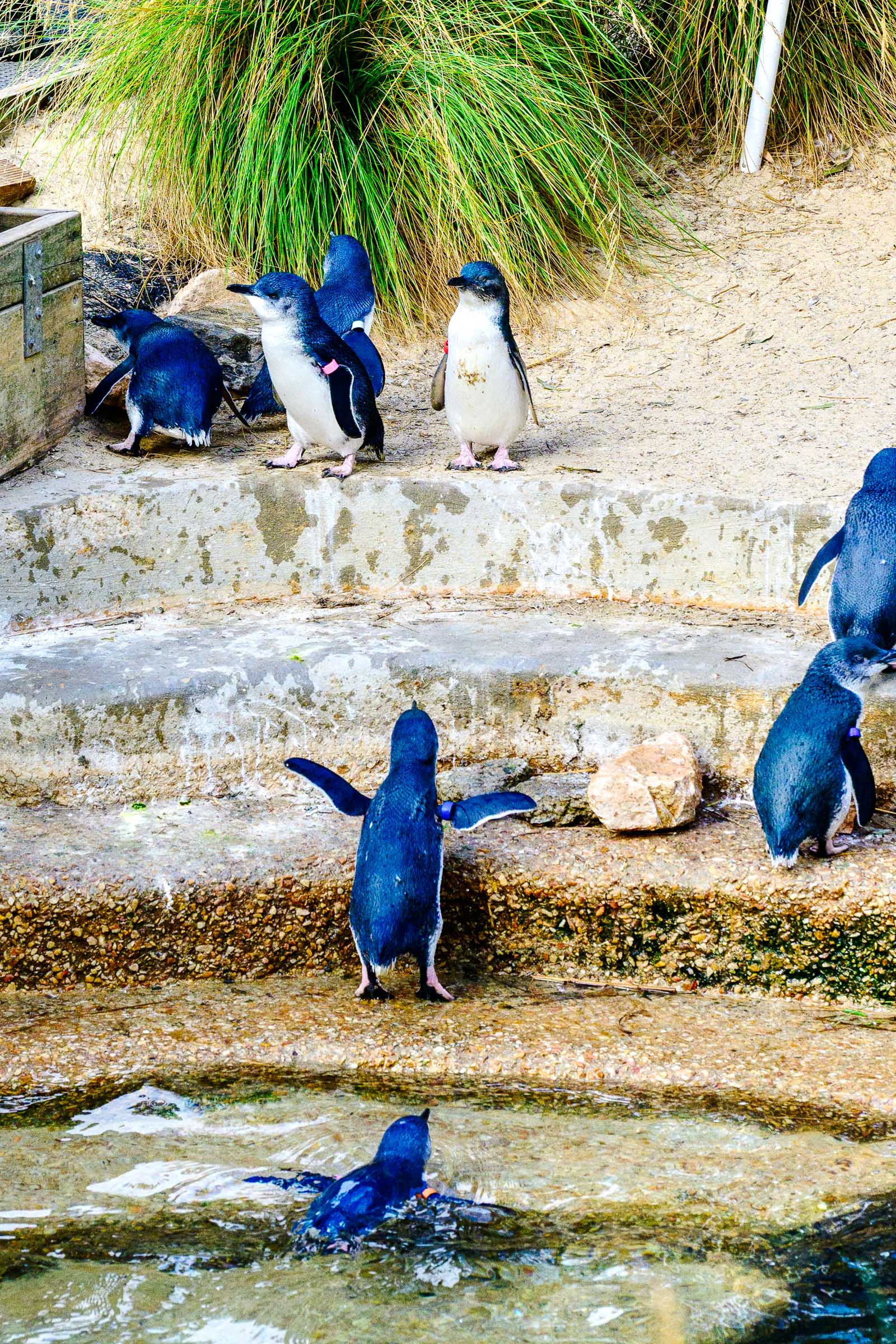
I took a short trip to the zoölogical gardens and saw the white-cheeked gibbon out and about. Normally, this gibbon sits in its box atop a tree.
As I mentioned in yesterday’s post, today the Dolphins are playing South Sydney in round one of the Telstra Premiership[iii] in the National Rugby League competition.
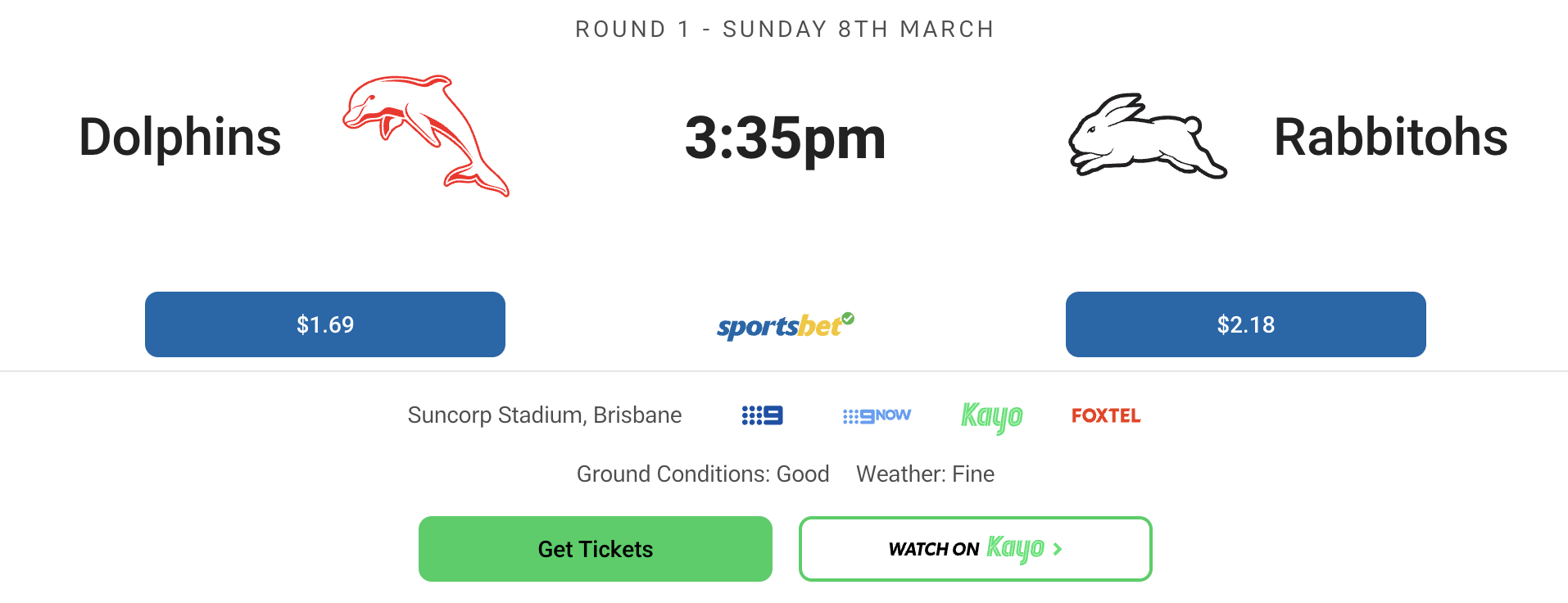
The first game of the season (win or lose) is another good reason to cook something nice. Something beefy seemed to make sense in my head.
As I ate this meal, full time sounded as South Sydney had defeated the Dolphins.
Recipe
Ingredients
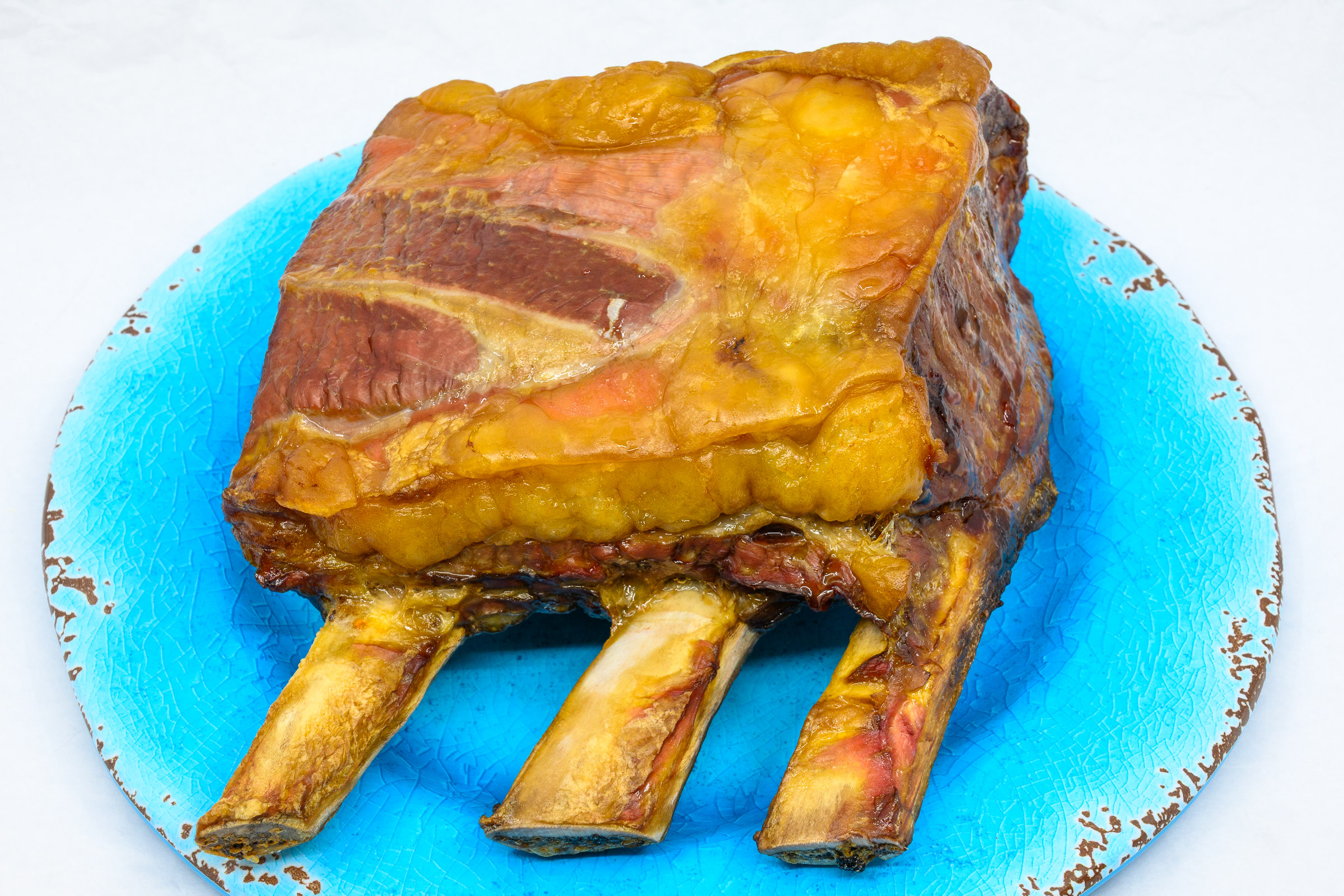
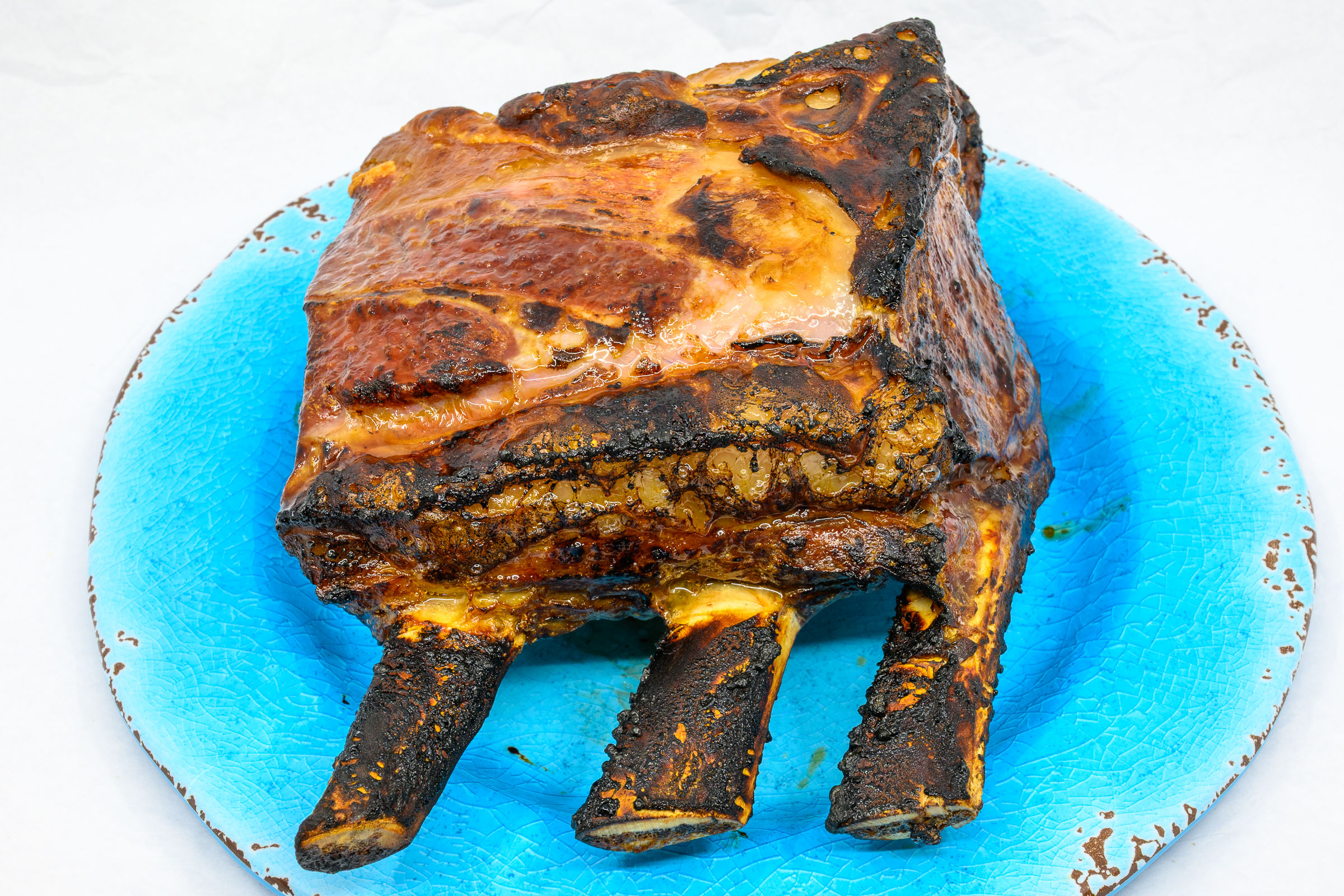
- Standing rib roast (1.6 kg with the bones, at $AUD49.99/kg)
- Leftover blue vein cheese and mustard sauce (cold)
- Flaky salt
- Freshly cracked black peppercorns
Equipment
- Benchtop oven
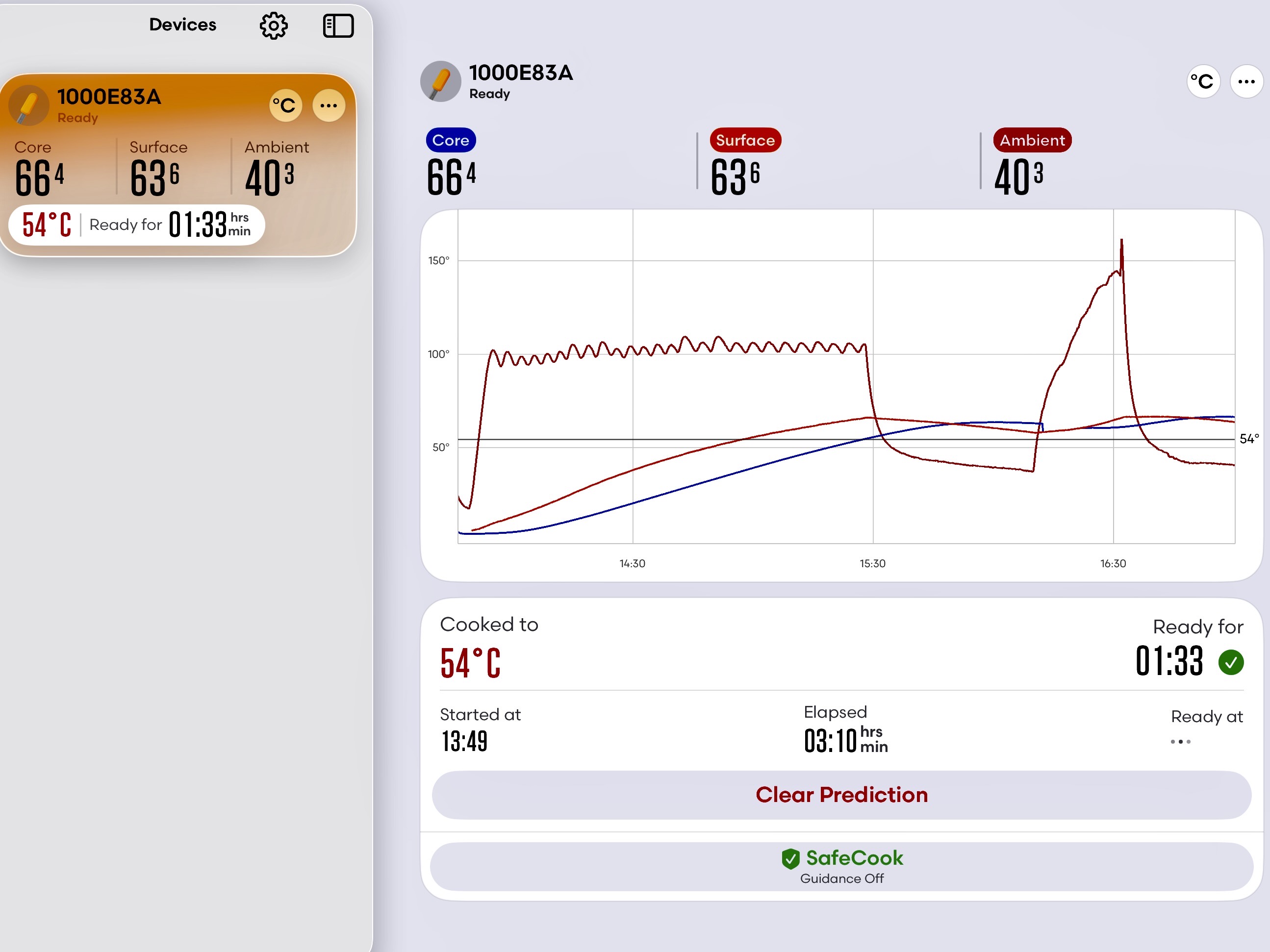
- A wireless meat thermometer that is monitored with a smart device app
- Weber Q+ barbecue grill with hood
- Gas torch
Instructions
- Dry-brine the meat overnight in the refrigerator, uncovered.
- Heat the oven to the lowest setting. The aim is to cook the meat gently.
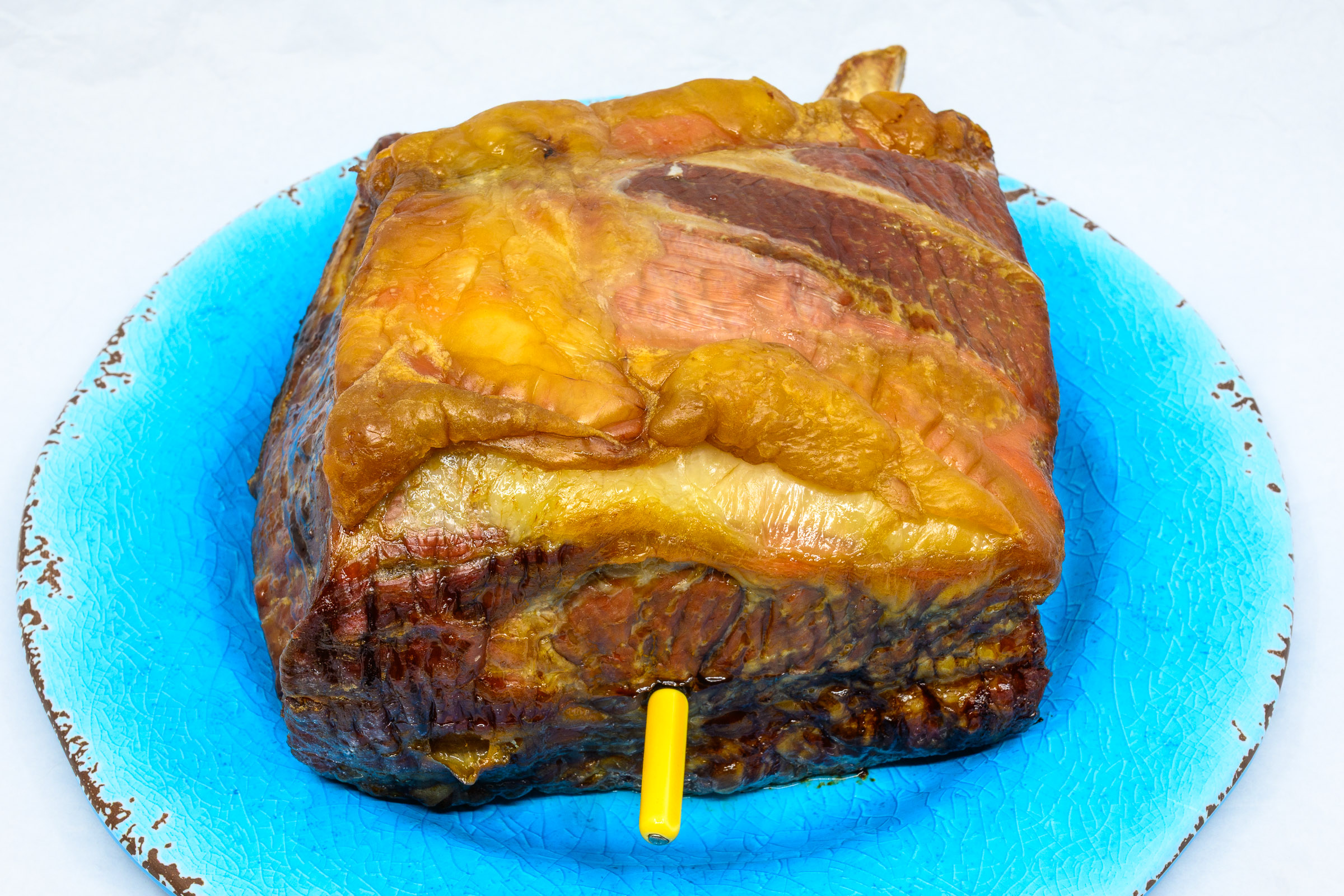
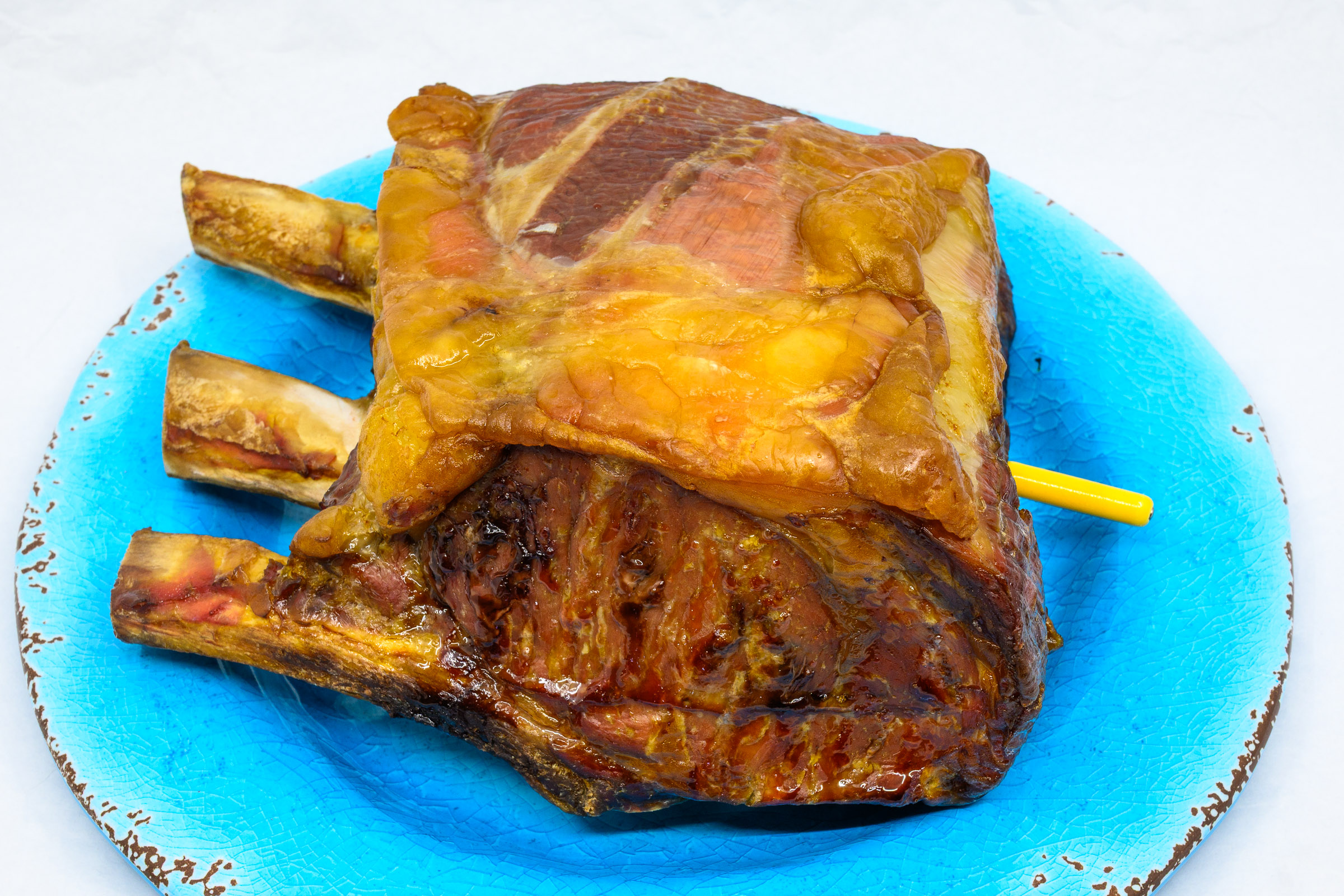
- Insert the thermometer into the thickest part of the muscle meat, not touching any of the rib bones.
- Place the meat on a wire rack and suspend it over a baking tray to allow hot air to circulate above and below the roast.
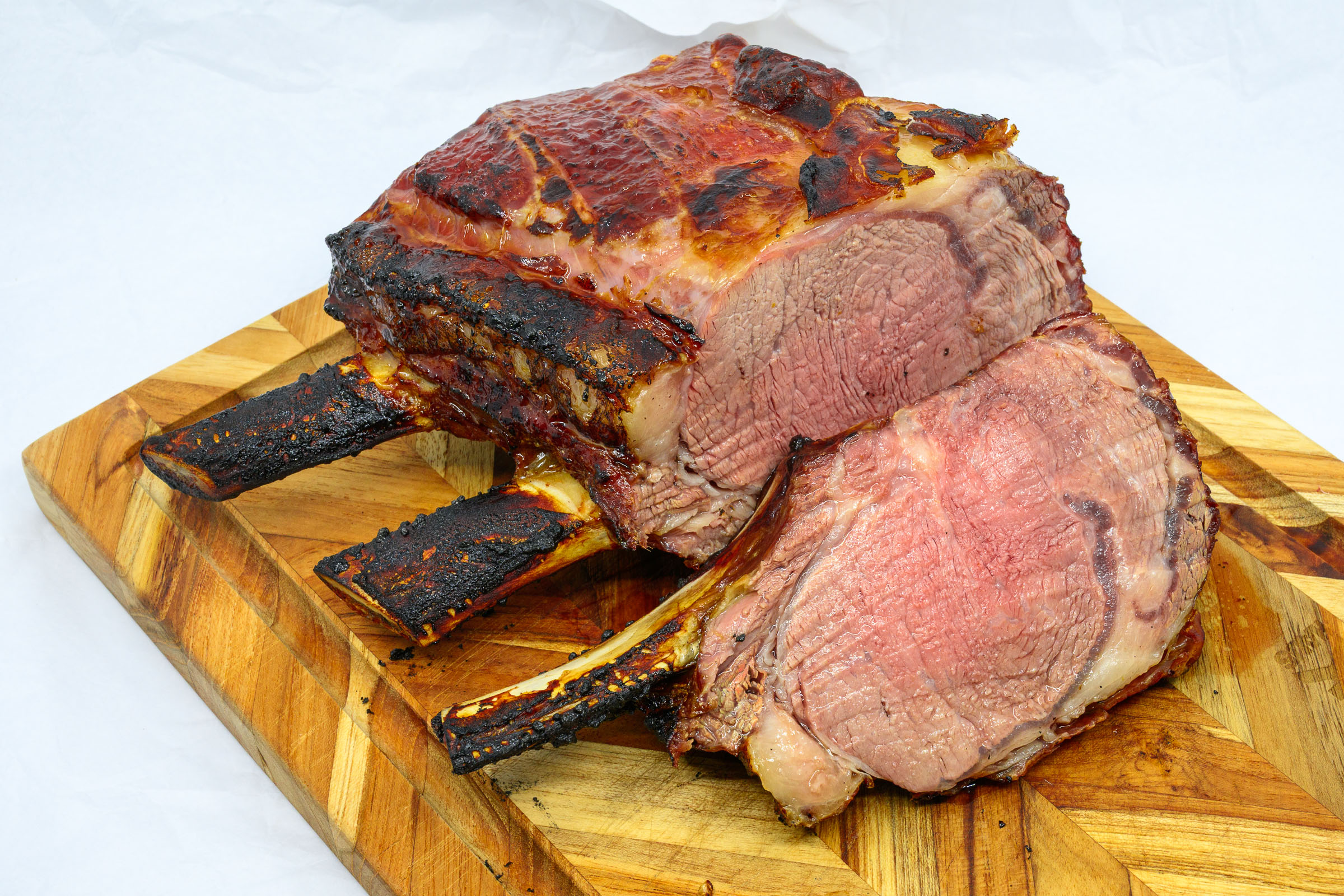
- Keep the meat in the oven until the middle of the roast reaches about 54 °C.
- Take the meat out of the oven and allow it to rest on a bench at room temperature for about 30 minutes.
- Heat the Weber Q+ until the barbecue’s temperature dial reaches about 150 °C, then place the roast on the cast-iron grill and close the lid.
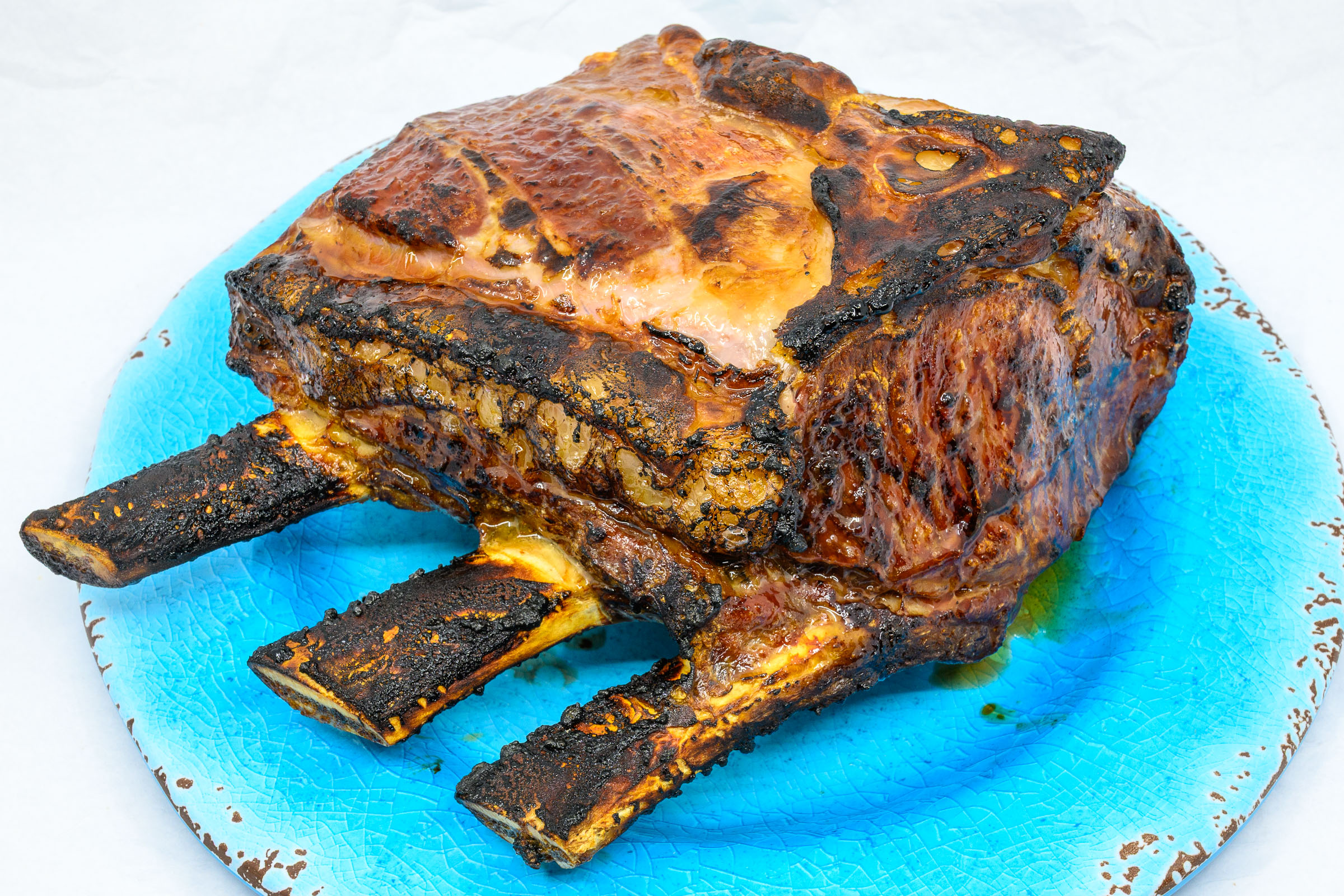
- Cook at high heat for about 10 minutes to caramelise the meat’s outer surface. Add a finishing caramelising touch with a gas torch.
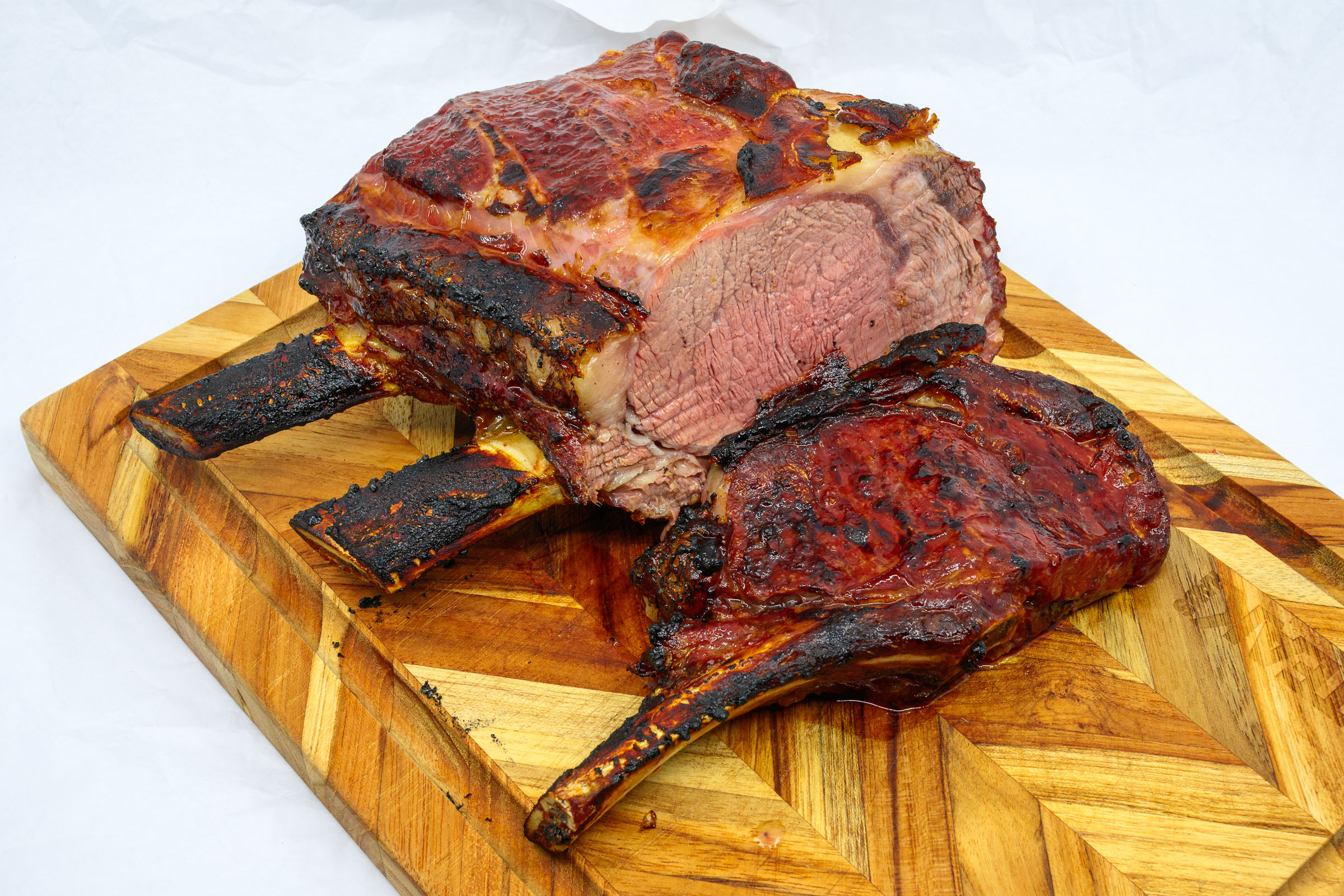
- Put the roast on a cutting board and slice the meat with a sharp knife.
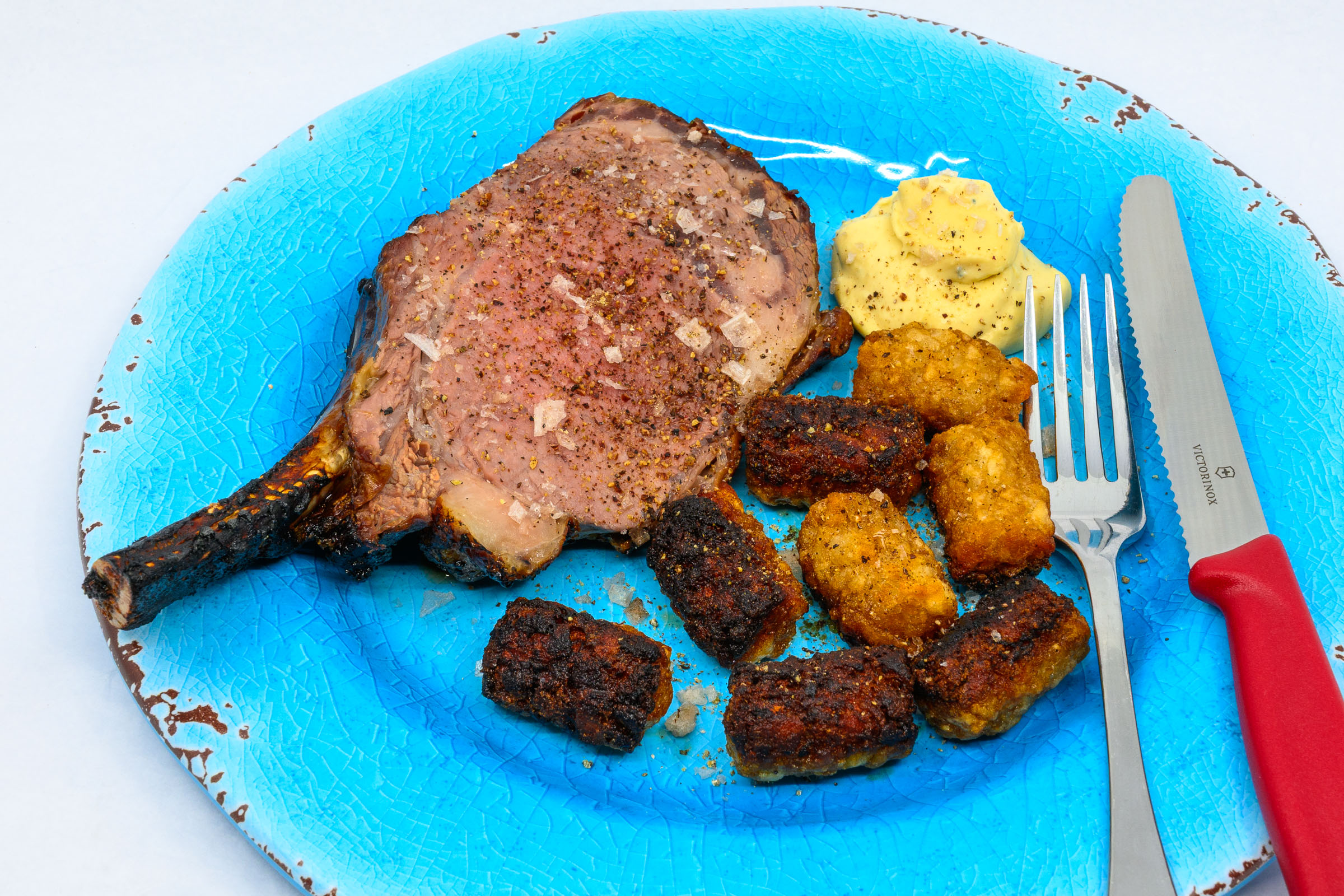
- Season the slice with flaky salt and freshly cracked pepper.
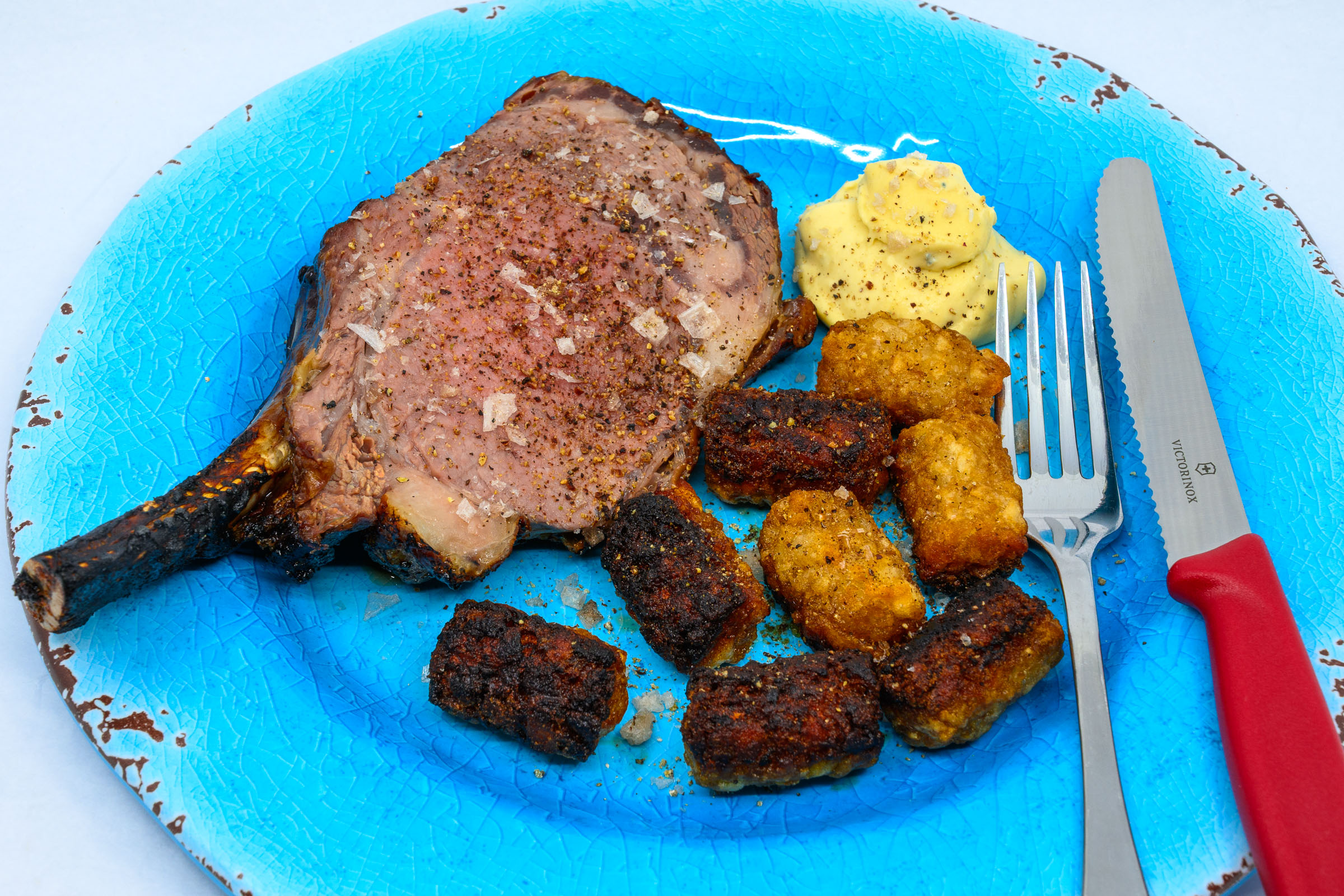
- Serve with the leftover cold blue vein cheese and mustard sauce from yesterday’s T-bone steak meal.
- I also tossed a few potato gems onto the cast-iron flat plate while the roast rested. The potato gems were fried in the leftover beef and pork fat, resulting in crispy gems.
My thoughts about the meal
The slice I ate tonight cost me about $AUD25. I reckon if I’d bought this in a restaurant, it would have set me back at least $AUD60, based on my recent dining-out experiences.
I’m not a people person, and I don’t enjoy eating out, so a meal like this, one I can cook and enjoy, makes more sense.
The meat was tender, and gnawing on it from the rib bone was very enjoyable.
The blue vein cheese and mustard notes from the cold sauce also added a flavour dimension.
The leftover meat is going to fill me with joy this week.
Photographs of the meal
[i] A standing rib roast is a beef cut taken from the rib primal (usually ribs 6–12), known for its marbling, tenderness, and presentation. It is typically cooked “standing” on its rib bones, which act as a natural roasting rack and help keep the meat juicy.
[ii] The extensor hallucis longus tendon is the long, thin tendon on the top of your foot that lifts (extends) your big toe. It is the visible, cord‑like structure that pops up when you raise your big toe toward your shin. It is the distal continuation of the extensor hallucis longus muscle, which sits along the front of the lower leg.
[iii] The Telstra Premiership is the National Rugby League’s (NRL) main professional rugby league competition in Australia, named after its major sponsor, Telstra. It’s the top-tier men’s rugby league competition across Australia and New Zealand, featuring 17 clubs competing from late summer through early spring each year.


Comments will be moderated.