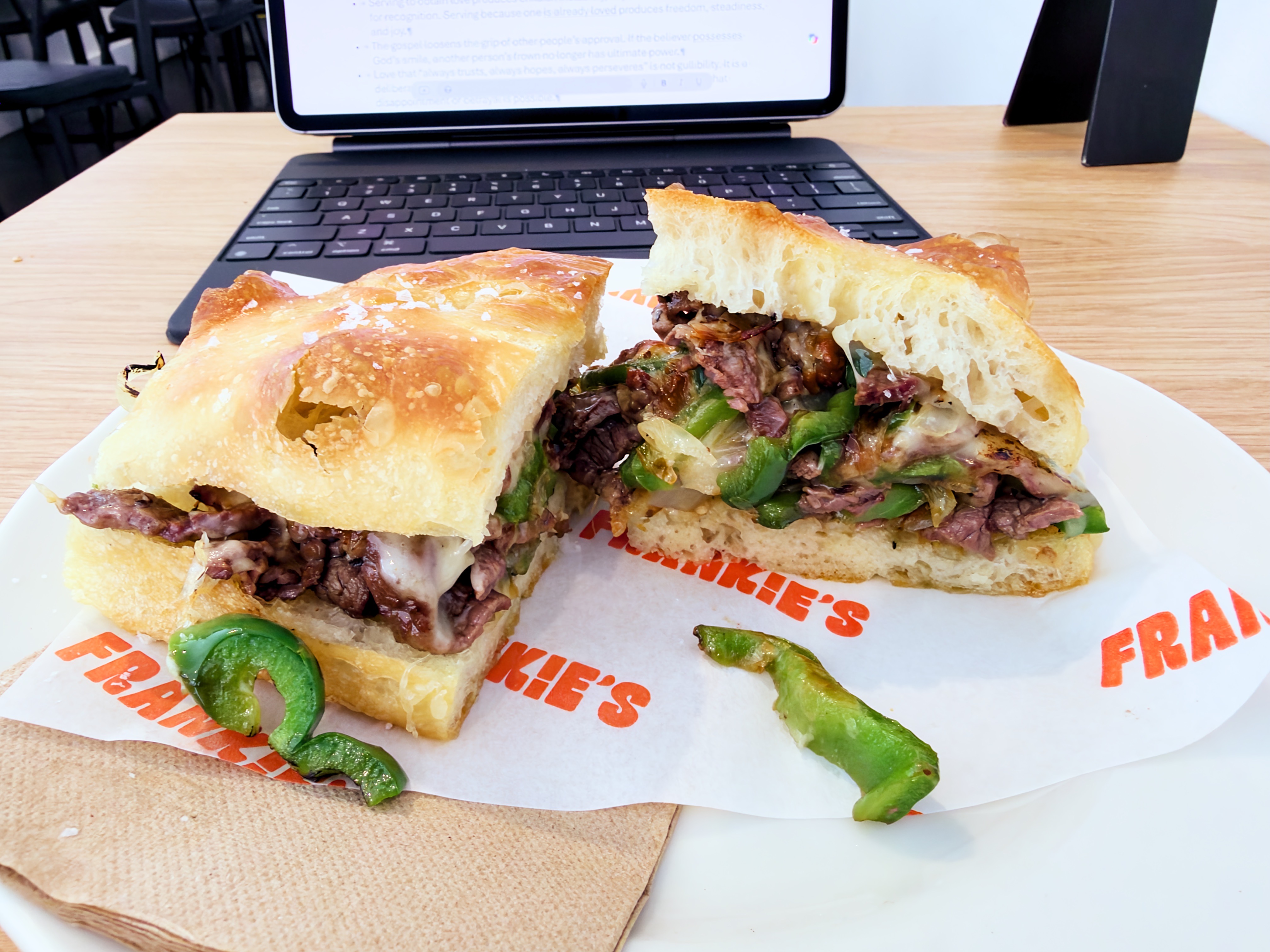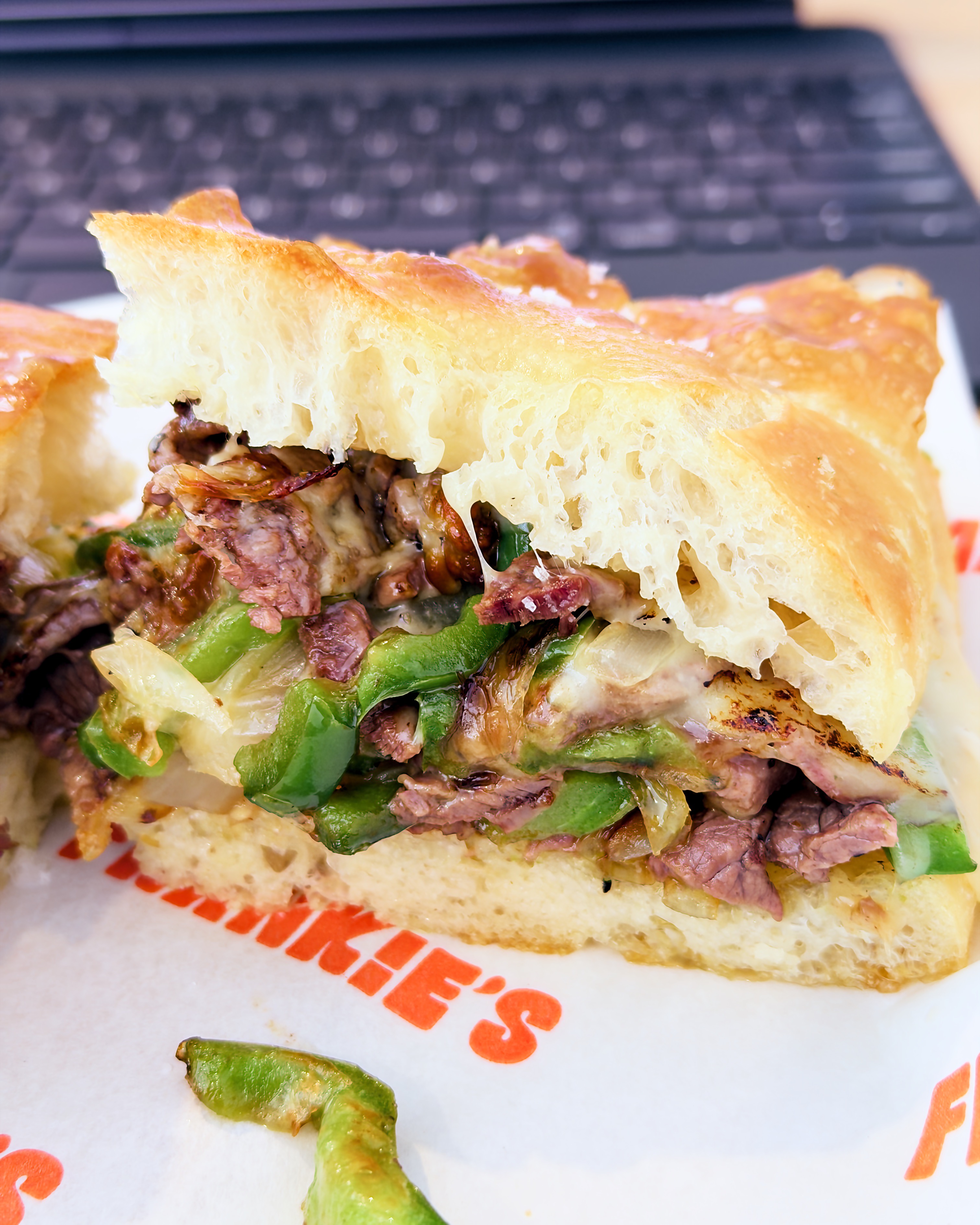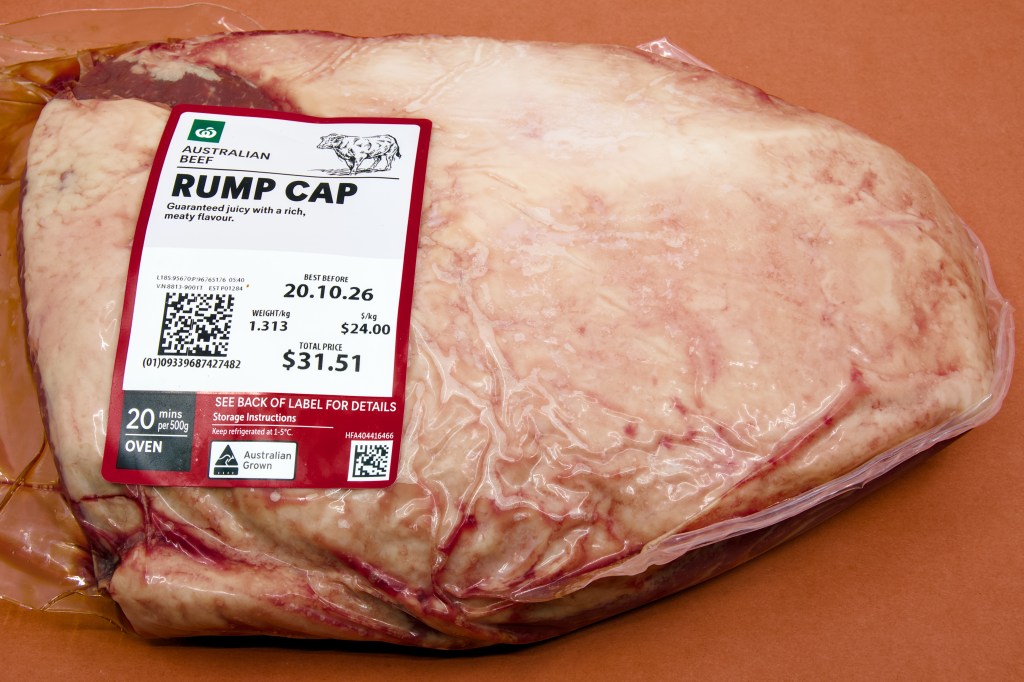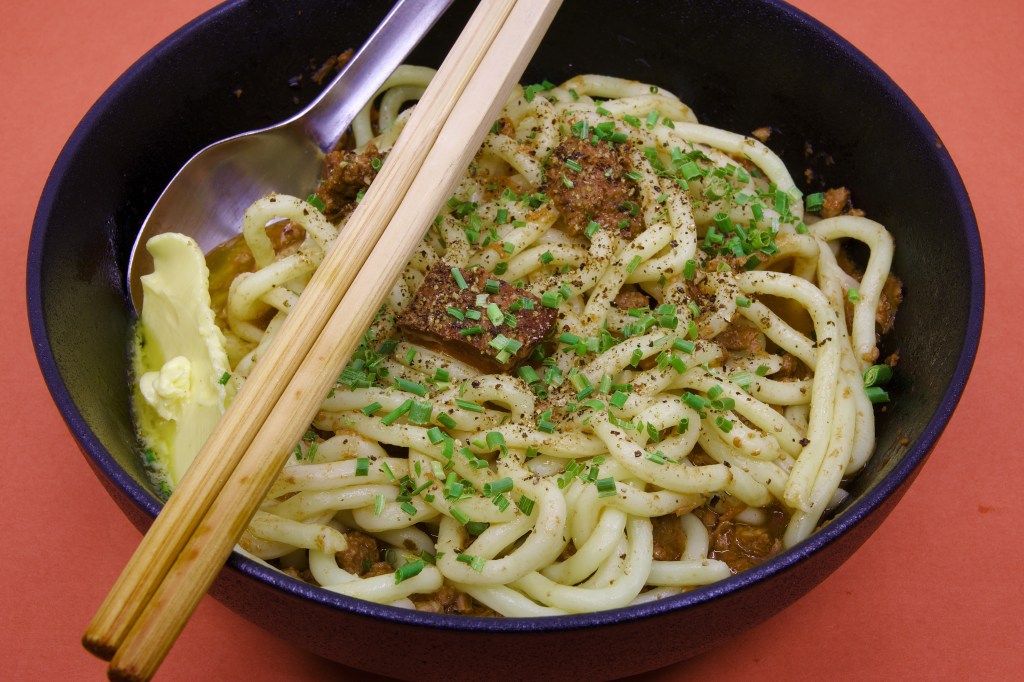
Category: Food

  • Another standing rib roast

    Another standing rib roast


    Oh, the pain, the Dolphins lost their game to Manly last night. They were beaten badly, and it was hard to watch. The Dolphins have a bye in round 6. I hope the coach and players can sort themselves out for round 7 when we face Penrith, who sit at the top of the ladder.

    A stick of butter

    I like a sourdough Hot Cross Bun with my stick of grass-fed butter.

    I bought half a dozen sourdough Hot Cross Buns from a bakery about a month ago. I like a Hot Cross Bun with fruit, especially citrus peel. I have no objection to creations like vanilla custard-filled Hot Cross Buns and Nutella® Hot Cross Buns. However, to enjoy the butter, a toasted Hot Cross Bun is my preference.

    The Dolphins lost (badly) to Manly last night. Grass-fed butter makes everything better, so I enjoyed therapeutic butter with a little sourdough Hot Cross Bun and a mug of coffee. I now feel better.

    @DolphinsNRL #PhinsUp

    Grass-fed butter with a Hot Cross Bun and coffee. Rather than enjoying a stick of grass-fed butter neat, Ihad a Hot Cross Bun and coffee witht!

    Standing Rib Roast

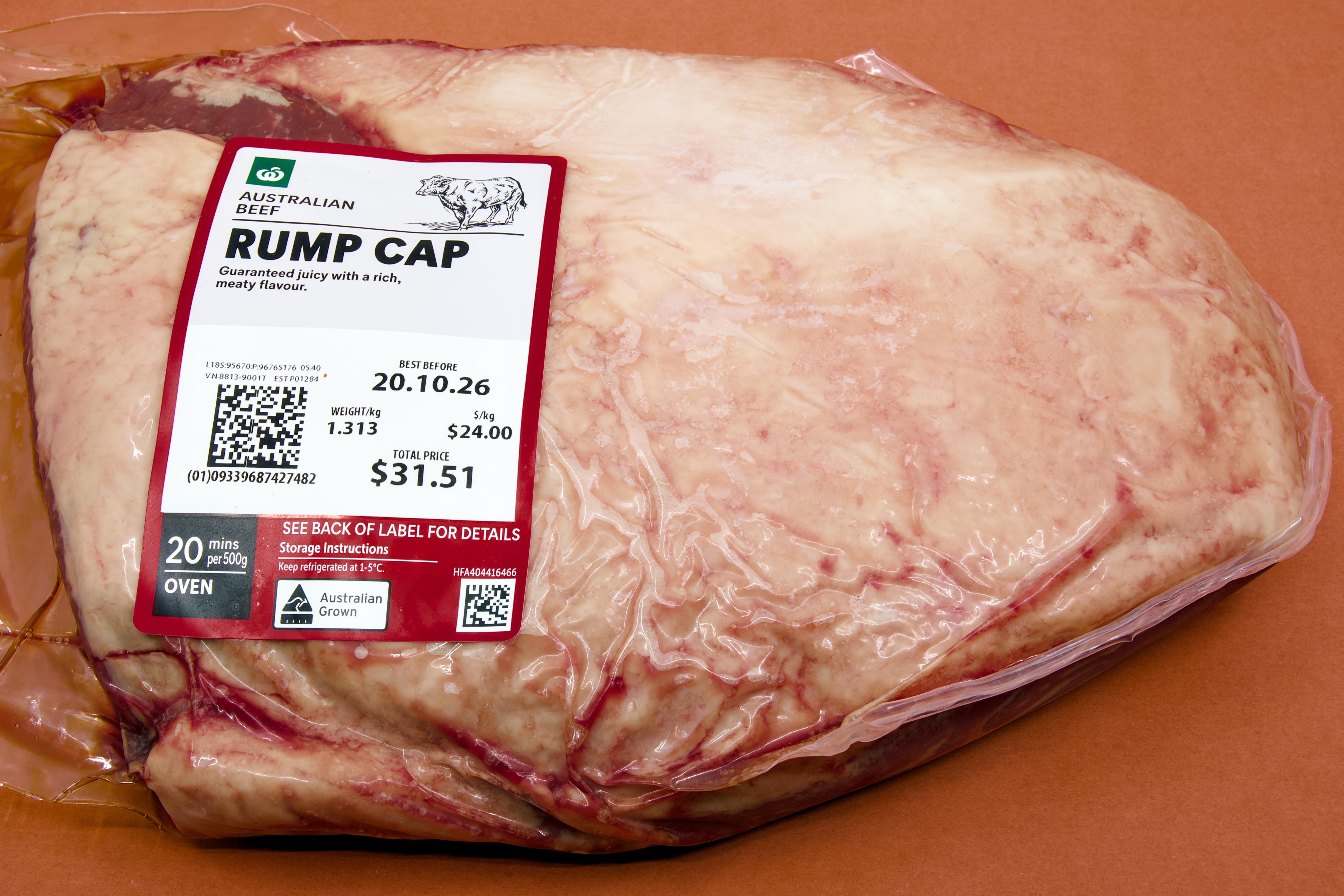
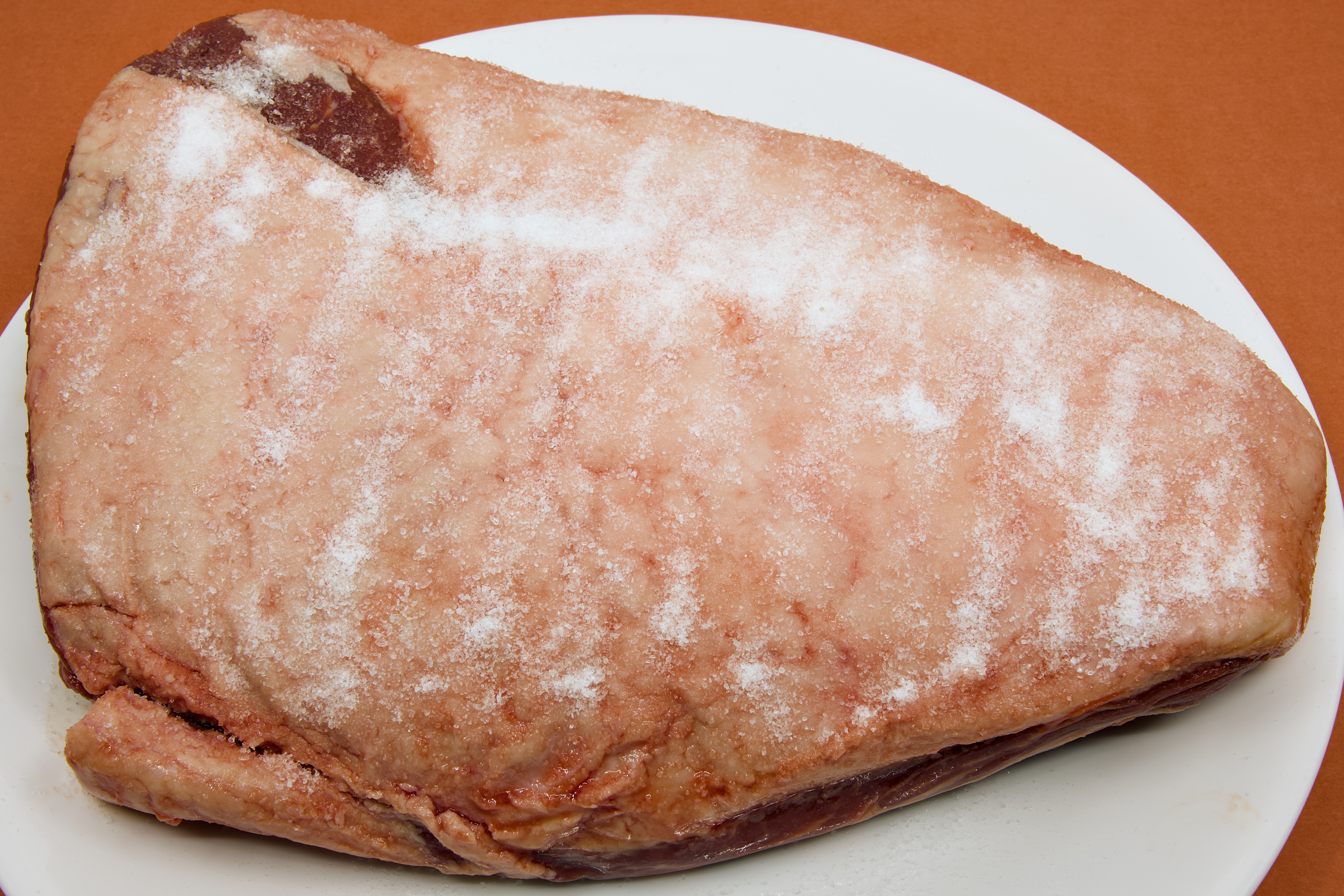
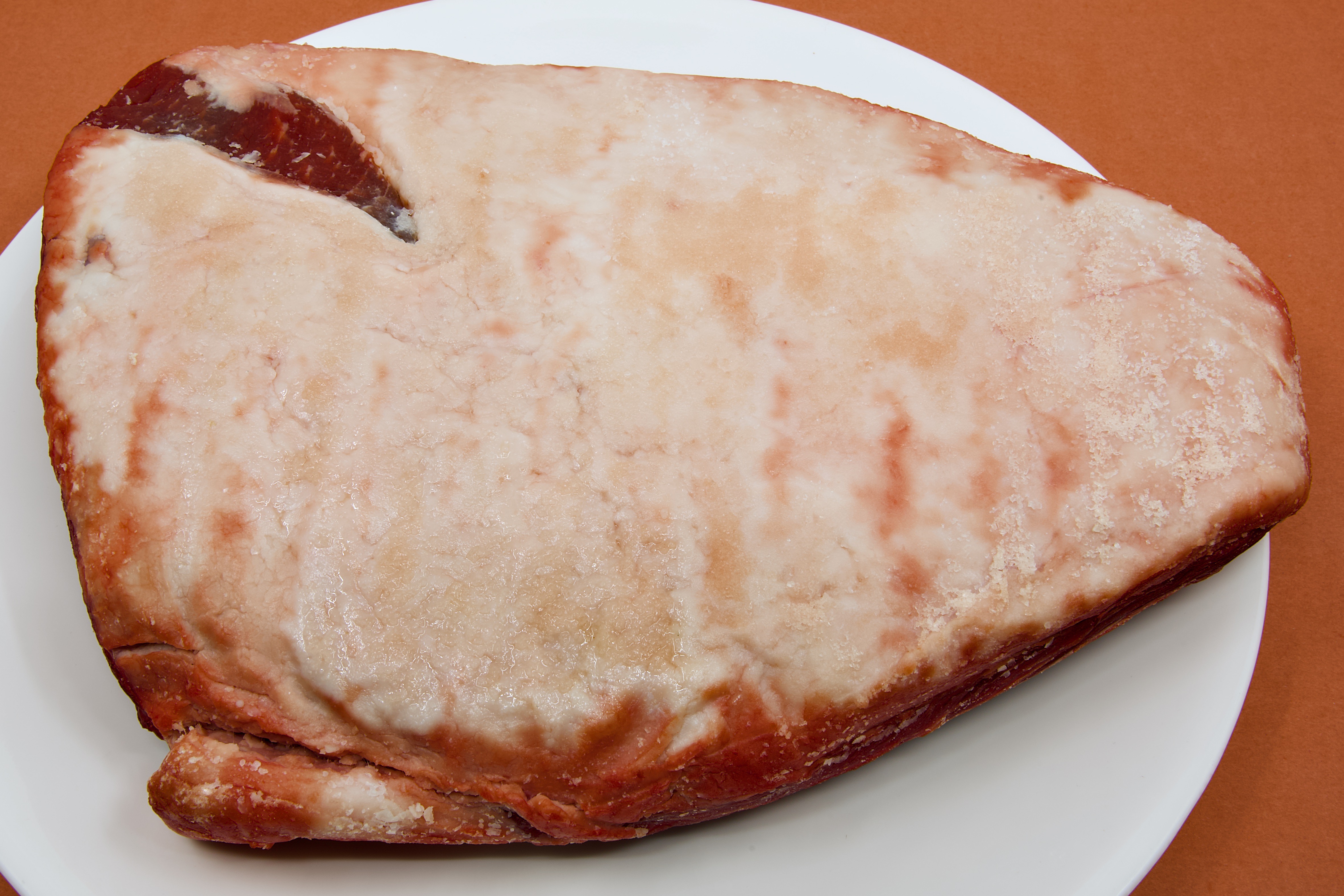
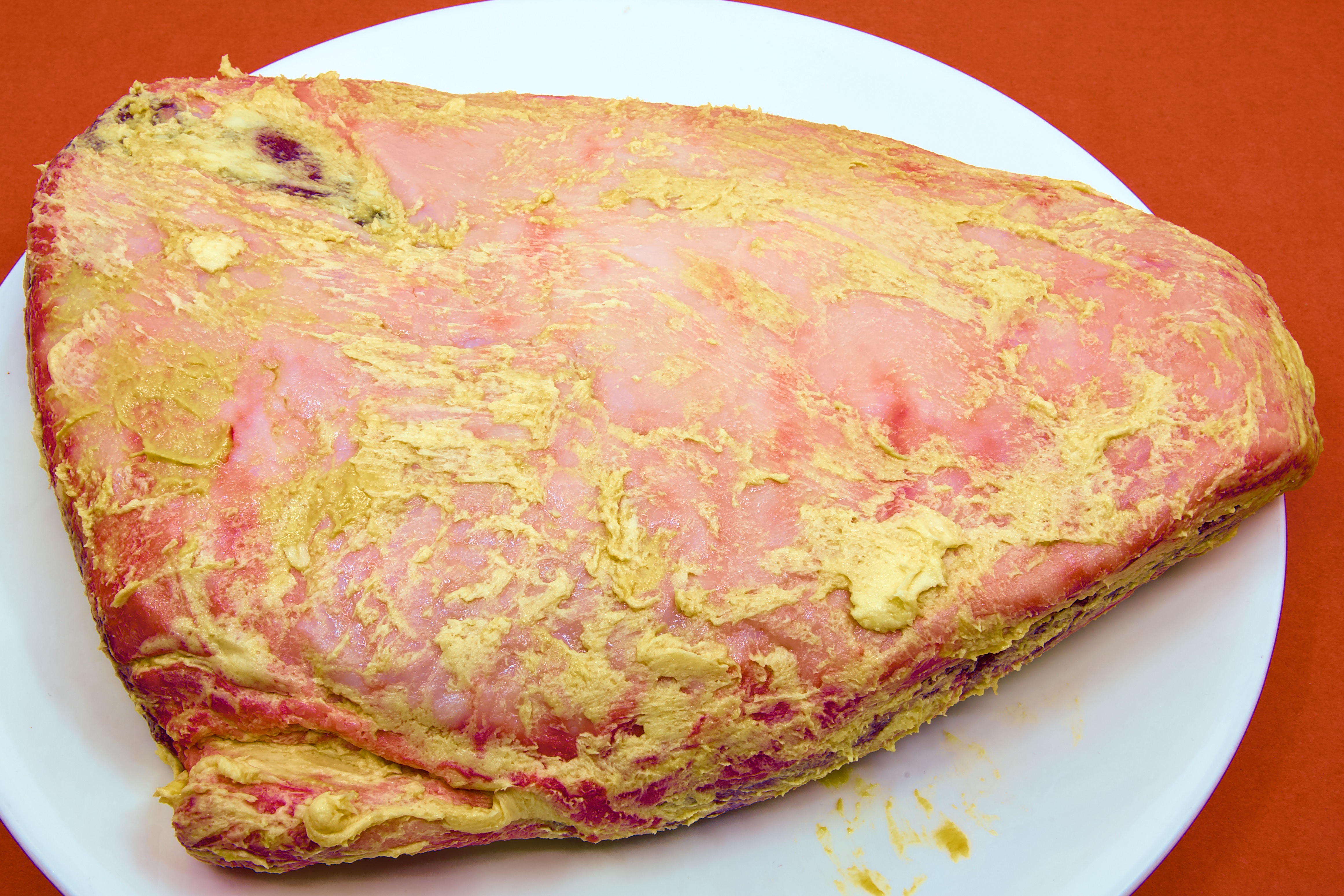
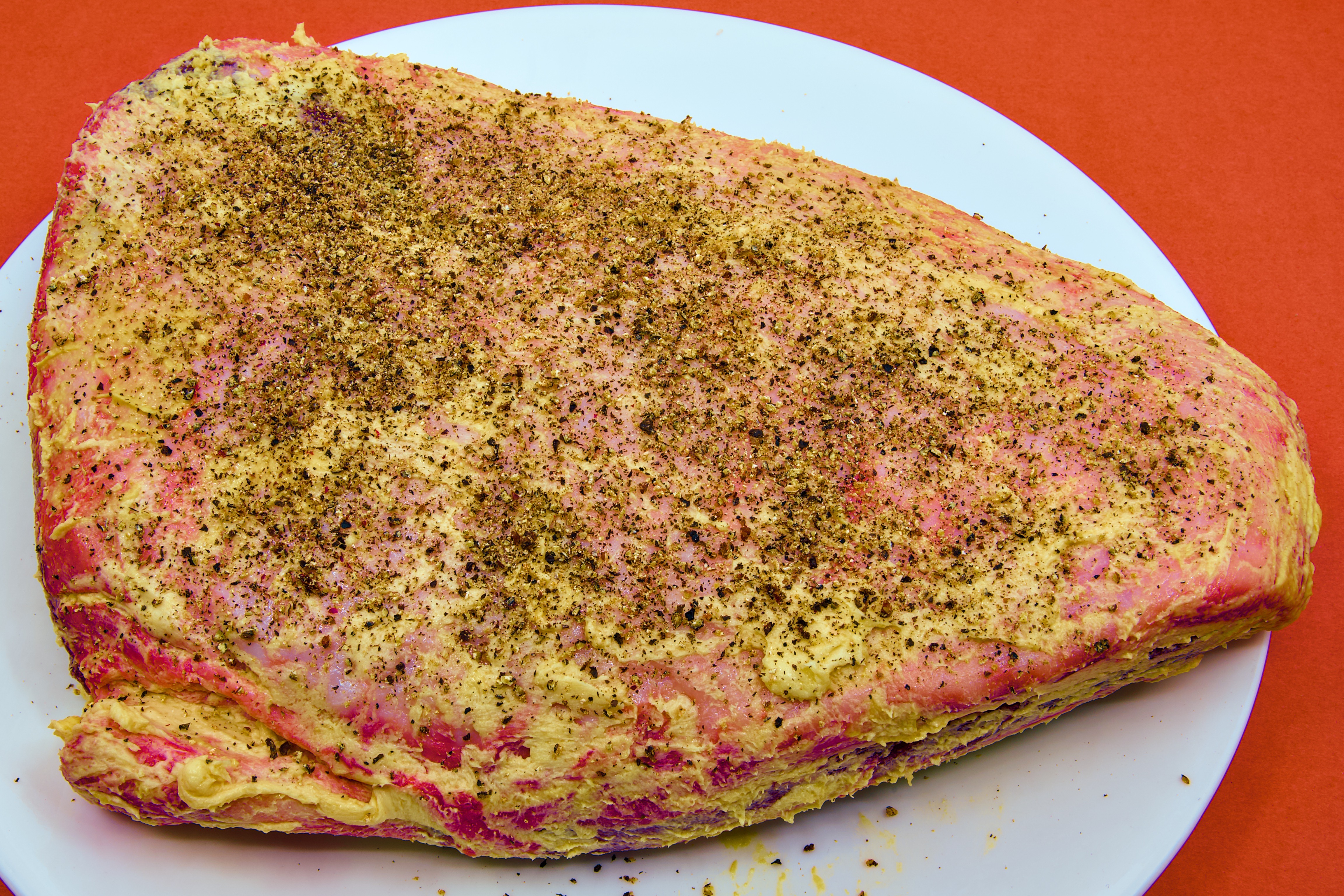
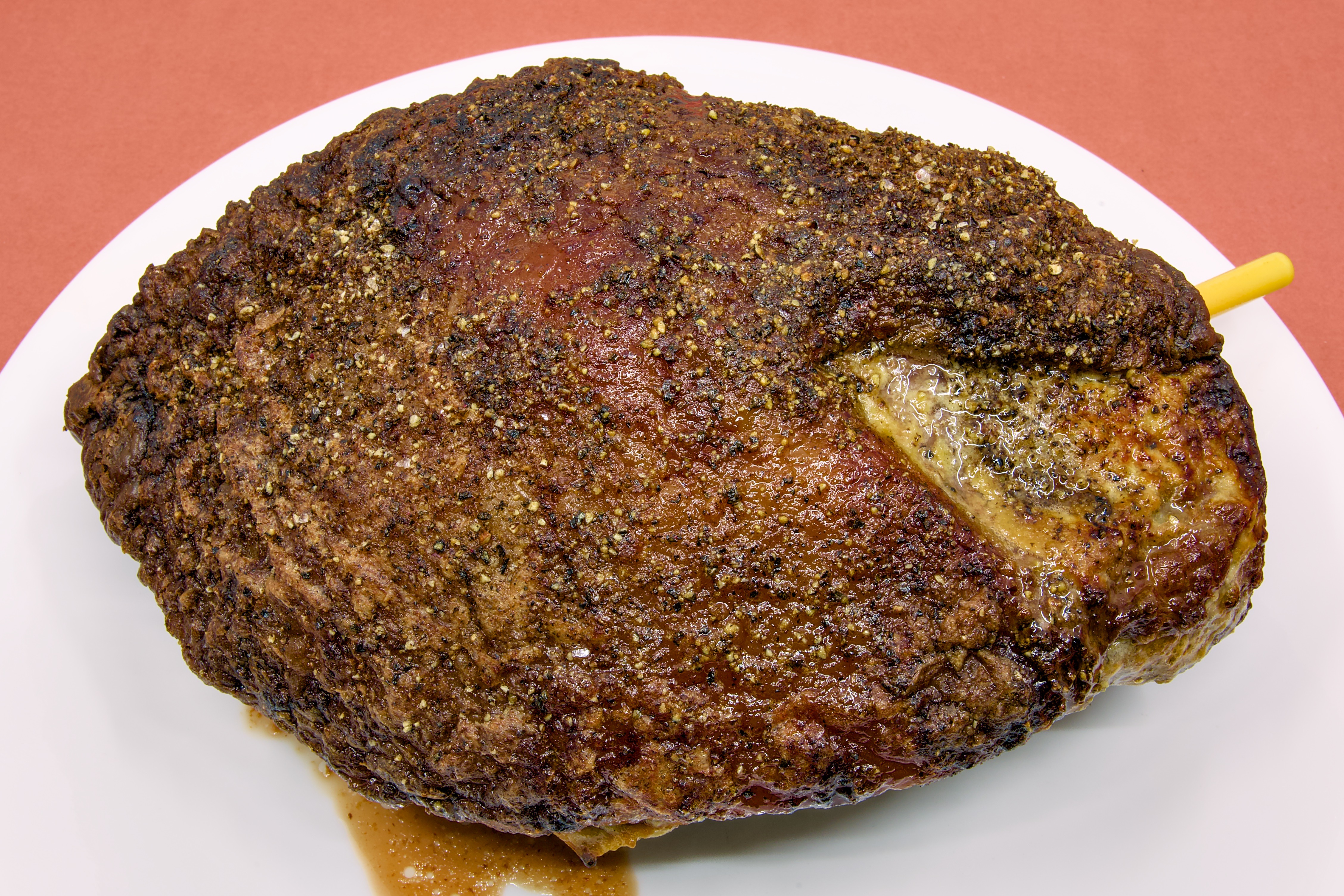
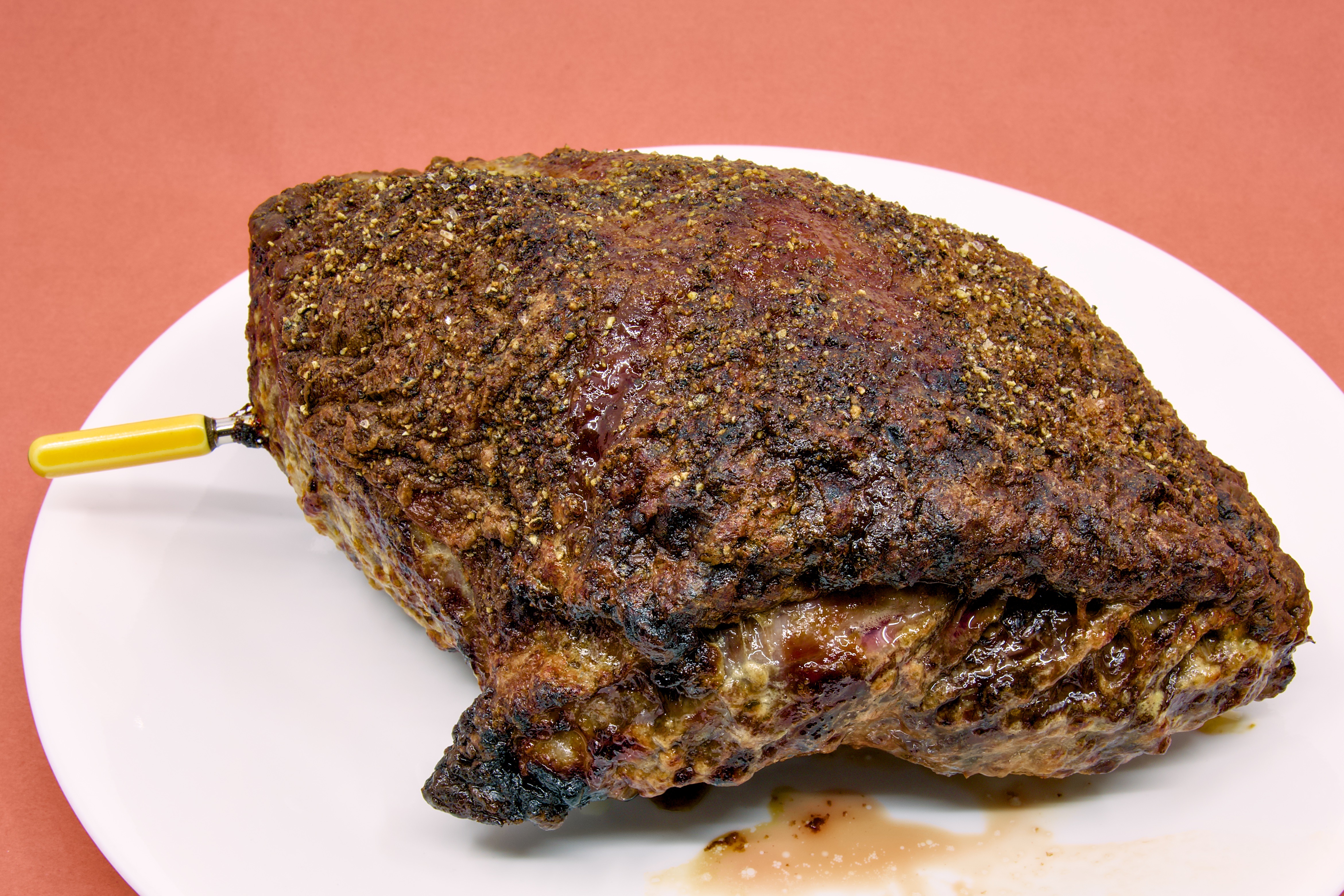
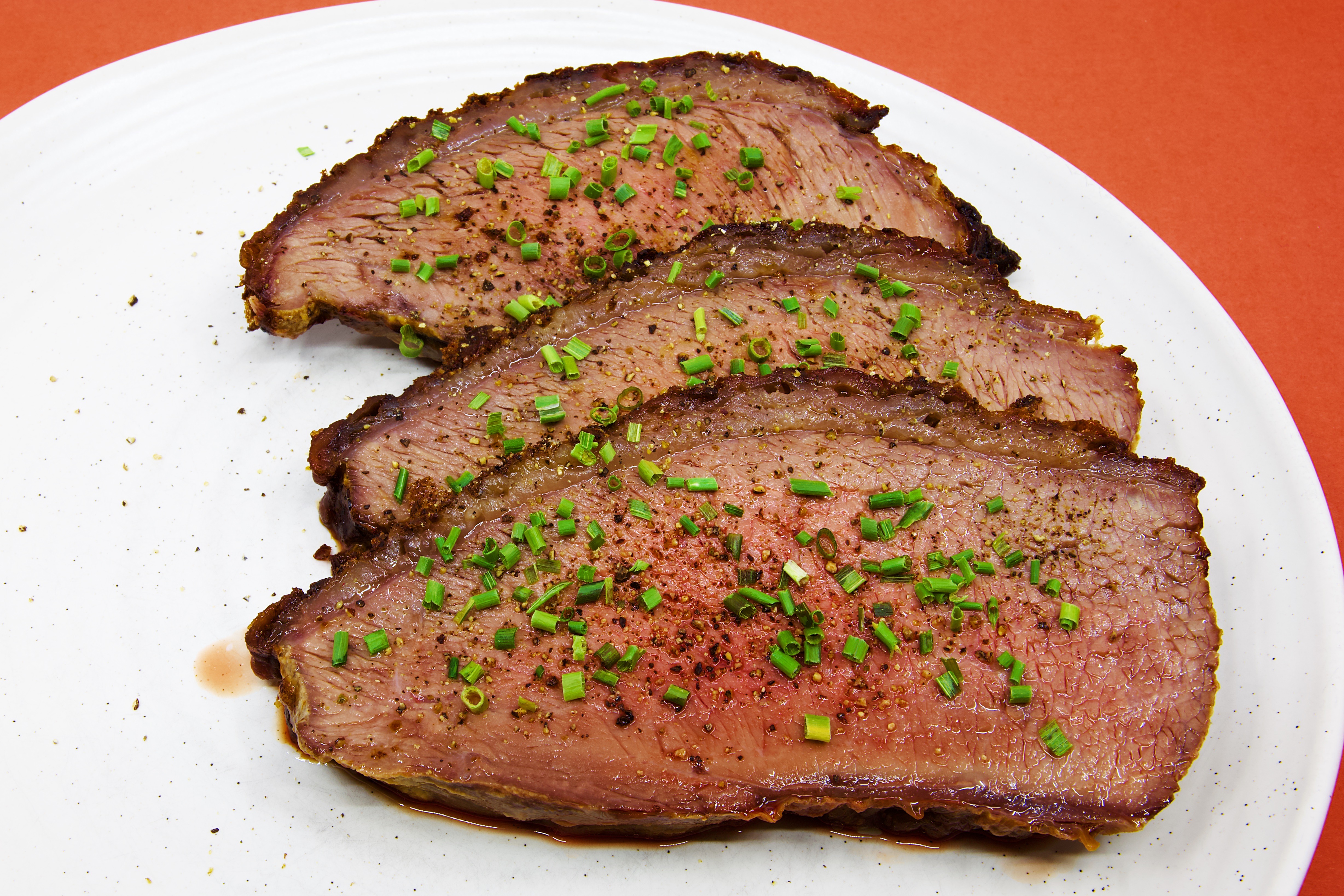
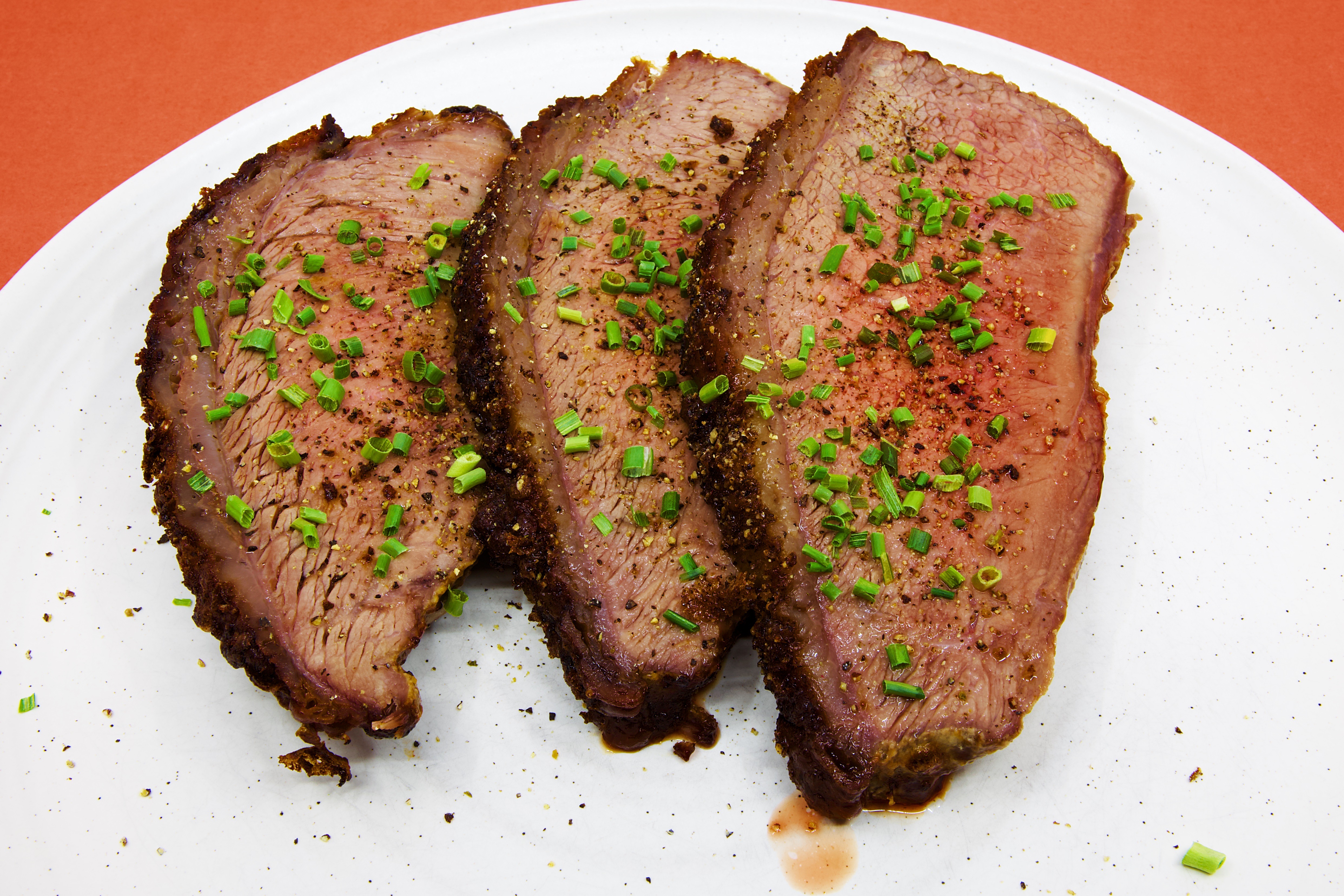
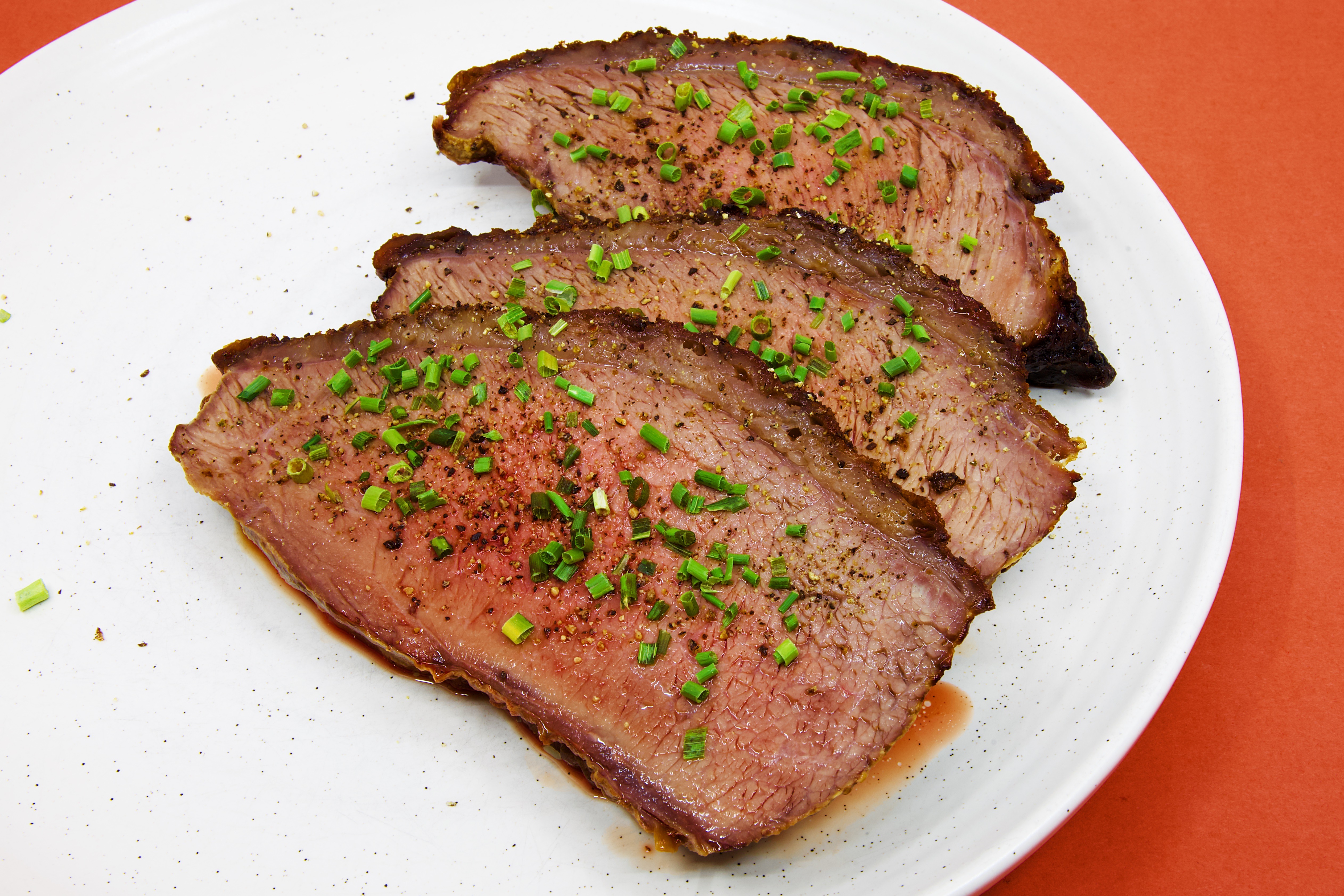
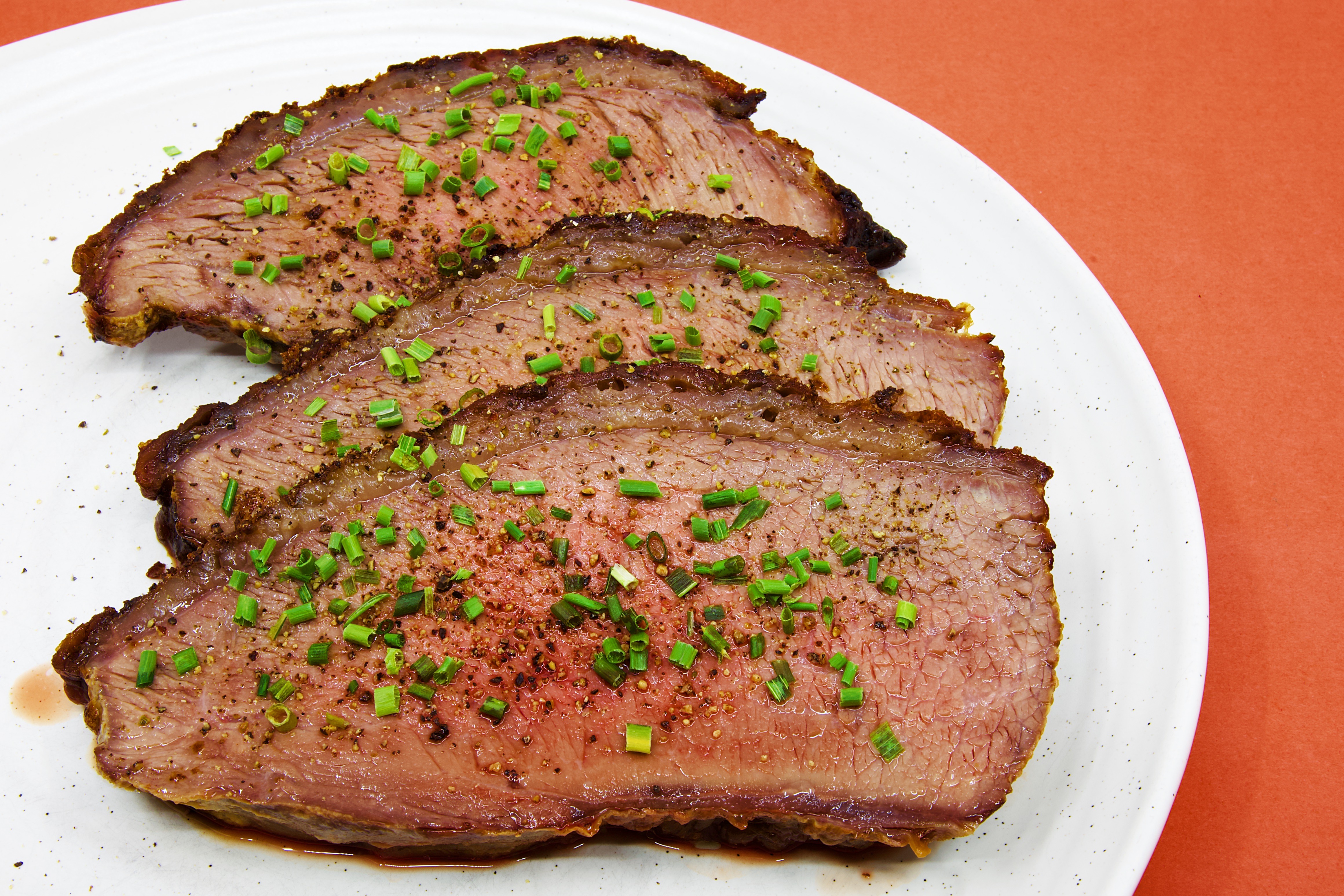
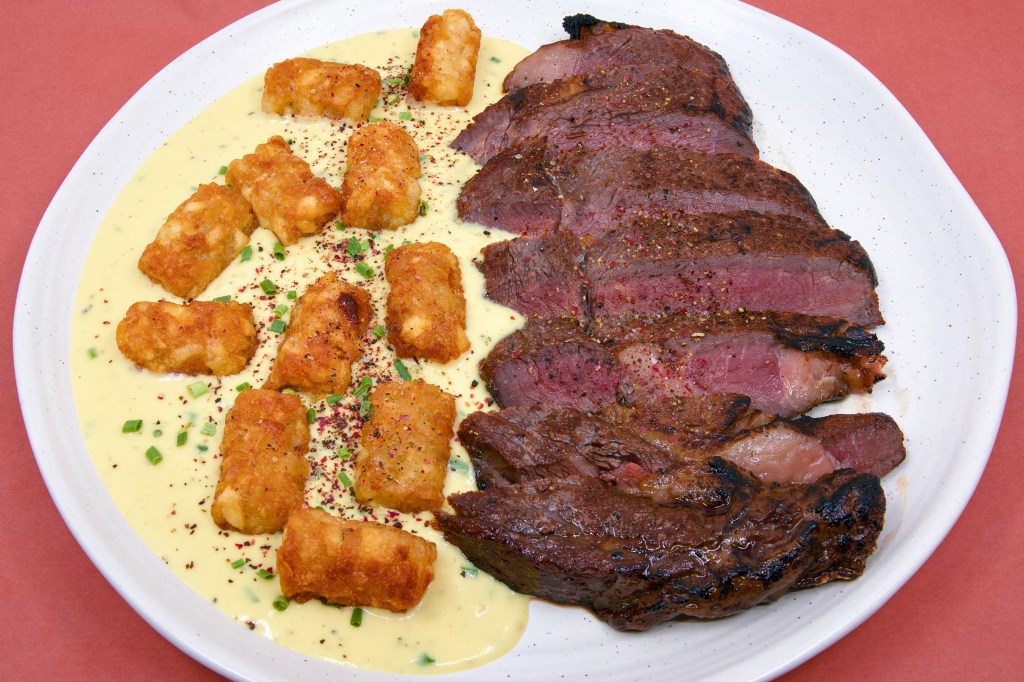
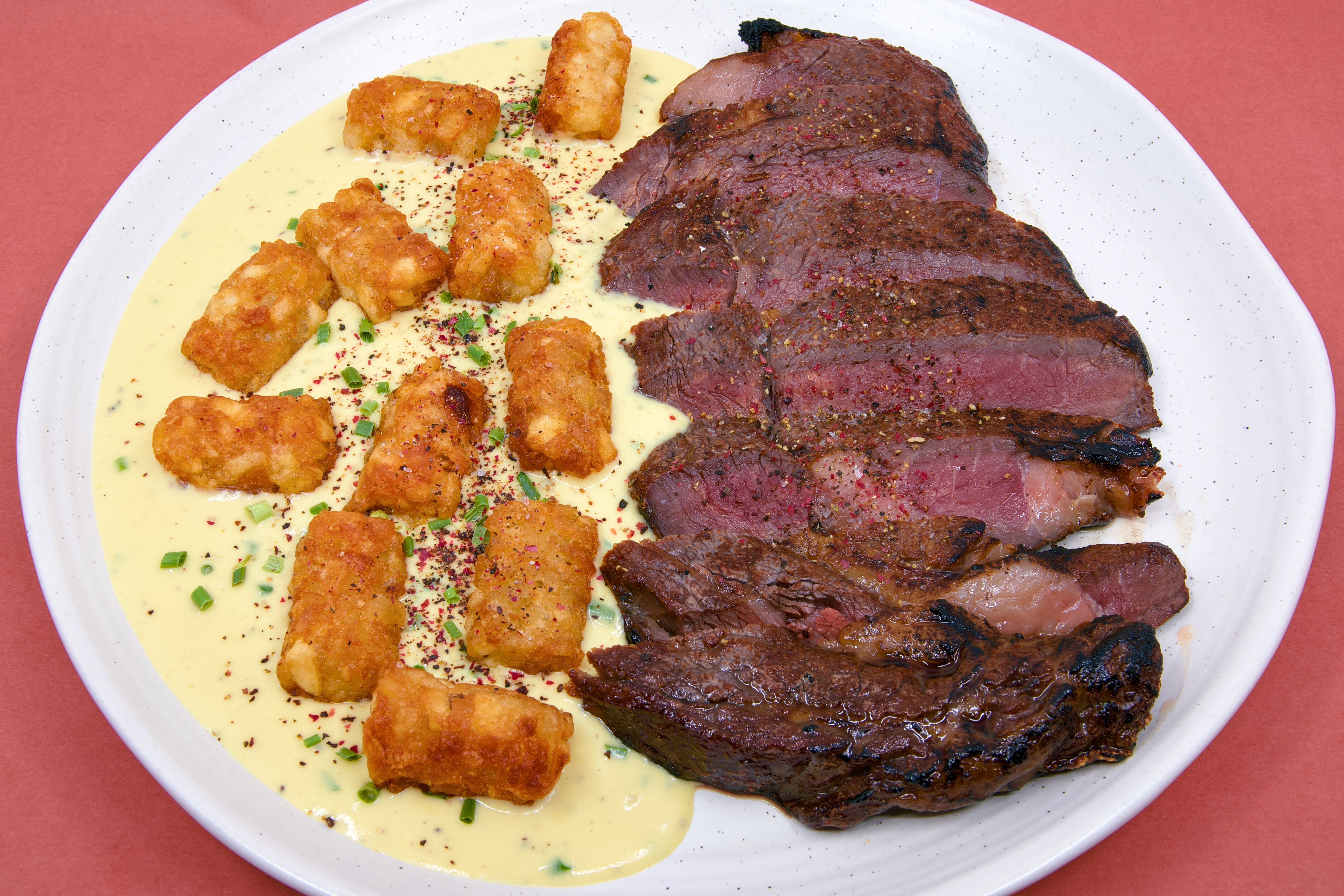
    For lunch, I cooked a 2.450 kg standing rib roast. The meat had been frozen for about a month. After thawing the meat, I’d dry-brined it for a couple of days, and cooked it in a bench-top oven, which had been set at 120 °C. It took 2 hours and 20 minutes to cook to my desired doneness.

    I ate a couple of slices, the fat cap, some Vegemite® blue vein cheese sauce, and a Brussels sprout.

    Hot Cross Bun Dessert

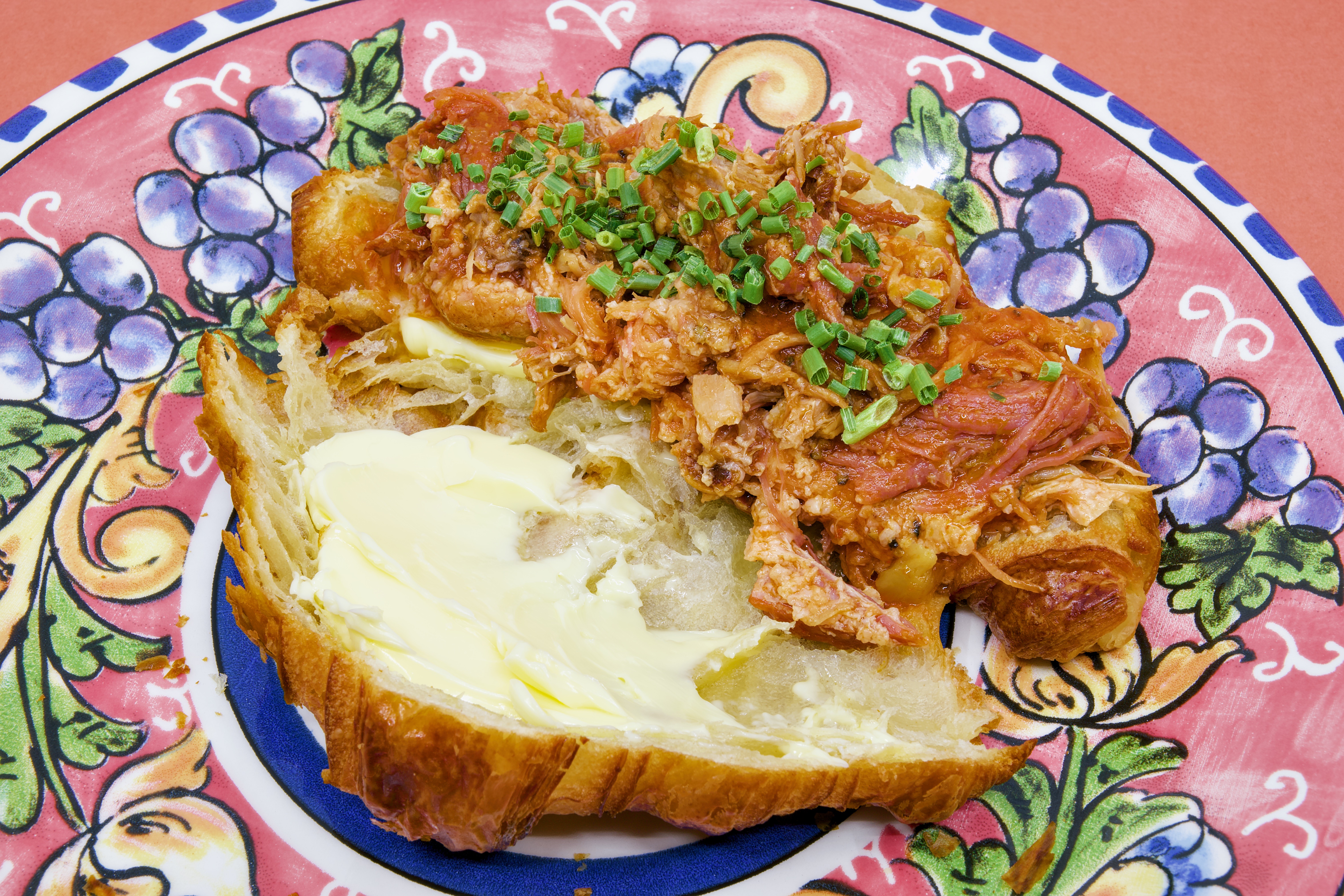
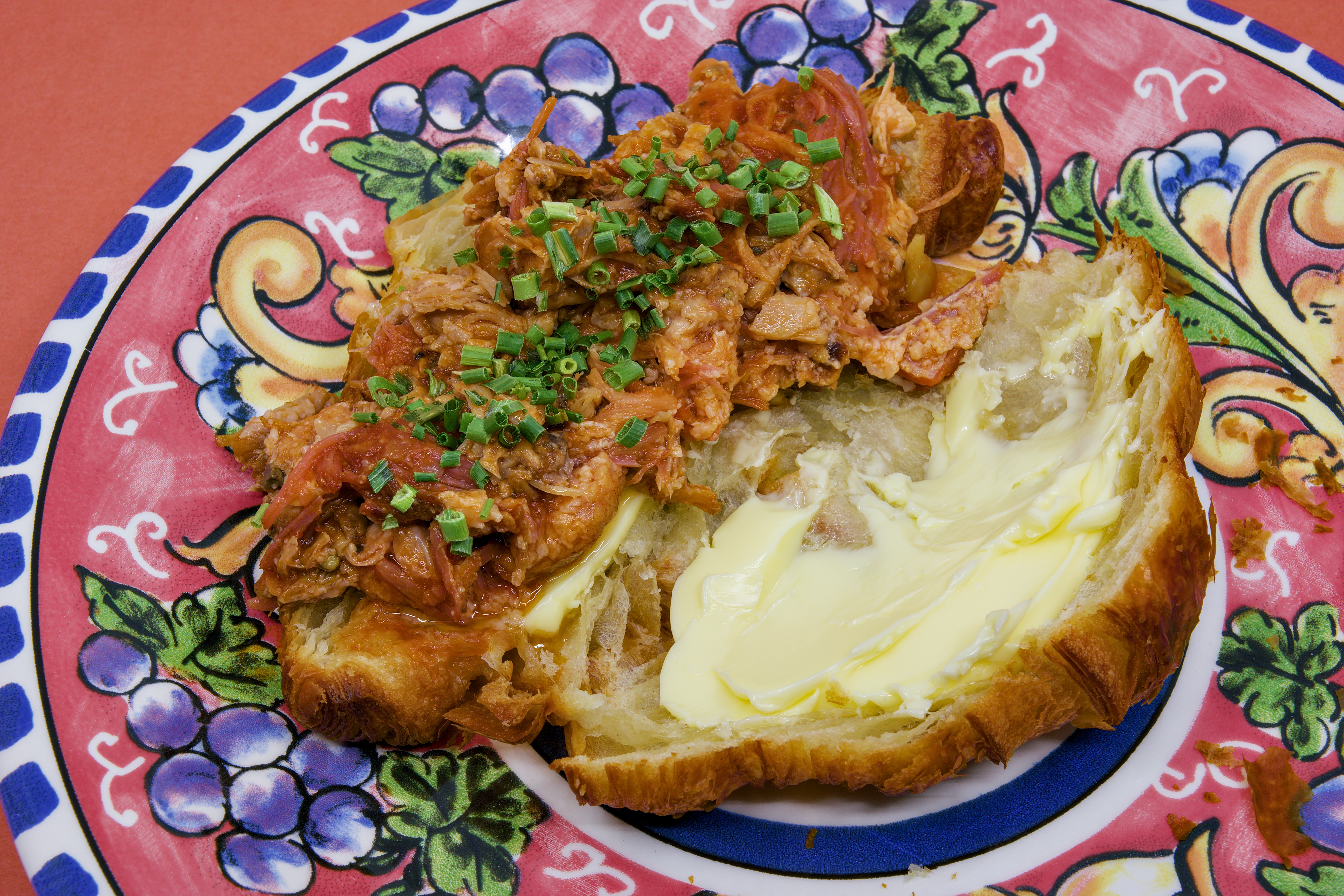
    A warm sourdough Hot Cross Bun with whipped vanilla cream and ginger marmalade.

    It was delicious.

    Fediverse Reactions
  • The most umami sauce

    The most umami sauce


    I’ve been away again this week.

    I was good catching up with friends.

    I got back late last night and decided I would eat well today.

    CIBO Cappuccino

    Easter is next week and I’m getting a head start.

    Perryman's Bakery Sourdough Hot Cross Bun with Coffee

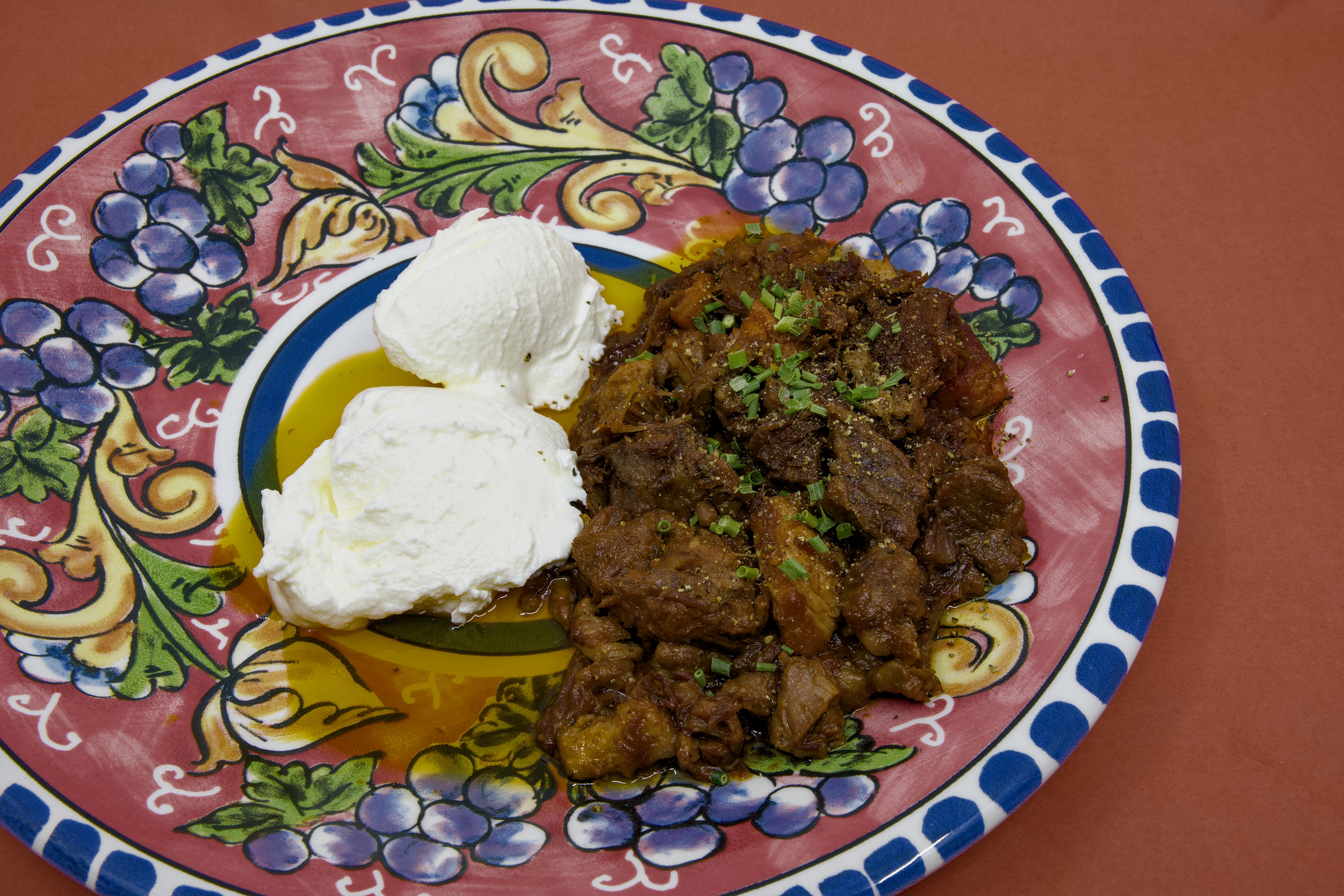
    Lunch was a lamb forequarter chop and poached egg.

    Lamb forequarter chop with a poached egg

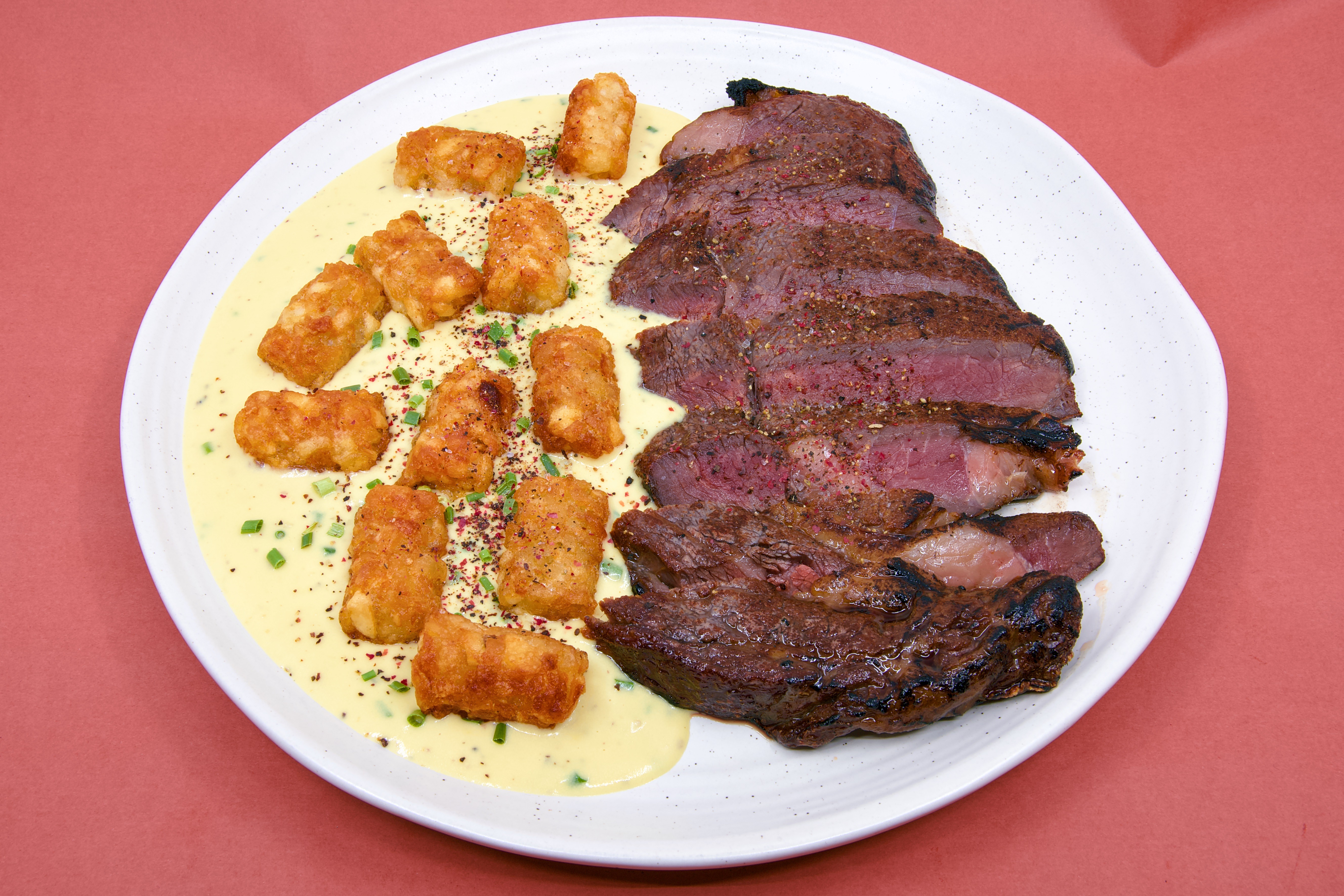
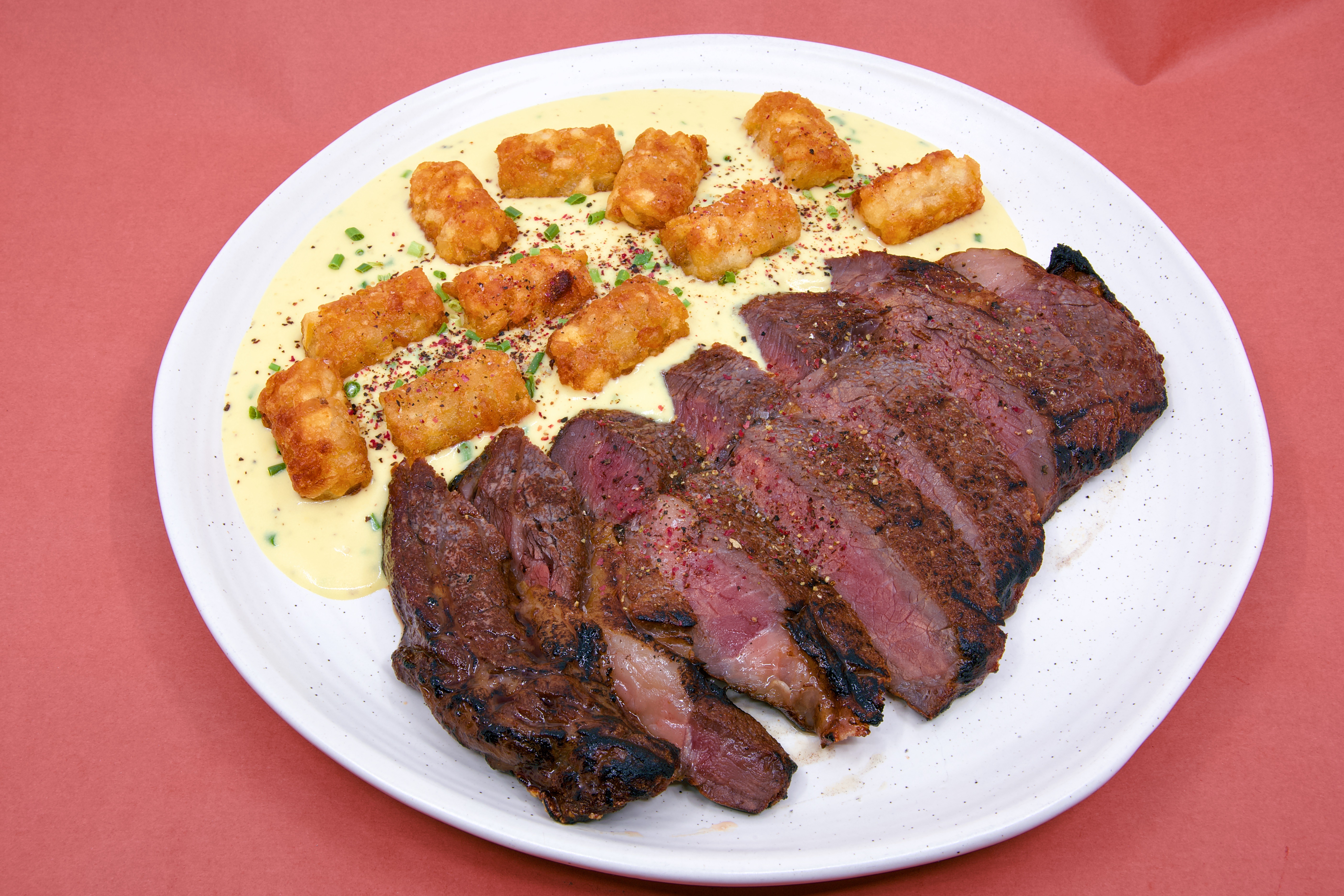
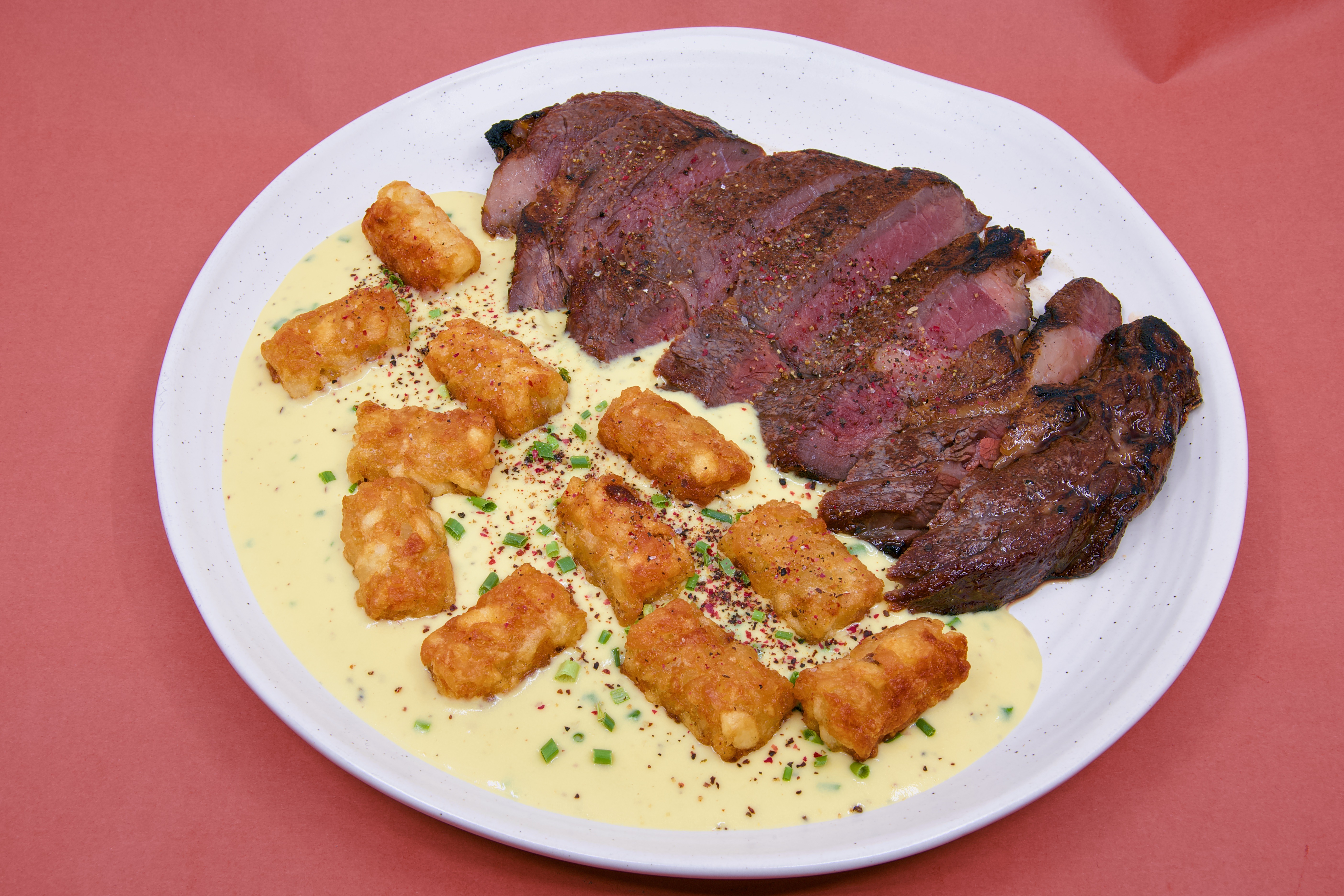
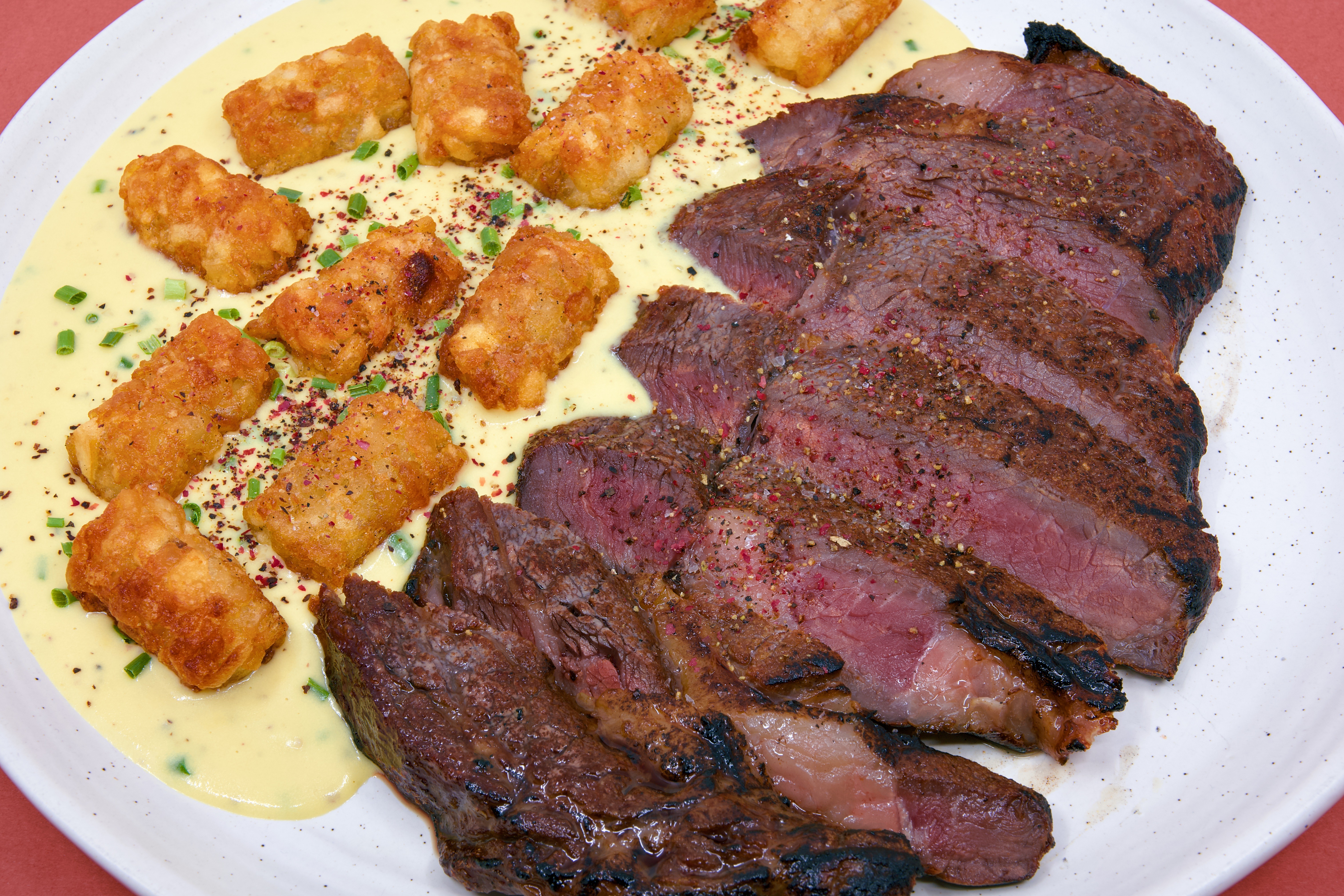
    To make the sauce I used grass-fed butter, cream, cream cheese, blue vein cheese, and Vegemite. It was amazing with both the oysters and the steak.

    Medium rare grass-fed scotch fillet steak with a dozen fresh oysters and the most umami Vegemite blue vein cheese sauce.

  • Reviving my nuts

    Reviving my nuts


    The Dolphins won against the Sharks yesterday evening.

    Screenshot of the results for the National Rugby League game 21 March 2026 between the Dolphins and Sharks. It was played at Shark Park in Cronulla Sutherland shire, NSW. Full time Dolphins 🐬 defeated Sharks 🦈 38:10
    Full time Dolphins 🐬 defeated Sharks 🦈 38:10

    During the game, I enjoyed munching on some of my Queensland nuts. I noticed my nuts were a little stale.

    Queensland nuts can be “revived” because the nuts have a high fat content, which responds to gentle heat. The stale flavour and texture result from oxidised surface fats and absorbed moisture. The oxidation cannot be reversed, but the crispness, aroma, and flavour can be restored.

    Method 1: gentle dry-roasting to refresh texture and flavour.

    This approach works for salted, previously roasted Queensland nuts.

    How to do it

    1. Preheat the oven to 120–140°C (low–moderate heat).
    2. Spread the nuts in a single layer on a baking tray.
    3. Roast for 8–12 minutes, shaking once or twice.
    4. Remove when they smell fragrant and feel slightly firmer when you handle your nuts. Handle them carefully while they are hot.
    5. Let your nuts cool completely—they will crisp as they cool.

    Top tip: Warm salty nuts also taste good and have a good mouthfeel.

    Why this works

    • The heat drives off absorbed moisture, restoring crunch.
    • The heat melts and redistributes the fats, improving flavour.
    • Low heat prevents the already-roasted nuts from burning.

    If they were heavily salted, the salt will remain; if they were lightly salted, the flavour may actually improve because the heat reactivates the salt crystals on the surface.

    Reviving my nuts. Queensland nuts (Genus Macadamia).

    Method 2: stovetop refresh (quick but riskier)

    If you don’t want to heat the oven:

    1. Place your nuts in a dry frypan over low heat.
    2. Stir constantly for 3–5 minutes.
    3. Remove as soon as they smell toasty.

    This works, but Queensland nuts scorch easily because of their high fat content, so watch them closely.

    Optional: re-seasoning

    If the nuts taste flat even after crisping:

    • Toss them while warm with a tiny amount of coconut oil (½ teaspoon per cup).
    • Add fresh salt.
    • Let them cool fully before storing.
    Reviving my nuts. Queensland nuts (Genus Macadamia).

    Storage to prevent future loss of freshness.

    Queensland nuts keep best:

    • In an airtight container, and
    • In the refrigerator or freezer (their fats oxidise slowly at low temperatures).

    Queensland nuts thaw quickly and don’t clump.

    Taxonomy of Macadamia (Queensland nuts)

    Macadamias belong to the family Proteaceae and comprise four recognised species, all native to eastern Australia. Two species—M. integrifolia and M. tetraphylla—produce the edible nuts commonly sold as “Queensland nuts” or “macadamia nuts.”

    Scientific Classification

    RankTaxon
    KingdomPlantae
    CladeTracheophytes → Angiosperms → Eudicots
    OrderProteales
    FamilyProteaceae
    SubfamilyGrevilleoideae
    TribeMacadamieae
    SubtribeMacadamiinae
    GenusMacadamia F. Muell. (1857)

    Recognised Species

    The genus Macadamia currently includes four species:

    SpeciesCommon NameDistributionNotes
    Macadamia integrifoliaQueensland nut treeSE Queensland; N NSWPrimary commercial species; edible nuts.
    Macadamia tetraphyllaRough-shelled macadamiaSE Queensland; N NSWAlso commercially grown; edible nuts.
    Macadamia ternifoliaGympie nutQueenslandContains cyanogenic glycosides; not used commercially.
    Macadamia janseniiBulburin nutCentral QueenslandCritically endangered; contains cyanogenic glycosides.

    Nomenclature and Common Names

    “Queensland nut” is one of several traditional and commercial names for Macadamia species:

    • Queensland nut
    • Bush nut
    • Maroochi nut
    • Bauple nut
    • Macadamia nut

    These names reflect both Indigenous use and early European settlement history in Queensland.

    The genus name Macadamia honours John Macadam[i], a Scottish Australian chemist, politician, and medical teacher.

    Origin and Distribution

    All Macadamia species are endemic to Australia, specifically:

    • Central and Southeastern Queensland
    • Northeastern New South Wales

    Commercial production began in Australia but expanded globally—most notably to Hawaii in the 1880s. Today, the Republic of South Africa is the largest producer.

    Key Biological Notes

    • Macadamias are evergreen trees reaching 2–12 m in height.
    • The fruit is a hard, woody follicle containing 1–2 seeds (the “nuts”).
    • The shell is exceptionally tough, requiring ~2000 N of force to crack.
    • Only M. integrifolia and M. tetraphylla produce nuts safe for human consumption; the other species contain cyanogenic glycosides.
    NutrientAmount (per 30 g)Amount (per 100 g)
    Energy906 kj3020 kj
    Protein3 g10 g
    Total Fat22.2 g74 g
    Saturated Fat3.0 g10 g
    Monounsaturated Fat17.9 g59.7 g
    Polyunsaturated Fat0.34 g1.13 g
    Omega‑3 (ALA)60 mg200 mg
    Trans Fat0 g0 g
    Carbohydrate (total)1.4 g4.7 g
    Sugars1.4 g4.7 g
    Dietary Fibre1.9 g6.3 g
    MicronutrientAmount (per 30 g)% of Australian RDI
    Manganese1.53 mg31%
    Thiamine (B1)0.09 mg8%
    Copper0.36 mg12%
    Magnesium28 mg9%
    Iron0.54 mg4.5%
    Zinc0.4 mg3%
    Potassium123 mg3%
    Calcium14 mg2%
    Vitamin B60.08 mg5%
    Vitamin E0.42 mg4.2%
    Folate3.3 µg2%
    Selenium3 µg4.3%

    [i] John Macadam (1827–1865) was a Scottish Australian analytical chemist, medical practitioner, university lecturer, politician, and a key scientific administrator in colonial Victoria. He is remembered because botanist Ferdinand von Mueller named the genus Macadamia in his honour.

    Fediverse Reactions
  • Democracy sausage time

    Democracy sausage time


    I now live in a jurisdiction with a bicameral legislature. While we have the Australian Senate nationally, in the states or territories I’ve lived in, there has only been a lower house, meaning there is no house of review. I don’t intend to share my personal thoughts on upper houses; suffice to say, the lack of an upper house doesn’t seem to make much difference to state or territory governance (in my opinion).

    There is an election this Saturday, and as has become my practice, I arrange to vote early. My early voting isn’t because I am a keen participant in my privilege as a citizen, but because of my desire to avoid other human beings as much as possible.

    It’s time to write again about:

    The Democracy Sausage

    on Yummy Lummy.

    What have I been listening to?

    I listened to an interview with linguist and psychologist Steven Pinker. He is a Canadian‑American cognitive psychologist and a public intellectual, known for his work on language, human nature, and the surprising ways our world is improving.

    His books include The Language Instinct, How the Mind Works, The Better Angels of Our Nature: Why Violence Has Declined, Enlightenment Now: The Case for Reason, Science, Humanism, and Progress, Rationality: What It Is, Why It Seems Scarce, Why It Matters, The Blank Slate: The Modern Denial of Human Nature, and The Sense of Style: The Thinking Person’s Guide to Writing in the 21st Century. The interview I listened to focused on his latest book, When Everyone Knows That Everyone Knows: Common Knowledge and the Mysteries of Money, Power, and Everyday Life.

    I left with a better understanding that I don’t share common knowledge very often. It helped explain why I miss social cues and why I’m socially awkward.

    I’ve also been listening to the Westminster Tradition podcast. It offers lessons for public service by examining public policy failures such as Robodebt and the UK’s Mad Cow Disease incident.

    What have I been watching?

    The truth about the toxic algal bloom spreading across the south of Australia.

    The ABC’s Four Corners presented a show on the algal bloom across southern Australia.

    You can also view it on YouTube.

    I won’t comment on it because I have a connection to it through my job. I usually don’t watch Four Corners, and I won’t be watching it again anytime soon.

    Democracy sausage made with Kransky and cheese with onion, cheddar, and sourdough, lined with whipped Vegemite butter.

    A slice of white sourdough bread with a generous layer of whipped Vegemite butter for lubrication and umami.

    One kransky and cheese sausage cut longitudinally and then bisected. Cooked on a cast-iron flat-top in the Weber Q+.

    A couple of slices of brown onion. Cooked on a cast-iron flat-top in the Weber Q+.

    The sausage was loaded onto the bread, and then the onion, and then a couple of pieces of aged cheddar cheese. I finished it on the Weber Q+ with the hood down, so the cheese started to melt, and the sourdough was fried in beef fat and whipped Vegemite butter.

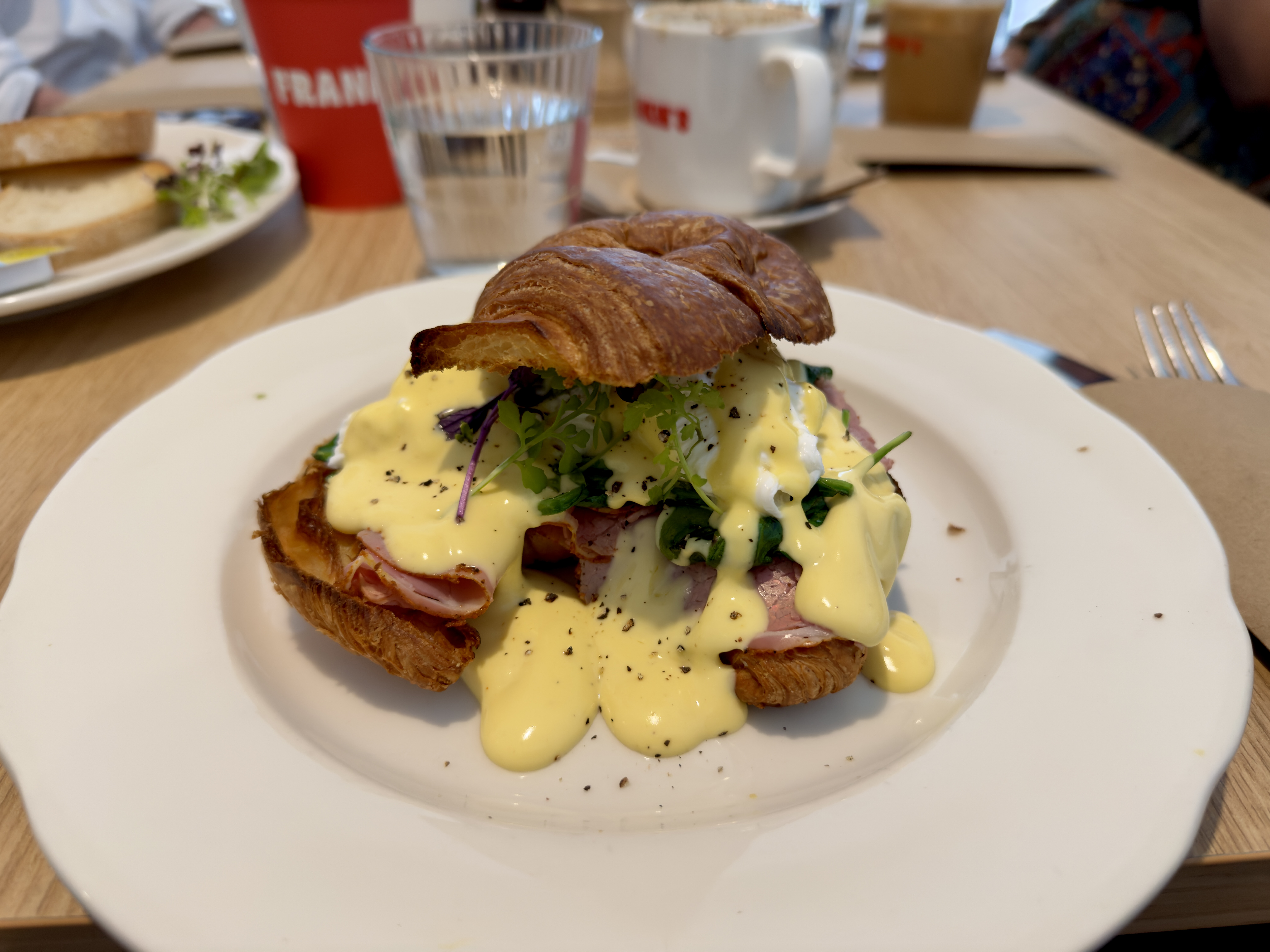
    I had another kransky sausage and made another meal with poached eggs and Hollandaise sauce.

    Democracy sausage, cooked in the Weber Q+ with some white onion, was served with a couple of poached eggs and freshly made Hollandaise sauce. The sauce was delicious, made with three egg yolks, freshly squeezed lemon juice, Vegemite and melted salted butter. However, the poached egg yolks broke prematurely, creating a mess on the plate.

    A Kransky is a smoked, cured pork sausage originating from Slovenia, where it is known as kranjska klobasa. It is now widely produced and enjoyed in Australia.

    Key Characteristics

    • Smoked (traditionally beechwood or hardwood)
    • Coarse‑minced pork (sometimes pork + beef)
    • Seasoned with garlic, pepper, paprika, coriander, and other spices
    • Encased in natural or collagen casings
    • Fully cooked and ready to heat or eat

    Ingredients

    • 100% Australian pork
    • Water
    • Salt
    • Mineral salts (450, 451, 452)
    • Antioxidant (316)
    • Vegetable gum (412)
    • Spices
    • Preservative (250)
    • Collagen casing
    • Naturally beechwood smoked

    Per 100 g (standardised comparison)

    NutrientAmount
    Energy~253–336 kcal
    Protein~14.9–18.9 g
    Total Fat~21–22.4 g
    Saturated Fat~9–9.8 g
    Carbohydrates~1–2.8 g
    Sugars~1–1.3 g
    Sodium~943–1013 mg

    History of the Democracy Sausage

    Polling day in Australia often smells of onions and tomato sauce. The Democracy Sausage — a sausage sizzle run by community groups at polling places — has become a ritual, part of Australian elections: a fundraiser, a social moment and a cultural symbol rolled into one. (Museum of Australian Democracy 2024).

    Origins and early fundraising

    Community fundraising at polling places dates back at least to the 1920s, with cake-and-tea stalls. The sausage sizzle emerged later, becoming widespread with the availability of portable barbecues in the late 1900s. The phrase “democracy sausage” entered popular use in the 2010s and became well known by the mid-2010s. (Museum of Australian Democracy 2024).

    Why it stuck

    Compulsory voting (introduced federally in 1924) and Saturday polling create large, captive, family-friendly crowds at local schools and halls. These constitute ideal conditions for community groups to fundraise with food. Over time, the sausage sizzle moved from pragmatic fundraiser to cultural shorthand for the civic act of voting. (Museum of Australian Democracy 2024).

    Forms of the Democracy Sausage

    Classic form

    The archetypal democracy sausage is a grilled pork or beef sausage, served on a slice of plain white bread with tomato or barbecue sauce, and sometimes with fried onions.

    The bread is not buttered.

    Contemporary variations

    Stalls have expanded their offerings to include sourdough rolls, gourmet sausages, vegetarian and vegan sausages, gluten-free bread, and accompaniments such as kimchi, sauerkraut, or cheese. Social media and crowd-sourced maps listing which booths offer which options have also encouraged variety. (Wikipedia 2024).

    Reasons for the Democracy Sausage

    Practical and social reasons

    • Fundraising: For many schools, churches, and community groups, the election-day sizzle is one of the year’s biggest fundraising opportunities.
    • Queue relief: Long queues make a quick, hot snack practical and welcome.
    • Community ritual: The sausage sizzle turns voting into a communal, family-friendly event and reinforces local ties.

    Political implications of the Democracy Sausage

    Non-partisan civic culture

    Although run by local groups rather than political parties, the democracy sausage contributes to a visible, everyday culture of participation that normalises voting as a communal act rather than a purely private duty. This normalisation supports turnout in a system where voting is compulsory and helps frame elections as both local social events and political contests.

    Soft political effects

    I wonder if the sausage sizzle can have subtle political effects.

    The sausage sizzle increases foot traffic at certain polling places, creates opportunities for informal political conversation, and can shape the mood on polling day.

    I have thoughts about stereotypes, which may or may not be worthy. I wonder if the barbecues staffed by more young, environmentally conscious people include vegetarian and vegan sausages. I wonder what meat-only stalls say about the local politics.

    I wonder if anyone has studied this and published their findings.

    Range and variety of the Democracy Sausage

    From humble snag to culinary creativity

    Across Australia, you’ll find everything from the classic snag-in-bread to artisan sausages on brioche, plant-based options, and culturally inflected toppings. The diversity reflects broader food trends (health, ethics, gourmetisation) and local tastes; some stalls advertise their menus in advance so voters can choose a polling place based on what’s on offer. stalls advertise their menus in advance so voters can choose a polling place based on what’s on offer.

    The likely future of the Democracy Sausage

    Evolution, not extinction

    I assume the democracy sausage will remain a fixture. I expect continued diversification (more plant-based and dietary-specific options), greater use of digital mapping and social media to publicise stalls, and occasional debates about health, waste (single-use packaging) and food safety. In the absence of major changes to voting day timing or compulsory voting, the sausage sizzle will remain.

    Endnotes

    1. Museum of Australian Democracy, 2024, The sizzling history of the democracy sausage. Museum of Australian Democracy
    2. Wikipedia 2024, Democracy sausage, Wikipedia. Wikipedia

    Fediverse Reactions
  • Whipped Vegemite butter

    Whipped Vegemite butter


    Last week on the Lunchbox Envy podcast, the theme was spreads. The hosts made disparaging comments about an Australian food product.

    It inspired me to make whipped Vegemite[i] butter using products from Australia and New Zealand.

    Grass-fed scotch fillet steak, red cabbage, whipped Vegemite butter, and pomegranate arils

    It was easy to make; it just took a few hours for the butter to soften enough to whip into a light, fluffy butter cream. I was surprised by how little Vegemite was needed to alter the colour and turn the whipped butter into a mousse-like, sweet, chocolate-coloured dessert. Instead, I had a light and fluffy bowl of umami goodness. In my mind, I thought it would be perfect to spread on steak.

    Recipe

    Whipped Vegemite butter

    Ingredients

    • Butter — 200 g
    • Vegemite — 1 teaspoon

    Equipment

    • Hand-held mixer

    Instructions

    1. Allow the butter to get to room temperature.
    2. Place the butter in a bowl and, with a hand-held mixer, whip it until light, fluffy, and well aerated.
    3. Add the teaspoon of Vegemite and continue whipping the Vegemite butter.

    Steak

    Ingredients

    • Grass-fed scotch fillet steak
    • Red cabbage

    Equipment

    • Water bath
    • Precision cooker
    • Hooded barbecue grill
    • Gas torch

    Instructions

    • Cook the steak in the water bath for 2 hours at 57 °C.
    • Heat the hooded barbecue and plate the cabbage on the cast-iron flat-top.
    • Sear the steak on the cast-iron flat-top on the barbecue.
    • Serve the steak with the whipped Vegemite butter.

    Dessert — A scone alternative

    A sourdough hot cross bun with fruit is a great alternative to a scone. The cream was whipped pure-pouring Cream (300 mL), and the “jam” was Ginger Marmalade (365 g). Marmalade also featured on the “spreads” episode of the Lunchbox Envy podcast.

    This is my version of a “Devonshire tea,” only it is a dessert.

    Photographs

    including previous meals with the whipped Vegemite butter.

    Vegemite love

    When I was in primary school, I used to eat Vegemite sandwiches every day for a year, and the following year I’d alternate with peanut paste sandwiches.


    [i] Vegemite is one of Australia’s most iconic flavours, born in the early 1920s when chemist Cyril Callister set out to create a local alternative to British Marmite. Developed in 1922 and first sold in 1923, it was originally called Pure Vegetable Extract before a naming competition produced the now‑famous “Vegemite.” Although it took time to win over Australian households, wartime shortages of imported goods helped it become a national staple, and it has remained deeply woven into Australian food culture ever since.

    At its core, Vegemite is made from leftover brewer’s yeast extract—a by‑product of beer production—combined with vegetable extracts, salt, and malt extract. The yeast undergoes autolysis, a process that breaks down the cells and concentrates the savoury, umami‑rich liquid that gives Vegemite its signature flavour. This mixture is then blended into a thick, dark brown paste with a consistency similar to firm jelly. The exact vegetable extract blend remains a closely guarded secret, but the result is unmistakable: salty, slightly bitter, deeply savoury, and intensely aromatic.

    Nutritionally, Vegemite is surprisingly dense for such a small serving. A teaspoon delivers around 1.3 grams of protein with minimal fat and carbohydrates, making it extremely low in calories. Its standout feature is its B‑vitamin content—thiamine (B1), riboflavin (B2), niacin (B3), and folate (B9) are all present in significant amounts, with some versions also fortified with vitamins B6 and B12. These micronutrients support energy metabolism and overall wellbeing, which is part of why Vegemite was historically marketed as a health food. The only caution is its naturally high sodium content, though reduced‑salt varieties are now available.