

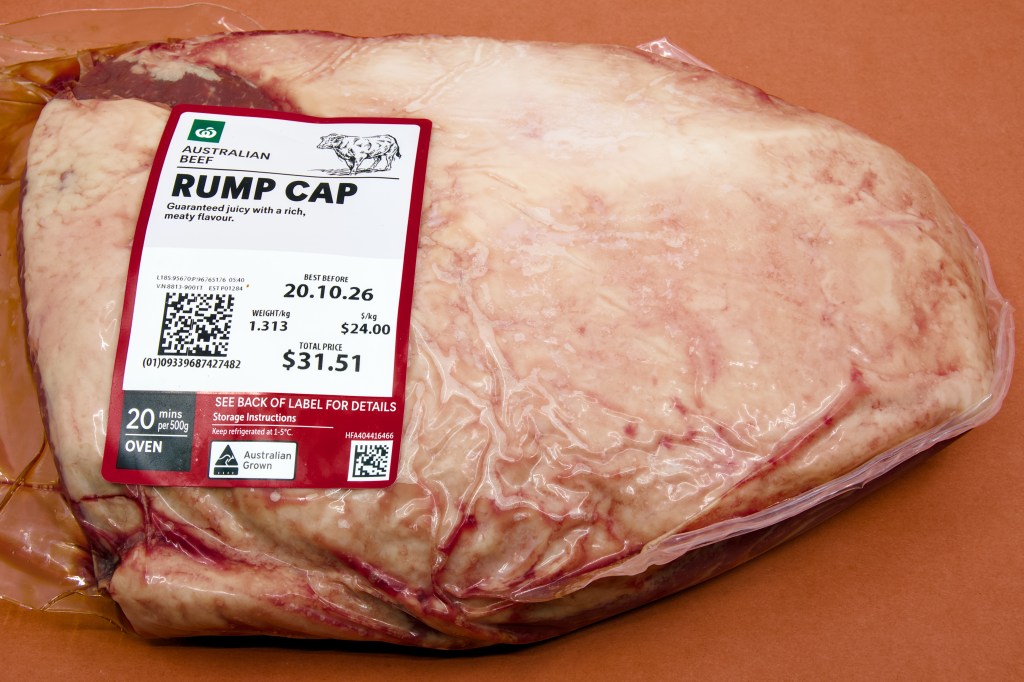
A beef rump cap roast is a straightforward cut to prepare in a benchtop oven. Its characteristic fat cap helps protect the meat during cooking and contributes flavour as it renders. Using a wireless meat thermometer removes much of the guesswork from roasting by allowing you to monitor the internal temperature throughout the cook.
This recipe is designed for a 1.3 kg beef rump cap roast cooked in an aluminium foil tray with an aluminium foil cover.
What Is Beef Rump Cap?
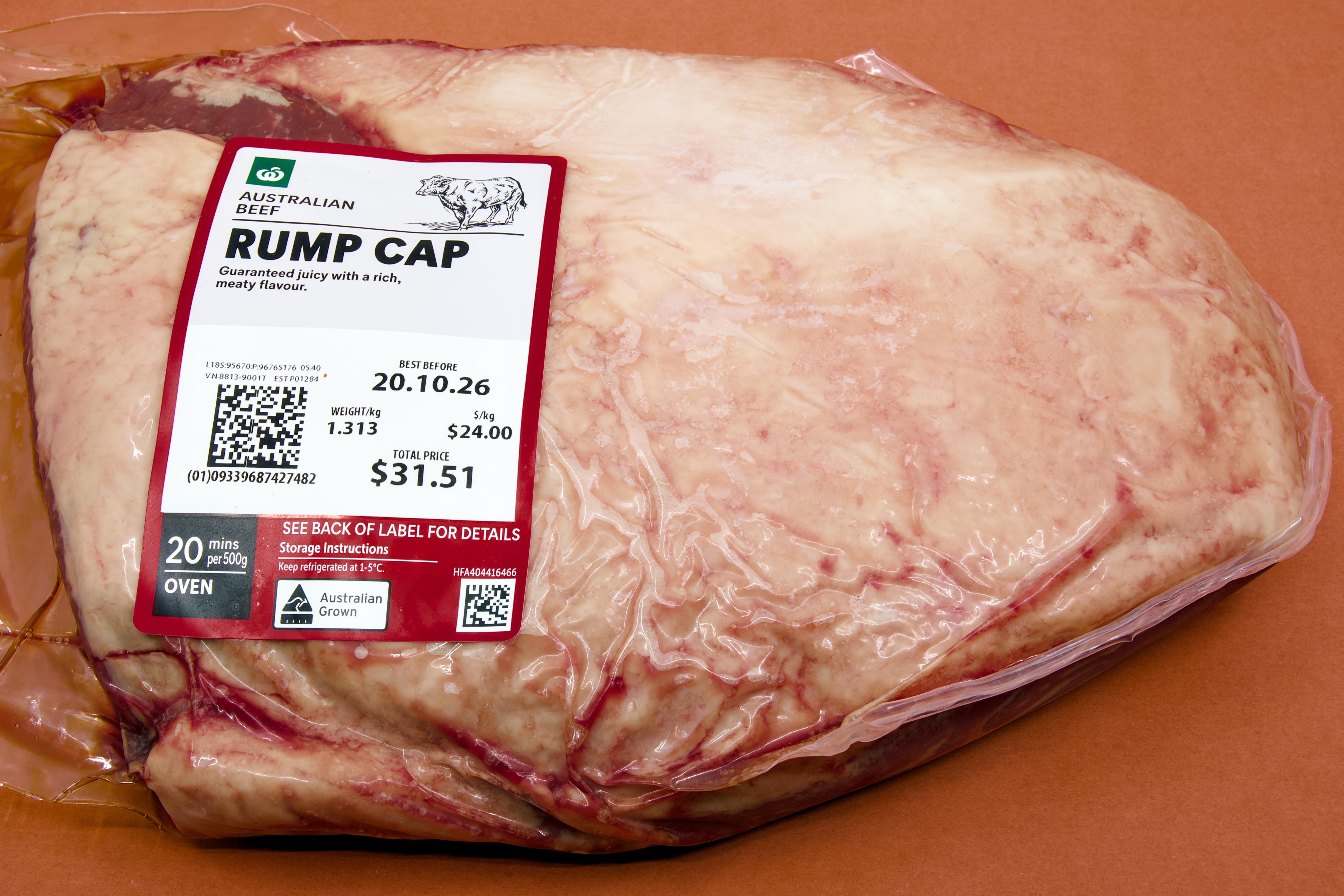
Rump cap is a muscle that sits over the rump primal. Depending on the country and butchery tradition, it may also be known as picanha, sirloin cap, or coulotte.
The cut is recognised by its layer of fat on one side. When roasted with the fat cap uppermost, the rendering fat helps protect the meat and contributes flavour to the finished roast.
A 1.3 kg rump cap roast will generally provide five to seven servings, depending on portion size and accompanying dishes.
A Brief History of Rump Cap
Rump cap has been valued for generations in cattle-producing regions because it provides a balance between tenderness, flavour, and affordability.
In Brazil, the cut became widely known as picanha and is a traditional feature of churrasco, where beef is cooked over live fire on large skewers. The popularity of Brazilian barbecue has introduced the cut to diners around the world.
In Australia, rump cap was often sold simply as part of the rump. As consumer interest in specific beef cuts increased, many butchers began identifying rump cap as a separate cut. Today it is commonly prepared on barbecues, rotisseries, and in domestic ovens.
Although often associated with grilling, rump cap is equally suitable for roasting, particularly when cooked as a whole piece and monitored with a meat thermometer.
Ingredients
- 1.3 kg beef rump cap roast
- 1 tablespoon butter, softened
- 1 tablespoon mustard
- 1 to 2 teaspoons cooking salt
- 1 teaspoon freshly ground black pepper
Equipment
- Benchtop oven
- Aluminium foil roasting tray
- Aluminium foil cover
- Wireless thermometer
- Tongs
- Carving knife
- Cutting board
Temperature and Cooking Time
For a 1.3 kg beef rump cap roast:
- Oven temperature: 180 °C
- Approximate cooking time: 60 to 75 minutes
Actual cooking time will vary according to the shape of the roast, the accuracy of the oven, and the starting temperature of the meat. Internal temperature should be used as the primary guide.
Target Internal Temperatures
| Doneness | Remove from oven | Final temperature after resting |
| Rare | 48 °C | 52 °C |
| Medium-rare | 52 °C | 55 °C to 57 °C |
| Medium | 57 °C | 60 °C to 63 °C |
| Medium-well | 63 °C | 66 °C to 68 °C |
For many people, a final temperature of 55 °C to 57 °C provides a pink centre while maintaining a tender texture.
Instructions
1. Prepare the Roast
Dry brine the meat overnight.
Remove the beef from the refrigerator 30 to 45 minutes before cooking.
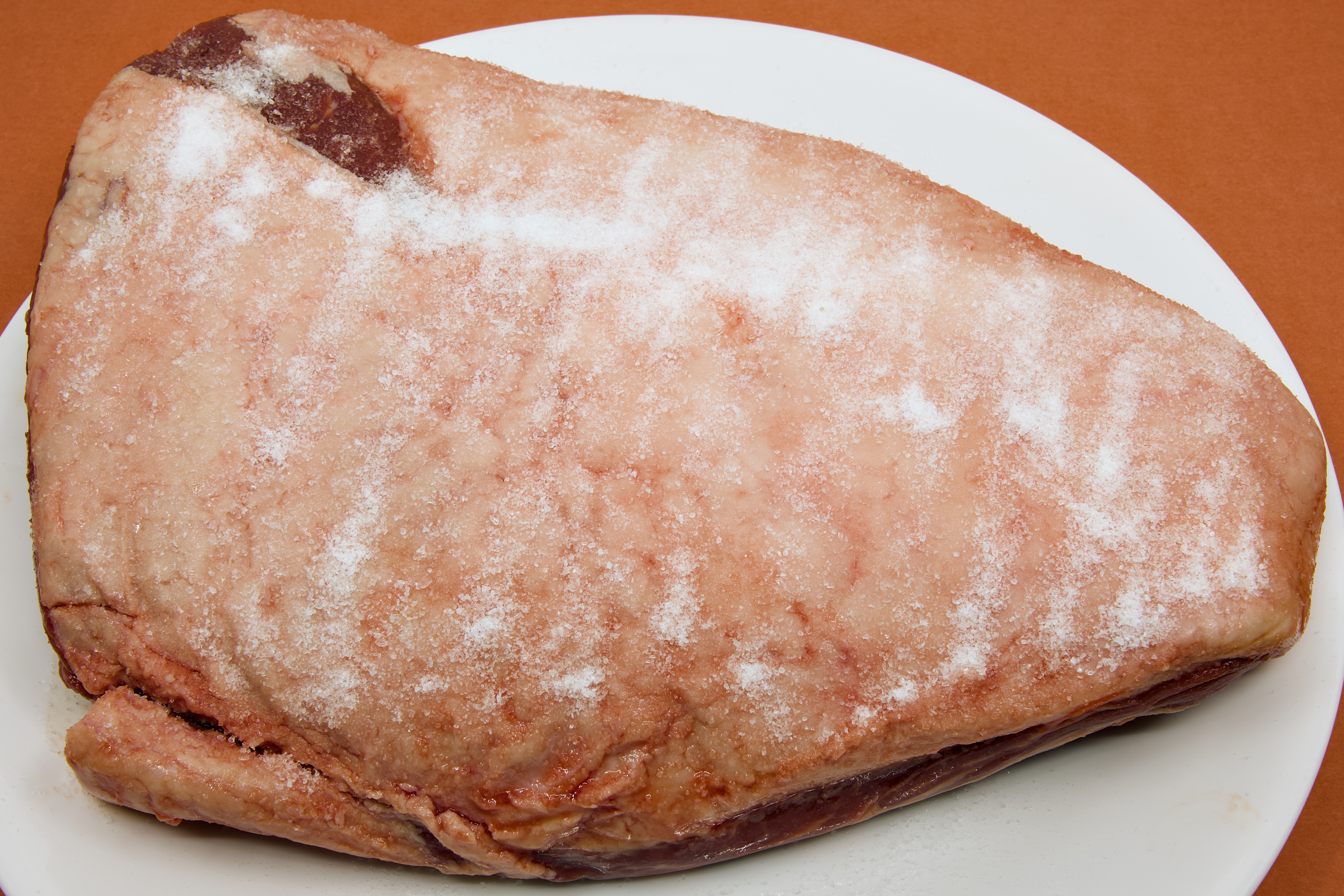
Pat the surface dry with a paper towel.
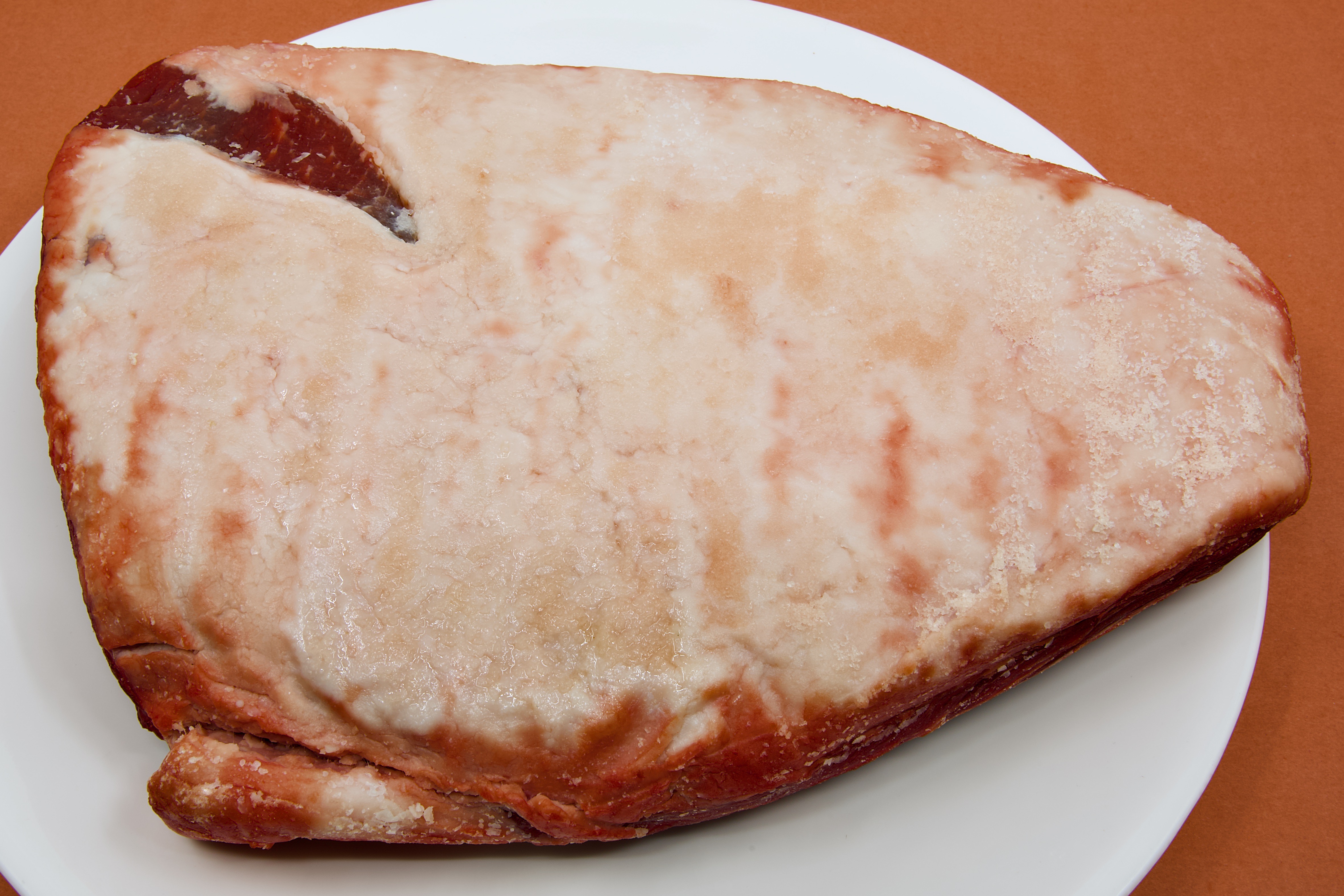
Place the softened butter and mustard in your hands. Use the warmth of your hands to mix them until combined, then rub the mustard butter gently over the entire surface of the meat to coat it evenly.
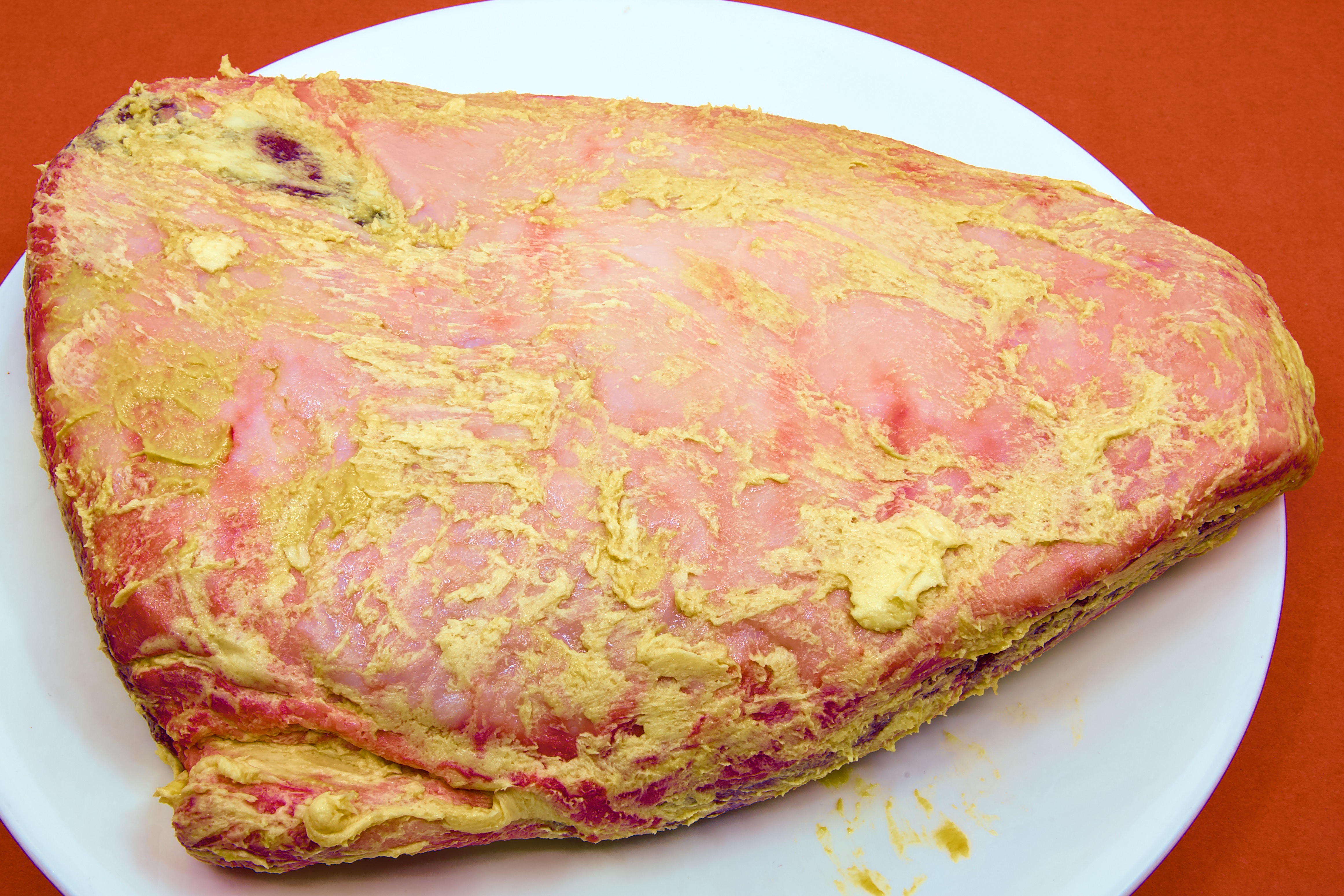
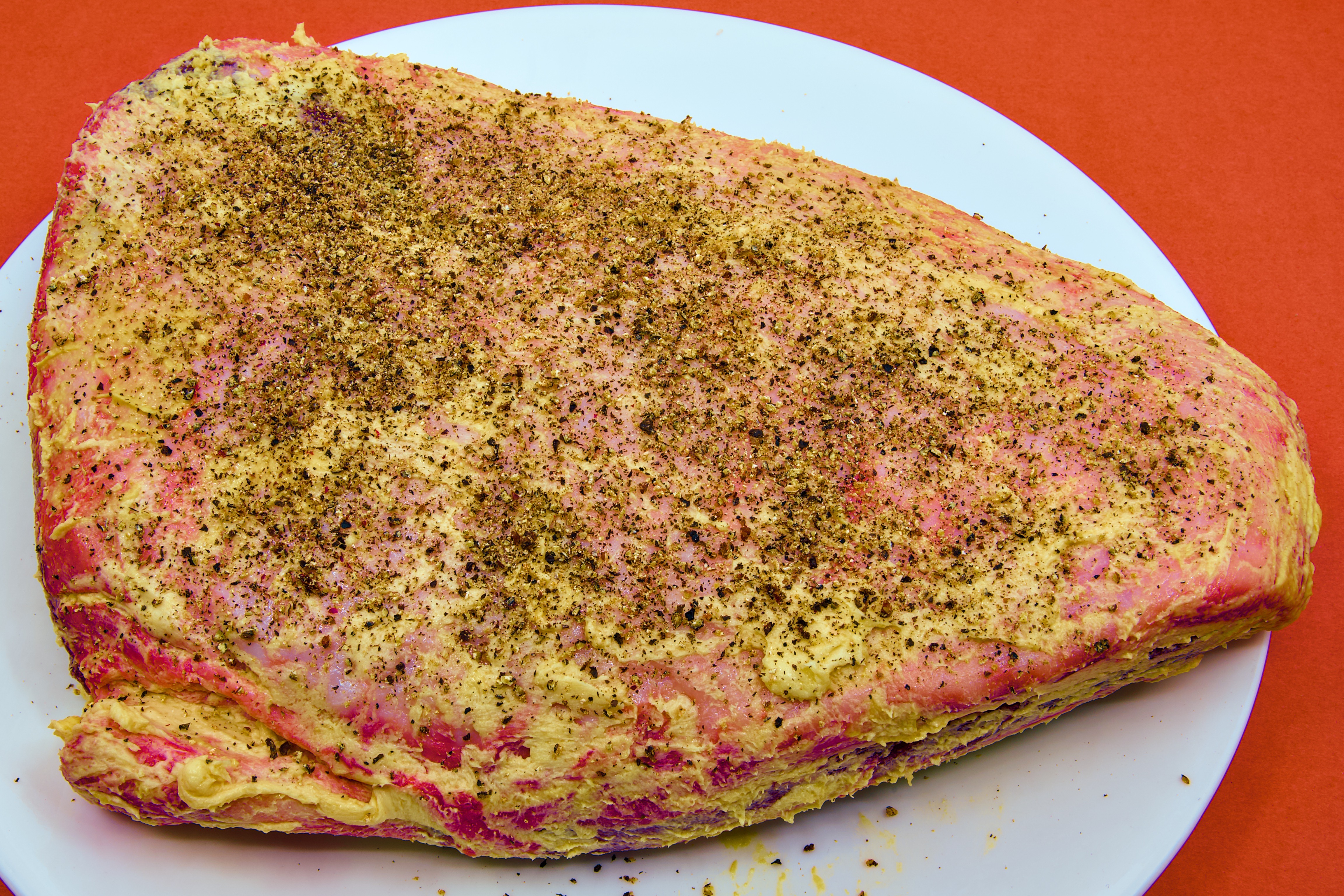
The mustard butter helps additional cooking salt and freshly ground peppercorns adhere to the surface during roasting. Season the coated roast evenly.
2. Insert the Thermometer
Insert the wireless thermometer into the centre of the thickest part of the roast.
Position the sensor in the middle of the meat and avoid placing it directly into the fat cap.
3. Prepare the Roasting Tray
Place the rump cap into the aluminium foil tray with the fat cap facing upward.
Cover the tray loosely with aluminium foil. Leave sufficient space between the foil and the meat to allow air circulation.
4. Roast the Beef
Preheat the benchtop oven to 180 °C.
Place the covered tray into the oven.
Cook until the internal temperature approaches the desired finishing temperature.
As a guide:
- Medium-rare: remove at 52 °C
- Medium: remove at 57 °C
For a 1.3 kg roast, this will generally require 60 to 75 minutes.
Monitor the thermometer rather than relying solely on elapsed cooking time.
5. Finish Uncovered
When the internal temperature is approximately 5 °C below the desired removal temperature, carefully remove the foil cover.
Continue cooking uncovered for approximately 10 to 15 minutes.
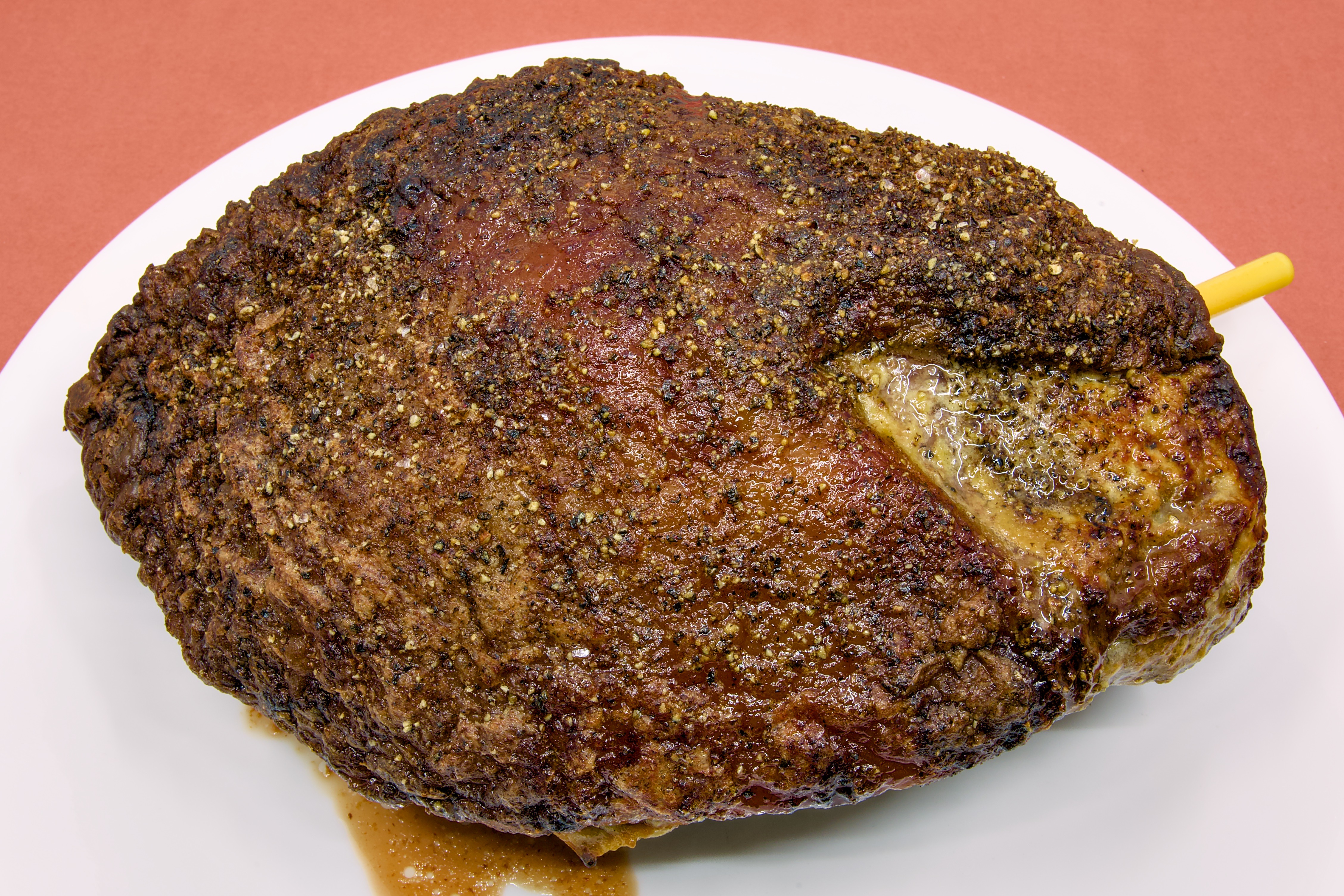
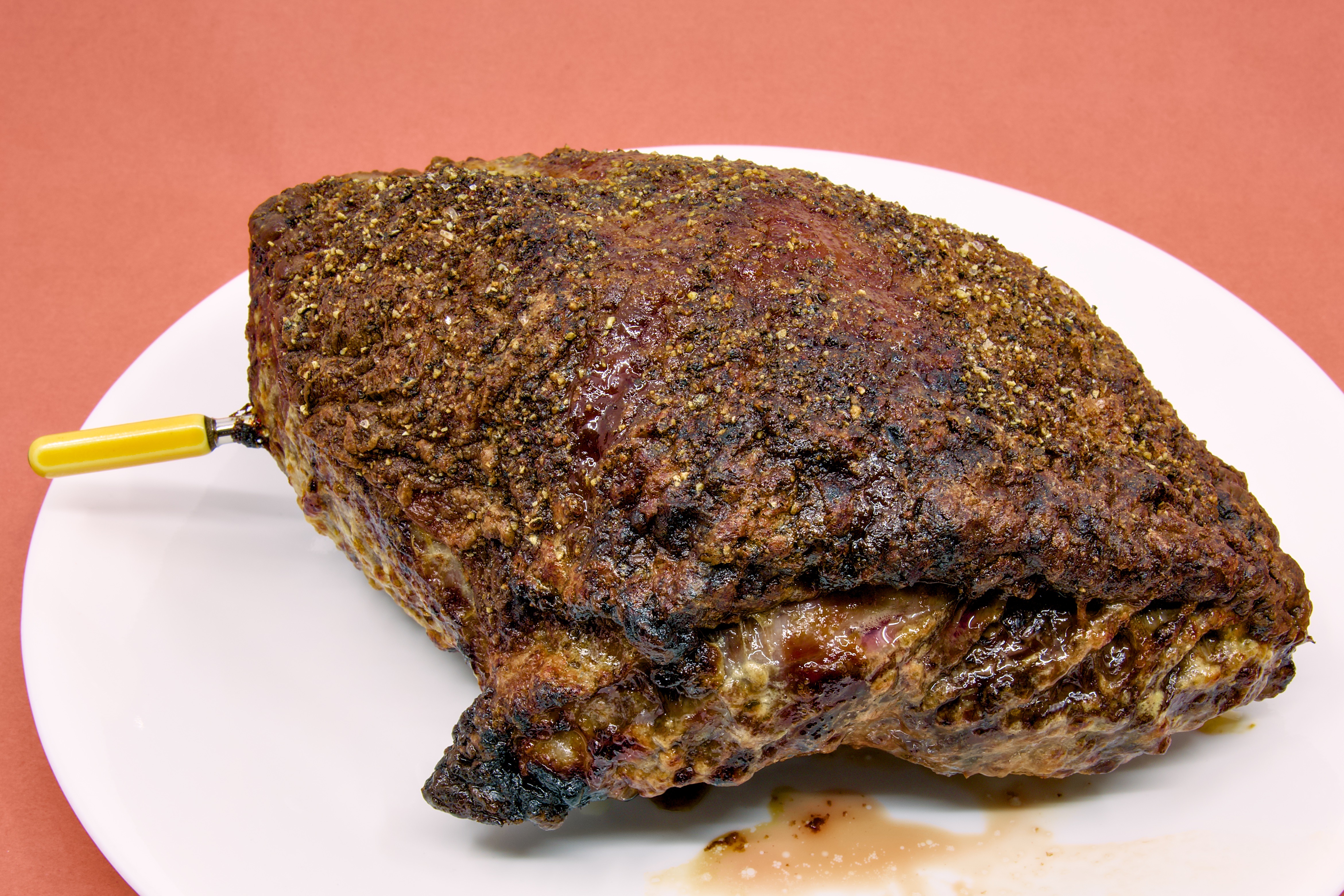
This allows the fat cap and exterior surface to develop colour and encourages additional fat rendering.
6. Rest the Roast
Remove the roast from the oven when it reaches the target temperature.
Cover loosely with foil and allow it to rest for 15 to 20 minutes.
During this period, the internal temperature will continue to rise by approximately 3 °C to 5 °C.
7. Slice and Serve
Transfer the roast to a carving board.
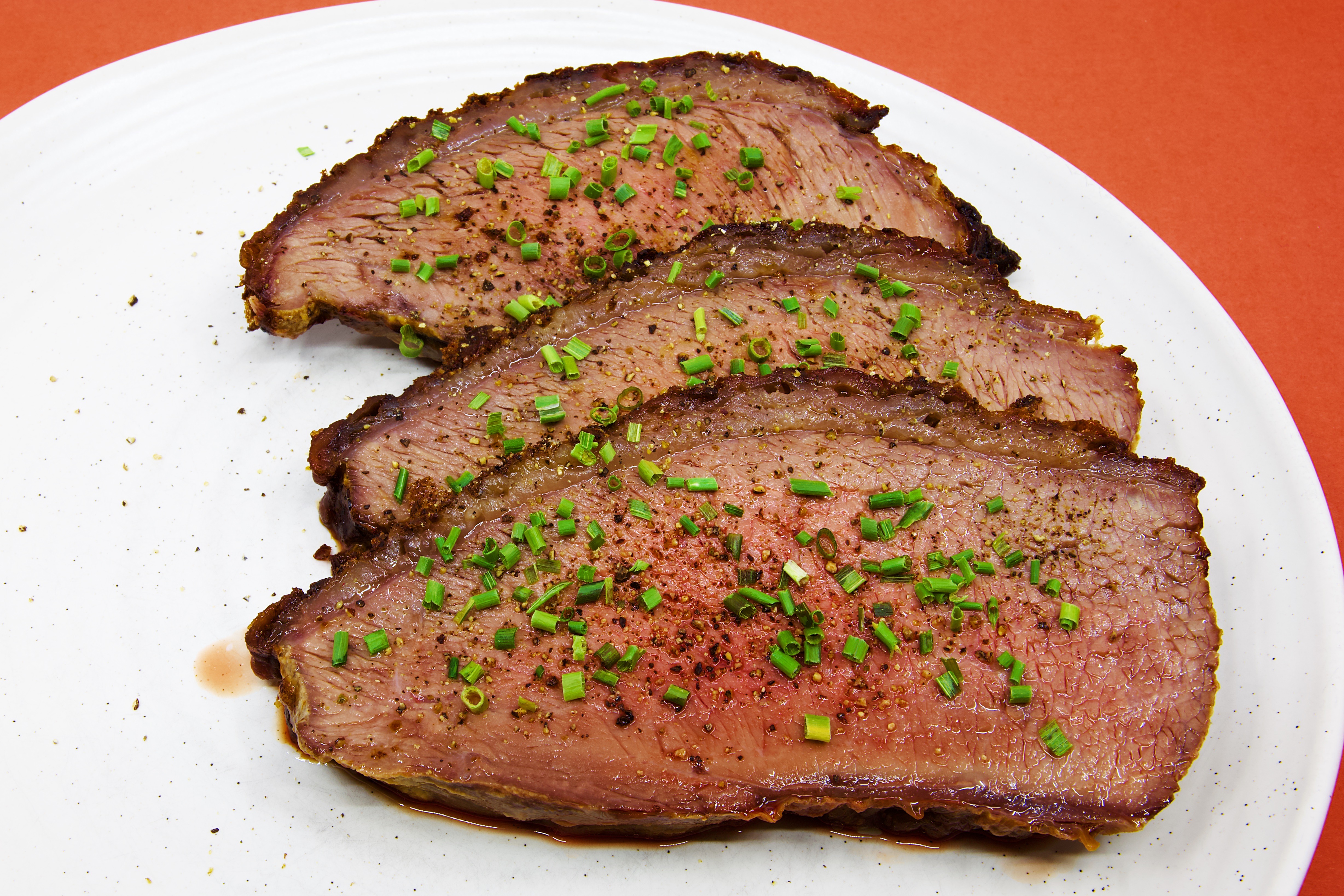
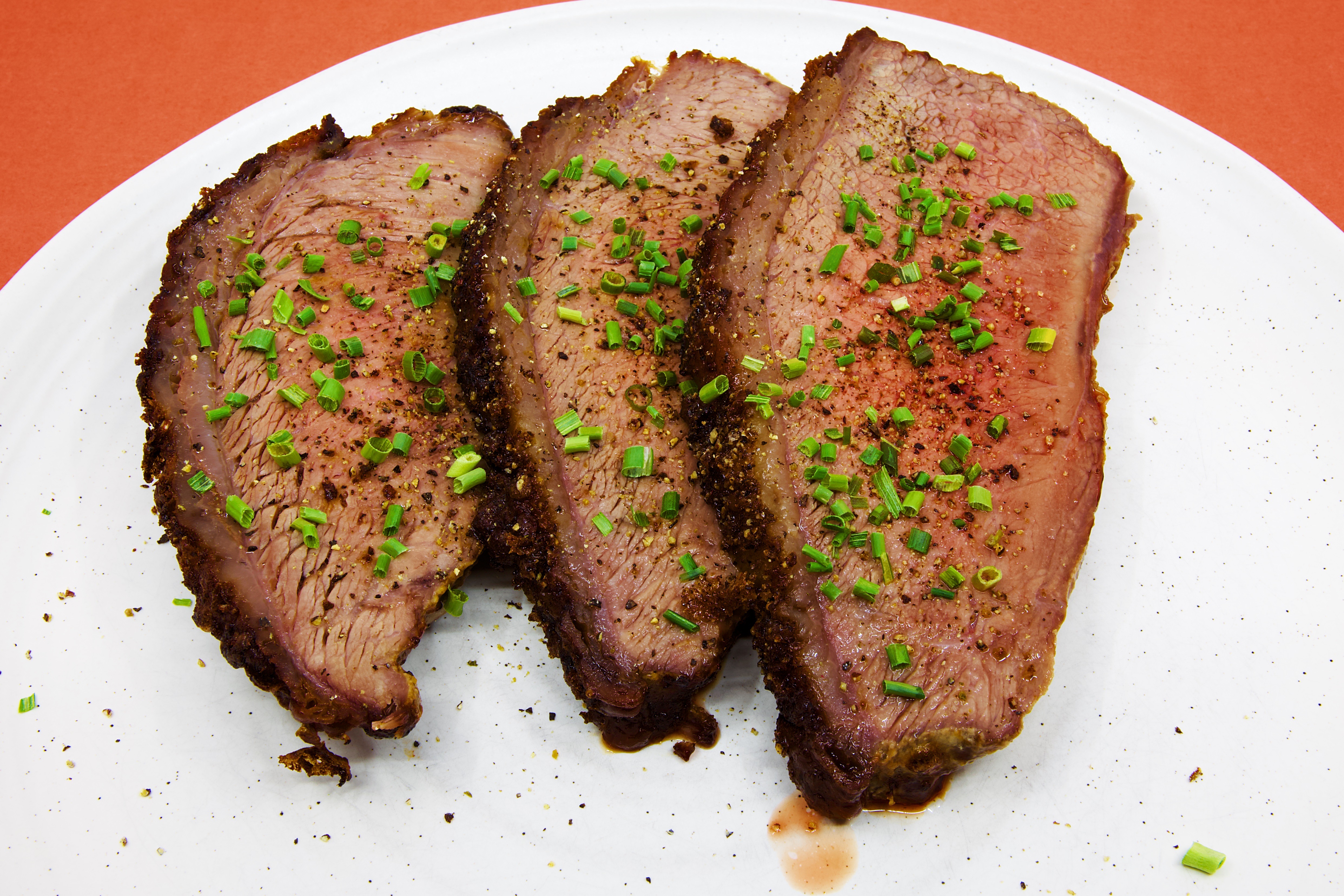
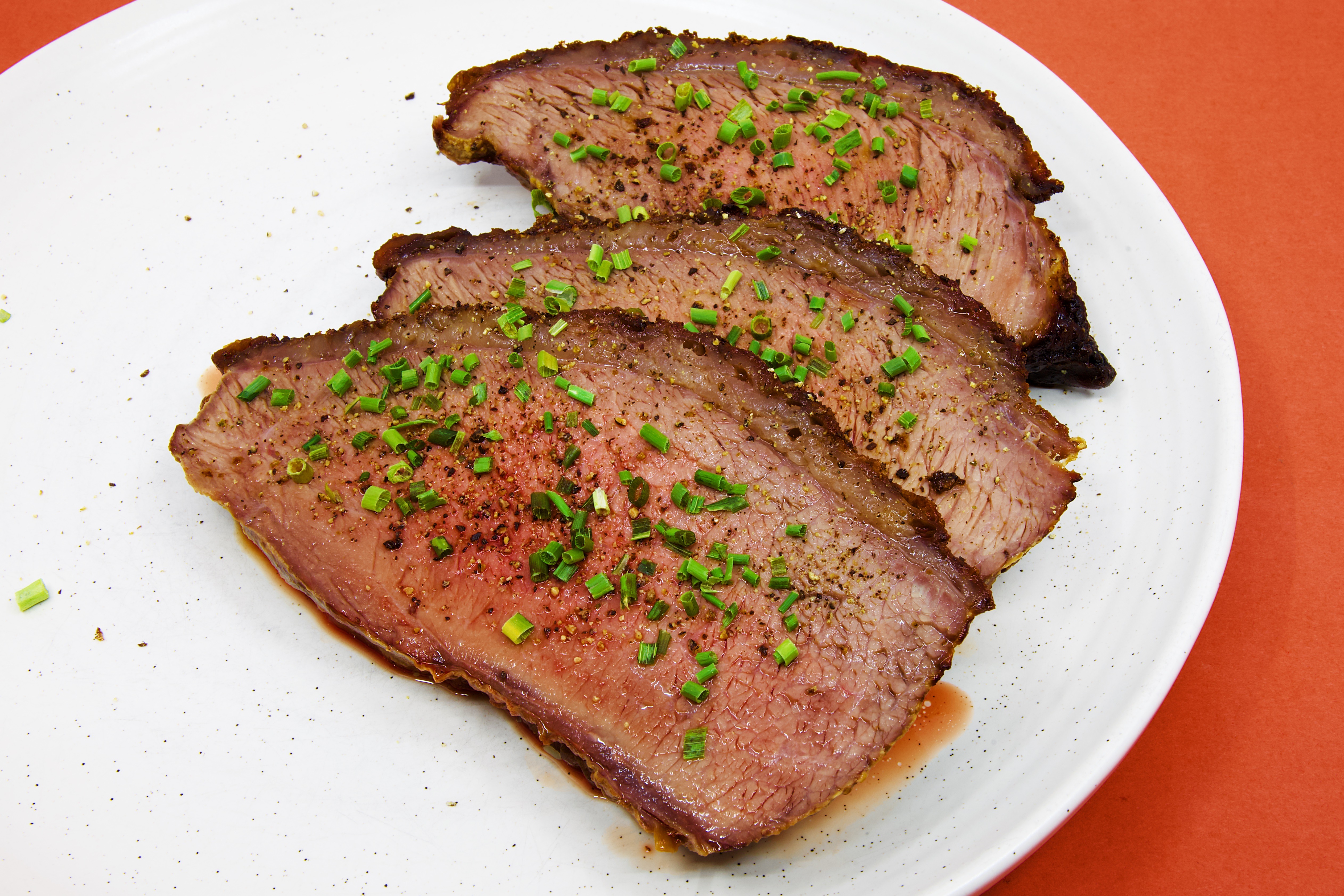
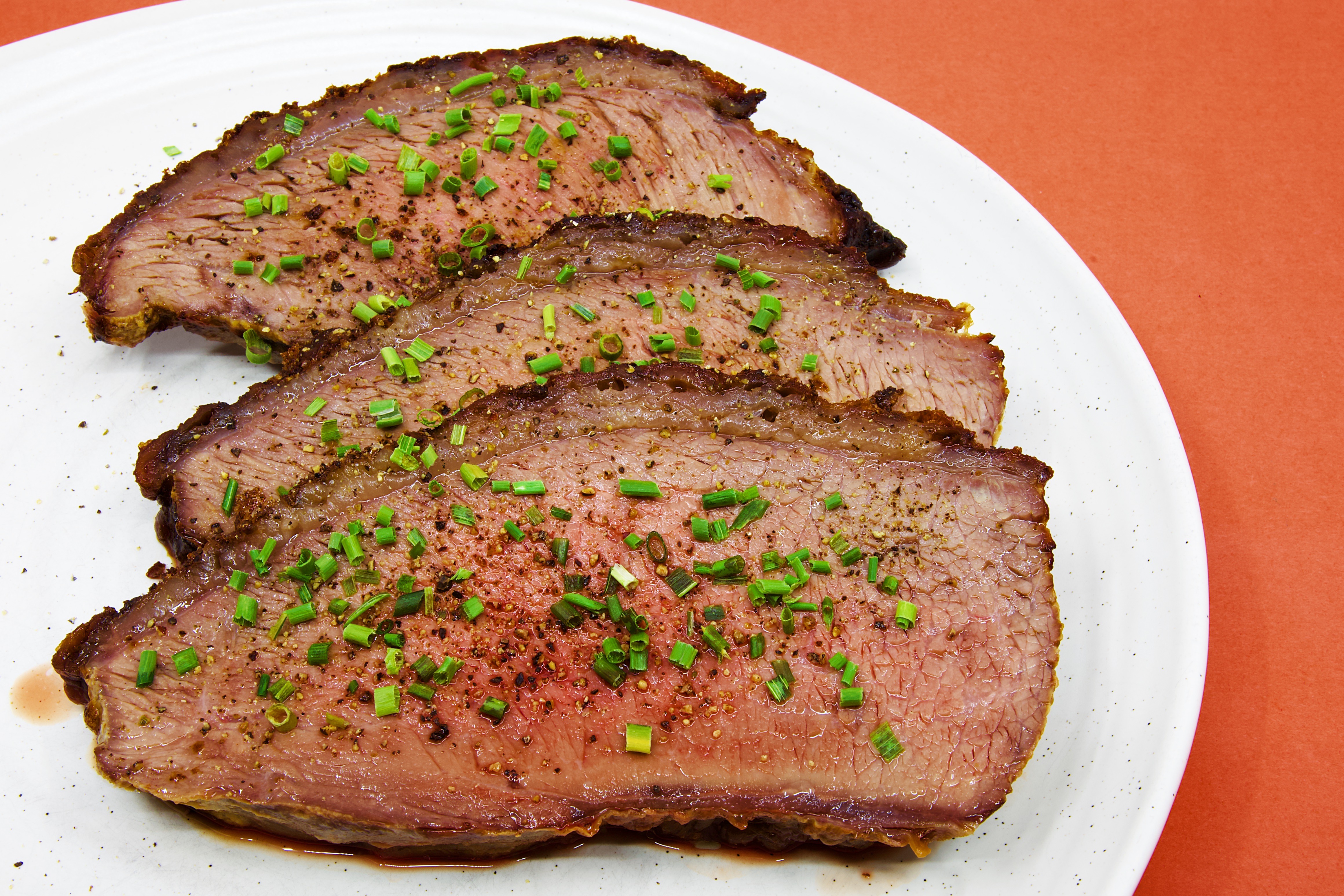
Slice across the grain into thin slices and serve immediately.
Notes on Using a Thermometer
A wireless thermometer provides a more reliable guide than cooking time alone.
- Use internal temperature as the primary indicator of doneness.
- Allow for carry-over cooking during the resting period.
- Set temperature alerts on the device if available.
- Check the thermometer placement before roasting begins.
- Avoid repeatedly opening the oven door, as this can extend cooking time.
Summary
For a 1.3 kg beef rump cap roast cooked in a benchtop oven:
- Preheat the oven to 180 °C.
- Place the roast in an aluminium foil tray.
- Cover loosely with aluminium foil.
- Cook for approximately 60 to 75 minutes.
- Remove the foil for the final 10 to 15 minutes.
- Use a wireless thermometer to determine doneness.
- Rest the meat for 15 to 20 minutes before carving.
A removal temperature of 52 °C will generally produce a medium-rare roast after resting, while 57 °C will generally produce a medium roast. Monitoring internal temperature throughout the cook will provide more consistent results than relying on cooking time alone.
Combustion Inc Predictive Thermometer
The Combustion Inc Predictive Thermometer is a wireless cooking probe with eight sensors that measure temperatures from the centre of the meat to its surface, as well as the temperature around the food. It connects to the Combustion app via Bluetooth, identifies the coldest part of the meat, and estimates how much cooking time remains. This makes it useful for checking doneness without repeatedly opening the oven, although the measured internal temperature should remain the main guide when deciding when to remove the roast.


Comments will be moderated.