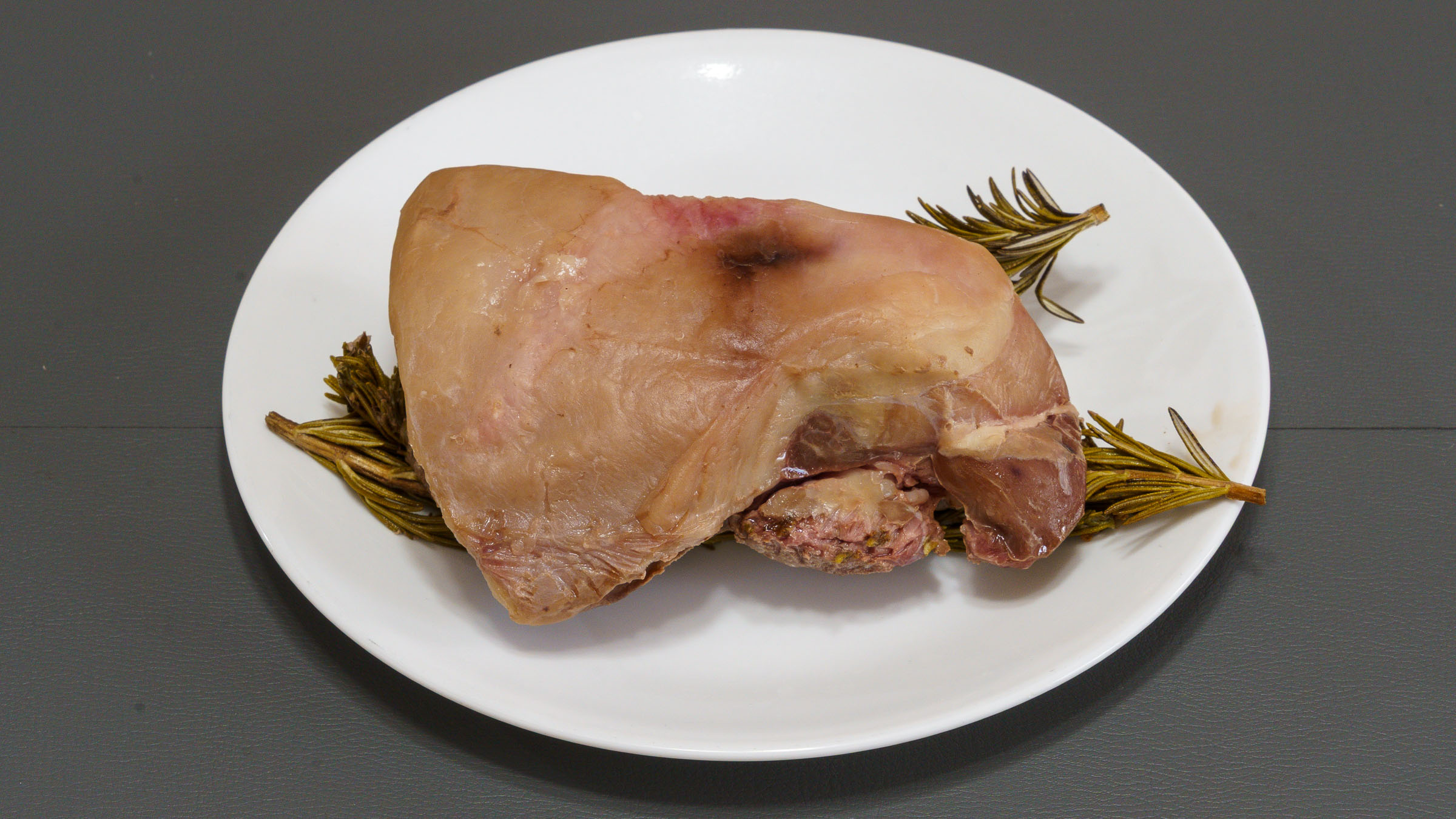
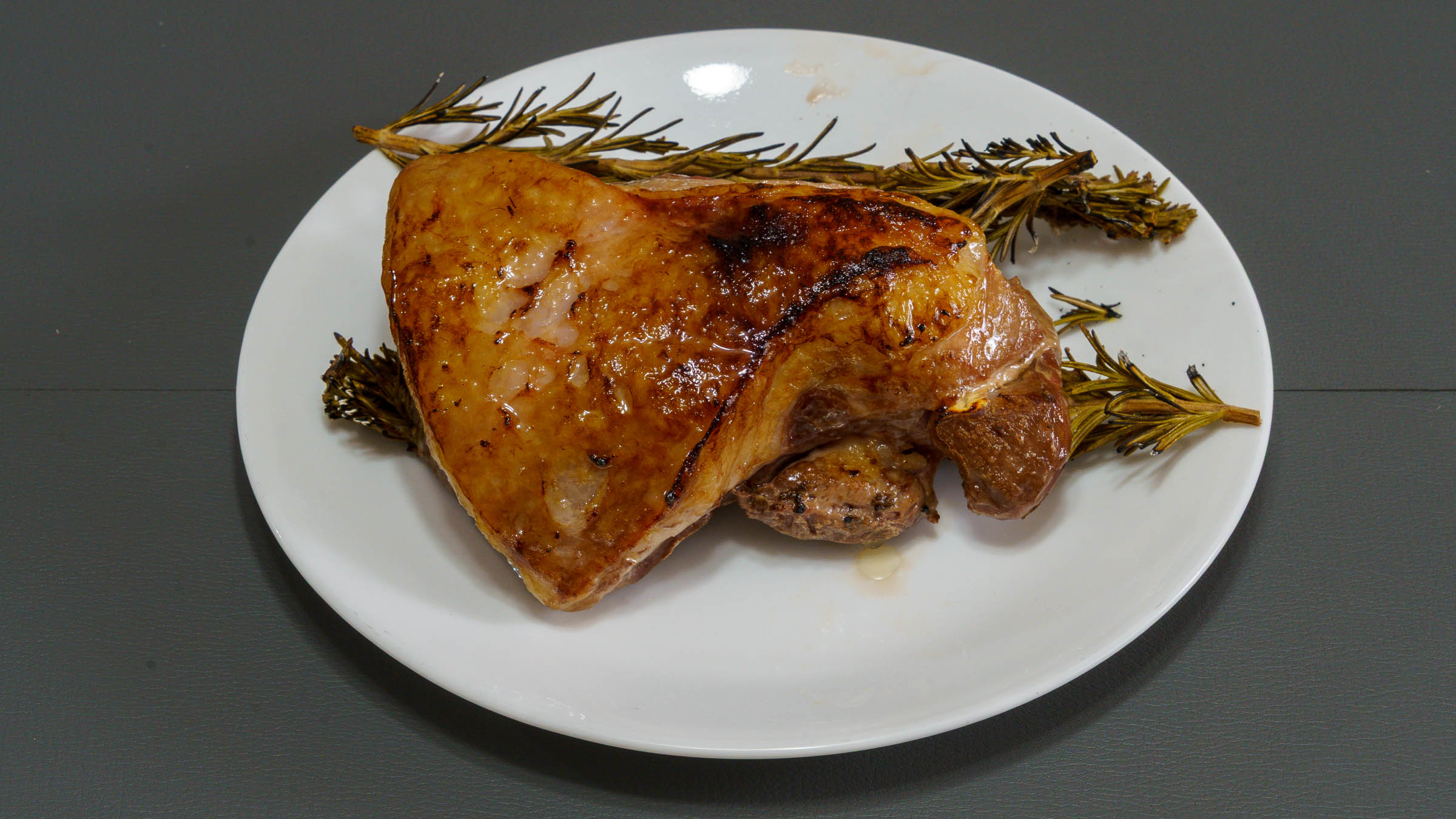
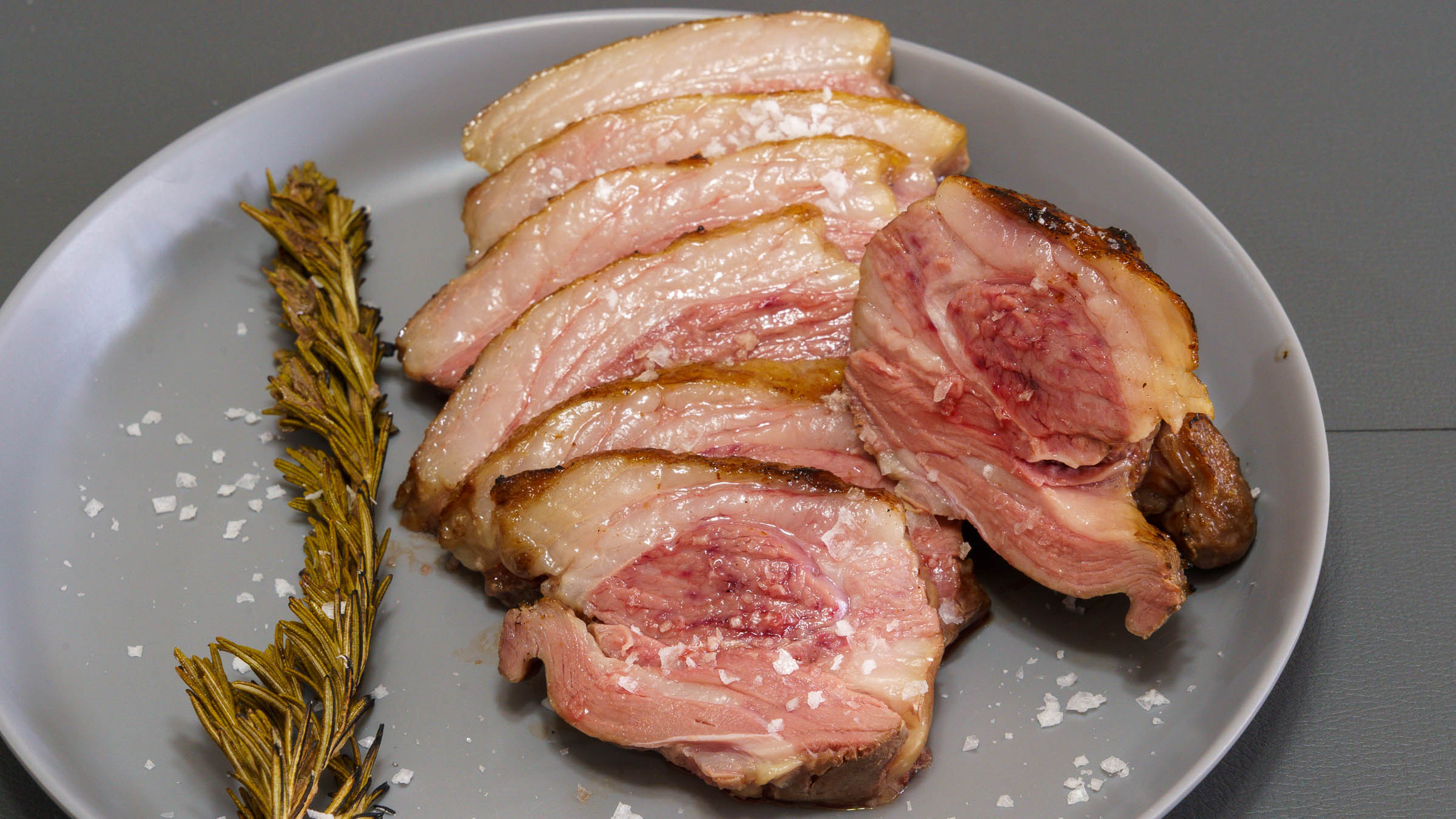
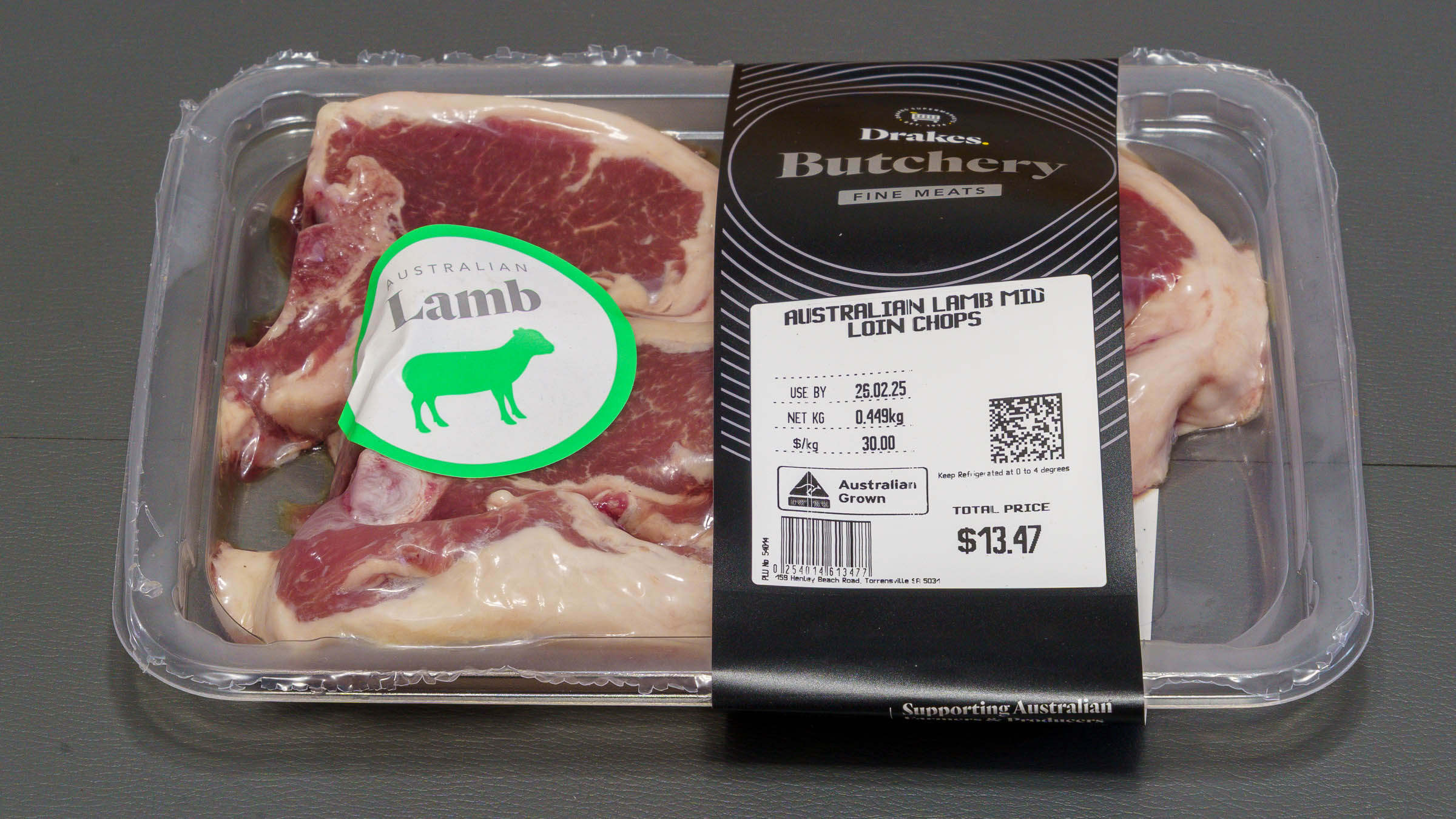
Recently, Lorraine from Not Quite Nigella shared a post about pork dishes for Chinese New Year. I commented that I had a slab of pork belly in my freezer that I could cook this weekend.
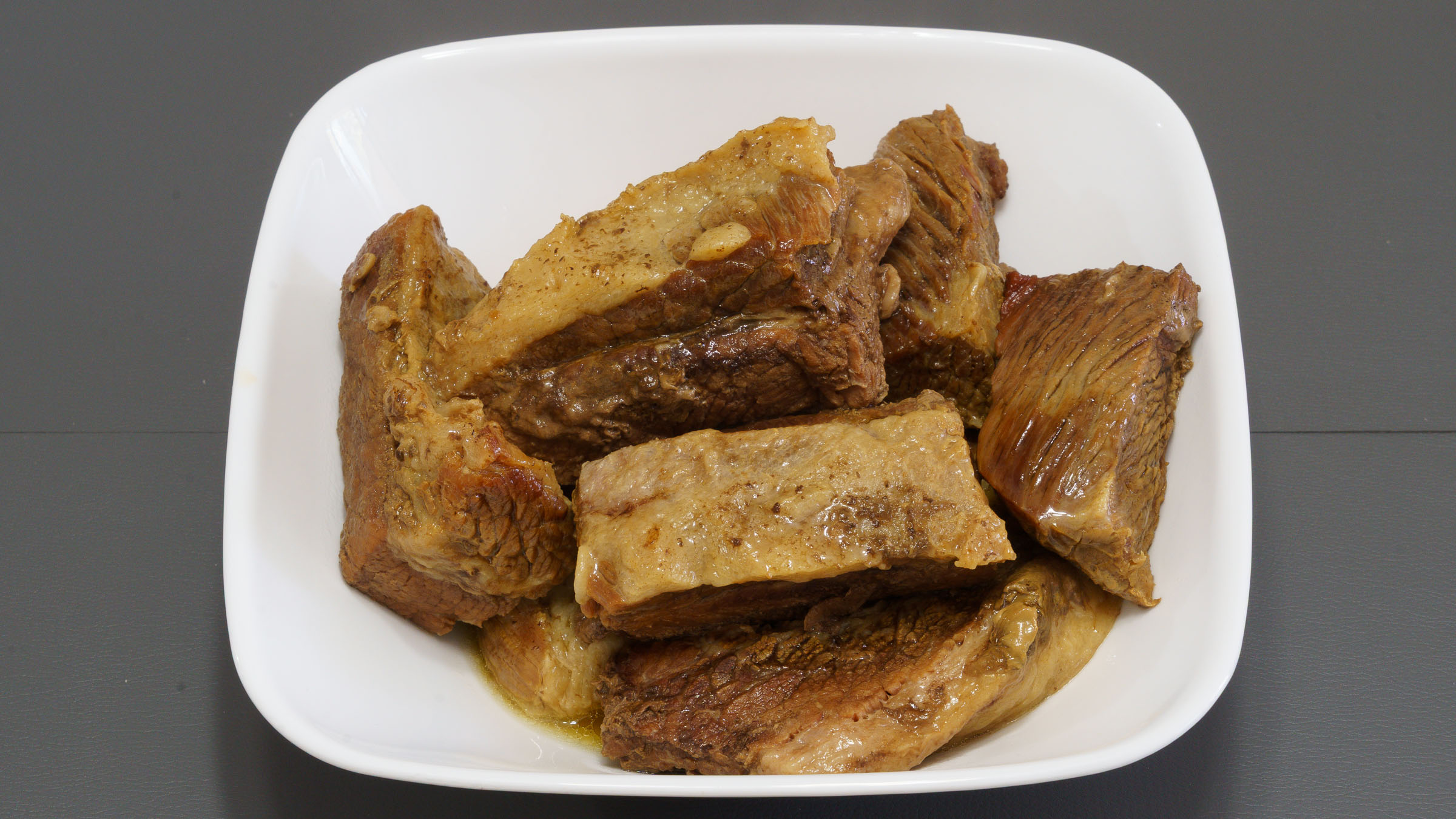
Instead of flavouring the pork belly with sugary, seed oil-rich spicy rubs and sauces, I opted to use a small slab of speck. I set up the slow cooker late last night (for me, anyway) and finished cooking it this morning.
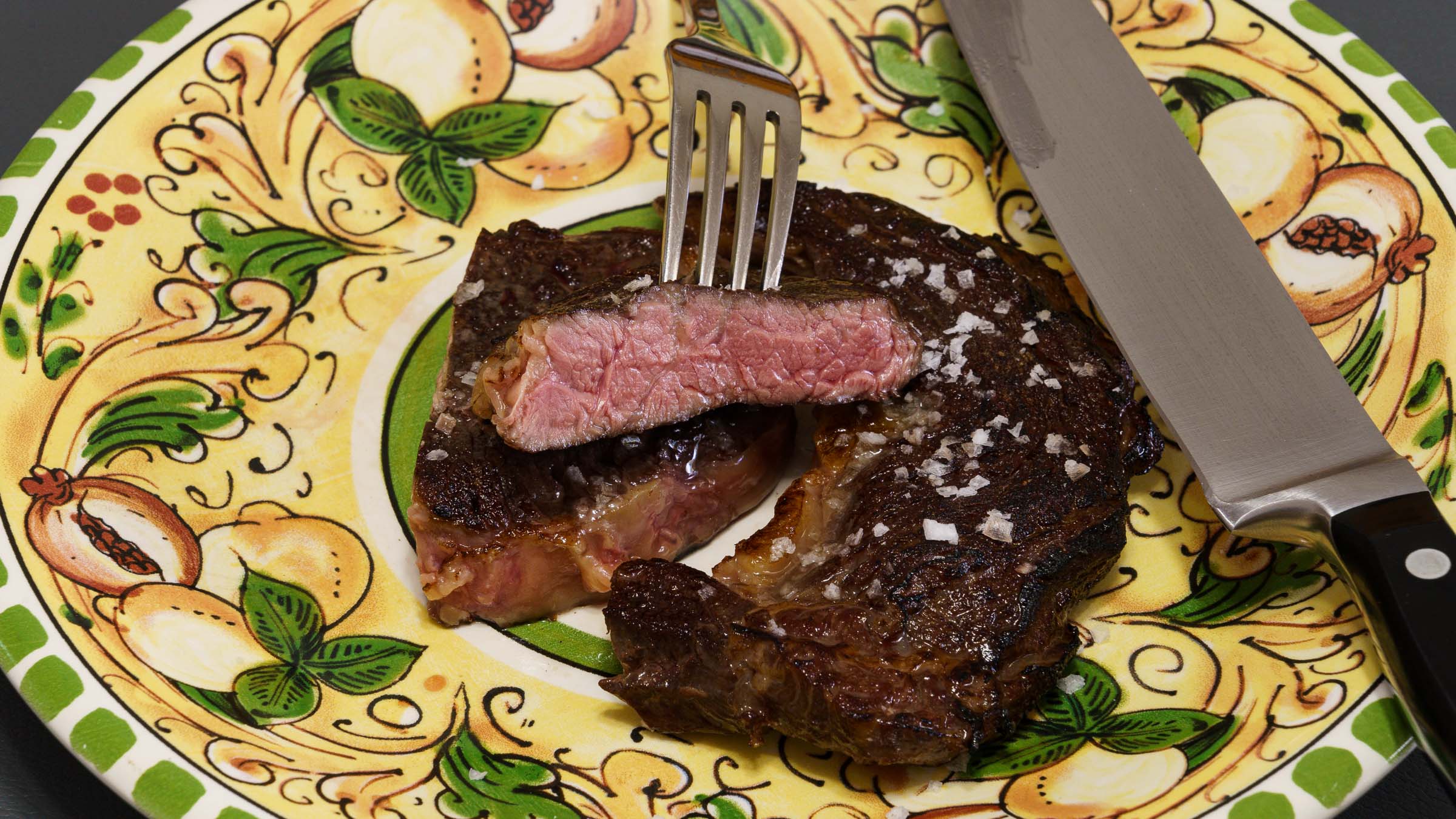
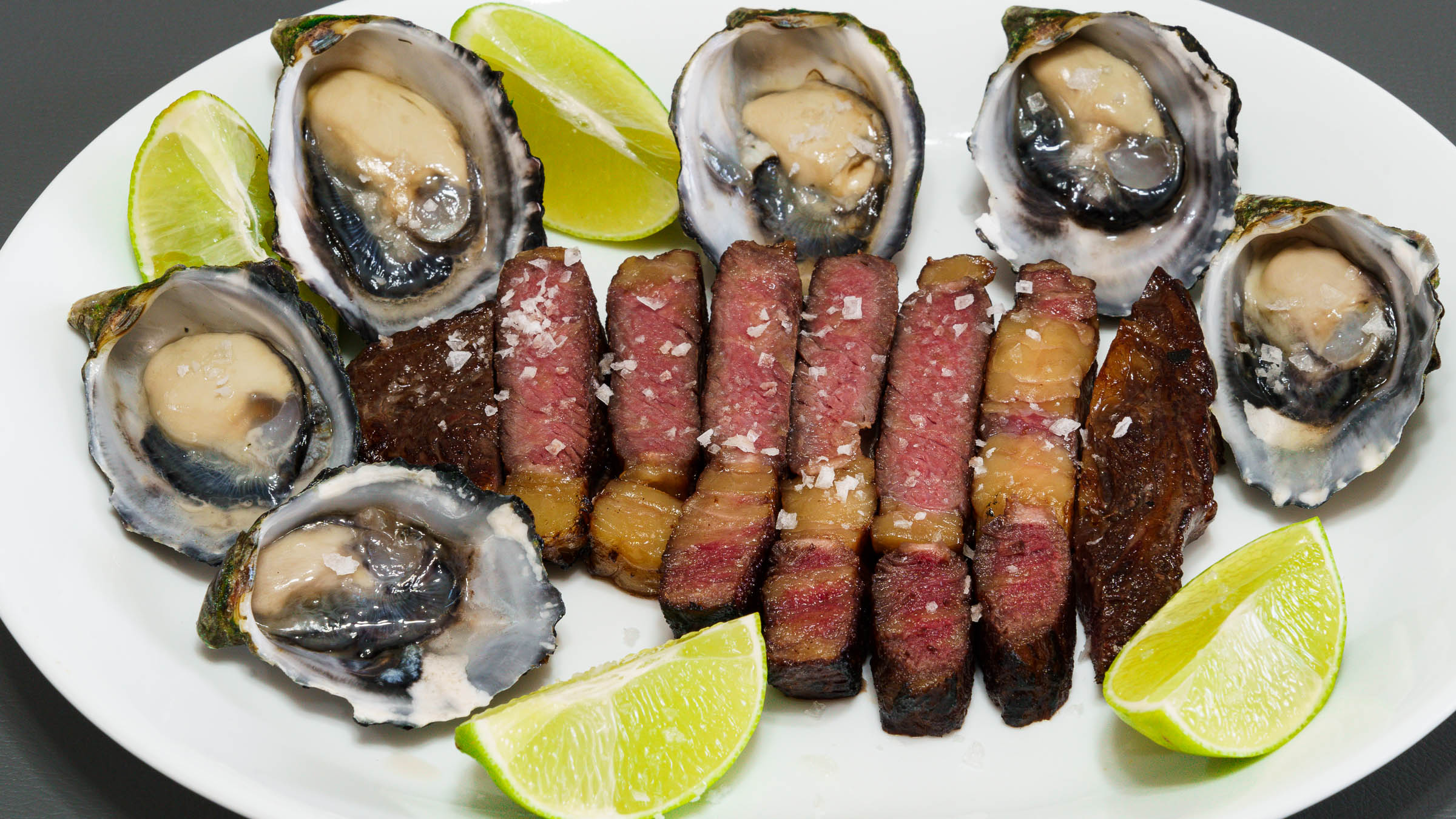
To fit my two meals-a-day schedule, I had some of the speck and pork belly with an egg for lunch. I decided to sample only the pork belly muscle rather than the fat. For my second meal, I enjoyed slices of the pork belly, including the fat.
Equipment
Slow cooker
Frypan
Instructions
Thaw the pork belly.
Place the pork and the speck into the slow cooker.
Cook overnight.
Place the pork belly and speck into a bowl, cover with meat, and refrigerate.
Slice the meat against the grain as required.
Speck
Speck is a type of cured, lightly smoked ham made in South Tyrol, a province in northeastern Italy. It is similar to prosciutto crudo. The meat is carefully rubbed with a spice mix that typically includes salt, pepper, juniper berries, and bay leaves. The pork thighs are marinated in this spice rub in cool rooms for up to three weeks. During the smoking process, both smoke and fresh mountain air are used. The hams are then aged for about 22 weeks in cool, well-ventilated rooms.
In terms of cooking and eating characteristics, speck has a deep red colour and a firmer texture than prosciutto. Since it is cured meat, it can be sliced thin and enjoyed raw on an antipasti platter, wrapped around sweet fruits, or layered in sandwiches. Additionally, it holds up well in cooking, imparting a smoky flavour similar to bacon without excess rendered fat.
Meal one
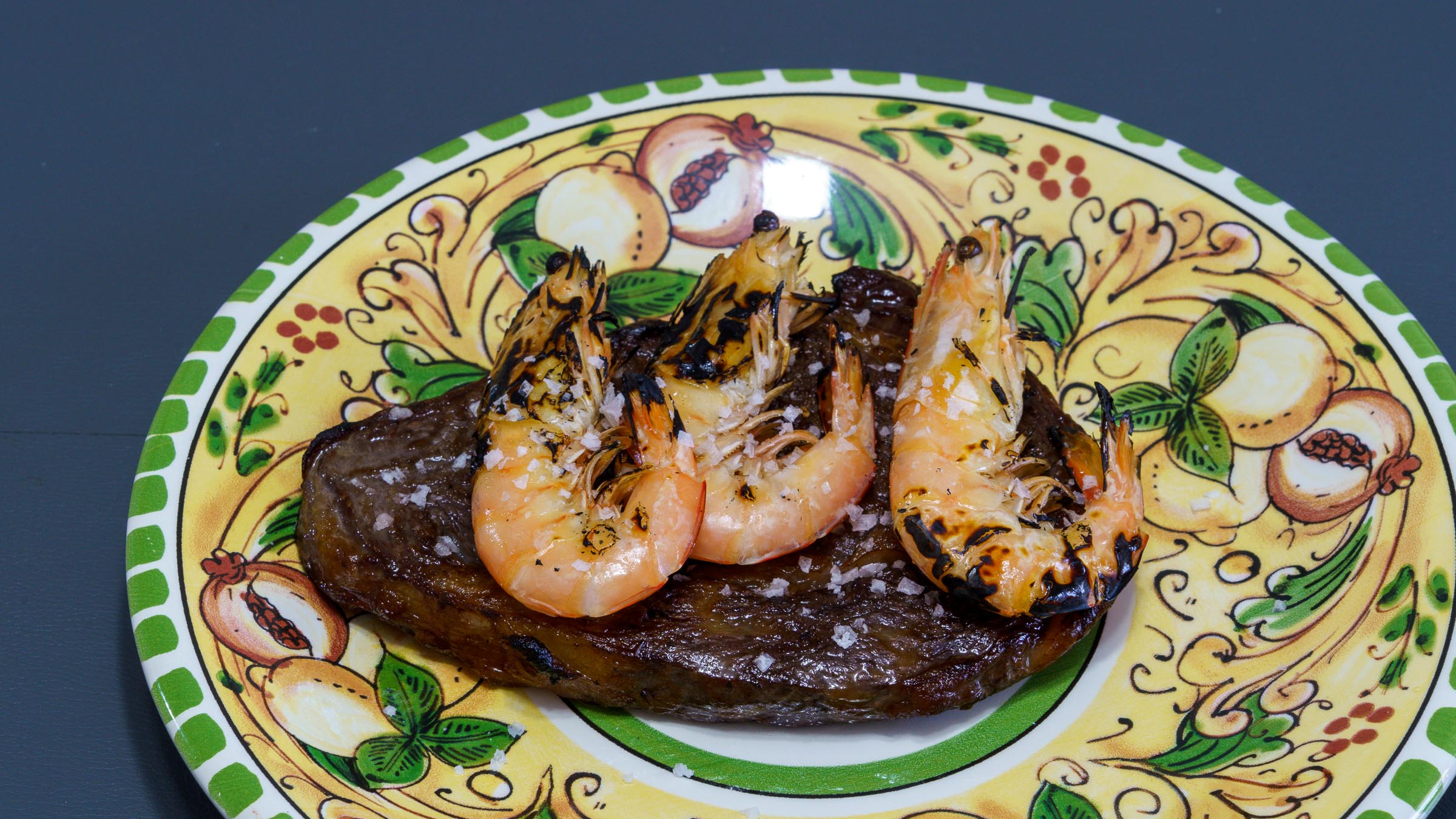
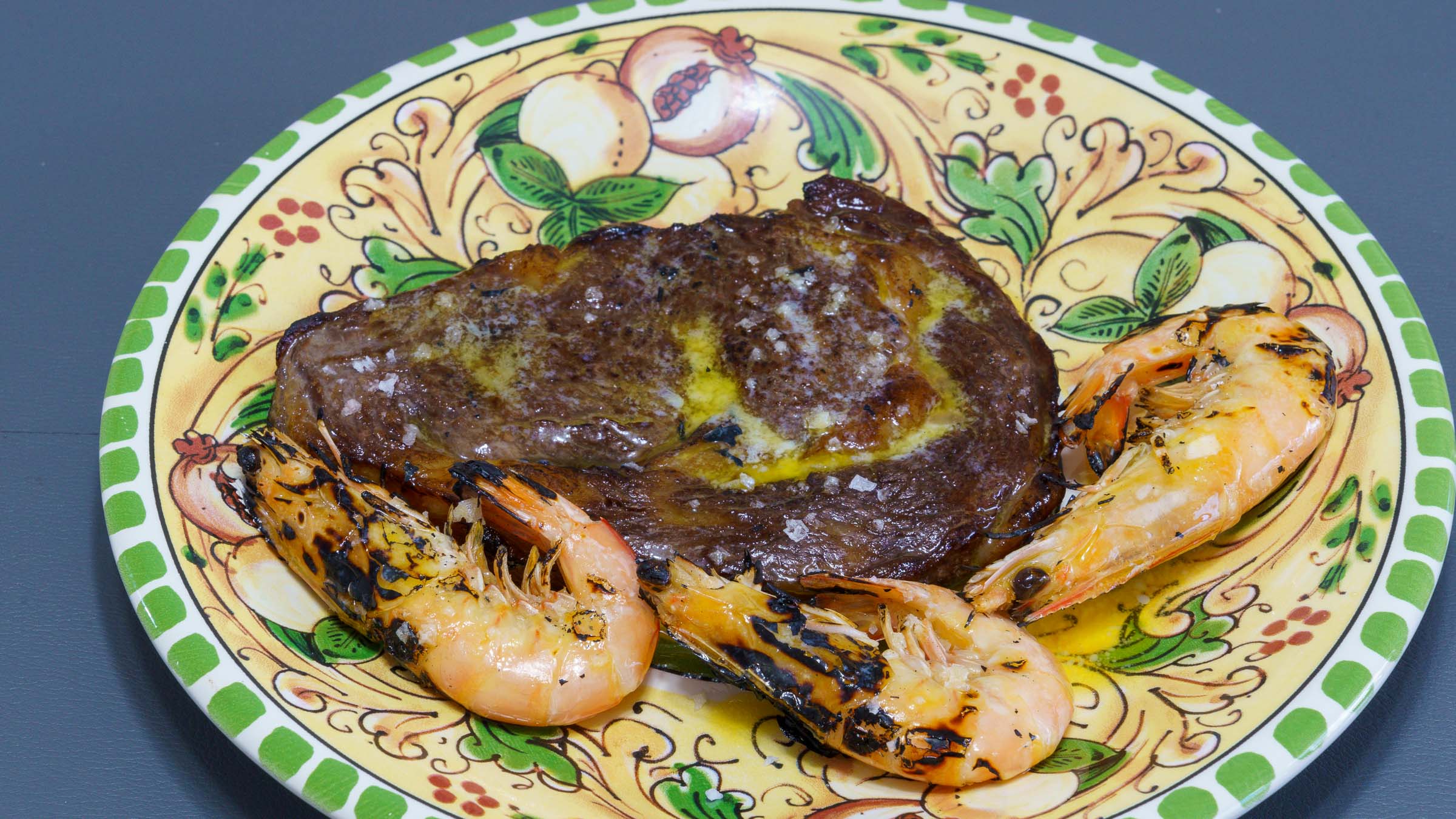
Speck and a fried egg. It’s a fancier version of bacon and eggs.
Meal two
Refried pork belly strips, cut against the grain.
I’ll probably get another three or four meals from what is left.
Last Saturday, I woke up and didn’t feel like making or eating breakfast. I usually have scrambled eggs every morning. I beat two or three eggs and cooked them in butter (or lamb fat). I’ve been doing this almost every morning for more than a year.
Rather than making and eating eggs, I decided to let it go and see when I felt hungry. It turns out that I didn’t feel the need to eat until about lunchtime. On Sunday morning, I woke up and asked myself, “Do I feel hungry and need to eat?” In my head, I answered, “No.”
I’ve been content cooking and eating two meals daily for the last week.
I’ve always adhered to the adage that breakfast is the most important meal of the day, believing it would set me up for the day. I was so firm that I would wake an hour earlier to make breakfast if I had an early morning flight. I believed that it was best to ensure I had breakfast in my belly.
I don’t think this approach would have been possible before I restarted a low-carbohydrate diet. I feel sated after protein and fat, and I know if I indulge in a meal with a significant carbohydrate load, I won’t be satisfied.
For the last week, I’ve been eating meat. It’s either beef or lamb. One day, I ate a fillet of salmon.
Will I continue this? I don’t know. If I feel hungry, I will cook and eat.
What are the advantages of eating two meals a day in the context of a low-carbohydrate diet?
In recent years, the popularity of low-carbohydrate diets has risen, driven by claims of weight loss, metabolic health, and overall well-being. While traditional meal patterns often revolve around three meals a day, there is an emerging trend for reducing this to just two meals. In the context of a low-carbohydrate diet, this approach offers some advantages, ranging from metabolic flexibility to convenience.
Metabolic Flexibility
Metabolic flexibility is the ability to switch between burning carbohydrates and fats for energy. By consuming two meals a day, especially with a low-carbohydrate diet, metabolic flexibility ensues. With reduced carbohydrate intake, the body relies more on fat oxidation for energy, which can improve insulin sensitivity. This dietary pattern also encourages the utilisation of stored fat.
Improved Appetite Regulation
Eating two meals a day can lead to better appetite control. Low-carbohydrate diets are often associated with increased satiety due to their higher protein and fat content. When meals are balanced and nutrient-dense, individuals are less likely to experience frequent hunger and cravings. This can help to reduce caloric intake. Longer periods between meals may positively influence hormones such as ghrelin and leptin, which have roles in hunger and fullness signals.
Simplified Meal Planning and Preparation
One of the practical benefits of eating two meals a day is the simplification of meal planning and preparation. Reducing the number of meals can save time and effort. It allows for more focus on creating meals without the constant need to snack or prepare multiple dishes throughout the day.
Potential for Improved Digestive Health
Frequent meals and snacks place a burden on the digestive system, leading to bloating, indigestion, and irregular bowel movements. By consolidating food intake into two main meals, the digestive system is given adequate time to rest and recover between meals. This can contribute to digestive efficiency. Moreover, low-carbohydrate diets emphasise whole, unprocessed foods, which are gut-friendly and less likely to cause digestive distress.
Better Blood Sugar Control
Maintaining stable blood sugar levels is a key goal. Eating two meals a day can help to achieve this by reducing the frequency of blood sugar peaks and troughs associated with more frequent eating. Lower carbohydrate intake minimises the need for insulin, and longer periods of fasting between meals contribute to blood sugar regulation.
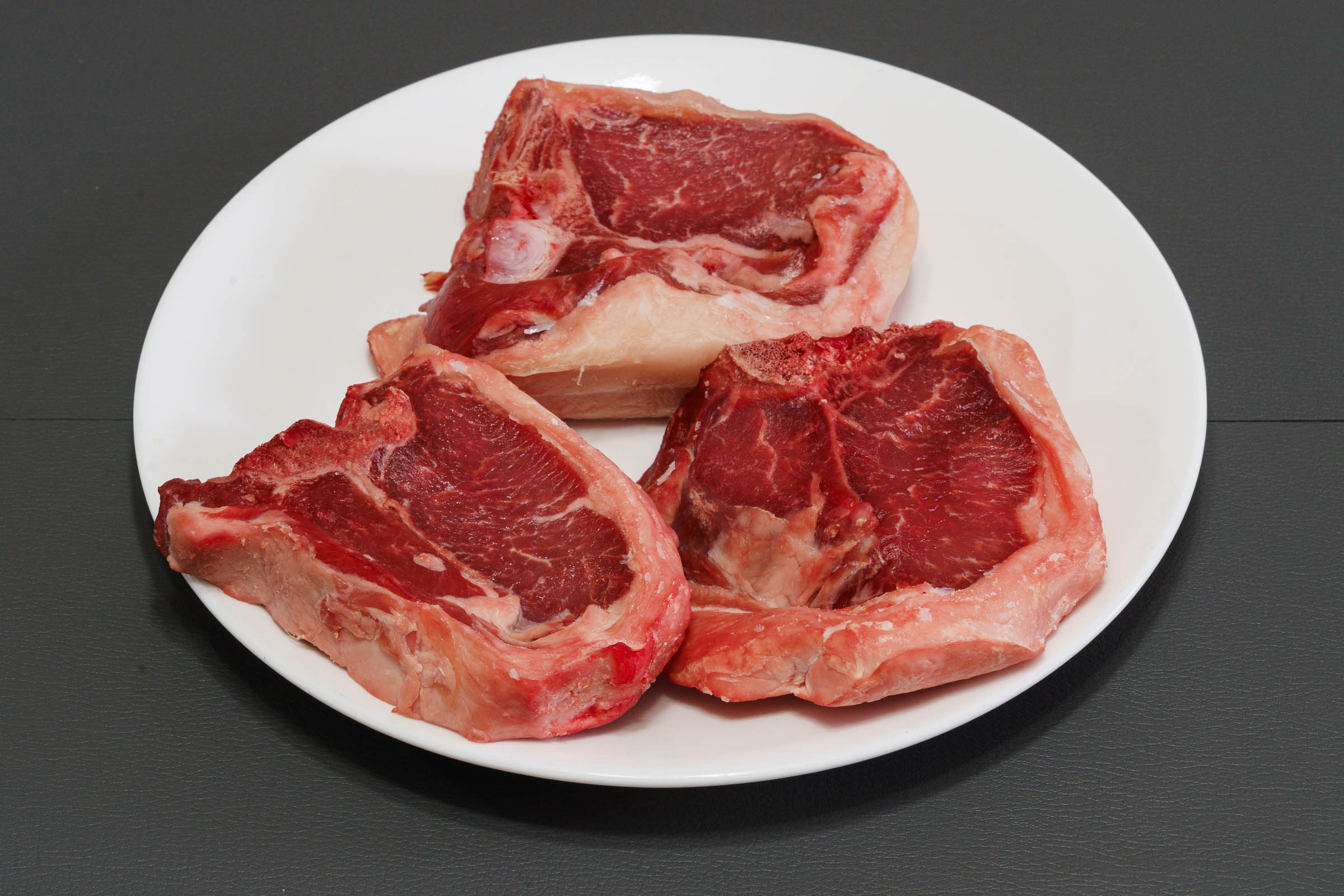
Nowadays, a tray of nine lamb loin chops costs between $AUD25 and $AUD30. This is enough for three meals, and I often eat lamb chops for lunch.
Cooking lamb chops in an air fryer is certainly easy and doesn’t generate a big mess. Nevertheless, even with dry brining, the air fryer doesn’t always create a good crust on the surface of the meat.
I aim to create a crust and minimise mess with minimal effort.
Ingredients
Lamb loin chops
Salt
Equipment
Refrigerator
Frypan
Frypan lid
Instructions
The day before you intend to cook the chops, season them with salt. Set them on a rack in the fridge, uncovered.
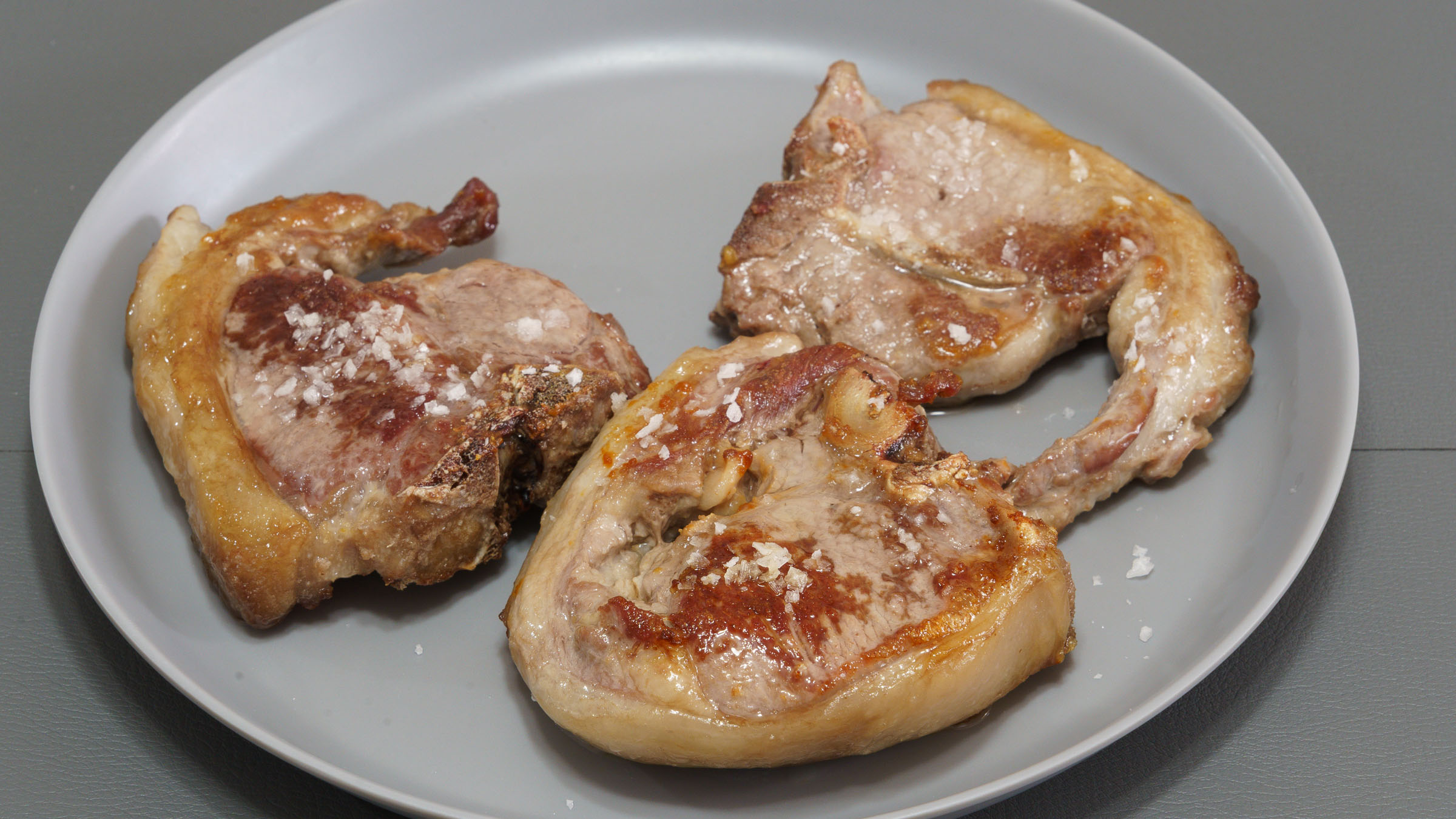
Place the chops in a frypan and turn on the heat. Reduce to moderate heat and allow the chops to cook in the frypan for six minutes.
Flip the chops, place a lid on the frypan, and let them cook for six minutes. There’s no need to shift the chops; they won’t stick.
Switch off the heat and take off the lid.
Transfer the chops to a dinner plate.
Serve the chops with some flaky salt.
Bonus
A advantage of this method is the leftover lamb fat that can be used for cooking scrambled eggs.
Regular readers will have noticed that all the content has been removed. Last year, I decided to put Yummy Lummy into hibernation. I concluded that maintaining a self-hosted blog was no longer worthwhile. The costs were too high for a simple food blog. Instead of exporting all the content to an XML file and importing it into WordPress.com, I deleted it entirely.
I’m uncertain about the future of Yummy Lummy. I plan to keep the domain name since I’ve grown attached to it, even though Meta has banned it. My interest in blogging has diminished. While cooking and eating still bring me joy, the simplicity of what I prepare no longer seems worth sharing. I deleted hundreds of posts and thousands of food photographs from Yummy Lummy (fourteen years of content). This process reminded me of how much my cooking had evolved. I can now cook effectively with just a couple of frying pans. I also use a Weber® grill and a slow/fast cooker.
Cooking and eating have become more straightforward as I primarily follow a low-carbohydrate diet (with some exceptions). My meals mainly consist of beef, lamb, pork, fish, and poultry. My weight has stabilised. I’m about the same size I was in the later years of high school. I’m also the same size as in the early years of medical school (1980s). I no longer experience irritable bowel syndrome, my cognitive ability has improved, and my sleep quality is better. I’m also eating two meals a day.
This approach to cooking and eating does have some drawbacks. For example, travelling for work requires planning and eating while away is more expensive.