Category: Food

  • Lumpy rumpy

    Lumpy rumpy


    I spotted a lump of lamb rump in the supermarket and thought it would make a good option for tonight before I watch the footy. One of my favourite players is featuring tonight. He’s an Indigenous All Star.

    Cooking and Eating Lamb Rump Roast

    Lamb rump on a dinner plate with a sprig of rosemary after being carved and served on the plate

    Anatomy of a Lamb and Origin of Lamb Rump Roast

    A lamb, a young sheep less than a year old, consists of various cuts, each with its distinct flavour and texture. The lamb rump roast is derived from the upper part of the hind leg, near the lamb’s hip. This cut is known for its tenderness and rich taste, making it a favourite among lamb enthusiasts. I don’t know that I can call myself a lamb enthusiast.

    International Names for Lamb Rump Roast

    In different countries, the lamb rump roast might be referred to by various names:

    • United States: Lamb sirloin or lamb hip
    • United Kingdom: Lamb chump or lamb leg steaks
    • France: Rumsteak d’agneau
    • Italy: Lombata di agnello

    Best Ways to Cook Lamb Rump Roast

    Lamb rump roast can be prepared using various cooking methods to enhance its flavour and tenderness:

    • Roasting: Slow roasting at a low temperature ensures the meat remains juicy and tender. Garlic, rosemary, and olive oil make for an aromatic experience if you eat those things.
    • Grilling: Marinating the lamb beforehand and grilling it over medium heat brings out its natural juices and imparts a smoky flavour. In my opinion, a marinade is optional.
    • Pan-Seared: A quick sear in a hot pan, followed by finishing in the oven, results in a perfectly cooked roast with a crispy exterior.
    • Sous vide: This technique involves cooking the lamb in a vacuum-sealed bag in a water bath at a precise temperature, ensuring consistent doneness. This is what I did tonight.

    Selecting Lamb Rump Roast at a Butcher Shop

    When selecting a lamb rump roast, consider the following tips:

    • Appearance: Look for a bright red colour with marbling of fat throughout the meat. Avoid cuts that appear brown or greyish.
    • Freshness: Fresh lamb should have a mild, clean smell. Any off-putting odour could indicate spoilage.
    • Firmness: The meat should be firm to the touch, not slimy or sticky.
    • Butcher’s Advice: Engage with your butcher; they can provide insights into the best cuts available and suggest preparation methods. I bought mine from a local state-based supermarket. I didn’t consult anyone.

    Nutritional Value of Lamb Rump Roast

    • Fats: Lamb rump contains around 20 grams of fat per 100 grams. This includes both saturated and unsaturated fats, with some cuts containing higher fat content than others.
    • Protein: A rich source of protein, lamb rump provides approximately 25 grams per 100 grams, which is essential for muscle repair and growth.
    • Carbohydrates: Lamb rump roast is virtually carbohydrate-free, making it suitable for low-carbohydrate diets.

    Premarket Processes

    Consumers should be aware of the premarket processes that lamb rump roast may undergo:

    Ageing: Lamb meat is often aged to enhance its tenderness and flavour. This process involves storing the meat at a controlled temperature for a specific period.

    Trimming: Excess fat and connective tissue are trimmed off to provide a more desirable cut.

    Packaging: Vacuum-sealed packaging helps to maintain freshness and extend shelf life.

    Conclusion

    Cooking and eating lamb rump roast is a delicious culinary experience. Understanding its origin, selecting the best cut, and knowing the best cooking methods can elevate any meal. With its rich nutritional profile, lamb rump roast is a good choice for a delicious and nutritious meal.

    Recipe

    Ingredients

    • Lump of lamb rump
    • Salt
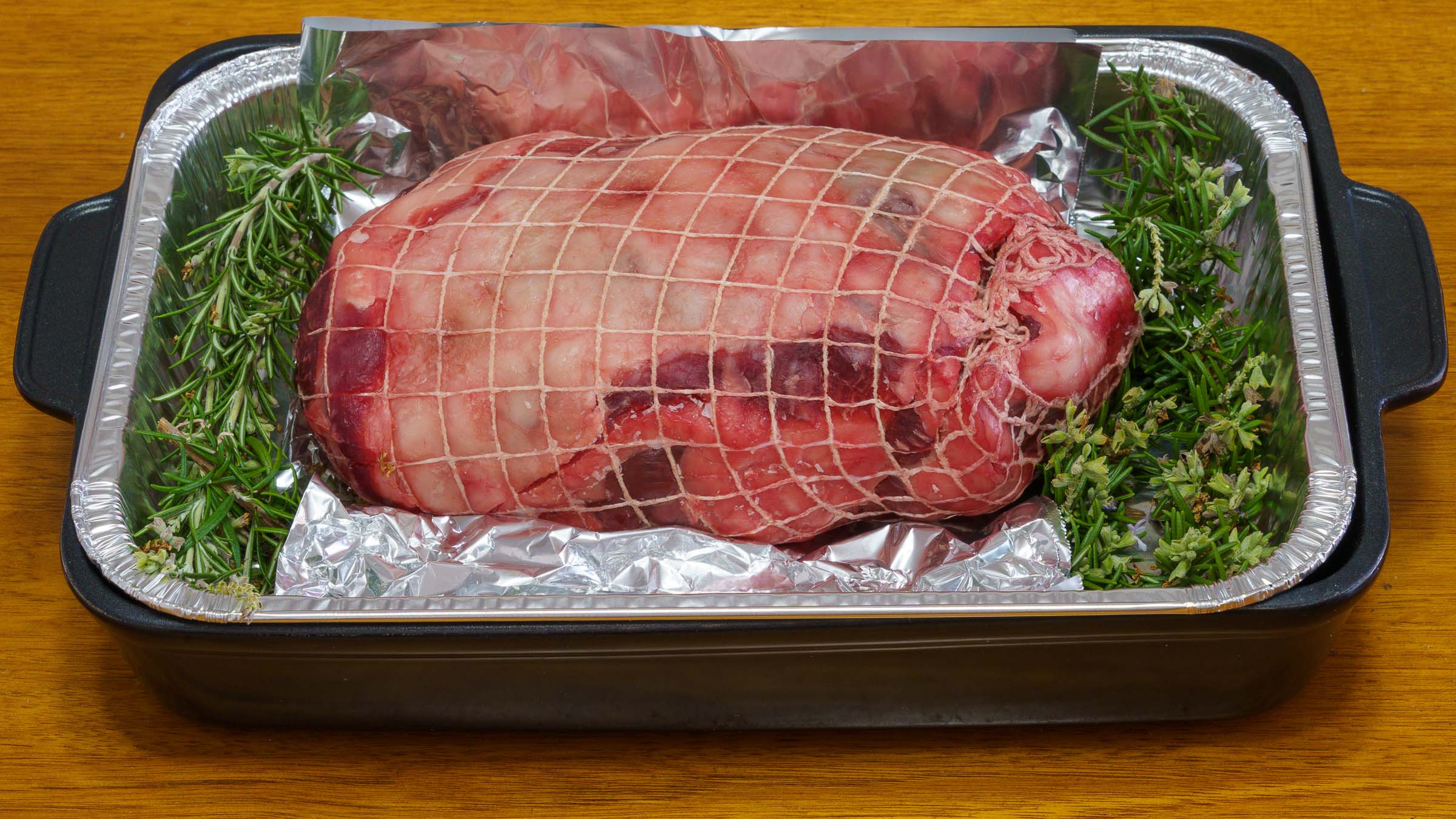
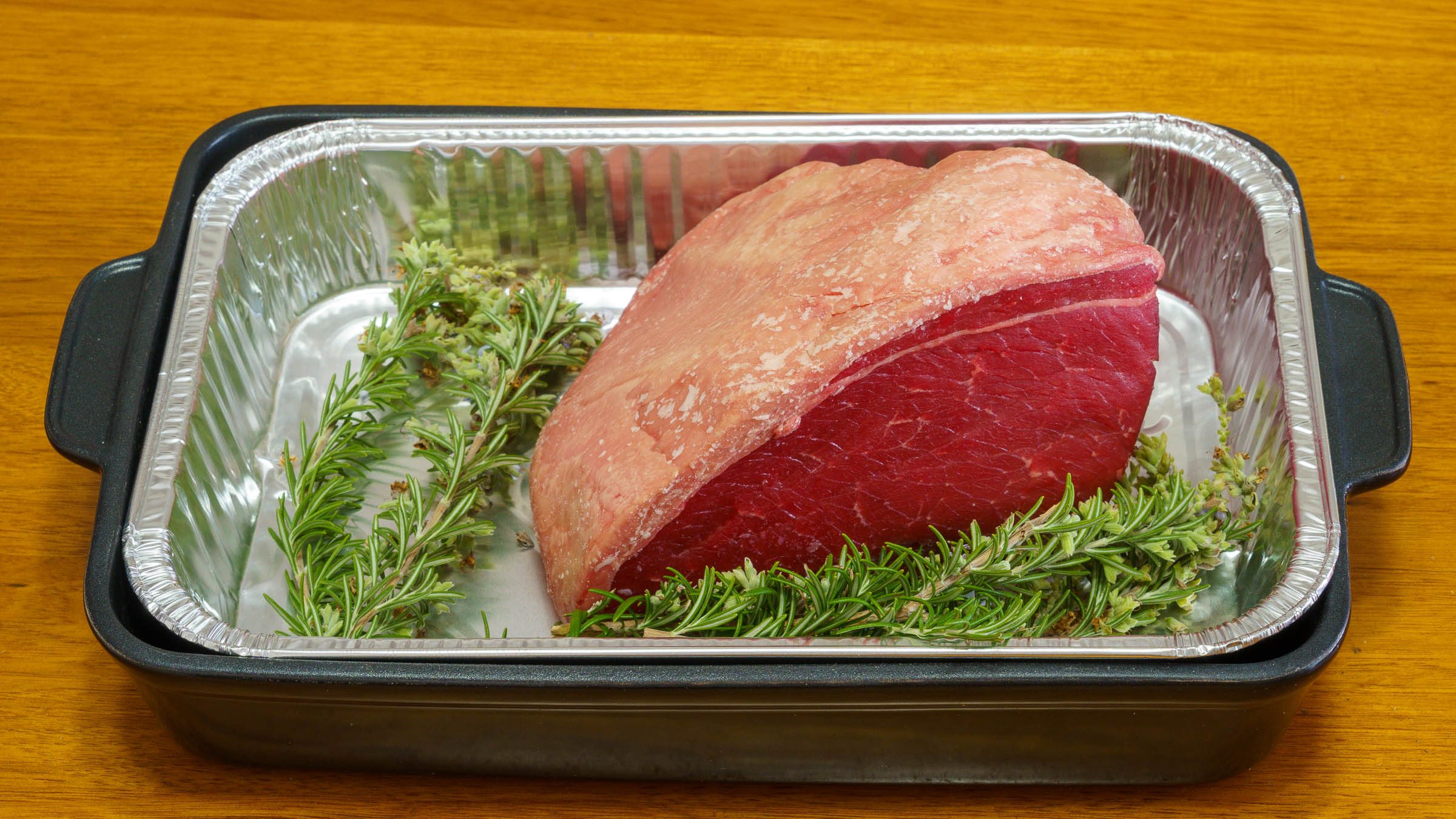
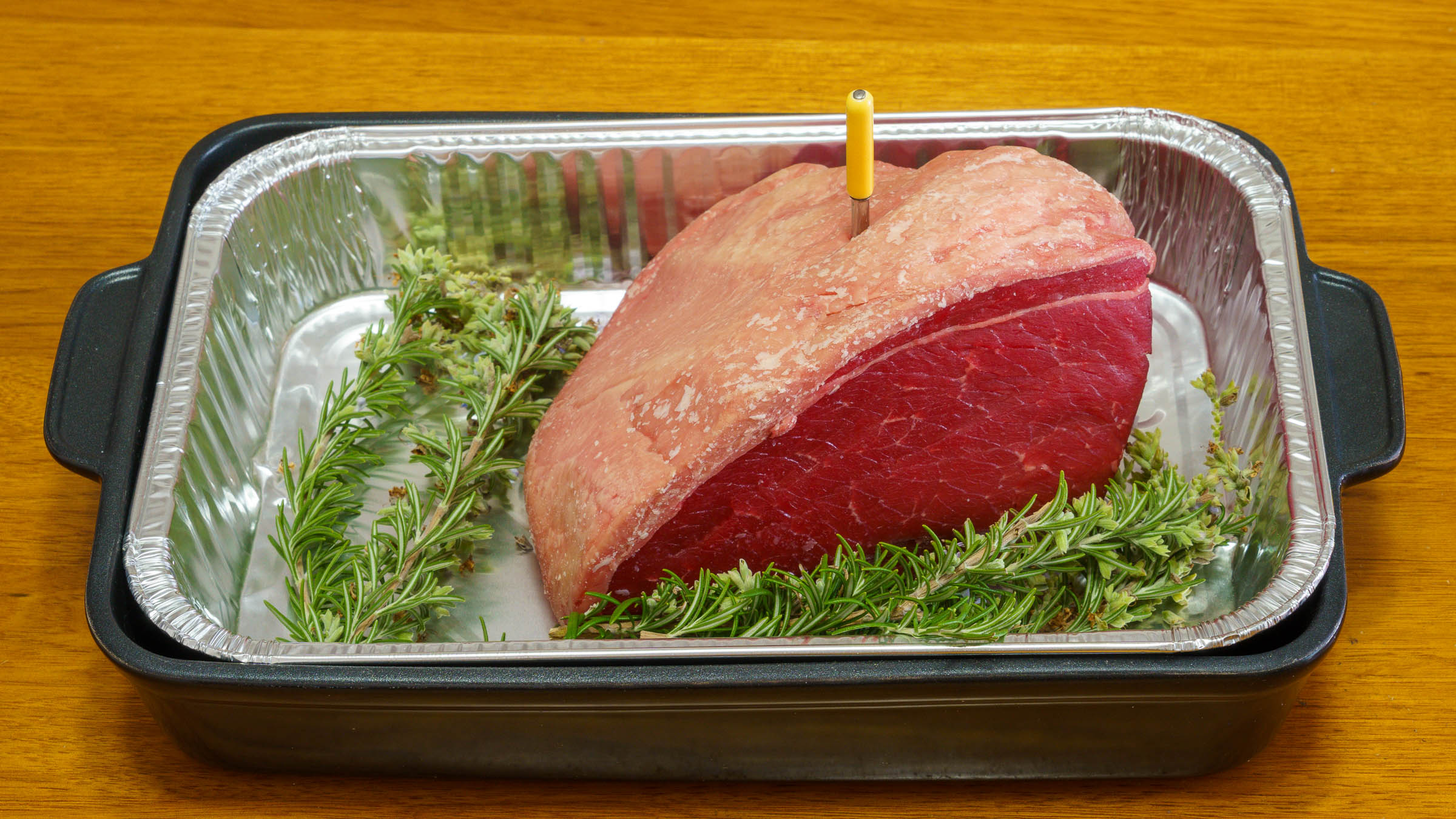
    Lamb rump in the store packaging. The price is $AUD8.56 at $AUD19.90/kilogram.
    Lamb rump

    Equipment

    • Water bath
    • Precision cooker
    • Propane gas torch

    Instructions

    1. The day before the meal, dry brine the meat.
    2. A few hours before the meal put the meat into a bag and vacuum seal it.
    3. Cook the lamb in a water bath with a precision cooker set at 58 °C (136.5 °F) for 3 hours.
    4. Remove the meat from the bag and dry the surfaces.
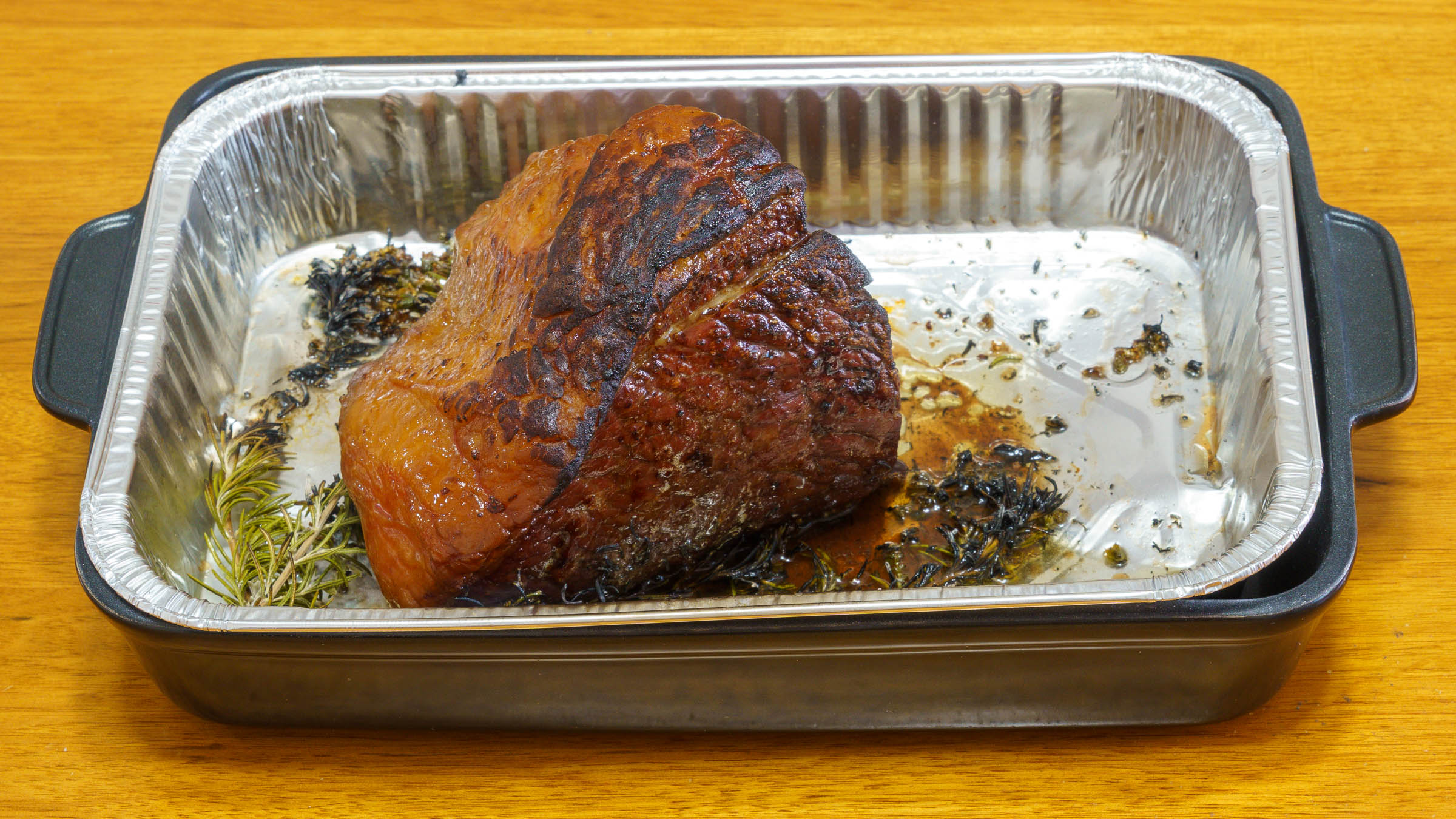
    5. Sear the meat with a propane gas torch.
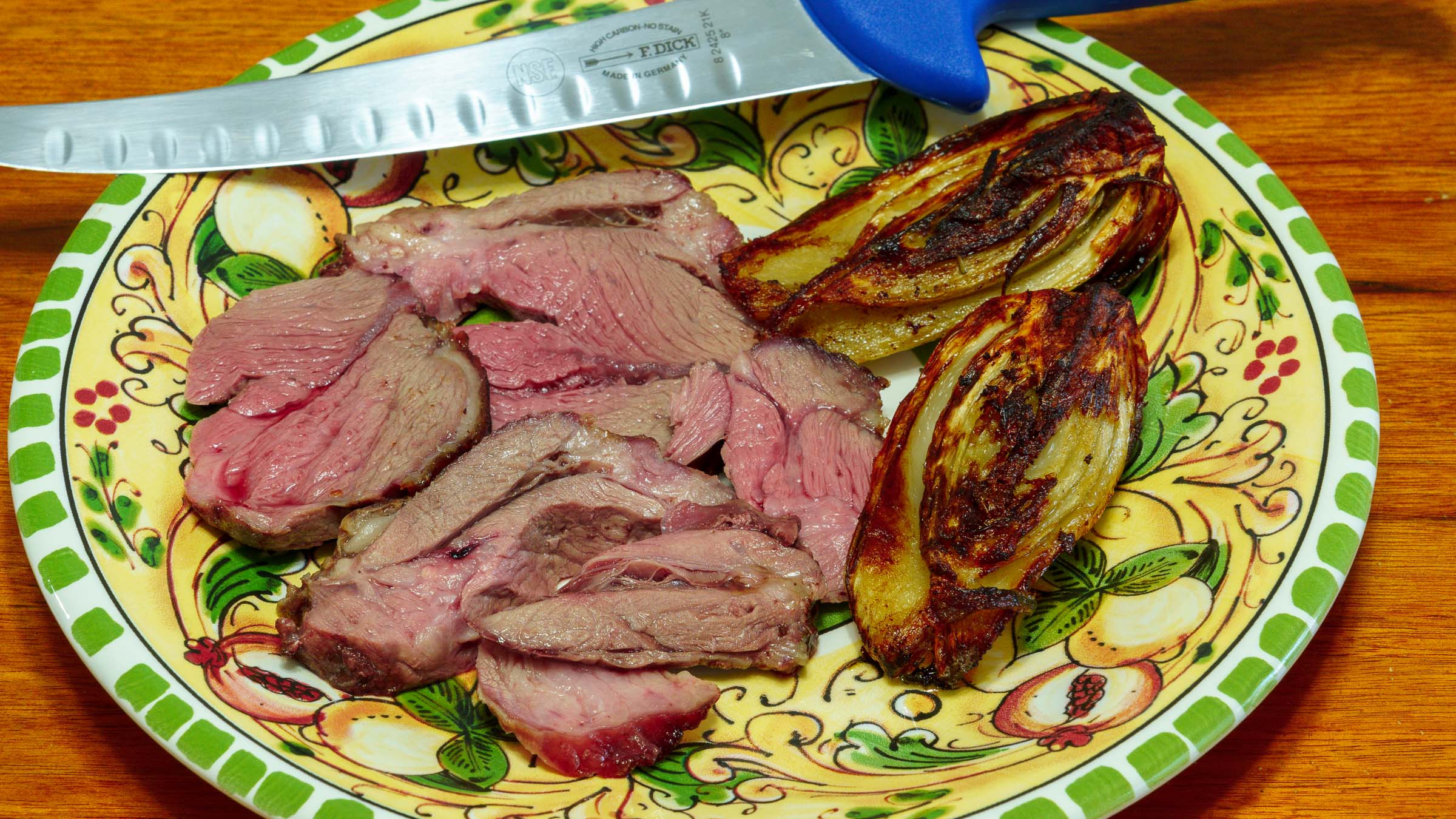
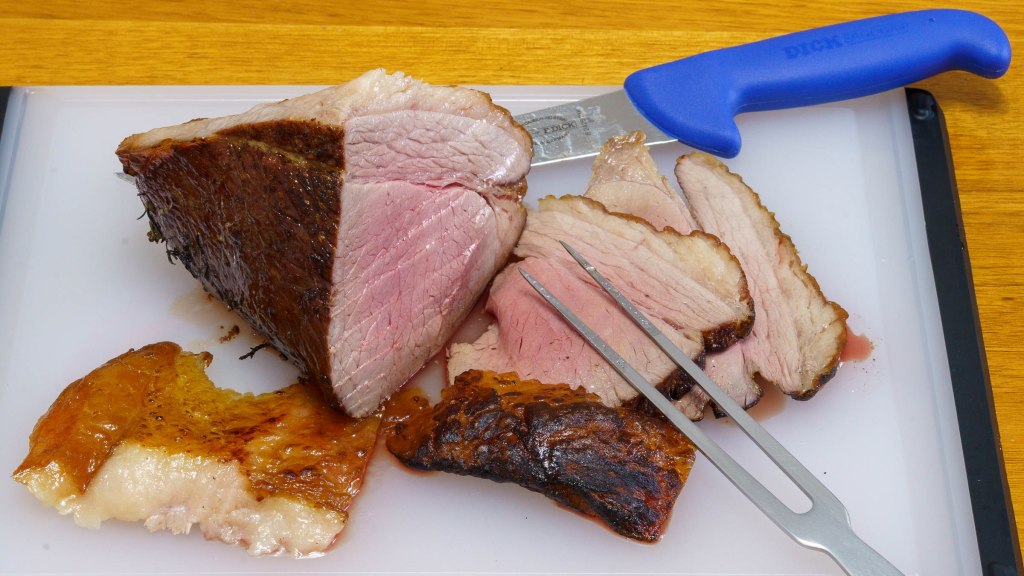
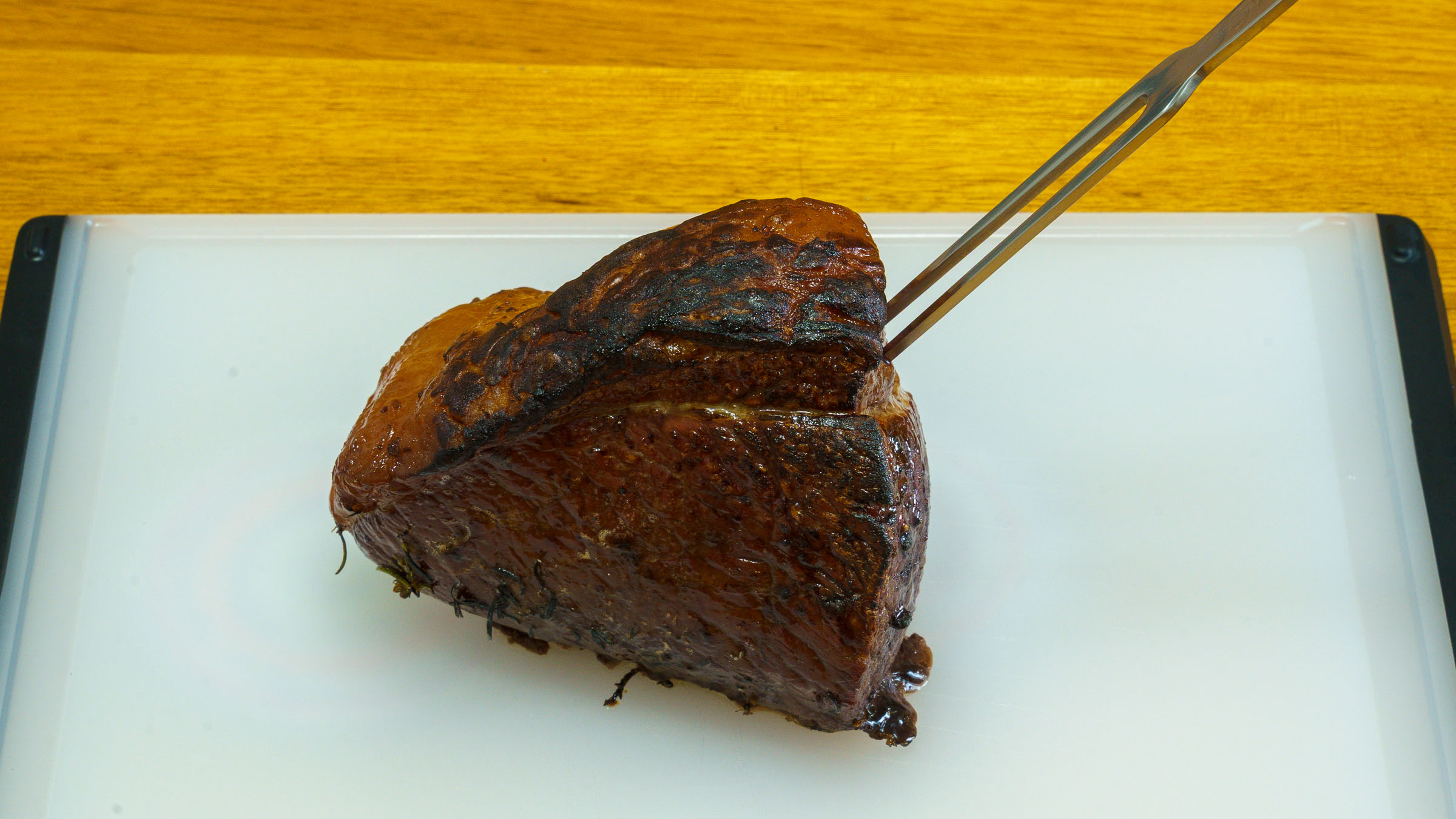
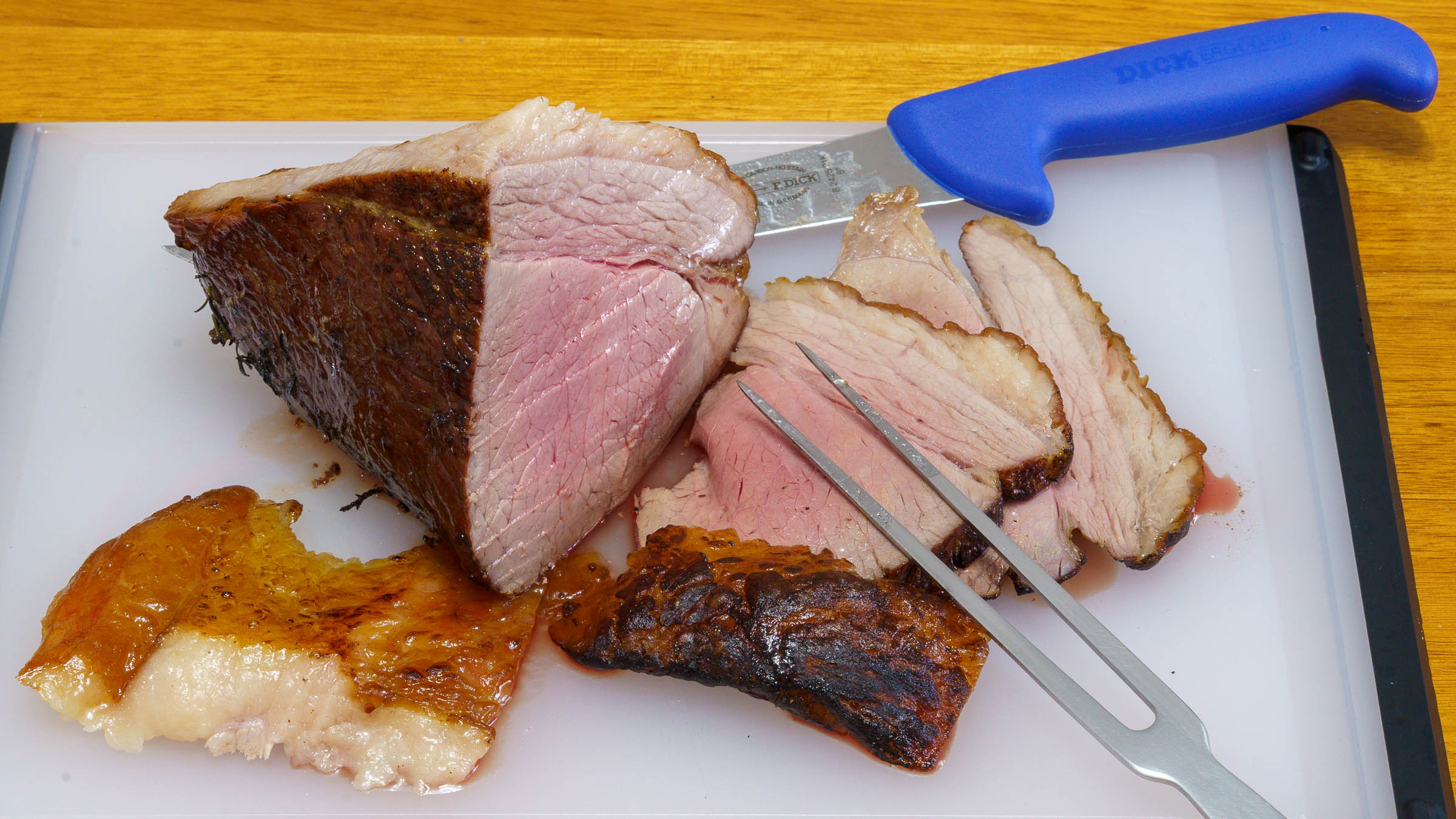
    6. Carve the meat with a sharp knife and serve the meat on a dinner plate.

    Photographs

    This is a gallery of images. Click on one and you can scroll through the series.

    Thoughts on the meal

    The lamb was tender and tasted great. The fat was nicely seared. I’ll add sous vide lamb rump to the list of food I’m happy to enjoy repeatedly.

    Lamb for lunch

    I also enjoyed lamb loin chops for lunch.

    It was cold this morning.

    A photograph of Henley Beach Jetty just after dawn. The surf is choppy because of the strong offshore winds. The clouds are dark and heavy in the sky. The street lamps on the jetty are on.
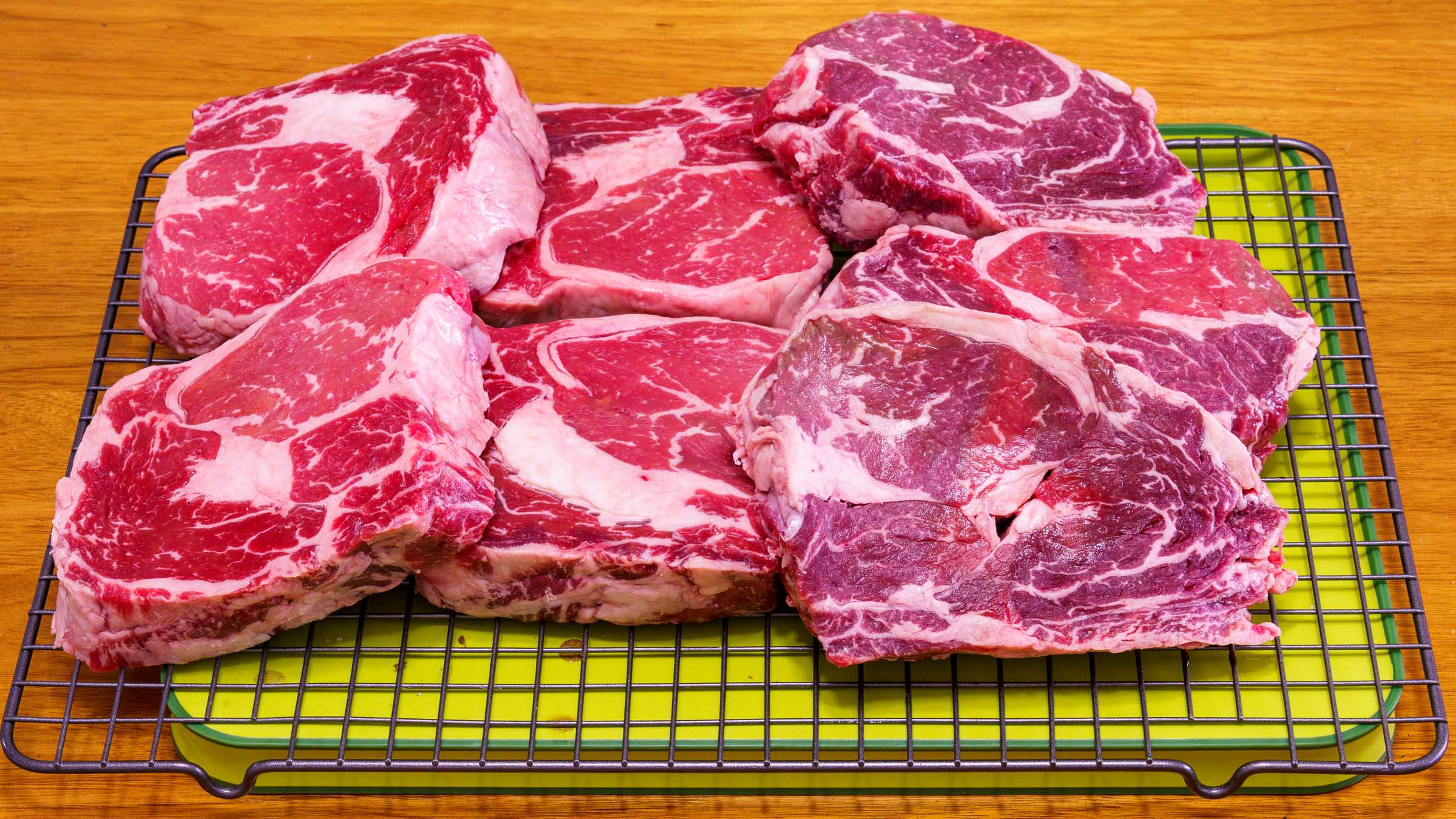
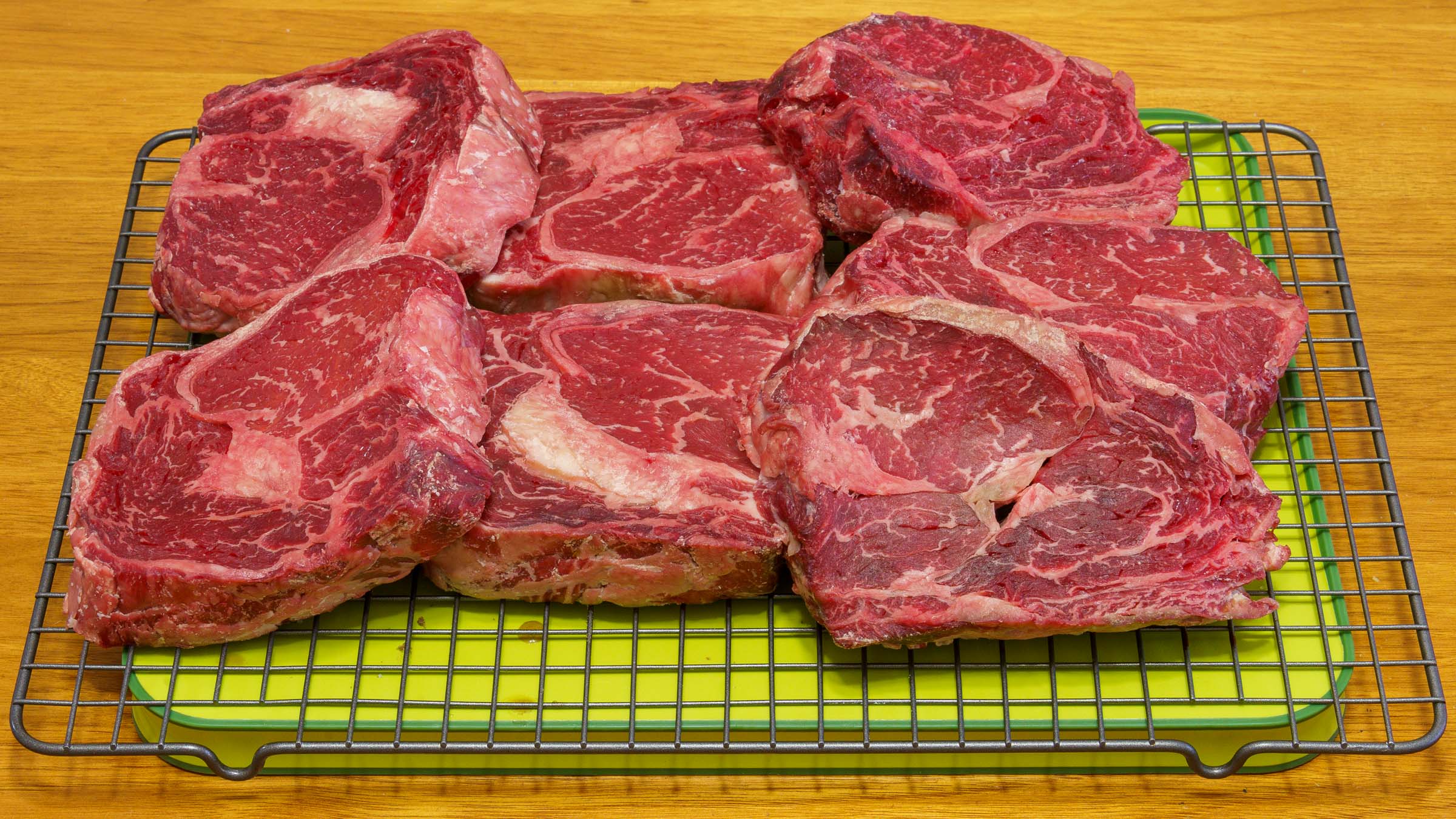
  • Steaks from different supermarkets

    Steaks from different supermarkets


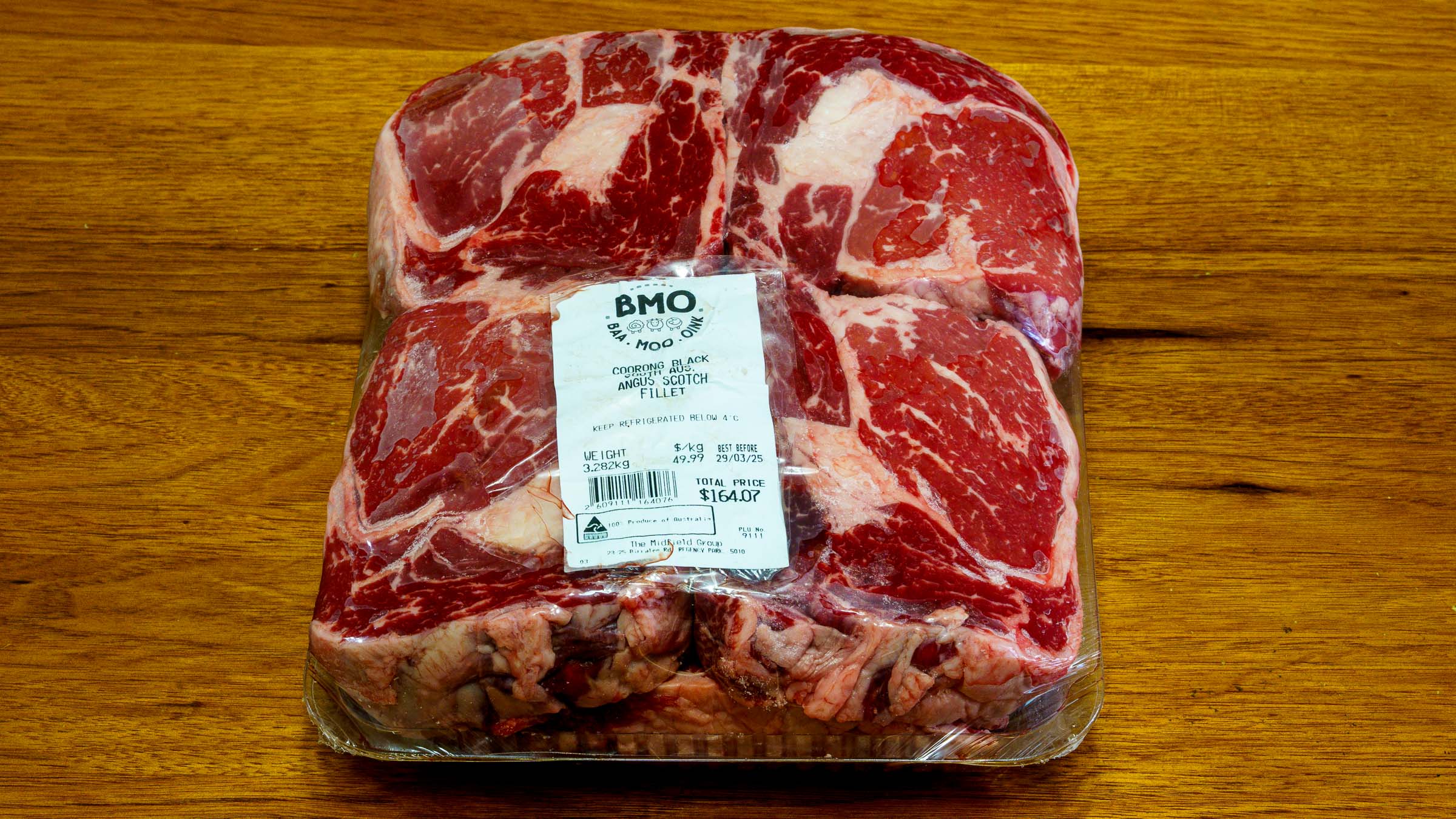
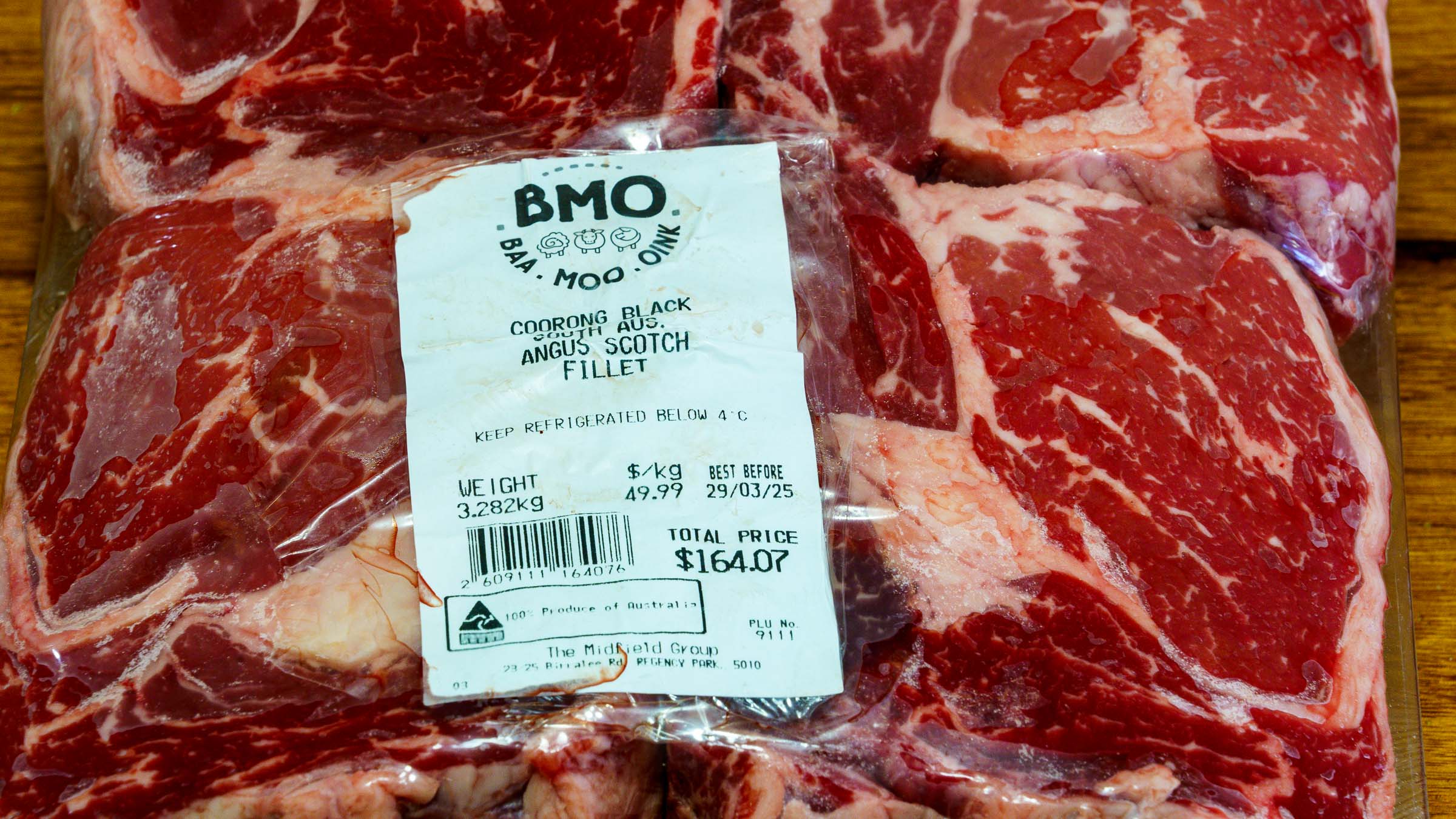
    I recently bought scotch fillet steaks from two different supermarkets. One supermarket is a large national chain with international backing. The other is a local chain that thrives in my area.

    I picked four steaks from each to sidestep the issue of getting a one-off good or bad steak.

    Dinner plate with a scotch fillet steak and prawns.
    Scotch fillet steak and peeled prawns

    Description

    The scotch fillet steak, also known as ribeye, is a tender and flavourful cut from beef cattle. It’s known for its marbling, which contributes to its juicy and succulent texture.

    Anatomical Position

    This cut is derived from the rib section, specifically from the rib primal between the 6th and 12th ribs.

    Other Names Worldwide

    United States: Ribeye

    United Kingdom: Ribeye or Entrecôte

    France: Entrecôte

    Argentina: Bife de Ancho

    Popularity

    Its popularity stems from its tenderness and full-bodied flavour. The marbling of fat ensures that the meat remains moist and juicy during cooking, making it a favourite choice among meat enthusiasts.

    Nutritional Measurements (per 100 grams [3.5 ounces])

    Calories: Approximately 1,046 kilojoules

    Protein: Around 20–25 grams

    Fat: Approximately 18–22 grams

    Saturated Fat: About 8–10 grams

    Carbohydrates: 0 grams

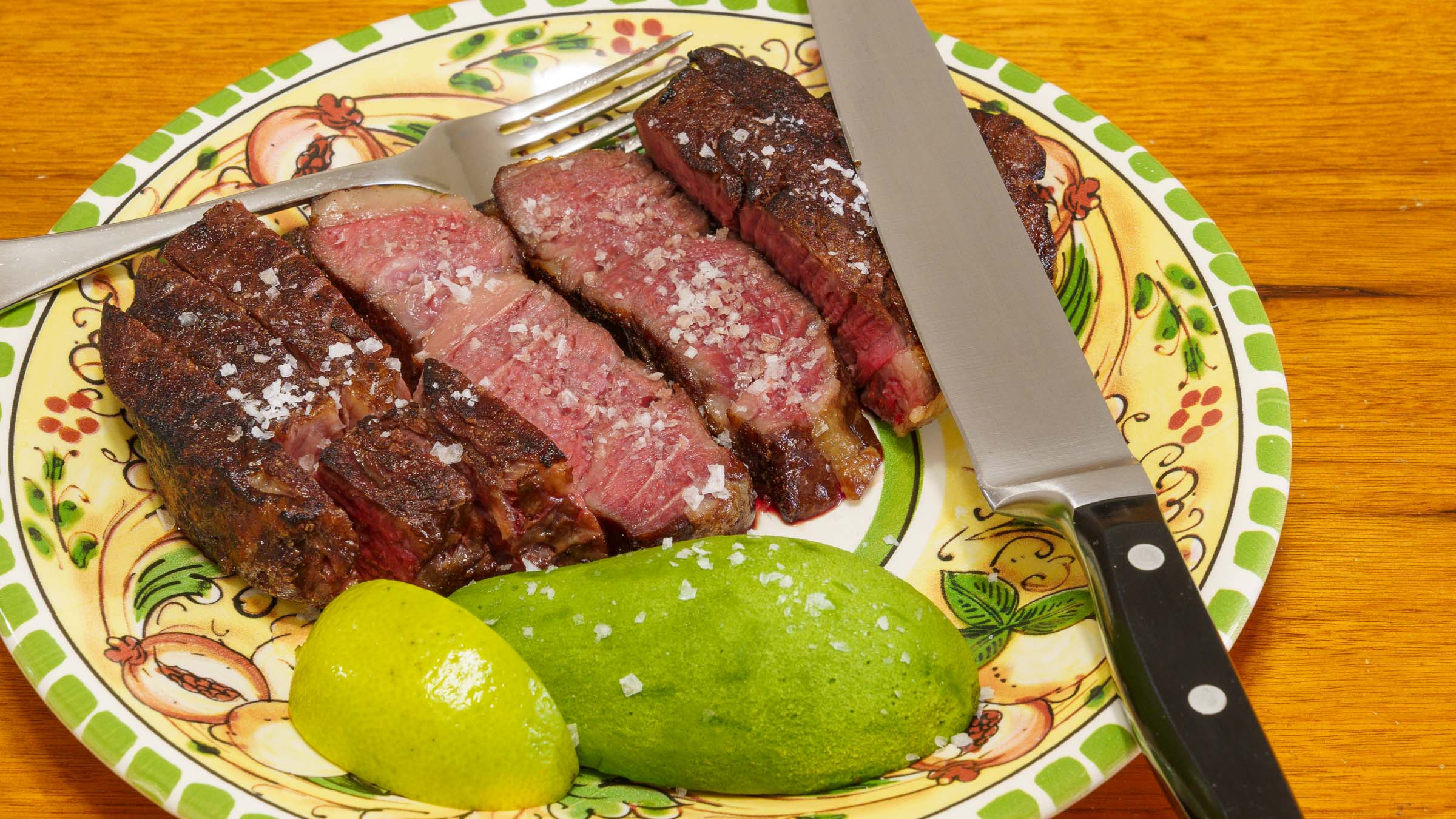
    A white dinner plate with six fresh plump local South Australian oysters, some lime wedges, and a perfectly cooked scotch fillet steak seasoned with flaky salt. The steaks have perfect edge-to-edge doneness.
    Scotch fillet steak and fresh oysters with lime

    Nature and Type of Fat

    The scotch fillet steak contains a mix of monounsaturated, polyunsaturated, and saturated fats. The high amount of intramuscular fat (marbling) not only enhances the flavour but also helps in maintaining moisture during cooking, leading to a tender bite.

    Cooking Methods

    Grilling: Often the go-to method, allowing for a nice char while keeping the inside juicy.

    Pan-Seared: Provides a crust; often finished in the oven for even cooking.

    Sous Vide: Ensures precise doneness followed by a quick sear for a perfect finish.

    Broiling: Quick and efficient, using high heat to create a caramelised exterior.

    Smoking: Adds a rich, smoky flavour to the already robust taste of the steak.

    Buying Tips

    Marbling: Look for even marbling throughout the steak as an indicator of flavour and tenderness.

    Colour: Fresh beef should have a bright red colour. Avoid steaks with brown or discoloured spots.

    Thickness: The ideal thickness is around 20–25 millimetres (about one inch) for a perfect balance of sear and tenderness. It will also remain moist longer.

    Smell: Fresh beef should have a neutral smell. Any sour or off odour is a red flag.

    Comparison photographs

    How did I cook the steaks?

    Dry brining: I almost always dry brine steaks. Dry brining ensures a better crust on the steak.

    Sous vide: For steak thicker than a few centimetres (an inch and a bit), I’ll cook them in a water bath to ensure edge-to-edge doneness the way I like. This usually means cooking at 57 °C (135 °F) for two to three hours.

    Gas torch sear: My preferred way to sear steak, especially in the warmer months is to use a propane gas torch.

    Propane gas torch sitting on a serving tray of a Weber Q+ barbecue.
    Gas torch

    How did the steaks compare?

    There were no bad steaks. All of the steaks were tender and flavourful. If I was doing a blind test, I think I’d probably point to the local state-based supermarket rather than the big national supermarket.

    The local state-based supermarket was selling the steak at $AUD30/kilogram.

    The big national supermarket was selling the steak at $AUD40/kilogram.

    The local steaks were also cheaper.

    What about steak from a butcher?

    There are many who will point out the deficits of supermarket meat processing and how we should be supporting butchers.

    I’m empathetic and sometimes I do buy meat from a butcher. That said, cost of living is relevant and there is nothing wrong with supermarket steak.

    I acknowledge I have a well paid job and I have the privilege of employment as well as others forms of privilege so I dare not discuss cost of living.

    Final thoughts

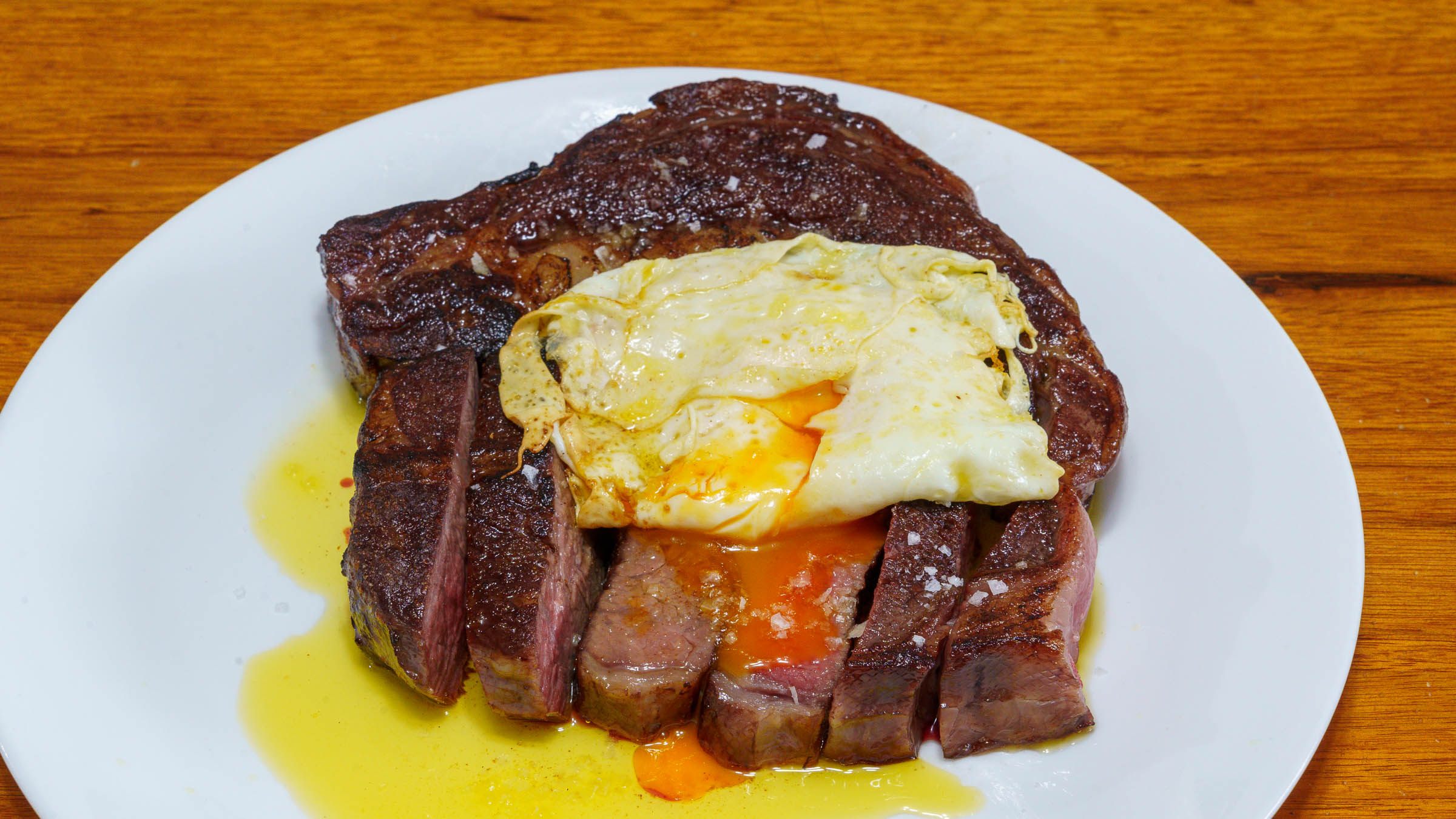
    • I love eating steak.
    • Do you love eating steak?
  • Steak and seafood

    Steak and seafood


    Terms like “reef and beef” and “surf and turf” are well known. I tend to use “reef and beef” because the word “turf” makes me think of horses. While I have eaten and enjoyed horse meat, it’s not usually available at the supermarket or my local butcher.

    Regarding “surf,” the common seafood found at surf beaches includes pipis (bivalve molluscs similar to clams—Plebidonax deltoides) and fish like the flathead (Platycephalus fuscus). Though I don’t live near any surf beaches, I do live near the coast, where blue swimmer crabs (known as sand crabs where I come from—Portunus pelagicus) and King George whiting are commonly caught.

    I believe a good pairing for horse meat would be crab meat. Last night and tonight I enjoyed prawns and oysters with my steak respectively.

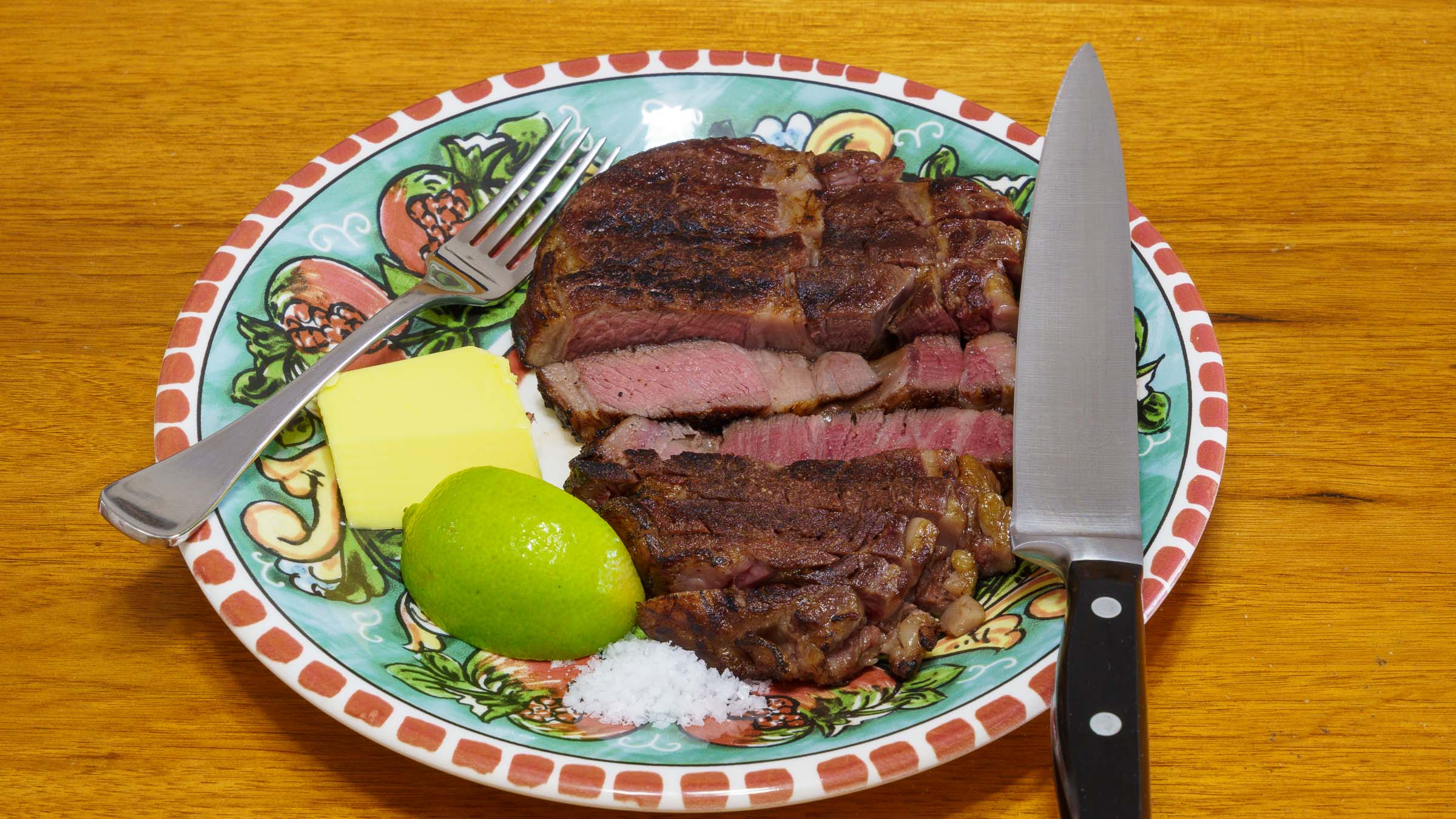
    The steaks are Scotch fillet, and the prawns and oysters are local. The beef was dry-brined, cooked in a water bath, and seared with a propane torch.

    Questions

    Feel free to write answers in the comment box.

    • Do you like combining seafood with steak?
    • Do you use the term “reef and beef”?
    • Do you prefer the term “surf and turf”?
    • Have you eaten horse meat?
    Propane gas torch with a Weber Q+ barbecue.
    Gas torch
  • Instant relief with steak

    Instant relief with steak


    DISCLAIMER

    This week, I found myself in a challenging situation where I had to confront some people. There was no way to avoid it. I felt constrained. I couldn’t fight. My only choice was to defend myself. Without the ability for flight or fight, I had to carefully choose my words until the ordeal was over.

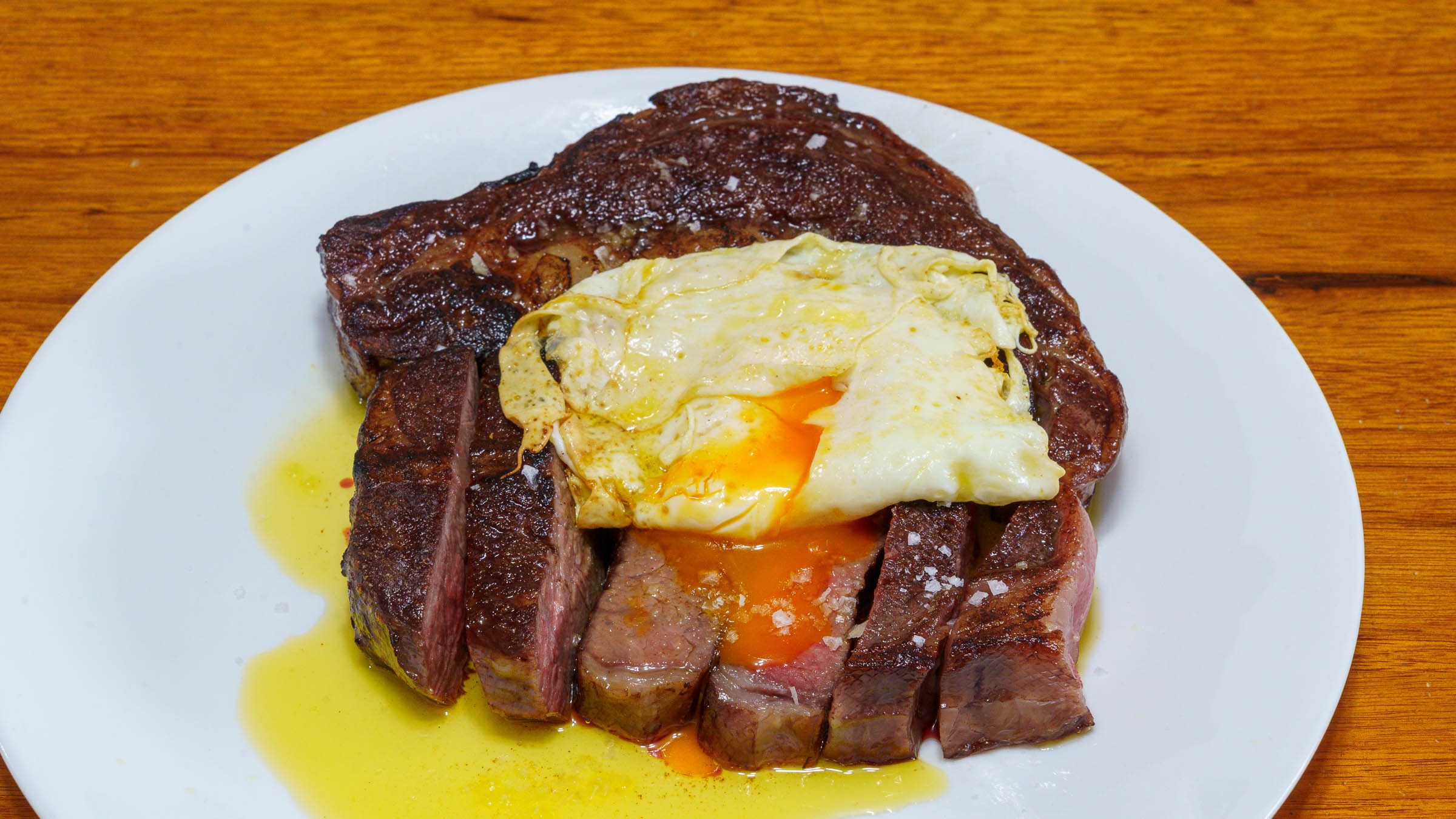
    After it ended, I cooked and enjoyed a T-bone steak. Cooking helped me relax, and eating the steak brought me joy.

    While it may not solve all problems, a good steak can certainly make life better.

    What brings you quick relief?

  • Pork chops

    Pork chops


    I asked Microsoft Copilot for a description of pork chops.

    Here is what was generated.

    Jump to the recipe

    The Art of Cooking and Eating Pork Chops

    Anatomy of a Pig and Pork Chop Origin

    Pork chops are cut from the loin of the pig, which extends from the hip to the shoulder and includes the ribcage. The loin is divided into four sections: the blade end (closer to the shoulder), the rib end, the loin centre, and the sirloin end (near the hip). Pork chops can be sourced from any of these sections, with each part providing different textures and flavours.

    Terminology for Pork Chops

    Pork chops are known by different names in various countries. For instance:

    • In the UK, they are often referred to as “pork cutlets.”
    • In France, the term “côte de porc” is used.
    • In Italy, they are called “braciole di maiale.
    • In Germany, they are known as “Schweinekoteletts.

    Best Ways to Cook Pork Chops

    Cooking pork chops well requires attention and respect for the meat. Here are some methods:

    • Grilling: This method gives a smoky flavour and charred exterior. Marinating the chops before grilling adds depth to the taste.
    • Pan-Seared: Quick and effective, this method involves searing the chops in a hot pan to form a crust, then finishing them in the oven.
    • Baking: A slow and gentle method that ensures the meat is juicy and tender. Seasoning or breading can add extra flavour.
    • Sous Vide: This technique involves vacuum-sealing the chops and cooking them in a water bath at a precise temperature, ensuring consistent doneness.

    Selecting Pork Chops at a Butcher Shop

    When choosing pork chops, consider the following:

    • Colour: Look for pinkish-red chops with some marbling; avoid chops that are pale or have dark spots.
    • Fat Content: Some fat around the edges is desirable as it adds flavour and moisture.
    • Bone-In or Boneless: Bone-in chops tend to be juicier and more flavourful, while boneless chops cook more quickly and evenly.

    Nutritional Value of Pork Chops

    Pork chops are a source of protein and nutrients. Here’s a breakdown of their nutritional content (per 100 grams):

    Protein: Approximately 21–26 grams

    Fat: Around 9–12 grams, including both saturated and unsaturated fats

    Carbohydrates: Negligible, as meat generally doesn’t contain carbs

    Pork chops also provide B vitamins, selenium, zinc, and phosphorus.

    Premarket Processes

    Consumers should be aware of some premarket processes that can affect the quality of pork chops:

    • Water Injection: Some pork chops are injected with a saline solution to enhance juiciness and weight. This process can alter the taste and texture, and it’s essential to read labels carefully.
    • Brining: Similar to water injection, brining involves soaking the meat in a saltwater solution, which can improve flavour but also increase sodium content.

    Selecting high-quality pork chops and understanding their preparation and nutritional content can elevate your experience. Whether grilled, baked, or pan-seared, pork chops offer a versatile and delicious option.

    I also asked Microsoft Copilot to compare and contrast beef and pork.

    Alimentary Tract of Pigs and Beef Cattle

    Pigs

    Type of Stomach: Monogastric (single-chambered)

    Diet: Omnivorous, consisting of grains, vegetables, and occasionally meat.

    Fermentation Site: Limited fermentation occurs in the caecum and colon.

    Process: Food is ingested, passed to the stomach for enzymatic digestion, and then moves to the small intestine where most nutrient absorption occurs. Fibre and other indigestible components are partially fermented in the large intestine.

    Beef Cattle

    Type of Stomach: Ruminant (four-chambered)

    Diet: Herbivorous, primarily grass and other fibrous plant material.

    Fermentation Site: Extensive fermentation occurs primarily in the rumen (first chamber).

    Process: Food is ingested and initially stored in the rumen, where it is fermented by a complex community of microbes. This produces volatile fatty acids (VFAs), which are a primary energy source. The food then passes through the reticulum, omasum, and abomasum for further digestion and absorption.

    Four-Chambered vs Single-Chambered Stomach

    Four-Chambered Stomach (Ruminants)

    Chambers: Rumen, reticulum, omasum, abomasum.

    Function: Rumen is the primary site for microbial fermentation, which breaks down fibrous plant material into VFAs, microbial protein, and gases. The reticulum acts as a sieve, the omasum absorbs water and nutrients, and the abomasum functions similarly to a monogastric stomach, producing acid and enzymes for digestion.

    Single-Chambered Stomach (Monogastrics)

    Chambers: One main stomach chamber.

    Function: Secretes acid and digestive enzymes to break down food into smaller molecules for absorption in the small intestine. Fermentation occurs to a much lesser extent in the large intestine.

    Implications for Metabolism and Food Processing

    Ruminants (Beef Cattle): Due to their complex stomachs, they efficiently convert fibrous plant material into energy through microbial fermentation. This results in a slow but steady release of energy, suitable for grazing animals that need to extract maximum nutrients from fibrous diets.

    Monogastrics (Pigs): They rely more on enzymatic digestion and have limited capacity to ferment fibrous material. Their diet needs to be more easily digestible and nutrient-rich, allowing for quicker energy release and growth.

    Quality of Free Fatty Acids

    Ruminants: The microbial fermentation process in the rumen saturates fatty acids, leading to higher proportions of saturated fatty acids in their tissues.

    Monogastrics: Pigs tend to have higher levels of unsaturated fatty acids in their tissues since their digestive process doesn’t extensively alter the fatty acid profile of their diet.

    The differences in digestive anatomy and function between pigs and beef cattle reflect their dietary needs and the nature of their food processing. Ruminants like cattle are specialised to derive energy from fibrous plants through microbial fermentation, while monogastric animals like pigs depend on a more varied diet and enzymatic digestion for nutrient absorption. These differences also influence the types and quality of fatty acids produced within their systems.

    Recipe

    Because I’m not confident with cooking pork chops, I elected to use a water bath and precision cooker for tonight’s meal.

    Ingredients

    • Salt
    • Pork chop

    Equipment

    • Water bath
    • Precision cooker
    • Gas torch

    Instructions

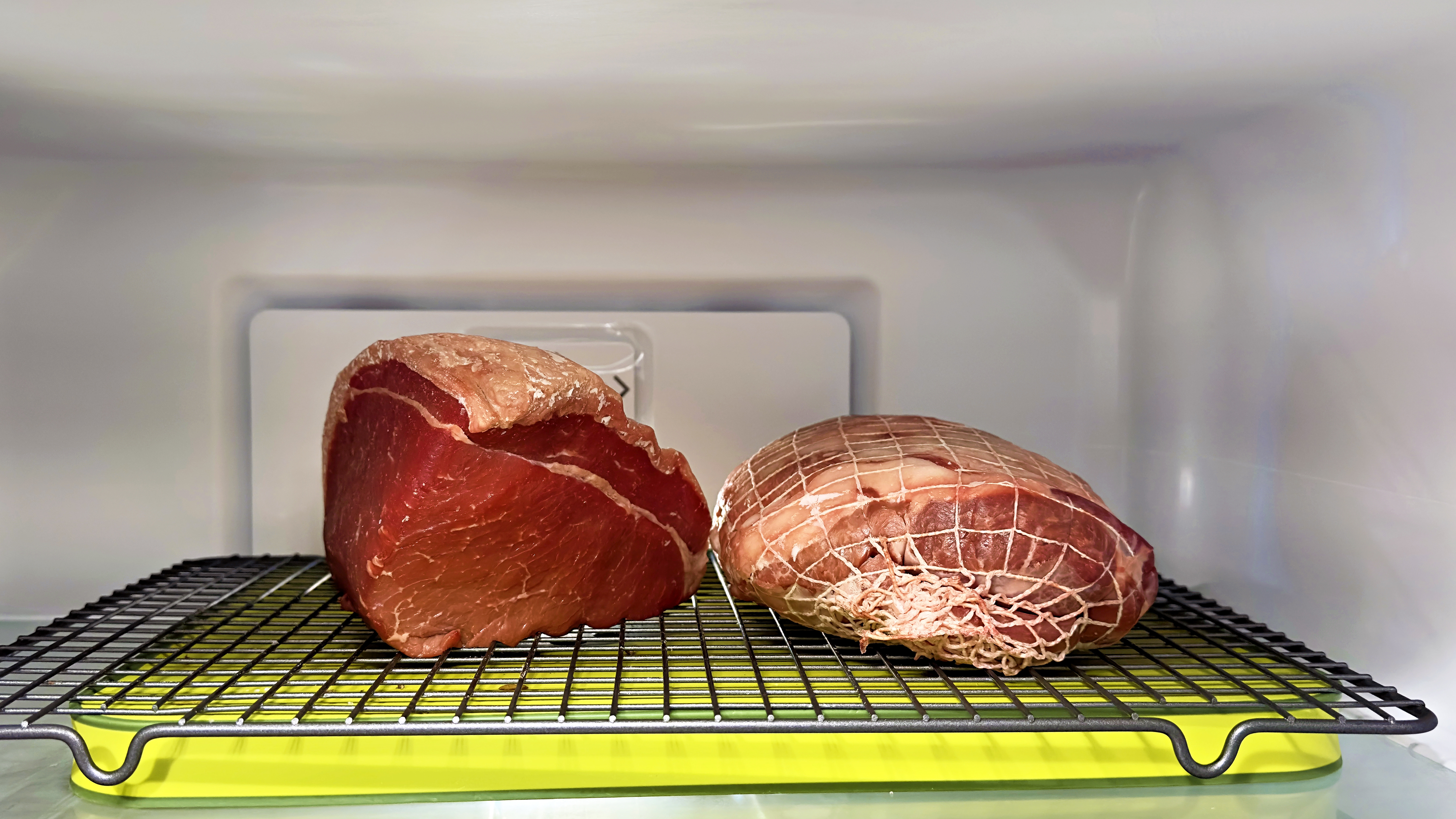
    1. The day before the meal, season the meat with salt, and place the pork chop on a rack, uncovered, in the refrigerator.
    2. A few hours before eating, place the meat into a plastic bag and vacuum seal it.
    3. Place the bagged meat into the water bath and cook it at 57 °C for 2 hours.
    4. When the meat is finished cooking remove the meat from the bag and dry the surfaces with absorbent paper towels.
    5. Sear the meat with a gas torch.
    6. Serve the pork chop on a dinner plate.

    Thoughts on the meal

    The pork was succulent, tender, and had an enjoyable mouthfeel.

    I was pleasantly surprised at how tender the pork was.

    The fat was also delicious.

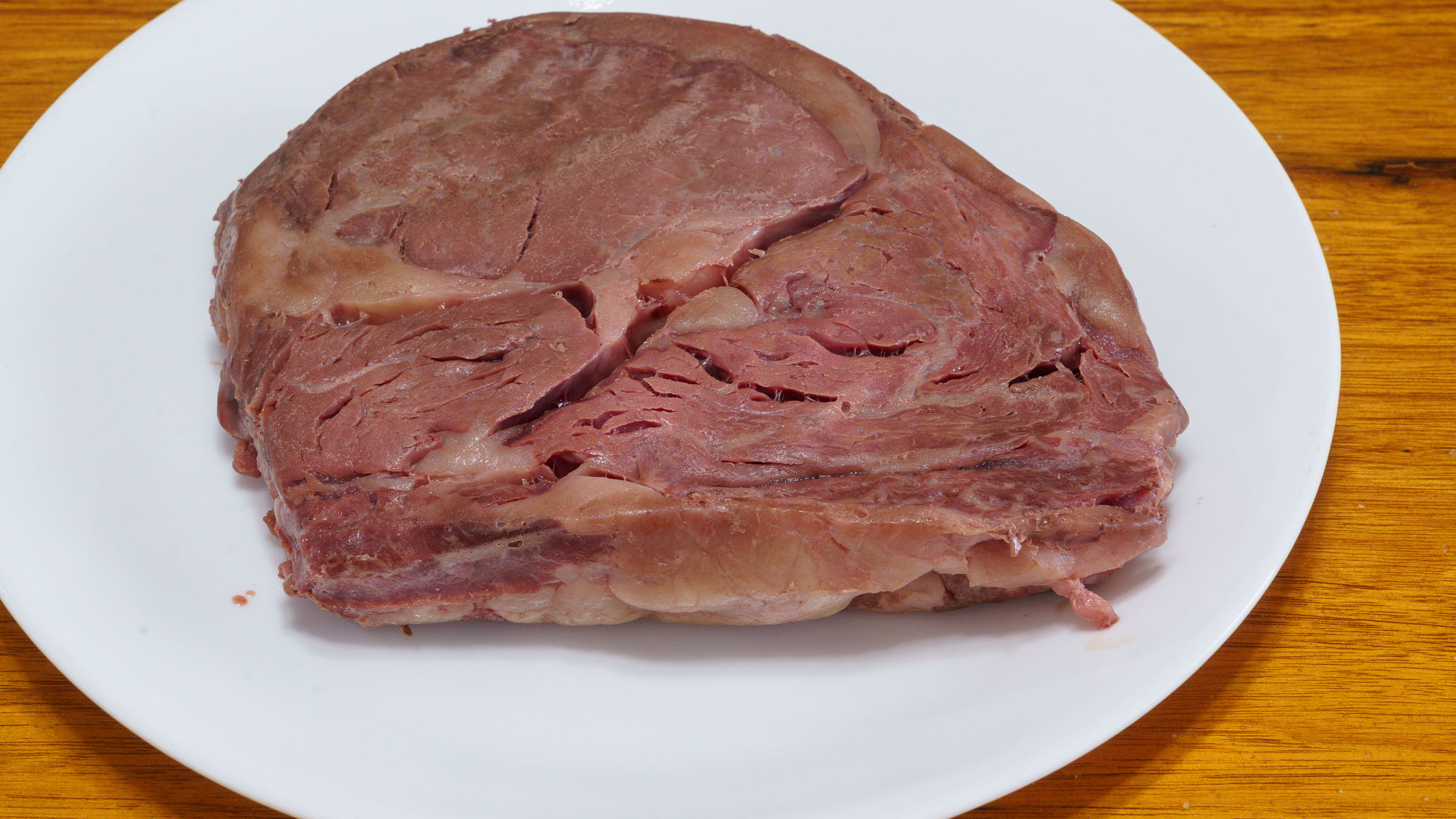
    Succulent pork chops

    Photographs

    Questions

    • Do you like pork chops?
    • How do you like to cook pork chops?
    • What do you like to eat with pork chops?

    The second chop