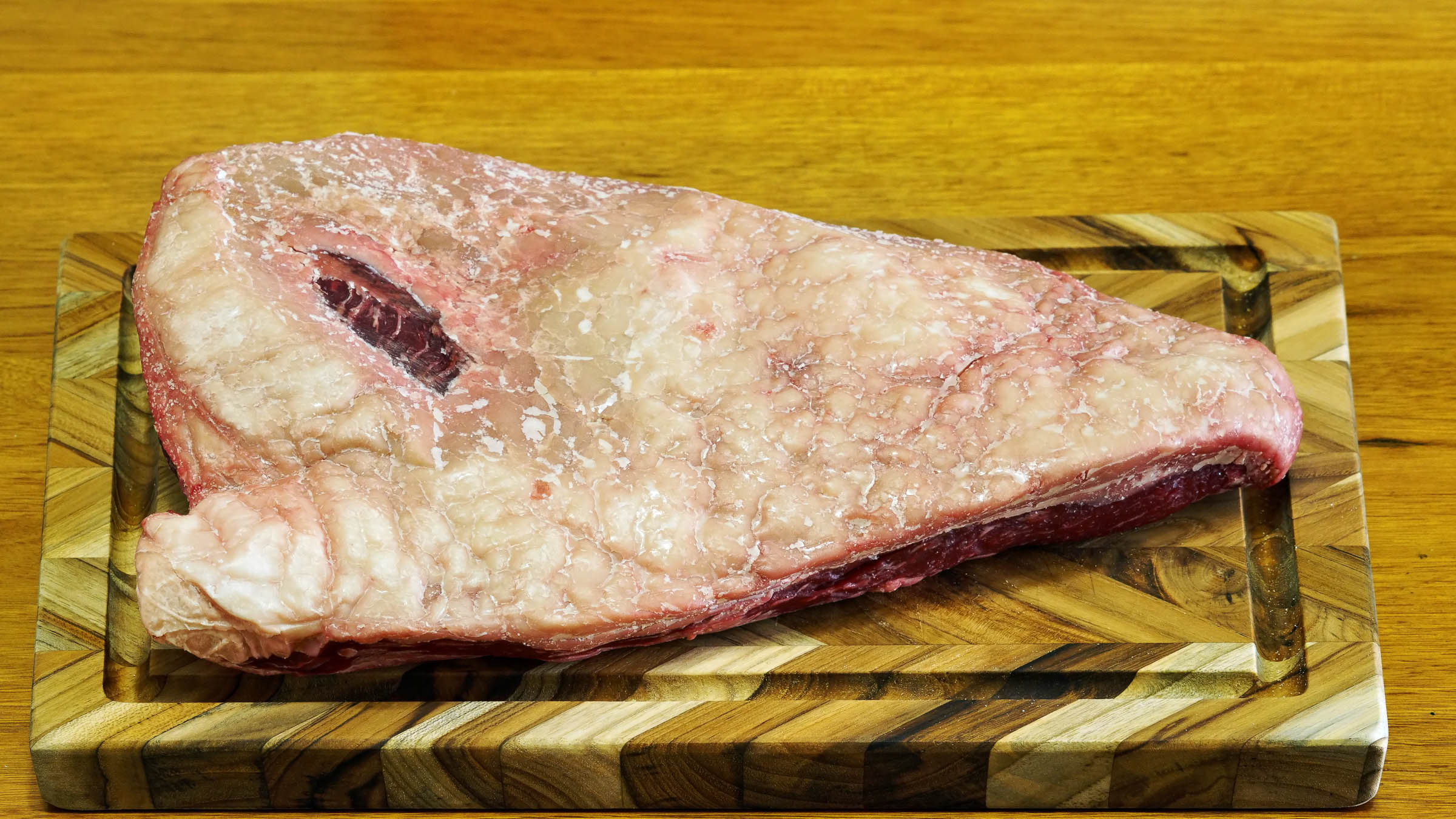
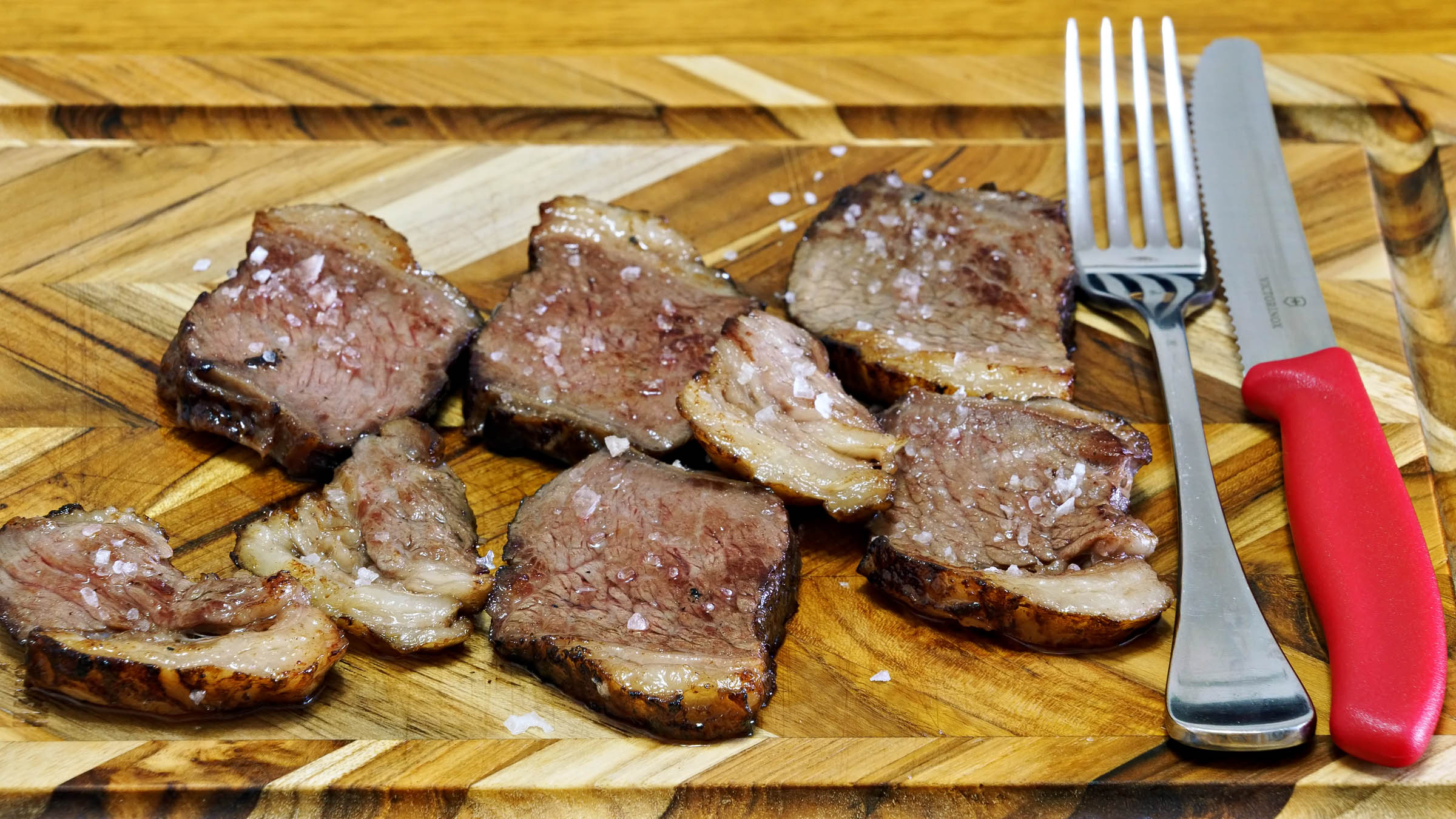
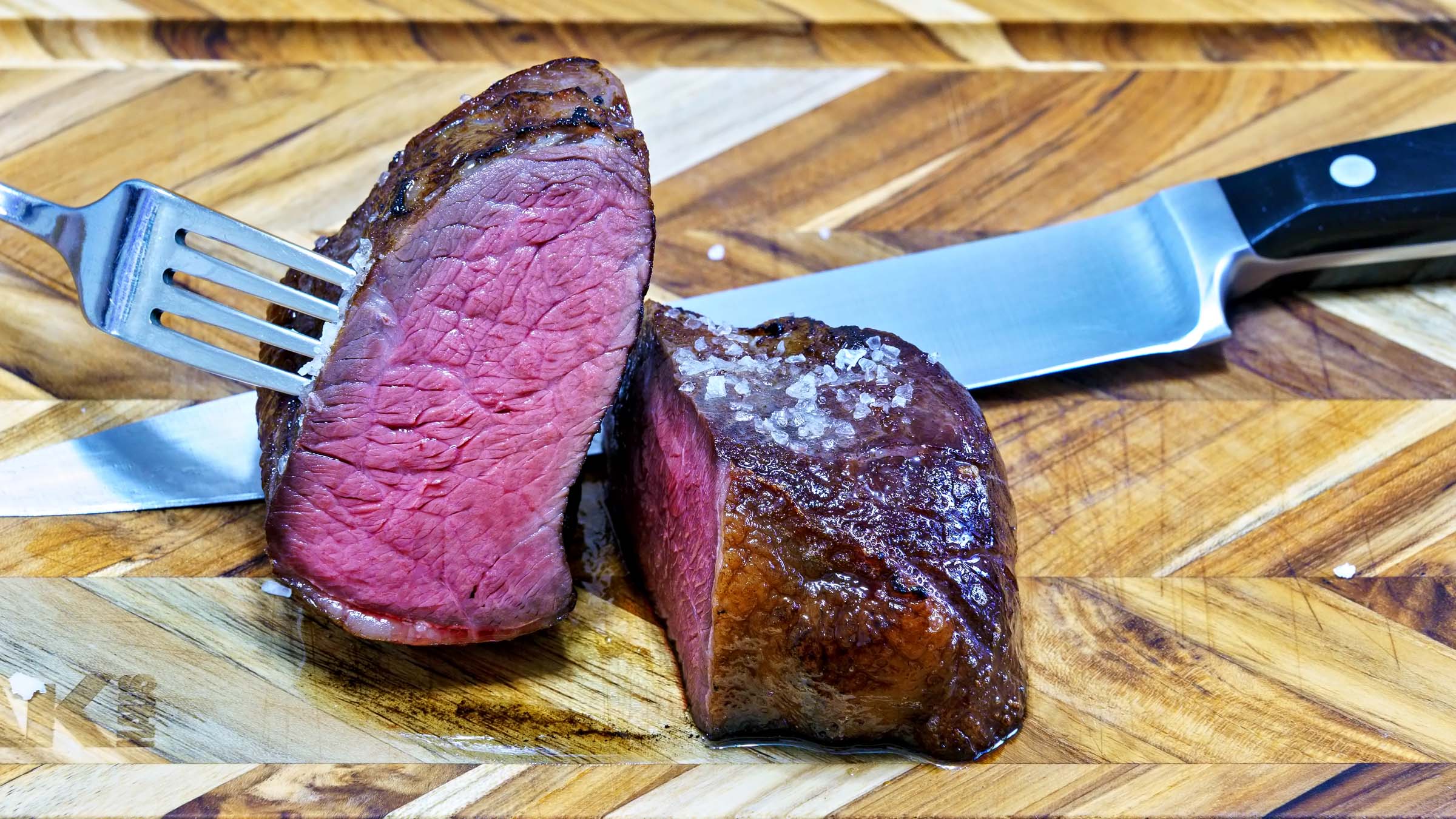
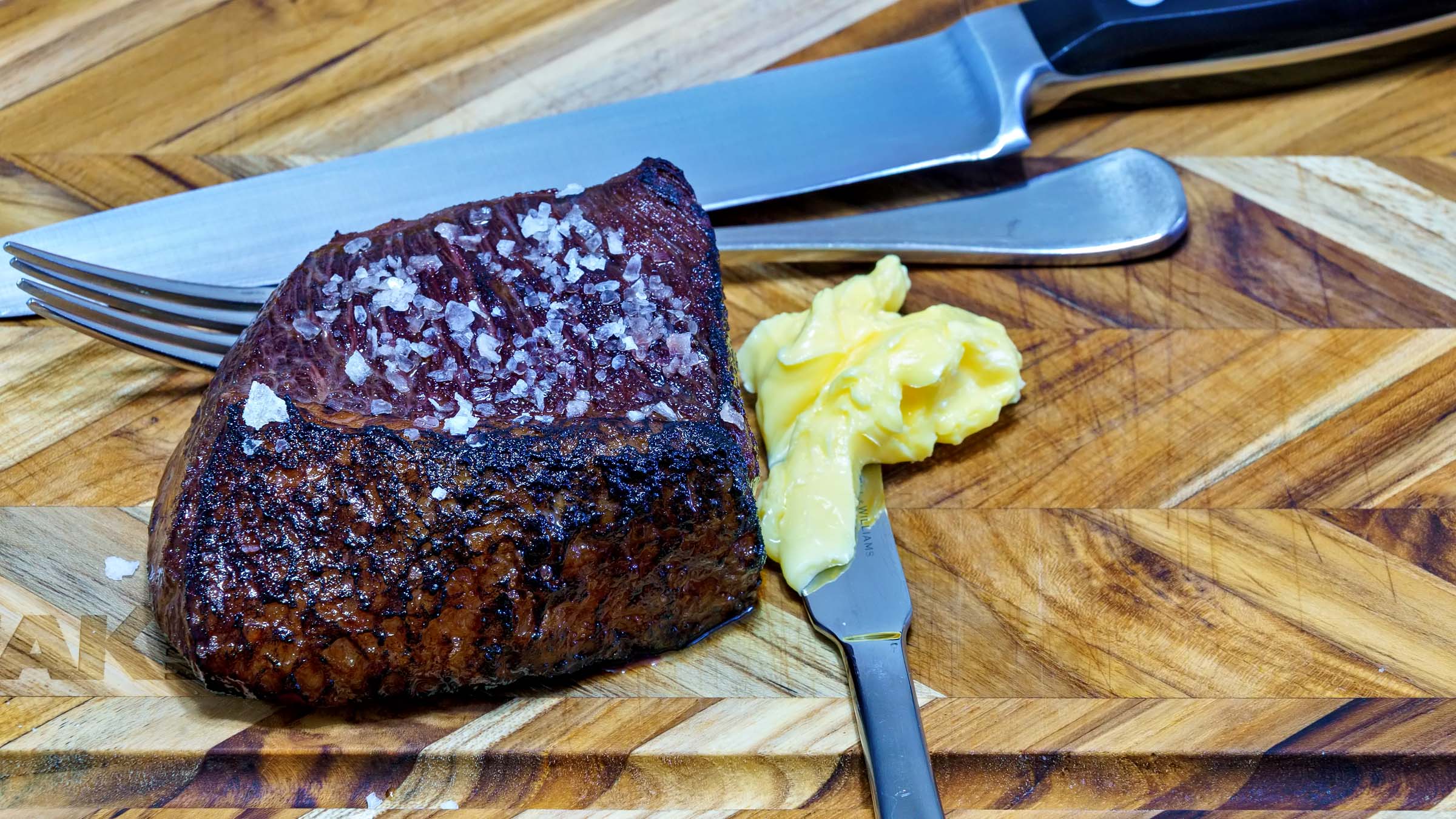
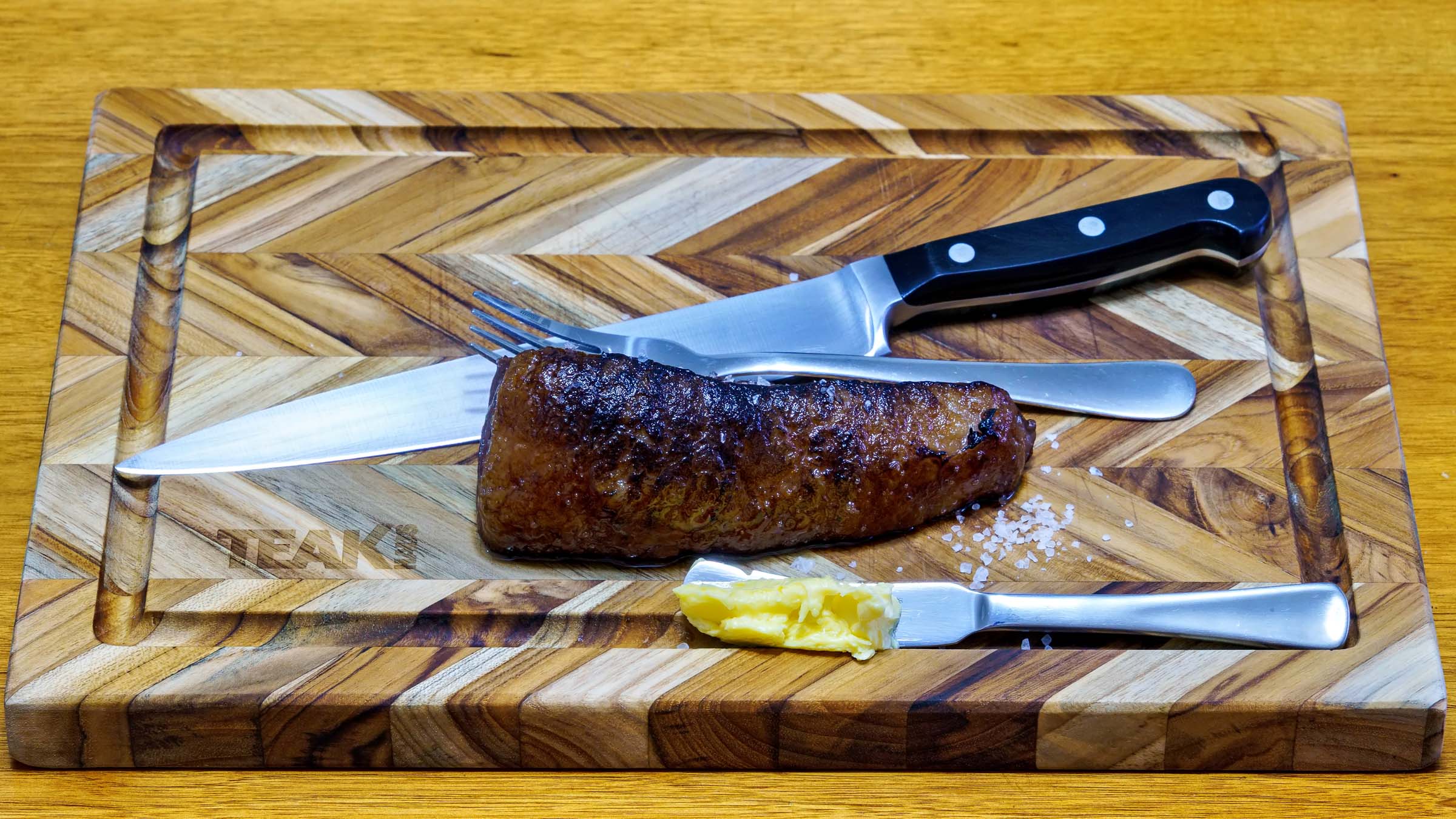
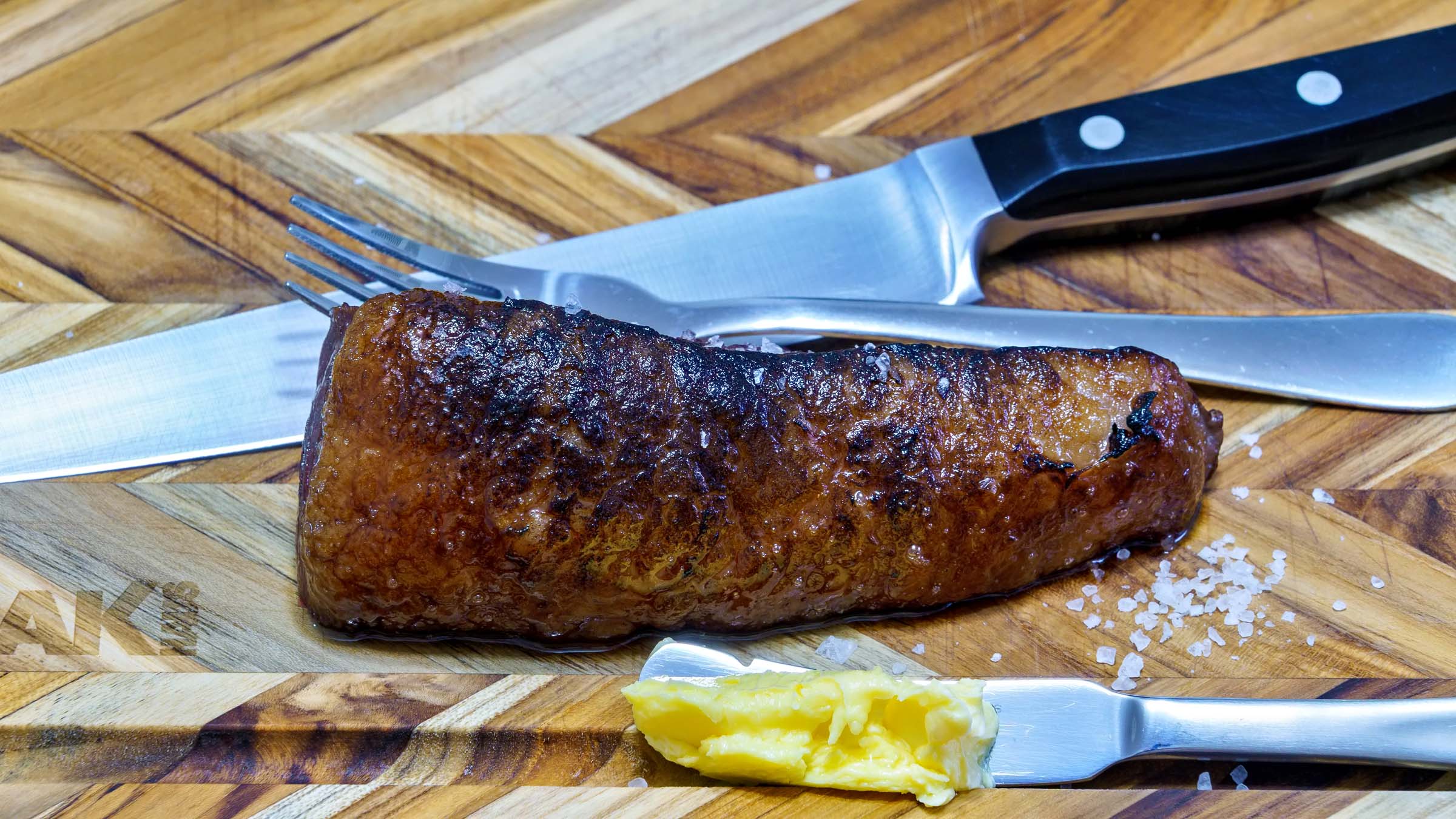
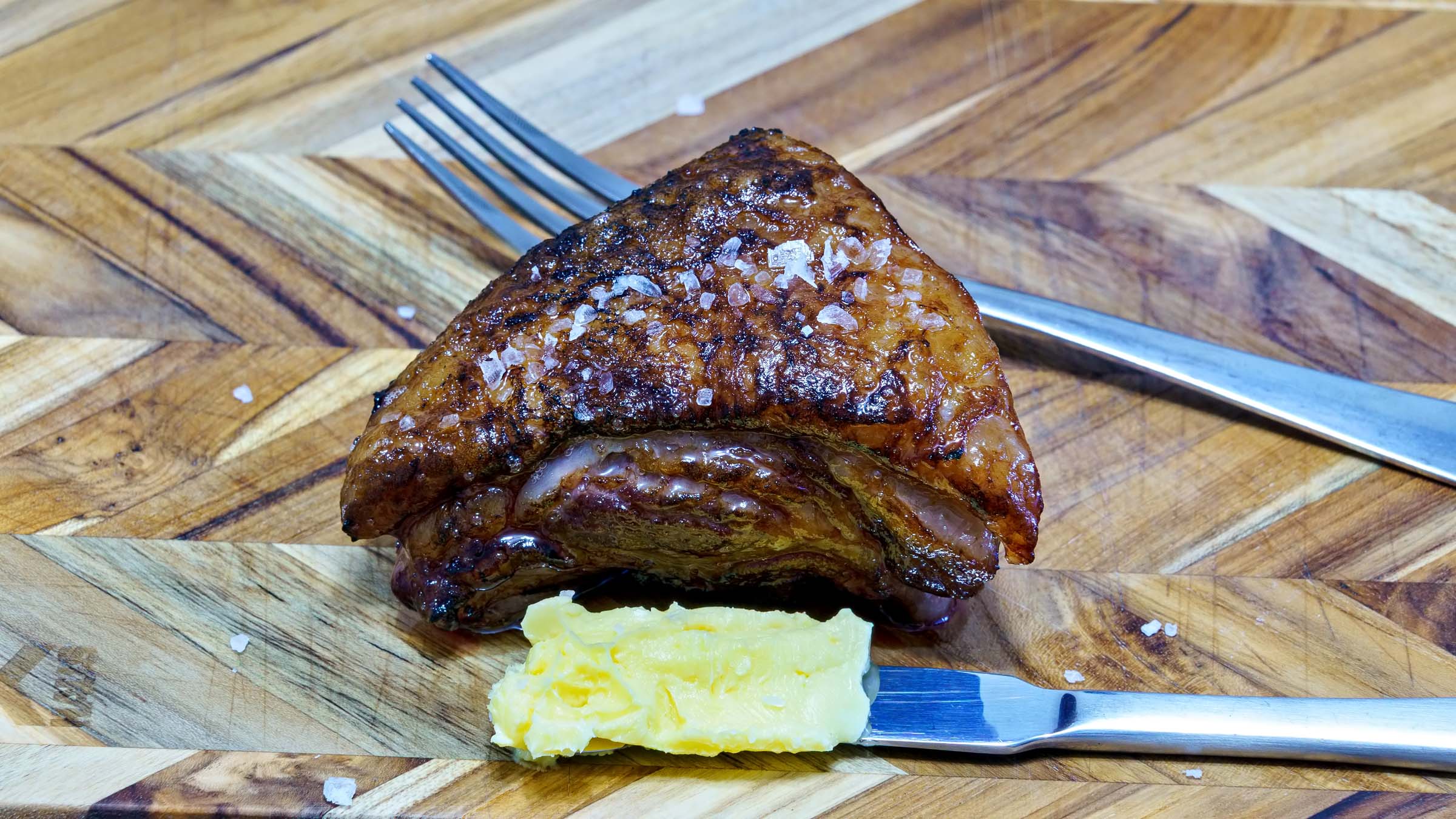
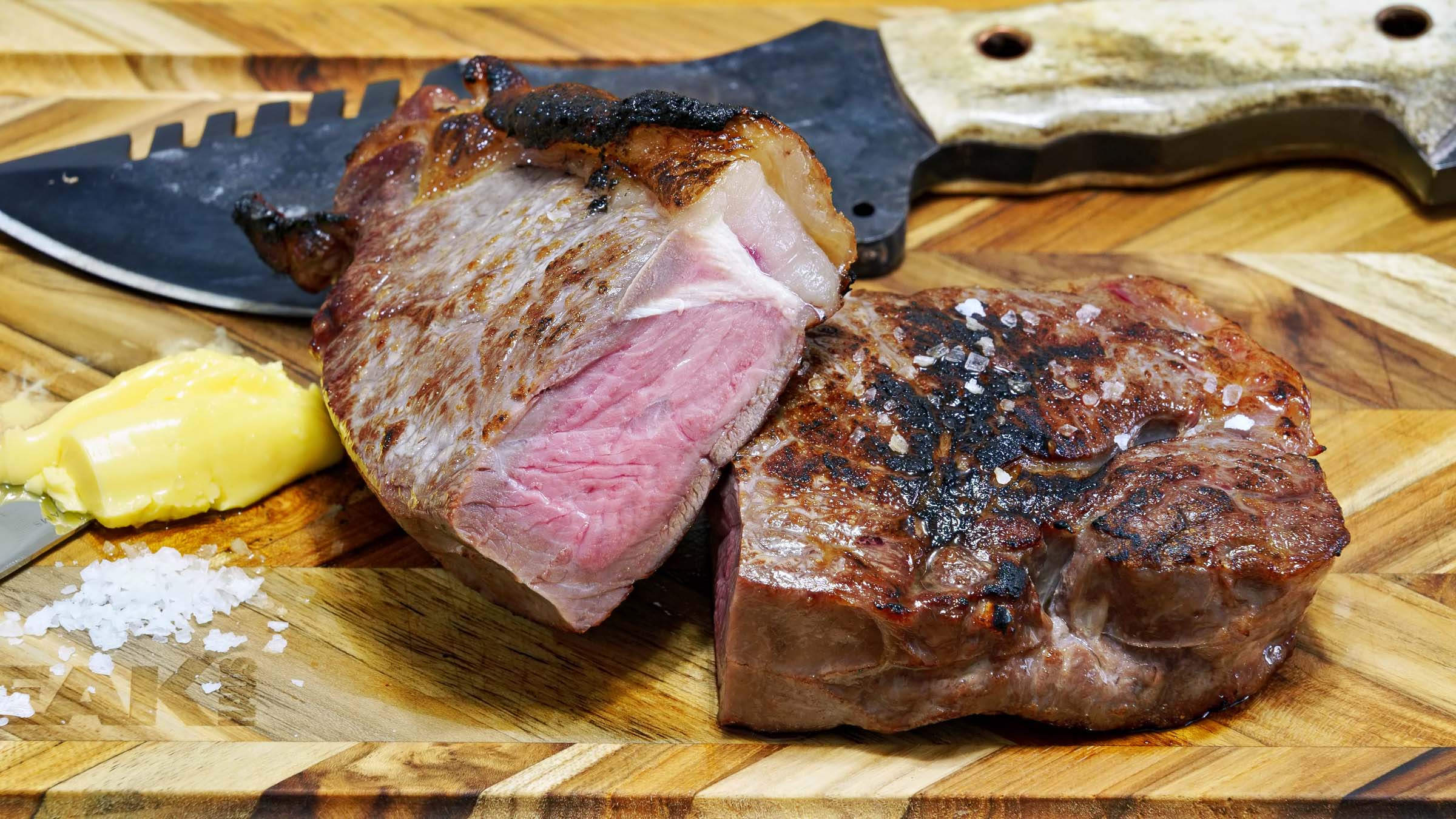
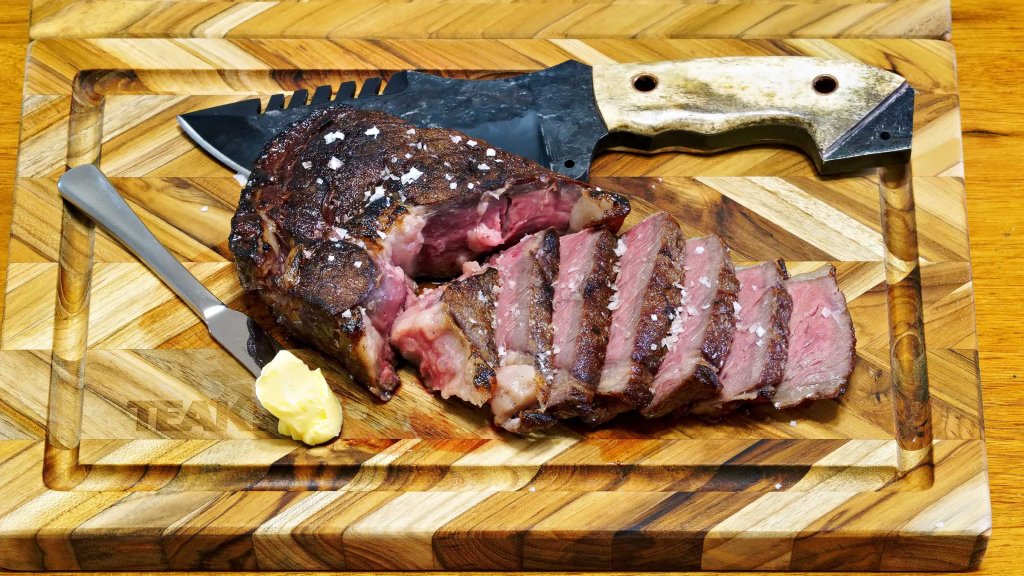
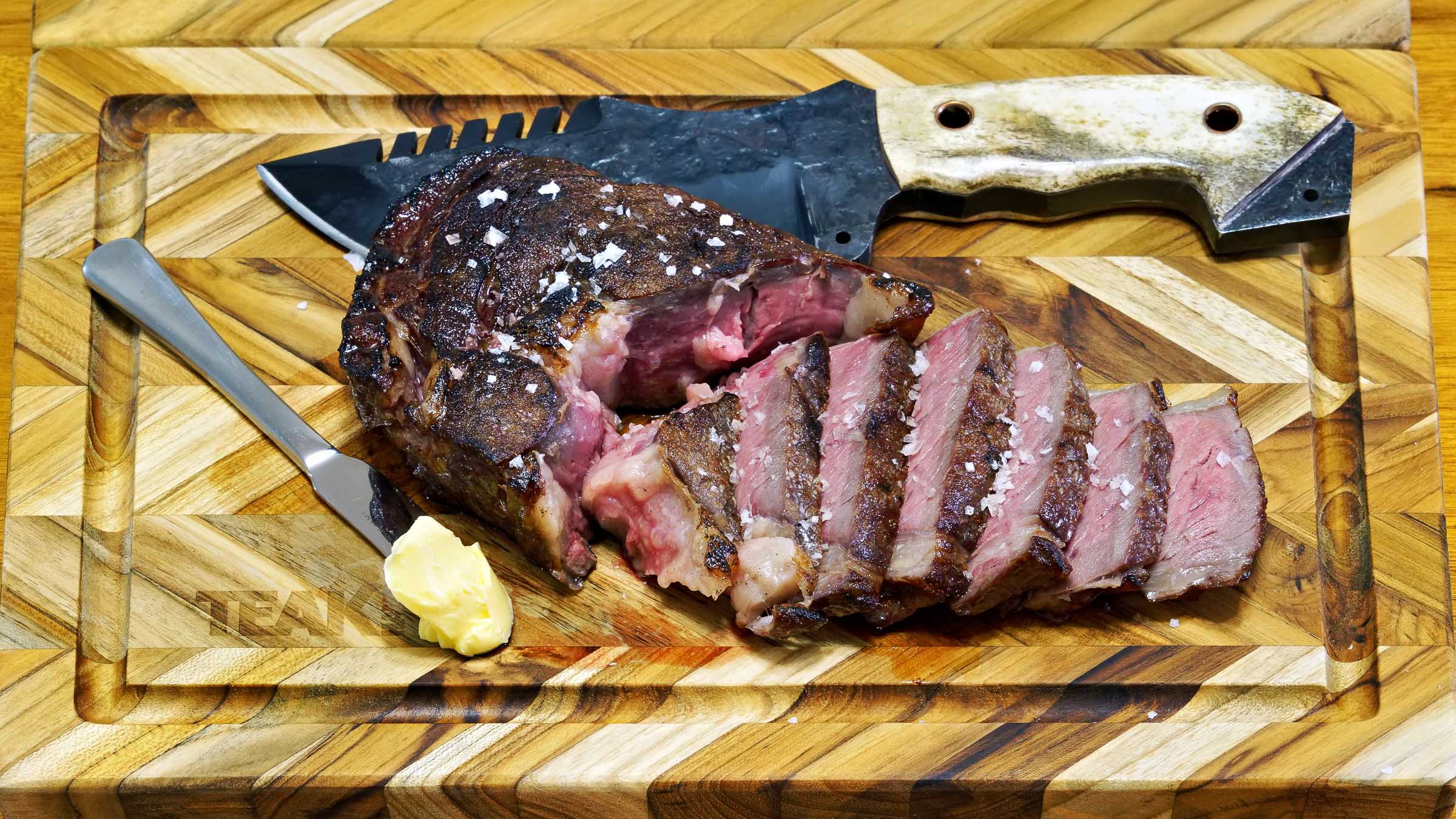
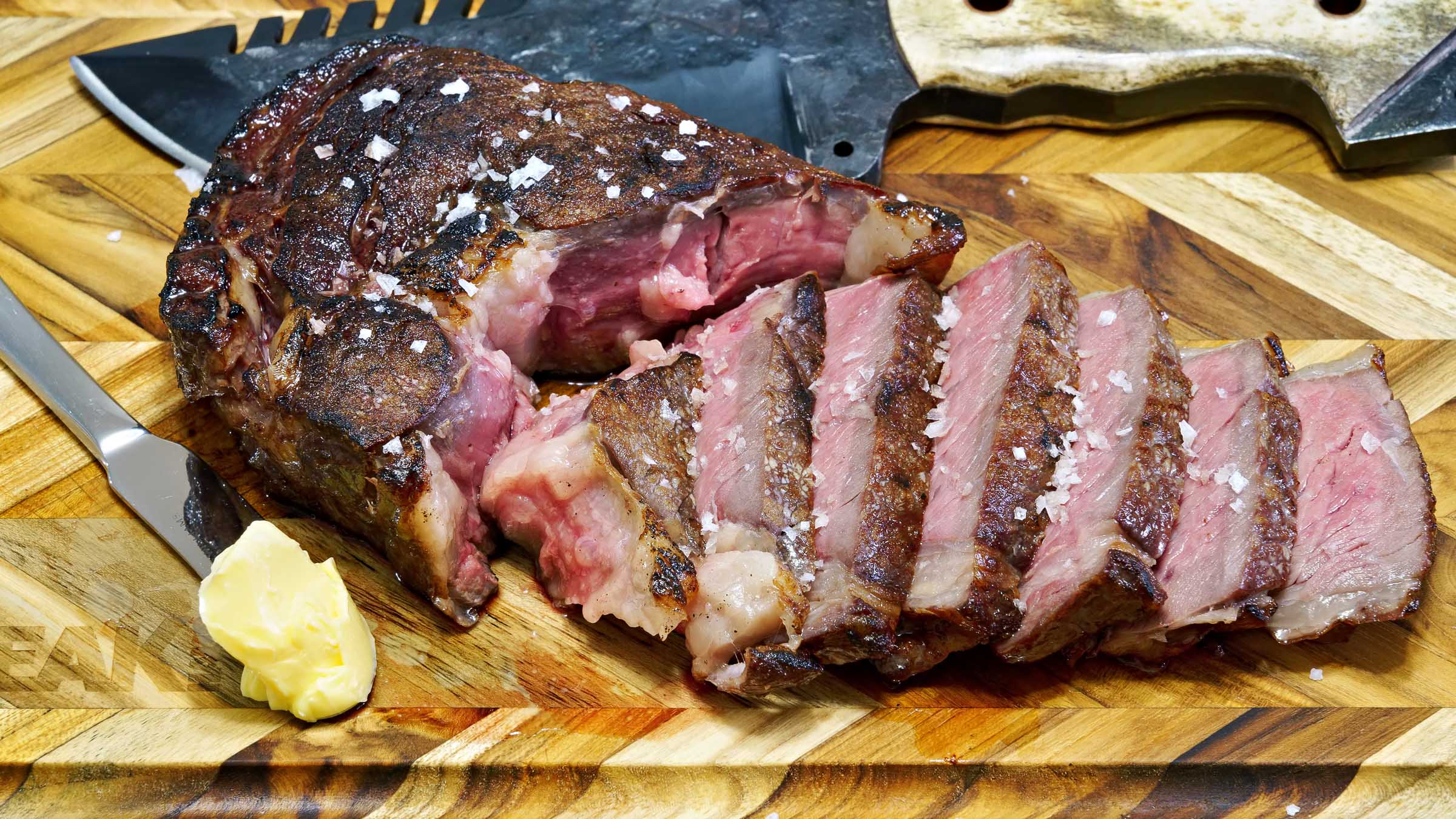
The rump cap is a distinctive cut of beef taken from the top of the hindquarter of cattle (Species: Bos taurus). It consists of the final section of the biceps femoris muscle (one of the main rump muscles) along with a thick covering of firm fat. In Australian butchery, the rump cap is part of the boneless rump primal (which contains several muscles) that sits between the sirloin and the topside on the carcass. This cut is roughly triangular in shape and relatively small, usually about 1 to 1.5 kg, because butchers only use the underused, tender portion of the muscle for the rump cap. The muscle itself is not heavily worked during the animal’s life, which is why rump cap meat is known for being tender and finely textured.
This cut is commonly called rump cap in Australia, but it goes by many names internationally. In Brazil and much of South America, it is picanha. North American butchers know it as the top sirloin cap or coulotte (culotte) steak. In the UK and other regions, it may be referred to as a rump cover or sirloin cap. Spanish-speaking countries have their own terms as well, for example, it’s called “colita de cuadril” or “punta trasera” in Latin America. Despite the varied nomenclature, all these names describe the same cut: the cap of the rump with its signature fat layer intact. The rump cap is one of the four to five sub-primal muscles that make up the whole rump, and it is usually separated out by skilled butchers upon request. Anatomically, it is essentially the cap of the top sirloin area, with the M. biceps femoris being the primary muscle component. The attached fat cap (usually about 1–2 cm thick) is a defining feature – this fat layer insulates the meat during cooking and contributes greatly to its flavour and juiciness.
Cooking and eating characteristics.
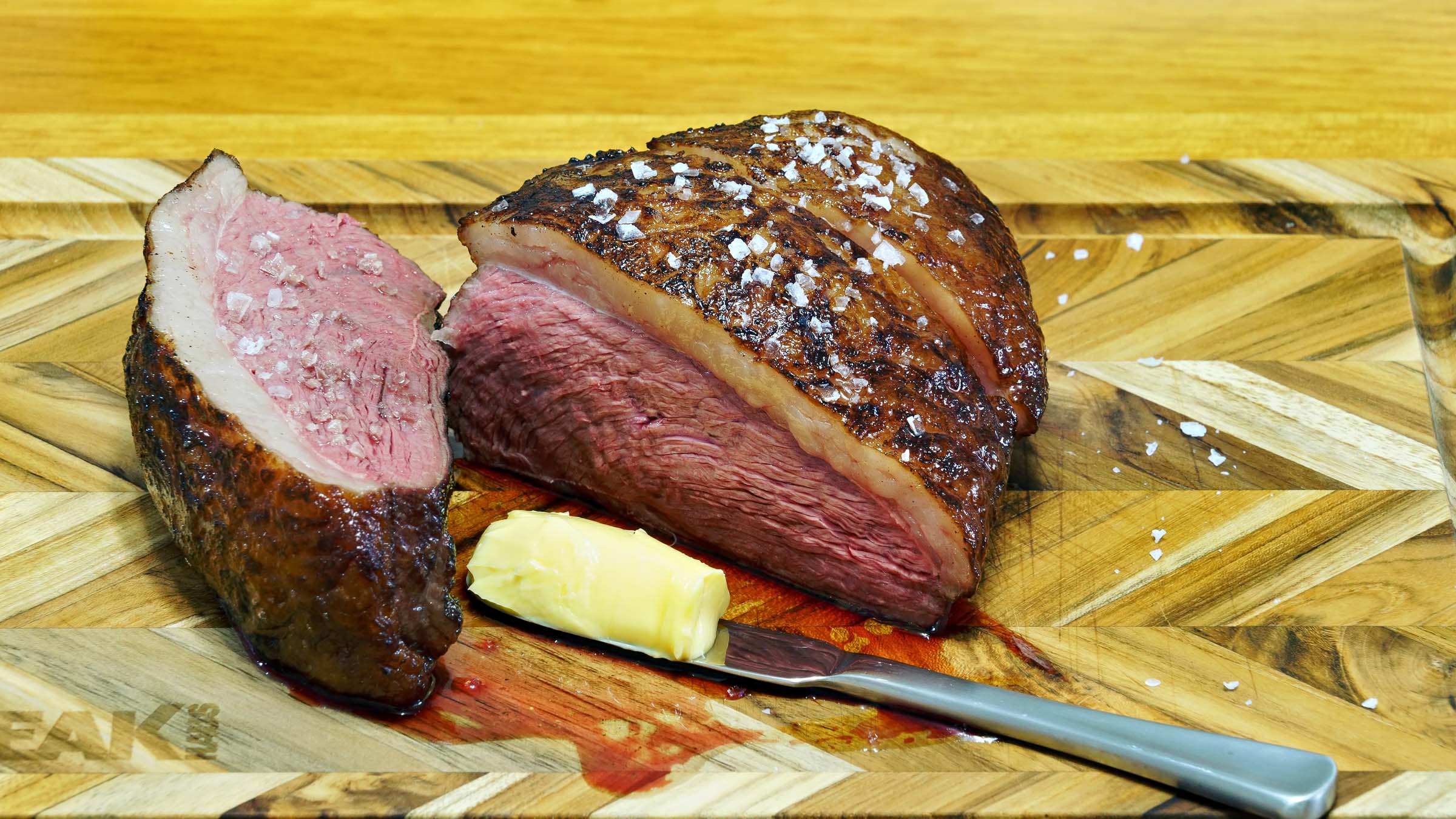
The rump cap is known for its beefy flavour and juicy tenderness. Because it comes from a little-exercised muscle, the meat has a fine grain and tender bite when cooked properly. A thick, creamy fat cap covers one side of the cut, which bastes the meat as it cooks and infuses it with rich flavour. Much of the rump cap’s appeal comes from this fat layer, which, when rendered and lightly crisped, adds succulence. The lean meat beneath has a flavour reminiscent of a top sirloin steak – beefy and satisfying – but it carries less internal marbling, so careful cooking is necessary to avoid toughness. Texturally, diners get the best of both worlds: a tender, lean interior and a delightful outer edge of golden, flavourful fat. Those who prefer a leaner experience can trim off the fat after cooking; by then, the meat will have absorbed its moisture and flavour benefits. Regular readers know I’d never trim away the fat.
Preferred cooking techniques for rump cap focus on high-heat roasting or grilling, often followed by slicing. In Australian households, one popular method is to cook the rump cap whole on a hot barbecue grill or rotisserie spit. The meat is typically seasoned simply with coarse salt (and maybe pepper), allowing its natural flavour to shine. The fat-cap side is placed towards the heat source first to start rendering the fat. For example, when grilling individual rump cap steaks, cooks often begin by searing the fat side down over a high flame to crisp it and melt some fat, then sear the lean sides. After a good brown crust forms, the steak is finished over moderate heat until reaching the desired doneness. Medium-rare is the most common target doneness for rump cap – typically about 54–57 °C internal temperature – as cooking beyond medium can dry out the lean muscle and make it less tender. Overcooking is avoided because this cut can become firm if the centre is robbed of moisture.
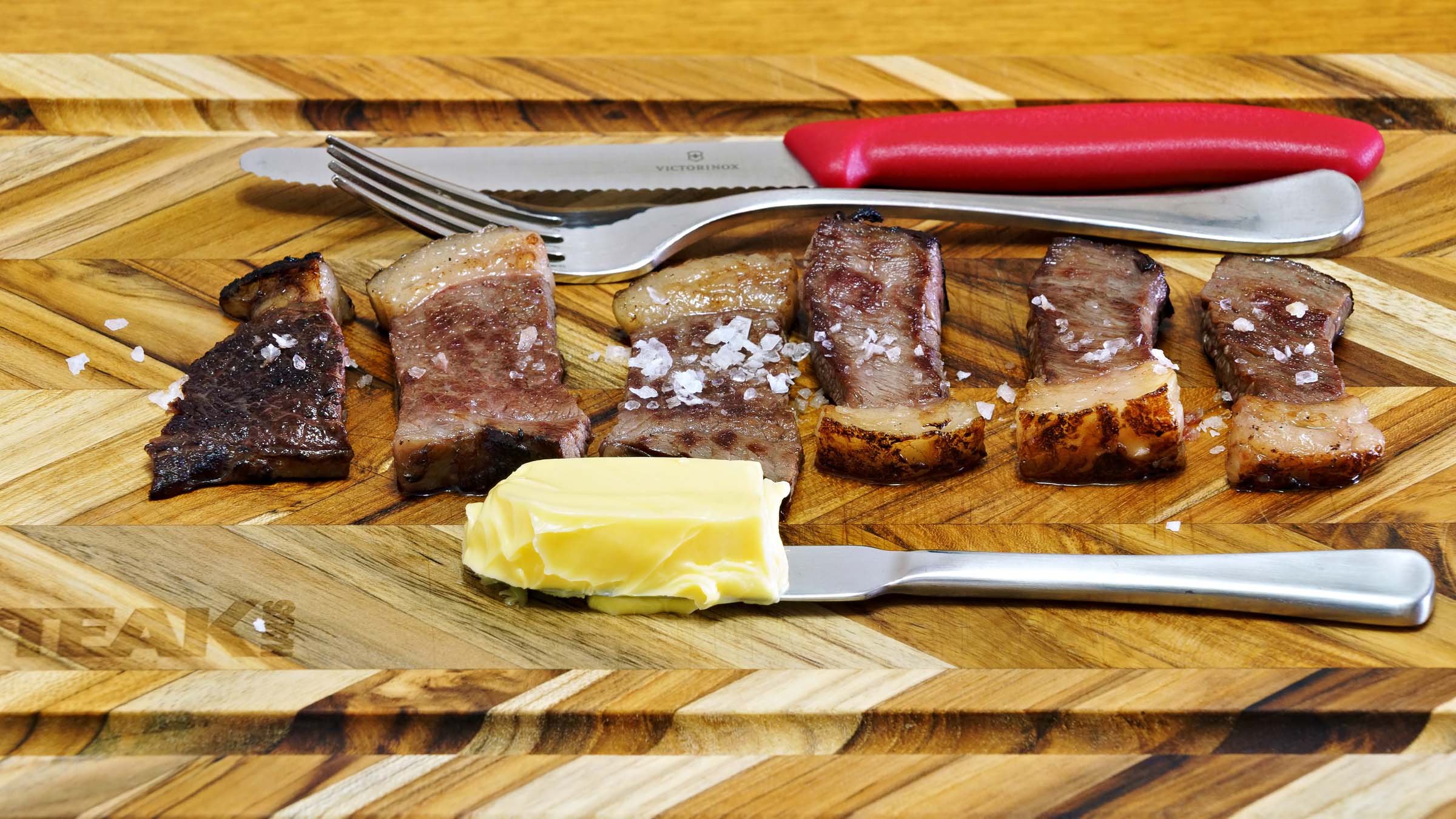
In terms of serving, rump cap is quite versatile. It can be roasted whole in an oven or covered barbecue and then sliced thinly, making for a quick roast dinner that’s “meltingly tender” inside. Alternatively, it can be sliced into steaks prior to cooking for individual portions – when doing so, butchers note a slicing technique: cut the raw rump cap with the grain into steaks, then, after cooking, each steak is sliced against the grain on the plate. This method, contrary to how many steaks are cut, results in maximum tenderness in each bite. Thanks to its rich flavour, rump cap is delicious with minimal adornment. It’s often served simply with a sprinkle of sea salt. The combination of juicy, pink-centred beef and crispy seasoned fat has made rump cap a star.
Nutrition information
Like other lean red meats, rump cap is nutrient-dense, providing protein, fats, vitamins and minerals. For 100 grams of rump cap:
Protein: 21–23 g. Beef rump cap is a source of protein, containing the essential amino acids needed for human nutrition. It is high in branched-chain amino acids (BCAAs) like leucine (2.6 g per 100 g), isoleucine (1.4 g) and valine (1.5 g). A typical serving (150 g) provides around 34 g of protein.
Fat: The fat content varies depending on how much of the external fat cap is trimmed. Lean trimmed rump cap (with visible fat removed) is low in fat – about 2.7–5 g of fat per 100 g. Trimmed lean beef has a similar fat level to skinless chicken breast. Moreover, about half to two-thirds of the fat in grass-fed beef is unsaturated fat, including some omega-3 fatty acids. If the fat cap is consumed, the total fat per 100 g will be higher (it can rise to ~10–15 g or more, depending on how much fat is left on). Notably, beef fat from grass-fed cattle tends to contain compounds like conjugated linoleic acid (CLA) in small quantities.
Carbohydrates: 0 g. Like all unprocessed meats, rump cap contains no carbohydrates or sugars. Any glycogen or glucose present in fresh meat is negligible, so it is essentially carbohydrate-free. This also means it has no dietary fibre.
Energy: Lean rump cap is relatively low in calories for its protein content. 100 g of lean grass-fed beef provides roughly 500–600 kJ (120–140 Cal). A portion that includes the fat cap will have higher energy (fat being calorie-dense), roughly on the order of 800–900 kJ (190–210 Cal) per 100 g for a well-marbled piece. Thus, a typical 150 g steak (lean) might be around 180–210 Cal, while the same with fat could be around 300 Cal.
Iron: ~2.0–3.0 mg per 100 g. Rump cap is a source of iron, predominantly in the haem iron form. A 150 g serving provides roughly 3 mg of iron.
Zinc: ~4–6 mg per 100 g. A 150 g portion has about 6.7 mg zinc.
Vitamin B12: A serving of rump cap (150 g) has around 1–2 µg of B₁₂. B₁₂ is only found in animal-derived foods.
Other B-Vitamins: Rump cap contributes other B complex vitamins, including niacin (B₃) and vitamin B₆. It also contains riboflavin (B₂) and pantothenic acid (B₅).
Selenium and Zinc: Australian grass-fed beef is a source of selenium and zinc. 100 g of beef can provide ~20–30 µg of selenium and a fraction of zinc.
Phosphorus and Magnesium: Beef rump cap supplies phosphorus and some magnesium. A typical 100 g might contain ~180 mg phosphorus and around ~20 mg magnesium.
Omega-3 Fatty Acids: Australian grass-fed beef contains small amounts of long-chain omega-3 fats. Lean beef usually has about 30–50 mg of omega-3 per 100 g.
Australian beef is predominantly grass-fed and free-range, which means it’s usually free of additives and hormones by law and is naturally lean. Lean beef, like rump cap (with visible fat trimmed), is also low in sodium and contains only about 1% saturated fat by weight. Beef rump cap is a nutrient-dense food.
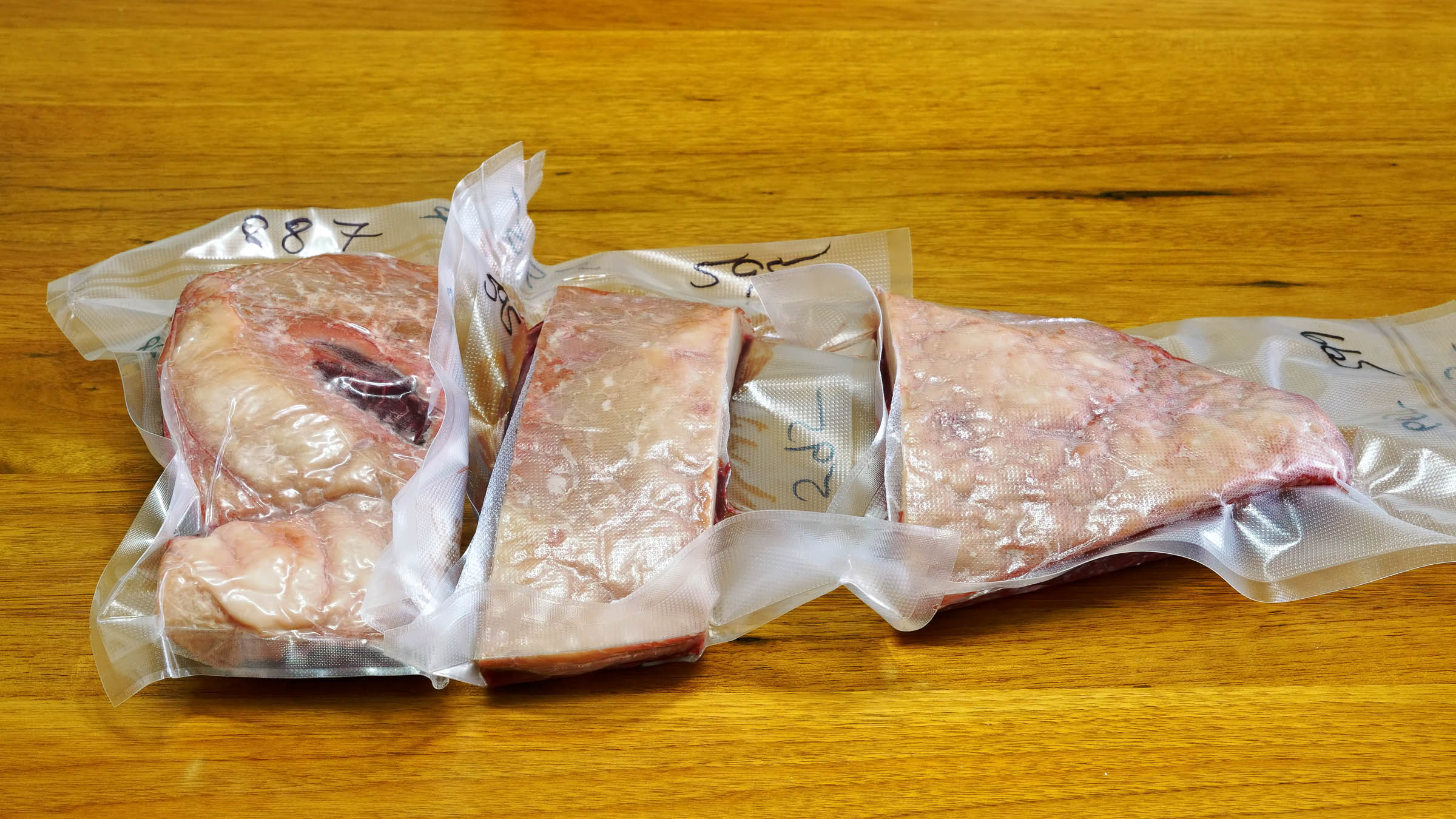
Vacuum seal the meat and refrigerate or freeze the portions.
Leave one portion for today’s meal.
Cook the meat for a few hours at 57 °C.
Remove the meat from the bag.
Dry the meat with kitchen paper.
Place the meat onto a hot barbecue grill.
Sear the meat with a gas torch.
Slice the meat.
Salt the meat.
Eat the meat.
Photographs
This is a gallery of images. Click (or touch) on one and then scroll through the gallery.
Thoughts on rump cap
I am a fan of rump cap. It’s mostly because of the fat that bathes the meat as it cooks. The meat is tender and has a great beef flavour.
I prefer scotch fillet steak (ribeye in North America) because of the different textures associated with the fillet and deckle muscle bundles. That said, rump cap (at least in Australia) is cheaper than scotch fillet steak and more economical when bought in bulk.
I’m confident I’ll always have some rump cap in my freezer.
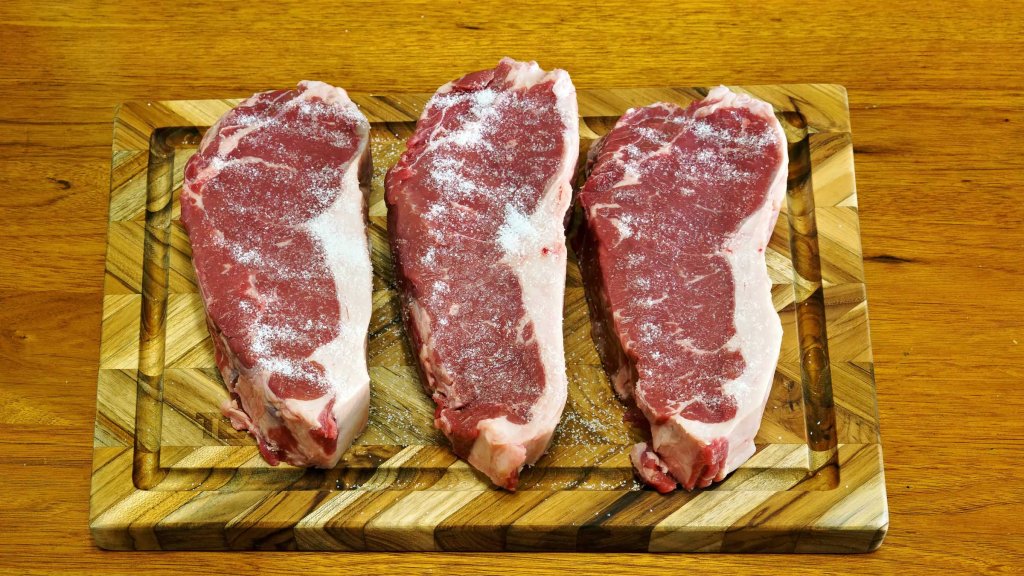
In Australia, the boneless sirloin steak is a popular, versatile cut of beef prized for its balanced flavour and firm but tender texture. it is trimmed and free of the bone, lending itself to a wide range of cooking methods and everyday meals. Internationally, a very cut is often simply known as the “sirloin steak” or “striploin steak” – with the United States frequently referring to a similar cut as the “top sirloin steak”, and European markets leaning towards the “sirloin” or “striploin” designation. These nomenclature differences are largely a matter of regional butchery traditions rather than fundamental differences in the meat itself.
Anatomy in Bos taurus
The boneless sirloin steak is sourced from the sirloin region of Bos taurus, the domestic cattle. This area is found in the hindquarter, just in front of the rump. Within this region, the meat is typically divided into the top and bottom sections, with the top sirloin being the preferred portion for its superior tenderness and moderate marbling. Anatomically, the muscle fibres are long and fine, offering both strength and a satisfying chew. Removing the bone results in a clean, easily portioned cut that highlights the natural grain and lean quality of the meat, while still preserving enough intramuscular fat to impart a rich flavour.
Cooking and Eating Characteristics
The boneless sirloin steak exhibits a fine balance between flavour and texture. Its characteristics include:
Flavour and texture: The steak offers a pronounced beefy flavour that’s both rich and satisfying, yet it remains lean enough to avoid overt greasiness. Its firm structure—with well-defined muscle fibres—ensures a pleasant chew without being tough when cooked correctly.
Eating Experience: When cooked to a medium-rare or medium doneness, the steak arrives at the table juicy and tender, providing a contrast between the flavour and the texture of the meat. Overcooking, can quickly render the cut dry due to its lean nature.
Cooking techniques
To optimise the texture and flavour of boneless sirloin steak, several cooking methods are favoured:
Barbecue cooking: A high-temperature barbecue grill plate is good for achieving a seared exterior that locks in juices and producing a caramelised crust. This method preserves the steak’s inherent tenderness while accentuating its beefy flavour.
Pan searing: Using a heavy-based skillet allows for a rapid sear on high heat, which creates a flavourful crust. Finishing in a moderate-heat environment (or even in an oven) ensures that the steak cooks evenly throughout.
Sous vide with a finishing sear: Cooking the steak in a water bath achieves a consistent internal temperature, followed by a quick sear in a hot pan or on the barbecue grill. This method preserves juiciness and tenderness.
Grilling: When using an oven, grilling mimics the high-heat effect of using a hot barbecue grill plate. By monitoring the steak, you can achieve a similar crust and maintain the integrity of the meat’s interior. In North America, this method is called broiling.
Each of these techniques focuses on balancing a well-developed exterior sear with a juicy, evenly cooked interior, all while acknowledging the inherent lean quality and flavour profile of the cut.
Nutritional Profile
The boneless sirloin steak is nutrient dense. There is some variation based on the specific cut and cattle diet, an approximate breakdown per 100 grams is as follows:
Nutrient
Approximate Value per 100 g
Energy
~210 kcal
Protein
25–30 g
Total Fat
10–12 g
Saturated Fat
~4 g
Carbohydrates
0 g
Why Some People Do Not Like Boneless Sirloin Steak
The boneless sirloin steak, though widely appreciated, isn’t universally loved. Some common reasons include:
Texture variability: Its firm consistency can be a drawback for those who favour the ultra-tender nature of cuts like the fillet. When overcooked, it can quickly become dry.
Insufficient marbling: Although the sirloin offers a rich beef flavour, some prefer a more buttery, soft texture—often found in more heavily marbled cuts such as scotch fillet.
Flavour intensity: The beefy flavour might be too pronounced for individuals who enjoy subtler flavours or who are sensitive to the inherent intensity of red meat.
Cooking challenges: Achieving the perfect doneness across the entire steak can be challenging. An improperly cooked sirloin may result in an inconsistent texture, causing disappointment.
Ethical and environmental concerns: A subset of consumers opt out of red meat due to ethical, environmental, or dietary reasons, favouring plant-based proteins over traditional meat products.
Many Australians favour the boneless sirloin steak. Its lean yet flavourful properties lend themselves well to various cooking techniques that accentuate its natural qualities.
Recipe
Ingredients
Sirloin steak (550 grams, Coorong Black Angus)
Salt — cooking salt to dry brine, and flaky salt for final seasoning.
Pepper
Beef fat
Butter
Equipment
Water bath
Precision cooker
Barbecue grill
Gas torch
Instructions
Dry brine the meat.
Vacuum bag the meat.
Cook the meat for 3 hours at 57 °C.
Dry the surface of the meat with kitchen paper.
Sear the meat on a barbecue grill with a gas torch.
Slice the meat.
Salt and pepper the meat.
Eat the meat.
My thoughts on the meat
The meat was firm, yet tender and juicy.
I liked having a bit of fat on each piece.
Photographs
This is a gallery of images. Click on one and scroll through them.
Non-food photographs of the day
Why vegans have smaller brains: and how cows reverse climate change
I’m reading this book. When I finish I’ll share a review.
Ellis, David, Alison Morgan, and Anita Tagore. Why Vegans Have Smaller Brains: And How Cows Reverse Climate Change. Whitefox Publishing Ltd, 11 December 2024, 2024.
On the weekend, I saw a piece of pork in the meat display and thought I’d make a few meals from it during the week.
Recipe
Ingredients
Pork belly
Salt
Rice — White, long grain
Beef broth
Beef fat
Equipment
Knife
Aluminium foil
Oven
Saucepan with lid
Instructions
Pork
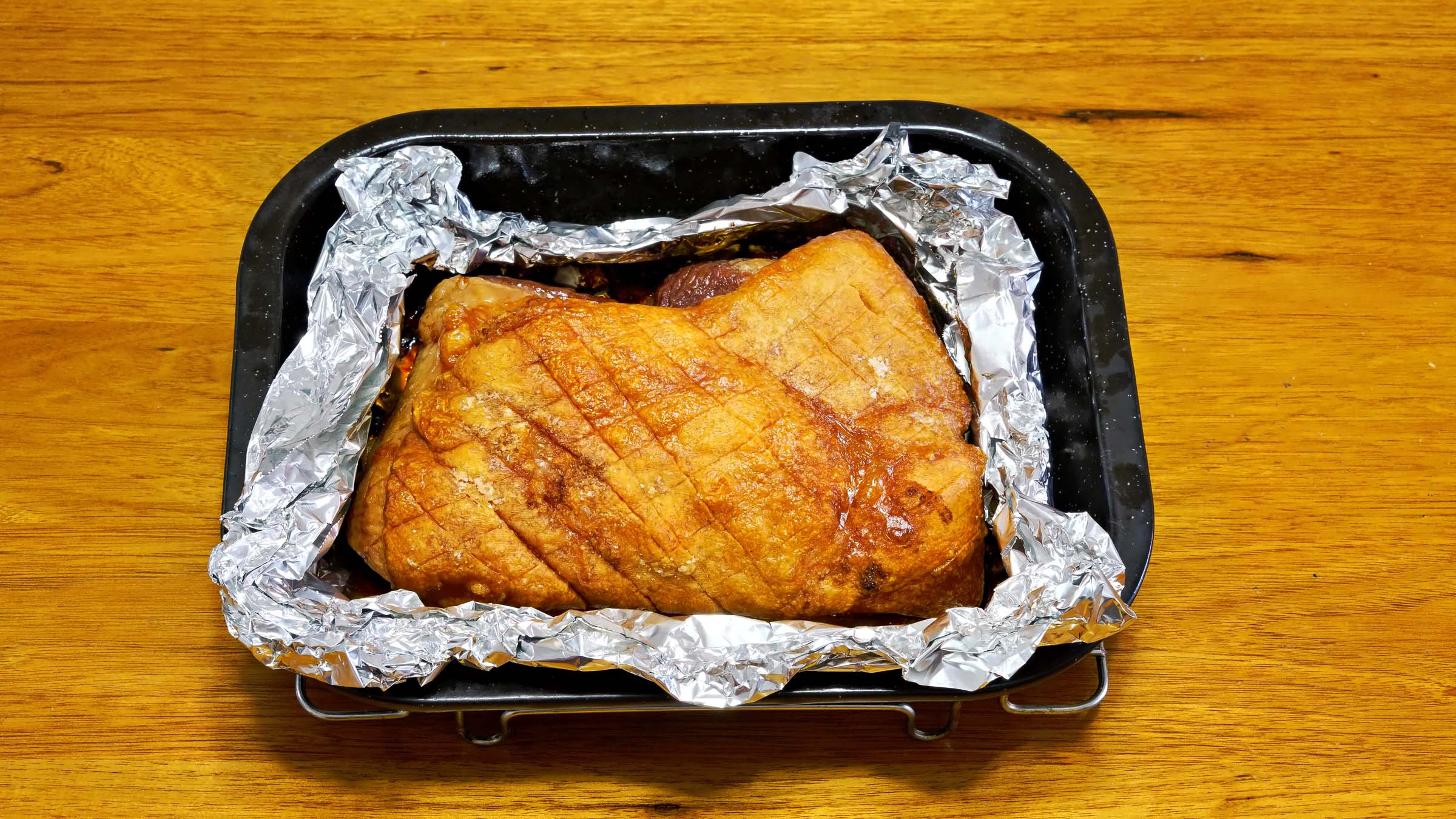
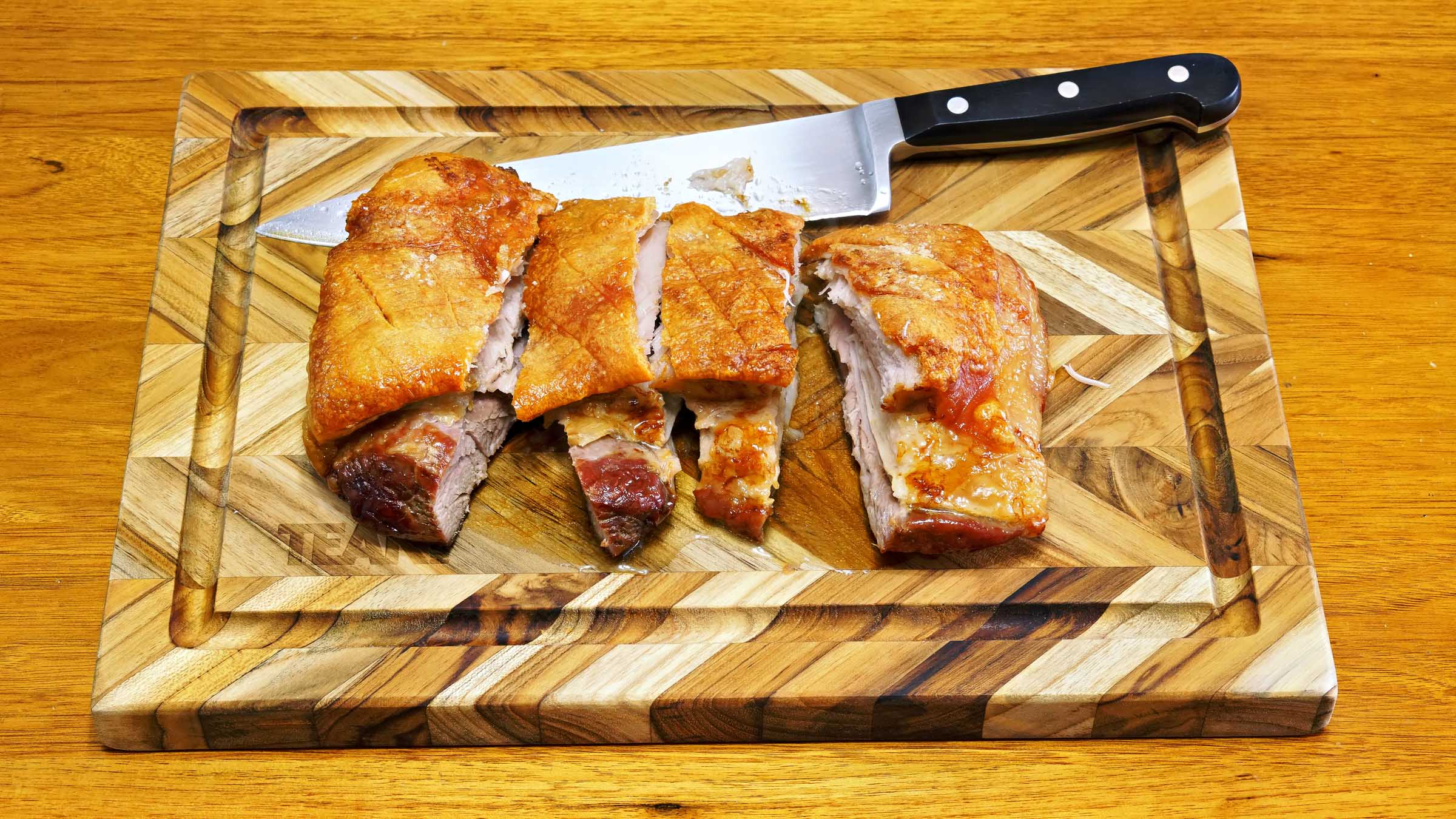
Score the skin with a knife. A clean box cutter blade is perfect for this purpose. Make the cuts skin deep and in a crisscross pattern.
Season the pork generously with salt.
Dry-brine the pork for two nights. Place the piece of pork on a rack and leave it uncovered in the refrigerator for two nights. Dry brining dries the skin and helps ensure the muscle-meat remains tender and juicy.
After dry brining and before cooking, heat the oven to 120 °C.
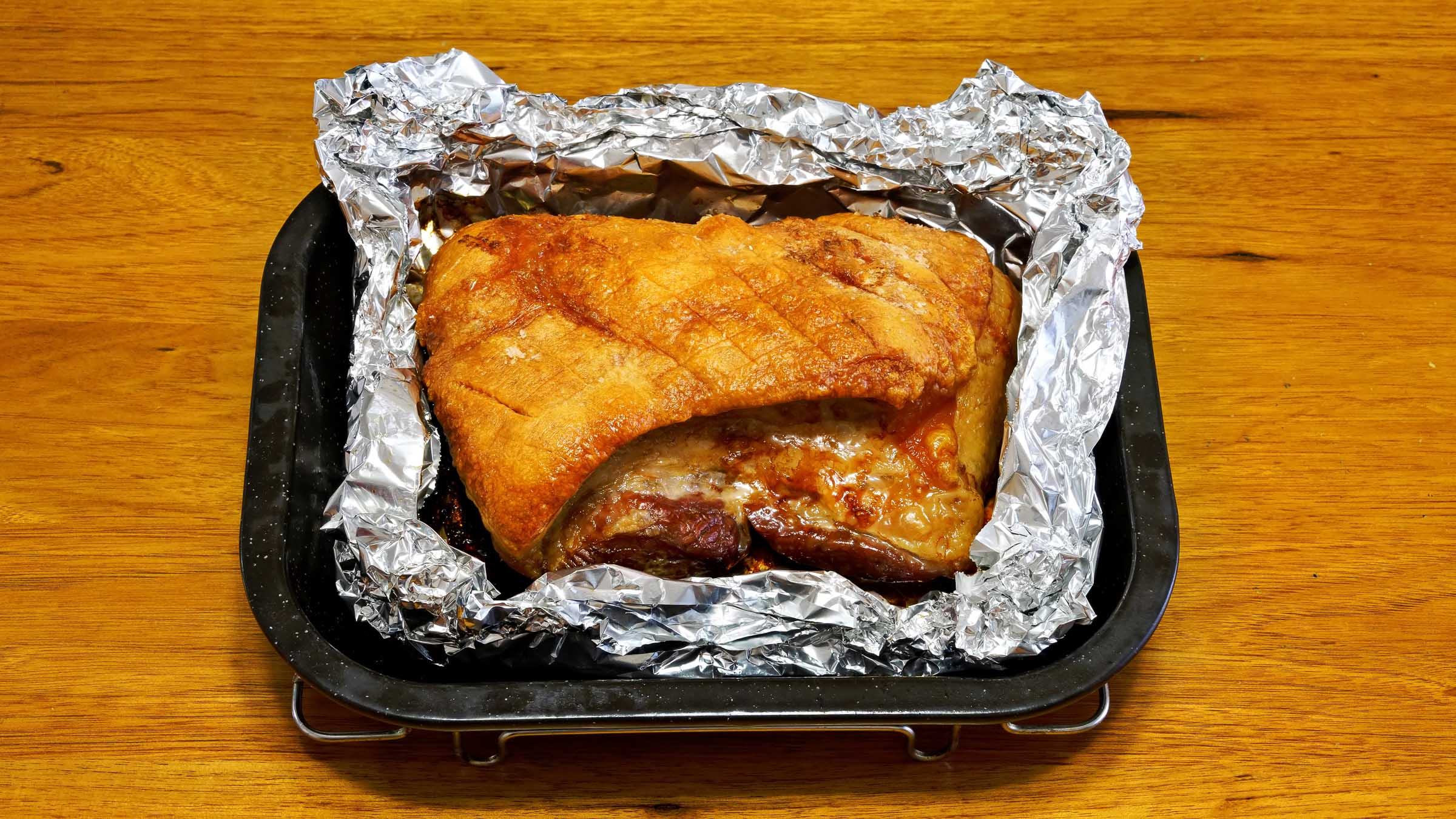
Wrap the base and sides of the pork with aluminium foil and then place it in a baking tray. This process avoids exposing the muscle meat to direct heat, keeping it moist. The exposed skin will dry further in the oven heat and make the development of crackling easier.
Cook in the oven at 120 °C for 2 hours, and then
Cook in the oven at 220 °C for 30 minutes. This second step creates the crackling.
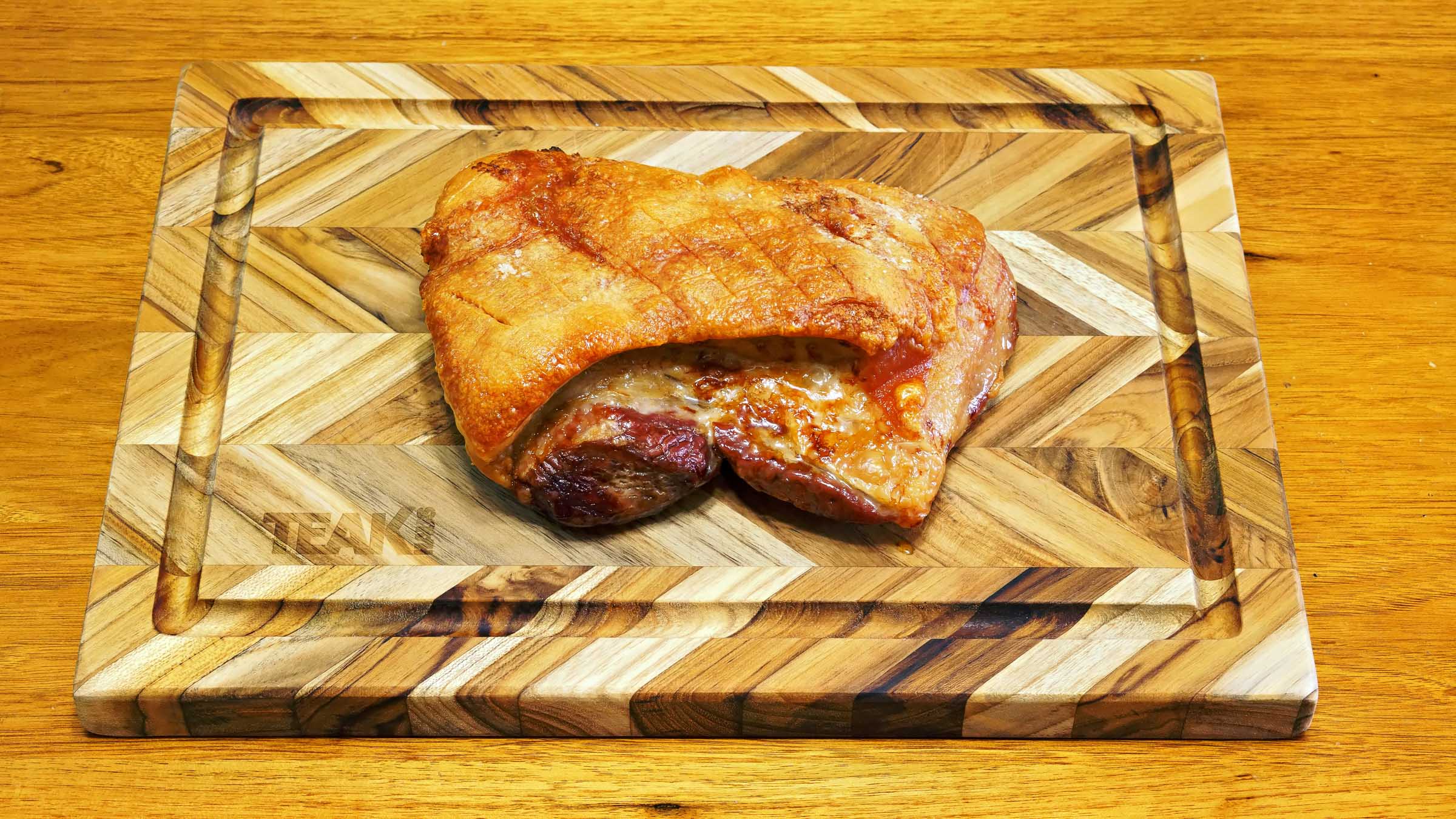
Rest the meat for about 15 minutes.
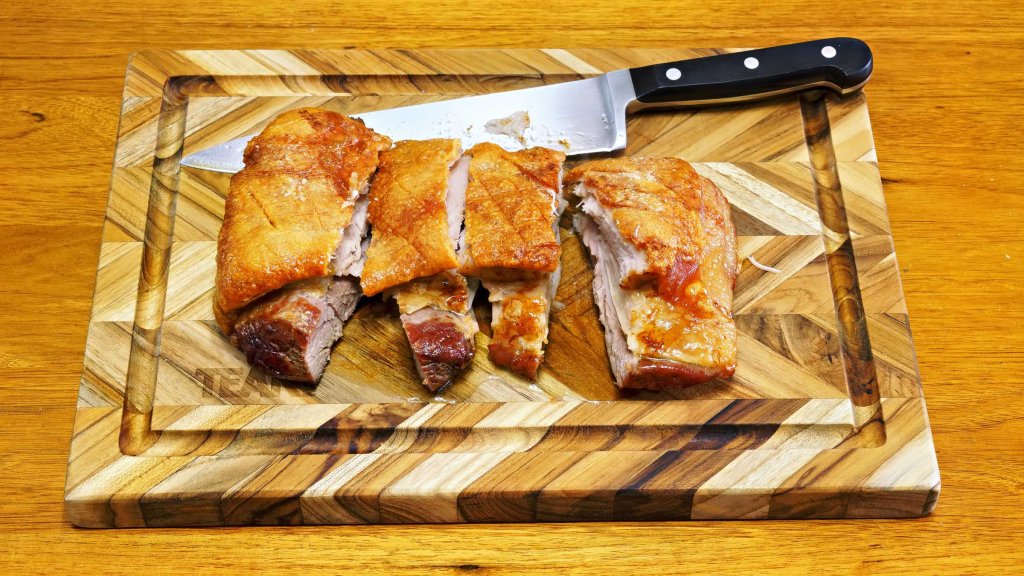
Cut the meat.
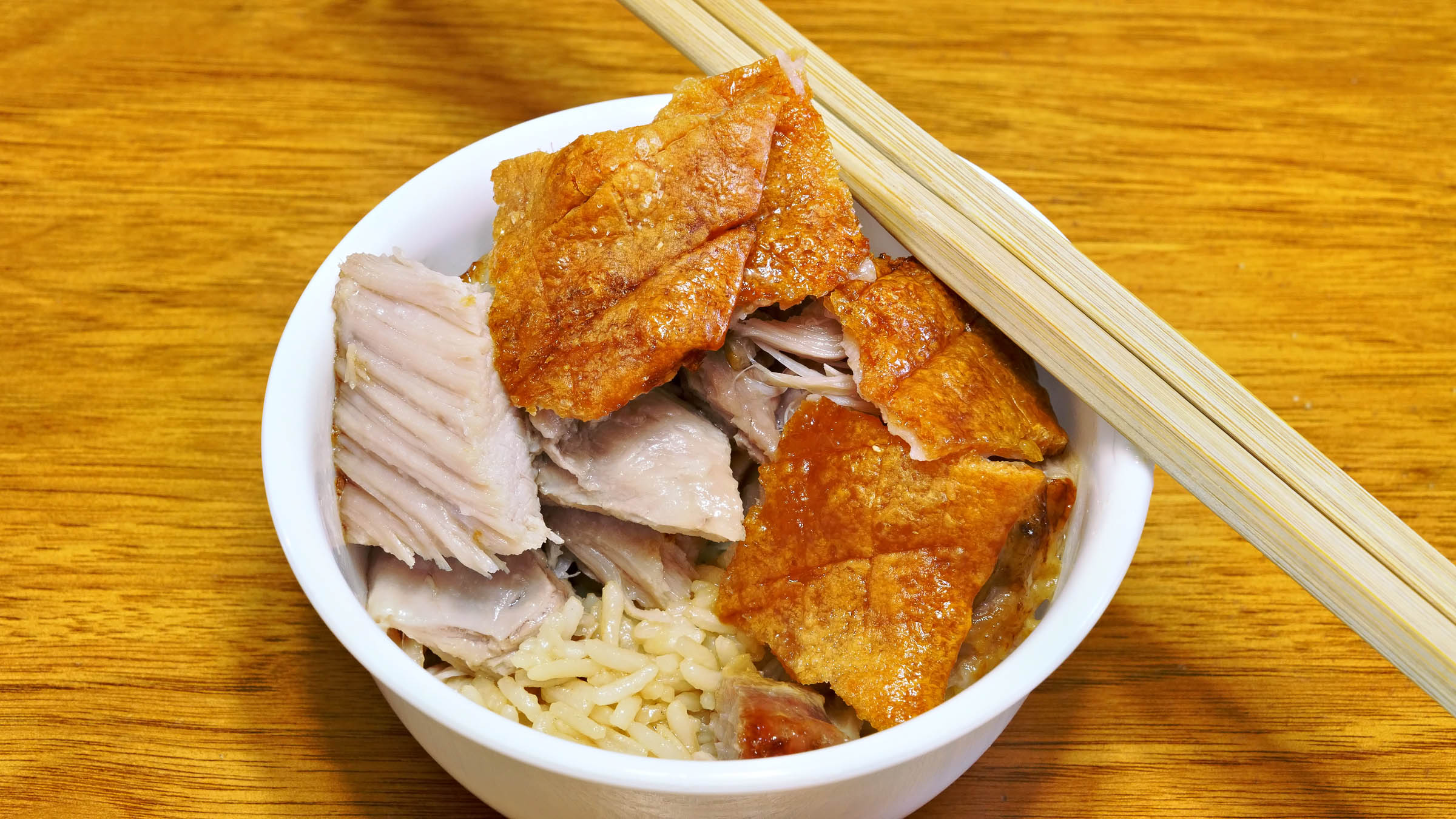
Serve the meat.
Eat the meat.
Rice
The day before you plan to cook the pork, cook some rice.
I like to wash the rice in a bowl of water.
Swish the water and rice with your hand in the bowl and decant the water.
Repeat the process until the water is clear.
For cooking the rice, the amount of water necessary is about double the volume of the washed rice.
Bring the water and rice to a simmer and stir slowly to avoid the rice sticking to the saucepan. As the rice absorbs the water, keep an eye on it until it’s cooked the way you like it.
Transfer the rice to a bowl and cover it. Place it in the refrigerator overnight.
Just before you plan to serve the pork, gently reheat the rice in a saucepan. I like to add a little beef fat and some beef broth while it’s reheating. The fat and broth will be absorbed and add some flavour.
Thoughts on the meal
The meal was great. The crackling was crispy and crunchy. The meat was tender and juicy.
Photographs
This is a gallery of photographs. Click on one and scroll through the images.
This week, I noticed that the local supermarket had finished its refurbishments. It took me a while to understand the new layout and find the grocery items.
I accidentally walked through the bakery area and immediately thought of a Facebook reel I had recently viewed about increasing the resistant starch content of fresh bread.
Discovered a loaf of white sourdough bread and examined the ingredients and nutritional information on the label. Made a conscious decision to compromise my low-carbohydrate diet and try this bread.
I’ve written an essay on resistant starch after the recipe and photographs.
Recipe
Ingredients
Bread: Sourdough sliced 2 cm thick. Frozen overnight, it is then fried in beef fat on a barbecue grill.
Beef fat: From previous beef-based meals cooked in the slow cooker.
Beef broth: From previous beef-based meals cooked in the slow cooker.
Salt
Beef short rib.
Eggs
Butter
Equipment
Barbecue grill and cast-iron griddle pan.
Gas torch
Slow/fast cooker
Frypan
Instructions
Bread
Slice the bread.
Freeze the bread.
Fry the bread in the leftover fat from all the steaks I’ve cooked this week in the cast-iron griddle pan on the barbecue grill.
Set the slow cooker to pressure cooker mode and cook for 15 minutes. This sterilises the contents. I do this to ensure the beef broth is safe for future meals.
Remove each beef short rib and set it aside.
Drain and filter the cooking liquor into a bowl. Refrigerate the bowl so the beef fat and gelatinised broth can be used later.
Sear the surface of the beef short rib again in the cast-iron griddle pan on the barbecue grill.
Eggs
Whisk two eggs and add ½ teaspoon of salt.
Heat some butter in a frypan and add the eggs.
Gently whisk the eggs in the frypan to scramble them.
Serving the meal
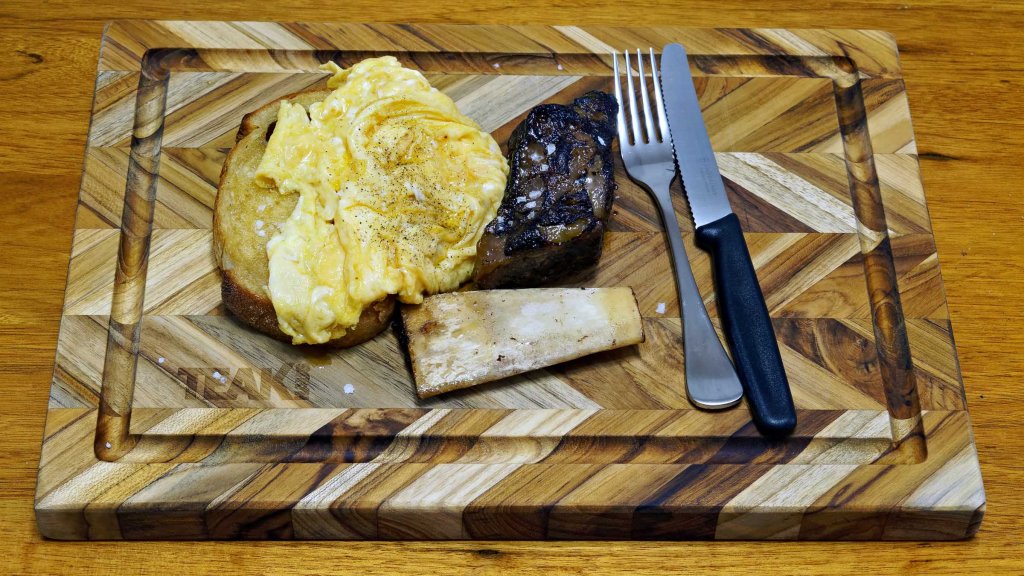
Place the toasted bread on the serving board.
Spoon the scrambled eggs on the fried bread.
Place a beef short rib next to the egg-topped bread.
Thoughts on the meal
All the elements of this meal were delicious. The meat was beefy flavoured, and the fat coated my lips and mouth. The scrambled eggs on the fried bread transported me back decades to when I made this as a young man. Back then, I may have decorated it with parsley and other herbs.
We shall see if the bread causes my guts to rumble and causing a bloating farting mess.
Photographs
I didn’t shoot many photographs. I thought this would be enough.
Leftover beef short rib meat
Leftover beef short rib meat on sourdough bread fried in beef fat
Botanical gardens
I went for a walk and had a look at the glass exhibition at the Botanical gardens.
Resistant starch
Resistant starch (RS) refers to the portion of dietary starch that resists digestion in the small intestine and instead passes into the large intestine. Rather than being broken down into glucose in the upper digestive tract, RS reaches the colon intact, fermented by gut bacteria into beneficial short-chain fatty acids. Interest in resistant starch has grown since it was first identified in the 1970s, with recognition that not all starches raise blood glucose levels equally. Some nutritionists consider resistant starch an important due to its potential health benefits, which include improved glycaemic control, enhanced gut health, and even implications for weight management.
What is Resistant Starch?
Resistant starch is any starch (or starch digestion product) that escapes digestion in the stomach and small intestine of healthy individuals. Unlike typical carbohydrates, which are broken down into sugars and absorbed in the upper gut, resistant starch remains largely intact until it reaches the large bowel. In the colon, this starch is fermented by the resident microbiota, a process that produces metabolites such as short-chain fatty acids (SCFAS) – notably butyrate, acetate, and propionate. It does not contribute significant calories or immediate blood glucose, but instead feeds gut bacteria and contributes to intestinal health.
Food starch can be classified into three categories based on digestion rate: rapidly digestible starch, slowly digestible starch, and resistant starch. This classification helps explain why starchy foods can have very different effects on blood sugar. Rapidly digestible starches (like those in baked or mashed potatoes) are quickly broken down into glucose, causing higher glycaemic responses. By contrast, resistant starch does not release glucose in the small intestine, and thus does not contribute to a sharp rise in blood sugar. Instead, resistant starch ferments in the colon, where it may create some gas, much like other fermentable carbohydrates. These characteristics form the basis for incorporating resistant starch into diets.
Types of Resistant Starch
There are five types of resistant starch (RS), classified by how and why they resist digestion:
RS1 (Physically Inaccessible Starch): Starch that is locked away in intact plant cell walls or structures, making it physically inaccessible to digestive enzymes. Examples include whole or coarsely-ground grains, seeds, and legumes. In these foods, the starch is encased in fibrous coatings (e.g. bran or seed coats) that small intestinal enzymes cannot easily penetrate. For instance, some of the starch in whole or cracked wheat, beans, or al dente pasta remains undigested due to these physical barriers.
RS2 (Resistant Granular Starch): Starch that has a naturally indigestible crystalline form when raw. This occurs in high-amylose starches such as raw potatoes, green (unripe) bananas, plantains, and high-amylose maise (corn) starch. The tightly packed granules and particular molecular conformation of amylose in these foods make the starch less accessible to amylase enzymes. However, RS2 is often rendered digestible by cooking.
RS3 (Retrograded Starch): Starch that forms when certain starchy foods are cooked and then cooled, which causes some of the gelatinised starch to recrystallise into a resistant form. This retrogradation process happens as linear amylose chains realign and bond together after cooling, creating starch fractions that digestive enzymes can no longer break apart. RS3 is found in foods like cooked-and-cooled rice, pasta, potatoes, and corn tortillas. For example, cooking a potato or rice and then letting it cool (especially under refrigeration) will increase its RS3 content compared to when it was hot. Notably, these retrograded resistant starches remain even if the food is gently reheated.
RS4 (Chemically Modified Starch): Starch that has been industrially or chemically modified to resist digestion. Examples include phosphate-cross-linked starches or other modified food starches used in some processed foods. These modifications (e.g. formation of large cross-bonded molecules or adding chemical groups) create steric hindrance, making it difficult for enzymes to bind and cleave the starch. RS4 does not occur naturally in foods; it is manufactured for use.
RS5 (Starch–Lipid Complexes): This newer category refers to resistant starch formed by complexing starch with lipids (fats). Amylose (the linear starch component) can form a single helical structure wrapped around a fatty acid or other lipid molecule, which makes that portion of starch resistant to digestion. An example is starch cooked with certain oils: the fat can bind with amylose to create an RS5 complex. Foods naturally don’t contain much RS5 unless cooked with added fats, but experimental cooking methods, such as adding coconut oil when boiling rice and then cooling it, can significantly increase RS via starch–lipid complexes.
It’s important to note that a single food can contain multiple types of resistant starch depending on its botanical source and preparation. For instance, a whole grain bread might harbour RS1 (intact grain fragments), and if it’s made with some high-amylose corn flour it could have RS2, and if that bread is later toasted or cooled it may also develop some RS3. Processing effects are significant: generally, grinding, milling, or cooking starch in excess water will decrease resistant starch (making more of it digestible), whereas gentle processing or cooling tends to increase resistant starch content. For example, whole wheat kernels might contain up to ~14% resistant starch, but finely milled wheat flour from the same grain might have only ~2% resistant starch because milling breaks the protective structures.
Glycaemic Impact
Resistance starch has garnered attention because of its effect on blood glucose and insulin responses. By evading digestion in the small intestine, resistant starch essentially reduces the glycaemic load of starchy foods. When a portion of starch in a food is resistant, fewer carbohydrates are broken down into glucose and absorbed, leading to a lower post-meal blood sugar rise.
The concept of resistant starch is rooted in observations about the glycaemic index (GI). Foods high in quickly digested starch (like instant rice or mashed potatoes) tend to have a high GI, meaning they cause rapid blood sugar elevations. Foods with more resistant starch or intact structure typically have a lower GI.
Resistant starch may also help lower the glycaemic index of starchy carbohydrate meals when used in everyday cooking techniques. For example, freezing and then toasting bread – a process that increases the bread’s resistant starch – reduces the bread’s GI and the subsequent blood glucose rise. Toasting alone makes a difference (likely by drying the bread slightly, which can increase resistant starch formation), but freezing overnight and then toasting had the greatest impact. This illustrates on a small scale how creating resistant starch through food preparation can have tangible effects on blood sugar. Resistant starch not only blunts the immediate spike in glucose and insulin, but it can also have a second-meal effect, meaning the improved glycaemic response may persist to some degree into the next meal, due to ongoing fermentation in the colon and production of SCFAS that improve insulin sensitivity.
Increasing Resistant Starch in Everyday Foods
Although resistant starch occurs naturally in many foods, its content can be influenced by how foods are prepared, cooked, and stored. Traditional food preparation methods – like cooking and then cooling starchy foods – can increase RS levels, while processes like milling or high-heat cooking can decrease them. Below are some methods to modify common staples (bread, rice, pasta) to boost their resistant starch content:
Bread (Freezing and Toasting): For bread, especially refined white bread, a significant portion of the starch is normally rapidly digestible. However, if you freeze the bread and then toast it before eating, you can raise its resistant starch. Cooling causes the starch gel formed during baking to retrograde (collapse) into a more crystalline form, and freezing accelerates this retrogradation. This technique essentially turns some of the bread’s starch into RS3 through retrogradation.
Rice (Cooking, Cooling, and Adding Fats): The way rice is cooked can lead to differences in resistant starch content. Freshly steamed or boiled rice, especially sticky short-grain rice, is high in digestible starch. But if you cool the rice (e.g. by refrigeration overnight), some of the gelatinised starch retrogrades into RS3, making the rice less glycaemic. In fact, cold cooked rice (such as rice used for salads or sushi after cooling) has more resistant starch than the same rice eaten piping hot. An even more effective method is to introduce a small amount of lipid during cooking: e.g., adding about a teaspoon of coconut oil to the water while boiling rice, and then cooling the rice for 12 hours, increased its resistant starch significantly. The oil interacts with the starch to form amylose–lipid complexes (RS5), while cooling forms retrograded starch (RS3). Reheating the rice for consumption doesn’t undo the formation of resistant starch. For practical application, making a big batch of rice with a bit of added healthy fat (like coconut oil or butter), then refrigerating it and using the rice in subsequent meals (fried rice, salads, etc.), can boost RS content. Additionally, the type of rice matters: long-grain and higher-amylose varieties (such as basmati) tend to form more resistant starch when cooled, compared to sticky rice like arborio or sushi rice.
Pasta (Al Dente Cooking and Cooling): Pasta naturally has a lower glycaemic impact than many other starchy foods in part because of its compact structure (which includes some RS1). To maximise this benefit, it’s best to cook pasta al dente (firm to the bite). Pasta that is cooked al dente has starch granules that are hydrated but not overcooked, so more of the starch remains in a form that digests slowly or not at all. Overcooked pasta (soft pasta) has more of its starch gelatinised and leaking out, which not only can raise the GI (moving it from ~40 when al dente to as high as ~60 if overboiled), but also can create a sticky matrix that speeds digestion. Thus, shorter cooking time = more resistant starch preserved. Furthermore, just like with rice and potatoes, allowing pasta to cool and then eating it cold or reheated can increase its RS3 content. One strategy is to cook pasta the night before, refrigerate it, and then reheat it for a meal – this can make a pasta dish lower in digestible carbohydrates than freshly cooked pasta. If making a pasta salad, cooling the pasta thoroughly before adding other ingredients means you’ll be consuming more resistant starch. In summary, cook pasta just until al dente and consider cooling it down; this way, a portion of its starch remains resistant to digestion, leading to a slower release of glucose.
Beyond these specific examples, general principles for increasing resistant starch in foods include: using whole minimally processed ingredients, avoiding over-cooking, and using the cook-and-cool method whenever appropriate. Starchy root vegetables (like potatoes, sweet potatoes, yams) similarly develop more RS when cooked and chilled – for instance, a boiled potato cooled overnight and eaten as potato salad. Repeated cycles of cooking and cooling can further modestly raise the RS in some foods. By modifying how we cook staples, we can alter their starch structure to make a larger fraction resistant to digestion, which in turn lowers their glycaemic impact.
Digestion and Fermentation of Resistant Starch in the Gut
Unlike regular starch, which gets enzymatically digested to glucose in the small intestine, resistant starch travels intact to the large intestine (colon). In the colon, it encounters the microbiota and undergoes fermentation. Thus, the primary site of resistant starch metabolism is the large bowel, particularly the proximal colon, where fermentable substrates first arrive. I wonder what role an intact appendix has.
When resistant starch reaches the colon, colonic bacteria ferment it into gases and short-chain fatty acids (SCFAS). The main SCFAS produced are acetate, propionate, and butyrate. Butyrate is the preferred fuel for the cells lining the colon and plays a role in maintaining colon health. Fermentation of resistant starch tends to yield a higher proportion of butyrate. This butyrate production nourishes the gut lining, helps strengthen the intestinal barrier, and has anti-inflammatory properties within the gut environment. The other SCFAS (acetate and propionate) are absorbed into the blood and can have systemic effects, such as improving hepatic (liver) metabolism and supporting glucose regulation and satiety via gut-brain signalling.
Because resistant starch fermentation produces these metabolites, the location of its digestion (in the colon rather than the small intestine) is key to its physiological impact. Not only does this colonic fermentation spare the body a glucose load, but it also means that resistant starch feeds the gut microbiota. Our intestinal microbes encounter a variety of carbohydrates that survive our digestion – resistant starch is a component of these and can be thought of as a “microbiota-accessible” carbohydrate. Humans lack the enzymes to break RS down in the small intestine, but many colonic bacteria do produce the necessary enzymes to use it. For example, certain beneficial bacteria, such as Bifidobacterium and Ruminococcus bromii, are adept at degrading resistant starch. These primary degraders break the starch into smaller molecules that other microbes can also consume (a cooperative fermentation process).
The fermentation of resistant starch is generally a gentle and gradual process. Typically, as bacteria ferment RS, they produce SCFAS and a small amount of carbon dioxide, hydrogen, and possibly methane.
Resistant Starch and Gut Microbiota
Resistant starch is a prebiotic that promotes the growth and activity of beneficial gut bacteria. As RS reaches the colon and ferments, it tends to increase populations of certain helpful bacteria.
Beyond bifidobacteria, resistant starch fermentation also encourages microbes that produce butyrate, such as Faecalibacterium prausnitzii and Roseburia/Eubacterium species. Butyrate-producing bacteria flourish with RS fermentation, which can shift the SCFA profile strongly towards butyrate. Butyrate nourishes colonocytes and helps reduce inflammation in the gut.
By favouring butyrate production, resistant starch helps maintain the integrity of the gut wall and butyrate strengthens the intestinal barrier.
Resistant starch’s impact isn’t limited to the colon; the metabolites and microbial shifts can resonate throughout the body. SCFAs like propionate and acetate enter the circulation and may improve metabolic health by influencing appetite hormones, reducing systemic inflammation, and modulating blood lipid levels.
Resistant Starch in a Lower-Carbohydrate Diet
Resistant starch is a form of carbohydrate that largely does not count as “net carbohydrates” because it isn’t digested into glucose. For individuals adopting a low-carb or modified ketogenic diet, some speculate that including resistant starch may not significantly impact blood sugar or ketosis.
In the context of a low-carbohydrate eating pattern, resistant starch can be seen as a “safe” carbohydrate.
In conclusion, resistant starch is a tool in lower-carbohydrate and glycaemic-conscious diets. By integrating resistant starch, one can maintain gut microbiota while adhering to a low-carbohydrate, diabetic-friendly eating plan.
This meal nearly didn’t happen. I’ve been using my barbecue grill most days and the 9 kg ULPG tank I got about a year ago is nearly empty. I only realised just in the nick of time.
To compound the problem, the 468 g canister of propane I use for my gas torch was empty.
Vacuum bag the steak and cook it for 3 hours at 57 °C in a water bath.
At the end of the 3 hours, heat the cast-iron griddle pan on the barbecue grill.
Remove the meat from the bag and use absorbent kitchen paper to dry the steak’s surfaces.
Place the steak on the hot cast-iron griddle pan and sear the upper surface with a gas torch.
Turn the steak and sear the other side.
Place the steak on a cutting board.
Dissect the meat.
Slice the meat.
Salt the meat.
Eat the meat.
Thoughts on the meal
I thought the meal was good. It was a large piece of steak (568 grams [20 ounces]), so I kept some for lunch tomorrow.
Normally I eat grass-fed steak. This grain-fed steak was tender and juicy, but it didn’t taste as beefy. In the absence of a rib bone, the flavour was a little lacking.
Photographs
This is a gallery of images. Click on one and scroll through the rest.