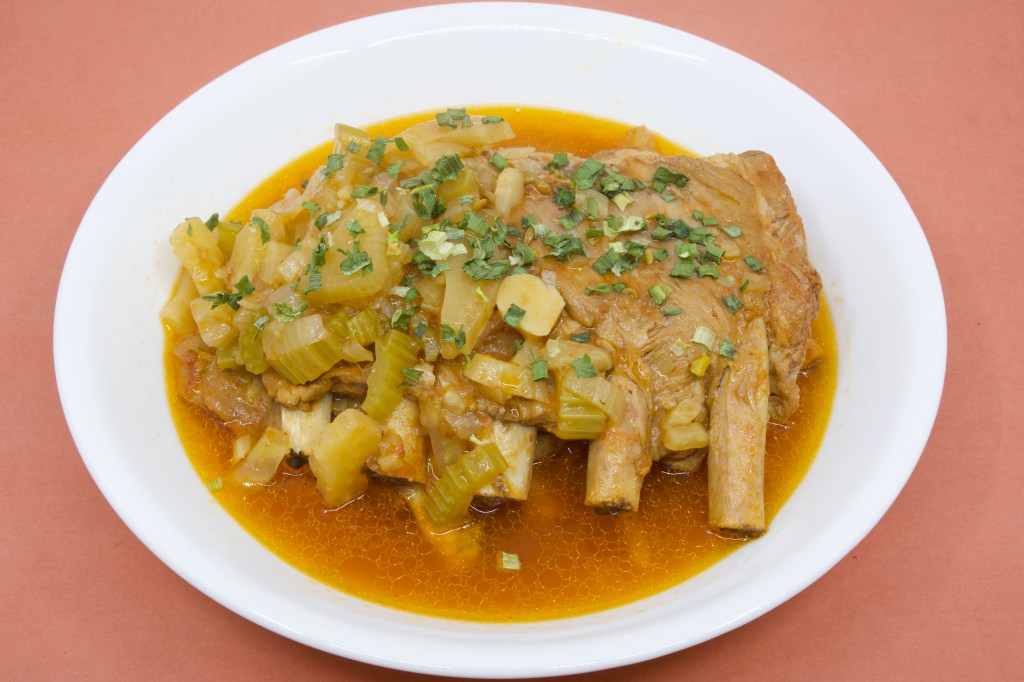
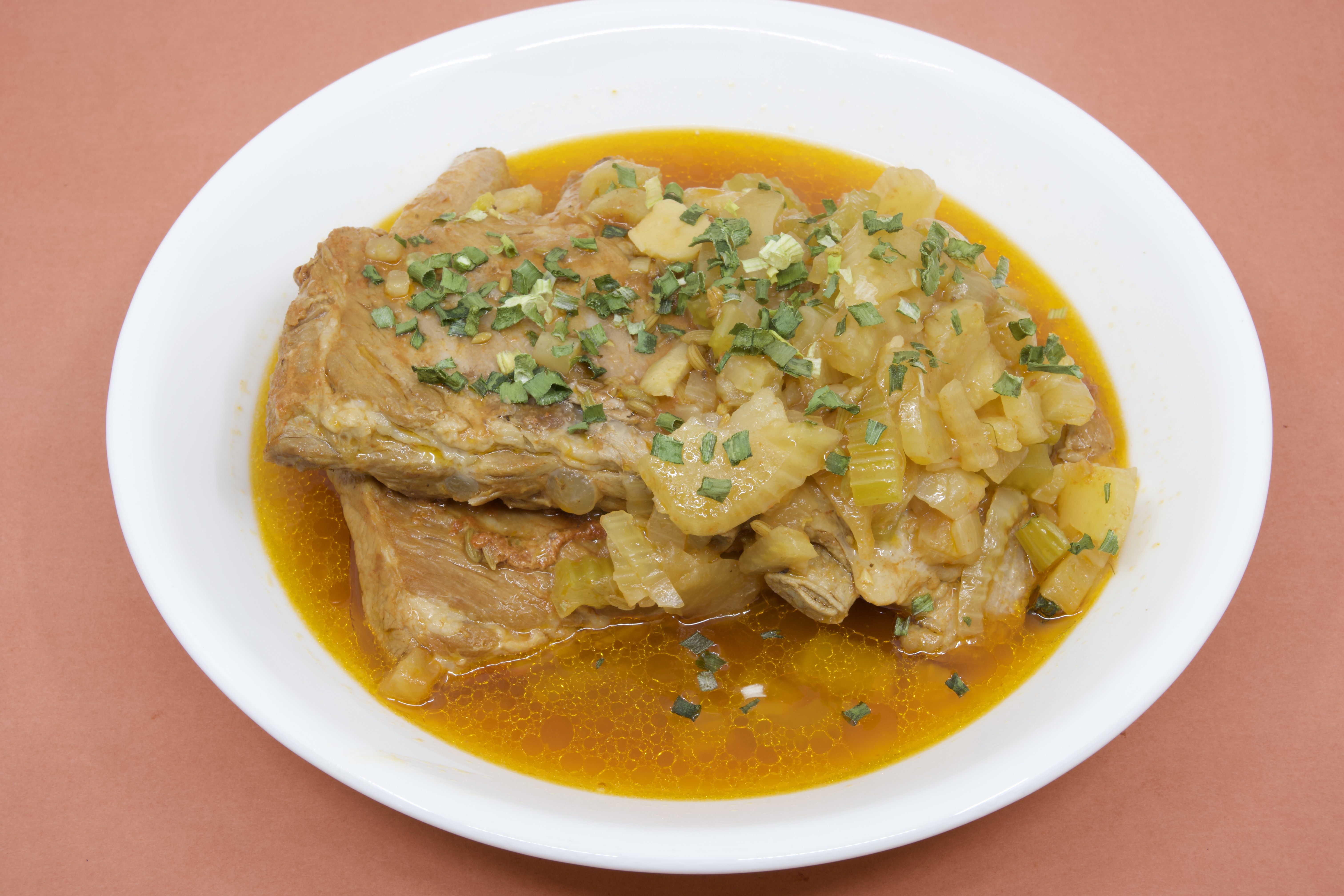
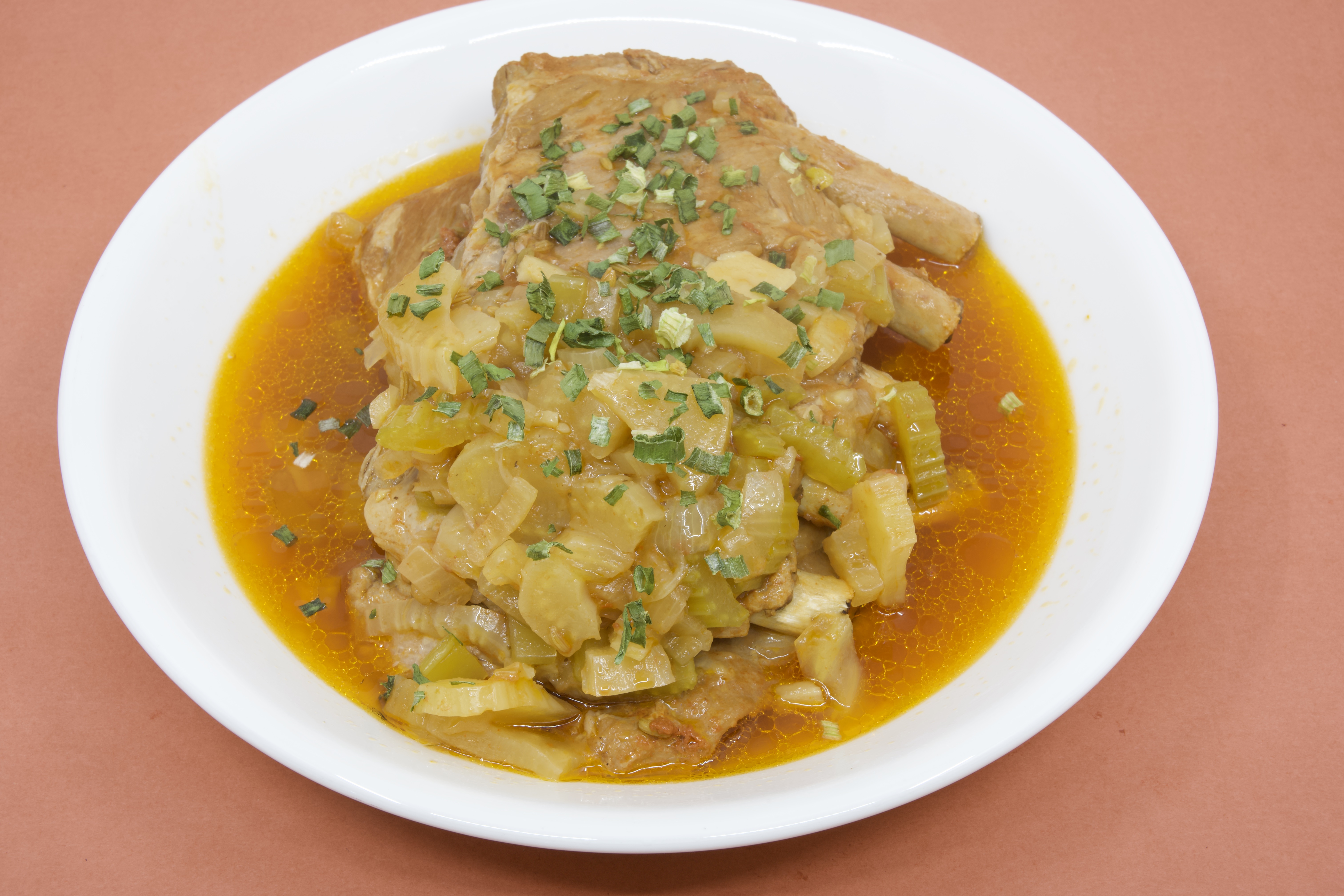
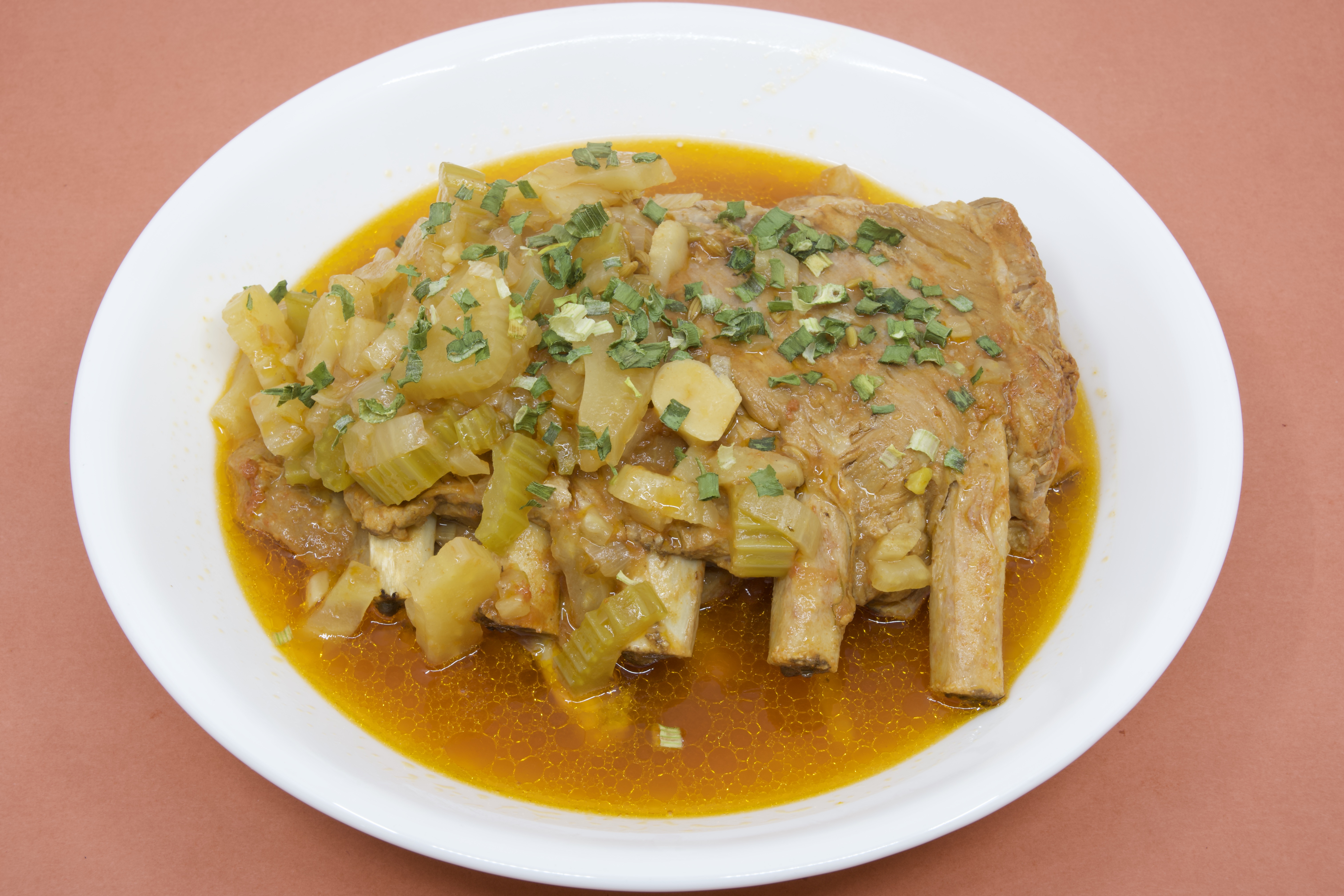
2 racks pork ribs (approximately 1.5 to 2 kg total)
1 teaspoon sea salt
1 teaspoon freshly cracked black pepper
2 teaspoons dried fennel seeds
For the braising base
1 brown onion, roughly sliced
1 fennel bulb, sliced into wedges
2 celery stalks, sliced
500 mL passata
250 mL water
1 teaspoon sea salt
½ teaspoon black pepper
1 teaspoon dried fennel seeds
Equipment
Electric pressure cooker or stovetop pressure cooker
Sharp knife
Chopping board
Measuring spoons
Tongs
Large serving platter
Small bowl for resting the cooked ribs
Instructions
1. Prepare the ribs
Remove the membrane from the back of the ribs if it is still attached.
Season both sides generously with:
1 teaspoon salt
1 teaspoon black pepper
2 teaspoons fennel seeds
Allow the ribs to sit while preparing the vegetables.
2. Prepare the cooking base
Place the following into the pressure cooker:
Sliced onion
Fennel wedges
Celery
Passata
Water
Remaining salt
Remaining pepper
Remaining fennel seeds
Stir gently.
The vegetables will form a trivet-like base that keeps the ribs slightly elevated above the liquid.
3. Load the cooker
Cut the racks into manageable sections if necessary.
Arrange the ribs vertically or lean them against the sides of the cooker, nestling them among the vegetables.
Avoid packing them too tightly.
4. Pressure cook
Seal the cooker and cook at high pressure for:
35 minutes
Allow a 15-minute natural pressure release before manually releasing any remaining pressure.
5. Finish the sauce
Carefully remove the ribs and set aside.
Using a spoon, stir the vegetables into the sauce. The pressure cooking process will have softened the onion, fennel, and celery until they are almost melting.
If the sauce is thinner than you like, simmer it uncovered for 5 to 10 minutes using the sauté function until slightly reduced.
6. Serve
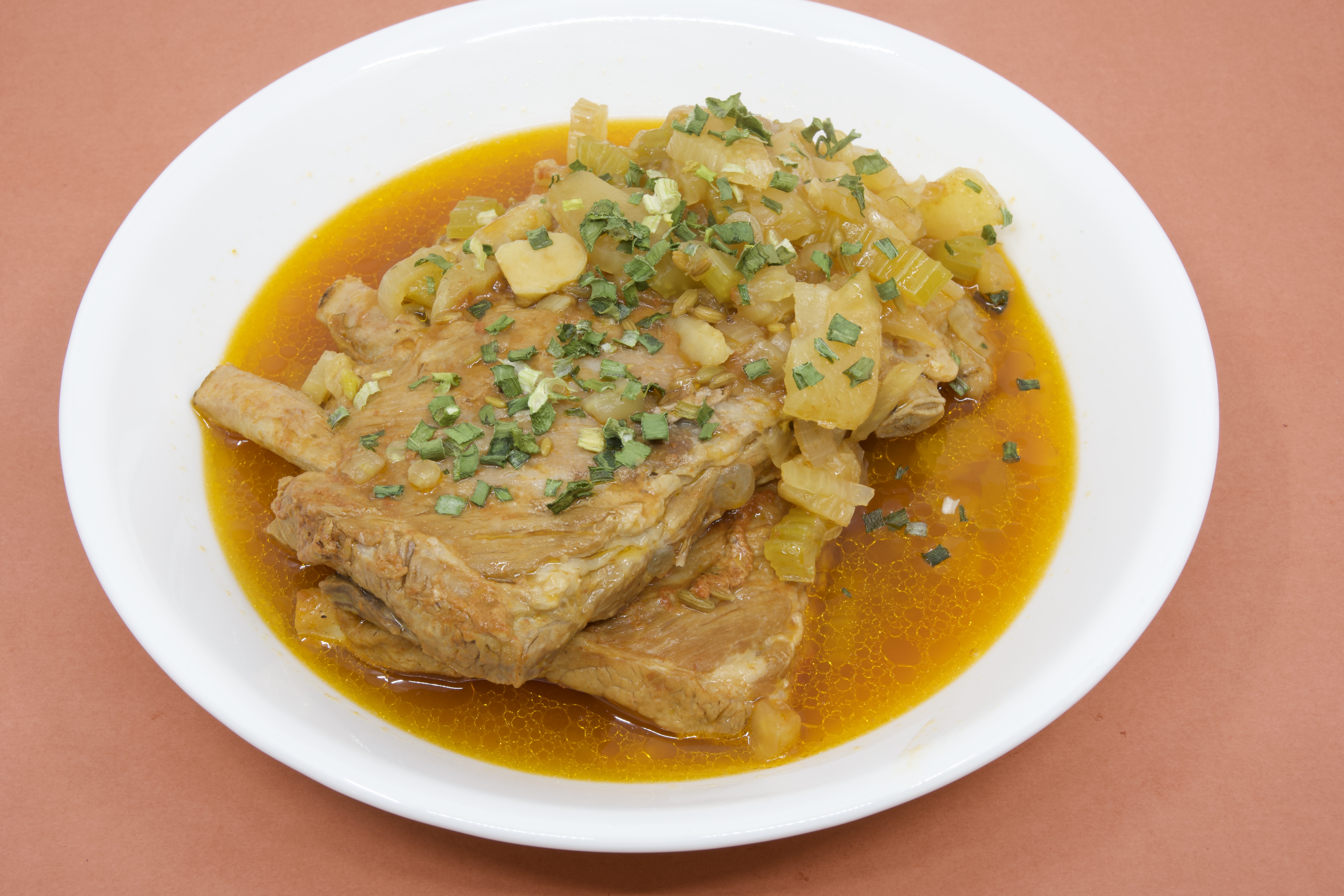
Arrange the ribs on a platter.
Spoon the fennel and tomato sauce generously over the ribs.
Finish with additional cracked black pepper.
Notes from Yummy Lummy
The beauty of this dish is the fennel. Many people think fennel belongs only in salads or with fish. That’s a mistake. Fennel and pork are old friends. The sweet aniseed flavour balances the richness of the pork and softens beautifully under pressure.
The passata contributes acidity and sweetness without the fuss of peeling and crushing tomatoes. After 35 minutes under pressure, the vegetables collapse into a thick rustic sauce that tastes as though you’ve spent an afternoon tending a stove instead of pressing a button and waiting.
Educational Information: Pork Ribs
What are pork ribs?
Pork ribs are cut from the rib cage of the pig and contain a mixture of:
Bone
Connective tissue
Fat
Muscle
The connective tissue is rich in collagen.
Why pressure cooking works so well
Collagen is tough when undercooked. Given enough heat and moisture it converts to gelatin. Gelatin gives ribs their:
Succulent texture
Sticky mouthfeel
Rich flavour
Pressure cooking accelerates this process because water boils at a higher temperature under pressure than it does in a conventional pot.
Spare ribs versus baby back ribs
Baby back ribs
Shorter and more curved
Leaner
Slightly more tender
Spare ribs
Larger and flatter
More fat and connective tissue
Richer flavour
Both work well in a pressure cooker, although spare ribs particularly benefit from the extended moist heat.
Food safety
For pork, modern food safety guidelines focus on achieving a safe internal temperature rather than overcooking. Ribs destined for tenderness are usually cooked well beyond the minimum safe temperature because collagen breakdown requires higher temperatures and longer cooking times.
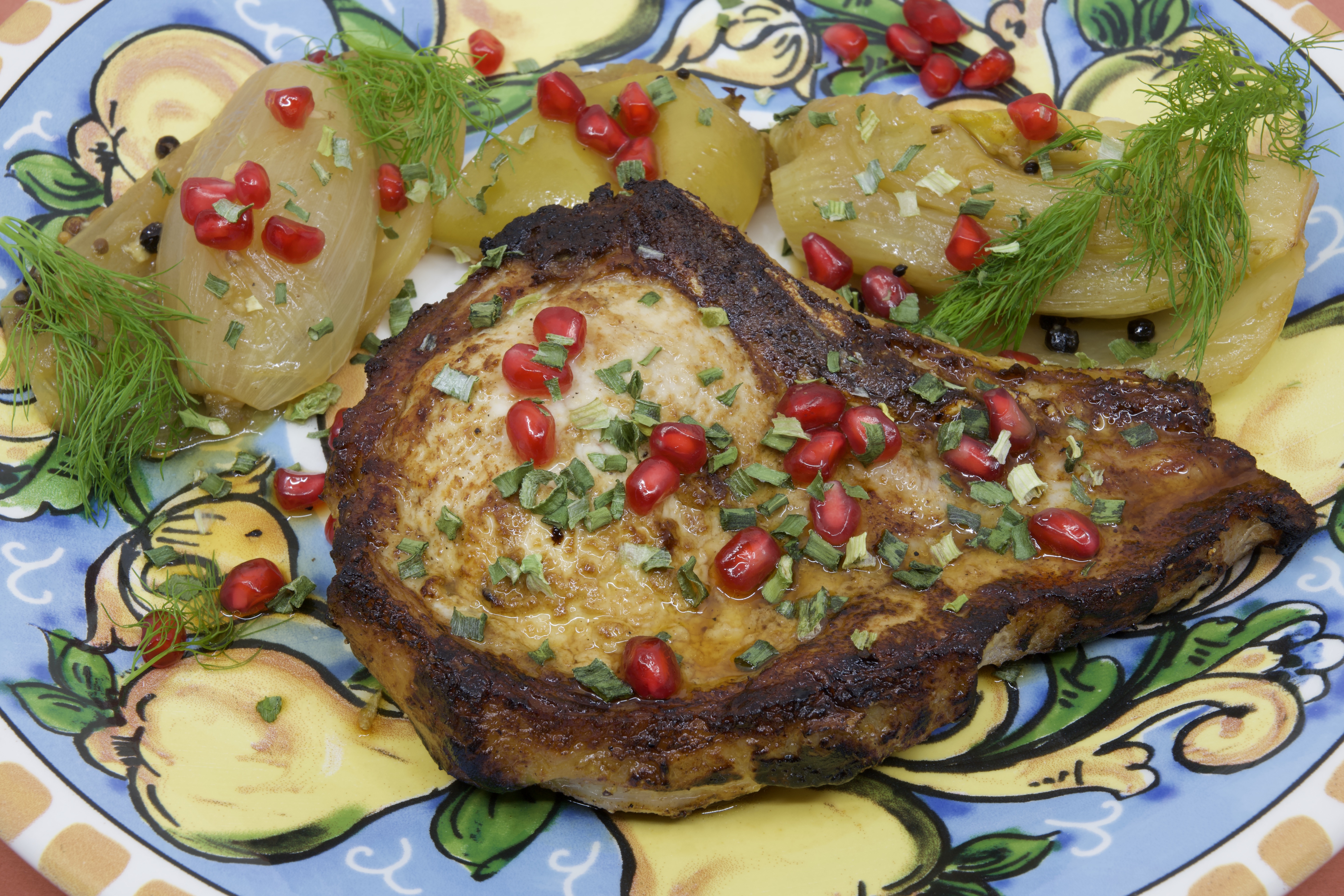
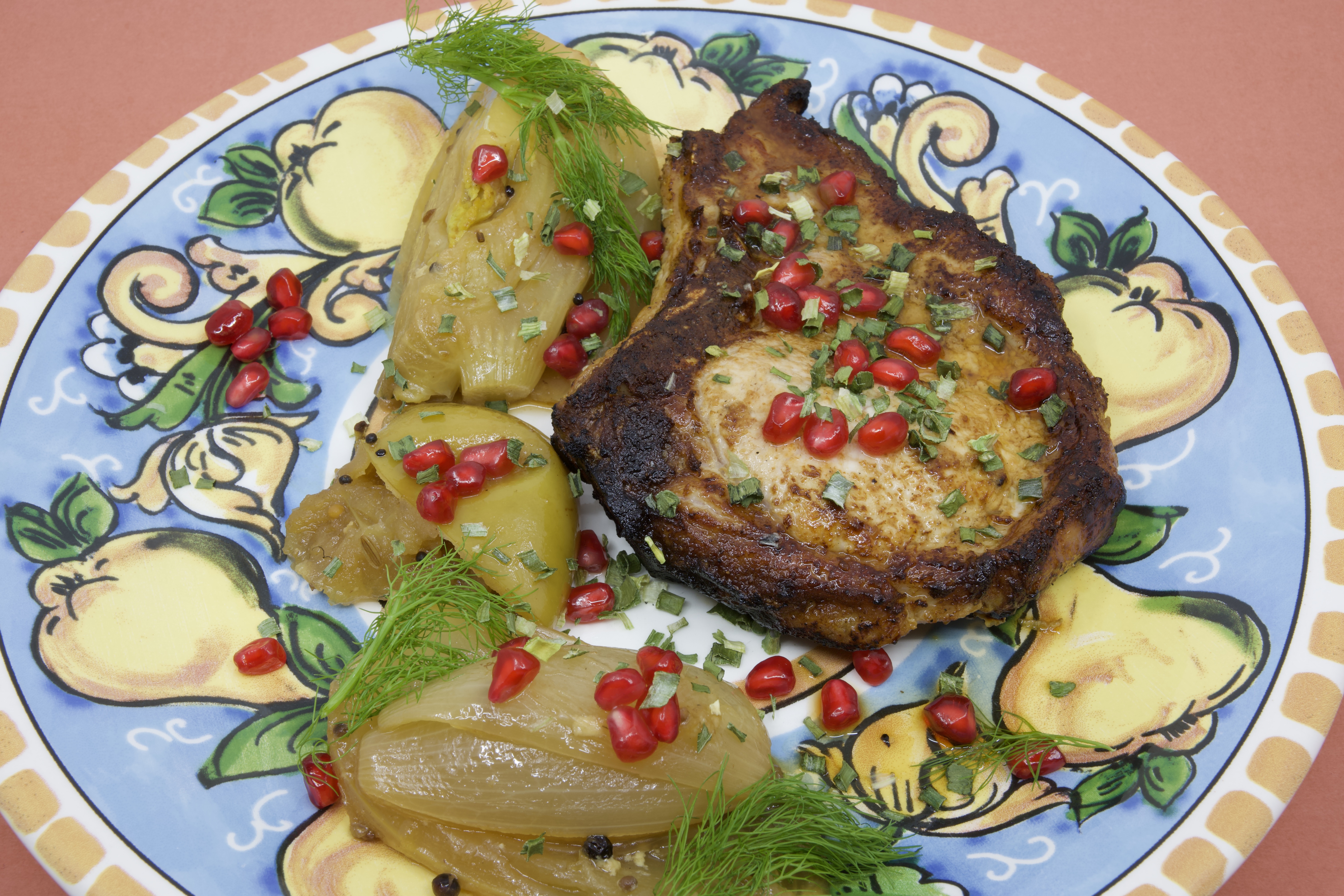
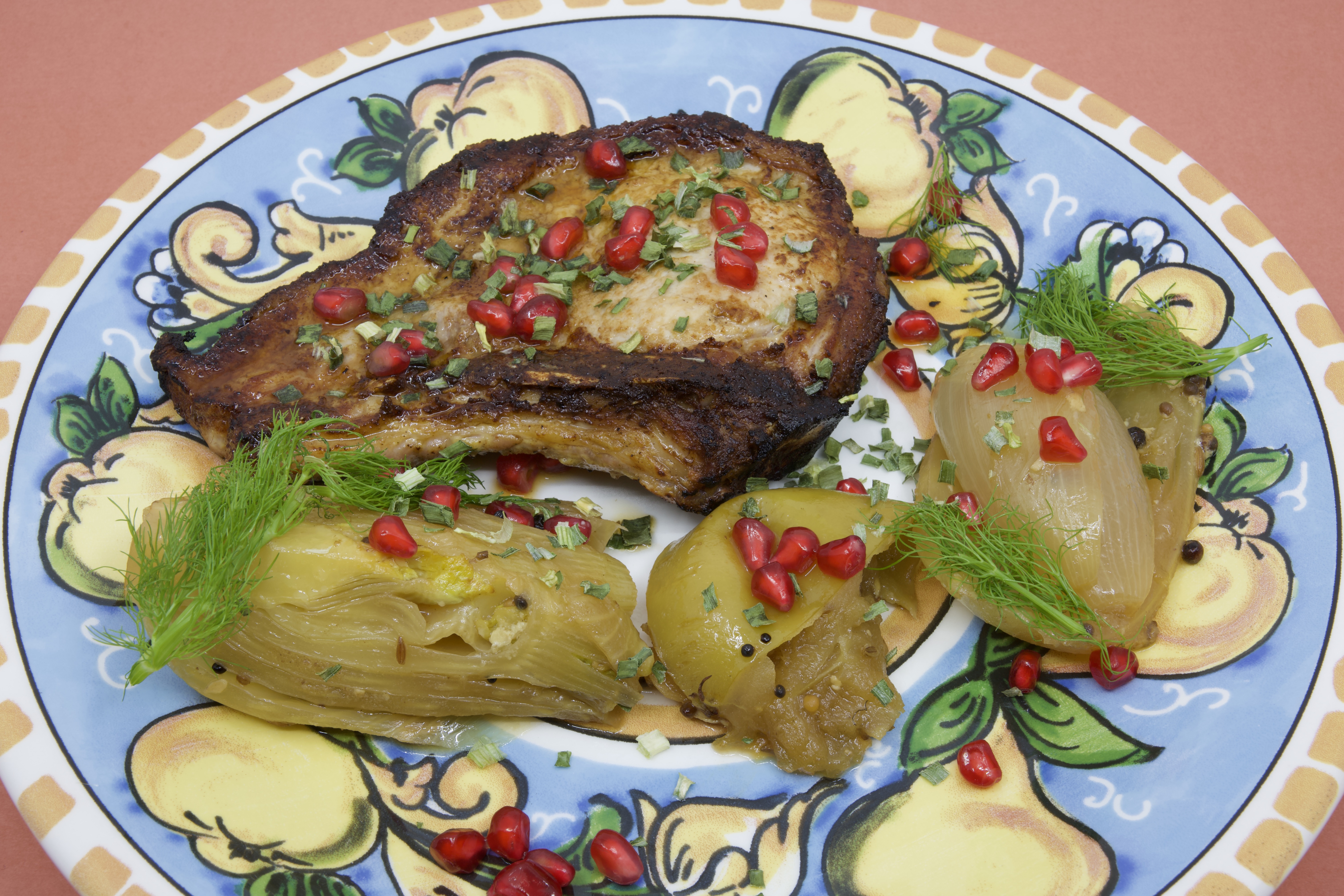
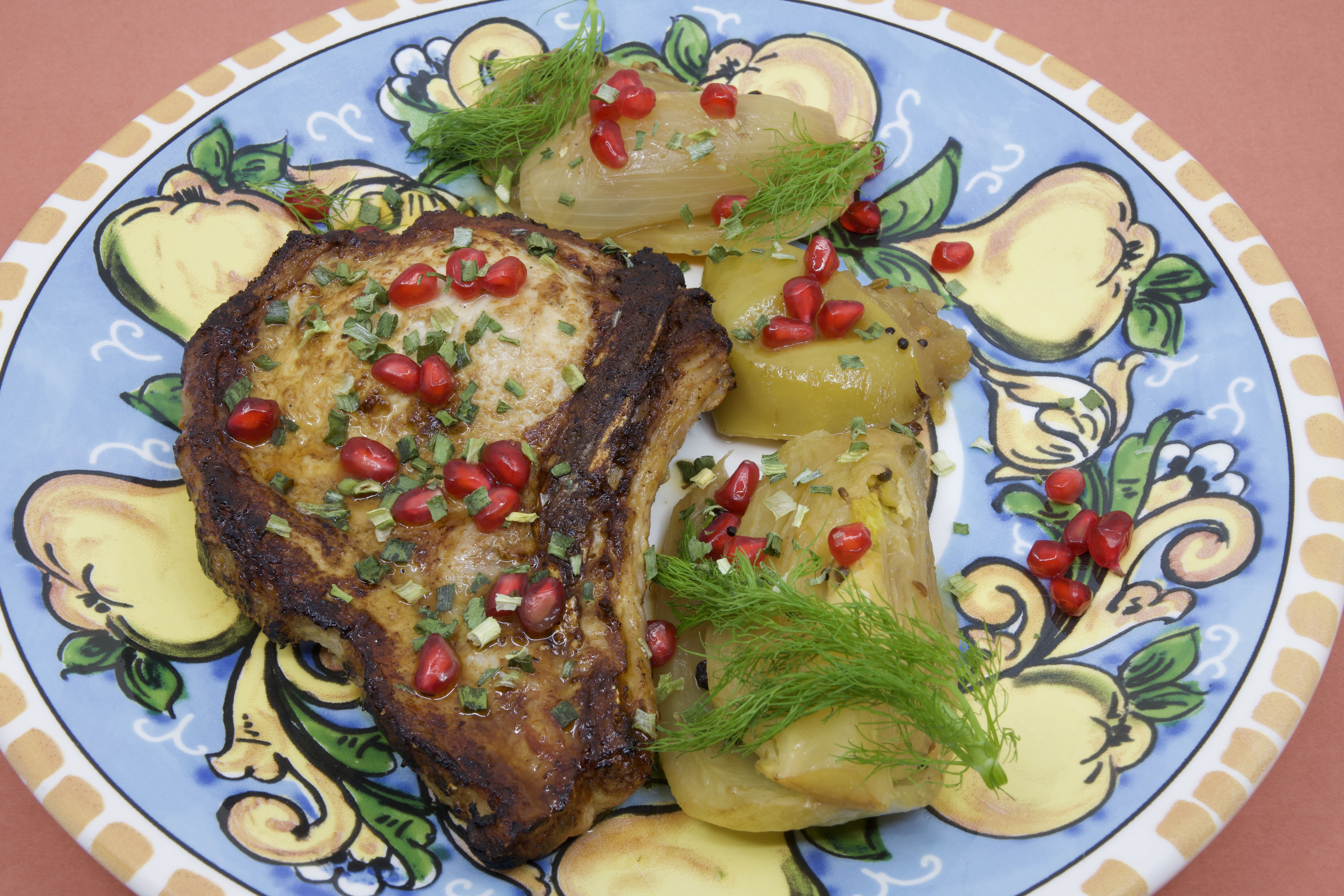
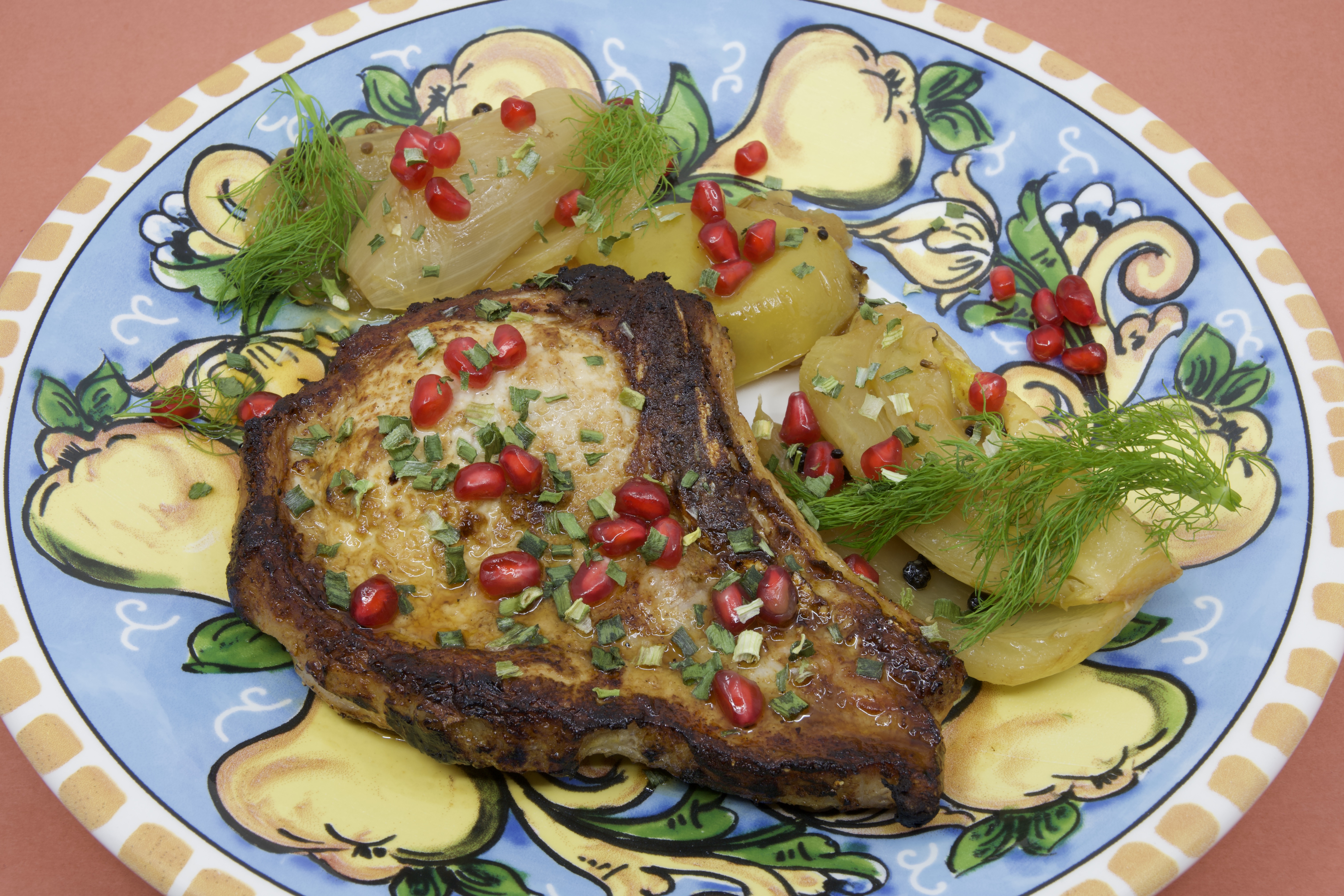
Grilled pork chops with pressure-cooker-stewed fennel and Granny Smith apple
A simple Yummy Lummy-inspired meal: pig, anise-sweet fennel, sharp green apple, heat, pressure, and appetite.
Introduction
This is dinner for when you want something meaty, sharp, sweet, and soft without making a fuss. The pork chops are grilled hot and rested properly. The fennel and Granny Smith apple are cooked under pressure until they collapse into a silky, savoury-sweet stew. Pork and fennel are a classic pairing because pork brings richness and fennel brings a gentle anise sweetness. Apple joins the party with acid and freshness, especially when it is a tart Granny Smith. I do like tartness.
Serves and timing
Serves: 2 Gary-type people or 4 normal people. I’m having the second serve tomorrow night.
Preparation time: 15 minutes.
Pressure cooking time: 3 minutes at high pressure, plus 5 minutes natural release.
Grilling time: 8 to 12 minutes, depending on chop thickness.
Resting time: 5 minutes.
Ingredients
For the pork chops
2 bone-in pork chops, about 250 to 300 g each and 2.5 cm thick.
1 teaspoon coarse cooking salt.
½ teaspoon freshly ground black pepper.
For the pressure cooker stewed fennel and Granny Smith apple
1 large fennel bulb, trimmed, fronds reserved, bulb cut into 1 cm wedges.
2 Granny Smith apples, unpeeled; keep the core and seeds, and cut into wedges.
1 small brown onion, peeled and quartered.
1 tablespoon beef fat.
½ teaspoon coarse cooking salt.
¼ teaspoon freshly ground black pepper.
125 mL mixed mammal cooking liquor.
1 tablespoon apple cider vinegar.
1 teaspoon Dijon mustard.
Method
1. Season the pork
Pat the pork chops dry with kitchen paper.
Season both sides and the fatty edge of each chop.
2. Pressure cook the fennel and Granny Smith apple
Set the pressure cooker to sauté mode.
Add the beef fat and let it melt.
Add the onion, fennel, salt, and pepper.
Cook for 3 minutes, stirring often, until the onion softens and the fennel smells sweet.
Add the Granny Smith apple wedges, cooking liquor, apple cider vinegar, and Dijon mustard.
Stir once, scraping the base so nothing is stuck.
Seal the pressure cooker and cook on high pressure for 3 minutes.
Allow a 5 minute natural release, then carefully vent the remaining pressure.
Open the lid, stir gently, and simmer on sauté mode for 2 to 4 minutes if you want a thicker stew.
Taste and adjust with a little more salt, pepper, or vinegar if needed.
3. Grill the pork chops
Heat a grill plate, barbecue, or heavy pan until hot.
Place the chops on the grill and cook for 4 to 5 minutes on the first side.
Turn and cook for another 4 to 5 minutes on the second side.
Stand the chops on the fatty edge for 30 to 60 seconds to render and crisp the fat.
Check the internal temperature. Aim for 63 °C in the thickest part, then rest the chops. The temperature will rise slightly as they rest.
Rest the chops on a warm plate for 5 minutes before serving.
4. Serve
Warm dinner plates before serving. A warm dinner plate can have a remarkable effect on the enjoyment of a meal.
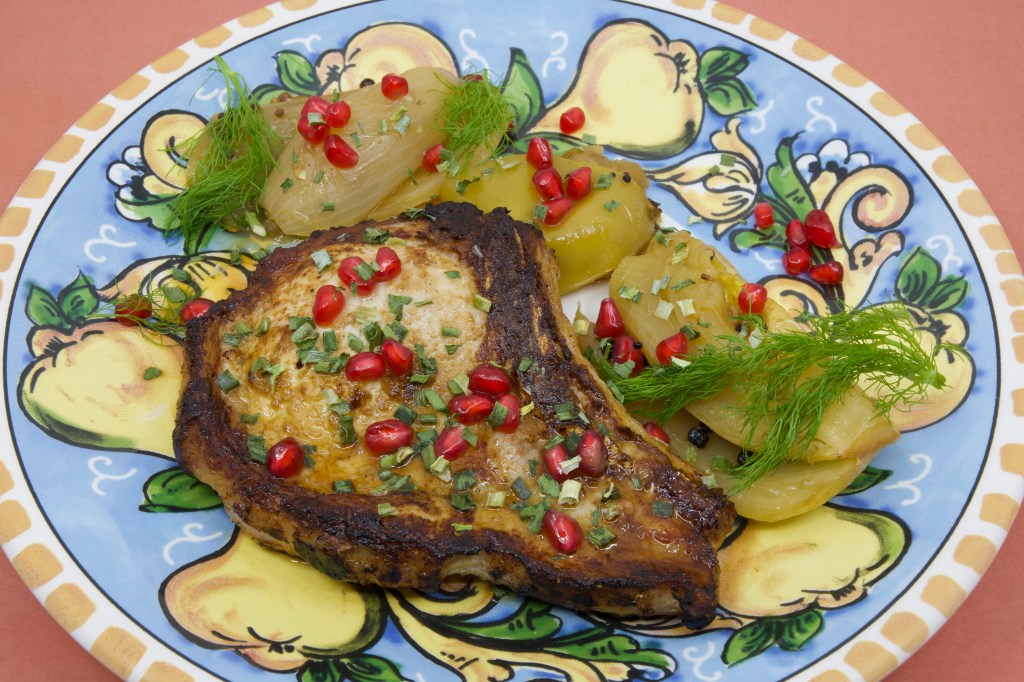
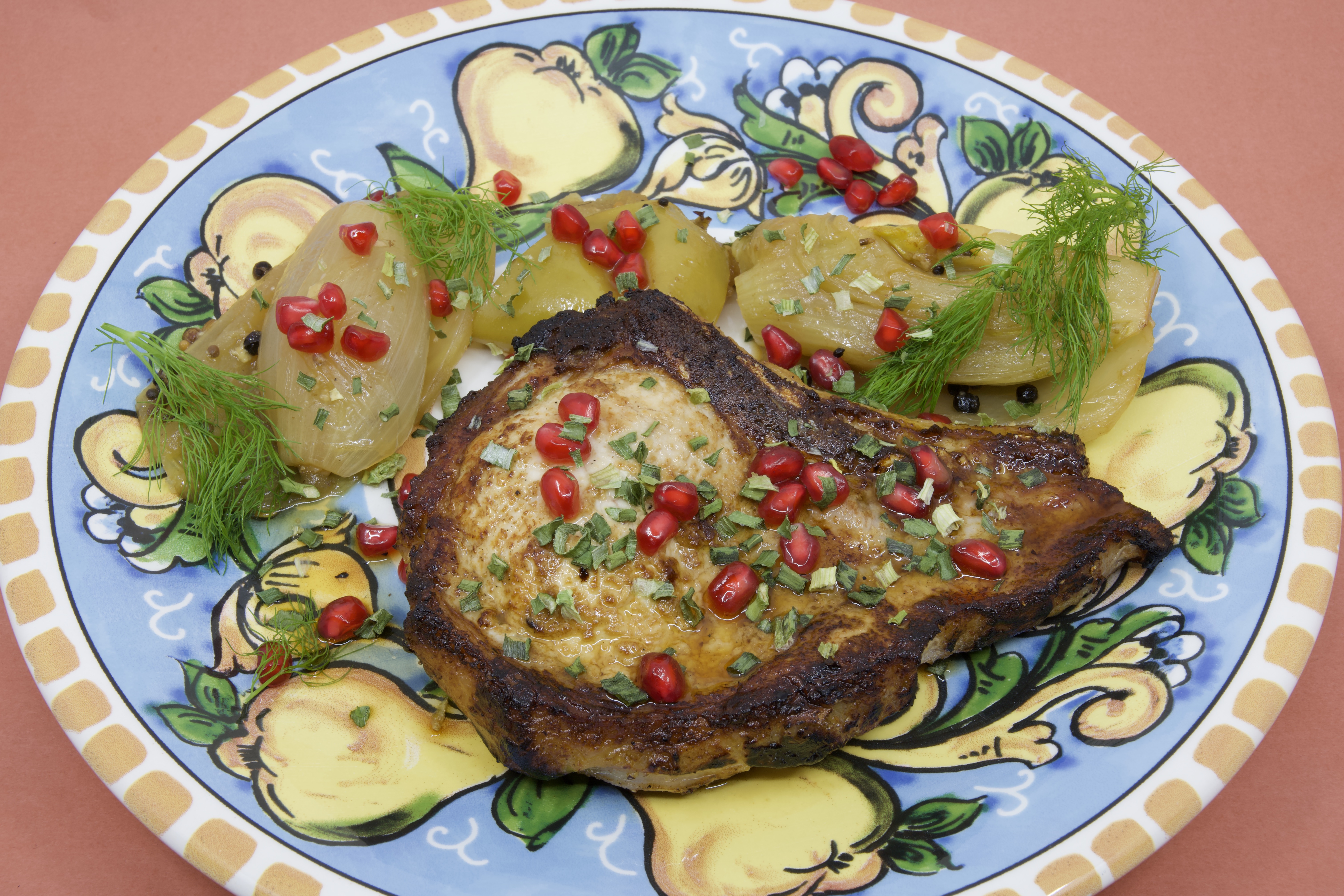
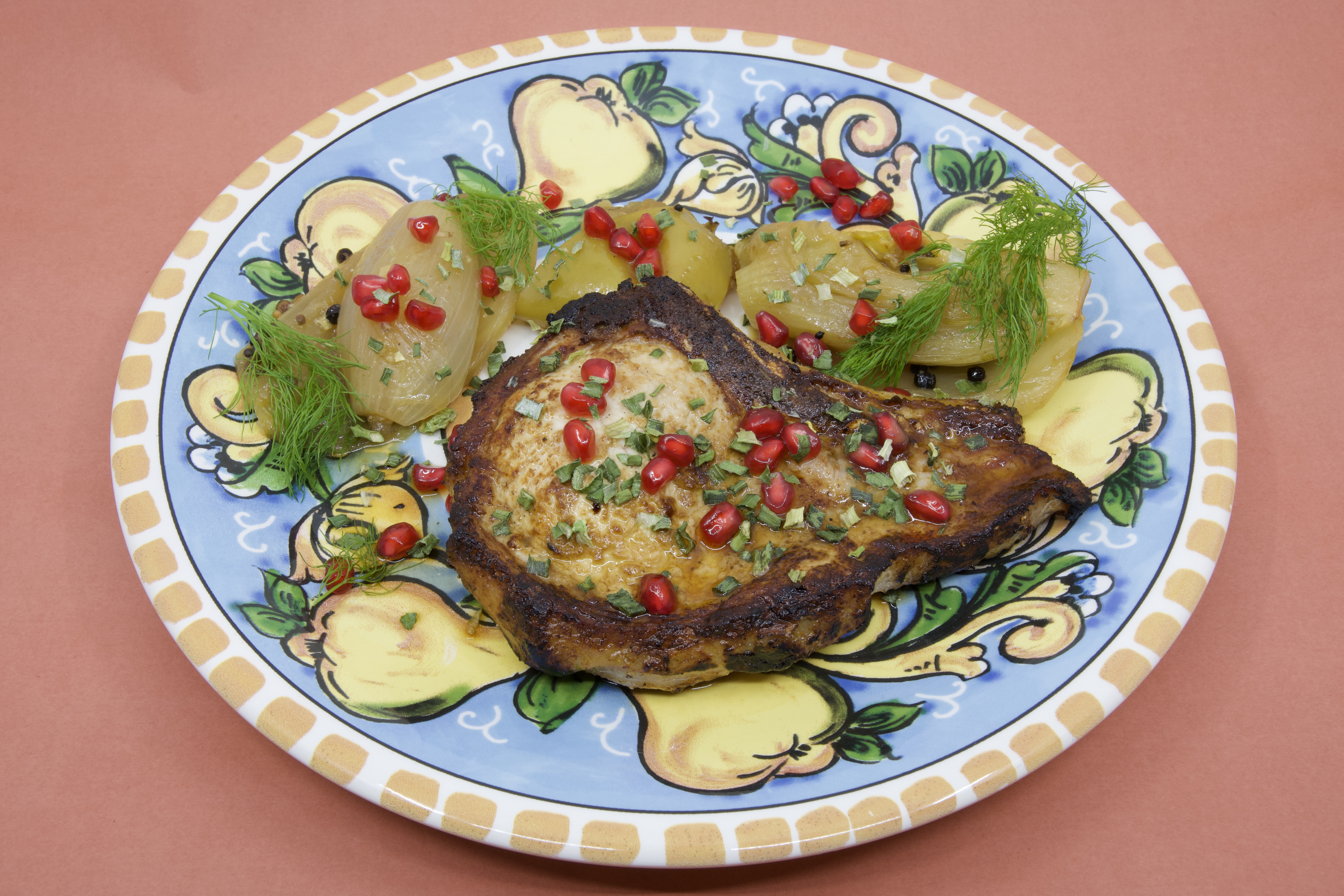
Spoon the stewed fennel and apple onto warm plates.
Place a rested pork chop on top, or beside the stewed fennel and apple.
Add a final crack of black pepper.
Garnish with fennel fronds and pickled pomegranate arils.
Eat while hot, preferably with no apology for enjoying the fat.
Homer Simpson’s pork chop moment
There is something wonderfully uncomplicated about a pork chop. Homer Simpson would understand this meal. I can imagine him at the table, fork in hand, eyes fixed on the chop, giving the sort of pleased murmur usually reserved for doughnuts. The fennel and apple would probably be described as “the fancy green and white stuff”, but once the pork juices run into it, even Homer would know it belongs on the plate.
Adelaide Central Market wander
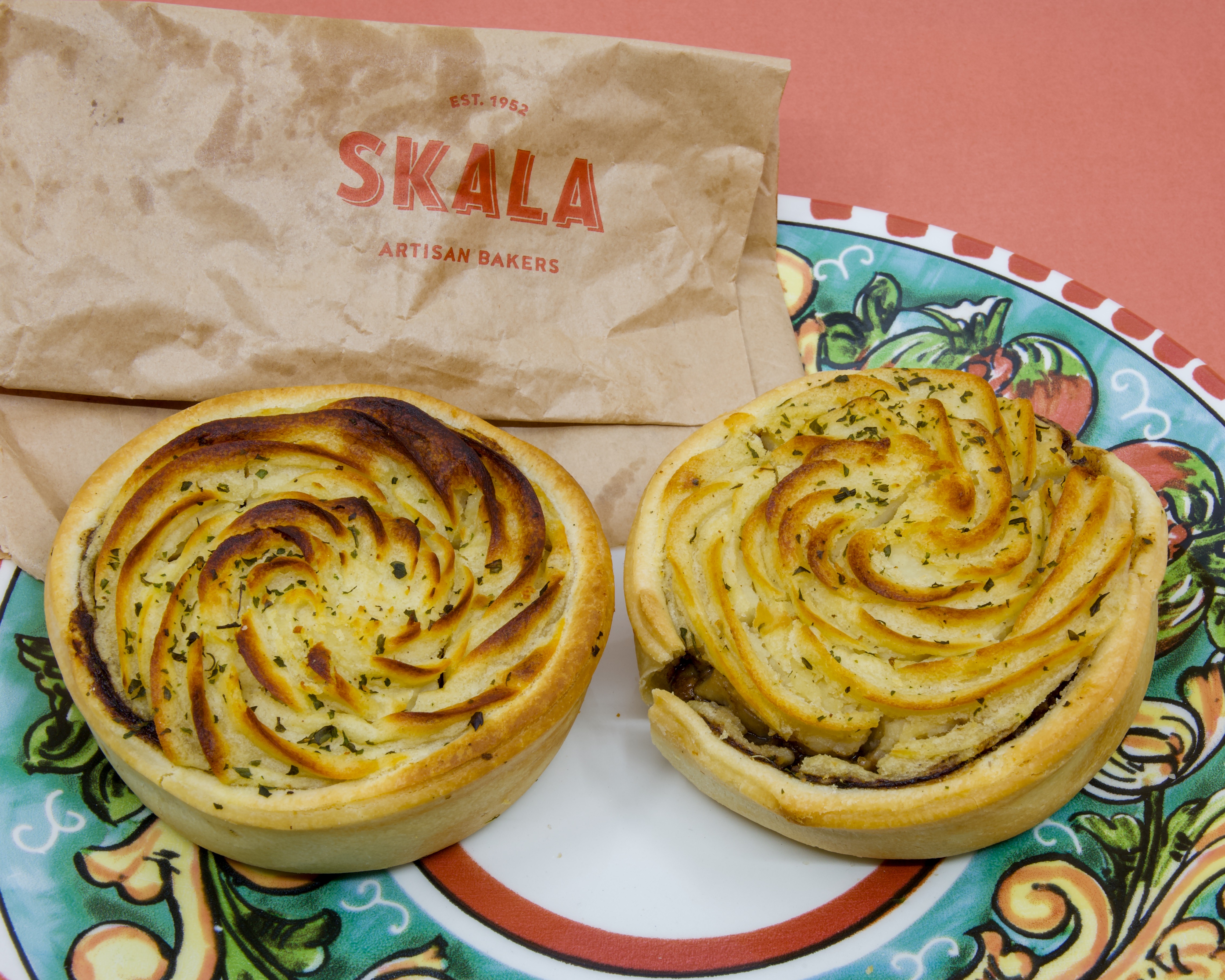
Before cooking this pork chop dinner, I had one of those Adelaide Central Market visits that makes a person glad to live near good food. I wandered through the Market and stopped at Skala Artisan Bakers, a South Australian bakery known for bread, pastries, and cakes, and bought a couple of potato pies. There is something deeply reassuring about a pie with potato on top. It is practical. It is filling. It is not trying to be delicate.
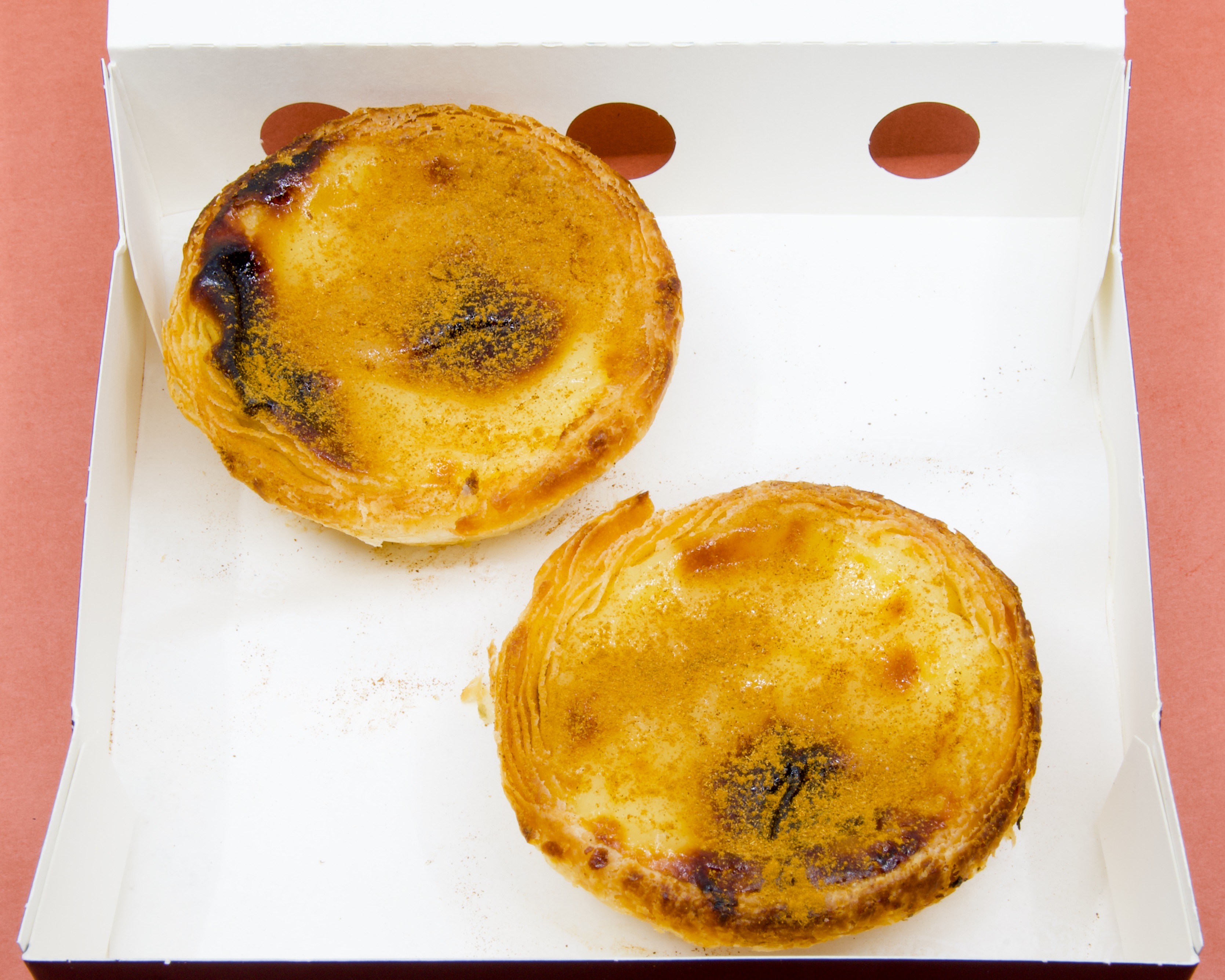
I also picked up a couple of Portuguese tarts from Saudade, the Adelaide Central Market stall specialising in pastel de nata. These little custard tarts are a joy. The pastry should be crisp and flaky, with enough structure to hold the custard, yet tender enough to shatter slightly when bitten. The custard should be smooth, sweet, and gently eggy, with a burnished top that says heat has done its good work. These also had powdered cinnamon on top, which added a warm, sweet spice note without overpowering the custard. I like them still slightly warm if possible, but I am not proud; room temperature is also fine when the tart is good. Potato pie first, Portuguese tart later, and pork chops for dinner. That is a nice little food day.
Cooking notes
Do not overcook the pork. A meat thermometer is the most reliable way to keep pork juicy.
Cut the fennel thicker if you want more texture. Cut it thinner if you want it to melt into the apple.
Granny Smith apples are useful here because their sharpness balances the pork fat.
If the stew tastes flat, add a splash more apple cider vinegar.
If the stew tastes too sharp, stir in a small knob of butter.
I exploited Microsoft Copilot to refine and format this blog post. Artificial intelligence large language models can make mistakes.
I exploited ChatGPT to add the cartoon bubble to the photograph of me. I also exploited ChatGPT to whiten my teeth. You do not need to see how yellow they are after all the coffee that I drink.
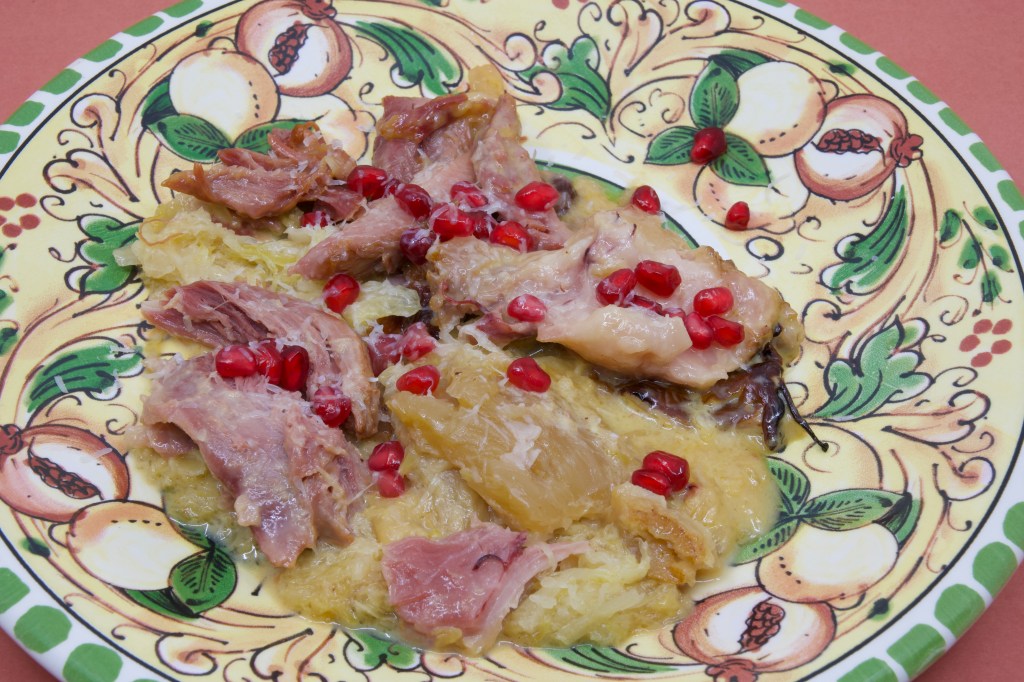
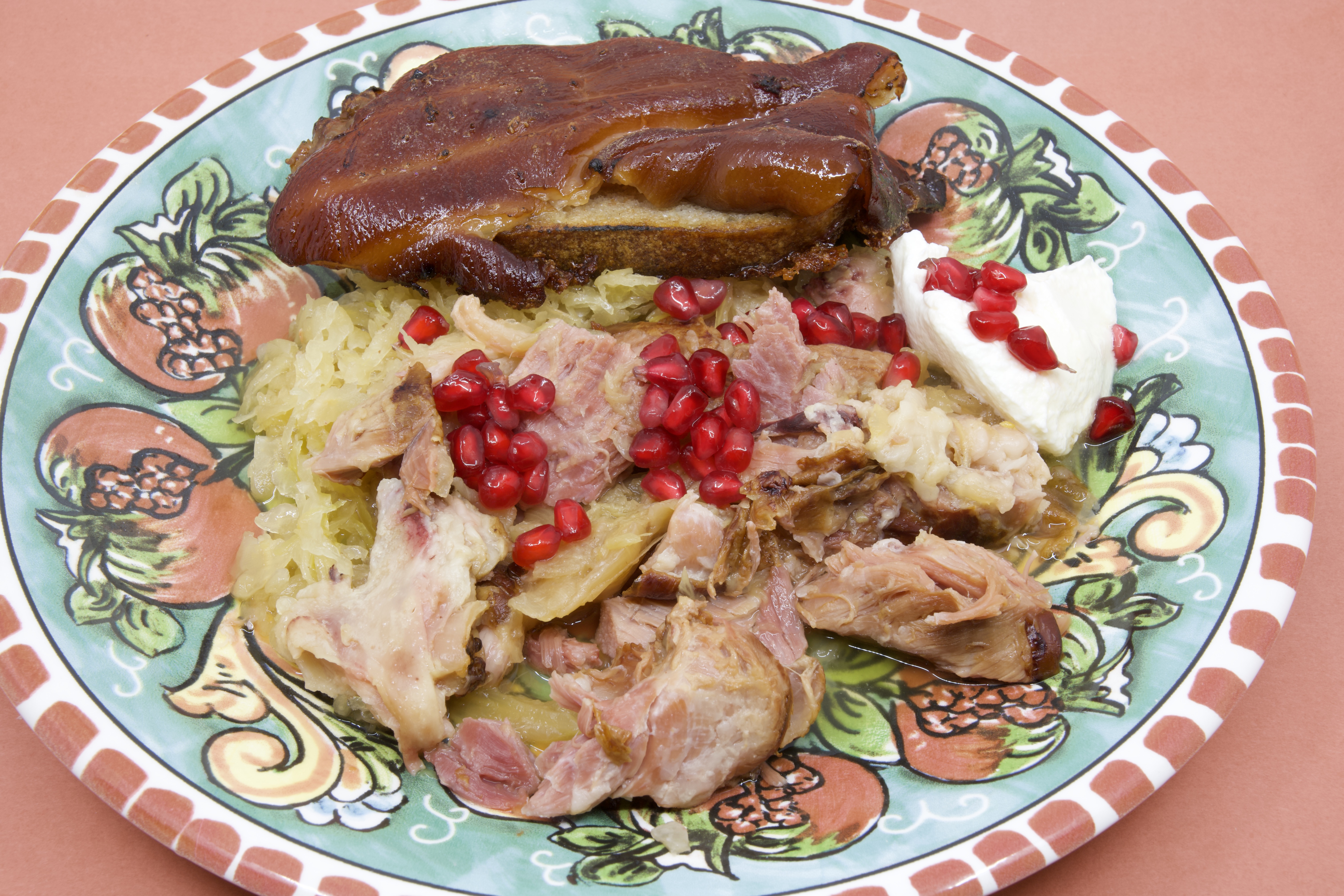
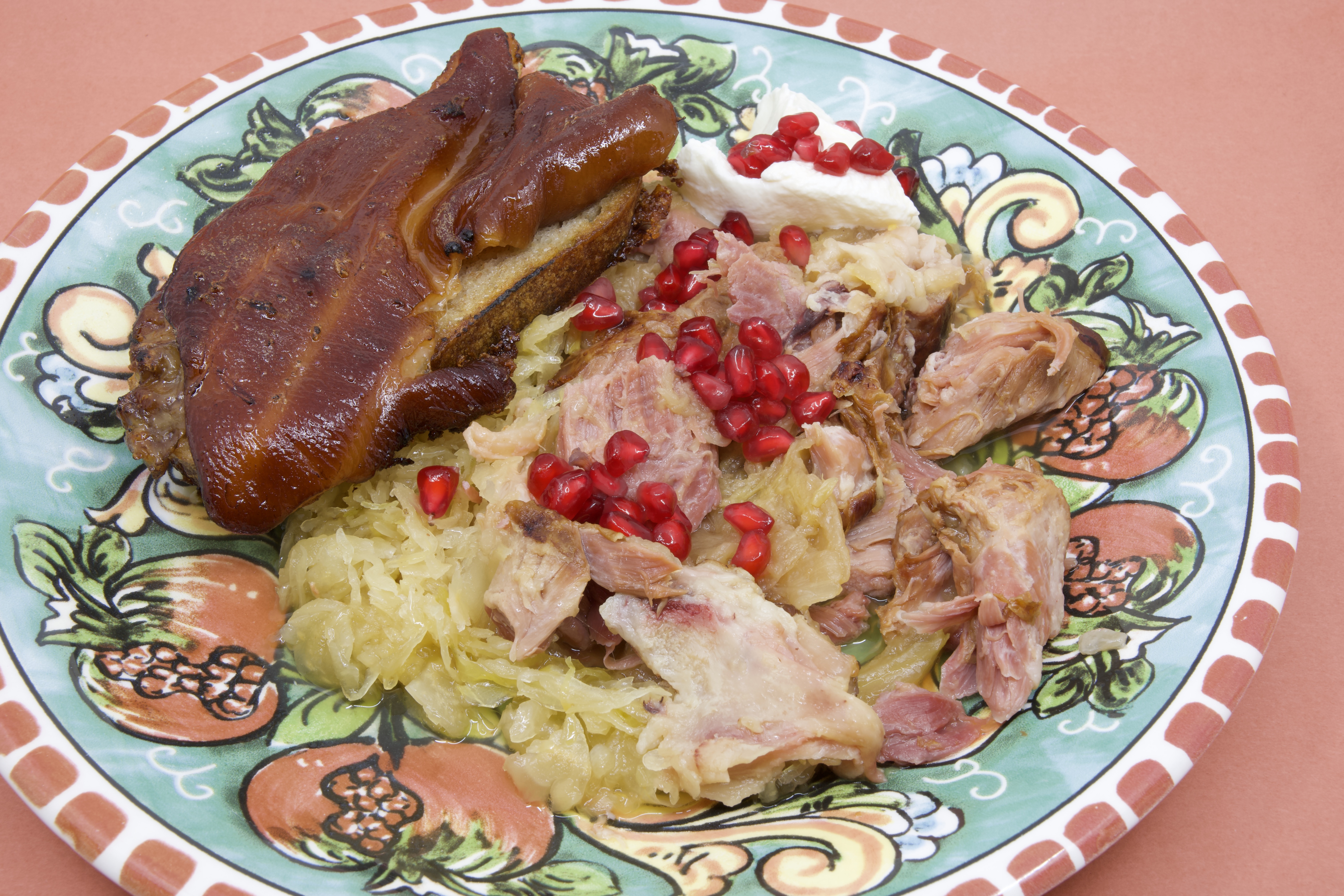
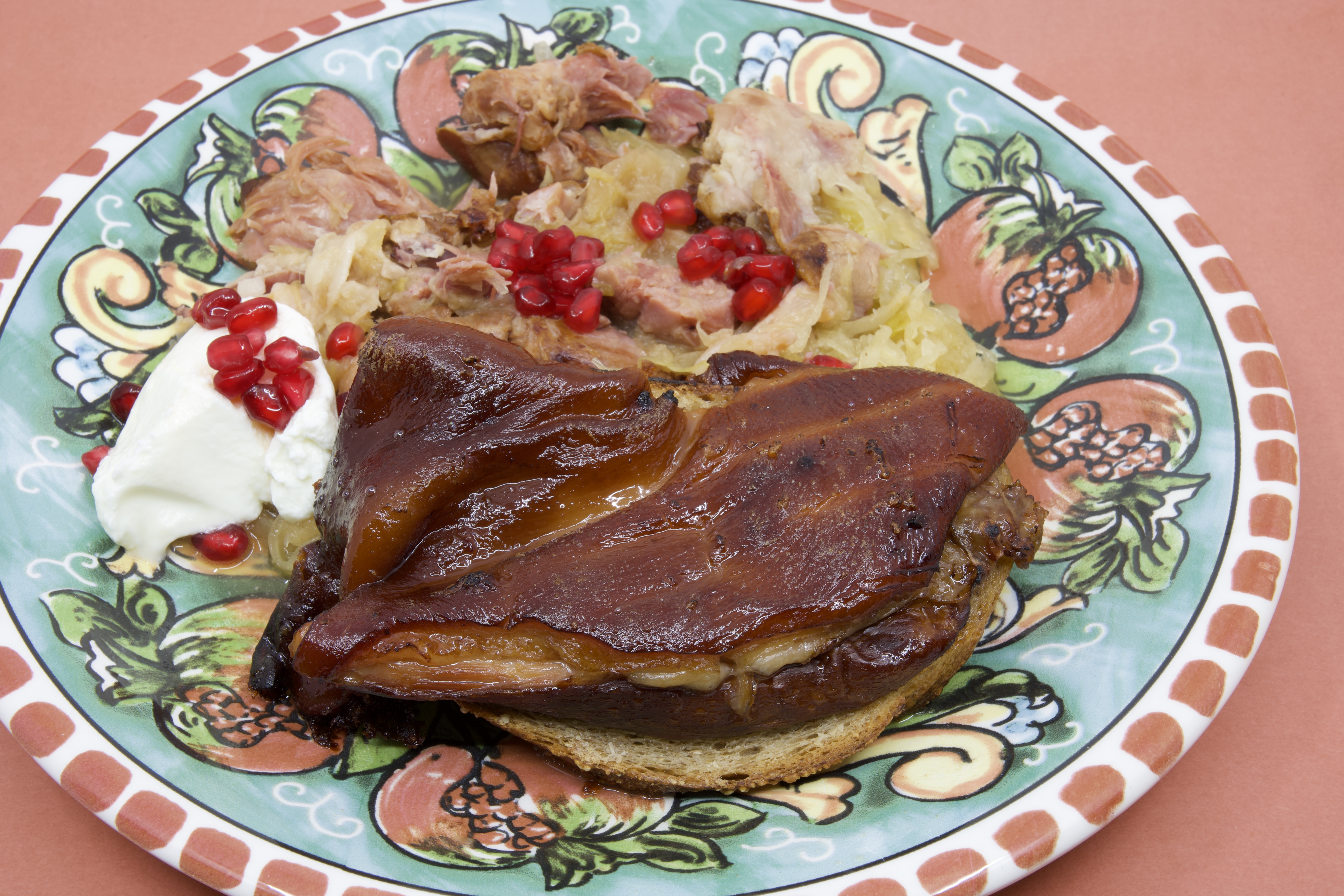
This meal brings together a smoked pork hock, fennel bulb, brown onion, salt, and mixed mammal liquor in the pressure cooker. It is simple food with an appetite behind it: smoky pork, sweet anise-like fennel, savoury onion, and a rich cooking liquor that becomes more than the sum of its parts.
Jump to the recipe.
Why pork and fennel work so well.
Pork and fennel are a classic pairing because they balance each other. Pork hock is rich, smoky, salty, gelatinous, and deeply savoury. Fennel brings sweetness, freshness, and a gentle anise flavour. When cooked under pressure, the fennel collapses into the liquor, softening the heaviness of the meat while also perfuming the dish.
This is the same sort of logic behind pork and apple, beef and onion, lamb and rosemary, chicken and leek, or fish and lemon. Meat gives fat, protein, and depth. Vegetables, herbs, and fruit bring water, acid, sweetness, bitterness, or aroma. Good combinations keep the mouth interested.
About pork hocks
A pork hock is the lower part of the pig’s leg, close to the ankle joint. It contains bone, skin, connective tissue, fat, and hard-working muscle. That means it can be tough if rushed, but it becomes tender and succulent when cooked long enough for the collagen to soften into gelatine. A smoked pork hock adds another layer: salt, smoke, and cured-pork flavour.
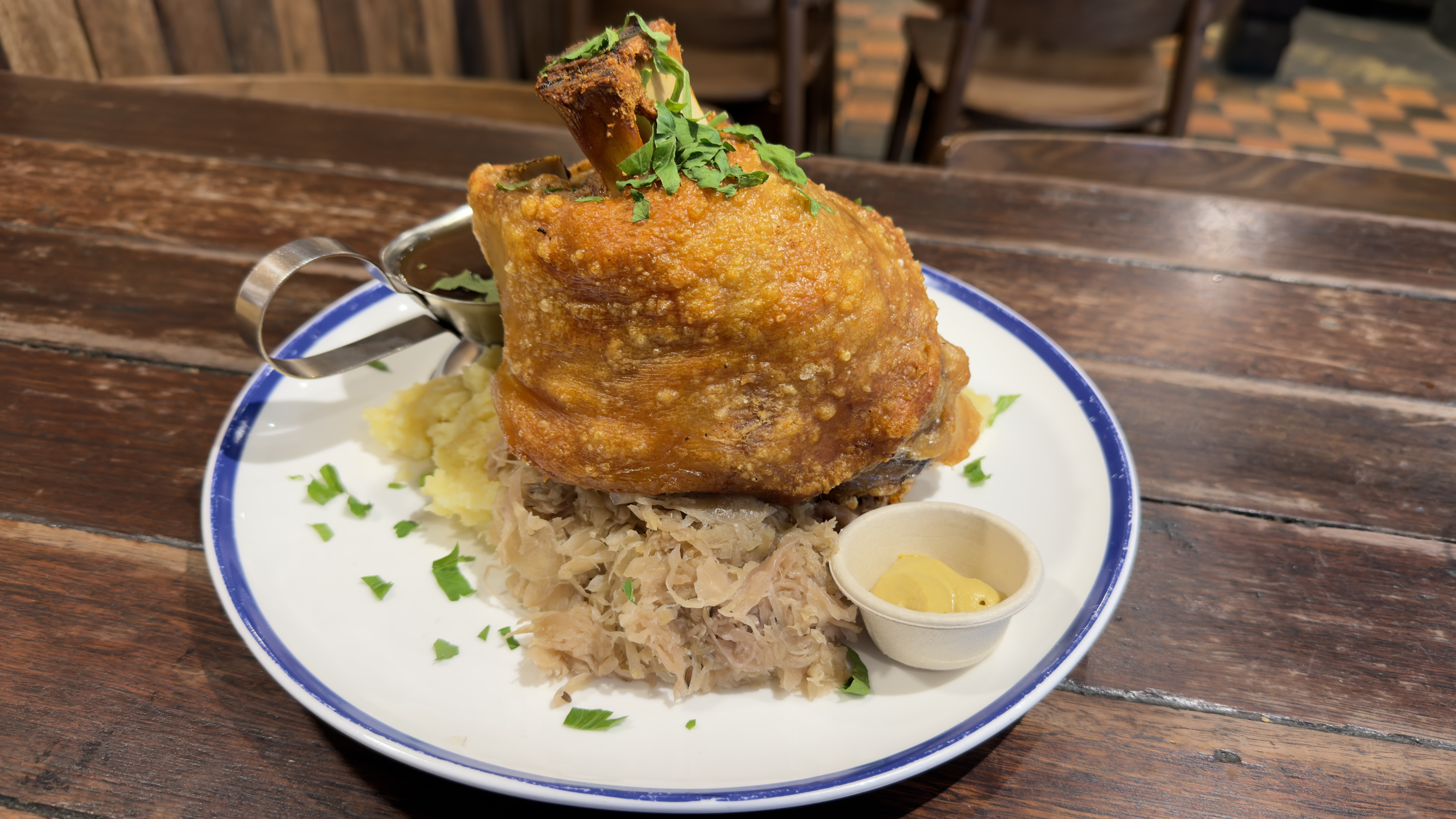
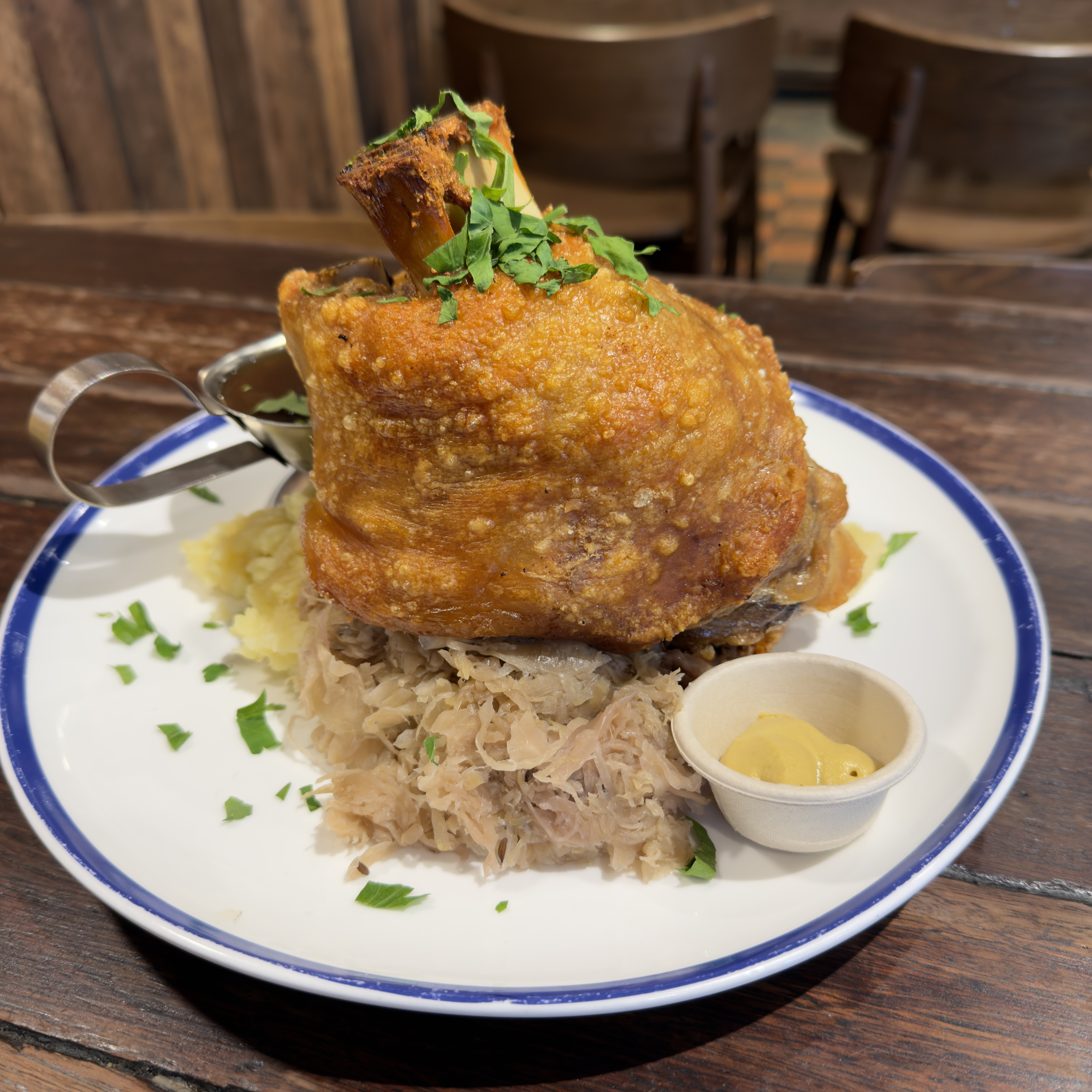
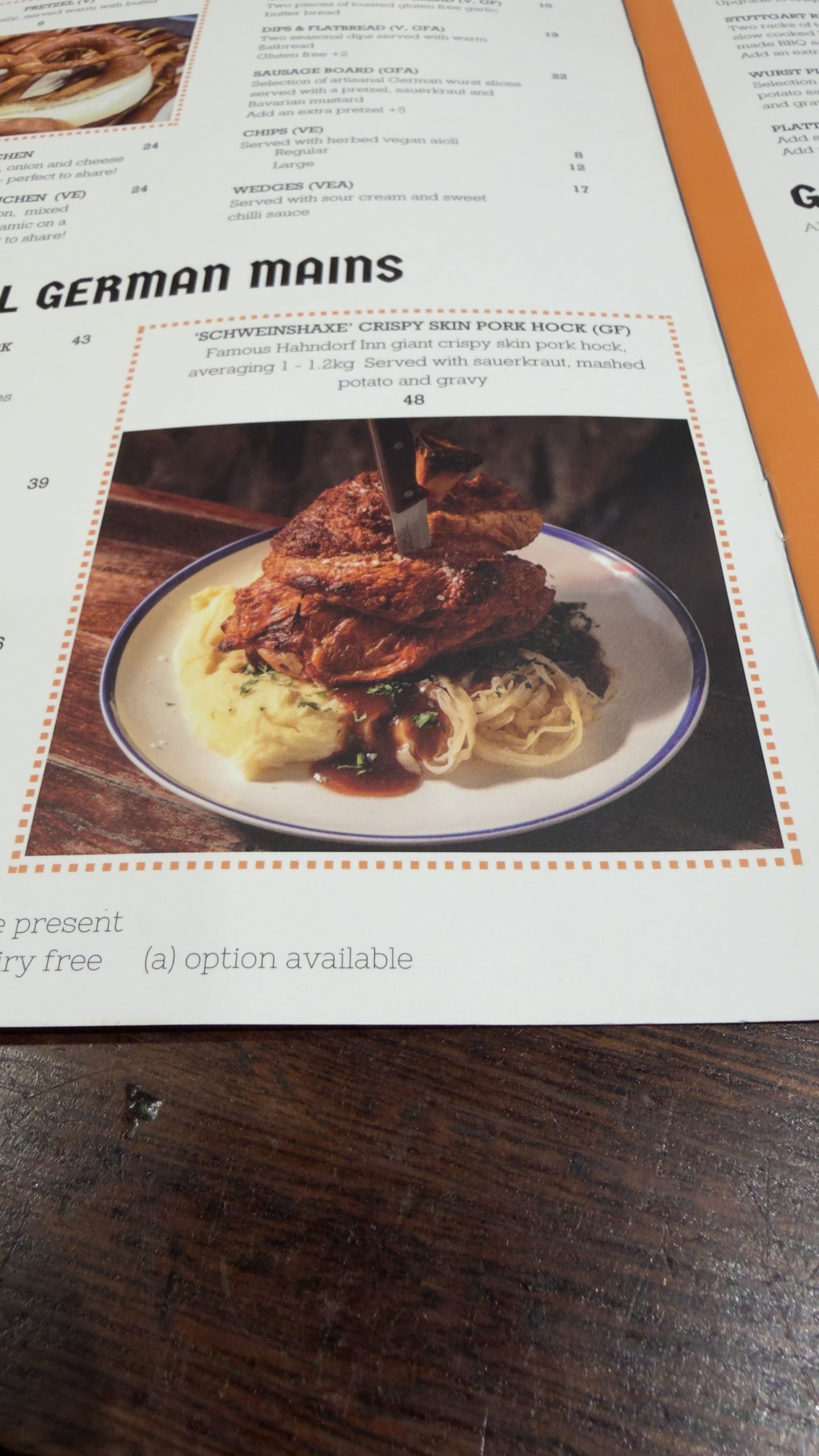
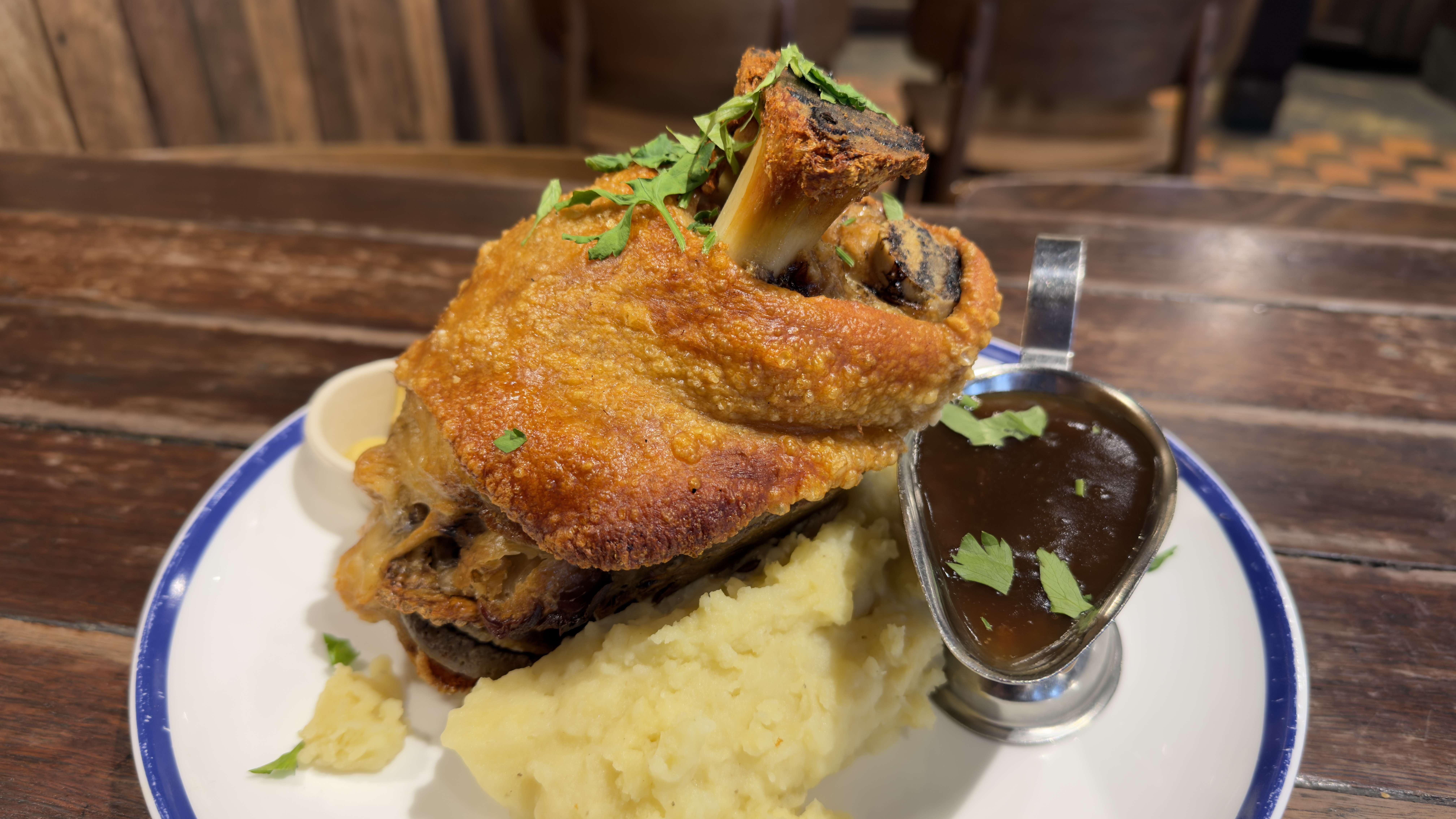
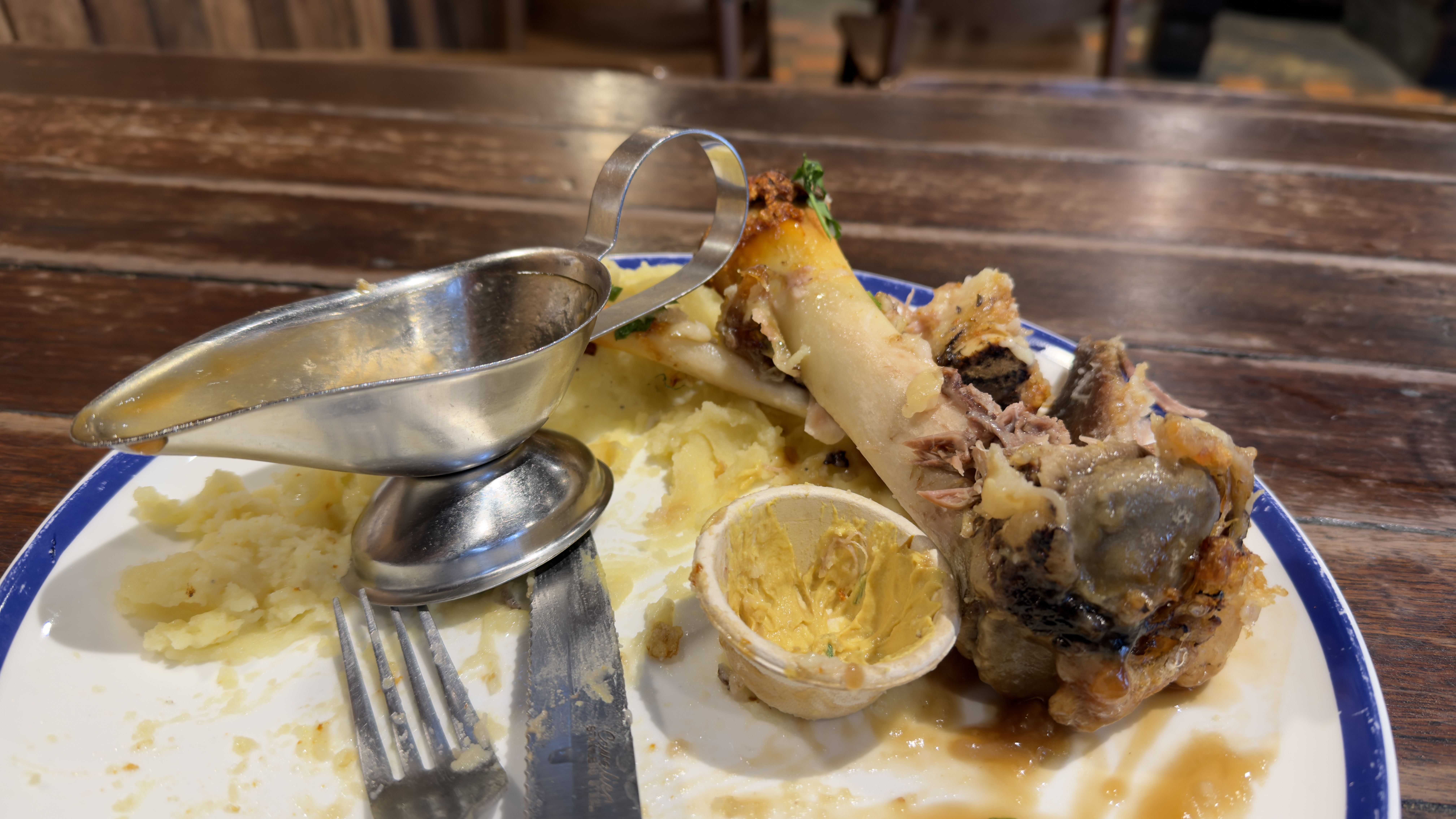
I have written before about pork hock and pork knuckle on Yummy Lummy. The Hahndorf Inn pork hock was a generous Bavarian-style meal with crunchy crackling, sauerkraut, mashed potato, mustard, and gravy. I also mentioned pork knuckle in a Queensland Day post, where the knuckle was cooked slowly, chilled, and then finished in an air fryer. See Crispy skin pork hock at the Hahndorf Inn and Queensland Day.
About fennel
Fennel bulb is crisp when raw, with a fresh anise aroma. Once cooked, it softens and becomes sweet, mild, and silky. In this dish, fennel works as both a vegetable and an aromatic. It does not dominate the pork; it lifts it.
Fennel also suits pressure cooking. The bulb breaks down enough to flavour the liquor, while some pieces remain recognisable if cut thickly. The result is a sauce-like vegetable base rather than a separate side dish.
Ingredients
1 smoked pork hock
1 fennel bulb trimmed and quartered.
1 brown onion, peeled and quartered.
Salt, used carefully because the pork hock is already smoked and cured.
Mixed mammal liquor, enough to cover the base of the pressure cooker.
Greek-style yoghurt, to serve.
Pickled pomegranate arils, to serve.
Polish sauerkraut, to serve.
Method
Place the quartered fennel and brown onion in the base of the pressure cooker.
Sit the smoked pork hock on top of the vegetables.
Add the mixed mammal liquor. Do not overfill the cooker.
Add only a little salt, if needed.
Seal the pressure cooker and cook on high pressure for 40 minutes.
Allow the cooker to vent naturally. This matters because a natural release helps the meat stay succulent and reduces the risk of drying the hock.
Open the cooker carefully, remove the pork hock, and let it rest briefly.
Pull the meat from the bone or serve the hock whole, depending on appetite and presentation.
Spoon over some of the fennel, onion, and cooking liquor.
Serving
Serve the pork and fennel with Greek-style yoghurt, pickled pomegranate arils, and Polish sauerkraut. The yoghurt cools the meat. The pomegranate arils add vivid tartness and colour. The sauerkraut brings crunch, acidity, and a pleasing fermented edge.
This is a meal for eating with a spoon and fork.
Cook’s notes
Smoked pork hock can be salty, so season cautiously.
Natural pressure release is worth the wait because the meat remains moist and relaxed.
If the liquor tastes too salty, dilute it with water or unsalted stock before serving.
Leftover pork can be folded through sauerkraut, added to soup, or eaten cold with yoghurt and pickles.
Final thoughts
Pork and fennel is a combination that makes sense. The hock gives smoke, salt, fat, and gelatin. The fennel provides sweetness and fragrance. The onion rounds everything out. The yoghurt, pomegranate, and sauerkraut make the plate lively rather than heavy.
References and notes
Yummy Lummy. 2026. “Crispy skin pork hock at the Hahndorf Inn.” Notes: describes a Bavarian-style pork hock meal with sauerkraut, mustard, mashed potato, gravy, tender meat, and crisp crackling.
Yummy Lummy. 2026. “Queensland Day.” Notes: includes pork knuckle served with sauerkraut and peas, finished in an air fryer after slow cooking and chilling.
Pressure cooking note. A high-pressure cook followed by natural release is commonly used for collagen-rich pork hock because it helps produce tender, gelatinous meat.
Microsoft Copilot was exploited to assist in creating this blog post.
TyreFix
I woke up this morning and started going for a drive. Discovered that there was low tyre pressure in one of my tyres. Fortunately, there was a servo nearby, so I was able to re-inflate the tyre. I went online to find a tyre repair service open on a Saturday morning. TyreFix came up as a 24-hour-a-day, seven-day-a-week service at very affordable prices. The best thing about TyreFix is that they come to you. It’s a mobile service. I called the mobile telephone number and provided my address and tyre details. The owner arrived at my place within 30 minutes. He repaired the tyre within 15 minutes. I was able to pay with a credit card on the spot. After the repair, there is a three-month warranty. This is a fantastic service. The person who answered the telephone was very friendly and very helpful. The person who came out, the company owner, was a delightful gentleman. He was very informative and very helpful. I highly recommend TyreFix.
Can a Humidifier Change the Way a Gas Stove Burns?
I started using a new humidifier this week. Within a day, I noticed the flames on my gas stove top were yellow rather than blue. I was worried about a supply problem, which could mean a carbon monoxide danger. I was prepared to contact a plumber but thought I would search for answers on the likely causes of yellow gas stove flames. I wanted to know about the temporal relationship between using a humidifier and the change in gas flame colour.
A portable humidifier seems like a simple household appliance: it adds moisture to dry indoor air. But when a humidifier is operated in a home—particularly in a closed room—it raises an interesting question: can increasing indoor humidity change the combustion of a gas stovetop burner?
Ultrasonic and cool-mist humidifiers are commonly used to increase indoor humidity. However, unlike evaporative humidifiers, they can do more than add moisture to the air: they can aerosolise minerals dissolved in the water.
This raises an interesting question for homes with gas cooking: can these mineral aerosols enter a gas-stove flame and alter combustion?
It’s more than just water vapour
An ultrasonic humidifier uses high-frequency vibrations to produce microscopic water droplets. As these droplets evaporate, dissolved minerals remain suspended as airborne particles. Depending on the water source, these can include calcium, magnesium, sodium, and potassium.
This phenomenon is responsible for the familiar “white dust” that can accumulate around ultrasonic humidifiers. Experimental studies have demonstrated that ultrasonic humidifiers can substantially increase airborne concentrations of minerals when operated with mineral-rich tap water.
Low-mineral or distilled water should be used in ultrasonic humidifiers when possible, and the reservoir should be cleaned regularly.
What happens when mineral aerosol reaches a gas flame?
A natural-gas cooktop burns predominantly methane:
CH₄ + 2O₂ → CO₂ + 2H₂O + heat
The flame operates at temperatures high enough to transform mineral particles entering the combustion zone.
Of particular interest are sodium and potassium, both alkali metals. Sodium and potassium originating from particles can enter methane flames and produce characteristic optical emissions. This is the same basic phenomenon responsible for the familiar yellow colour of a sodium flame.
Alkali-metal compounds can also interact with combustion chemistry. Potassium-containing compounds can influence methane and LPG flames, including inhibiting flame reactions at sufficiently high concentrations.
But does a household humidifier significantly change gas combustion?
While a visible yellow or orange gas flame should not automatically be attributed to a humidifier, burner contamination, blocked ports, incorrect gas pressure, inadequate primary-air mixing, or burner-cap misalignment are much more likely explanations and should be investigated.
However, when I stopped using the humidifier, opened all the doors and windows, and flushed my home with fresh air, the gas stove-top burners burned blue rather than yellow.
Humidity and mineral aerosol are different issues
It is important to distinguish two potential effects.
Water vapour can influence combustion at sufficiently high concentrations by diluting the combustion gases and altering flame temperature and reaction kinetics.
Mineral aerosol, however, introduces actual chemical elements and compounds into the combustion zone. Sodium, potassium, and other minerals can undergo high-temperature transformations and interact with flame chemistry.
Therefore, the potential association is not simply:
ultrasonic humidifier → aerosolised mineral-containing droplets → airborne mineral particles → possible transport into gas flame → potential interaction with combustion chemistry
The bottom line
There is a genuine scientific association between ultrasonic humidifiers, aerosolised minerals and gas-flame chemistry. Mineral-containing particles can be generated by ultrasonic humidifiers, and sodium- and potassium-containing material can interact with methane flames.
The prudent approach is therefore simple: control humidity, minimise mineral aerosolisation, maintain the humidifier properly, and ensure that gas cooking is adequately ventilated.
I wanted to try something different with fennel, so I chose a large piece of beef short rib meat.
Originally, I thought I would do this by slow cooking, but then I ran out of time. So instead, I have used the pressure cooker.
For most of these sorts of dishes, you could use a slow cooker, a pressure cooker, or do it on a stovetop.
I’ve provided a method for each.
If you want to know what mixed mammal meat cooking liquor is, it’s the result of many slow-cooked beef, lamb, or pork dishes. I always keep the cooking liquor because it makes a decent meat broth.
Ingredients
Beef and aromatics
1.2 kg boneless beef short rib meat cut into cubes ~8 cm³ (about 2 × 2 × 2 cm)
2 tablespoons of beef fat
1 fennel bulb (about 150 g), quartered
2 teaspoons of fennel seeds
2 cups (480 mL) mixed mammal meat cooking liquor
1 tablespoon apple cider vinegar
2 sprigs of rosemary
1 bay leaf
Salt and pepper to taste
To finish
2 tablespoons of cultured butter
Serve with Greek-style yoghurt, garnished with pickled pomegranate arils and fennel fronds.
Methods
Stovetop and oven
Preheat oven to 165 °C.
Pat beef cubes dry.
Heat the beef fat in a heavy pot. Brown the beef cubes in batches until well caramelised.
Add sliced fennel and fennel seeds; sauté until the fennel softens slightly.
Add the cooling liquor, rosemary, bay leaf, and vinegar if using.
Return beef to the pot and bring to a gentle simmer.
Cover and cook in the oven for 1.75–2 hours, until tender.
Remove beef. Reduce the sauce on the stovetop until glossy.
Whisk in butter.
Slow Cooker Method
Brown beef cubes and sauté fennel as above.
Transfer everything to the slow cooker.
Cook Low 5–6 hours or High 3–4 hours.
Remove beef. Reduce cooking liquid in a saucepan until thickened.
Finish with butter and serve.
Pressure Cooker Method
Brown the beef and fennel separately.
Add fennel, fennel seeds, broth, rosemary, bay leaf, and vinegar.
Seal and cook for 35–40 minutes at high pressure.
Natural release for 10 minutes.
Reduce the sauce and finish with butter.
With no onion, garlic, tomato paste, thyme, or wine, the carbohydrate load is relatively low. The only meaningful carbohydrate source is fennel, which is widely used in low-carbohydrate recipes due to its low net carbohydrate content. Mixed mammal cooking liquor, beef, rosemary, olive oil, and butter are all compatible with a low-carbohydrate meal.
Serve with Greek-style yoghurt, garnished with pickled pomegranate arils and fennel fronds.
This version sits comfortably at 2–3 g net carbs per serving, depending on the amount of fennel.
Nutrient Information (metric; per ingredient)
Boneless beef short rib (300 g cooked yield per serving)
Energy: ~1400–1600 kJ
Protein: ~40–45 g
Fat: ~35–45 g
Carbohydrate: 0 g
Fennel bulb (150 g total; ~37 g per serve)
Energy: 100 kJ
Carbohydrate: 7 g (net ~4 g)
Fibre: 3 g
Mixed mammal cooking liquor (480 ml; ~120 ml per serve)
Protein: 5–7 g
Fat: 1–2 g
Carbohydrate: 0–1 g
Beef fat (2 tbsp; ~7 g per serve)
Fat: 28 g
Butter (2 tbsp; ~7 g per serve)
Fat: 14 g
Estimated total per serving
Energy: ~2300–2700 kJ
Protein: ~45–50 g
Fat: ~55–65 g
Net carbs: 2–3 g
Fibre: ~2–3 g
Final Thoughts
This is a clean, savoury meal that suits low‑carbohydrate preferences. The fennel and rosemary carry the aromatics, and the beef provides richness without needing onion, garlic, tomato paste, thyme, or wine.
Serve with Greek-style yoghurt, garnished with pickled pomegranate arils and fennel fronds.
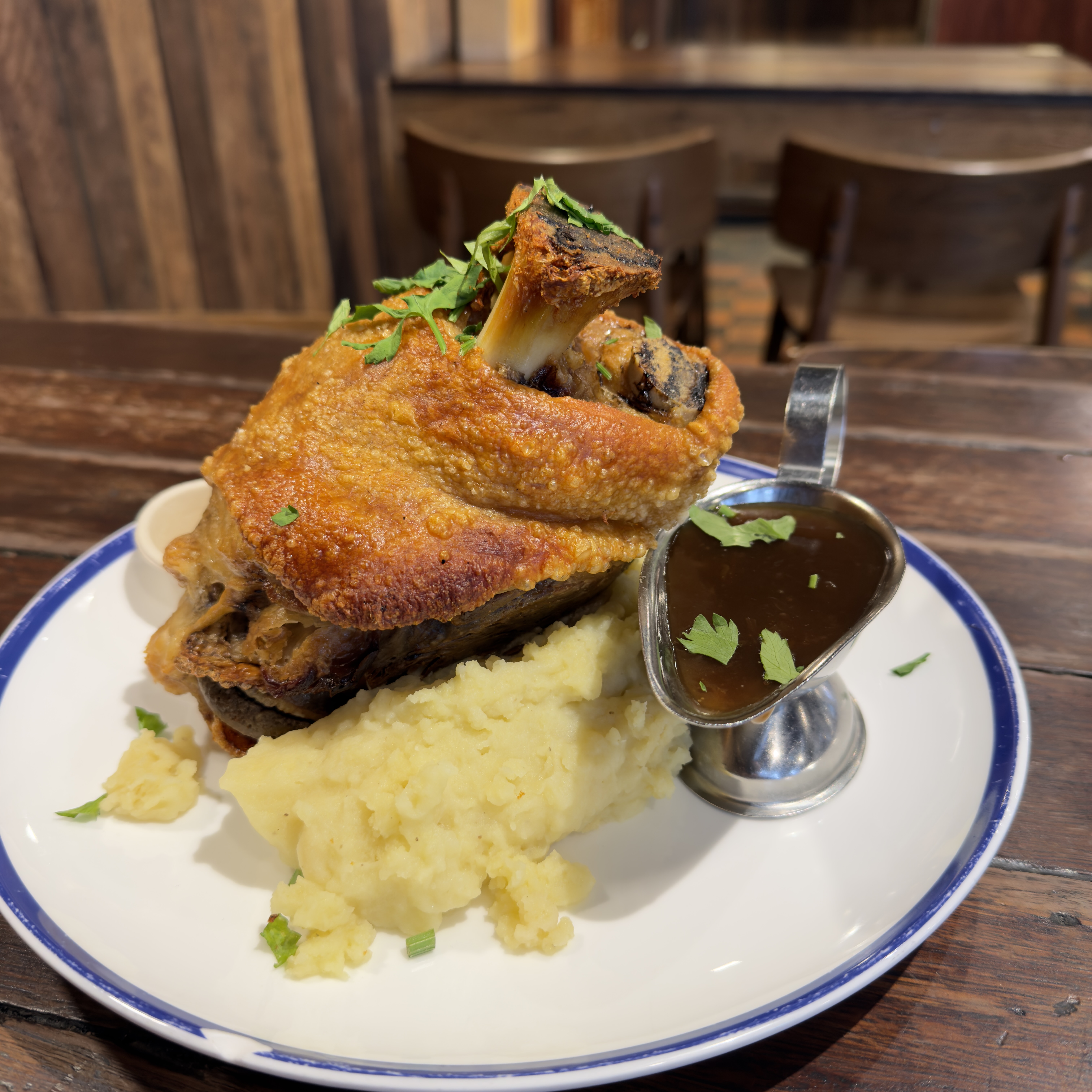
I visited the Hahndorf Inn in Hahndorf, which is a historic German settlement in the Adelaide Hills. It is the sort of place visitors seek out for a feed, a drink, and a small taste of South Australia’s German heritage. The building has an old-world beer-hall feel, and the menu leans into Bavarian-style comfort food. Naturally, I had my eye on the pork knuckle.
The Inn sits on Mount Barker Road, which runs through the middle of Hahndorf. With stone walls, timber beams, and rustic décor, it feels like a busy village pub with German influence rather than a quiet restaurant. Inside, the place hums with conversation, clinking glasses, and the sort of energy that makes a generous meal feel right. The menu is full of schnitzels, sausages, pretzels, roasts, and other hearty options.
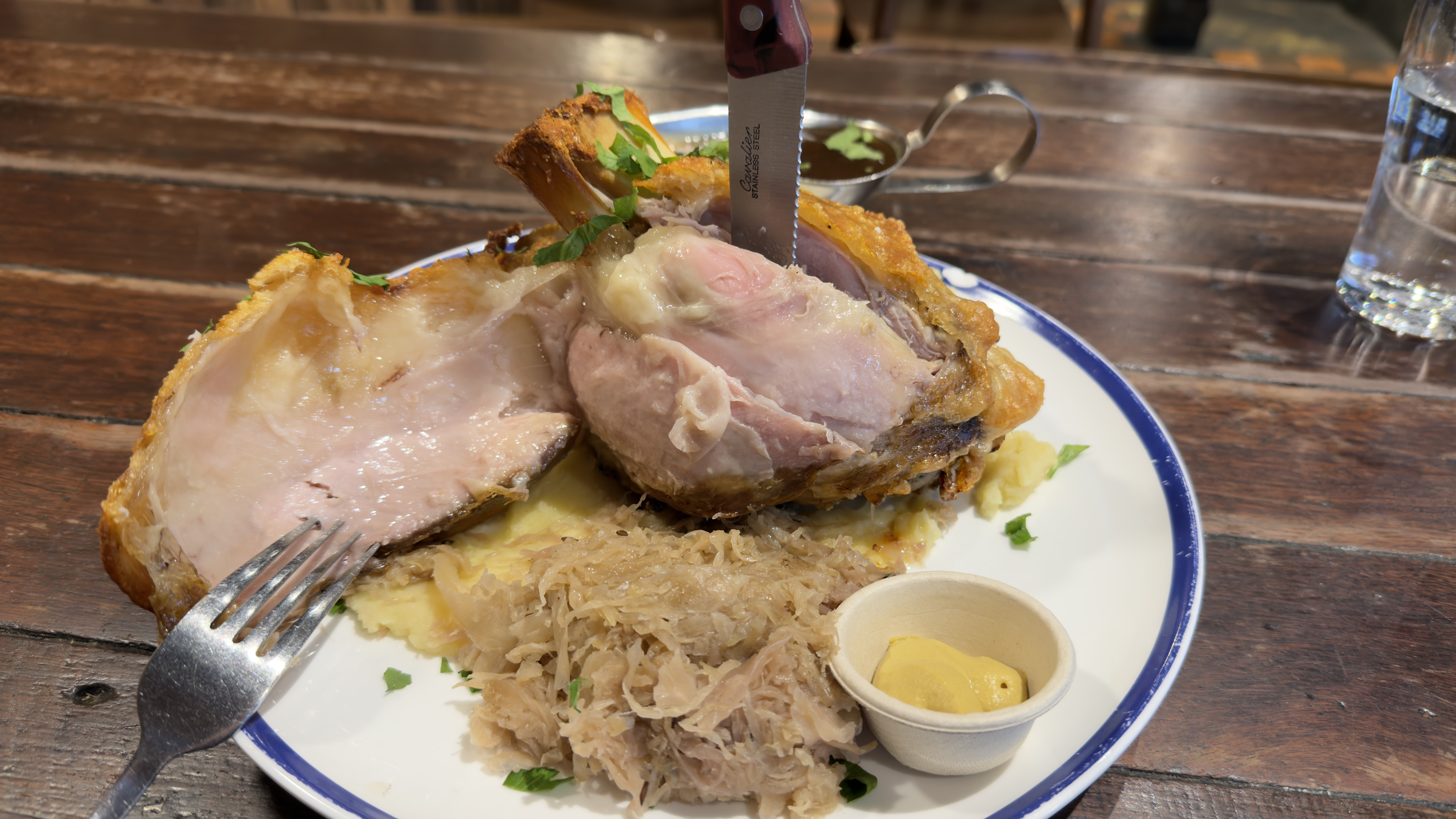
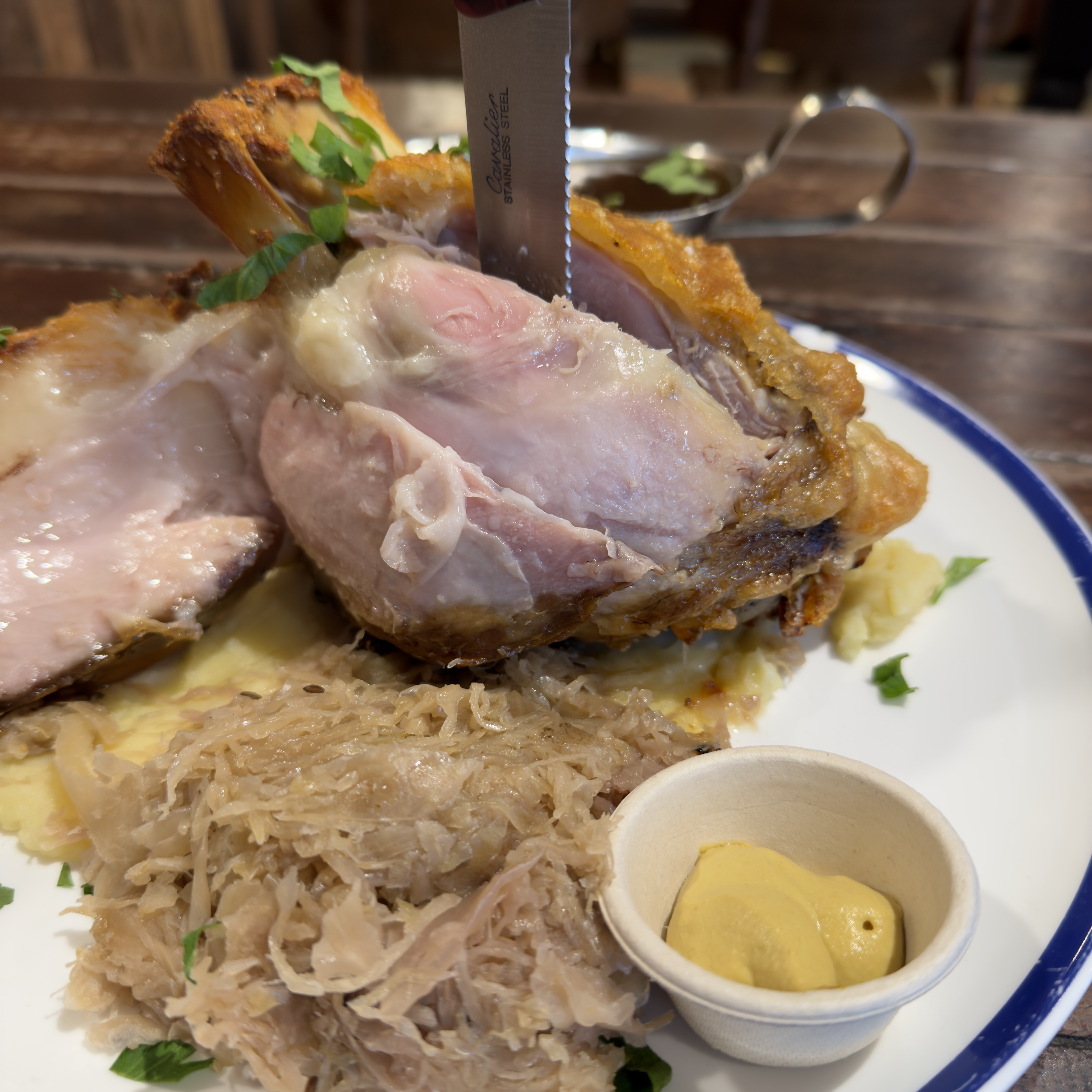
The pork knuckle is a serious feed. The meat is slow-roasted until tender, while the outside becomes crisp, golden crackling. I enjoy that contrast between the crunchy skin and the soft, moist meat underneath. It came with sauerkraut, mustard, mashed potatoes, and gravy. That is a lot of food on one plate, and I was not complaining.
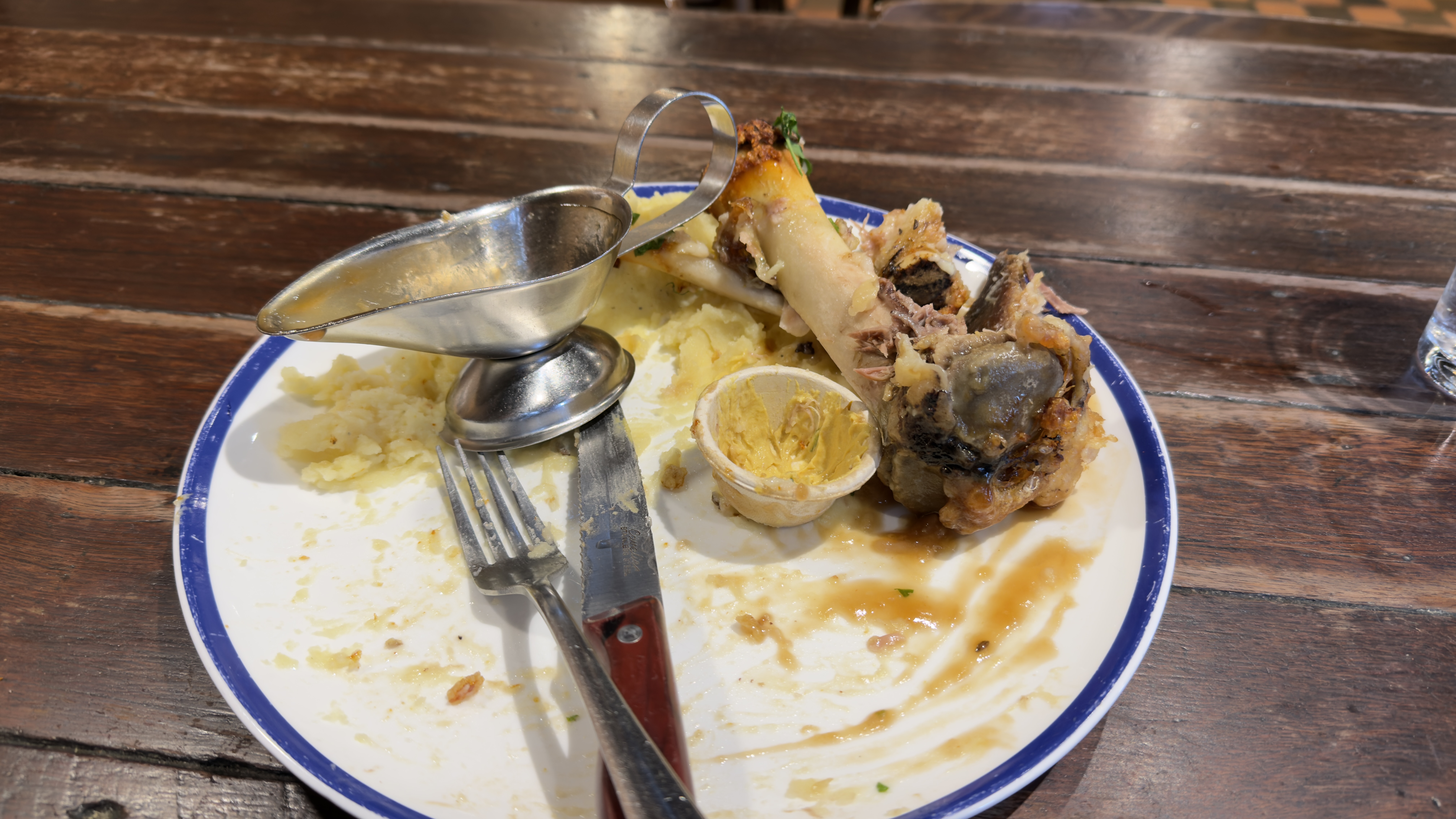
Reviews online often mention the size of the pork knuckle and the quality of the crackling. I can understand why. It is the kind of meal that suits a long lunch rather than a quick bite. If you are keen on pork, crackling, and a plate that looks like it means business, this dish makes sense.
The pork knuckle also fits the reputation of the Hahndorf Inn. It is generous, warm, and a little theatrical. The venue is popular with visitors, and the combination of food, atmosphere, and friendly service makes it easy to see why people keep going back.
For me, the pork knuckle sums up the place nicely: hearty, welcoming, and a bit of fun. It is not delicate dining. It is food for appetite, conversation, and possibly a quiet moment of respect for the crackling.
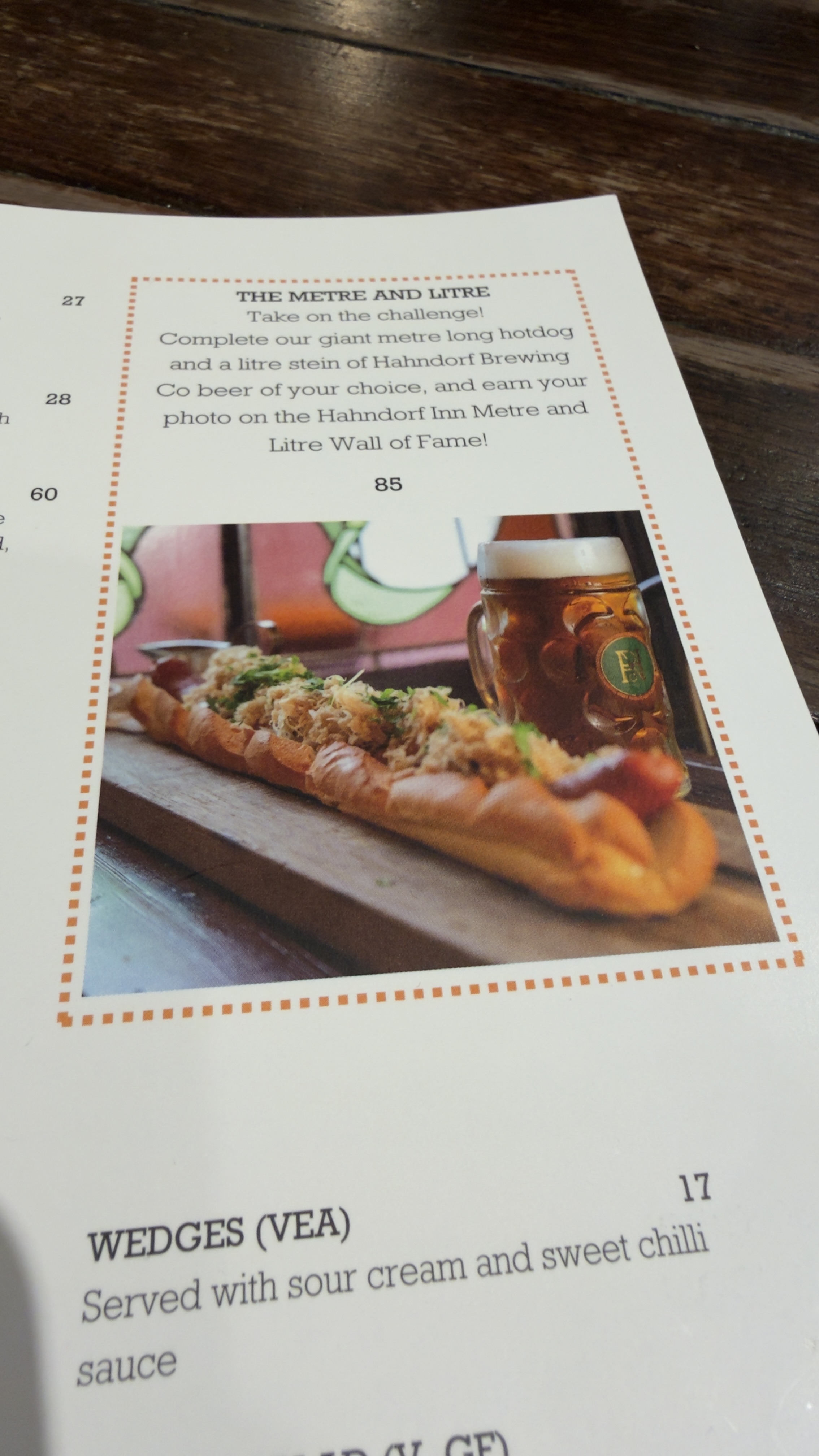
The menu also includes a metre-and-litre challenge. Sadly, I cannot drink alcohol; otherwise, I would be tempted to give it a crack. I do wonder if it can be a two-person challenge. I could eat the hot dog while a friend deals with the beer. That sounds fair to me.
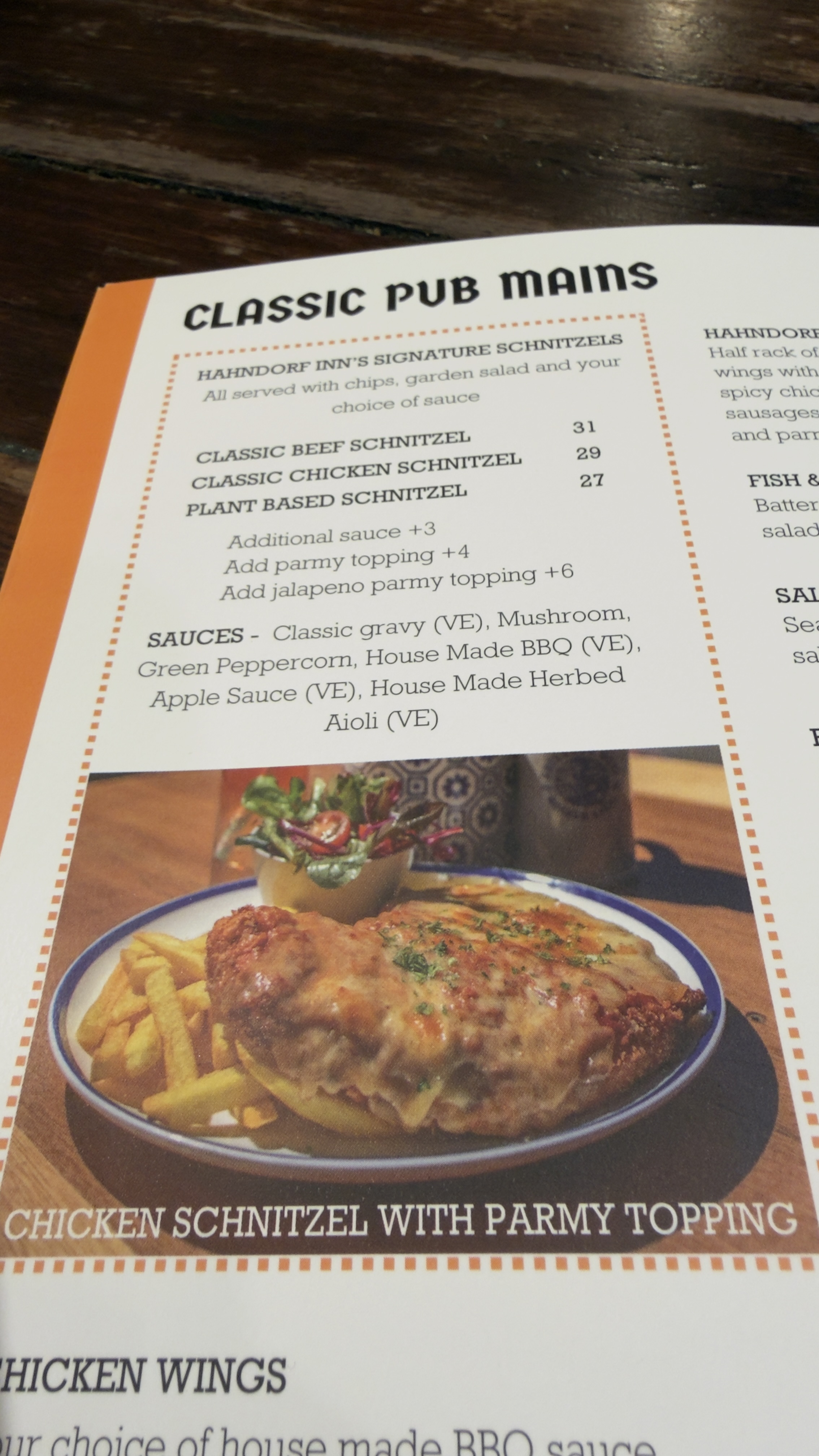
I also had a passing thought about α-gal syndrome. If I ever developed it, I might have to choose the plant-based schnitzel. I am not ready for that future, but it is good to know the menu has options.
For dessert, I couldn’t say no to this Apfelstrudel.