

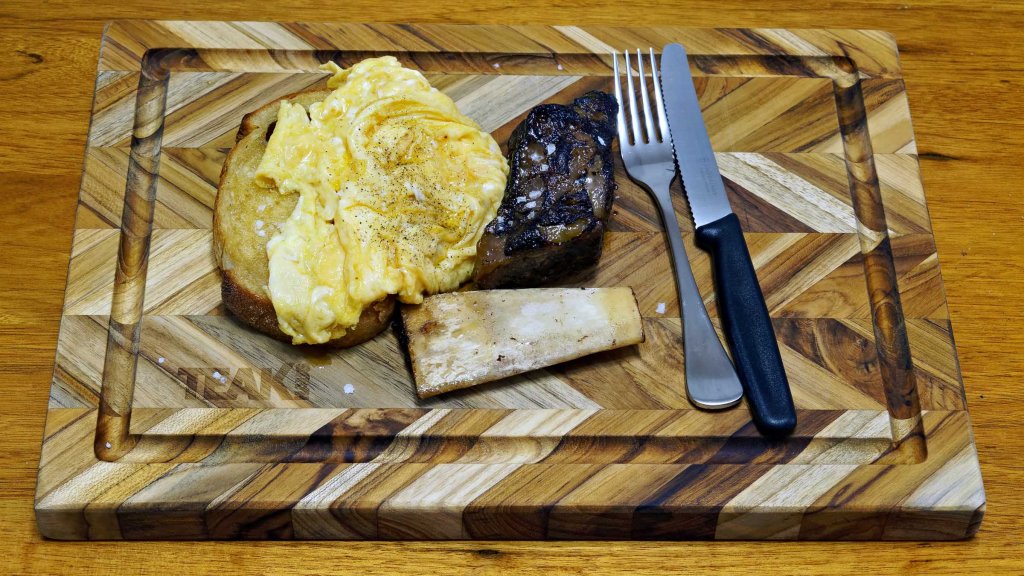
This week, I noticed that the local supermarket had finished its refurbishments. It took me a while to understand the new layout and find the grocery items.
I accidentally walked through the bakery area and immediately thought of a Facebook reel I had recently viewed about increasing the resistant starch content of fresh bread.
Discovered a loaf of white sourdough bread and examined the ingredients and nutritional information on the label. Made a conscious decision to compromise my low-carbohydrate diet and try this bread.
I’ve written an essay on resistant starch after the recipe and photographs.
Recipe
Ingredients
- Bread: Sourdough sliced 2 cm thick. Frozen overnight, it is then fried in beef fat on a barbecue grill.
- Beef fat: From previous beef-based meals cooked in the slow cooker.
- Beef broth: From previous beef-based meals cooked in the slow cooker.
- Salt
- Beef short rib.
- Eggs
- Butter
Equipment
- Barbecue grill and cast-iron griddle pan.
- Gas torch
- Slow/fast cooker
- Frypan
Instructions
Bread
- Slice the bread.
- Freeze the bread.
- Fry the bread in the leftover fat from all the steaks I’ve cooked this week in the cast-iron griddle pan on the barbecue grill.
Beef short rib.
- Dry brine the beef short rib.
- Sear the surface of the beef short rib on a barbecue grill with a gas torch.
- Add ½ cup of beef broth to the slow cooker.
- Add the beef short ribs to the slow cooker.
- Cook on high for 6 hours.
- Set the slow cooker to pressure cooker mode and cook for 15 minutes. This sterilises the contents. I do this to ensure the beef broth is safe for future meals.
- Remove each beef short rib and set it aside.
- Drain and filter the cooking liquor into a bowl. Refrigerate the bowl so the beef fat and gelatinised broth can be used later.
- Sear the surface of the beef short rib again in the cast-iron griddle pan on the barbecue grill.
Eggs
- Whisk two eggs and add ½ teaspoon of salt.
- Heat some butter in a frypan and add the eggs.
- Gently whisk the eggs in the frypan to scramble them.
Serving the meal
- Place the toasted bread on the serving board.
- Spoon the scrambled eggs on the fried bread.
- Place a beef short rib next to the egg-topped bread.
Thoughts on the meal
All the elements of this meal were delicious. The meat was beefy flavoured, and the fat coated my lips and mouth. The scrambled eggs on the fried bread transported me back decades to when I made this as a young man. Back then, I may have decorated it with parsley and other herbs.
We shall see if the bread causes my guts to rumble and causing a bloating farting mess.
Photographs
I didn’t shoot many photographs. I thought this would be enough.

Leftover beef short rib meat

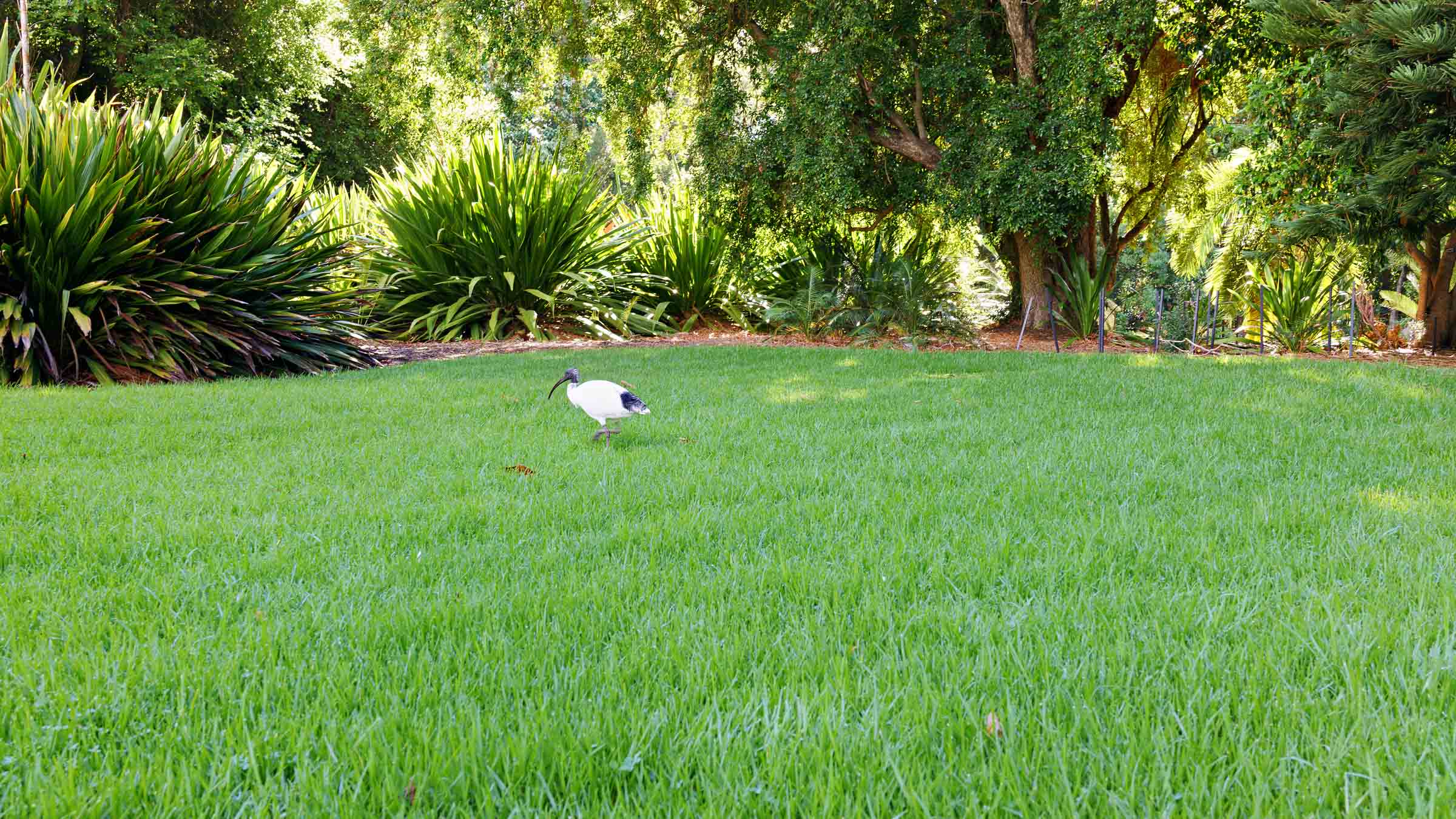
Botanical gardens
I went for a walk and had a look at the glass exhibition at the Botanical gardens.














Resistant starch
Resistant starch (RS) refers to the portion of dietary starch that resists digestion in the small intestine and instead passes into the large intestine. Rather than being broken down into glucose in the upper digestive tract, RS reaches the colon intact, fermented by gut bacteria into beneficial short-chain fatty acids. Interest in resistant starch has grown since it was first identified in the 1970s, with recognition that not all starches raise blood glucose levels equally. Some nutritionists consider resistant starch an important due to its potential health benefits, which include improved glycaemic control, enhanced gut health, and even implications for weight management.
What is Resistant Starch?
Resistant starch is any starch (or starch digestion product) that escapes digestion in the stomach and small intestine of healthy individuals. Unlike typical carbohydrates, which are broken down into sugars and absorbed in the upper gut, resistant starch remains largely intact until it reaches the large bowel. In the colon, this starch is fermented by the resident microbiota, a process that produces metabolites such as short-chain fatty acids (SCFAS) – notably butyrate, acetate, and propionate. It does not contribute significant calories or immediate blood glucose, but instead feeds gut bacteria and contributes to intestinal health.
Food starch can be classified into three categories based on digestion rate: rapidly digestible starch, slowly digestible starch, and resistant starch. This classification helps explain why starchy foods can have very different effects on blood sugar. Rapidly digestible starches (like those in baked or mashed potatoes) are quickly broken down into glucose, causing higher glycaemic responses. By contrast, resistant starch does not release glucose in the small intestine, and thus does not contribute to a sharp rise in blood sugar. Instead, resistant starch ferments in the colon, where it may create some gas, much like other fermentable carbohydrates. These characteristics form the basis for incorporating resistant starch into diets.
Types of Resistant Starch
There are five types of resistant starch (RS), classified by how and why they resist digestion:
- RS1 (Physically Inaccessible Starch): Starch that is locked away in intact plant cell walls or structures, making it physically inaccessible to digestive enzymes. Examples include whole or coarsely-ground grains, seeds, and legumes. In these foods, the starch is encased in fibrous coatings (e.g. bran or seed coats) that small intestinal enzymes cannot easily penetrate. For instance, some of the starch in whole or cracked wheat, beans, or al dente pasta remains undigested due to these physical barriers.
- RS2 (Resistant Granular Starch): Starch that has a naturally indigestible crystalline form when raw. This occurs in high-amylose starches such as raw potatoes, green (unripe) bananas, plantains, and high-amylose maise (corn) starch. The tightly packed granules and particular molecular conformation of amylose in these foods make the starch less accessible to amylase enzymes. However, RS2 is often rendered digestible by cooking.
- RS3 (Retrograded Starch): Starch that forms when certain starchy foods are cooked and then cooled, which causes some of the gelatinised starch to recrystallise into a resistant form. This retrogradation process happens as linear amylose chains realign and bond together after cooling, creating starch fractions that digestive enzymes can no longer break apart. RS3 is found in foods like cooked-and-cooled rice, pasta, potatoes, and corn tortillas. For example, cooking a potato or rice and then letting it cool (especially under refrigeration) will increase its RS3 content compared to when it was hot. Notably, these retrograded resistant starches remain even if the food is gently reheated.
- RS4 (Chemically Modified Starch): Starch that has been industrially or chemically modified to resist digestion. Examples include phosphate-cross-linked starches or other modified food starches used in some processed foods. These modifications (e.g. formation of large cross-bonded molecules or adding chemical groups) create steric hindrance, making it difficult for enzymes to bind and cleave the starch. RS4 does not occur naturally in foods; it is manufactured for use.
- RS5 (Starch–Lipid Complexes): This newer category refers to resistant starch formed by complexing starch with lipids (fats). Amylose (the linear starch component) can form a single helical structure wrapped around a fatty acid or other lipid molecule, which makes that portion of starch resistant to digestion. An example is starch cooked with certain oils: the fat can bind with amylose to create an RS5 complex. Foods naturally don’t contain much RS5 unless cooked with added fats, but experimental cooking methods, such as adding coconut oil when boiling rice and then cooling it, can significantly increase RS via starch–lipid complexes.
It’s important to note that a single food can contain multiple types of resistant starch depending on its botanical source and preparation. For instance, a whole grain bread might harbour RS1 (intact grain fragments), and if it’s made with some high-amylose corn flour it could have RS2, and if that bread is later toasted or cooled it may also develop some RS3. Processing effects are significant: generally, grinding, milling, or cooking starch in excess water will decrease resistant starch (making more of it digestible), whereas gentle processing or cooling tends to increase resistant starch content. For example, whole wheat kernels might contain up to ~14% resistant starch, but finely milled wheat flour from the same grain might have only ~2% resistant starch because milling breaks the protective structures.
Glycaemic Impact
Resistance starch has garnered attention because of its effect on blood glucose and insulin responses. By evading digestion in the small intestine, resistant starch essentially reduces the glycaemic load of starchy foods. When a portion of starch in a food is resistant, fewer carbohydrates are broken down into glucose and absorbed, leading to a lower post-meal blood sugar rise.
The concept of resistant starch is rooted in observations about the glycaemic index (GI). Foods high in quickly digested starch (like instant rice or mashed potatoes) tend to have a high GI, meaning they cause rapid blood sugar elevations. Foods with more resistant starch or intact structure typically have a lower GI.
Resistant starch may also help lower the glycaemic index of starchy carbohydrate meals when used in everyday cooking techniques. For example, freezing and then toasting bread – a process that increases the bread’s resistant starch – reduces the bread’s GI and the subsequent blood glucose rise. Toasting alone makes a difference (likely by drying the bread slightly, which can increase resistant starch formation), but freezing overnight and then toasting had the greatest impact. This illustrates on a small scale how creating resistant starch through food preparation can have tangible effects on blood sugar. Resistant starch not only blunts the immediate spike in glucose and insulin, but it can also have a second-meal effect, meaning the improved glycaemic response may persist to some degree into the next meal, due to ongoing fermentation in the colon and production of SCFAS that improve insulin sensitivity.
Increasing Resistant Starch in Everyday Foods
Although resistant starch occurs naturally in many foods, its content can be influenced by how foods are prepared, cooked, and stored. Traditional food preparation methods – like cooking and then cooling starchy foods – can increase RS levels, while processes like milling or high-heat cooking can decrease them. Below are some methods to modify common staples (bread, rice, pasta) to boost their resistant starch content:
- Bread (Freezing and Toasting): For bread, especially refined white bread, a significant portion of the starch is normally rapidly digestible. However, if you freeze the bread and then toast it before eating, you can raise its resistant starch. Cooling causes the starch gel formed during baking to retrograde (collapse) into a more crystalline form, and freezing accelerates this retrogradation. This technique essentially turns some of the bread’s starch into RS3 through retrogradation.
- Rice (Cooking, Cooling, and Adding Fats): The way rice is cooked can lead to differences in resistant starch content. Freshly steamed or boiled rice, especially sticky short-grain rice, is high in digestible starch. But if you cool the rice (e.g. by refrigeration overnight), some of the gelatinised starch retrogrades into RS3, making the rice less glycaemic. In fact, cold cooked rice (such as rice used for salads or sushi after cooling) has more resistant starch than the same rice eaten piping hot. An even more effective method is to introduce a small amount of lipid during cooking: e.g., adding about a teaspoon of coconut oil to the water while boiling rice, and then cooling the rice for 12 hours, increased its resistant starch significantly. The oil interacts with the starch to form amylose–lipid complexes (RS5), while cooling forms retrograded starch (RS3). Reheating the rice for consumption doesn’t undo the formation of resistant starch. For practical application, making a big batch of rice with a bit of added healthy fat (like coconut oil or butter), then refrigerating it and using the rice in subsequent meals (fried rice, salads, etc.), can boost RS content. Additionally, the type of rice matters: long-grain and higher-amylose varieties (such as basmati) tend to form more resistant starch when cooled, compared to sticky rice like arborio or sushi rice.
- Pasta (Al Dente Cooking and Cooling): Pasta naturally has a lower glycaemic impact than many other starchy foods in part because of its compact structure (which includes some RS1). To maximise this benefit, it’s best to cook pasta al dente (firm to the bite). Pasta that is cooked al dente has starch granules that are hydrated but not overcooked, so more of the starch remains in a form that digests slowly or not at all. Overcooked pasta (soft pasta) has more of its starch gelatinised and leaking out, which not only can raise the GI (moving it from ~40 when al dente to as high as ~60 if overboiled), but also can create a sticky matrix that speeds digestion. Thus, shorter cooking time = more resistant starch preserved. Furthermore, just like with rice and potatoes, allowing pasta to cool and then eating it cold or reheated can increase its RS3 content. One strategy is to cook pasta the night before, refrigerate it, and then reheat it for a meal – this can make a pasta dish lower in digestible carbohydrates than freshly cooked pasta. If making a pasta salad, cooling the pasta thoroughly before adding other ingredients means you’ll be consuming more resistant starch. In summary, cook pasta just until al dente and consider cooling it down; this way, a portion of its starch remains resistant to digestion, leading to a slower release of glucose.
Beyond these specific examples, general principles for increasing resistant starch in foods include: using whole minimally processed ingredients, avoiding over-cooking, and using the cook-and-cool method whenever appropriate. Starchy root vegetables (like potatoes, sweet potatoes, yams) similarly develop more RS when cooked and chilled – for instance, a boiled potato cooled overnight and eaten as potato salad. Repeated cycles of cooking and cooling can further modestly raise the RS in some foods. By modifying how we cook staples, we can alter their starch structure to make a larger fraction resistant to digestion, which in turn lowers their glycaemic impact.
Digestion and Fermentation of Resistant Starch in the Gut
Unlike regular starch, which gets enzymatically digested to glucose in the small intestine, resistant starch travels intact to the large intestine (colon). In the colon, it encounters the microbiota and undergoes fermentation. Thus, the primary site of resistant starch metabolism is the large bowel, particularly the proximal colon, where fermentable substrates first arrive. I wonder what role an intact appendix has.
When resistant starch reaches the colon, colonic bacteria ferment it into gases and short-chain fatty acids (SCFAS). The main SCFAS produced are acetate, propionate, and butyrate. Butyrate is the preferred fuel for the cells lining the colon and plays a role in maintaining colon health. Fermentation of resistant starch tends to yield a higher proportion of butyrate. This butyrate production nourishes the gut lining, helps strengthen the intestinal barrier, and has anti-inflammatory properties within the gut environment. The other SCFAS (acetate and propionate) are absorbed into the blood and can have systemic effects, such as improving hepatic (liver) metabolism and supporting glucose regulation and satiety via gut-brain signalling.
Because resistant starch fermentation produces these metabolites, the location of its digestion (in the colon rather than the small intestine) is key to its physiological impact. Not only does this colonic fermentation spare the body a glucose load, but it also means that resistant starch feeds the gut microbiota. Our intestinal microbes encounter a variety of carbohydrates that survive our digestion – resistant starch is a component of these and can be thought of as a “microbiota-accessible” carbohydrate. Humans lack the enzymes to break RS down in the small intestine, but many colonic bacteria do produce the necessary enzymes to use it. For example, certain beneficial bacteria, such as Bifidobacterium and Ruminococcus bromii, are adept at degrading resistant starch. These primary degraders break the starch into smaller molecules that other microbes can also consume (a cooperative fermentation process).
The fermentation of resistant starch is generally a gentle and gradual process. Typically, as bacteria ferment RS, they produce SCFAS and a small amount of carbon dioxide, hydrogen, and possibly methane.
Resistant Starch and Gut Microbiota
Resistant starch is a prebiotic that promotes the growth and activity of beneficial gut bacteria. As RS reaches the colon and ferments, it tends to increase populations of certain helpful bacteria.
Beyond bifidobacteria, resistant starch fermentation also encourages microbes that produce butyrate, such as Faecalibacterium prausnitzii and Roseburia/Eubacterium species. Butyrate-producing bacteria flourish with RS fermentation, which can shift the SCFA profile strongly towards butyrate. Butyrate nourishes colonocytes and helps reduce inflammation in the gut.
By favouring butyrate production, resistant starch helps maintain the integrity of the gut wall and butyrate strengthens the intestinal barrier.
Resistant starch’s impact isn’t limited to the colon; the metabolites and microbial shifts can resonate throughout the body. SCFAs like propionate and acetate enter the circulation and may improve metabolic health by influencing appetite hormones, reducing systemic inflammation, and modulating blood lipid levels.
Resistant Starch in a Lower-Carbohydrate Diet
Resistant starch is a form of carbohydrate that largely does not count as “net carbohydrates” because it isn’t digested into glucose. For individuals adopting a low-carb or modified ketogenic diet, some speculate that including resistant starch may not significantly impact blood sugar or ketosis.
In the context of a low-carbohydrate eating pattern, resistant starch can be seen as a “safe” carbohydrate.
In conclusion, resistant starch is a tool in lower-carbohydrate and glycaemic-conscious diets. By integrating resistant starch, one can maintain gut microbiota while adhering to a low-carbohydrate, diabetic-friendly eating plan.


Comments will be moderated.