


You can jump directly to the recipe.
Description
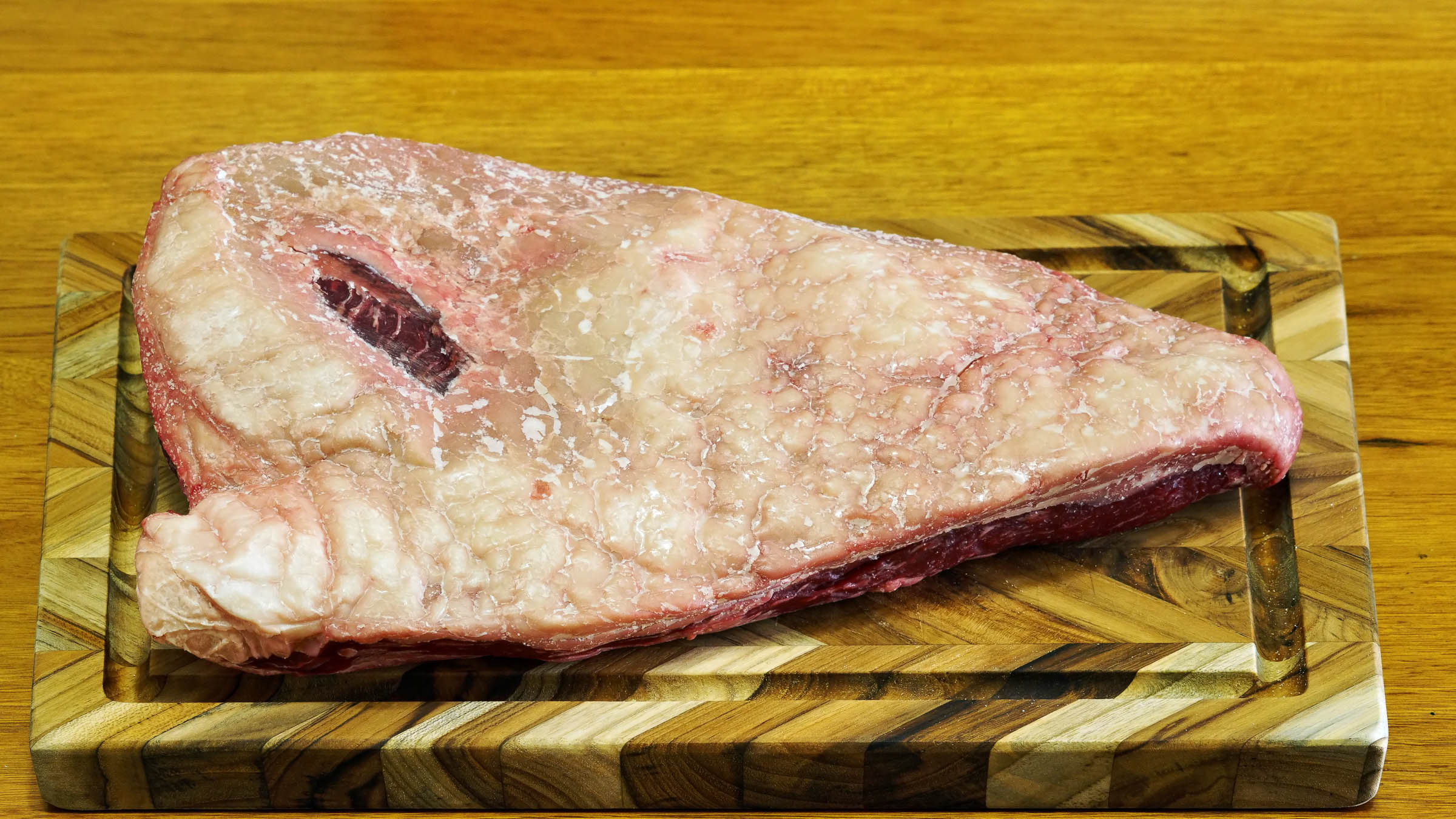
The rump cap is a distinctive cut of beef taken from the top of the hindquarter of cattle (Species: Bos taurus). It consists of the final section of the biceps femoris muscle (one of the main rump muscles) along with a thick covering of firm fat. In Australian butchery, the rump cap is part of the boneless rump primal (which contains several muscles) that sits between the sirloin and the topside on the carcass. This cut is roughly triangular in shape and relatively small, usually about 1 to 1.5 kg, because butchers only use the underused, tender portion of the muscle for the rump cap. The muscle itself is not heavily worked during the animal’s life, which is why rump cap meat is known for being tender and finely textured.
This cut is commonly called rump cap in Australia, but it goes by many names internationally. In Brazil and much of South America, it is picanha. North American butchers know it as the top sirloin cap or coulotte (culotte) steak. In the UK and other regions, it may be referred to as a rump cover or sirloin cap. Spanish-speaking countries have their own terms as well, for example, it’s called “colita de cuadril” or “punta trasera” in Latin America. Despite the varied nomenclature, all these names describe the same cut: the cap of the rump with its signature fat layer intact. The rump cap is one of the four to five sub-primal muscles that make up the whole rump, and it is usually separated out by skilled butchers upon request. Anatomically, it is essentially the cap of the top sirloin area, with the M. biceps femoris being the primary muscle component. The attached fat cap (usually about 1–2 cm thick) is a defining feature – this fat layer insulates the meat during cooking and contributes greatly to its flavour and juiciness.
Cooking and eating characteristics.
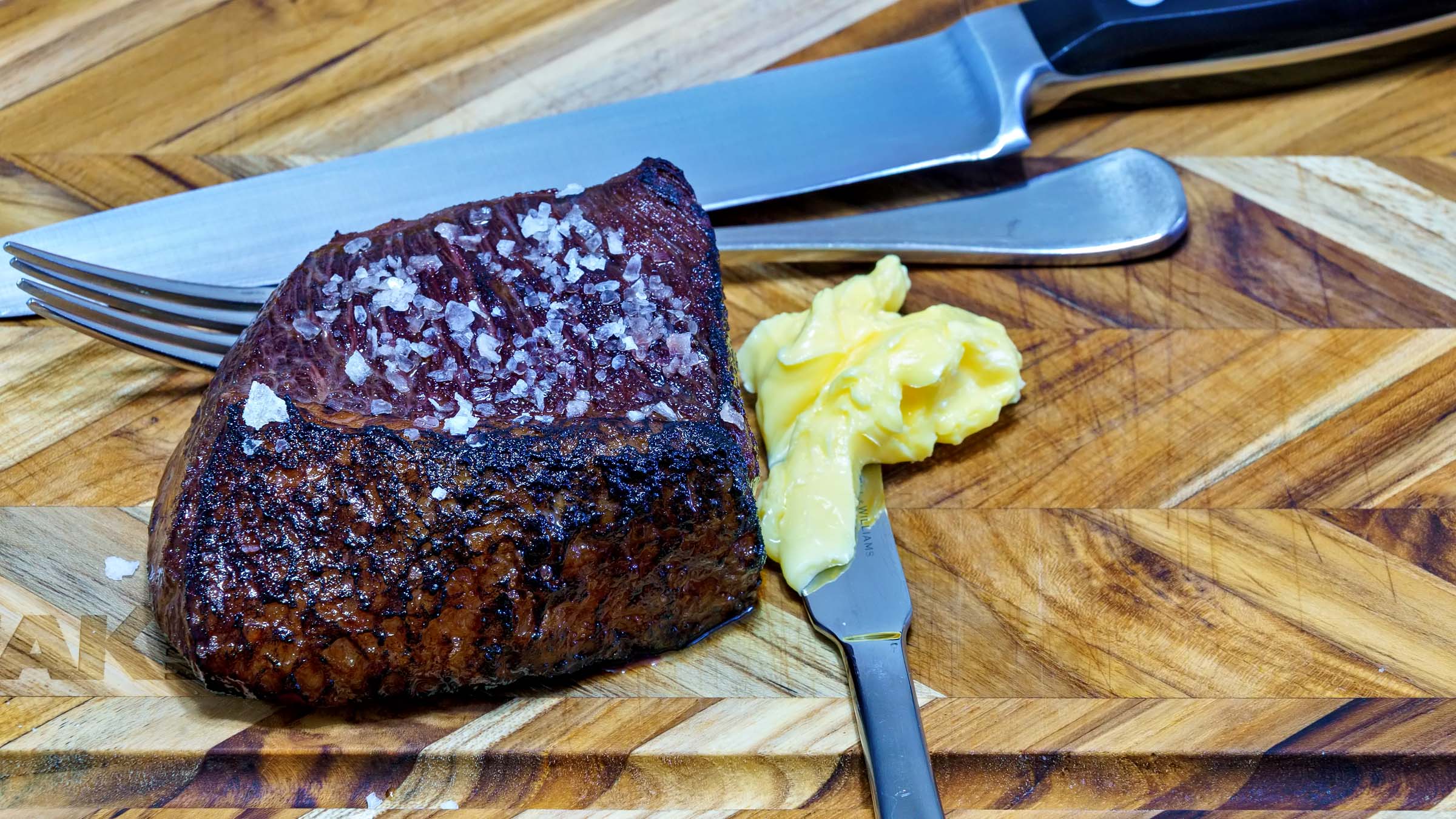
The rump cap is known for its beefy flavour and juicy tenderness. Because it comes from a little-exercised muscle, the meat has a fine grain and tender bite when cooked properly. A thick, creamy fat cap covers one side of the cut, which bastes the meat as it cooks and infuses it with rich flavour. Much of the rump cap’s appeal comes from this fat layer, which, when rendered and lightly crisped, adds succulence. The lean meat beneath has a flavour reminiscent of a top sirloin steak – beefy and satisfying – but it carries less internal marbling, so careful cooking is necessary to avoid toughness. Texturally, diners get the best of both worlds: a tender, lean interior and a delightful outer edge of golden, flavourful fat. Those who prefer a leaner experience can trim off the fat after cooking; by then, the meat will have absorbed its moisture and flavour benefits. Regular readers know I’d never trim away the fat.
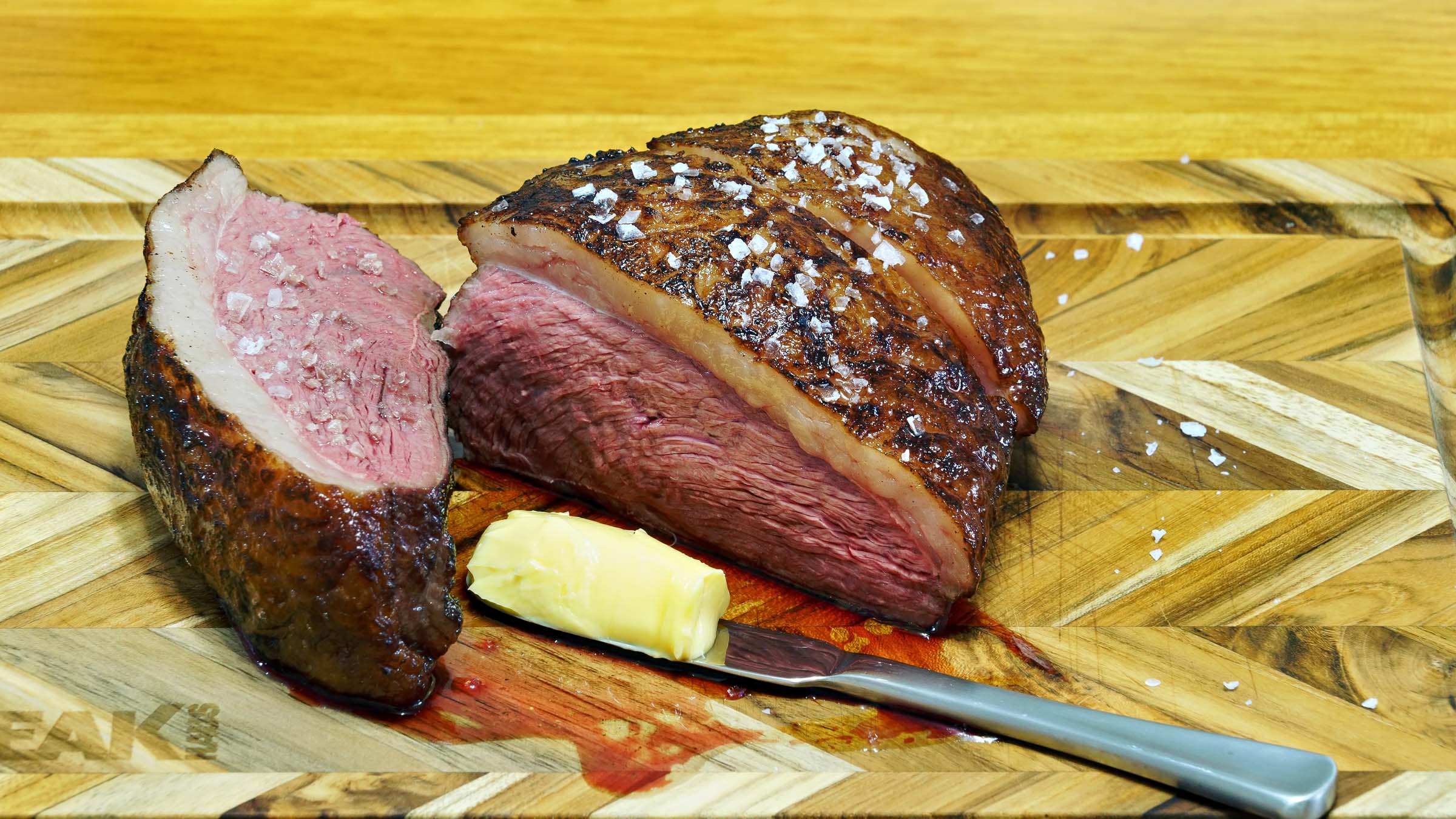
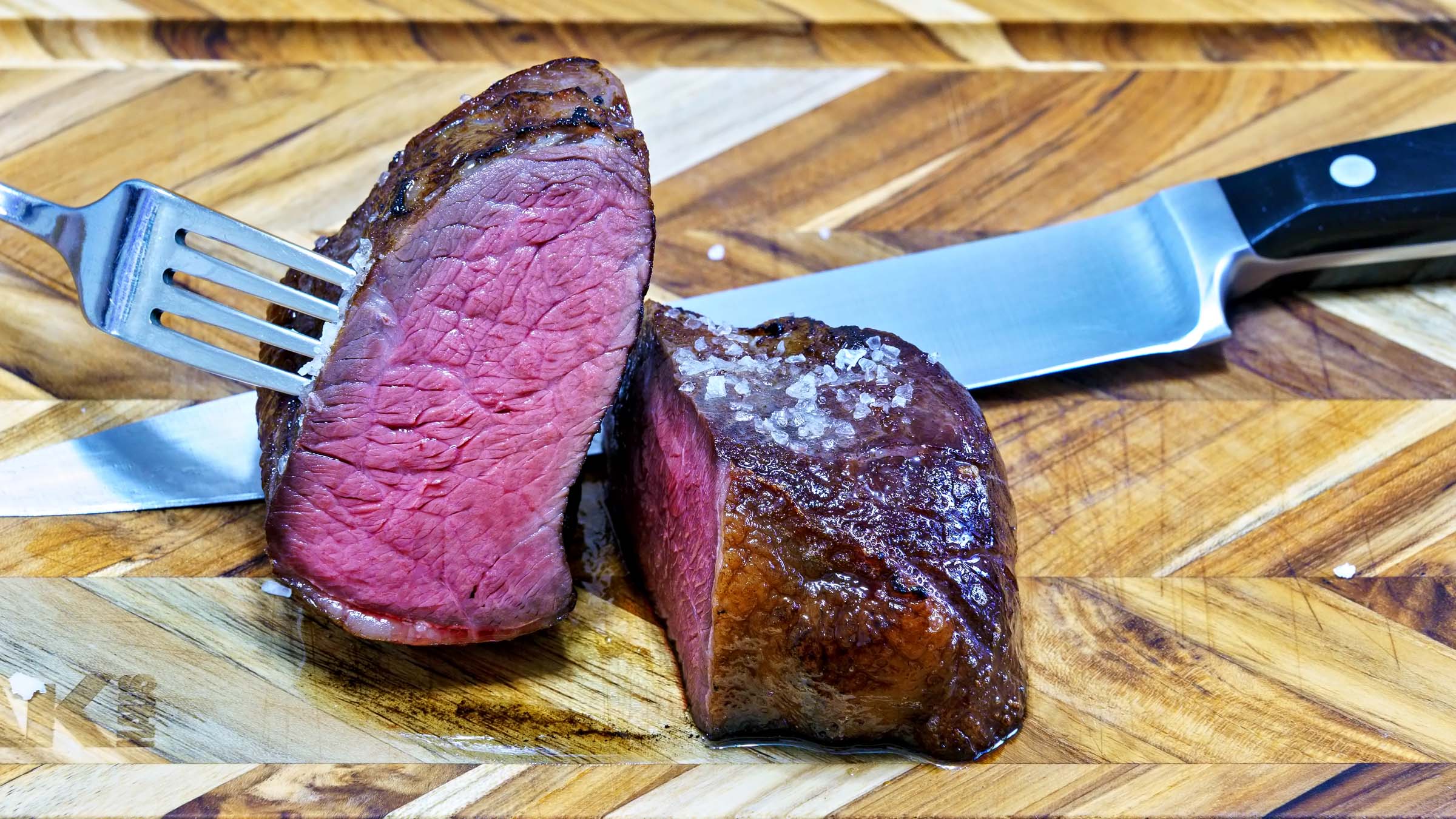
Preferred cooking techniques for rump cap focus on high-heat roasting or grilling, often followed by slicing. In Australian households, one popular method is to cook the rump cap whole on a hot barbecue grill or rotisserie spit. The meat is typically seasoned simply with coarse salt (and maybe pepper), allowing its natural flavour to shine. The fat-cap side is placed towards the heat source first to start rendering the fat. For example, when grilling individual rump cap steaks, cooks often begin by searing the fat side down over a high flame to crisp it and melt some fat, then sear the lean sides. After a good brown crust forms, the steak is finished over moderate heat until reaching the desired doneness. Medium-rare is the most common target doneness for rump cap – typically about 54–57 °C internal temperature – as cooking beyond medium can dry out the lean muscle and make it less tender. Overcooking is avoided because this cut can become firm if the centre is robbed of moisture.

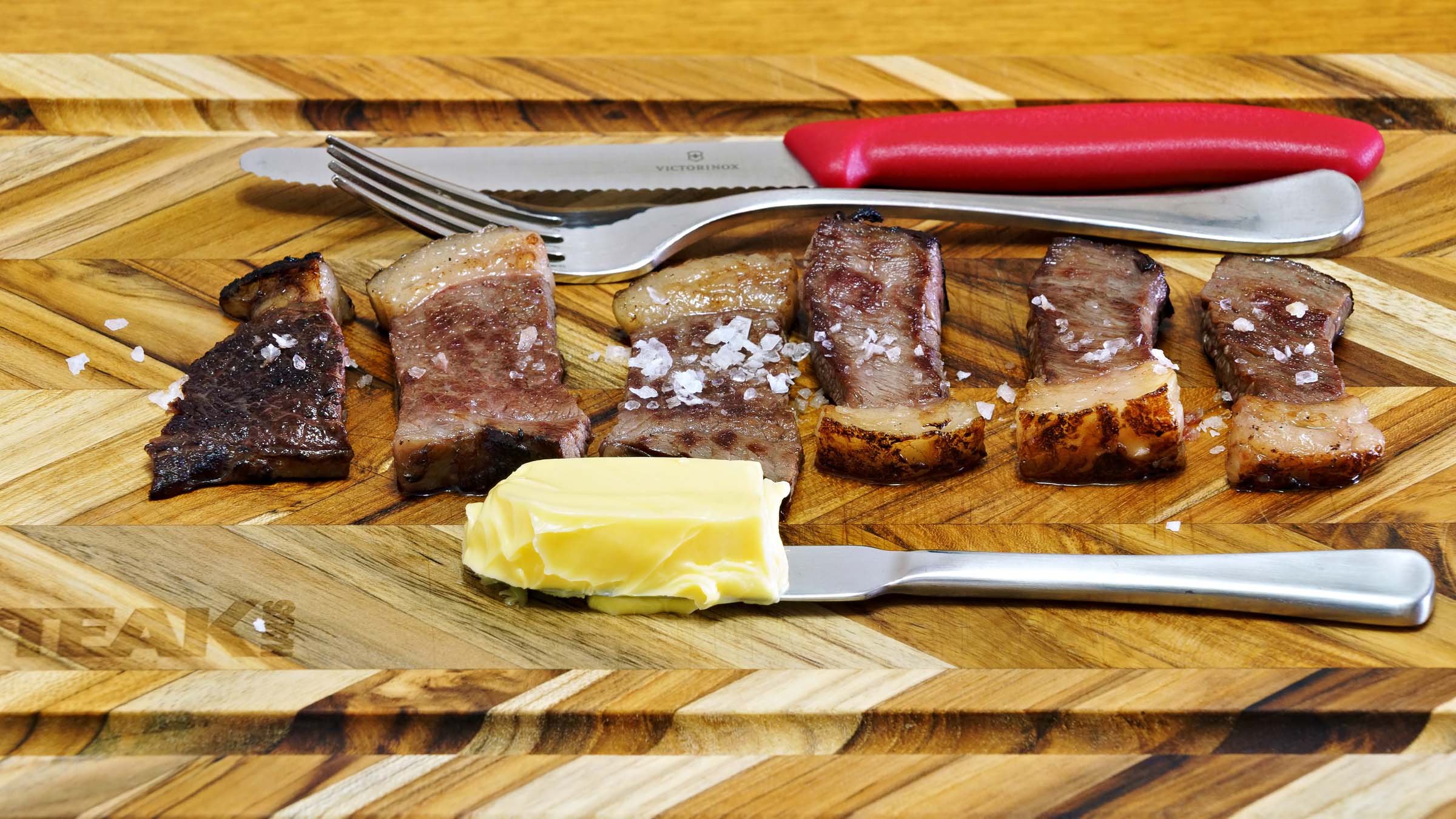
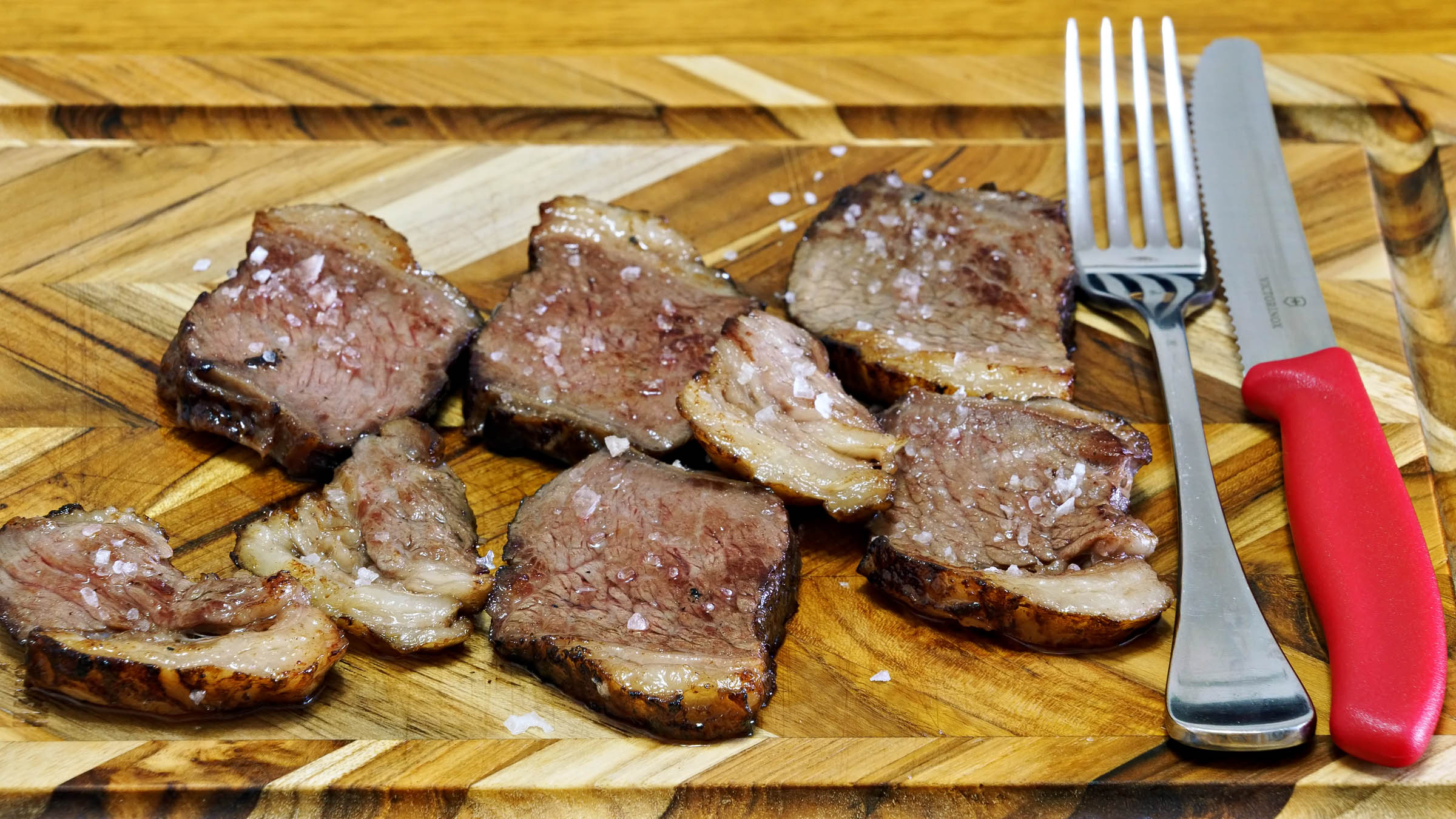
In terms of serving, rump cap is quite versatile. It can be roasted whole in an oven or covered barbecue and then sliced thinly, making for a quick roast dinner that’s “meltingly tender” inside. Alternatively, it can be sliced into steaks prior to cooking for individual portions – when doing so, butchers note a slicing technique: cut the raw rump cap with the grain into steaks, then, after cooking, each steak is sliced against the grain on the plate. This method, contrary to how many steaks are cut, results in maximum tenderness in each bite. Thanks to its rich flavour, rump cap is delicious with minimal adornment. It’s often served simply with a sprinkle of sea salt. The combination of juicy, pink-centred beef and crispy seasoned fat has made rump cap a star.
Nutrition information
Like other lean red meats, rump cap is nutrient-dense, providing protein, fats, vitamins and minerals. For 100 grams of rump cap:
- Protein: 21–23 g. Beef rump cap is a source of protein, containing the essential amino acids needed for human nutrition. It is high in branched-chain amino acids (BCAAs) like leucine (2.6 g per 100 g), isoleucine (1.4 g) and valine (1.5 g). A typical serving (150 g) provides around 34 g of protein.
- Fat: The fat content varies depending on how much of the external fat cap is trimmed. Lean trimmed rump cap (with visible fat removed) is low in fat – about 2.7–5 g of fat per 100 g. Trimmed lean beef has a similar fat level to skinless chicken breast. Moreover, about half to two-thirds of the fat in grass-fed beef is unsaturated fat, including some omega-3 fatty acids. If the fat cap is consumed, the total fat per 100 g will be higher (it can rise to ~10–15 g or more, depending on how much fat is left on). Notably, beef fat from grass-fed cattle tends to contain compounds like conjugated linoleic acid (CLA) in small quantities.
- Carbohydrates: 0 g. Like all unprocessed meats, rump cap contains no carbohydrates or sugars. Any glycogen or glucose present in fresh meat is negligible, so it is essentially carbohydrate-free. This also means it has no dietary fibre.
- Energy: Lean rump cap is relatively low in calories for its protein content. 100 g of lean grass-fed beef provides roughly 500–600 kJ (120–140 Cal). A portion that includes the fat cap will have higher energy (fat being calorie-dense), roughly on the order of 800–900 kJ (190–210 Cal) per 100 g for a well-marbled piece. Thus, a typical 150 g steak (lean) might be around 180–210 Cal, while the same with fat could be around 300 Cal.
- Iron: ~2.0–3.0 mg per 100 g. Rump cap is a source of iron, predominantly in the haem iron form. A 150 g serving provides roughly 3 mg of iron.
- Zinc: ~4–6 mg per 100 g. A 150 g portion has about 6.7 mg zinc.
- Vitamin B12: A serving of rump cap (150 g) has around 1–2 µg of B₁₂. B₁₂ is only found in animal-derived foods.
- Other B-Vitamins: Rump cap contributes other B complex vitamins, including niacin (B₃) and vitamin B₆. It also contains riboflavin (B₂) and pantothenic acid (B₅).
- Selenium and Zinc: Australian grass-fed beef is a source of selenium and zinc. 100 g of beef can provide ~20–30 µg of selenium and a fraction of zinc.
- Phosphorus and Magnesium: Beef rump cap supplies phosphorus and some magnesium. A typical 100 g might contain ~180 mg phosphorus and around ~20 mg magnesium.
- Omega-3 Fatty Acids: Australian grass-fed beef contains small amounts of long-chain omega-3 fats. Lean beef usually has about 30–50 mg of omega-3 per 100 g.
Australian beef is predominantly grass-fed and free-range, which means it’s usually free of additives and hormones by law and is naturally lean. Lean beef, like rump cap (with visible fat trimmed), is also low in sodium and contains only about 1% saturated fat by weight. Beef rump cap is a nutrient-dense food.
Recipe
Ingredients
- Rump cap
- Salt
Equipment
- Water bath
- Precision cooker
- Barbecue grill
- Gas torch
Instructions
- Dry brine the rump cap (whole).
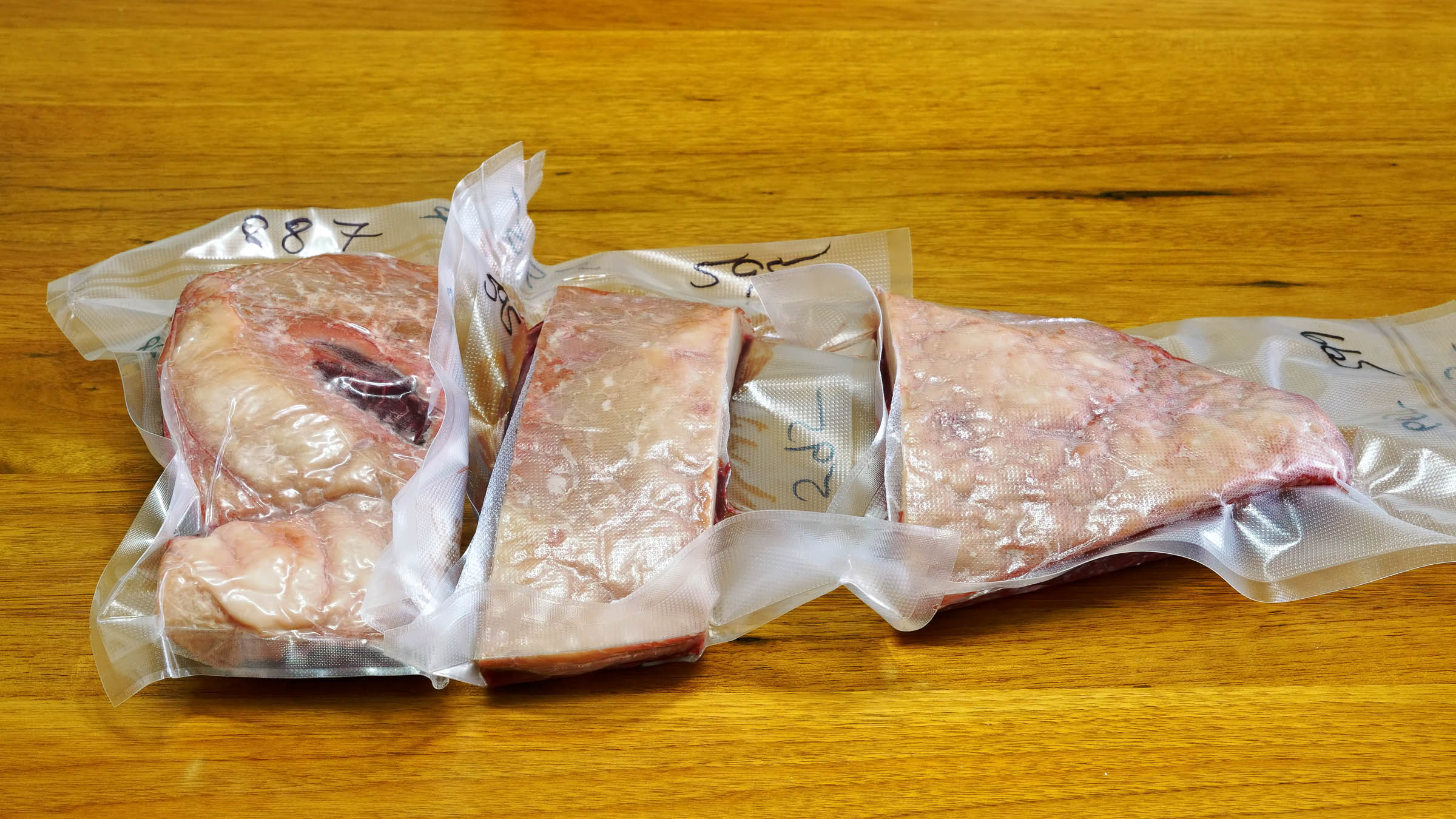
- Slice the meat into meal-sized chunks.
- Vacuum seal the meat and refrigerate or freeze the portions.
- Leave one portion for today’s meal.
- Cook the meat for a few hours at 57 °C.
- Remove the meat from the bag.
- Dry the meat with kitchen paper.
- Place the meat onto a hot barbecue grill.
- Sear the meat with a gas torch.
- Slice the meat.
- Salt the meat.
- Eat the meat.
Photographs
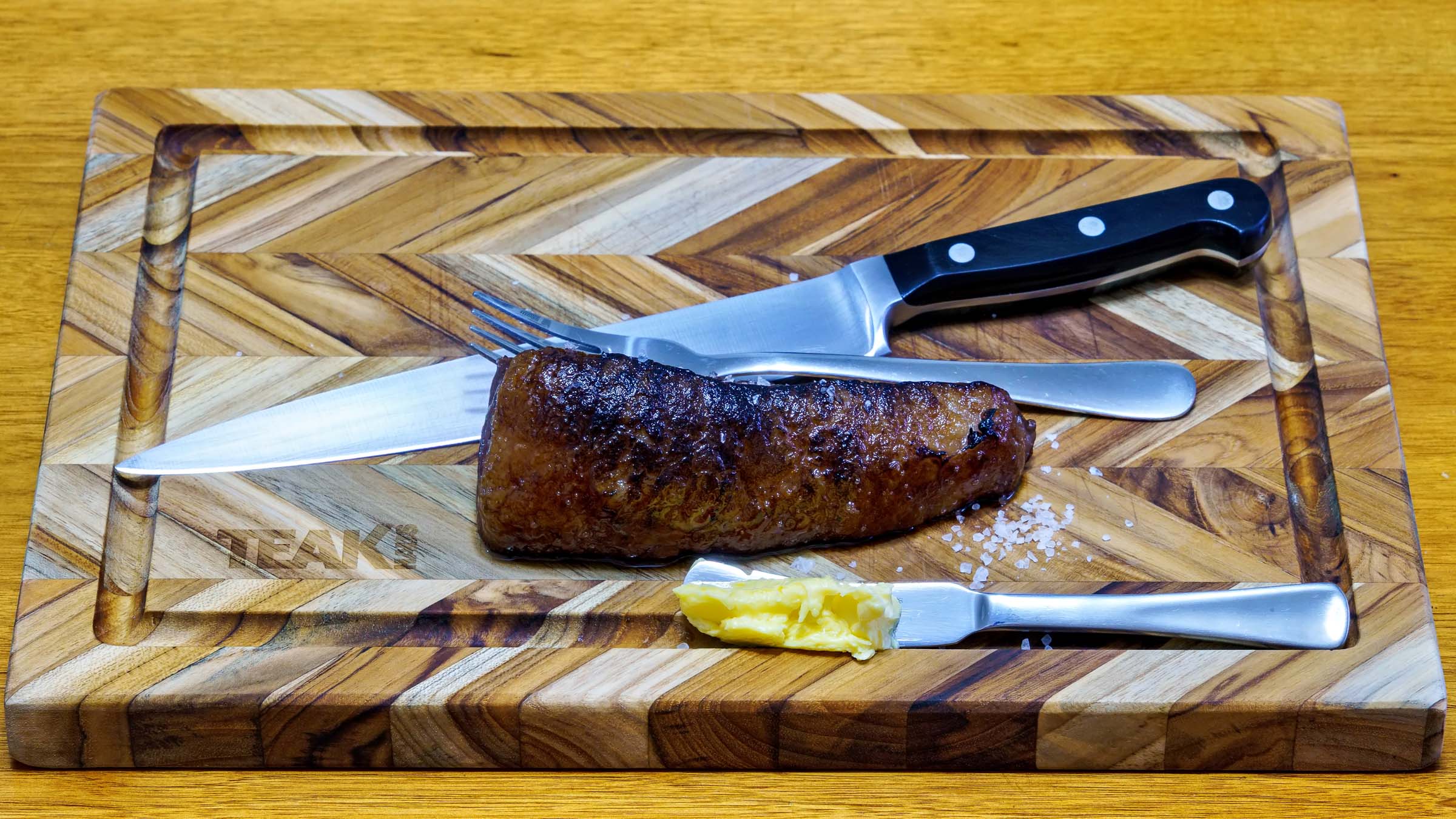
This is a gallery of images. Click (or touch) on one and then scroll through the gallery.





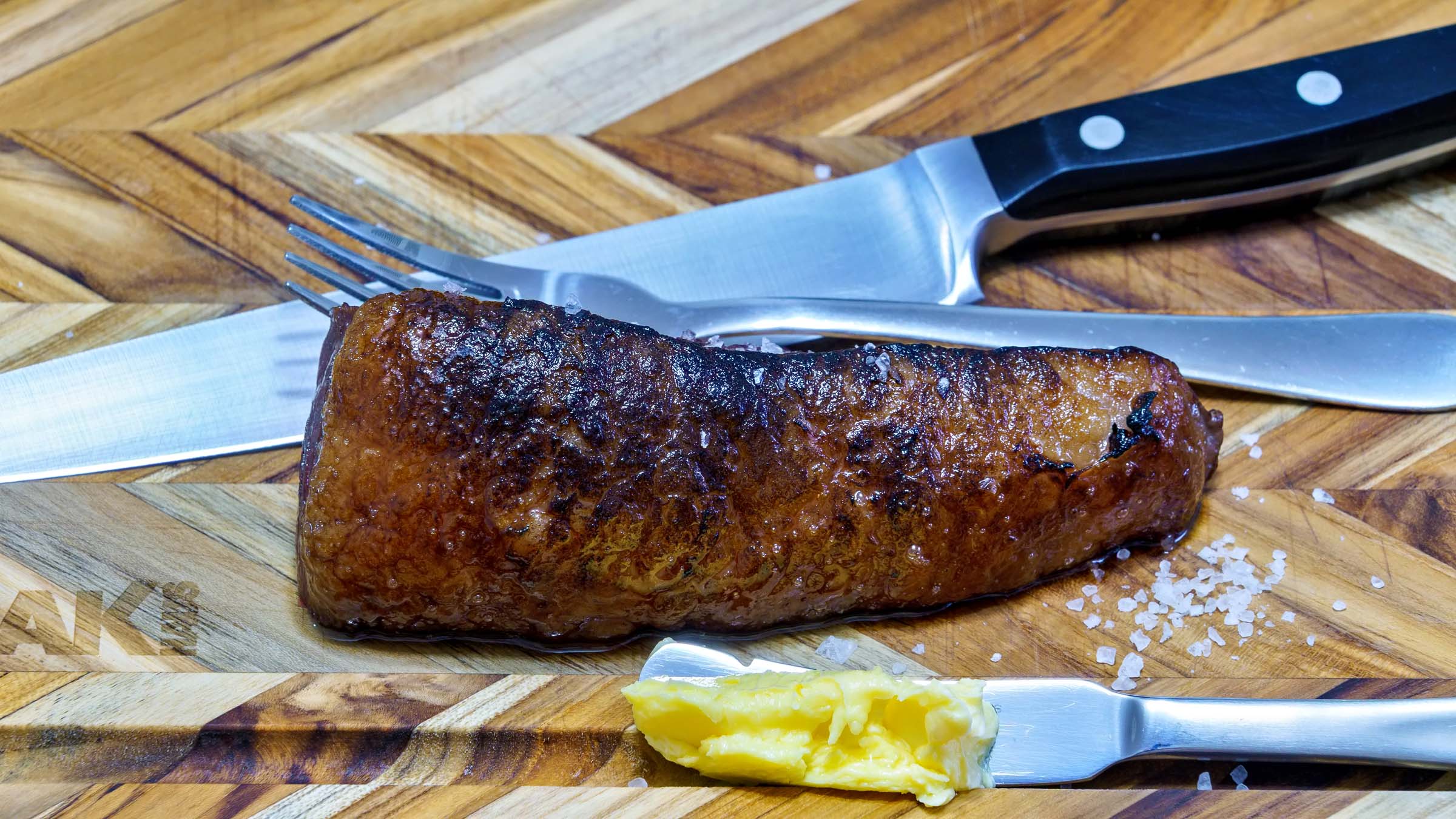
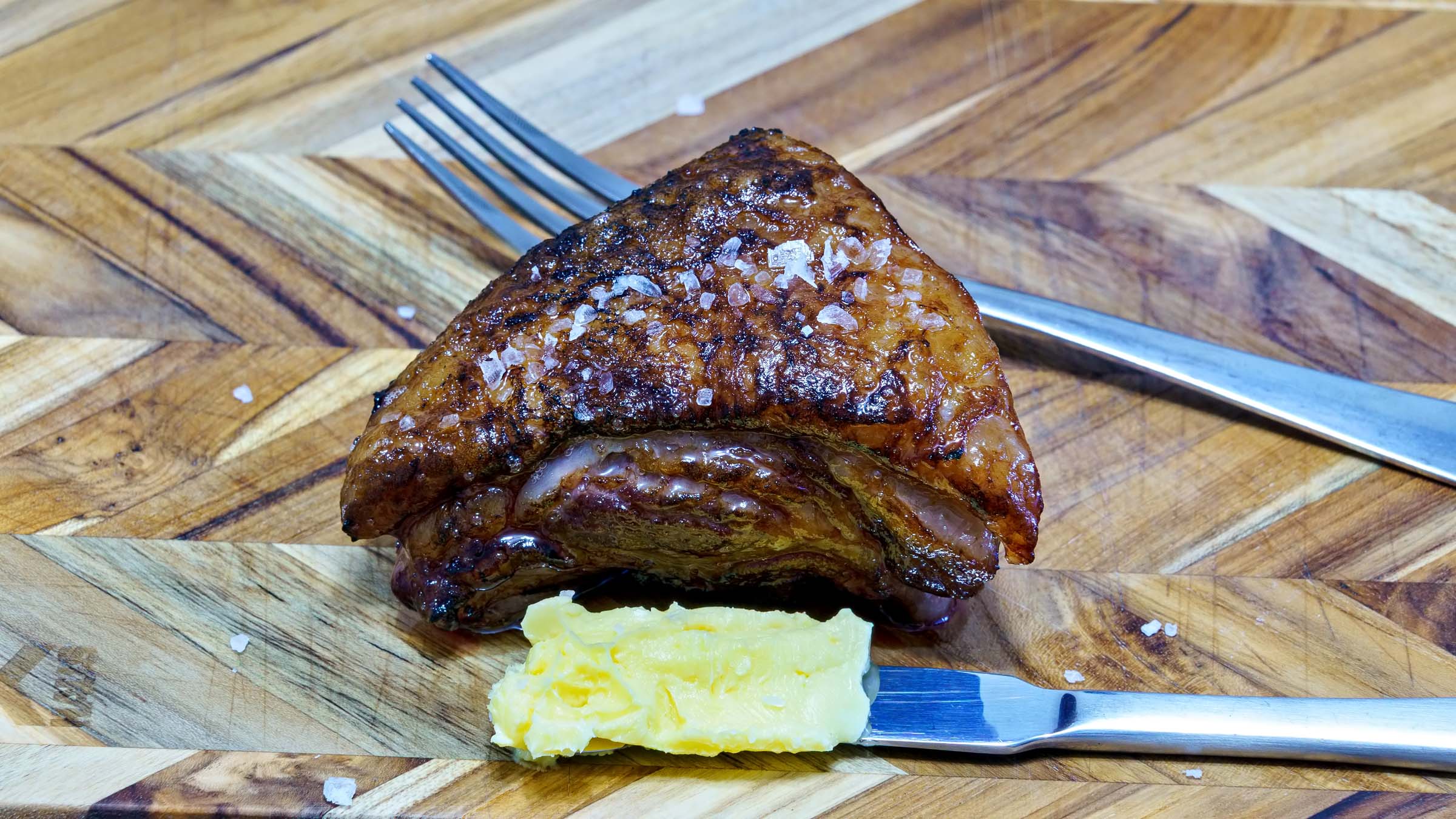

Thoughts on rump cap
I am a fan of rump cap. It’s mostly because of the fat that bathes the meat as it cooks. The meat is tender and has a great beef flavour.
I prefer scotch fillet steak (ribeye in North America) because of the different textures associated with the fillet and deckle muscle bundles. That said, rump cap (at least in Australia) is cheaper than scotch fillet steak and more economical when bought in bulk.
I’m confident I’ll always have some rump cap in my freezer.
Questions
Feel free to share your thoughts in the comments
- Do you like rump cap?
- How do you prefer to cook rump cap?
- What do you eat with your rump cap?


Leave a reply to Gary Cancel reply