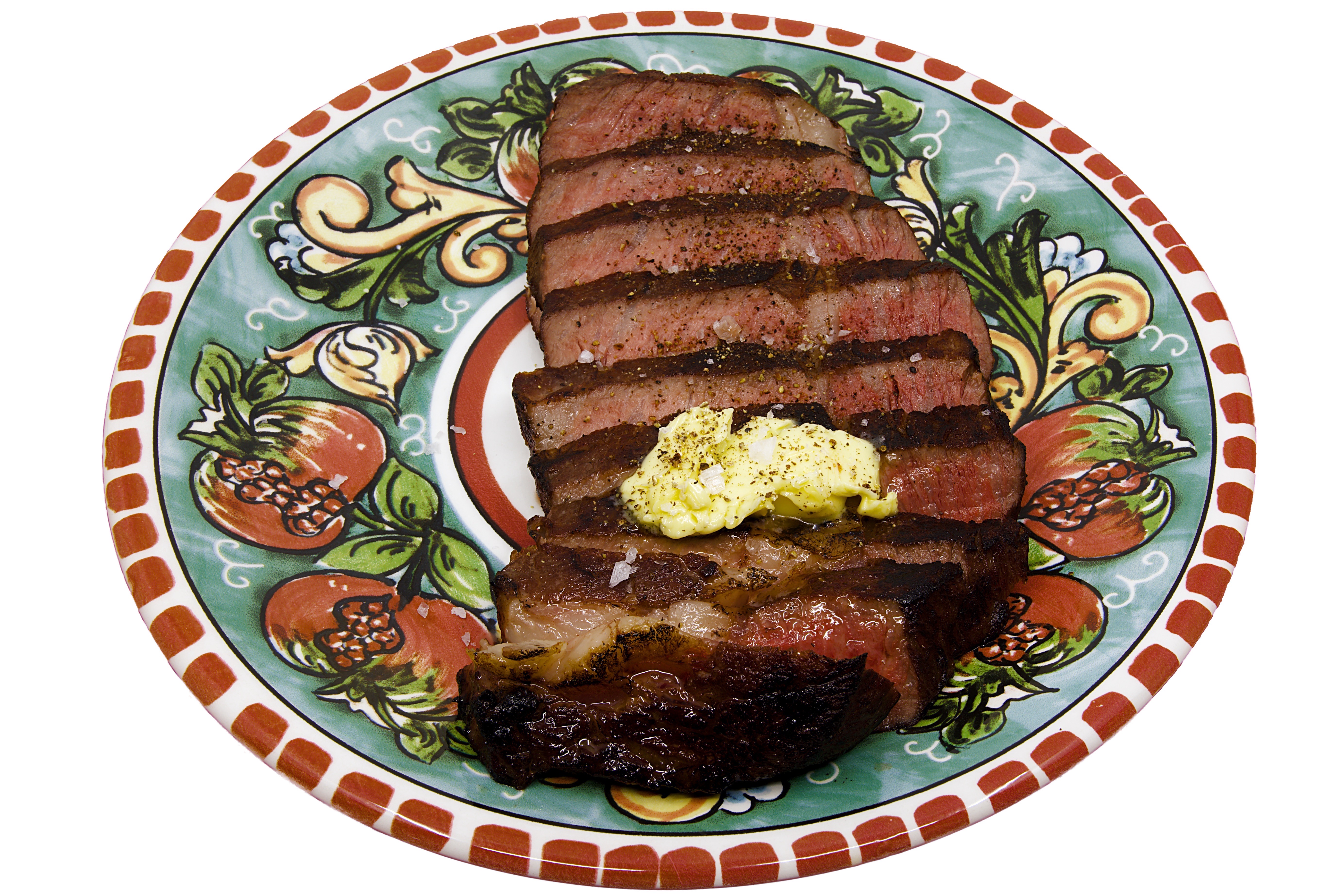
Today marks 19 years in the Australian Public Service. I wonder if I’ll get a set of steak knives next year! Given how much steak I eat, steak knives would be welcome.
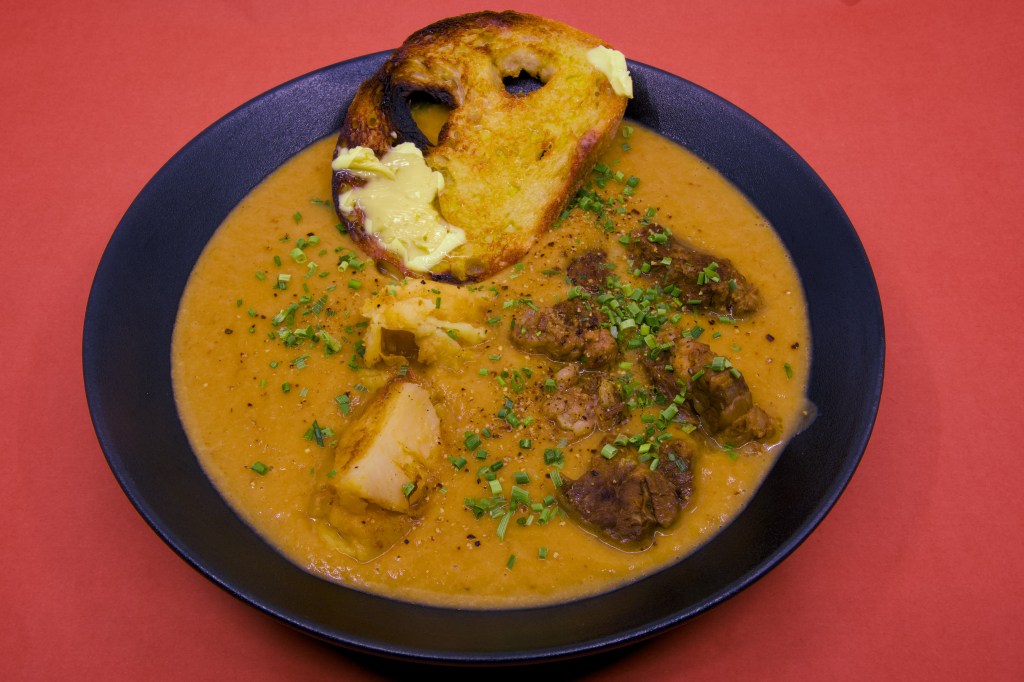
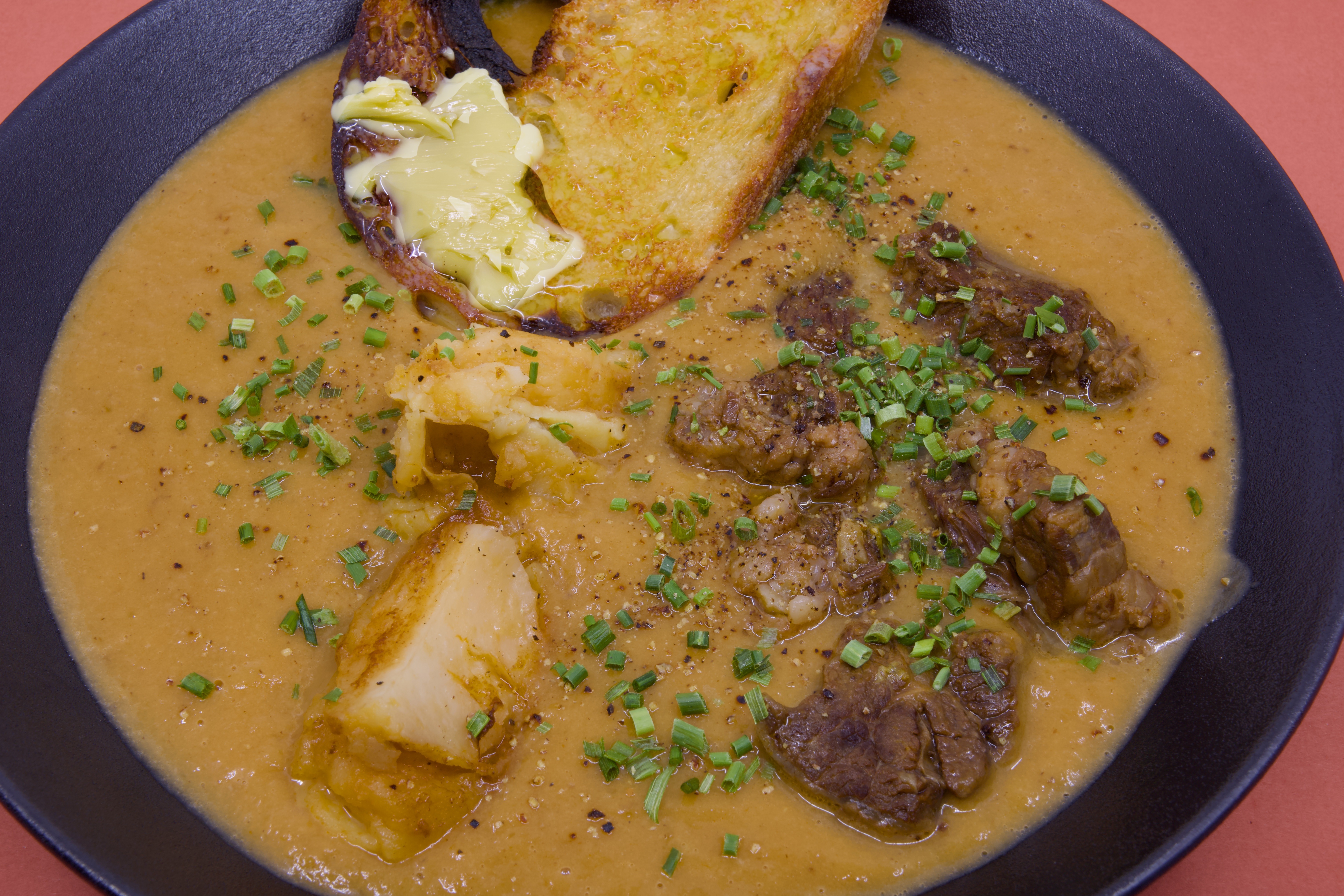
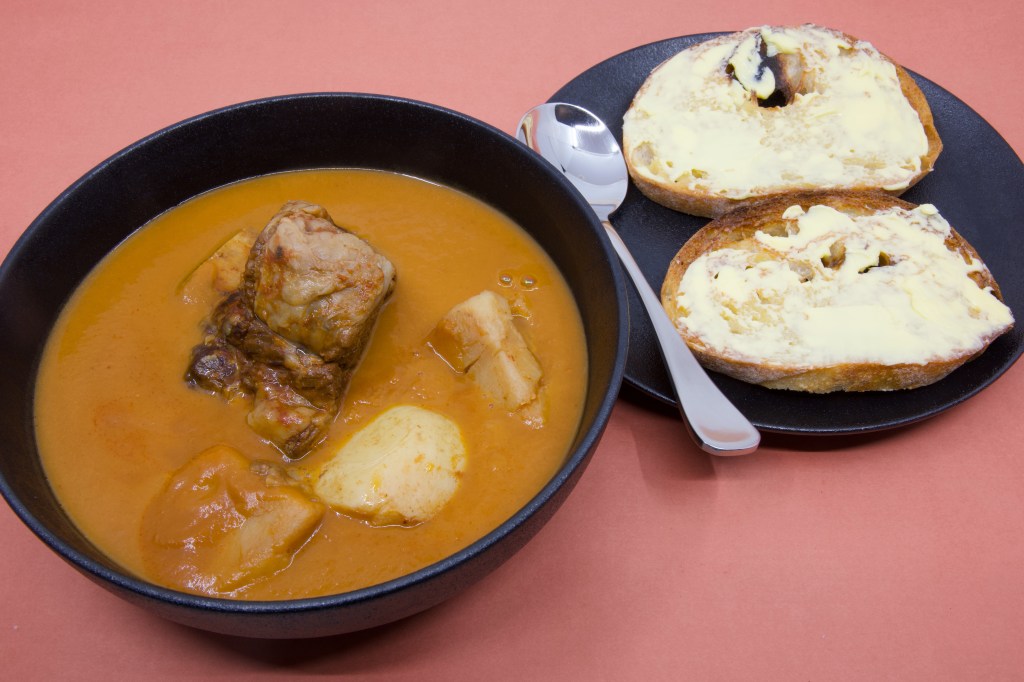
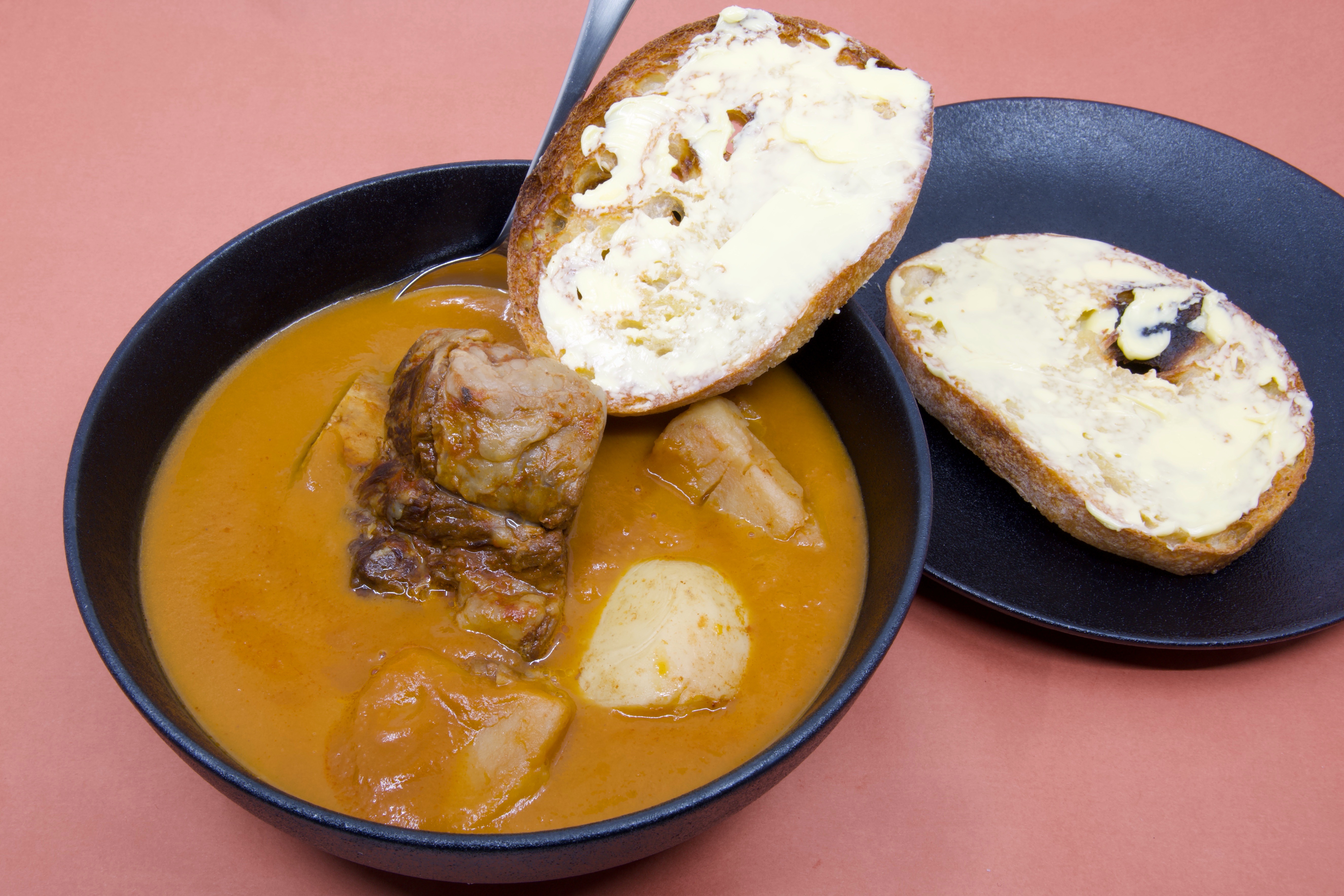
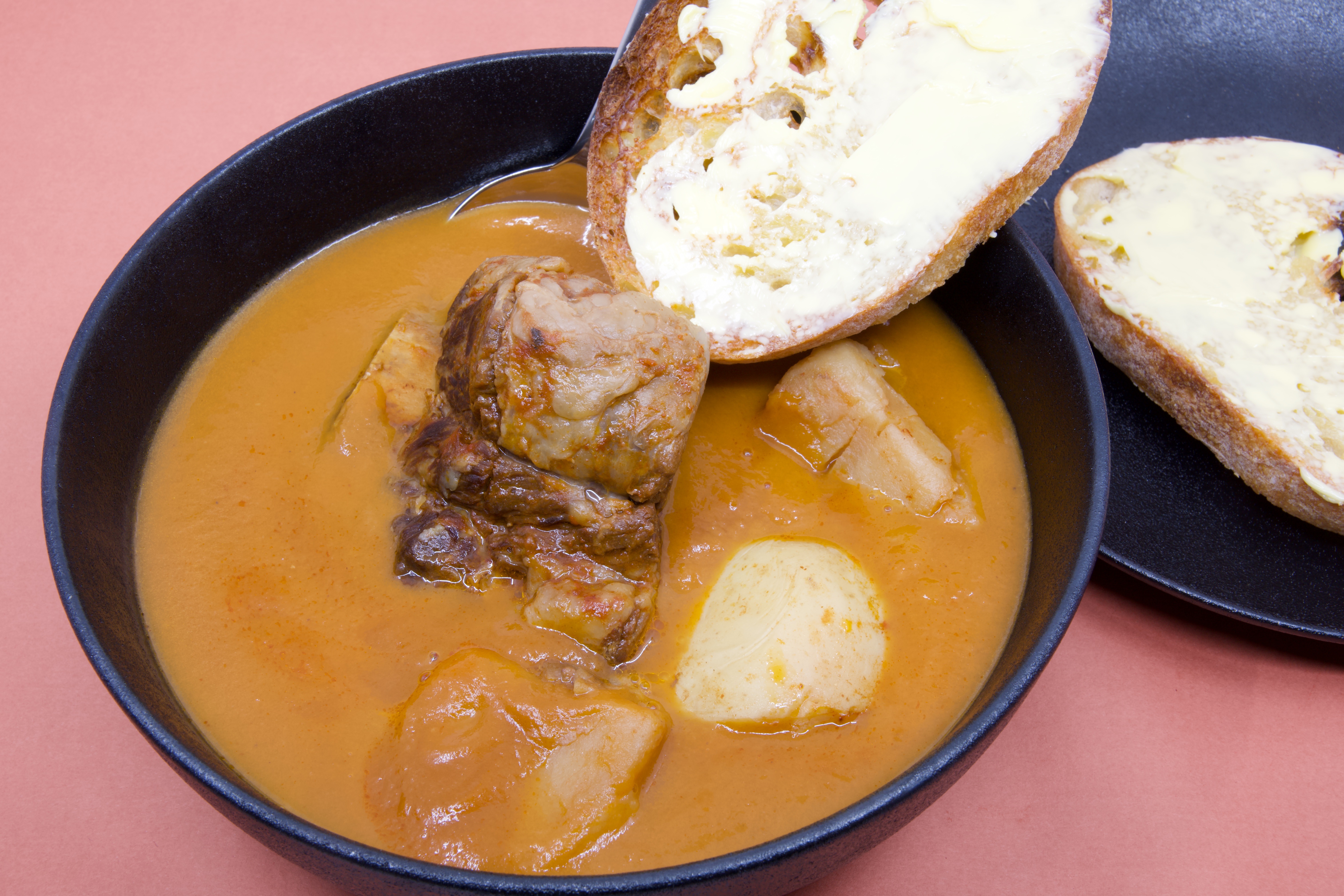
Sometimes you want a meal that looks like you’ve spent all day in the kitchen, when you’ve spent most of the day thinking about cooking while doing other important things, such as drinking coffee and working. This pressure cooker beef short rib stew is that sort of meal. Beef, some random vegetable matter, and a broth come together in a bowl that looks undesirable but tastes great.
Ingredients
For the stew
1 kg beef short rib meat, cut into chunky pieces
2 medium brown onions, roughly chopped
2 celery stalks, sliced
1 fennel bulb, roughly chopped
2 medium potatoes, peeled and diced into large chunks
700 g passata
500 mL beef broth
2 teaspoons salt
1 teaspoon freshly ground black pepper
Equipment
Pressure cooker or multicooker with pressure-cook function
Frying pan
Stick blender
Chopping board
Sharp knife
Measuring jug
Wooden spoon
Ladle
Large bowl for serving
Appetite large enough to deal with the aroma filling your house
Instructions
Step 1: Prepare the ingredients
Chop the onion, celery, fennel, and potatoes.
Cut the short rib meat into generous chunks. Precision knife work isn’t required. Beef short rib is substantial. Let it be mouth-filling.
Step 2: Build the flavour base
Sauté the onion, celery, and fennel. Cook for about 5 minutes, stirring occasionally, until everything softens and starts smelling like Mum’s kitchen.
Step 3: Add the beef
Add the short rib meat and stir through the vegetables.
Brown the meat.
Step 4: Add the liquids
Put the meat and roughly cut vegetables into the pressure cooker.
Pour in the passata and beef broth.
Add the salt and pepper.
Stir everything together until the ingredients are evenly distributed.
Step 5: Pressure cook
Add the potato chunks.
Lock the lid and cook on high pressure for 40 minutes.
When the cooking time is complete, allow the pressure to equilibrate naturally.
Step 6: Check and adjust
Open the lid.
The beef should be fork-tender and the potatoes soft. Give everything a stir. Some of the potato will naturally break down and help thicken the stew.
Taste and adjust seasoning if necessary.
Sequester the potatoes and beef to a bowl.
Process the remaining cooked vegetables and cooking liquor with a stick blender.
Step 7: Serve
Ladle the vegetable broth purée generously into a bowl and then add some meat and potato.
Be generous.
Final Thoughts
This stew is what happens when tough cuts of beef meet modern technology and decide to cooperate. The pressure cooker transforms short rib meat into tender, rich morsels that practically surrender when touched with a spoon.
The fennel quietly contributes sweetness and depth without shouting about it. The passata provides body and acidity. The potatoes become soft and comforting. The puréed broth ties everything together into something that feels both rustic and luxurious.
Most importantly, this is the sort of meal that improves your mood after a long day. It’s warm, hearty, forgiving, and entirely unconcerned with food trends. It knows exactly what it is: a proper bowl of comfort.
And sometimes that’s all a dinner needs to be, especially after 19 years with the same employer.
Leftover meals
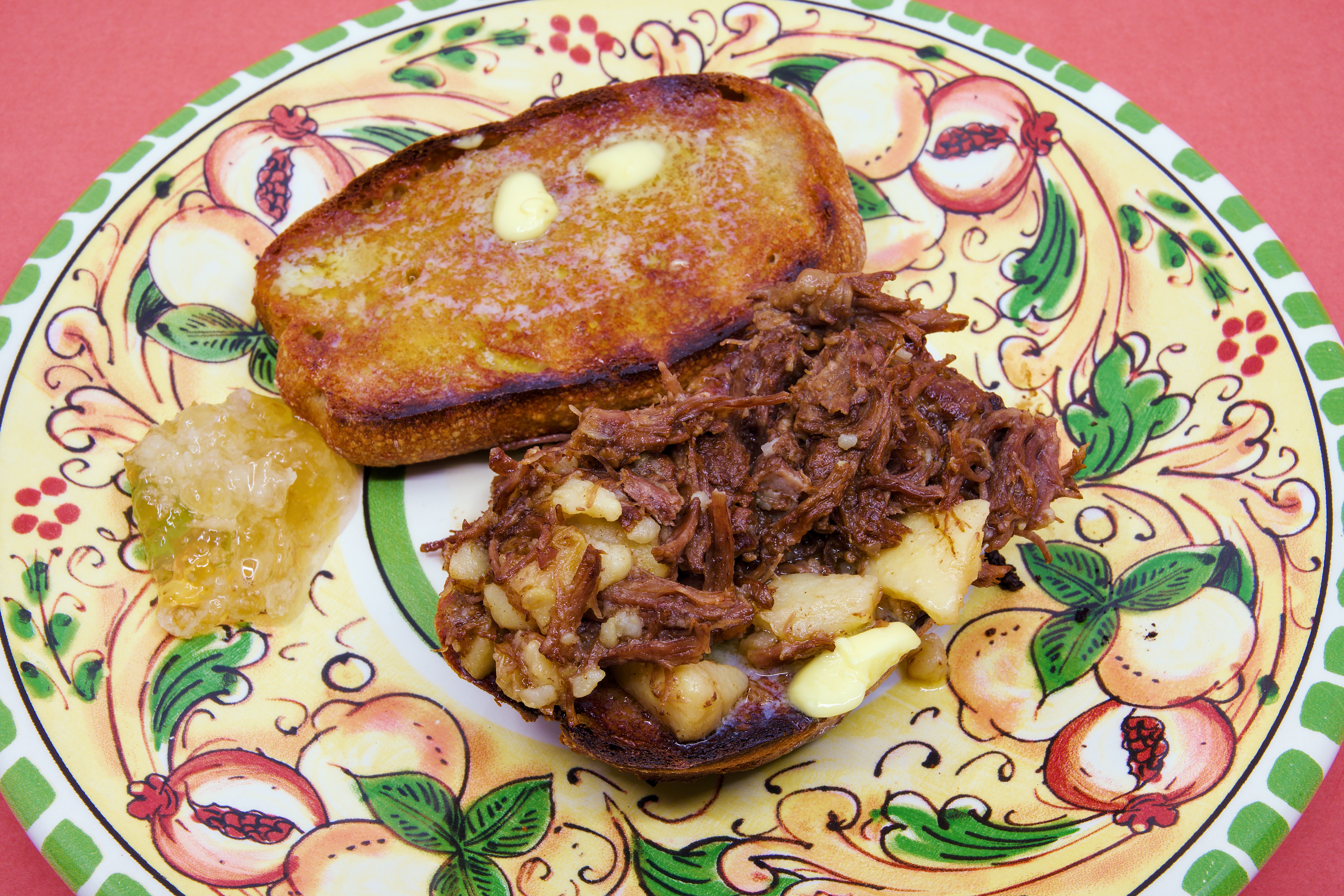
Saturday lunch
Leftover beef short rib on a toasted, double-buttered fresh rye sourdough roll.
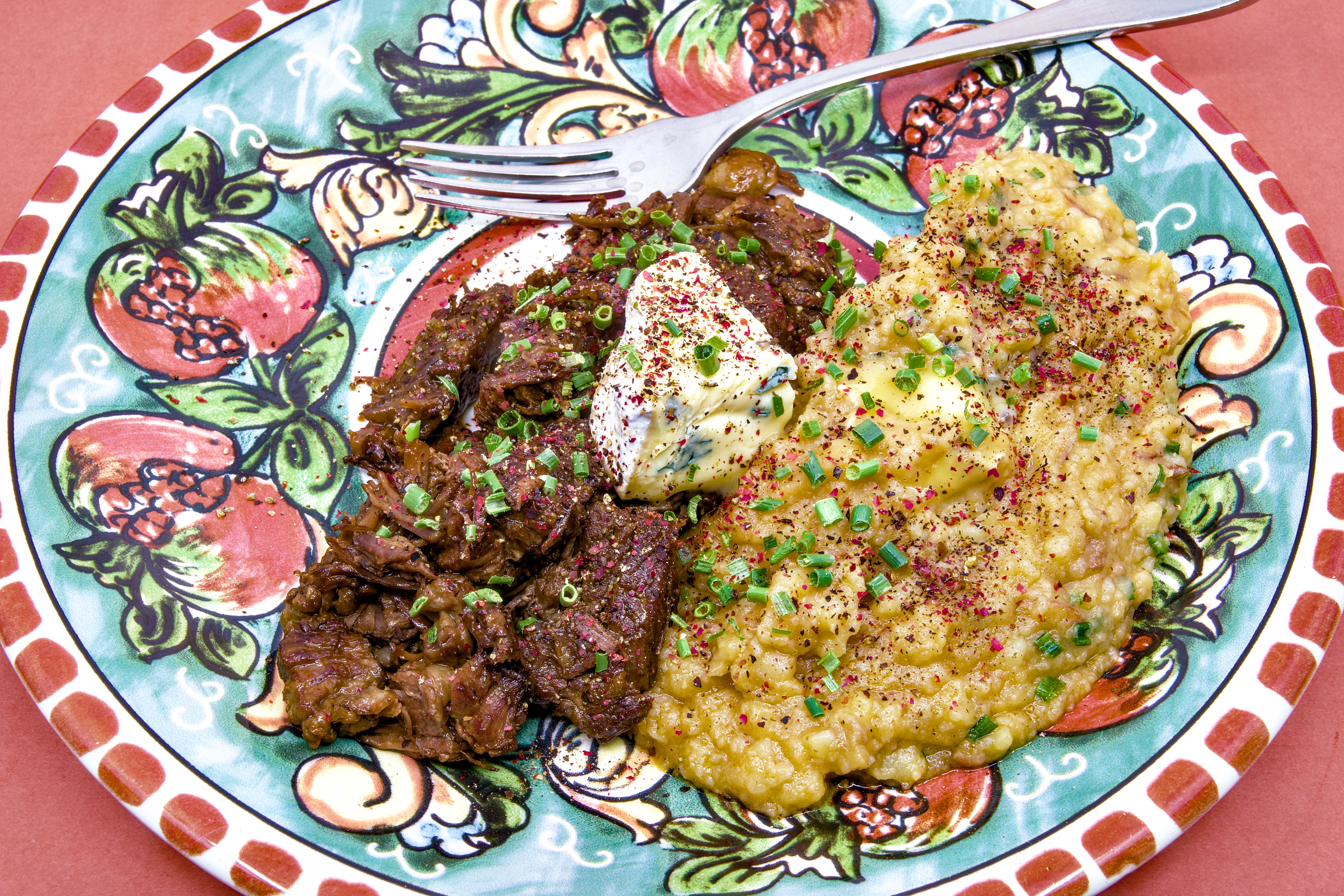
Saturday dinner
This dish features beef short ribs and potatoes, pressure-cooked and chilled overnight to develop their rich flavours. The beef is gently hashed in a skillet until perfectly tender, served alongside buttery, fork-mashed potatoes folded with creamy blue brie. Topped with an extra chunk of brie, chives, and cracked peppercorns for the perfect finish.
This beefy soup began with a pressure cooker full of short ribs, vegetables, potatoes, passata, and mixed mammal cooking liquor. It ended, after an overnight pause and a little stick-blender persuasion, as a thick, rich soup with tender beef, soft potato, and extravagantly buttered rye sourdough. It is not a quick dinner, but most of the waiting happens while you are doing something more interesting, like sleeping.
At a glance
Serves: 2 generously or one Gary
Pressure cooking: 45 minutes at high pressure, followed by natural pressure release
Chilling: overnight
Reheating: 30 minutes in a 60 °C water bath, plus time to reduce and blend the soup
Ingredients
Beef short ribs, cut across the bone into pieces about 5 cm long
1 fennel bulb, sliced
2 celery stalks, sliced
1 brown onion, sliced
Potatoes, cut into bite-sized pieces
Passata
Mixed mammal cooking liquor, sufficient to provide the pressure cooker’s minimum required liquid and partly cover the ingredients
Rye sourdough, thickly sliced
Cultured butter, softened
Salt, to taste
Freshly ground black pepper, to taste
Yummy Lummy’s note: The exact quantities can vary based on the size of your pressure cooker and your appetite, but do not exceed the manufacturer’s maximum-fill line. Keep enough thin liquid in the pot for the cooker to reach and maintain pressure; passata alone may be too thick.
Equipment
Electric pressure cooker
Sharp knife and cutting board
Cooking twine
Tongs and slotted spoon
Fine-mesh strainer or colander
Three heatproof bowls or containers
Saucepan
Stick blender
Water-bath circulator and heatproof container
Toaster or grill
Butter knife
Day 1: pressure-cook the ribs and vegetables.
Slice the fennel, celery, and brown onion. Cut the potatoes into bite-sized pieces.
Cut the beef short ribs into pieces about 5 cm long. Tie cooking twine firmly around each piece, securing the meat to the bone. This is culinary seatbelting: it keeps the rib and meat together after its energetic trip through the pressure cooker.
Place the fennel, celery, onion, potatoes, passata, and mixed mammal cooking liquor into the pressure cooker. Add the tied rib pieces.
Check that the contents sit below the maximum-fill line and that the cooker contains the minimum volume of thin liquid required by its manufacturer.
Seal the cooker. Cook at high pressure for 45 minutes.
When cooking finishes, leave the cooker untouched and allow the pressure to release naturally. Open it only when the pressure indicator confirms that it is safe.
Using tongs and a slotted spoon, transfer the cooked ribs and potatoes to one container.
Drain the fennel, celery, and onion, reserving them in a second container.
Strain the cooking liquor into a third container. Cool everything promptly, cover, and refrigerate overnight.
Day 2: turn the vegetables into soup
Set the water bath to 60 °C. Place one chilled rib portion and one potato portion in a suitable sealed bag, and warm them for 30 minutes.
Meanwhile, place the drained fennel, celery, and onion in a saucepan. Add a small amount of the chilled cooking liquor—enough to loosen the vegetables without drowning them.
Bring the mixture to a gentle simmer. Cook uncovered until it begins to reduce, and the flavours concentrate.
Remove the saucepan from direct heat briefly, then blend with a stick blender until thick and smooth. Add a little more cooking liquor if it becomes closer to mashed potato than soup. Return it to a gentle simmer.
Taste, then season with salt and freshly ground black pepper. The cooking liquor may already be salty, so approach the salt cellar with manners.
Twice-Buttered Rye Sourdough Toast
Toast the rye sourdough until crisp and well browned.
While the toast is still hot, spread it with a thin layer of cultured butter. This first layer melts into the crumb.
Allow the toast to cool slightly.
Spread on a second thin layer of cultured butter. The cooler surface lets this layer remain in golden patches rather than disappearing completely.
Finish the twice-buttered toast with a light sprinkle of flaky salt.
This is sometimes called two-stage or double buttering. Published descriptions of Nigella Lawson’s method follow the same sequence: butter immediately so the first layer soaks in, wait for the toast to cool, then add a second layer that stays on the surface (Funderburk 2026; Reynolds 2026). I call the result supersaturated toast. It may not be a formal scientific phase, but it is a very satisfactory one.
To serve
Ladle the simmering soup into a warm bowl. Remove the reheated rib and potato from the bag, discard the twine, and settle both into the soup. Serve the twice-buttered rye sourdough beside it for dipping, scooping, or quiet contemplation of butter’s excellent career choices.
Food-safety notes
Divide the cooked food into shallow containers so it cools quickly. Refrigerate it promptly.
Keep the refrigerator at 5 °C or colder.
The 60 °C water bath is a gentle warming step. Start with properly chilled food, use a sealed bag suitable for the purpose, and serve immediately after warming.
Bring the vegetable soup to a proper simmer before serving. If you are feeding someone who is pregnant, older, immunocompromised, or otherwise vulnerable, reheat the beef and potato until piping hot rather than relying on gentle warming alone.
References
Funderburk, C. 2026, ‘Nigella Lawson just taught me her delicious butter rule for the best toast’, The Kitchn, 3 February, accessed 27 September 2026. Notes: Describes Lawson’s two-stage method—one layer on hot toast, followed by a second after cooling.
Reynolds, L. 2026, ‘Why you should butter toast twice’, Tasting Table, 18 July, accessed 27 September 2026. Notes: Explains how the first layer soaks into the crumb while the second remains on the surface.
A buttery reflection on steak, corned beef, and why a fresh croissant may be better than ordinary sandwich bread.
There are moments in life when an ordinary sandwich loaf simply will not do. This week, fresh croissants found themselves pressed into sandwich service, and I am not sure I want to go back to standard bread any time soon.
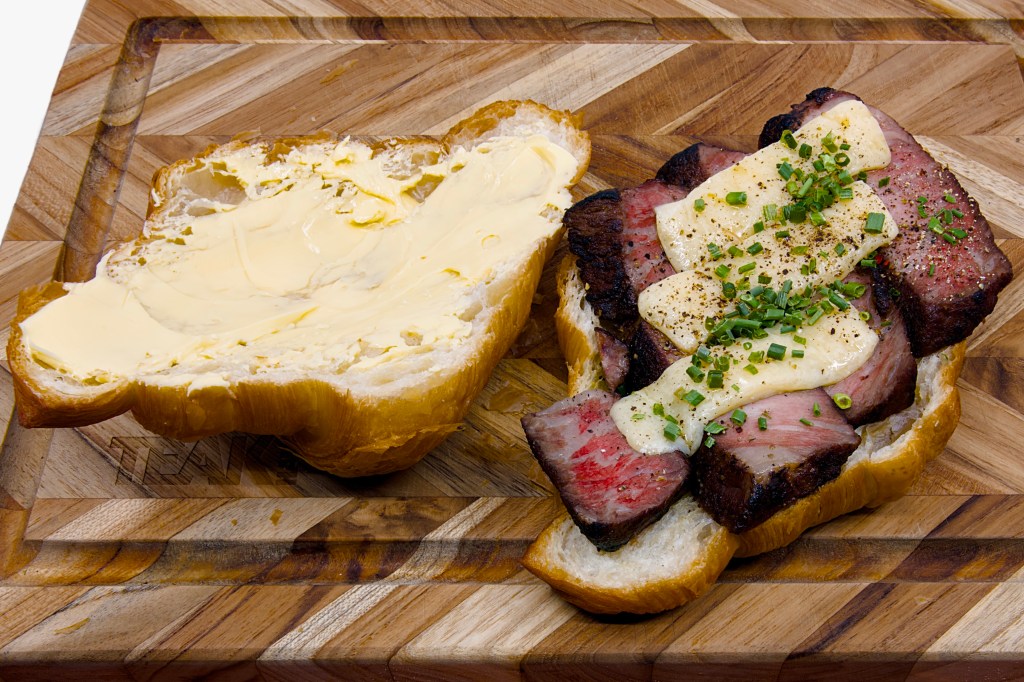
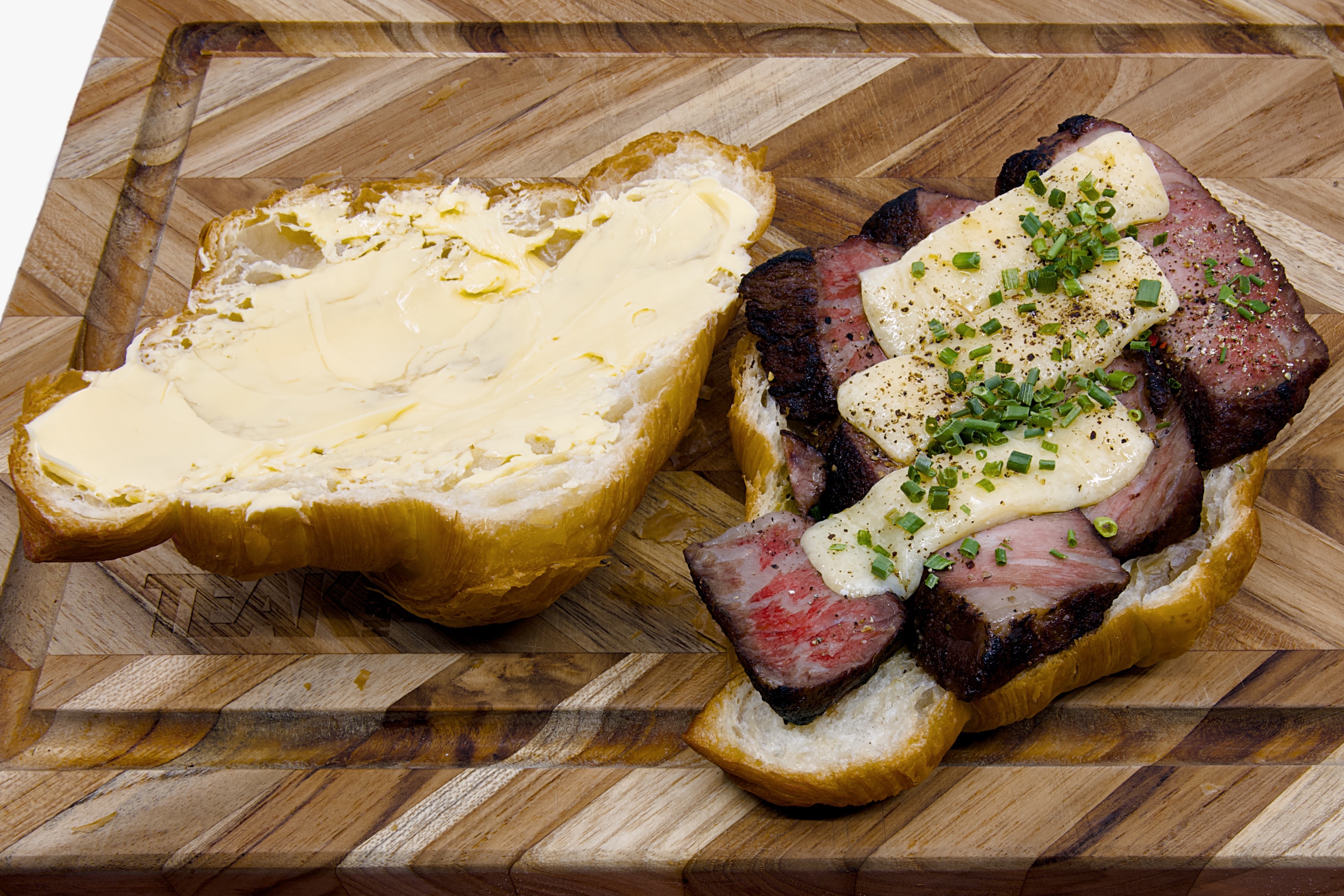
The first experiment used leftover Scotch fillet strips, vintage cheddar, and cultured butter. The croissant was split, the base was buttered, the beef and cheese were layered over the top, and the whole lot had five minutes in the air fryer. The lid received another smear of cultured butter after it cooled slightly because, apparently, I had decided moderation was a spectator sport.
The result was probably the best steak sandwich I have eaten in many, many years. There was flaky pastry, savoury beef, melted cheese, and enough cultured butter to make the croissant feel deeply appreciated.
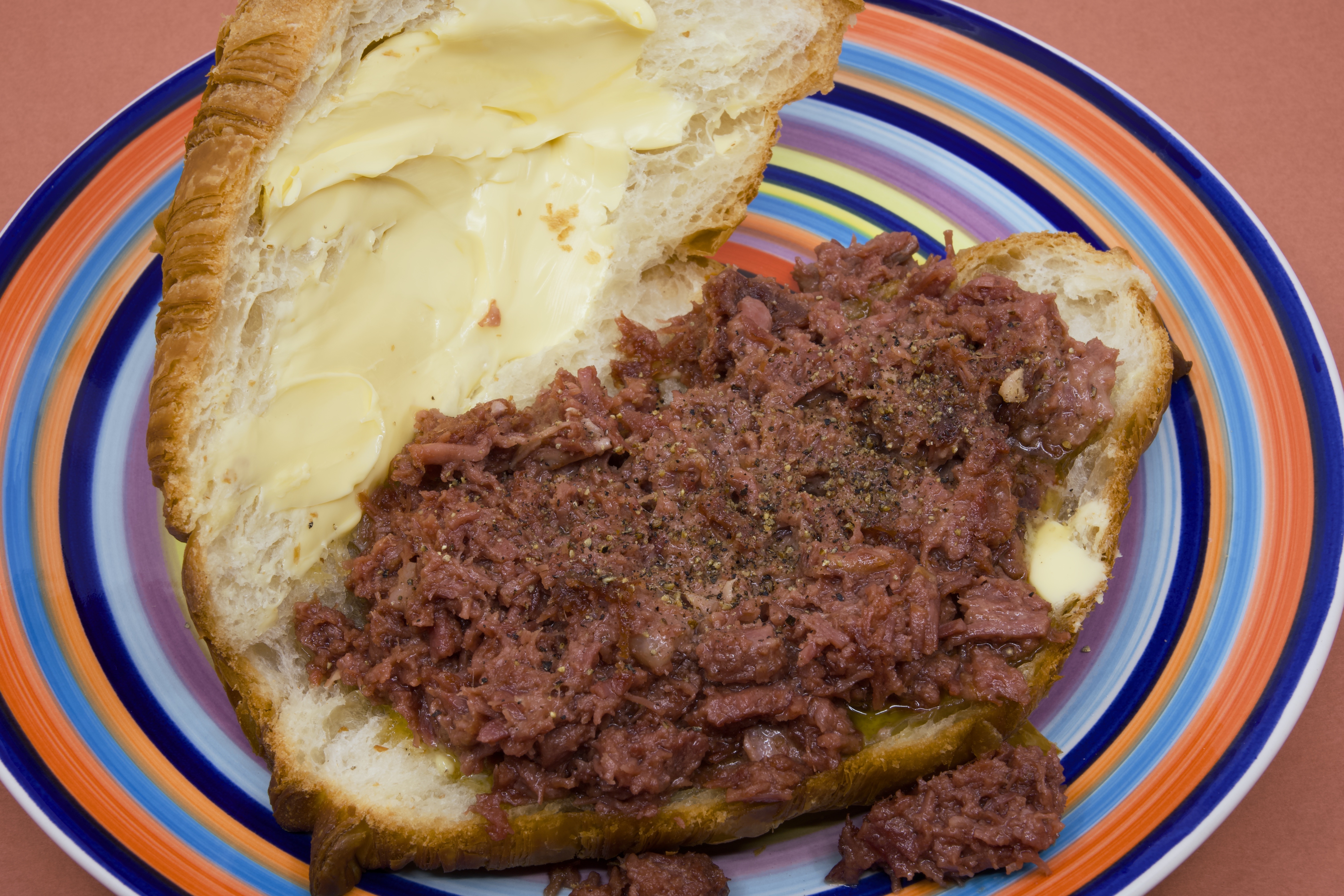
Not content with one success, I repeated the experiment with hashed corned beef from a tin. The corned beef was gently sautéed in a skillet until the fat rendered and the meat took on a little colour without becoming dry. Because the meat was hashed, it spread beautifully over the croissant base.
The warm corned beef met the generously buttered croissant, and the cultured butter melted through the pastry layers. This was not high ceremony. This was practical with a French accent and a very happy ending.
Why a Croissant Works So Well as Sandwich Bread
A good sandwich loaf has one job: it holds the filling together. A good croissant does more than hold things. It participates. The laminated layers bring crispness, tenderness, and buttery richness. The exterior flakes, the interior stays soft, and every bite has more texture than a plain slice of bread can usually manage.
That does not mean a croissant is right for every sandwich. A towering salad sandwich on a croissant may end with lettuce, tomato, and regret on your lap. However, with rich fillings such as steak, cheddar, ham, egg, chicken, or corned beef, a croissant can be just as good as ordinary bread, and possibly better. It is not merely a vehicle. It is the co-driver.
The Nutritional Question
Let us address the buttery elephant in the room. Nobody reaches for a croissant because it is dressed as a health food. A traditional butter croissant is more energy-dense than ordinary sandwich bread because it is made with laminated dough, in which butter is folded into the dough repeatedly to create those crisp, flaky layers.
Approximate Nutrition per Butter Croissant
Nutrient
per large croissant
Energy
1,300–1,600 kJ
Protein
6–8 g
Fat
17–22 g
Saturated fat
10–13 g
Carbohydrate
30–40 g
Sugars
5–8 g
Dietary fibre
1–3 g
Sodium
250–450 mg
The exact numbers will vary according to the baker, size, butter content, and whether the croissant is plain or filled. Once you add Scotch fillet, vintage cheddar, hashed corned beef, and cultured butter, the numbers change again. The beef lifts the protein and iron, the cheese adds protein and calcium, the corned beef contributes protein, iron, vitamin B12, and sodium, and the butter contributes joy, which nutrition panels still stubbornly refuse to measure.
From a low-carbohydrate perspective, a croissant is not an everyday staple. From a culinary perspective, however, it is an occasional indulgence that can transform a simple sandwich into something memorable.
Would the French Approve?
Possibly. Traditional French breakfasts often feature croissants served simply with coffee, tea, hot chocolate, butter, or jam. The classic version is uncomplicated: buy it fresh, eat it fresh, and preferably enjoy it before the flakes have time to settle into your shirt.
That said, France is not unfamiliar with savoury croissants. Café counters, bakeries, and takeaway shops commonly sell croissants filled with ham, cheese, chicken, or other savoury ingredients. Some pastry purists may object to using a croissant for corned beef, but food rules are often most interesting when they meet a hungry person holding cultured butter.
A Brief, Buttery History
The croissant is closely associated with France, but its ancestry is more complicated. Food historians commonly link it to the Austrian kipferl, a crescent-shaped bread or pastry that predates the modern French croissant. The croissant became distinct when French bakers applied yeasted laminated dough techniques, folding butter through dough to make the thin, airy layers that define the pastry today.
Those layers do not happen by accident. Croissant dough is rolled, folded around butter, chilled, rolled again, folded again, shaped, proved, and baked. In the oven, water in the butter turns to steam, the layers lift, and the baker hopes the result is golden, crisp, and structured rather than a buttery landslide.
A proper croissant is at its best on the day it is baked. The outside should shatter slightly, the inside should show an open honeycomb crumb, and the whole thing should make you feel that ordinary toast has taken the morning off.
Final Thoughts
Perhaps the lesson here is simple: croissants should not be confined by tradition. If a fresh croissant can elevate leftover Scotch fillet and vintage cheddar into a memorable steak sandwich, and transform humble hashed corned beef into something worth writing about, then it deserves greater recognition as sandwich bread.
The French may debate pastry etiquette. I will be over here, applying another generous layer of cultured butter.
Author’s note: No ordinary sandwich loaf was harmed during these experiments. Several croissants, however, made the ultimate sacrifice.
An artificial intelligence large language model was exploited to generate some of the original text before review and editing. The images have not been edited using artificial intelligence.
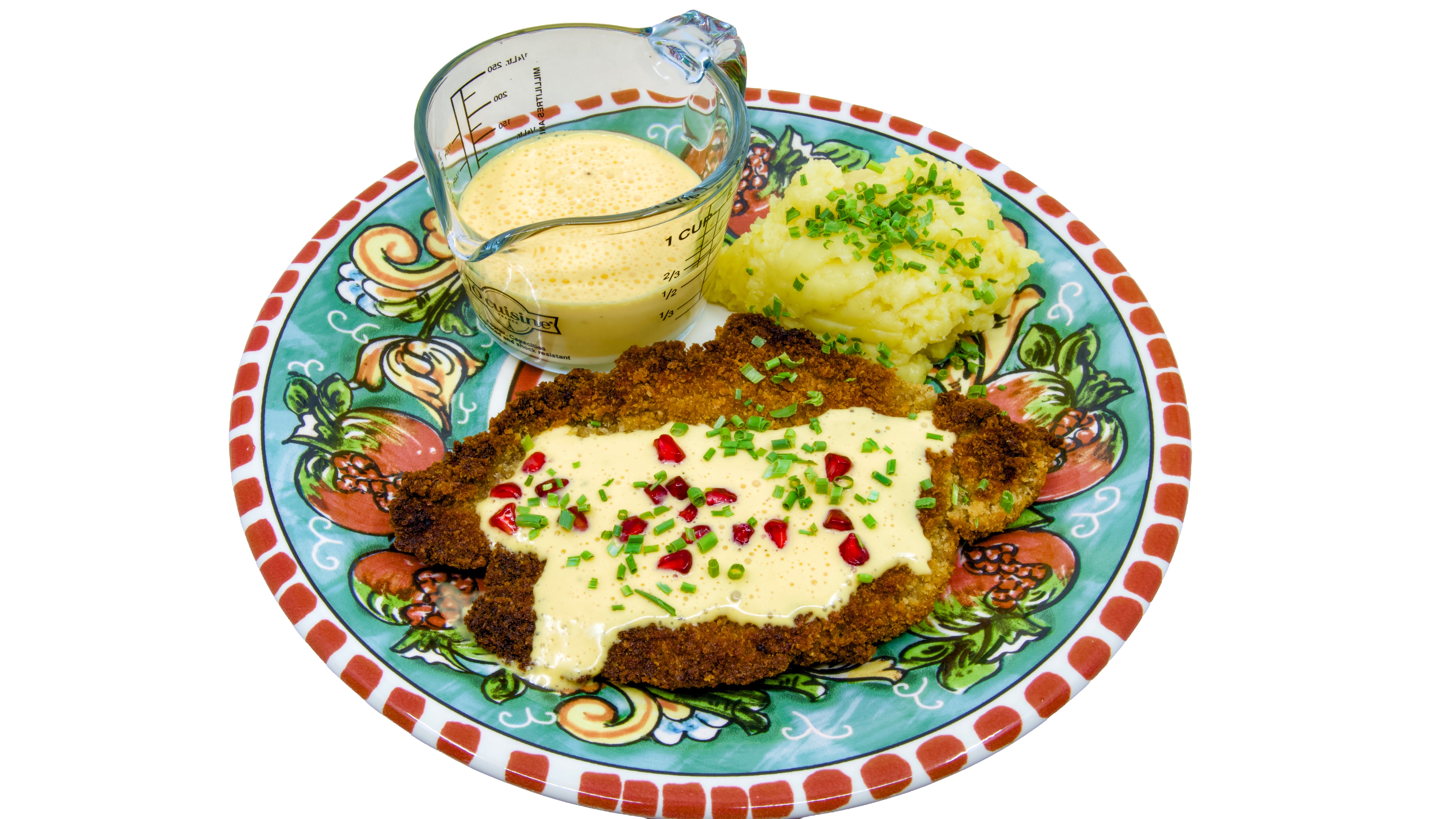
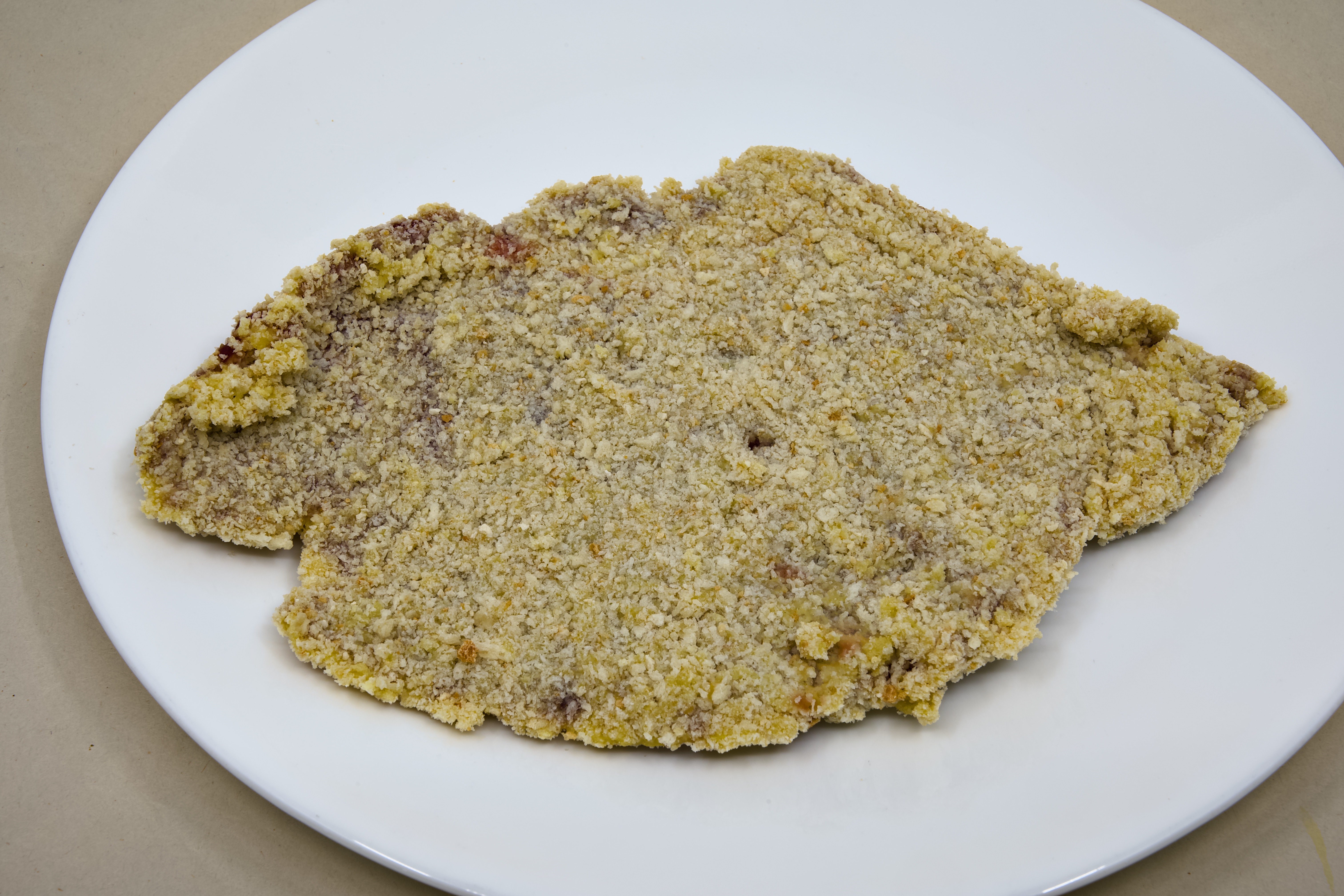
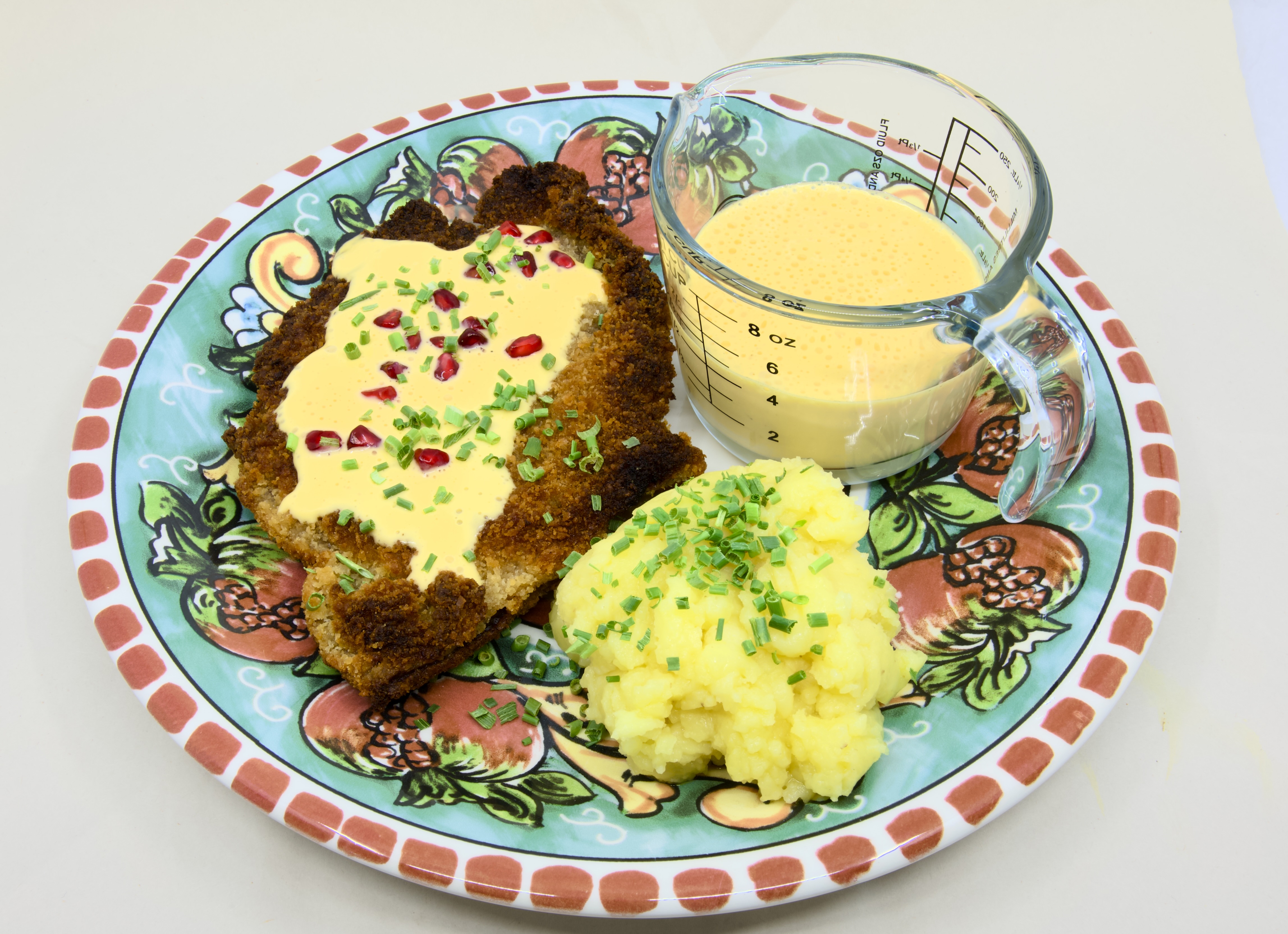
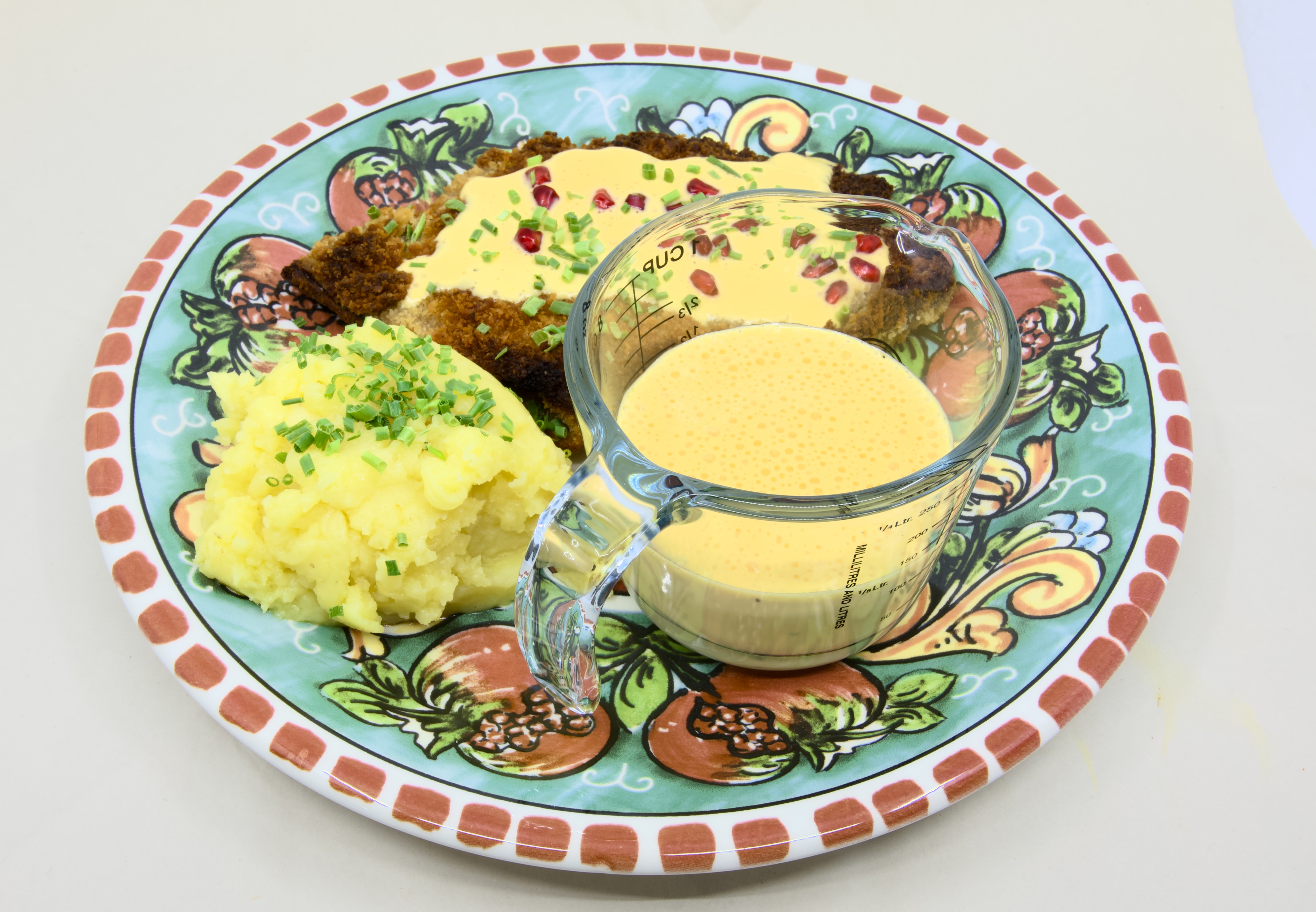
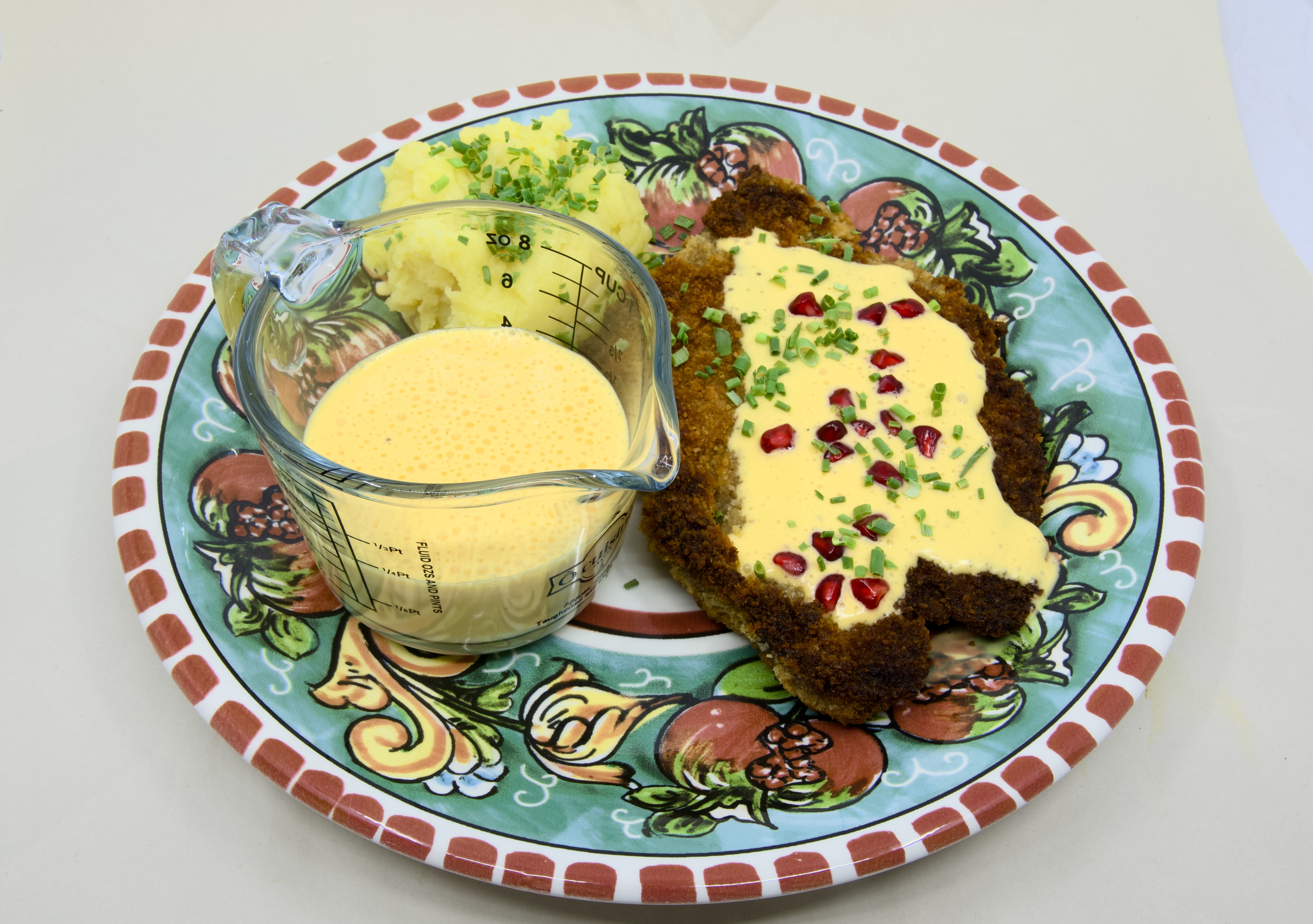
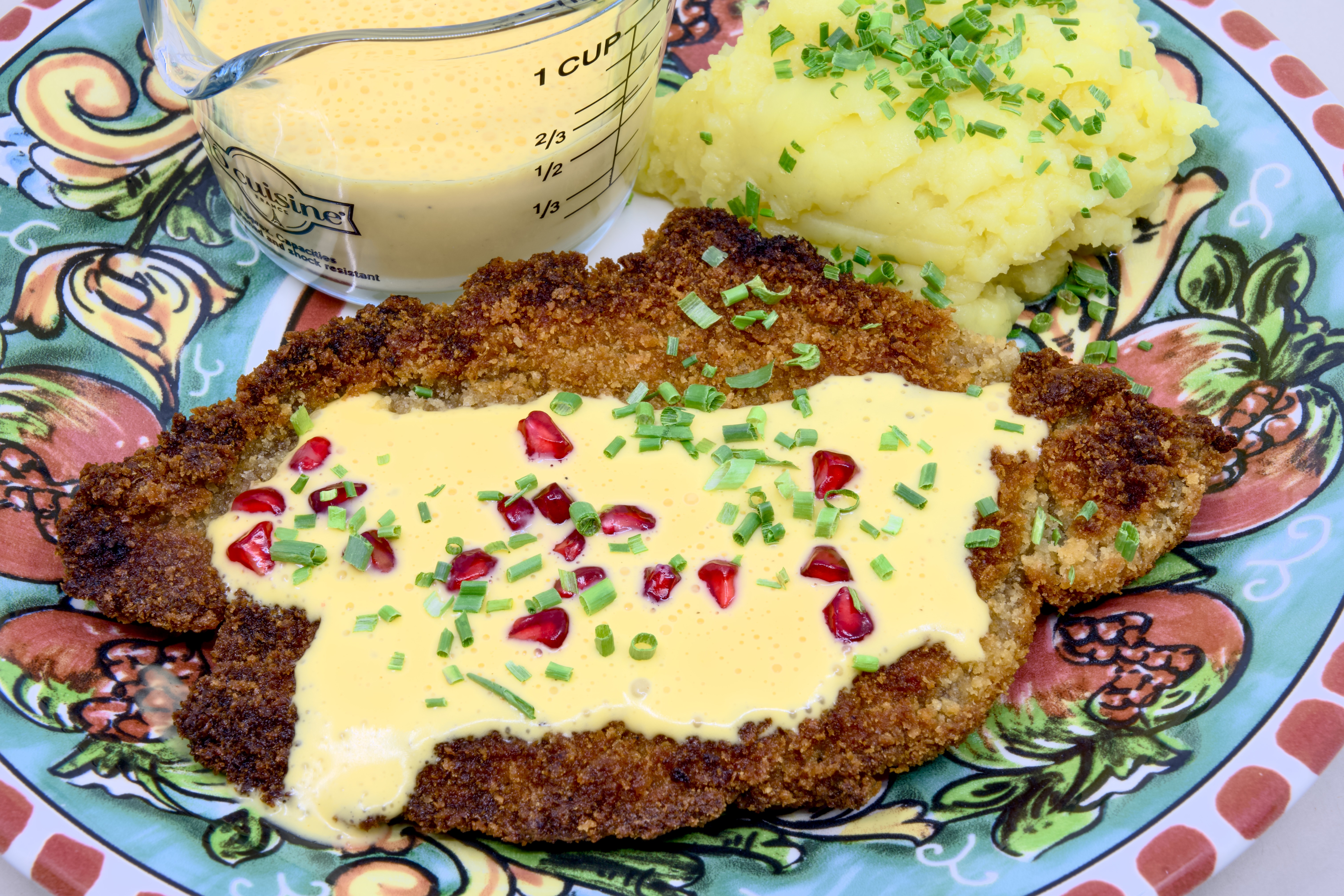
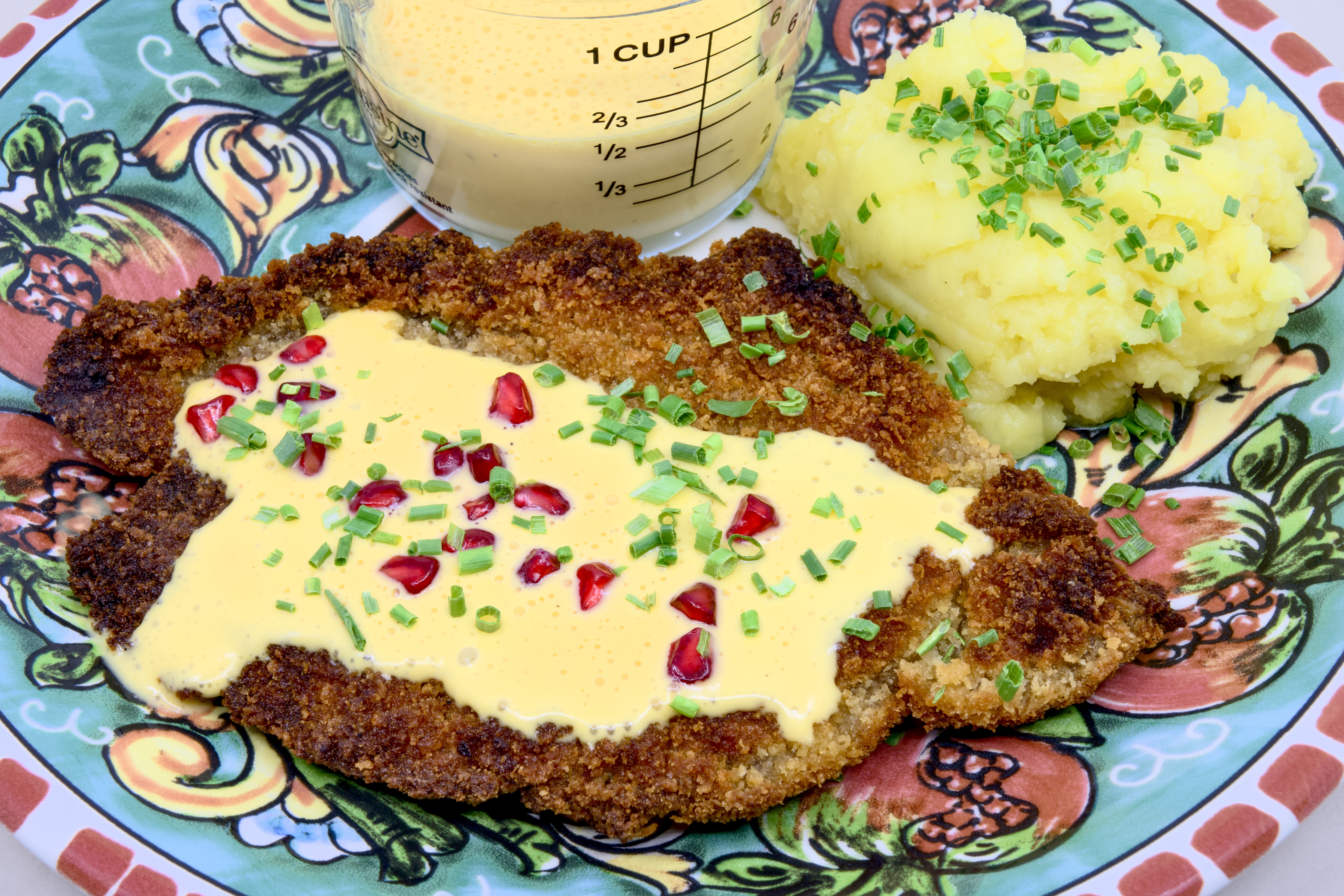
Sometimes a meal starts with a memory. Today, it started with a piece of crumbed beef steak from the butcher and a desire for hollandaise sauce.
Many years ago, a workmate introduced me to a meal known in their family as Courtney. My friend and I used to enjoy lunch at the Hellenic Club or The Tradies when it was still around in Phillip, Canberra. Sometimes it was dinner before a Senate Estimates hearing, in preparation for our appearance.
A crumbed chicken breast or thigh topped with hollandaise sauce became associated with a young woman named Courtney, who was a friend of my friend’s daughter. While most people would smother their “chicken schnitty” with gravy, Courtney preferred hollandaise sauce. Over time, the combination of crumbed chicken and hollandaise became known simply as “a Courtney” among my mate, his daughter, and their circle of friends. I will always think of crumbed chicken and hollandaise sauce as Courtney as well, even though I have never met her.
A couple of weeks ago, my friend, who is now retired and runs sheep, went out with their daughter and Courtney, and they enjoyed a Courtney. I received a text message about this, and after the meal, I was sent a photograph of Courtney on their plate.
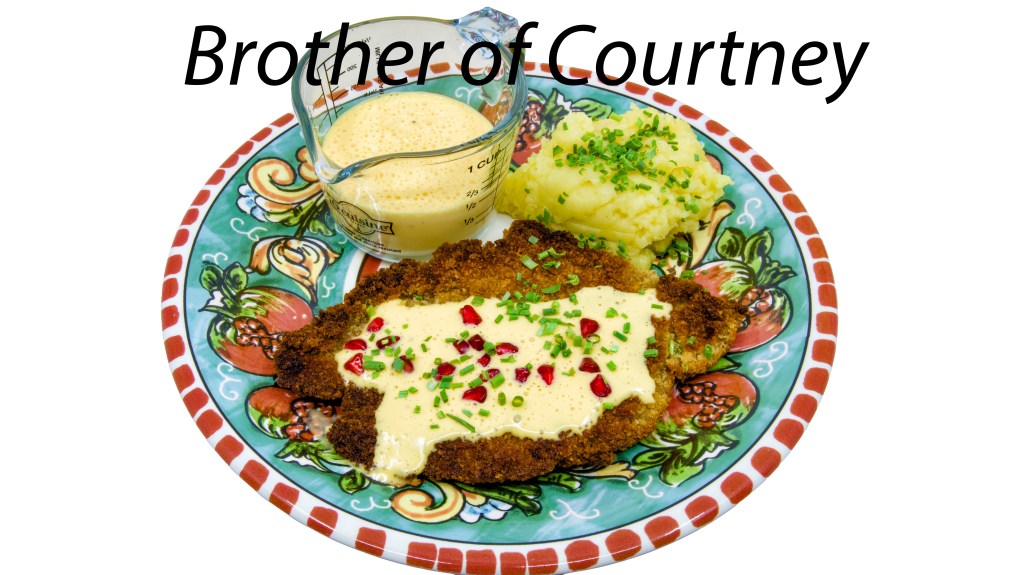
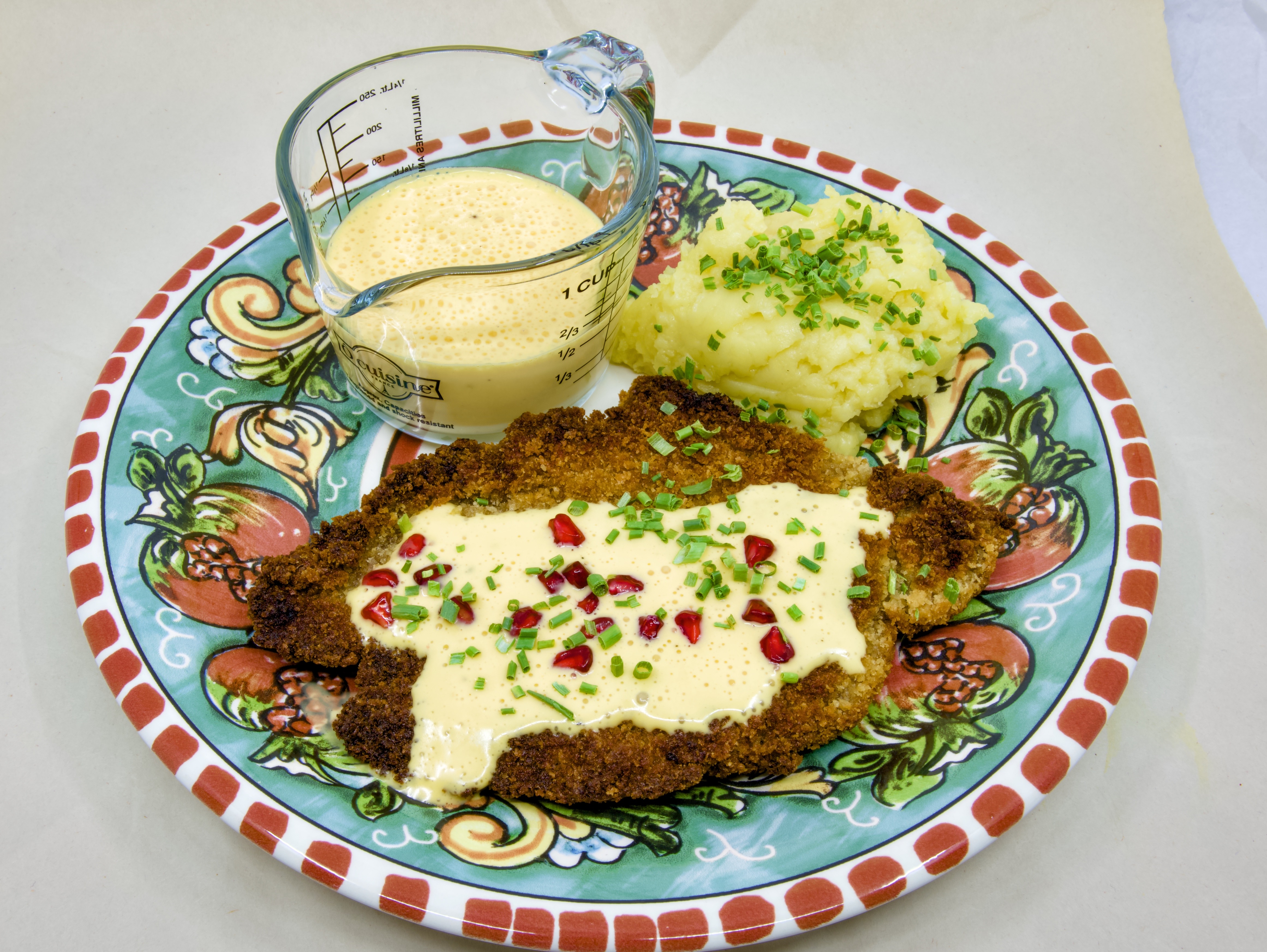
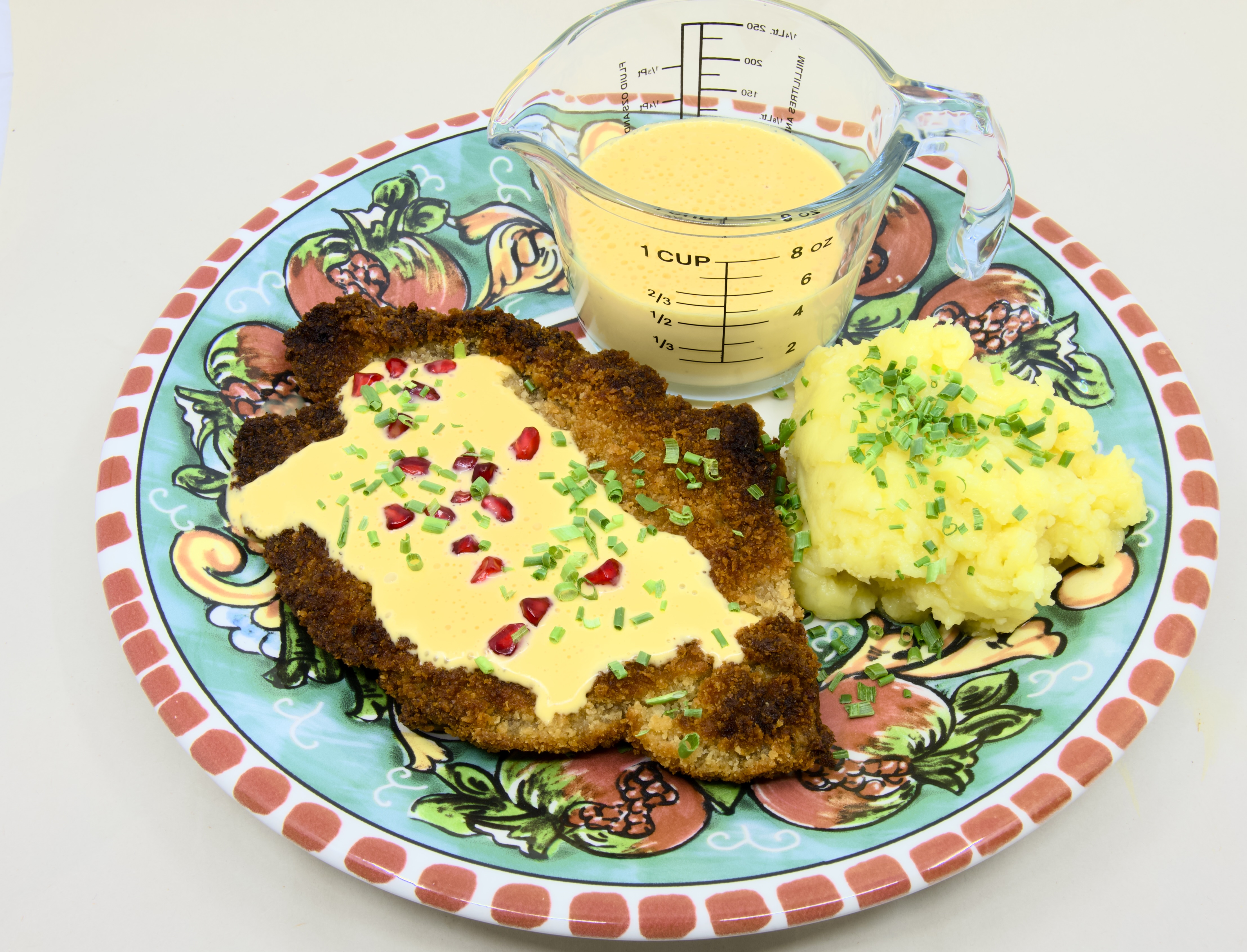
Today, I wanted crumbed beef rather than chicken. The idea was simple: take the familiar elements of a Courtney, swap the chicken for beef, and enjoy something slightly different. That makes this dish the natural sibling of the original. Not Courtney, but the Brother of Courtney.
Ingredients
For the crumbed beef steak
1 large crumbed beef steak, about 250 to 300 g
1 tablespoon beef fat or tallow
For the hollandaise sauce
3 large egg yolks
180 g unsalted butter
1 tablespoon lemon juice
1 teaspoon Dijon mustard
½ teaspoon salt
¼ teaspoon white pepper
1 tablespoon hot water
To serve
Mashed potato
Equipment
Weber Q+ outdoor barbecue
Cast iron hot plate
Small saucepan
Tall blending jug
Stick blender
Measuring spoons
Small knife
Serving plate
Method
Cook the crumbed beef steak
Place the cast iron hot plate inside the Weber Q+ outdoor barbecue.
With the lid down, preheat the Weber Q+ outdoor barbecue to 200 °C.
Add the beef fat or tallow to the hot plate, then cook the crumbed beef steak for 10 to 12 minutes, turning once halfway through cooking.
Check that the crumb coating is golden and crisp.
Rest the steak for 2 to 3 minutes before serving.
Keep the lid down as much as practical during cooking so the crumb becomes golden and crisp and the beef heats through.
Make the hollandaise sauce
Melt the butter in a small saucepan or use microwave radiation.
Place the egg yolks, lemon juice, mustard, salt, pepper, and hot water in the blending jug.
Insert the stick blender and blend for a few seconds.
With the blender running, slowly pour in the hot melted butter.
Continue blending until the sauce thickens and becomes smooth.
Taste and adjust seasoning if needed.
The sauce should be rich and pourable. If it thickens too much, blend in a teaspoon of warm water.
Prepare the plate.
Place a dinner plate into a benchtop oven and set the temperature to 70 °C.
Warm the plate for about 10–15 minutes.
If you don’t routinely do this, you might be surprised what a difference a warm dinner plate makes.
Assemble the dish.
Place the crumbed beef steak on a warmed plate.
Spoon the hollandaise sauce over the steak.
Add a generous spoonful of mashed potato on the side.
Reheat leftover hollandaise sauce safely.
Homemade hollandaise sauce is best made fresh, but a small amount can be reheated the following day if it has been cooled quickly, covered, and refrigerated promptly. Because the sauce contains lightly cooked egg yolks and butter, reheat it gently rather than trying to make it piping hot. Aim for about 45 °C.
Place the sealed bag in a 45 °C water bath for 10–15 minutes, just until the sauce is warm and pourable. Massage the bag gently before serving.
Use a warm water bath: place the cold sauce in a small heatproof bowl, sit the bowl over warm water, and whisk slowly until the sauce loosens.
Use very low heat: place the sauce in a small saucepan over the lowest possible heat and whisk constantly. Remove it from the heat as soon as it becomes pourable.
Use short microwave bursts only if needed: heat in 5 to 10 second bursts at low power, whisking between bursts. Stop before the sauce gets hot enough to split.
Thin and rescue the sauce with warm water: if the sauce is too thick, whisk in 1 teaspoon of warm water at a time until it becomes smooth and pourable again.
Do not boil it: boiling or overheating can scramble the egg yolks and break the emulsion, leaving a greasy sauce.
For food safety, transfer leftover hollandaise to a clean, shallow, covered container as soon as practical and refrigerate it at 5 °C or colder. Queensland Government food safety advice lists hollandaise sauce as a food made with raw or lightly cooked egg and advises throwing out uneaten egg products within 24 hours. Food Standards Australia New Zealand also notes that food containing raw or low-cooked eggs generally should not be kept longer than 24 hours.
Do not reheat the same batch more than once. Discard the sauce if it has been left out at room temperature for an extended period, smells sour, looks separated in a way that cannot be whisked smooth, or if there is any doubt about how it has been stored.
The history of the schnitzel
The schnitzel has its roots in the broader Central European schnitzel tradition. The word schnitzel comes from German and refers to a thin slice of meat. The best-known version is Wiener Schnitzel from Austria, which is traditionally made with veal. The meat is pounded thin, coated in flour, egg, and breadcrumbs, and then fried.
As migrants brought their food traditions to Australia, schnitzels evolved to suit local tastes and ingredients. Veal became less common in everyday cooking. Chicken emerged as an affordable and widely available alternative. Over time, the “chicken schnitzel” became a standard menu item in pubs, clubs, and family restaurants throughout Australia.
Crumbed chicken in Australian pub and club culture
Australian pub and club dining has long focused on generous, uncomplicated meals. Patrons expect familiar dishes that are filling, affordable, and easy to enjoy with friends and family. The chicken schnitzel fits this role perfectly.
A typical crumbed chicken or “schnitty” is served with chips, salad, vegetables, or mashed potato. Diners often choose a topping or sauce. Gravy remains one of the most common options. Parmigiana, with tomato sauce and melted cheese, is another favourite. Clubs and pubs across Australia frequently offer variations, but most remain closely tied to these established formats.
The use of hollandaise sauce on a schnitty receives far less attention. Yet the combination works well. The crisp crumb contrasts with the buttery sauce, creating a dish that feels familiar while offering a different flavour profile.
The origins and etymology of Courtney
The word Courtney in this context has nothing to do with culinary history. It emerged through family and social usage. A young woman named Courtney developed a preference for hollandaise sauce on her crumbed chicken. Rather than requesting the more common gravy, she chose hollandaise.
Saying “I’ll have a Courtney” became shorthand for crumbed chicken topped with hollandaise sauce. The name served as an informal term, understood by those who knew the story.
This is a common feature of food culture. Families and friendship groups often create names for dishes that make perfect sense within their circle but remain unknown elsewhere. These names preserve stories, memories, and relationships. In this case, Courtney became more than a person’s name. It became a meal.
The name Courtney in general use
Outside this blog post, Courtney is usually understood as an English given name drawn from the surname Courtenay. The surname came into English through Norman French and is linked with the French place name Courtenay. Name references commonly explain it as either a place-name form connected with the Latin personal name Curtenus, related to curtus, meaning “short”, or as a Norman nickname meaning “short nose”. It is an example of a surname that later became a given name. I have no idea whether my mate’s daughter’s friend has a short nose.
The earliest clearly noted use of Courtenay as a given name appears to have been masculine. One commonly cited early example is Sir Courtenay Pole, 2nd Baronet, who lived from 1619 to 1695. The related spelling Courtney appears in United States baby-name data for girls from 1881, although it remained uncommon for many decades.
As a modern first name, Courtney has been most strongly associated with English-speaking countries. It became especially popular for girls in the United States, where it reached number 17 in 1990. Recent United States data show a marked decline, with the name outside the top 1,000 and recorded for only about 99 girls in 2024. It has also been used in Australia, Canada, Ireland, New Zealand, and the United Kingdom. In available Australian and New Zealand data, Courtney was most visible from the late 1980s through the early 2000s, and it is now much less common for babies.
I have a friend at work named Courtney. She is very popular and marvellous at her work. I don’t think I’ve ever told her this story. I’ll probably share this post with her next week.
Final thoughts
Brother of Courtney is a simple variation on a family food tradition. The original dish uses crumbed chicken and hollandaise sauce. Today’s version uses crumbed beef steak instead.
The meal keeps the elements that made the original memorable. There is the crisp crumb, the richness of the hollandaise, and the story behind the name. The only change is the protein.
Sometimes that is enough to create a new dish.
And sometimes a new dish deserves a name of its own.
Brother of Courtney.
Details
Preparation time: 10 minutes
Cooking time: 15 minutes
Total time: 25 minutes
Serves: 2 normal people and 1 Gary.
Dietary suitability: Not suitable for vegans or vegetarians.
Disclaimer: This post was created with some exploitation of Microsoft Copilot. Large language models in artificial intelligence can sometimes hallucinate and make errors. If you notice any errors, please make a comment.
This is the sort of meal that rewards patience at the start and then lets the pressure cooker do the heavy lifting. Rendering and roasting the beef bones first creates a rich, savoury foundation, while the beef cheek becomes meltingly tender in a tomato and vegetable braise.
The finished dish is versatile. Serve it over buttered toasted rye sourdough for a rustic cold-weather meal, or ladle it through Hokkien noodles for a comforting bowl of hearty goodness.
Serves
4 to 6 people or one Gary
Equipment
Cast-iron skillet
Pressure cooker
Tongs
Sharp knife
Chopping board
Wooden spoon or silicone spatula
Measuring jug
Large bowl
Ingredients
For the rendered bone base
1 kg beef bones, preferably with some marrow attached
1 teaspoon salt
½ teaspoon freshly ground black pepper
For the braise
1 large beef cheek, approximately 800 g to 1 kg
1 large brown onion, sliced
2 celery stalks, sliced
1 fennel bulb, sliced
700 g passata
500 mL water
1 teaspoon salt, or to taste
1 teaspoon freshly ground black pepper
Reserved rendered beef fat from the bones
Estimated macronutrients by major ingredient
Approximate macronutrients for the main ingredients, before cooking
Ingredient
Amount used
Energy
Protein
Fat
Carbohydrate
Fibre
Beef cheek
800 g to 1 kg
About 887 to 1,109 kcal
About 78 to 97 g
About 34 to 43 g
About 20 to 25 g
Not available
Beef bones and marrow
1 kg bones
Variable
Variable
Variable
Minimal
0 g
Brown onion
1 large, about 150 g
About 53 kcal
About 1.4 g
About 0.2 g
About 11.6 g
About 1.8 g
Celery
2 stalks, about 100 g
About 14 kcal
About 0.7 g
About 0.2 g
About 3 g
About 1.6 g
Fennel bulb
1 bulb, about 230 g
About 71 kcal
About 2.8 g
About 0.5 g
About 17 g
About 7.1 g
Passata
700 g
About 203 kcal
About 11.9 g
About 2.1 g
About 37.8 g
About 9.1 g
Water, salt, and pepper
As listed
Minimal
0 g
0 g
Minimal
0 g
These figures are estimates only. Values vary with meat trim, the amount of marrow rendered into the sauce, passata brand, and final serving size. Beef bone values are especially variable because most of the bone mass is not eaten. This table was generated using a large language model. Large language models can hallucinate and make errors. No attempt has been made to verify the details in the table.
Method
Stage 1: Render and roast the beef bones
Heat a cast-iron skillet over medium heat.
Add the beef bones and season with salt and pepper.
Cook the bones for 20 to 30 minutes, turning occasionally, until they are deeply browned and have released a noticeable amount of beef fat.
Carefully remove the bones and set them aside.
Reserve the rendered fat in the skillet. This fat will be used to build flavour for the braise.
Stage 2: Build the braise
Trim any large pieces of excess surface fat from the beef cheek, but leave enough for flavour.
Add the beef cheek to the cast-iron skillet and brown it on all sides in the rendered beef fat.
Remove the cheek and set aside.
Add the onion, celery, and fennel to the skillet.
Cook for 8 to 10 minutes, stirring regularly, until softened and lightly caramelised.
Transfer the vegetables to the pressure cooker.
Add the browned beef cheek and roasted beef bones.
Pour in the passata and water.
Season with salt and pepper.
Stir gently to combine.
Pressure cook
Secure the lid according to the manufacturer’s instructions.
Cook on high pressure for 70 minutes.
Allow a natural pressure release for 15 to 20 minutes before opening.
Remove the beef cheek and bones.
Discard the bones.
Shred some of the beef cheek using two forks and return the meat to the sauce.
Stir thoroughly and taste for seasoning.
If the sauce is thinner than you prefer, simmer it uncovered for 10 to 15 minutes until slightly reduced.
Serving suggestion 1: Toasted rye sourdough
Toast slices of frozen rye sourdough until crisp and golden.
Spread generously with cultured butter while still hot.
Spoon the braised beef cheek and sauce over the toast.
Serve with extra black pepper.
The slight tang of rye sourdough and cultured butter complements the richness of the beef beautifully.
Serving suggestion 2: Hokkien noodles
Prepare Hokkien noodles according to the packet instructions.
Drain well.
Toss the noodles through the hot braised beef cheek sauce.
Serve in deep bowls with plenty of sauce.
The noodles soak up the tomato-rich braising liquid and turn the dish into something approaching a hearty beef ragù.
Notes on Hokkien noodles
Hokkien noodles originated with migrants from Fujian Province in southern China, historically known as Hokkien in many overseas Chinese communities. They are popular throughout South-East Asia and Australia.
Characteristics include:
A thick, round shape.
A chewy texture.
Usually made from wheat and egg.
Commonly sold fresh, cooked, and vacuum-packed in Australian supermarkets.
They work particularly well with slow-cooked meats because their sturdy texture stands up to rich sauces without becoming mushy. In this recipe, they provide a satisfying contrast to the soft, succulent beef cheek.
Yummy Lummy notes
Beef cheek is one of the great value cuts for pressure cooking.
Rendering and browning the bones first adds depth and body that cannot be achieved with meat alone.
Fennel contributes a subtle sweetness and gentle anise character that softens the acidity of the passata.
Leftovers improve overnight and freeze exceptionally well.
The sauce can also be used as a filling for jaffles, pies, or a baked potato topping.
Footy finals note
This weekend marks the first round of the footy finals. The Dolphins are playing the Warriors in New Zealand this afternoon, and this meal was eaten while watching the footy. Rich beef cheek, tomato, fennel, and rye sourdough feel like the right sort of food for finals rugby league: hearty, savoury, and made for slow eating in front of the television.
Cook’s tip
If the bones contain marrow, scoop the softened marrow into the sauce after pressure cooking and stir it through before serving. It enriches the braising liquid and adds a luxurious mouthfeel without requiring any additional ingredients.