


A few weeks ago, I bought a piece of scotch fillet from my butcher. It was labelled “economy” and priced at AUD 29.99 per kilogram. I understand that, for many people, this remains unaffordable.
Jump to the recipe.
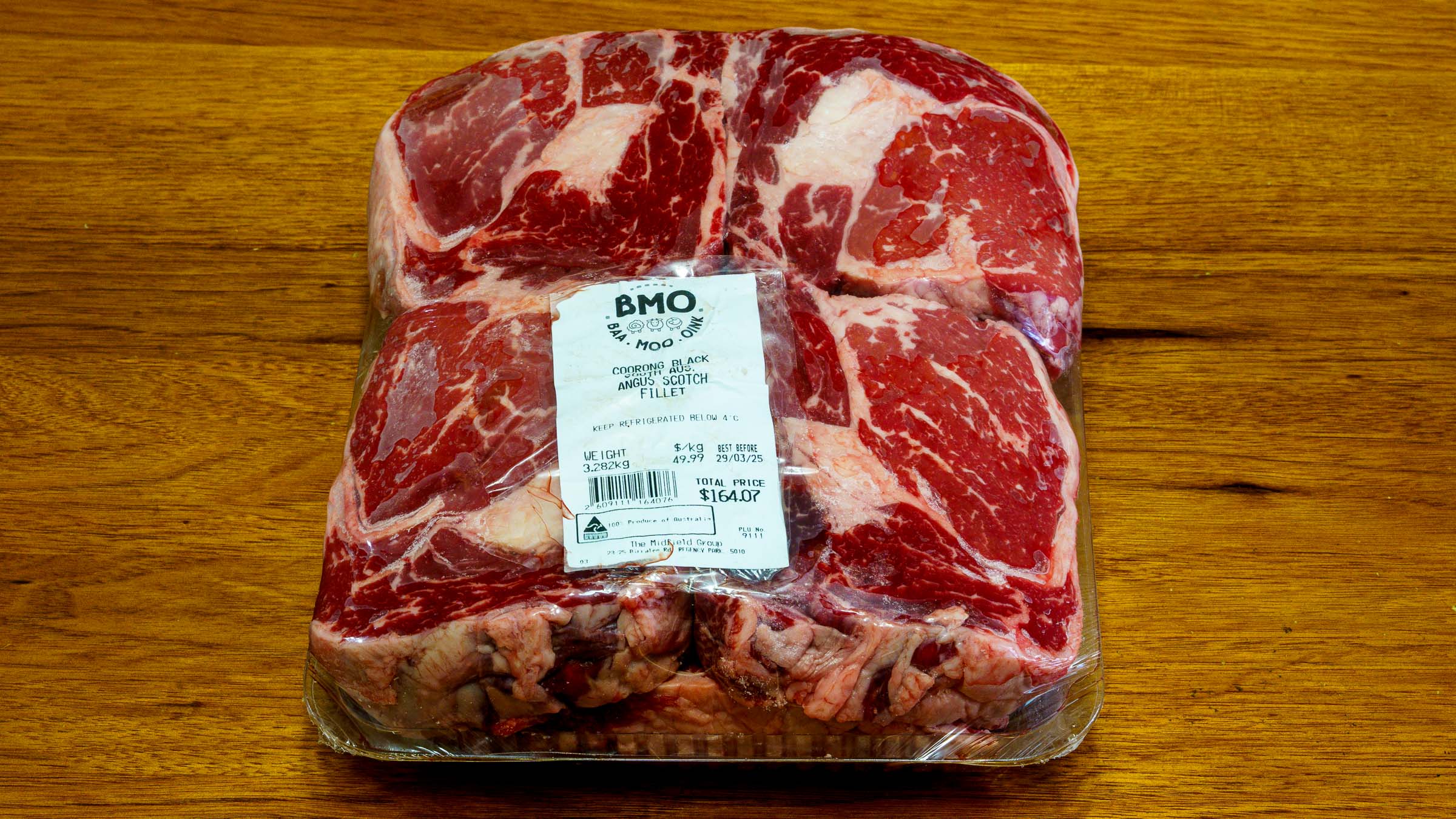
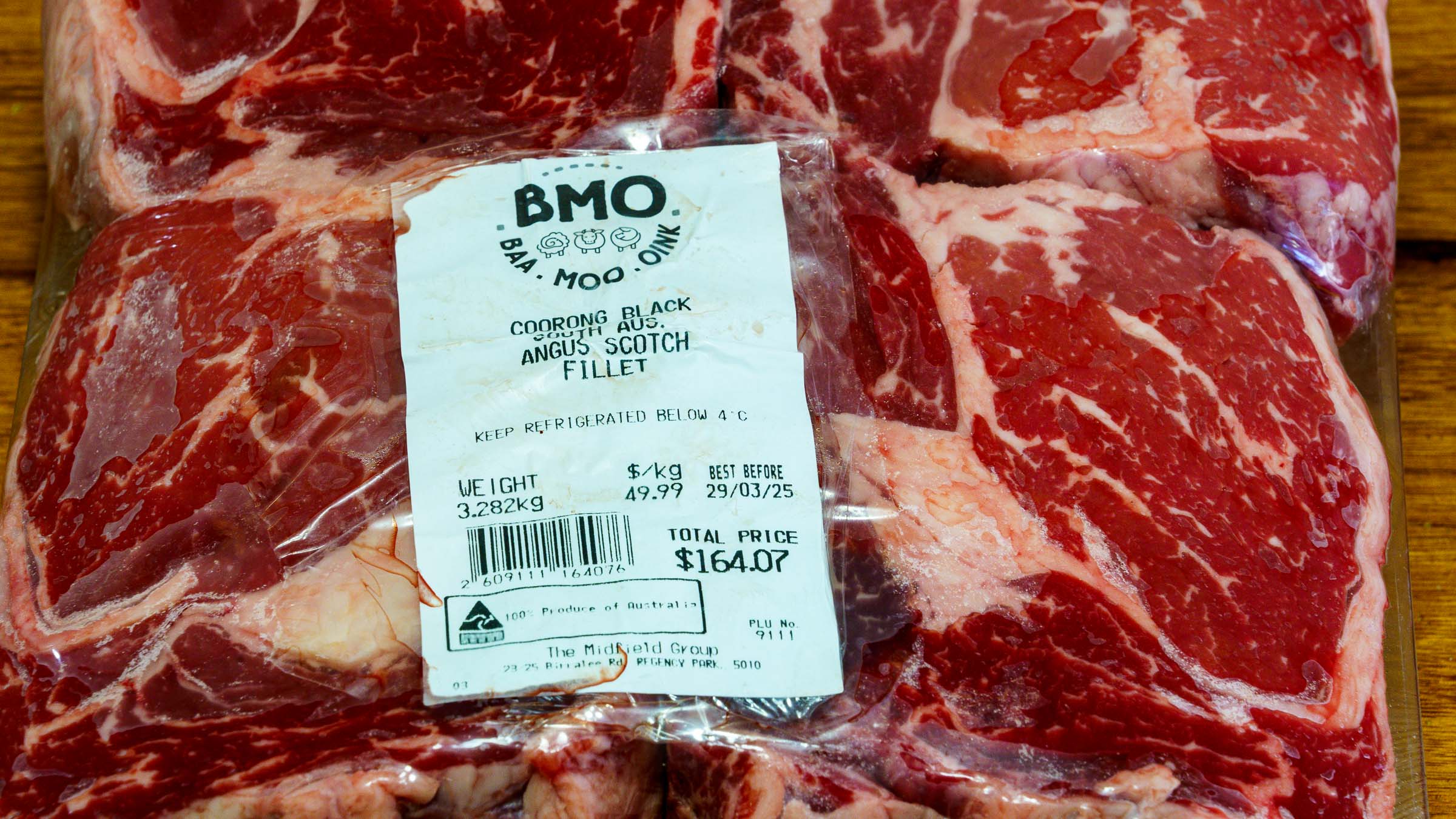
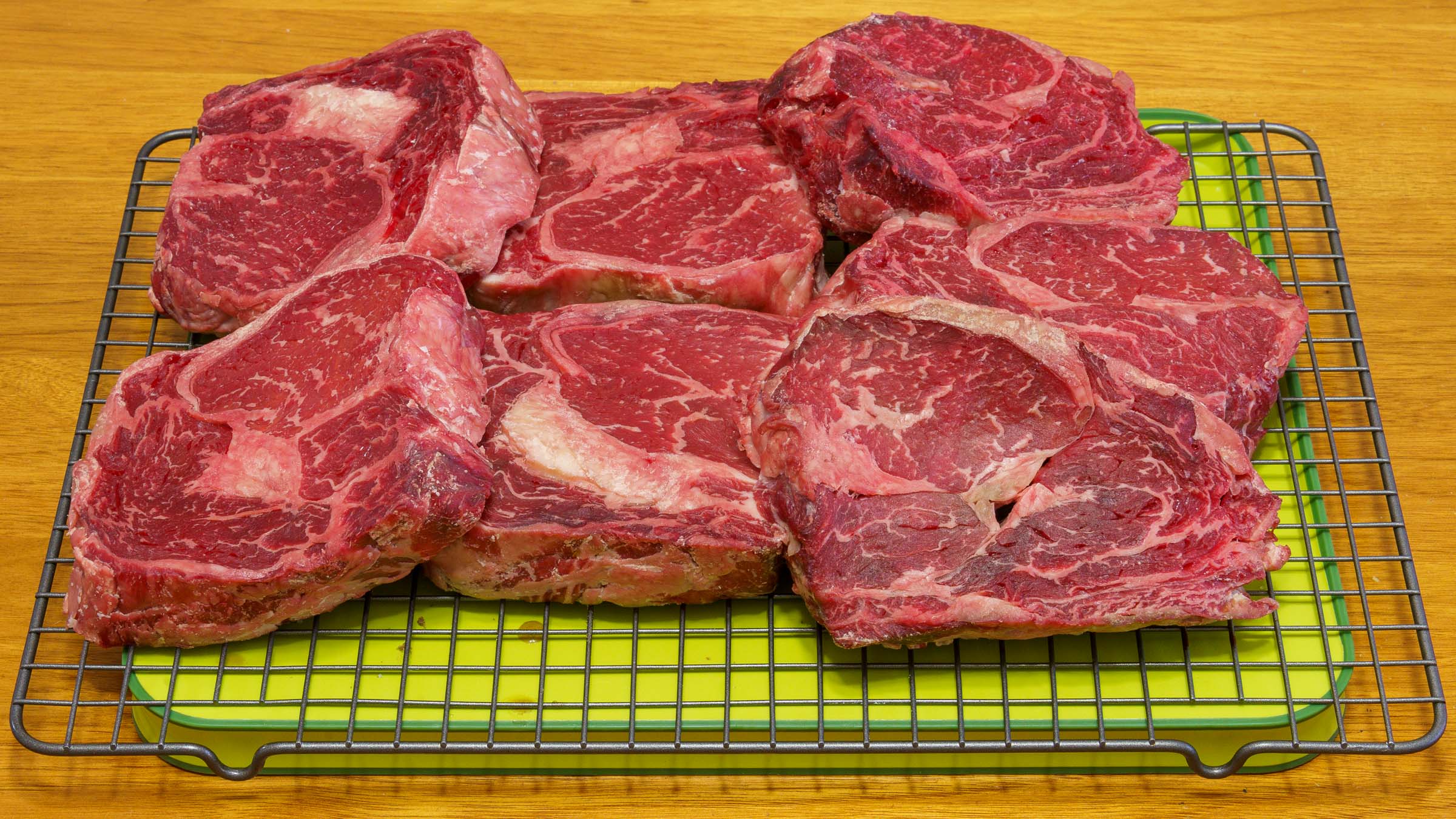
I visited my butcher last weekend and saw some bulk scotch fillet steak on display. This meat was not “economy.” It was priced at AUD 49.99 per kilogram.
The question is, “Is this steak that much better?”
The short answer is YES. The more expensive meat was labelled as South Australian Coorong Black Angus. This is the best steak I’ve ever eaten.
Coorong Black Angus
The Coorong Black Angus breed holds a distinguished place among premium beef cattle. It is renowned not only for its exceptional meat quality but also for its deep connection with the unique natural environment of the Coorong region in South Australia.
A Legacy of Excellence
At its core, the Black Angus breed is celebrated globally for its ability to produce tender, well-marbled beef—enhanced by selective breeding in the Coorong. While Black Angus cattle trace their origins to Scotland, Australian breeders saw an opportunity in the Coorong’s distinct landscape and climate. Through an effort to adapt and refine the breed, they have crafted an animal that marries classic genetic traits with local flavour. The result is beef that appeals, marked by succulent texture, robust flavour, and a balance between fat and muscle.
The Coorong Black Angus is favoured among chefs, steak enthusiasts, and sustainable agriculture advocates. Its popularity is driven by taste and tenderness, as well as the story behind its production—a narrative of respect for natural cycles, traditional practices, and innovative stewardship of the land.
Home of the Finest Herds
The Coorong region of South Australia is the heartland of this breed. Stretching along a unique coastal wetland and saltwater estuarine ecosystem, the area offers natural pastures that contain active ingredients for these cattle’s lives. Family-operated farms have maintained a relationship with the land, nurturing herds in expansive, low-stress environments where natural behaviours flourish.
Many of the best herds are farmed around the fringes of the Coorong National Park and adjacent coastal lands. In these microenvironments, the blend of native grasses, nutrient-rich soils, and the interplay between freshwater and saltwater runoff creates good-quality pastures. These areas are intentionally preserved and managed to ensure that the cattle have uninterrupted access to a natural diet, to develop the marbling and flavour that many cherish.
The Power of Environment
The remarkable quality of the Coorong Black Angus beef is inseparable from its environmental setting. Several factors contribute to elevating the meat quality:
Nutrient-Dense Pastures:
The Coorong’s native grasses and forbs thrive on mineral-rich soils augmented by fresh coastal breezes and the unique saline influences of the nearby ocean. When cattle graze on such flora, their diet boosts muscle development and fat distribution, yielding beef of superior marbling and tenderness.
Natural Free-Range Lifestyle:
Far removed from the stressors of confined feeding operations, Coorong Black Angus cattle live in spacious, free-range conditions. Lower stress levels correlate with better hormonal balance and a slower, more natural rate of muscle growth. This calm environment is fundamental to developing the intricate flavour profiles that premium beef is known for.
Balanced Climate:
The Coorong region enjoys a moderate climate with gentle seasonal variations. Neither too extreme in summer nor harsh in winter, this climate helps ensure that cattle maintain steady growth rates and consistent fat deposition. Moreover, the relative predictability of weather patterns contributes to a sustainable farming model where environmental stress does not impede health or meat quality.
Sustainable Farming Practices:
Farmers in the Coorong have embraced traditional techniques alongside modern innovations. Methods such as rotational grazing, conservation of native vegetation, and careful water management protect the land and preserve its natural character. These practices safeguard the ecosystem and enrich the quality of the beef produced, as cattle absorb the full spectrum of natural nutrients provided by a healthy landscape.
Beyond the Steak: Cultural and Economic Significance
The combination of heritage, environment, and animal husbandry imbues the Coorong Black Angus with a cultural richness. Consumers appreciate not only the quality of the meat but also the story of sustainable success. The economic ripple effect of these premium herds has supported local farming communities, preserved natural resources, and enhanced the reputation of Australian beef.
This unique synergy of the natural environment and traditional practices reinforces why the Coorong Black Angus is a testament to the art and science of quality beef production. These cattle remind us that genetics and the environment can produce delicious and ethically sound results.
Final thoughts
Whether you’re a steak enthusiast, an environmentalist, or someone intrigued by the story of the Coorong Black Angus, this meat is amazing.
It is expensive, though. Unfortunately, the majority will never be able to afford meat like this.
Recipe
Ingredients
- Steak
- Salt
Equipment
Instructions
- Visit your butcher and be prepared for the price shock.
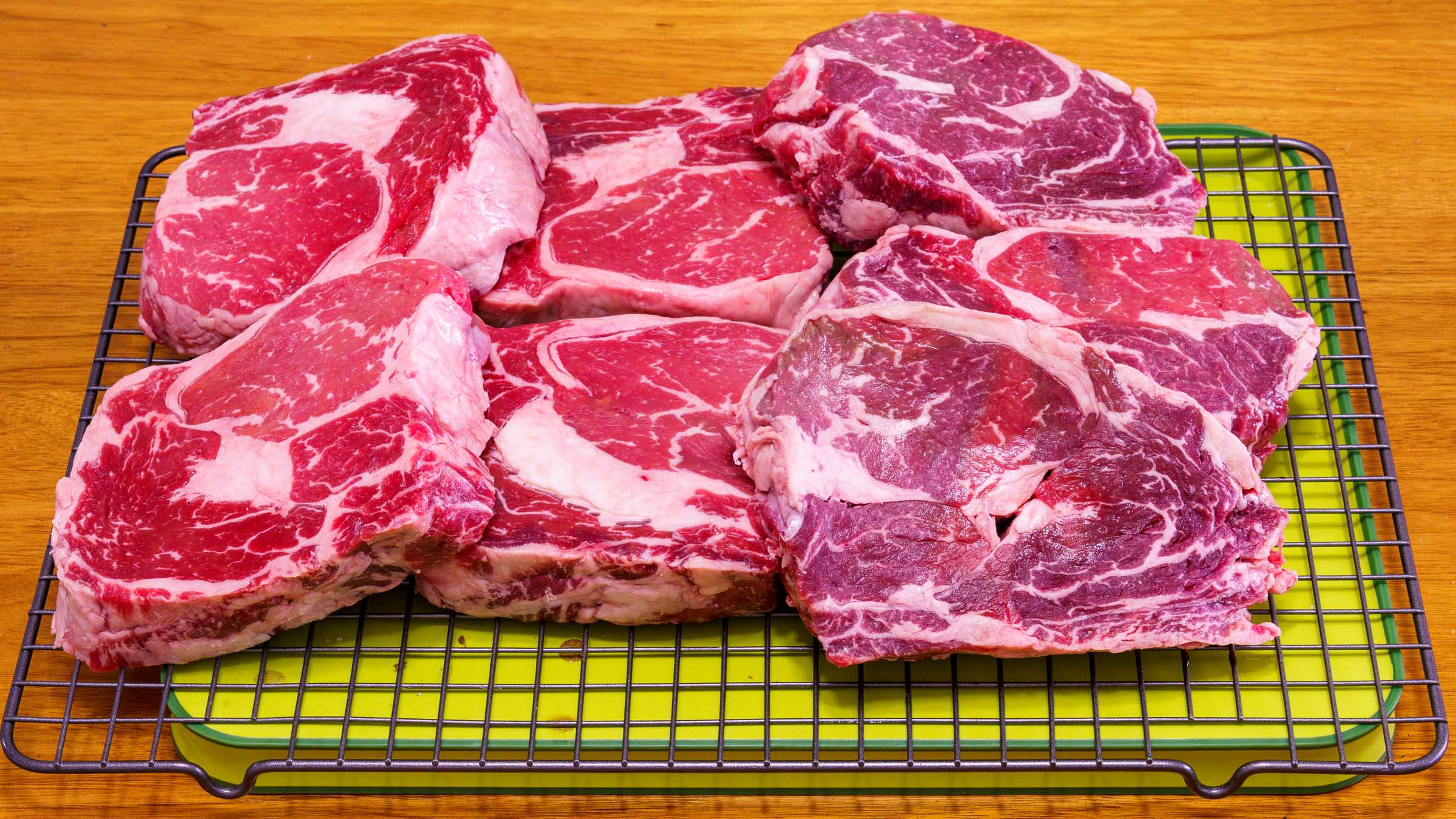
- Ask your butcher to slice the meat to your preferred thickness. I requested slices that are 3 cm (1.2 inches) thick. This thickness ensures the steak cooks evenly and sears properly without losing its edge-to-edge doneness. Additionally, it’s the right size for a single meal (for me).
- Dry brine the slices for one or two nights.
- Place the steaks into bags and vacuum seal them.
- Cook the steaks for 3 hours at 57 °C (135 °F).
- Set one steak aside and place the rest of the cooked steaks in the refrigerator for meals later in the week.
- Turn on the barbecue grill to heat the cooking surface.
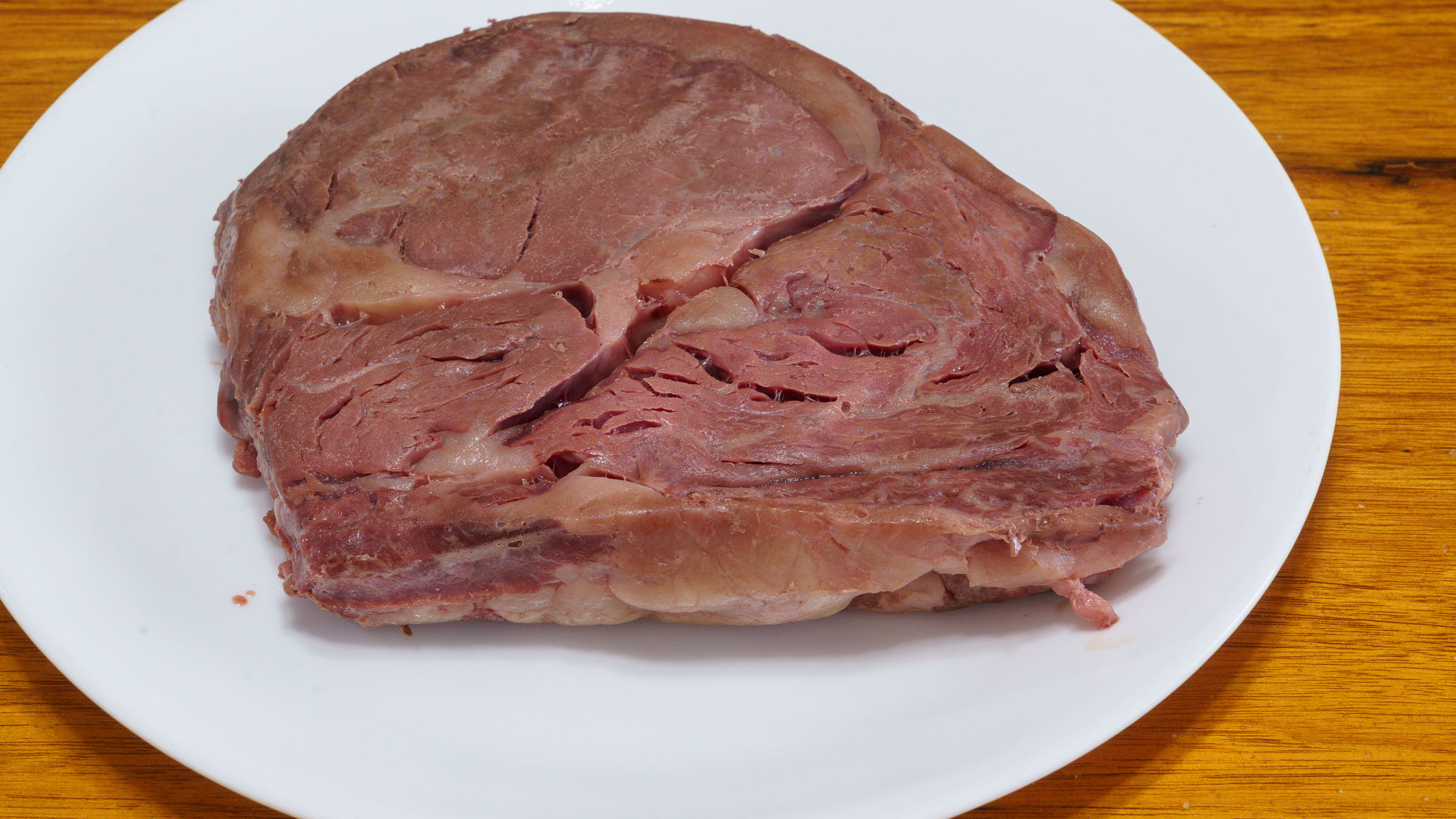
- After removing the steak from the bag, you might notice that the meat is easily deformed and the muscle fibres may separate due to gravity. This indicates how tender the meat will be when masticated.
- Dry the steak with absorbent kitchen paper.
- Place the steak on the hot barbecue grill and sear the upper surface with a gas torch.
- Turn the steak over and sear the other side.
- Place the steak onto a cutting board.
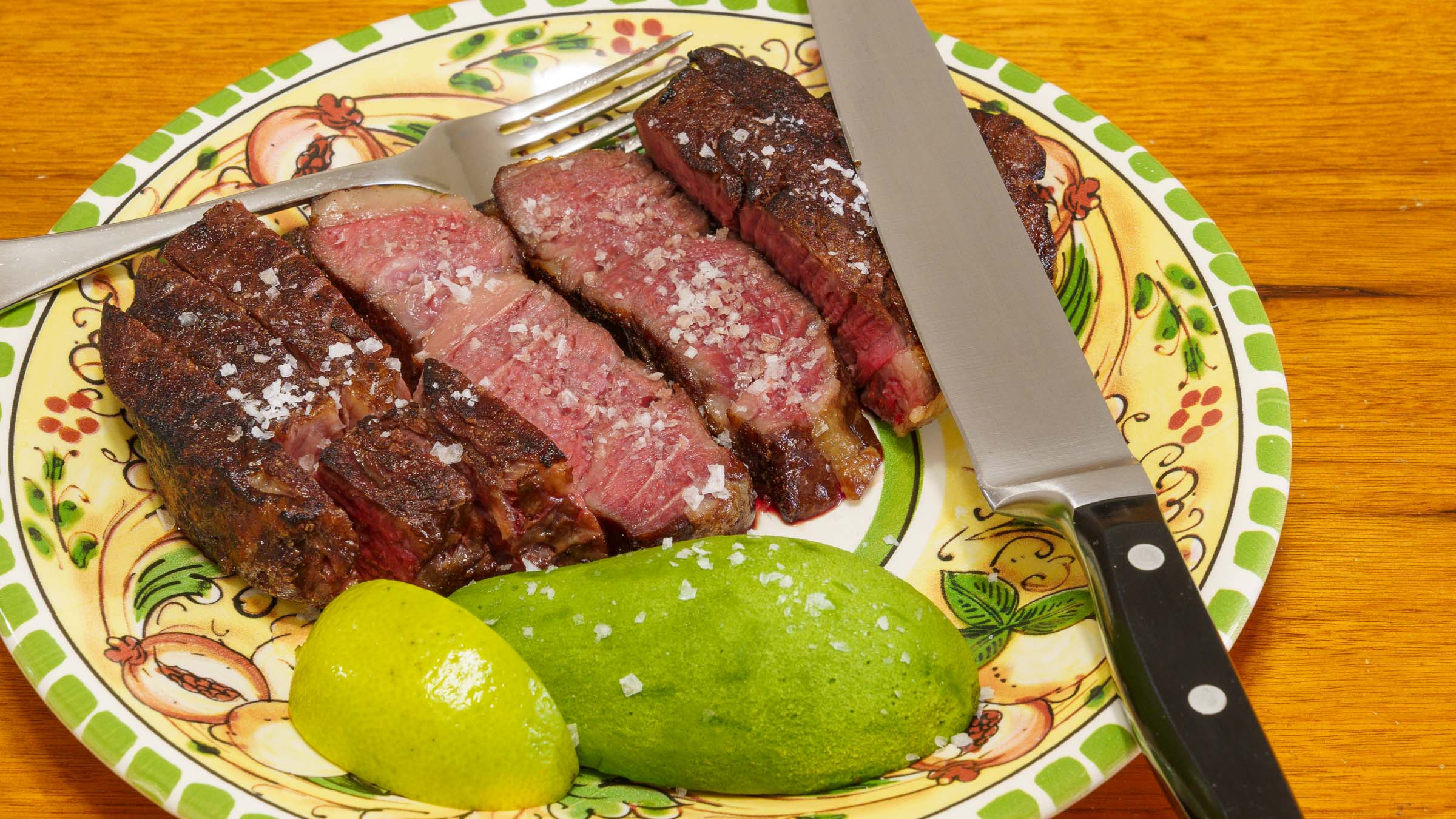
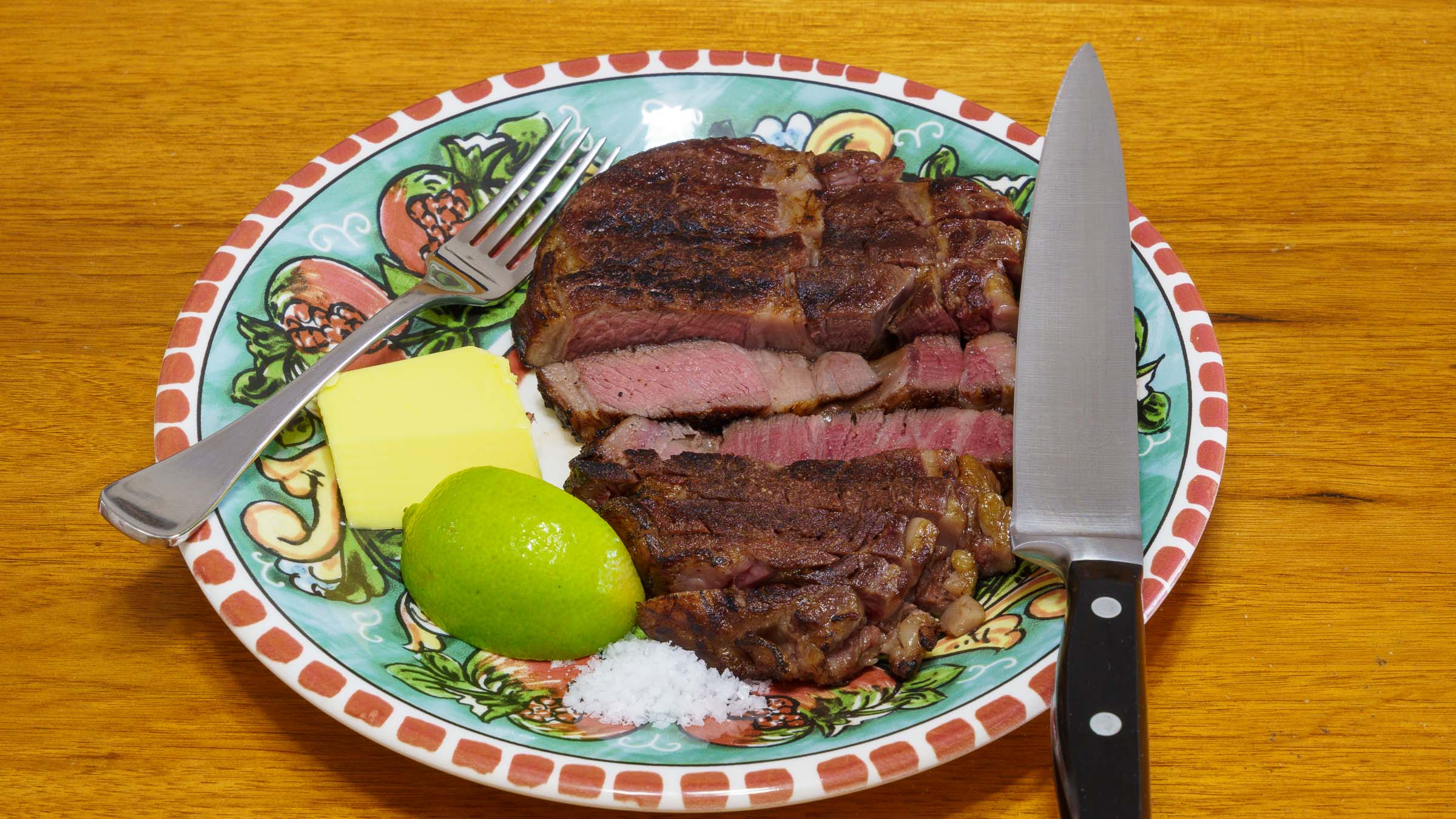
- Slice the meat.
- Arrange the meat.
- Serve the meat.
- Eat the meat.
Thoughts on the meal
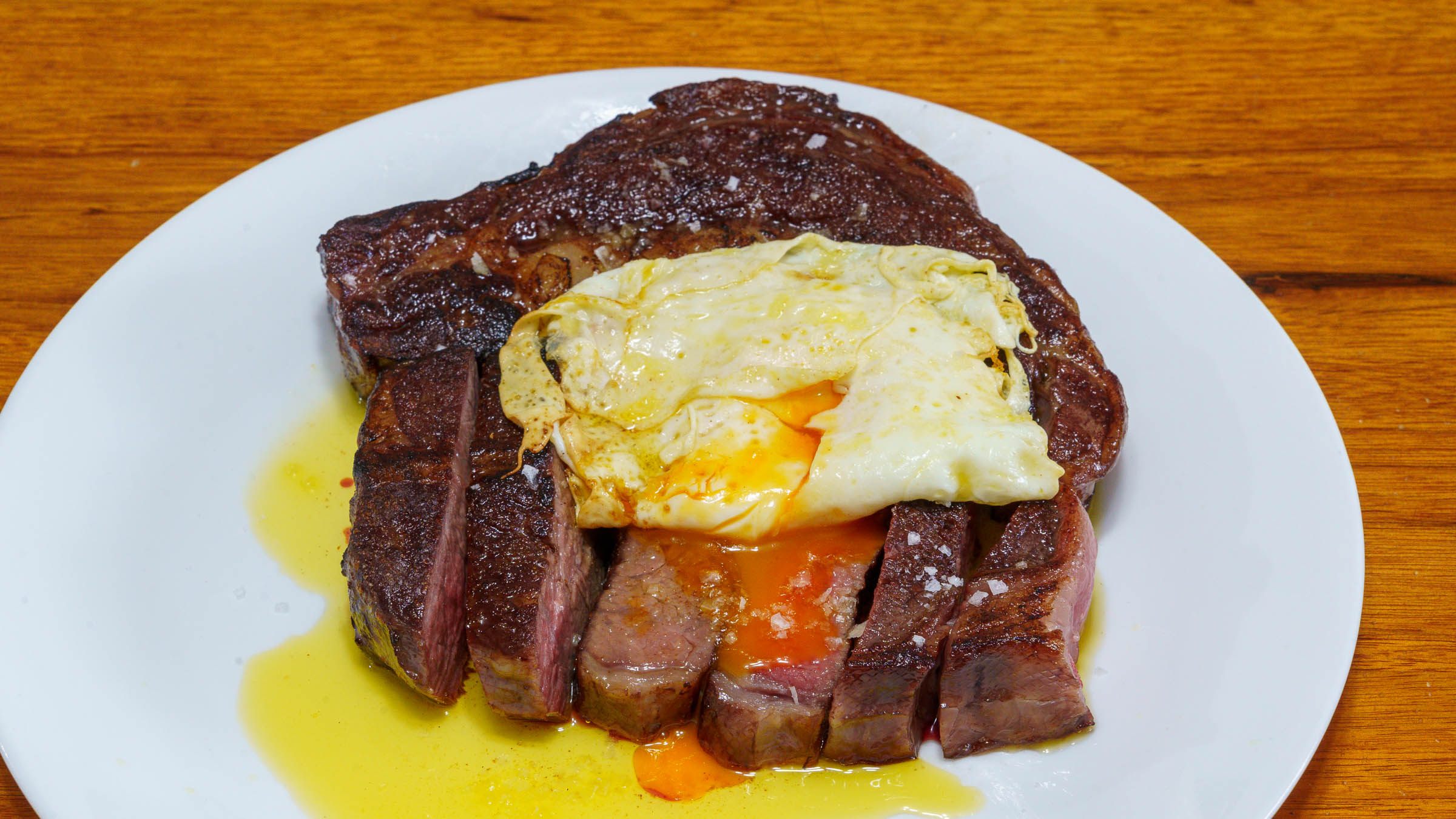
This is the best steak I’ve ever eaten. It’s far better than any steak I’ve eaten in a restaurant. I reckon in a restaurant, this steak cooked like this would be four or five times the price I paid. These steaks average about 400 grams and would cost $20/steak. I’ve been in some very expensive restaurants with a 250 to 350-gram steak costing between $80 and $100.
I don’t like going out. I don’t like eating out. The best solution for me is buying meat from my butcher, cooking it the way I want, and then enjoying it in the peace and quiet of my home.
Photographs
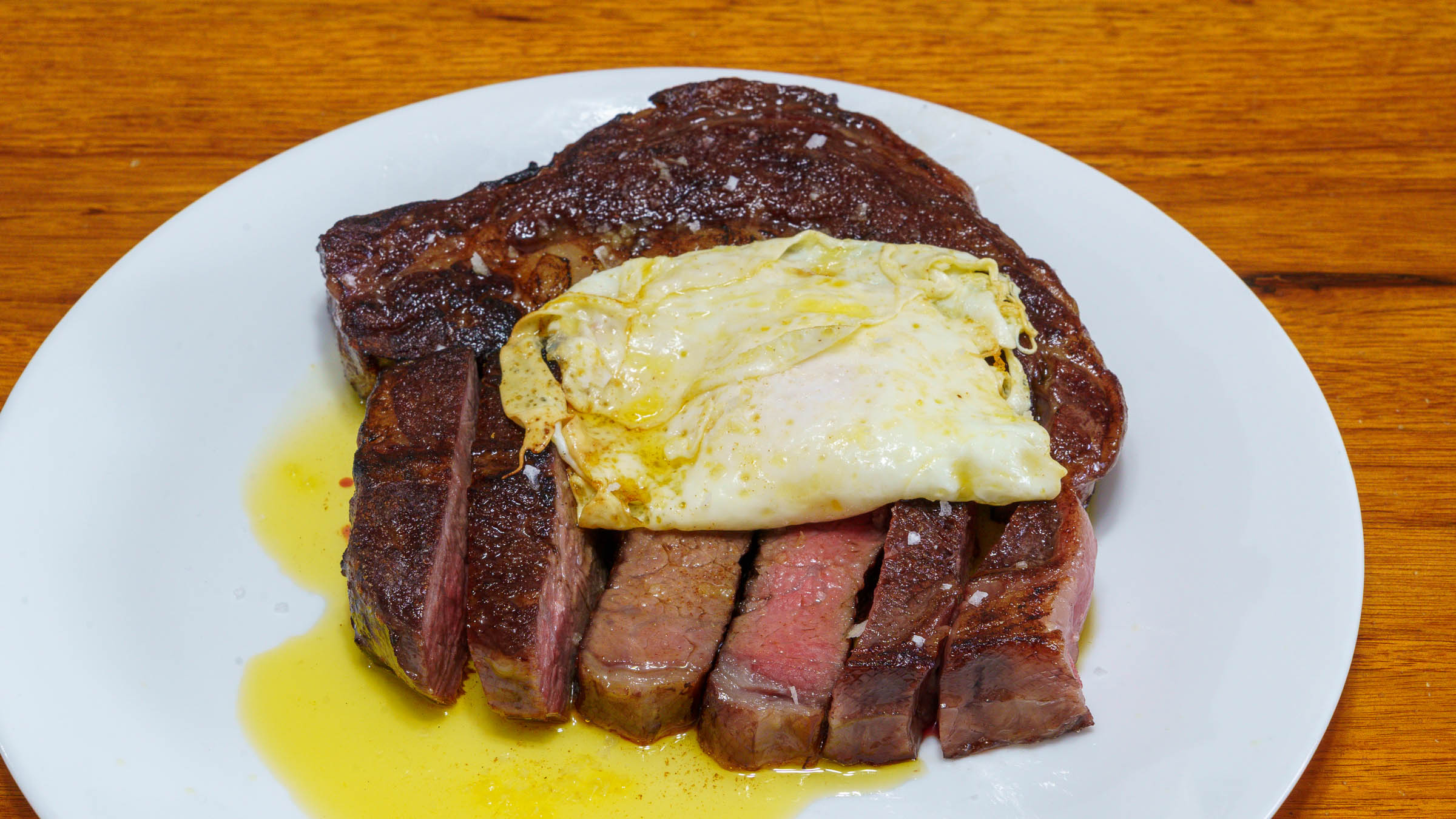
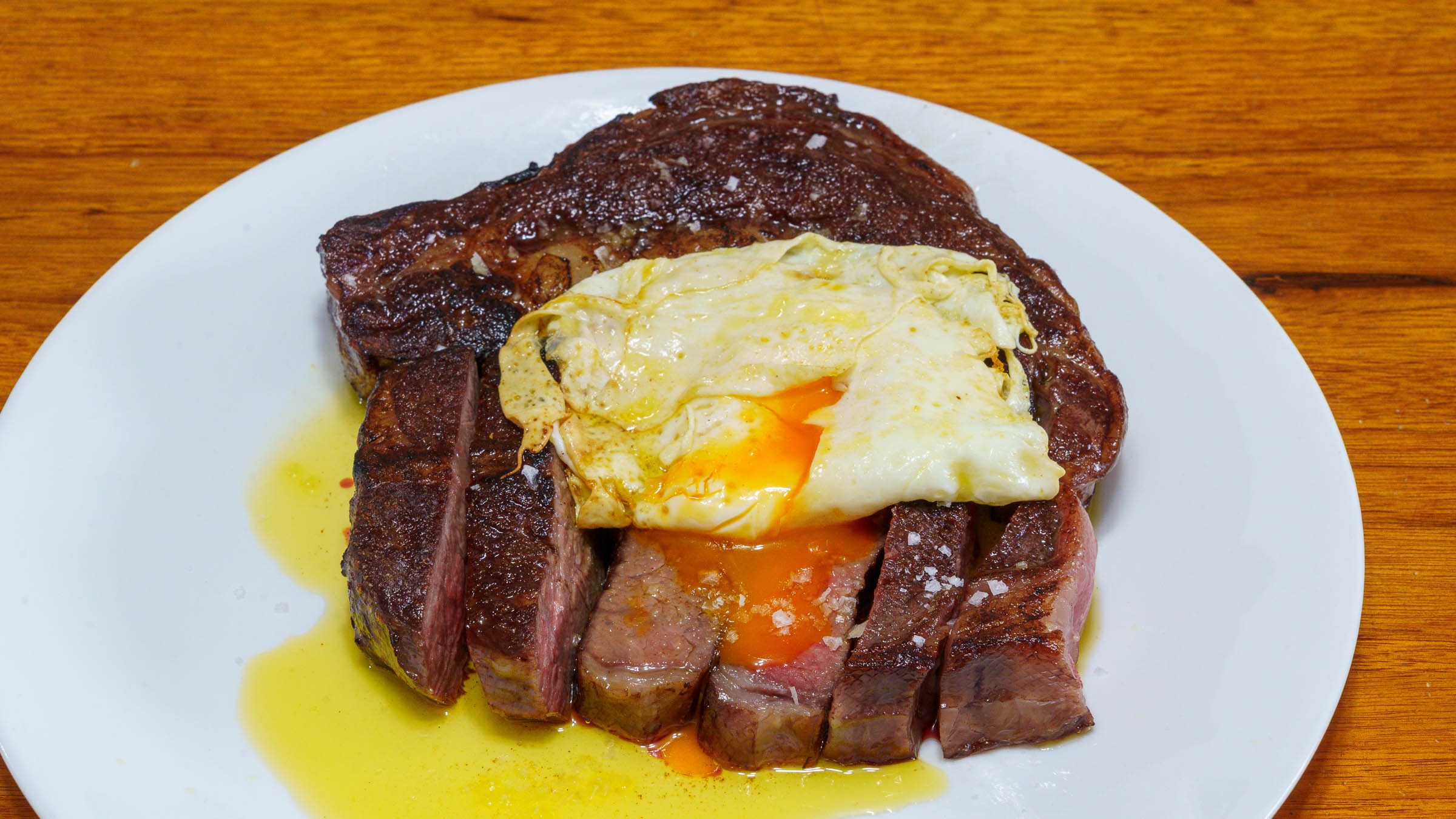
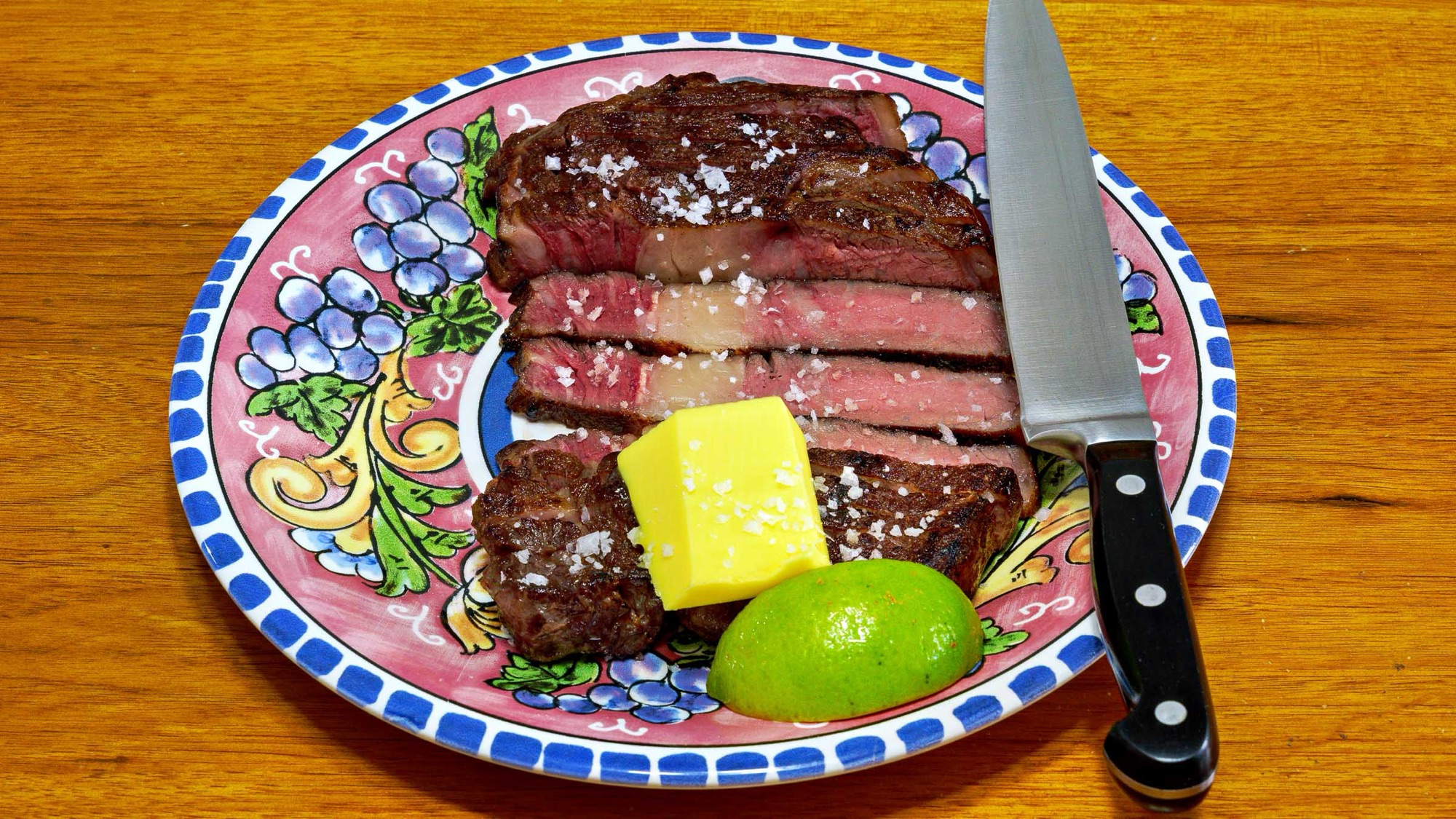
This is a gallery of photographs taken from three meals. Click on one image and scroll through the rest of them.



What’s the best steak you’ve ever eaten?


Leave a reply to Gary Cancel reply