

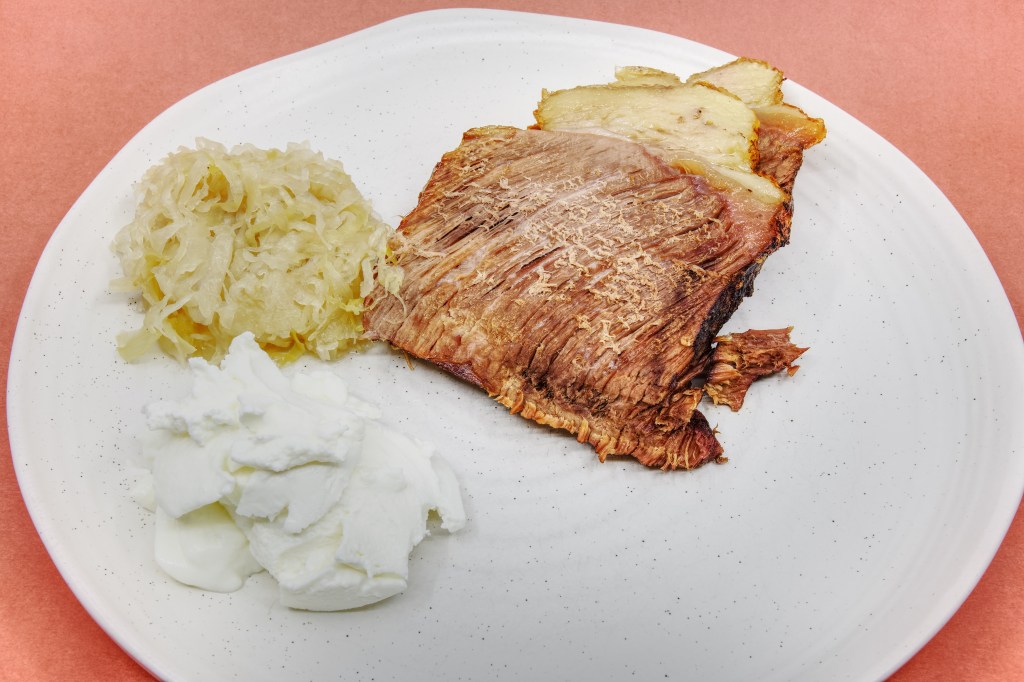
The bolar roast is one of those cuts that is often overshadowed by flashier steaks and premium roasts, yet it delivers deep, beefy flavour and value for money.
Where does the bolar roast come from
Anatomically, the bolar roast is taken from the forequarter (shoulder) of the animal, specifically within the chuck primal. This area includes the shoulder blade (scapula), upper foreleg (humerus), and neck muscles. It is a heavily exercised part of the beast that develops robust flavour and significant connective tissue.
The bolar roast is associated with the blade section of the chuck and incorporates muscles such as the supraspinatus and infraspinatus, which sit around the shoulder blade. These muscles are well-marbled and interwoven with fascia, giving the cut its characteristic richness and structure.
Because the shoulder works hard throughout the animal’s life, the bolar roast contains collagen-rich connective tissue. This makes it tough when cooked quickly, but tender when cooked low and slow.
What makes the bolar roast worthwhile?
The bolar roast’s appeal is cheap flavour. Cuts from the chuck primal are known for a deep, beefy taste. Its internal marbling and connective tissue contribute to moisture and richness when properly cooked.
It is a budget-friendly option compared with premium roasting cuts like ribeye or tenderloin, making it economical for people who want flavour without the premium price tag.
This roast costs $AUD18/kg.
Cooking characteristics: why slow is the way to go
Due to its structure, the bolar roast is best cooked using slow-cooking methods. The collagen and connective tissue break down with gentle heat, changing the roast from firm and sinewy to tender.
The best techniques include:
- Slow roasting at low temperatures
- Braising
- Pot roasting
- Smoking for long, low sessions
These methods allow the connective tissue to dissolve, enriching the cooking liquid and producing a liquor suitable for gravy.
Eating experience
A well-cooked bolar roast offers:
- Tender slices that hold their shape but yield easily under the knife
- Rich, beefy flavour that pairs well with sides
- Luxurious gravy thanks to the melted collagen
- Versatility — slice it, shred it, or serve it as a centrepiece roast
It’s a cut for Sunday roasts, slow cooker dinners, and hearty winter meals.
Tonight’s dinner
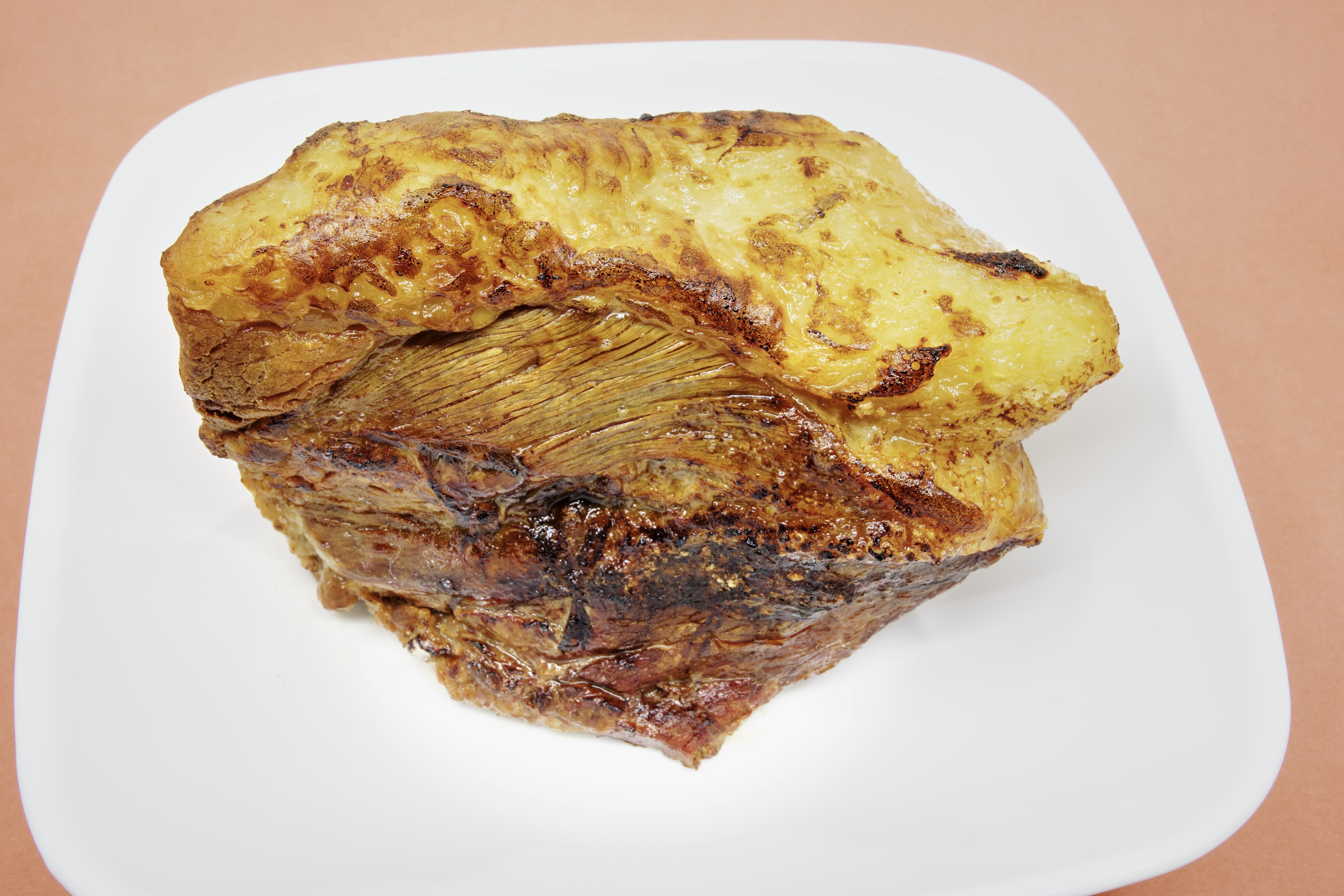
I cooked this roast in my slow cooker on low for eight hours. I seared the surface with a gas torch on a barbecue grill.
Today’s food diary
Lunch
Beef mince cooked with triple-cream truffle brie and some Polish sauerkraut. I cooked a couple of eggs with it, too.

Tea
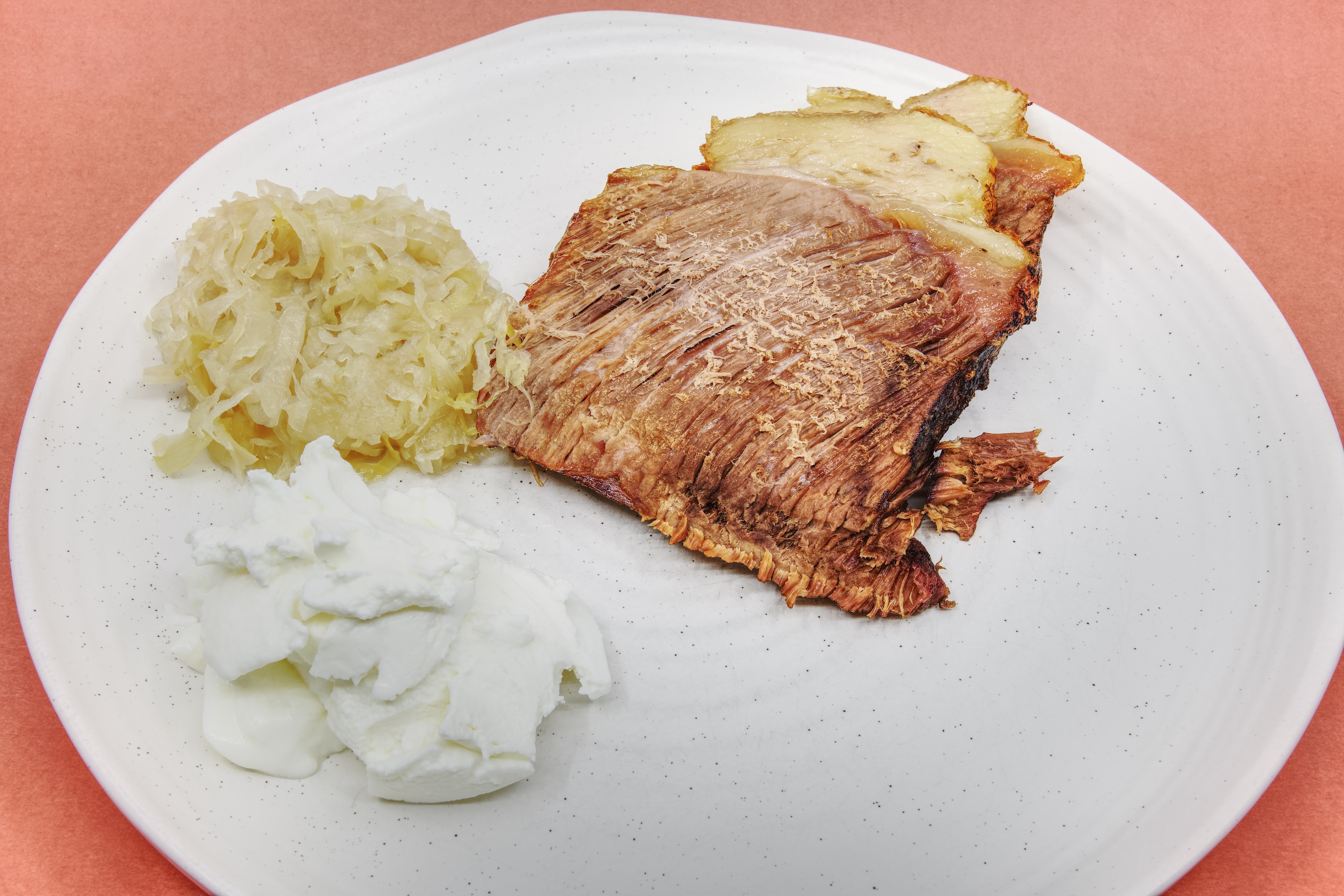
Bolar roast. It looks dry, but when cut against the grain, the meat is tender and not at all chewy. It was delicious with some Greek-style yoghurt and Polish sauerkraut.


Comments will be moderated.