

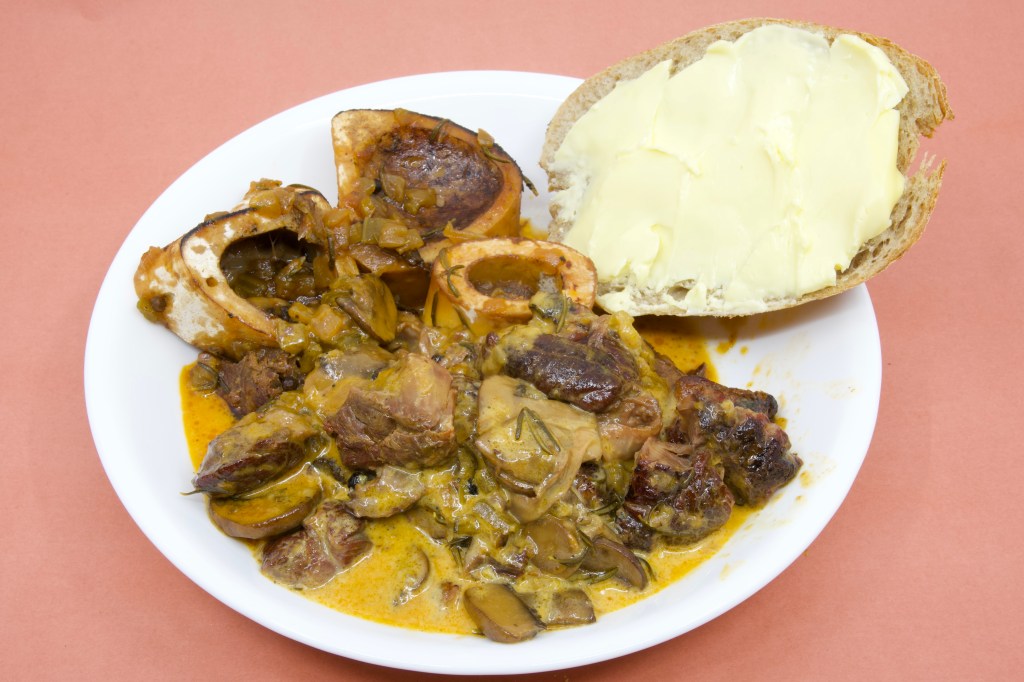
Pressure-cooker beef shank

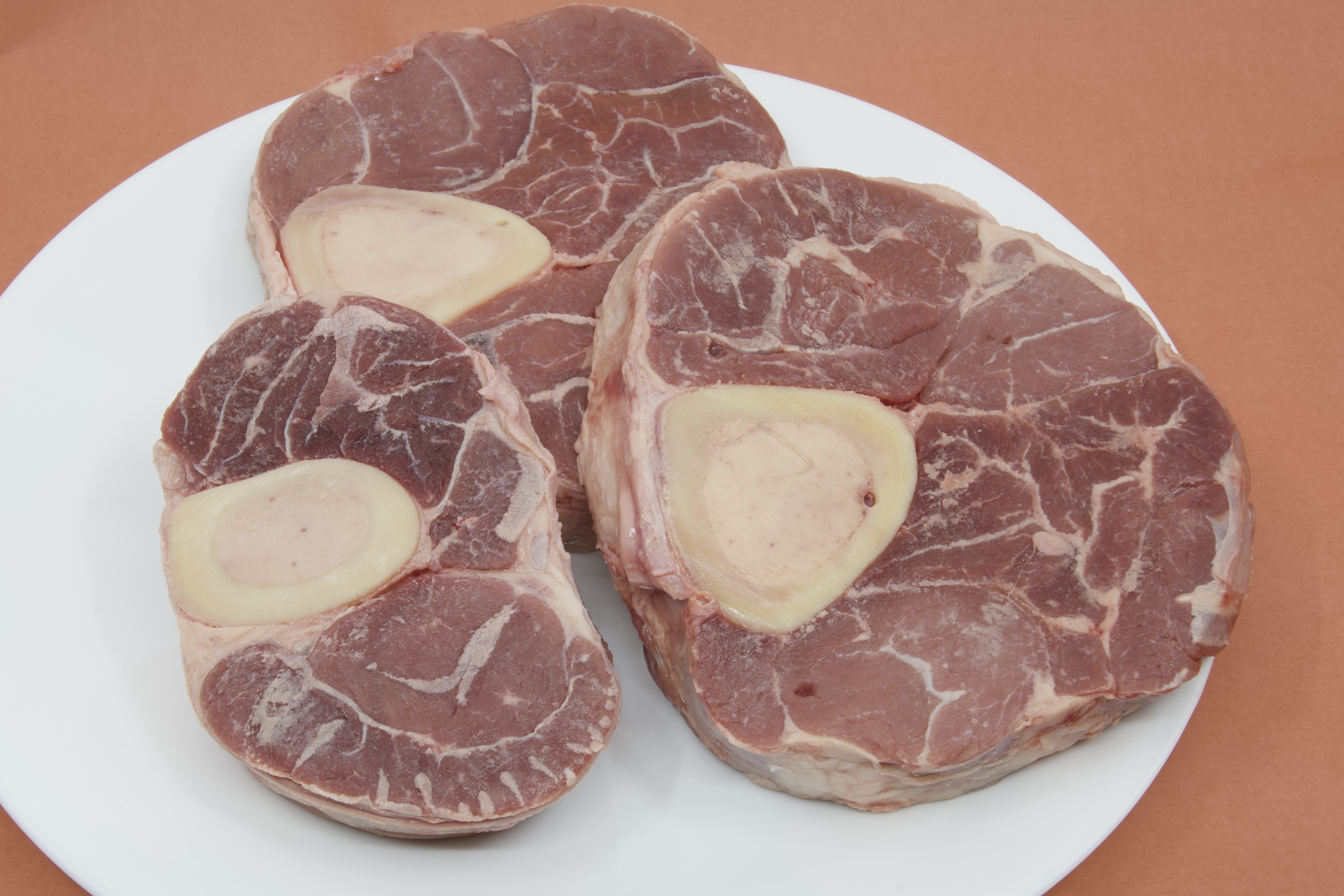
I found some relatively cheap beef shank while grocery shopping.
Introduction
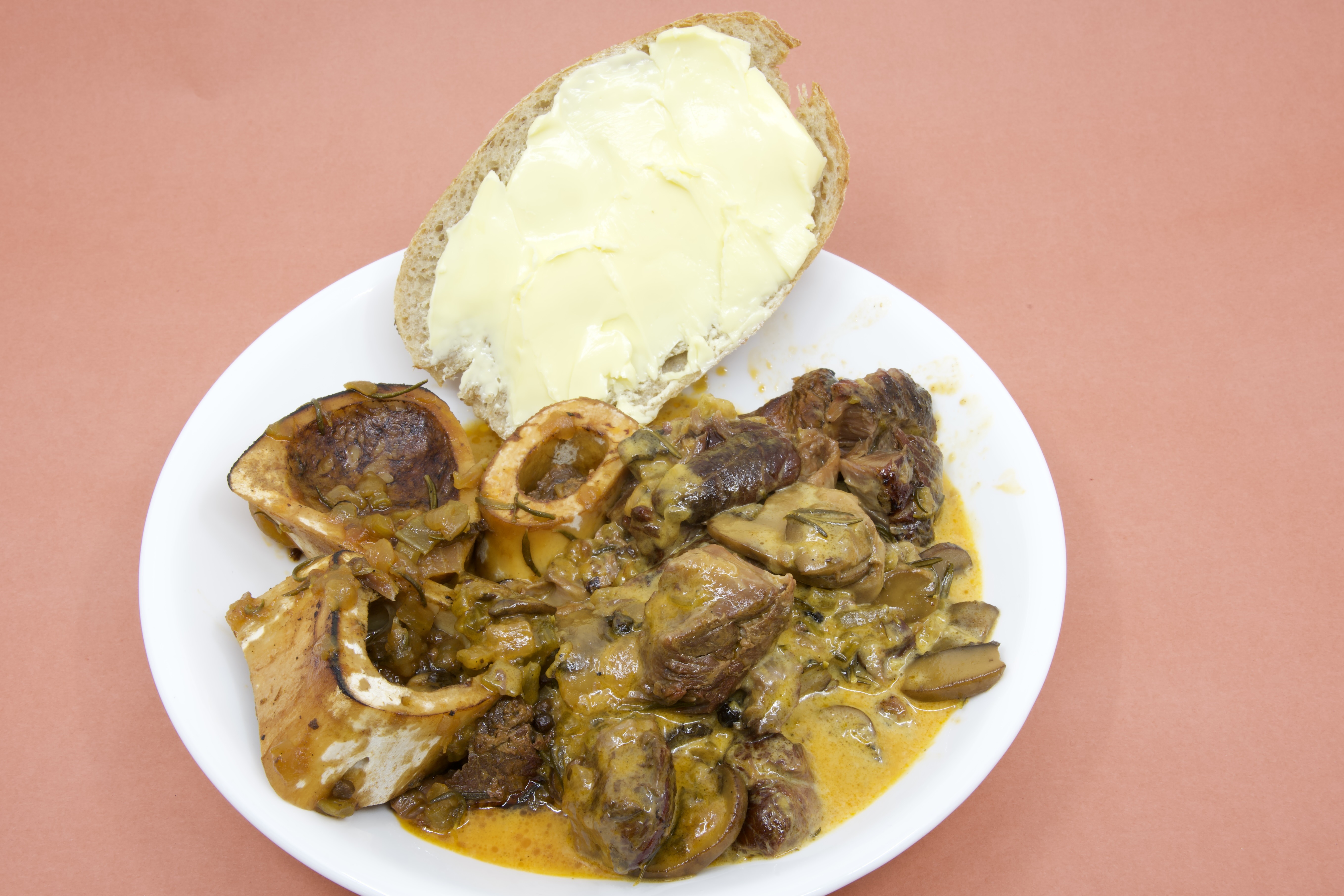
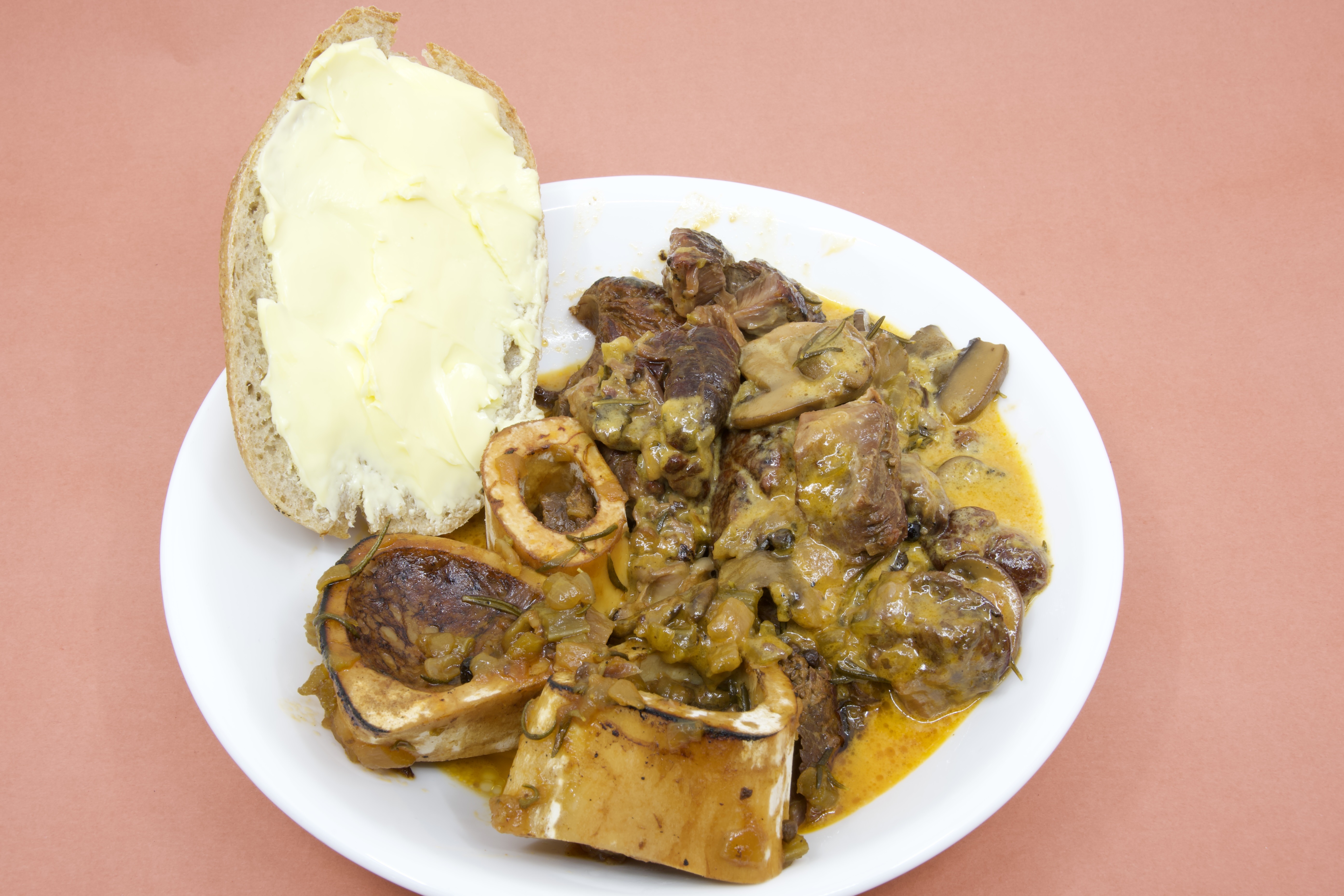
This meal is meat-focused. It keeps the good bits: browned meat, connective tissue, bone marrow, and a savoury cooking liquor. The result is rich, gelatinous and deeply satisfying.
Anatomy of beef shank
- Cut: Beef shank is a cross-cut section of the lower leg, usually veal or beef.
- Bone: The central round bone contains marrow. After cooking, the marrow becomes soft, savoury, and rich. Scoop it out and eat it with the meat or stir it into the sauce.
- Muscle: Shank muscle works hard during life, so it is firm and full of connective tissue. It needs moist heat to become tender.
- Collagen: Long cooking under pressure converts collagen into gelatine, giving the sauce body and a glossy mouthfeel.
- Thickness: Pieces about 3 to 5 centimetres thick work well. Thicker pieces hold together better during pressure cooking.
Optimal cooking styles
- Best traditional method: Slow braising in a heavy pot gives excellent flavour because the heat is gentle and the sauce reduces gradually.
- Best weeknight method: Pressure cooking is ideal when time matters. It gives tender meat and gelatine-rich sauce in a fraction of the time.
- Important step: Brown the meat first. Browning gives the sauce depth and a proper savoury base.
- Liquid control: Pressure cookers do not evaporate much liquid, so use less liquid than for a slow braise. Reduce the sauce after cooking if you want it thicker.
- Serving style: For low-carbohydrate meals, serve with cabbage and mushrooms.
Recipe overview
- Serves: 2 Gary-sized serves or 4 normal-person serves.
- Preparation time: 20 minutes.
- Cooking time: 55-70 minutes, including pressure build-up and natural release.
- Best cut: Beef shank or veal shank, bone-in and crosscut.
Ingredients
- 2 large beef shank pieces, bone-in, about 900 g to 1.2 kg in total
- 1 teaspoon fine salt, plus more to taste
- 1 teaspoon freshly ground black pepper
- 2 tablespoons beef fat
- 1 small brown onion, finely diced.
- 2 celery stalks, finely diced.
- 200 g crushed tomatoes
- 725 mL water
- 1 bay leaf
- 2 sprigs rosemary or thyme
Equipment
- Electric pressure cooker or stovetop pressure cooker, at least 6 litres
- Barbecue grill cast-iron flat-plate
- Tongs
- Sharp knife
- Chopping board
- Measuring spoons
- Measuring jug
- Wooden spoon
- Serving spoon
Method
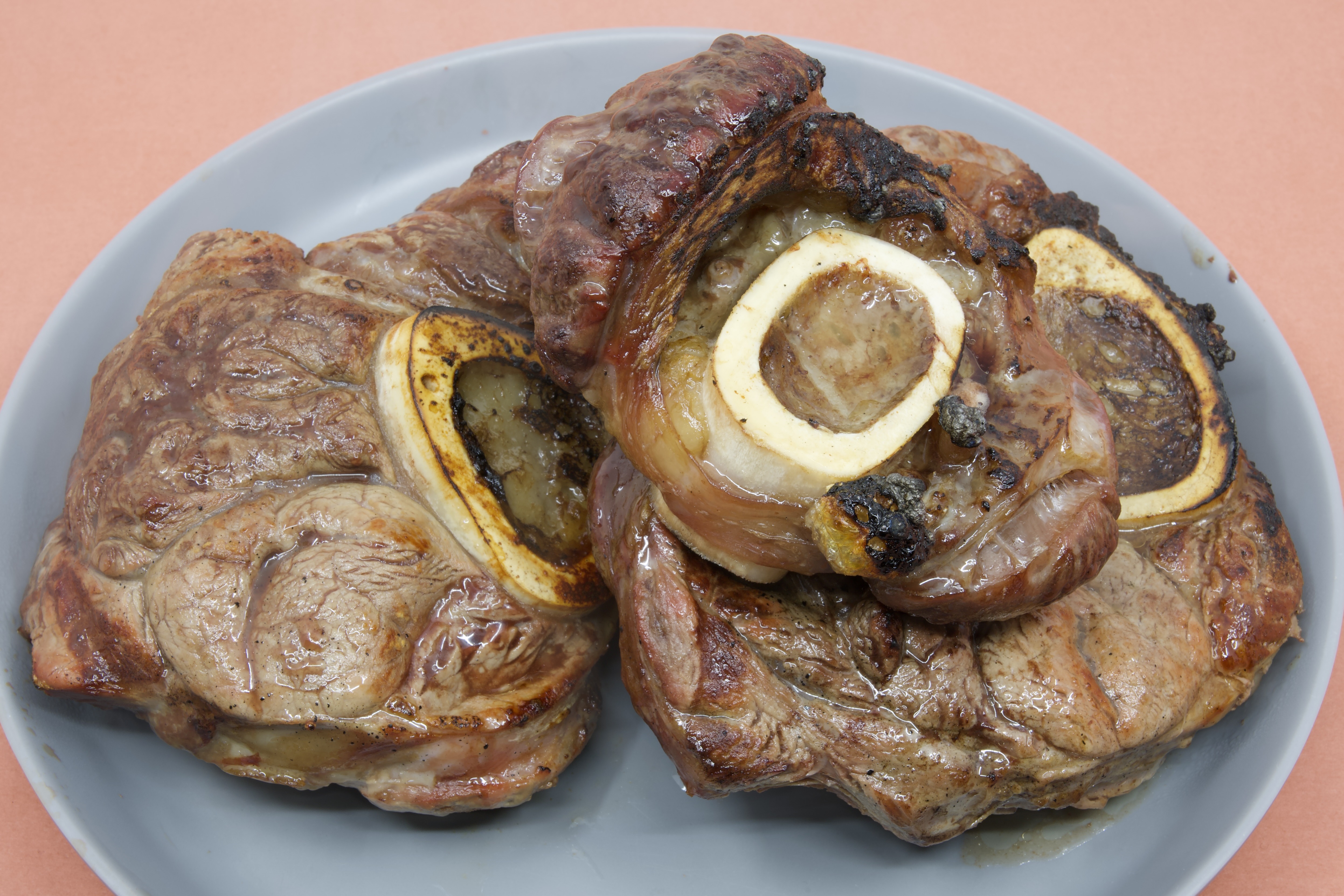
- Dry and season the meat. Pat the beef shank dry with paper towels. Season both sides with salt and pepper. Dry meat browns better.
- Brown the shanks. Heat a cast-iron flat-plate until hot, then sear the meat.
- Cook the aromatics. Add the onion and celery. Cook for 4 to 5 minutes, stirring often, until softened.
- Deglaze. Add the water. Scrape the bottom of the pot to lift the browned bits. This prevents scorching and builds flavour.
- Add the braising base. Stir in the crushed tomatoes, bay leaf, and rosemary.
- Pressure cook. Return the shanks to the pot. Lock the lid. Cook on high pressure for 50 minutes. Let the pressure release naturally for 15 minutes, then carefully release any remaining pressure.
- Check tenderness. The meat should be tender and nearly falling off the bone. If it is still firm, pressure cook for another 8 to 10 minutes.
- Reduce the sauce. Remove the shanks carefully. Set the cooker to sauté, then simmer the sauce for 8 to 12 minutes, until glossy and thickened. Stir in butter for extra richness.
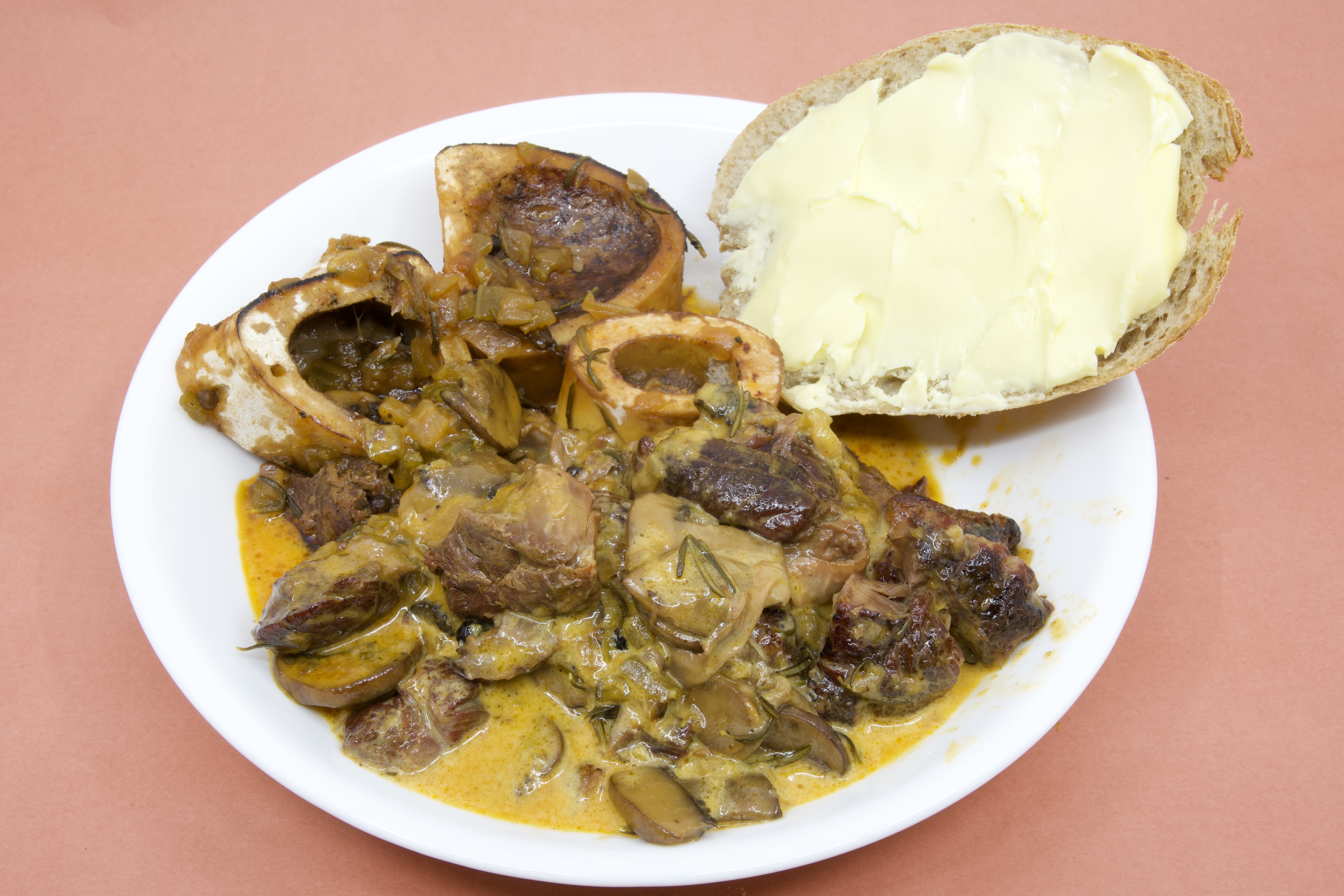
- Serve. Spoon sauce into a shallow bowl. Add the shank. Scoop out the marrow and enjoy it with the sauce.
Notes from the kitchen
- If the sauce tastes flat, add salt first, then a small squeeze of lemon juice.
- If the sauce is too sharp, simmer it longer and finish with butter.
- Leftovers are excellent. Refrigerate in the sauce for up to 3 days or freeze in portions.


Comments will be moderated.