Category: Food

  • Chuck

    Chuck


    Chuck under pressure

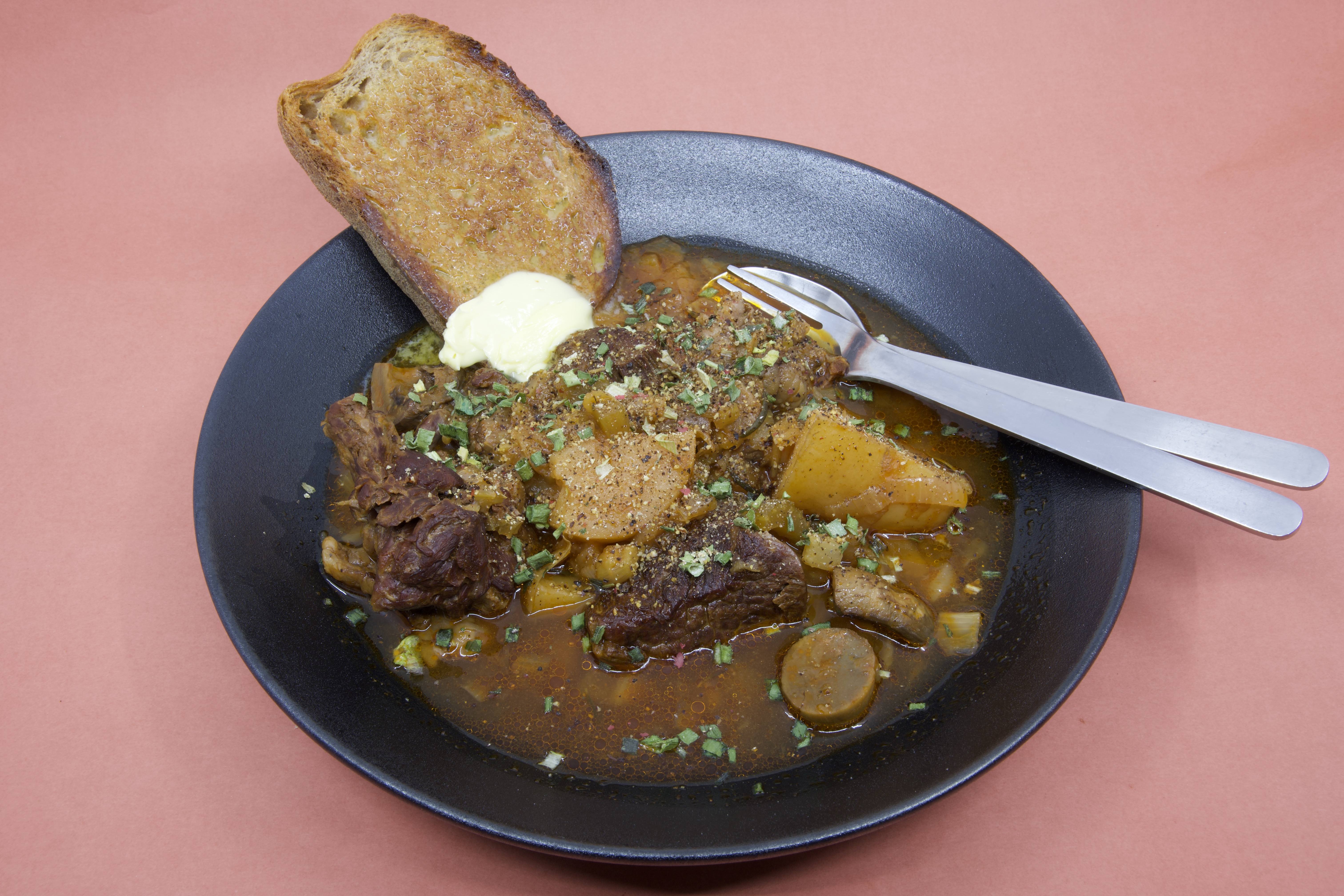
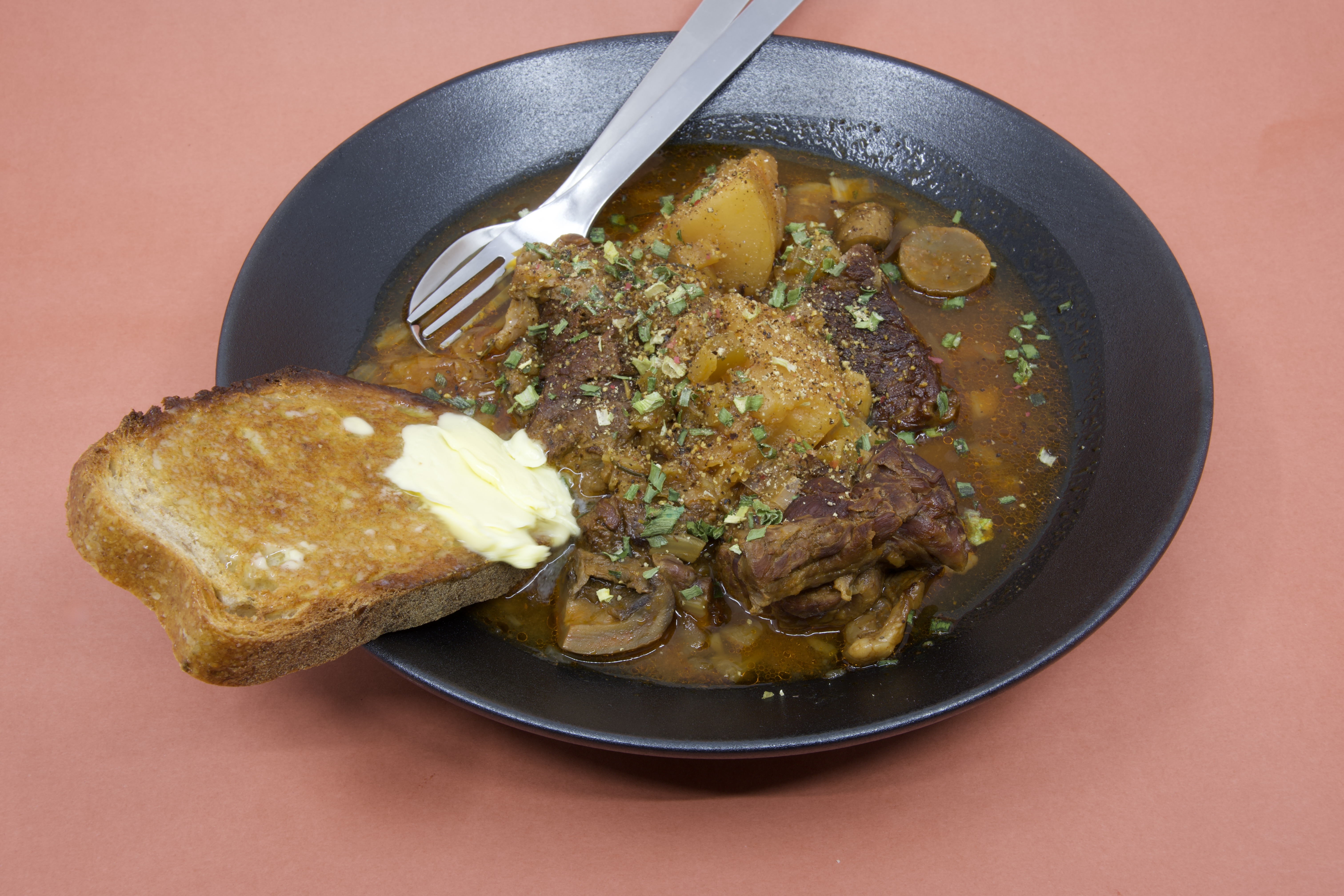
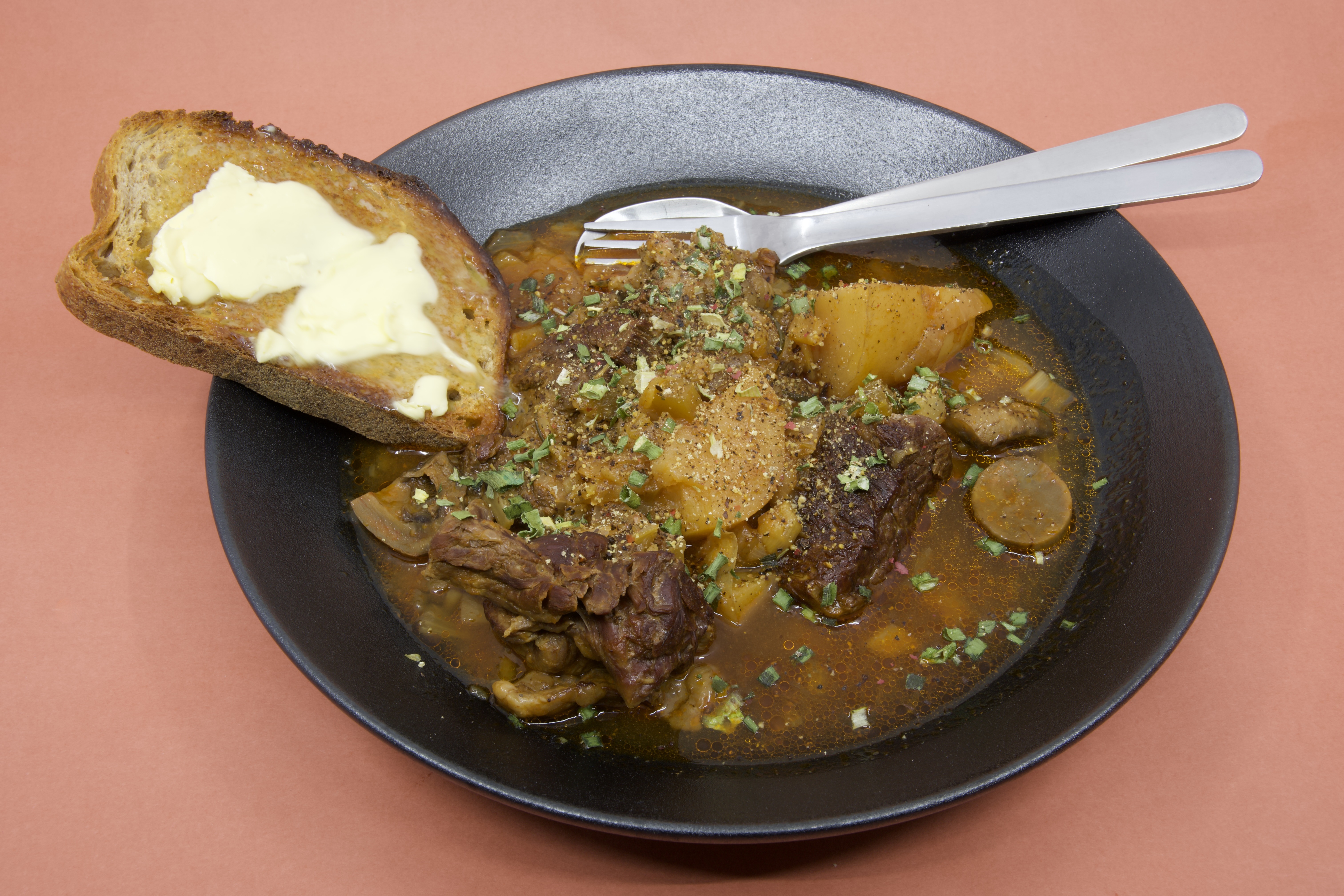
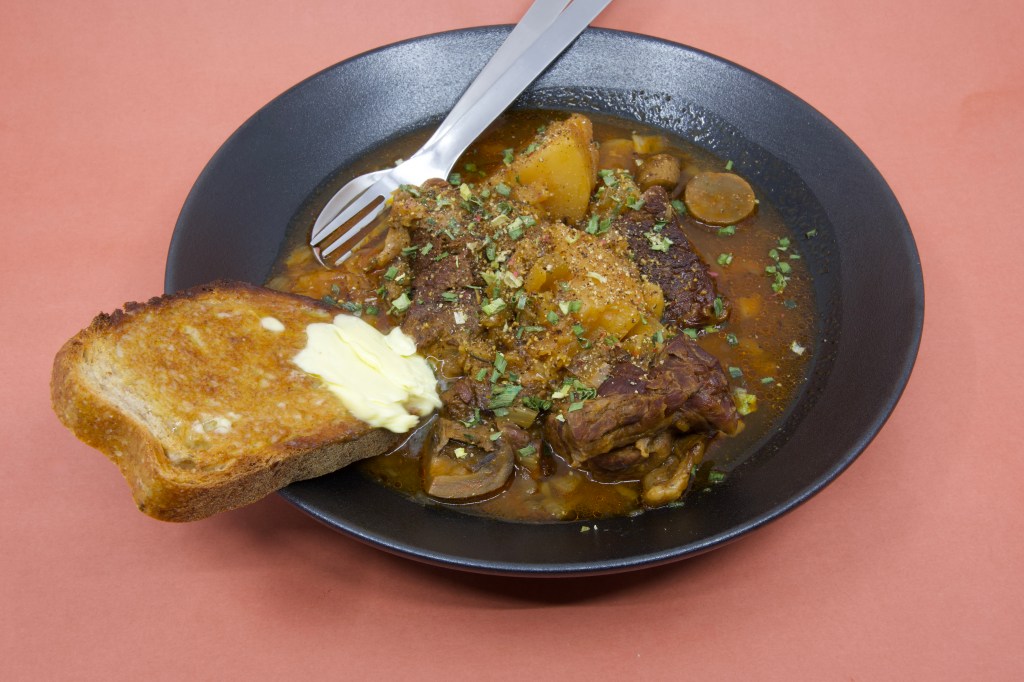
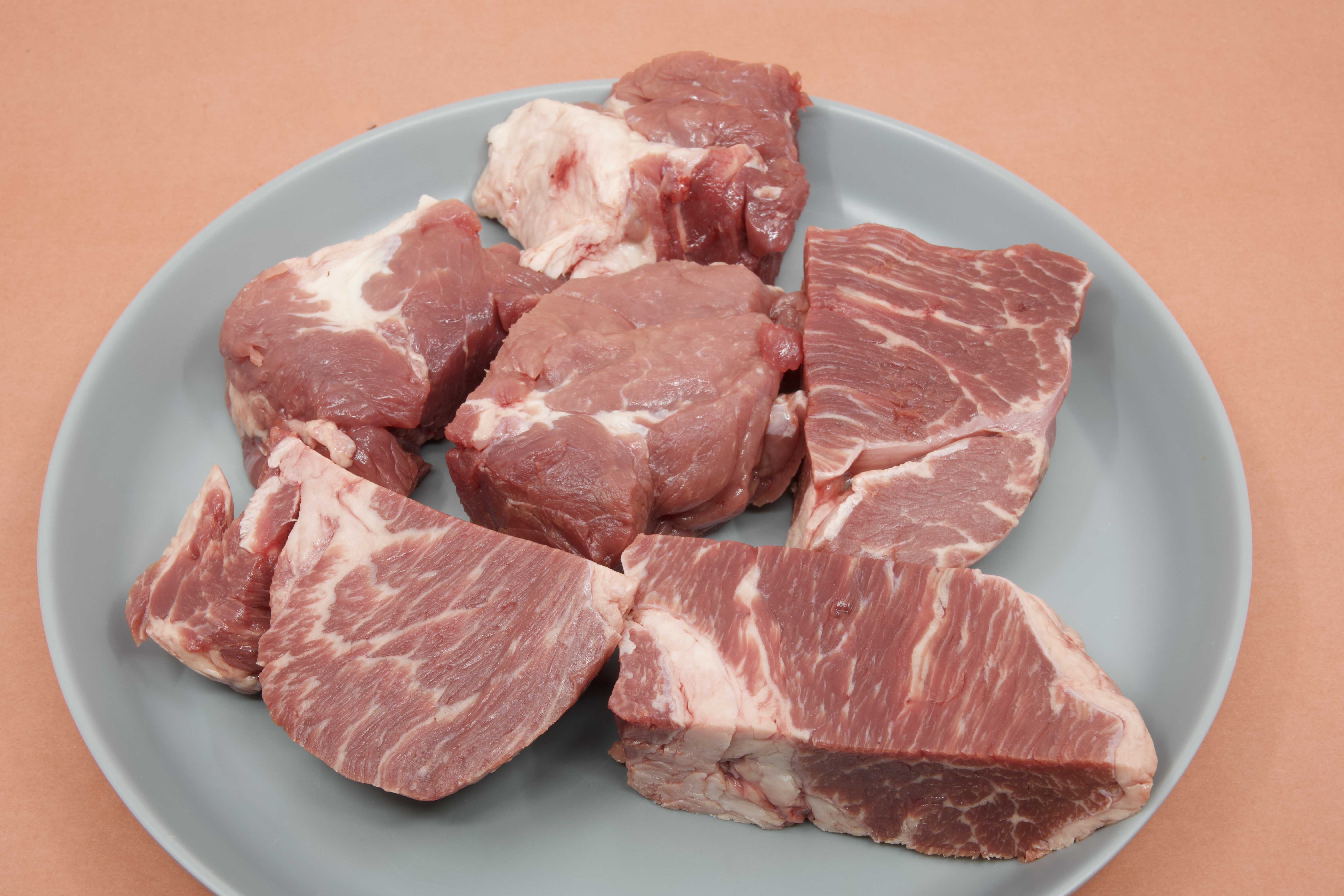
    In today’s food diary, we have some beef chuck.

    Overview

    • Style: pressure-cooker beef chuck with tomato, fennel, rosemary, and bay.
    • Serves: 4 generous portions or 2 “Gary-sized” portions.
    • Cook time: about 75 minutes, including pressure build-up and natural release.
    • Best served with: toasted rye sourdough spread with cultured butter, plus a spoon of Greek-style yoghurt to soften the tomato and fennel.
    • Diet note: the braise itself is relatively low in carbohydrate; the rye sourdough adds most of the carbohydrate in the full meal.

    Ingredients

    • 1 kg beef chuck, cut into 4 cm chunks.
    • 1 fennel bulb, trimmed, cored, and sliced.
    • 1 brown onion, diced.
    • 2 celery sticks, sliced.
    • 700 mL passata.
    • 1–2 tablespoons beef fat.
    • 1 teaspoon salt, plus more to finish.
    • 1 teaspoon whole peppercorns, freshly ground.
    • 1 teaspoon fennel seeds, lightly crushed.
    • 2 dried bay leaves.
    • 1 sprig fresh rosemary.
    • Greek-style yoghurt, to serve.
    • Frozen rye sourdough, thawed and toasted, to serve.
    • Cultured butter, to serve.

    Equipment

    • Pressure cooker
    • Cast-iron skillet for sautéing and browning the meat.
    • Sharp cook’s knife and chopping board.
    • Large bowl for holding the browned beef.
    • Wooden spoon for stirring and scraping the pot base.
    • Tongs for turning and transferring the beef.
    • Measuring spoons and a measuring jug.
    • Mortar and pestle for crushing fennel seeds and peppercorns.
    • Toaster, grill, or frypan for the rye sourdough.
    • Warm serving bowls.

    Method

    1. Thaw the rye sourdough and keep it aside until serving.
    2. Pat the beef chuck dry. Season it with salt and crushed peppercorns.
    3. Heat the skillet to brown. Melt the beef fat, then brown the beef in batches. Avoid crowding the skillet. Transfer browned beef to a bowl.
    4. Add the onion, celery, and fennel to the skillet. Cook for 5–7 minutes, stirring often, until softened and lightly coloured.
    5. Stir in the crushed fennel seeds, bay leaves, and rosemary. Cook for 30 seconds, just until fragrant.
    6. Pour in the passata. Scrape the bottom to lift any fond.
    7. Transfer everything to the pressure cooker, including the beef and any resting juices. Stir to coat the meat in the tomato and fennel mixture.
    8. Seal the lid. Cook on high pressure for 45 minutes.
    9. Allow a natural pressure release for 15 minutes, then carefully release any remaining pressure.
    10. Remove the bay leaves and rosemary stem. Stir gently. If the sauce is thin, transfer it to a saucepan for reduction.
    11. Adjust seasoning with salt and freshly cracked pepper.
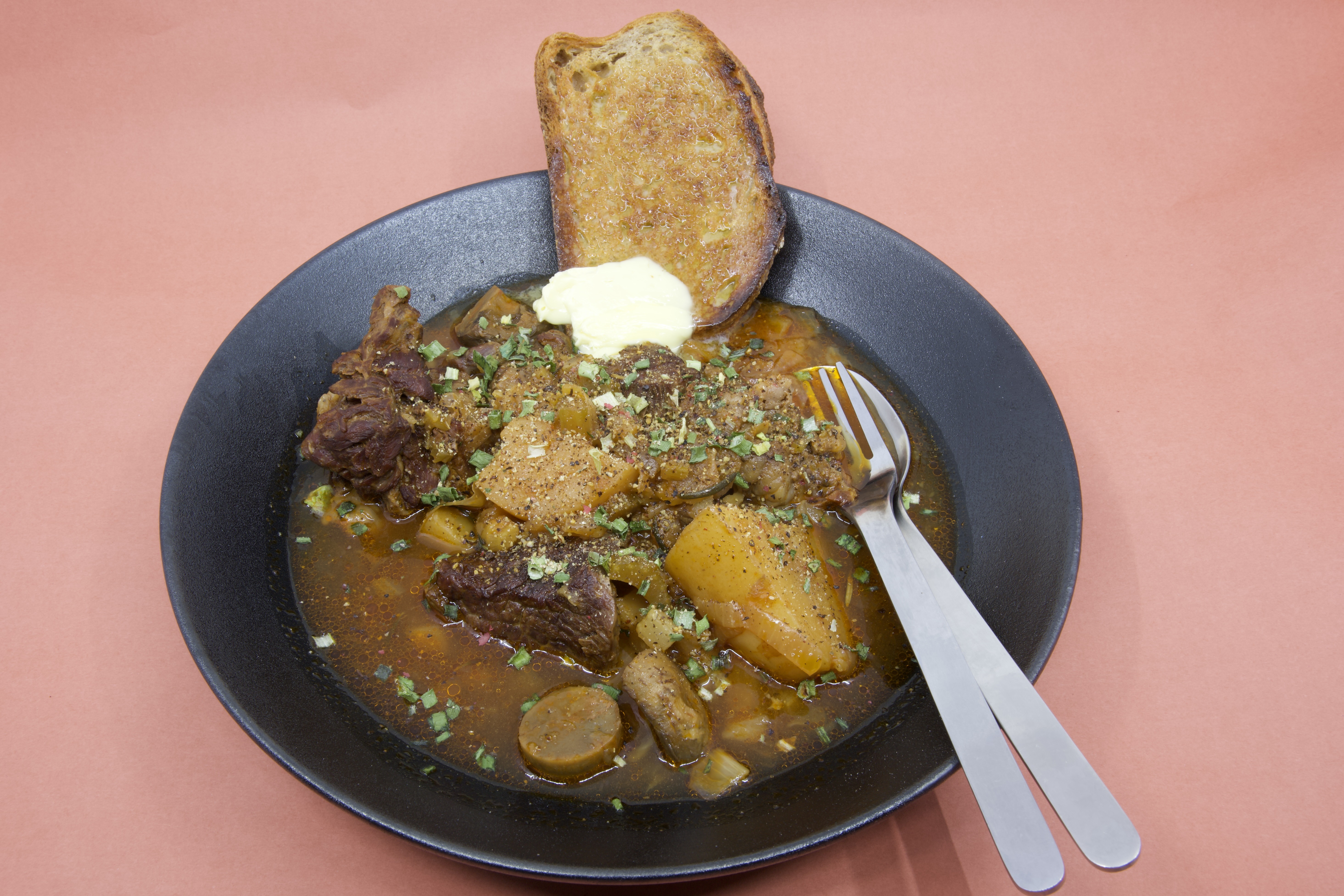
    12. Serve in warm bowls with a spoon of Greek-style yoghurt. Add toasted rye sourdough spread with cultured butter on the side.
    Cook’s notes

    • Because there is no stock, the flavour base comes from browning the beef, sweating the vegetables, blooming the fennel seeds, and using passata.
    • Do not add extra water unless the pressure cooker requires a minimum amount of liquid. The passata and vegetable moisture should usually be enough.
    • Greek-style yoghurt works best as a finishing garnish rather than a cooking ingredient because pressure cooking can split dairy.
    • The sauce should taste beefy, sweet from fennel and onion, gently acidic from tomato, and aromatic from rosemary and bay.
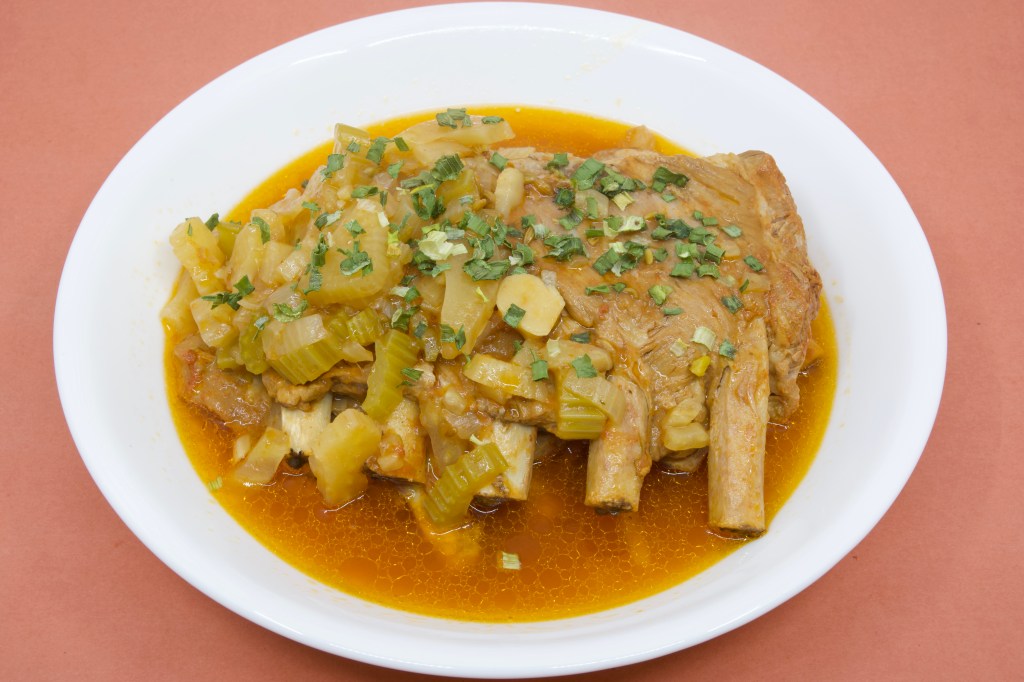
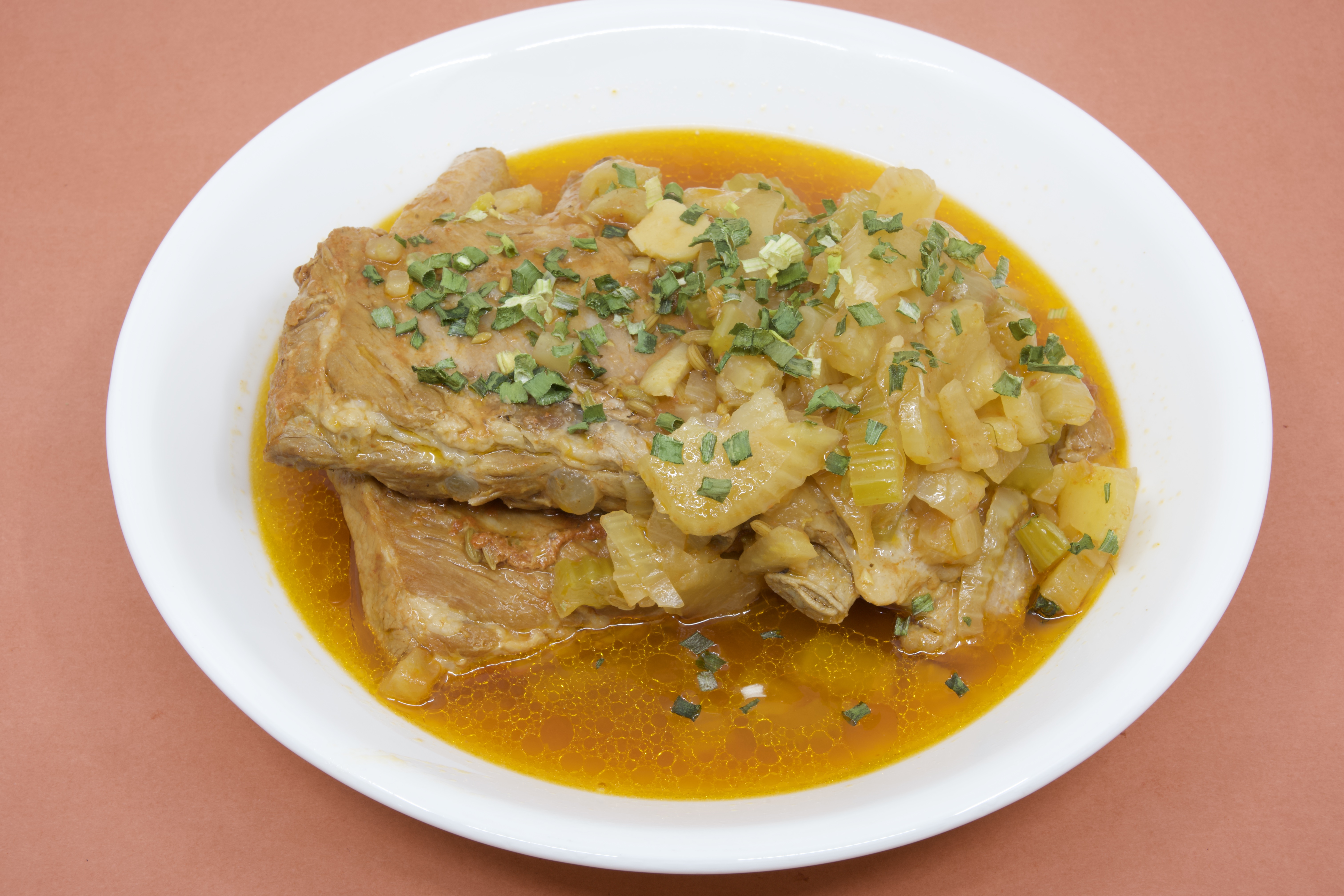
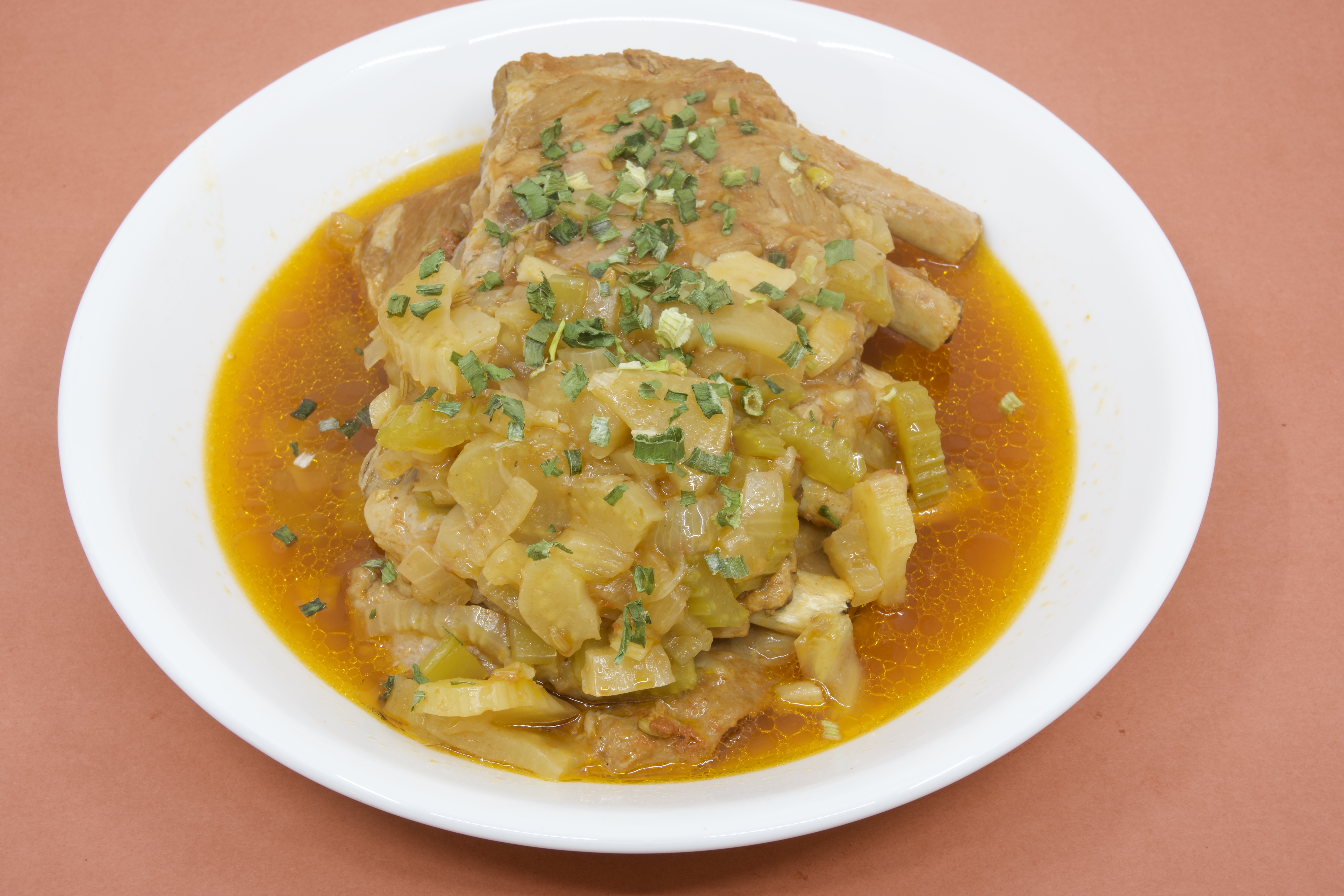
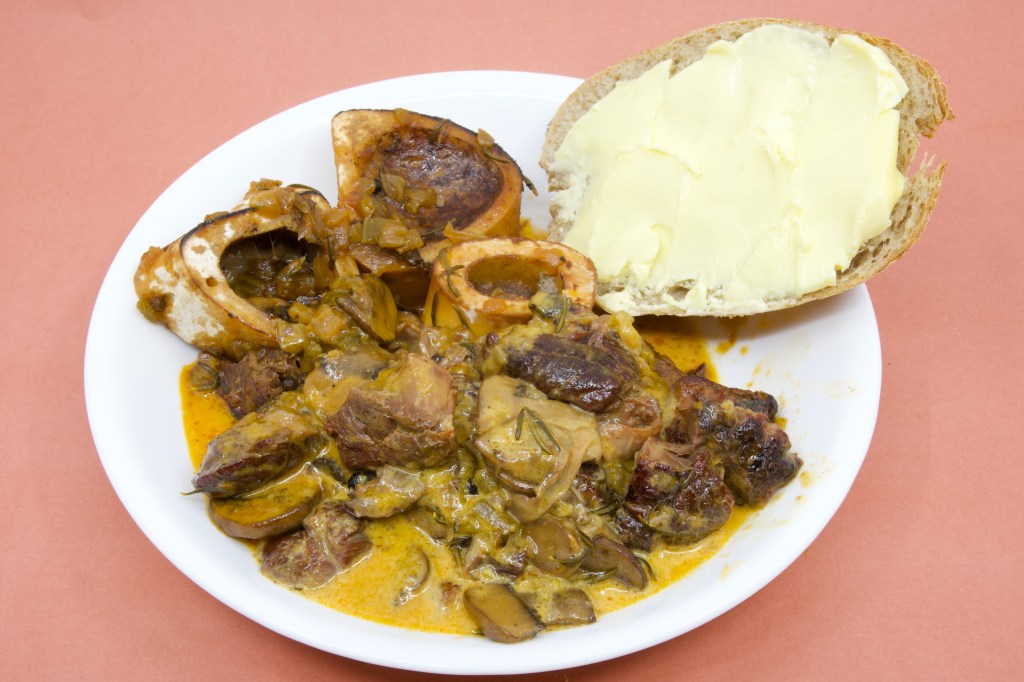
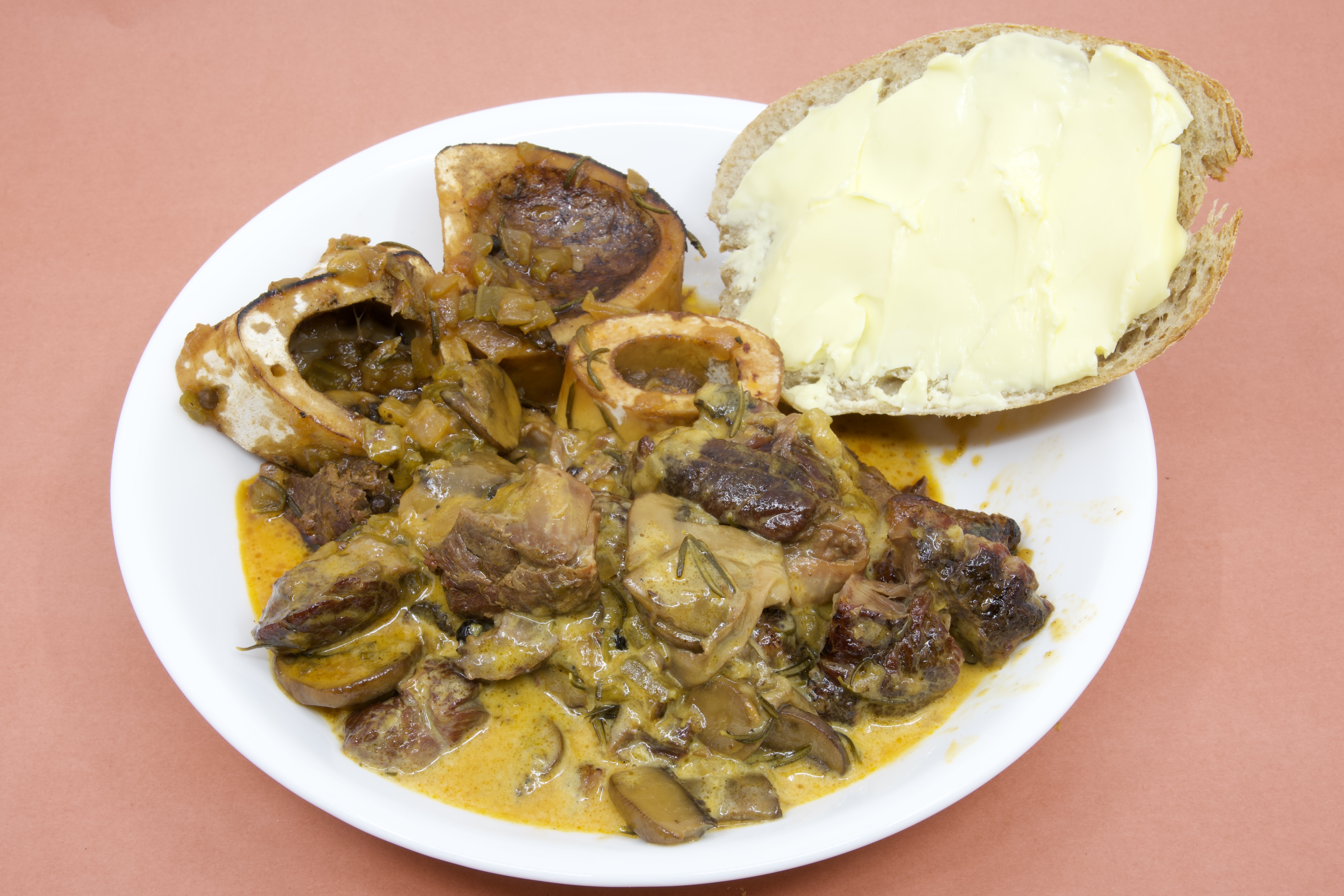
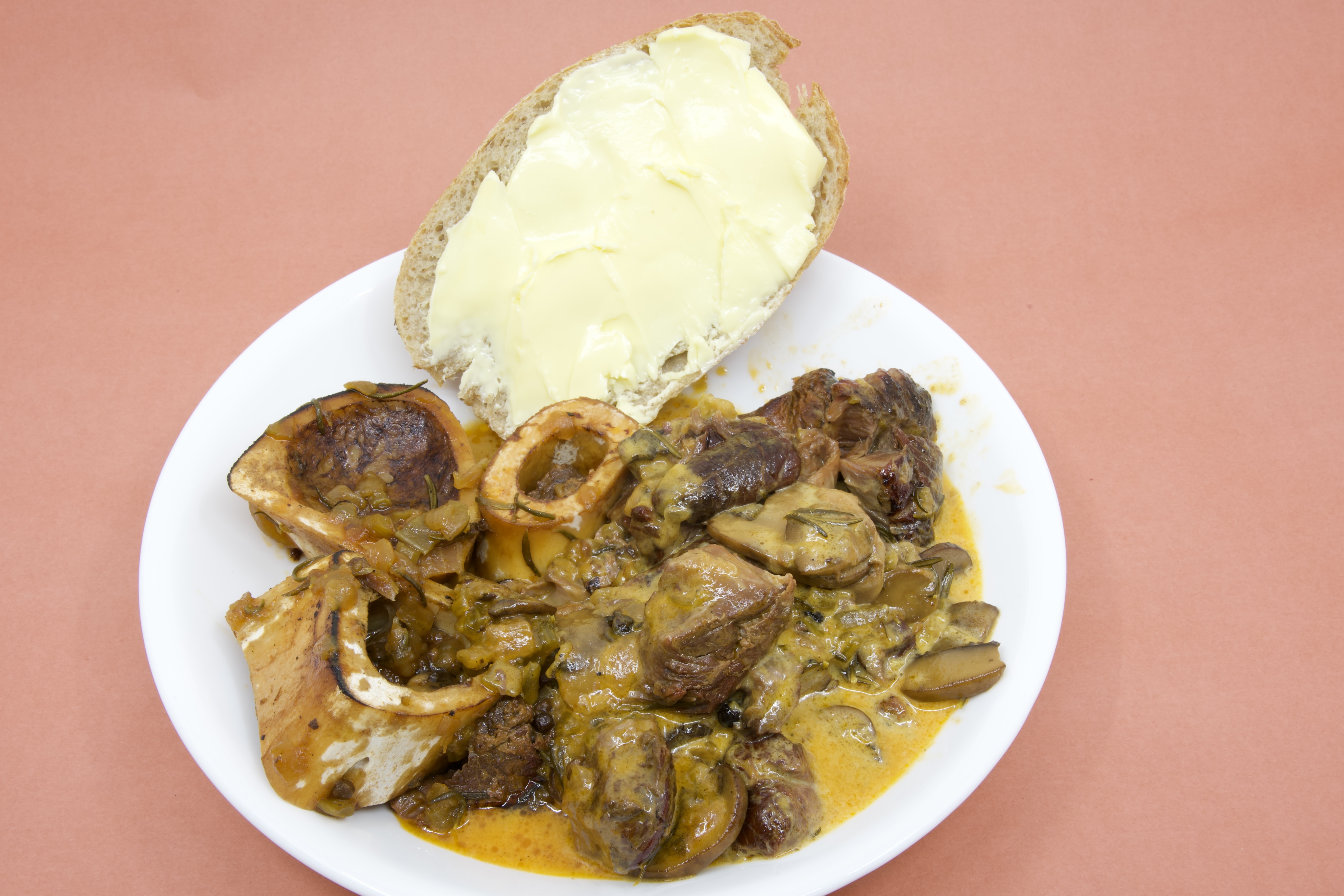
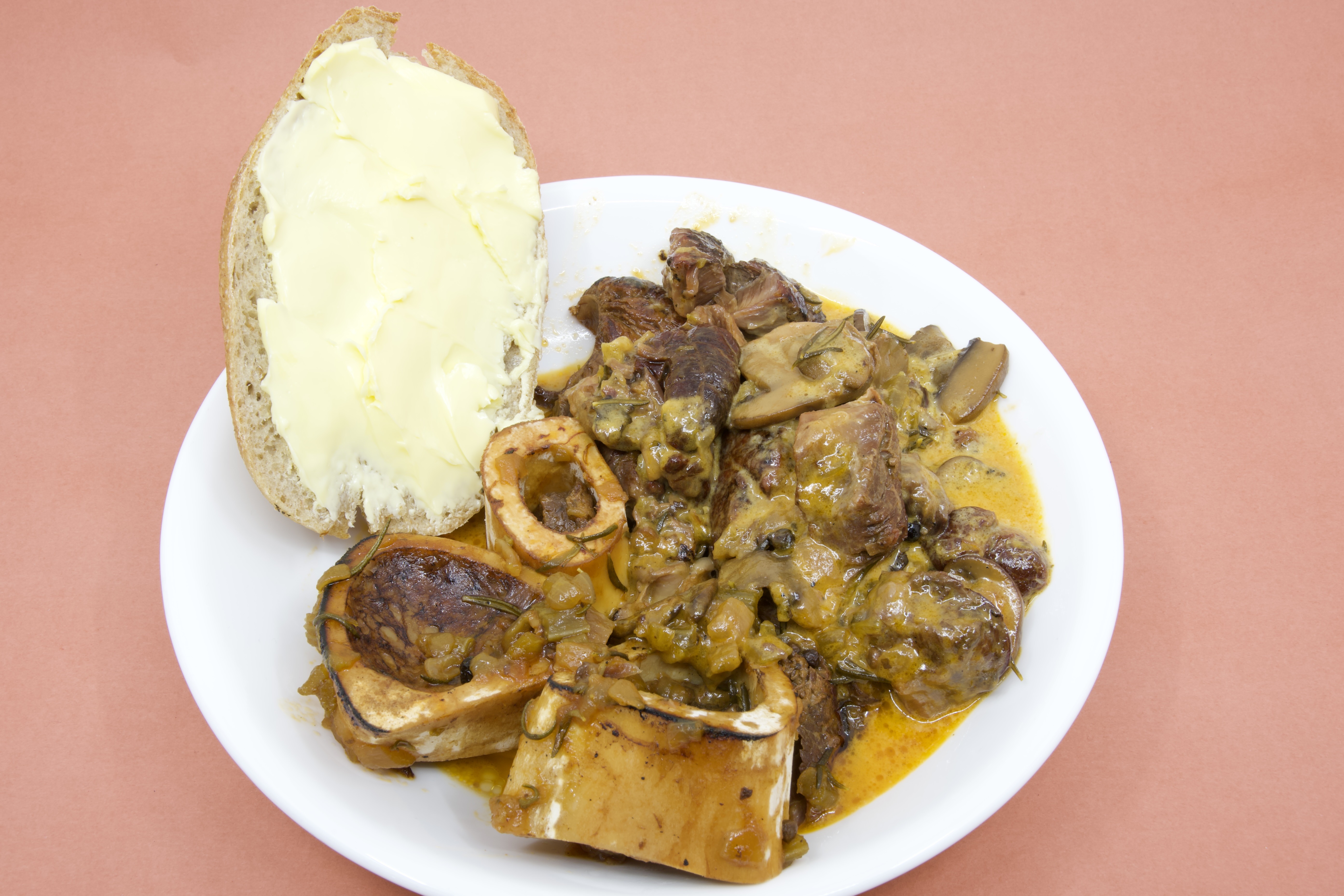
    • I forgot to add the Greek-style yoghurt. The meal didn’t really need it. The beef was tender, soft, and easily fell apart. The vegetables were lovely and soft as well. It all went nicely with some rustic toasted rye sourdough bread.

    Beef chuck anatomy

    The chuck comes from the forequarter, around the shoulder, neck, and upper forelimb. It is a hard-working area with well-used muscles, connective tissue, intramuscular fat, and strong beef flavour. Chuck is one of the major primal regions, with related sub-primals including chuck roll and blade; these can be broken into smaller cuts for slow cooking, roasting, thin slicing, or grilling, when the grade and muscle suit the method.

    For a pressure cooker, diced chuck is ideal because moist heat and pressure help convert collagen into gelatine. This gives the sauce body and turns a firm, working muscle into tender, pull-apart beef. It is usually more forgiving than lean hindquarter cuts, because the connective tissue and fat protect it during long cooking.

    Braise versus stew?

    A braise and a stew both use gentle, moist heat to soften tougher cuts of meat, but they differ in scale, liquid level, and how the finished dish eats. In a braise, the cook usually browns larger pieces of meat first, then cooks them covered with a smaller amount of liquid. The meat is partly submerged, while the exposed surface cooks in steam. The liquid reduces into a concentrated sauce.

    In a stew, the meat and vegetables are cut into smaller, spoon-sized pieces and are usually fully covered with liquid. The liquid is part of the meal rather than just a sauce, so the result is looser, more uniform, and more broth-like. A stew is eaten as an all-in-one bowl; a braise often presents the meat as the focus, with the sauce spooned over or around it.

    This recipe sits closer to a braise than a stew. The beef chuck is browned in larger chunks, the passata and vegetable moisture form a thick cooking medium rather than a thin broth, and the goal is tender beef coated in a tomato, fennel, rosemary, and bay sauce.

    Estimated macronutrients

    Serving optionEnergyProteinFatCarbohydrate
    Per 1 of 4 servesAbout 430 kcalAbout 52 gAbout 18 gAbout 14 g
    With 40 g Greek-style yoghurtAbout 465 kcalAbout 56 gAbout 19 gAbout 16 g
    With yoghurt, 1 slice rye sourdough, and 10 g cultured butterAbout 625 kcalAbout 61 gAbout 28 gAbout 40 g

    Nutrition estimates are indicative only. They assume 1 kg raw beef chuck, 700 mL passata, one fennel bulb, one onion, two celery sticks, one tablespoon beef fat, and four serves. Beef chuck nutrition varies with trimming, marbling, and whether the purchased piece is lean diced chuck, chuck steak, or fattier chuck roll.
    Fediverse Reactions
  • Porky Pumpkin Soup

    Porky Pumpkin Soup


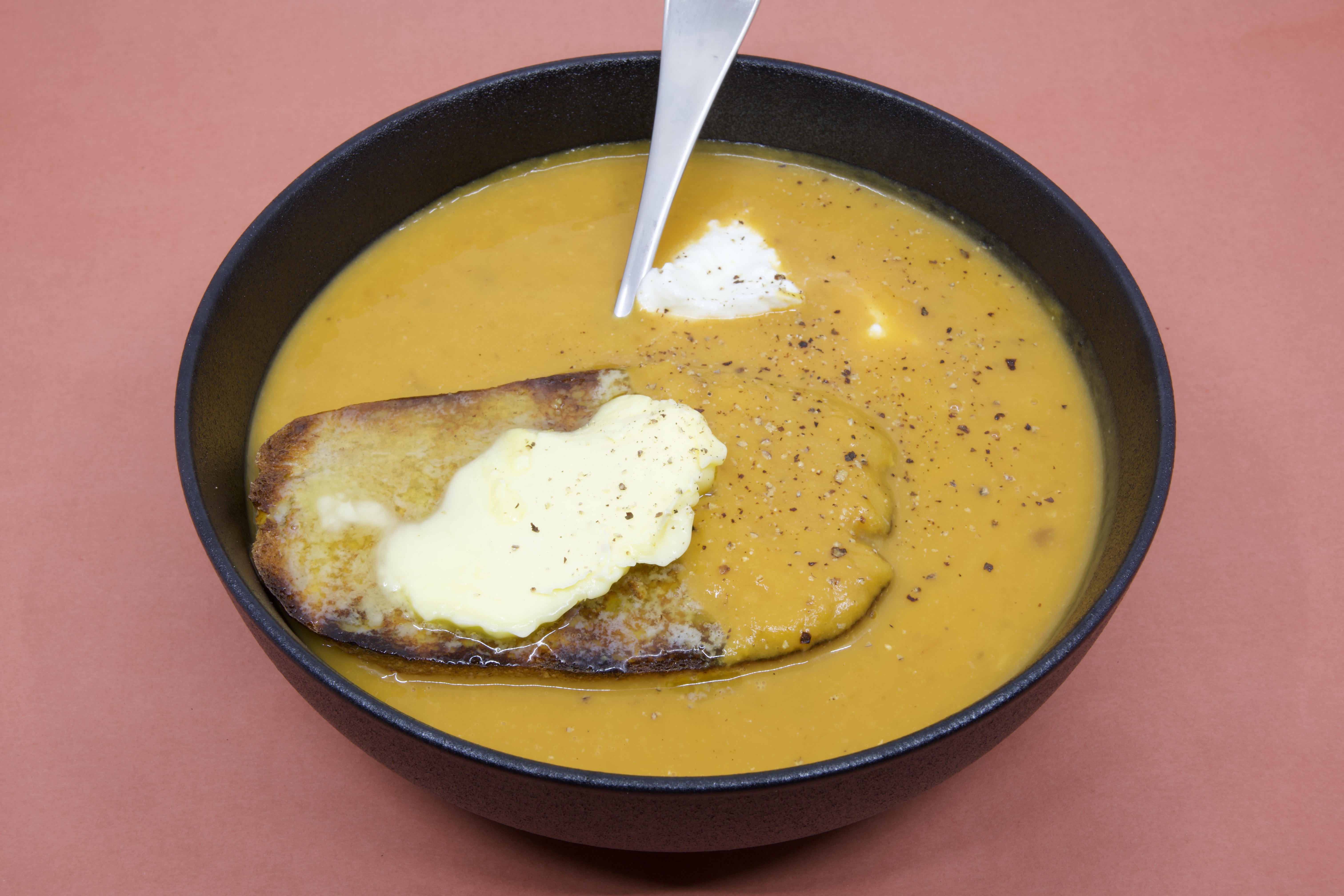
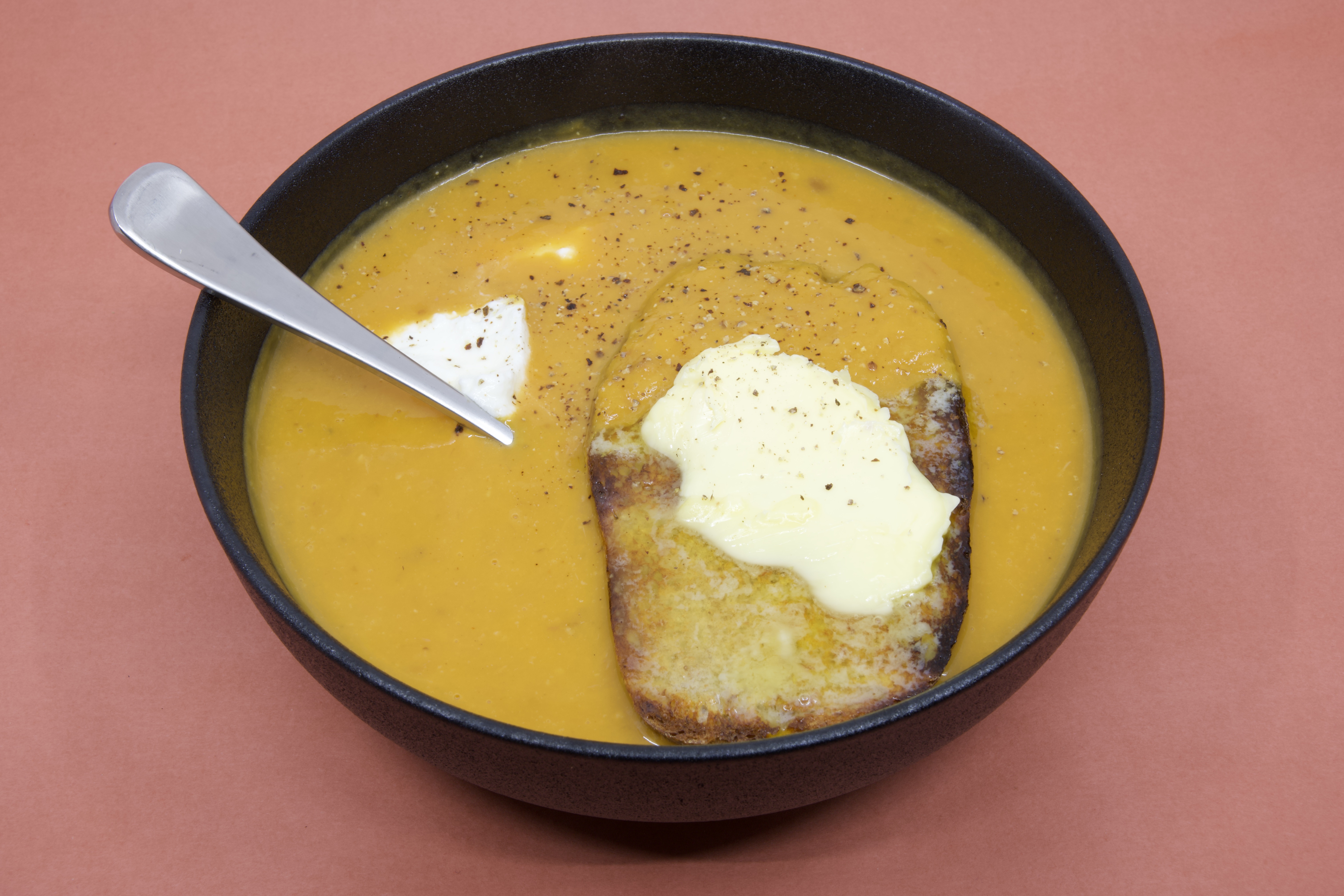
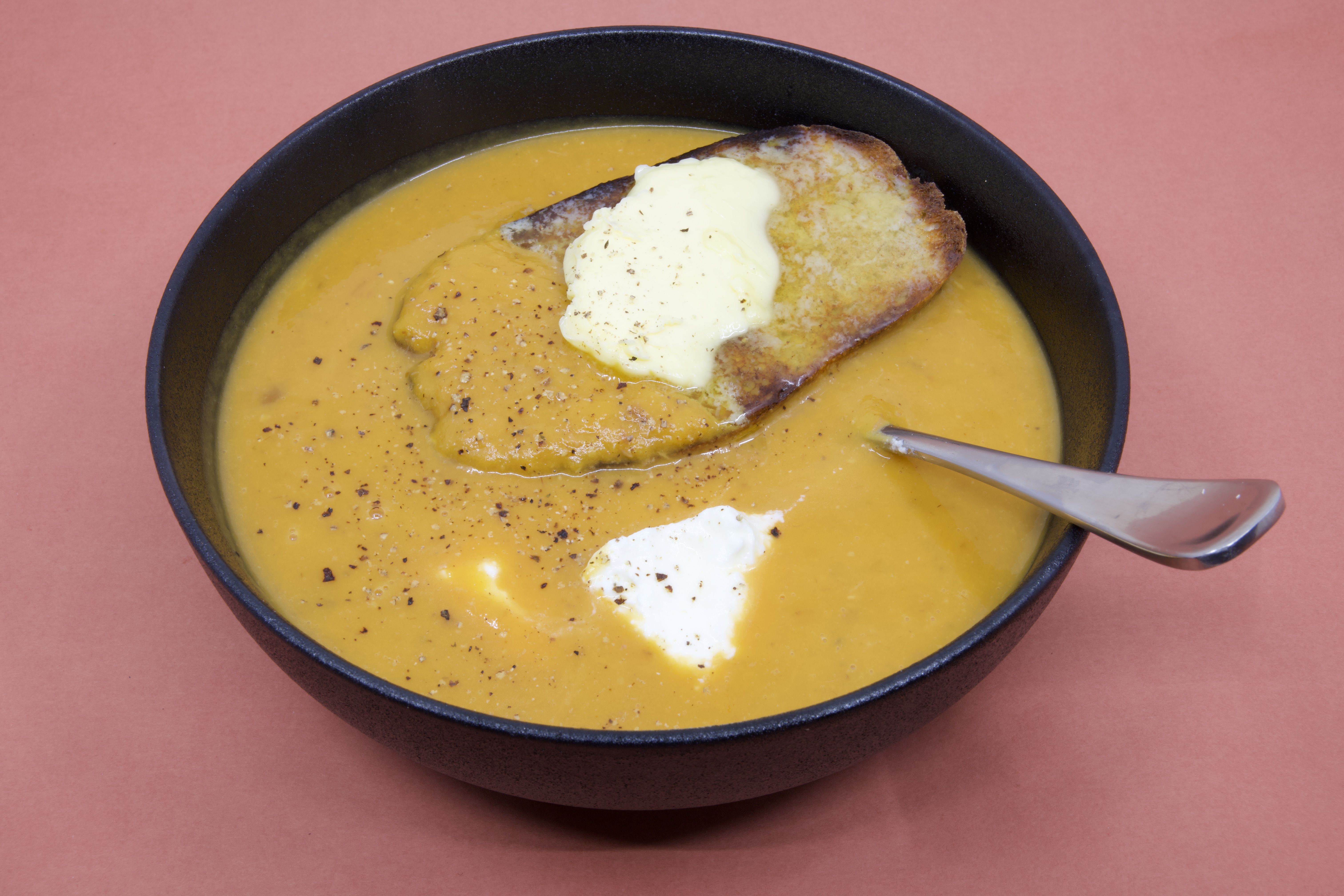
    Porky 🐖 Pumpkin 🎃 Soup 🥣

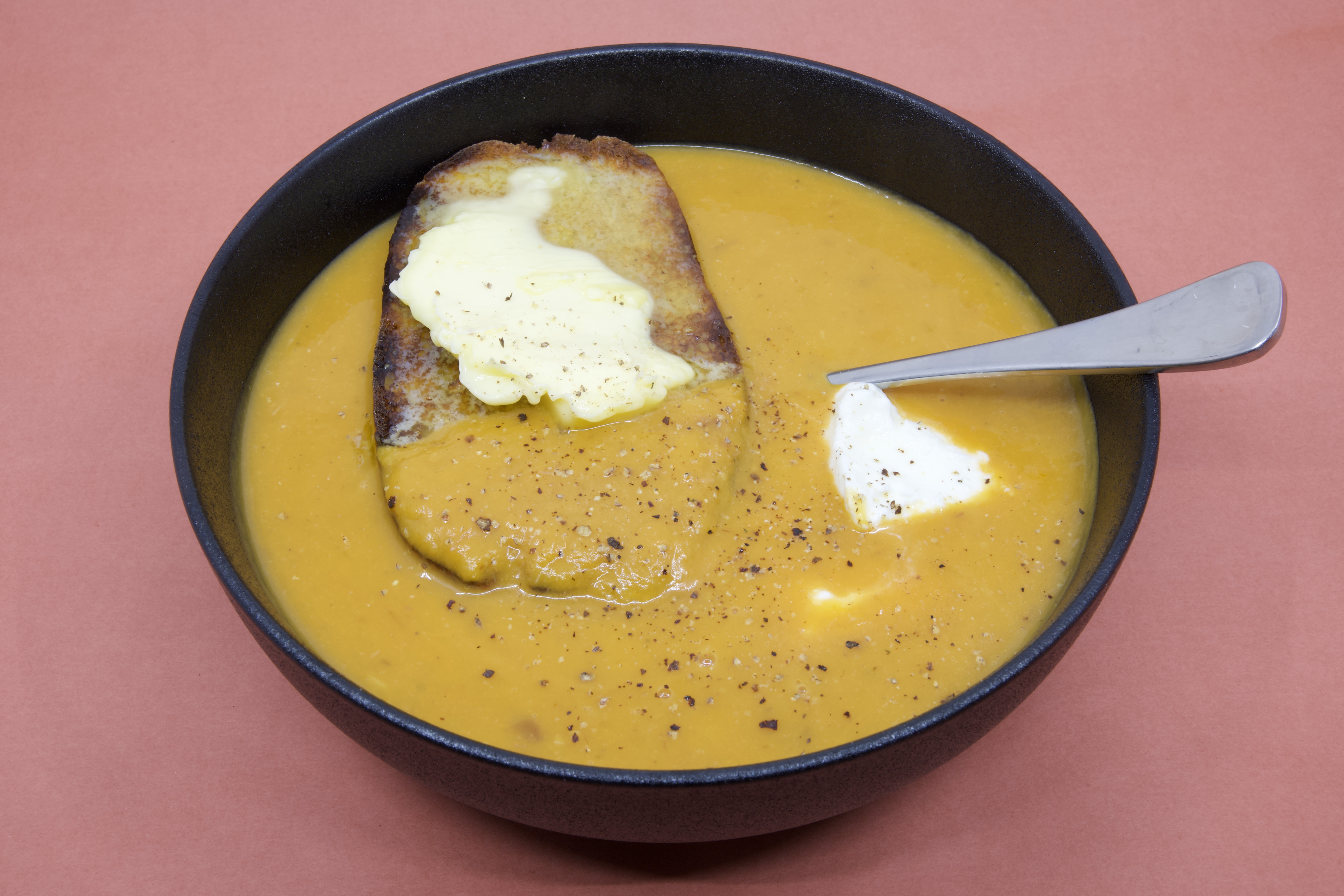
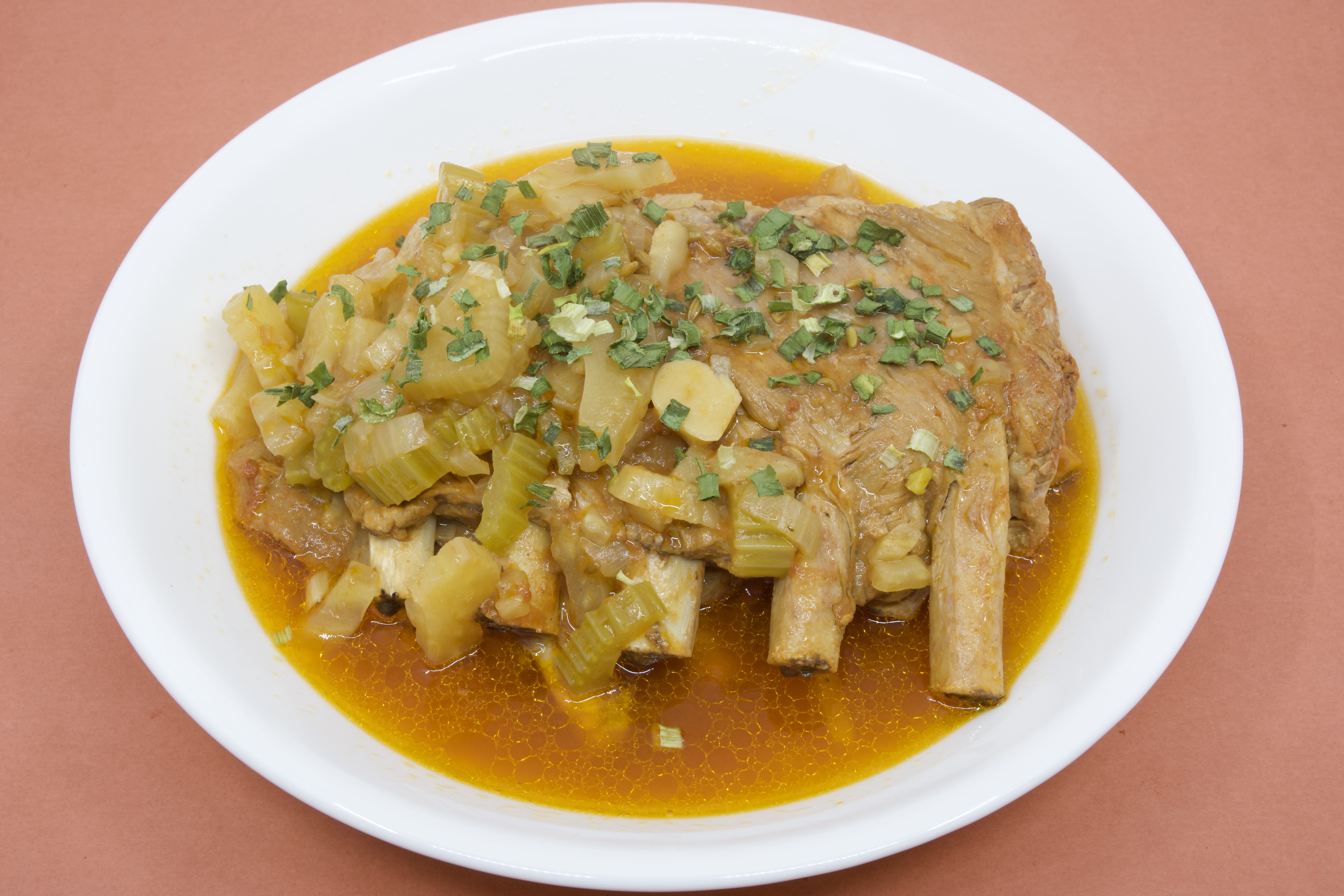
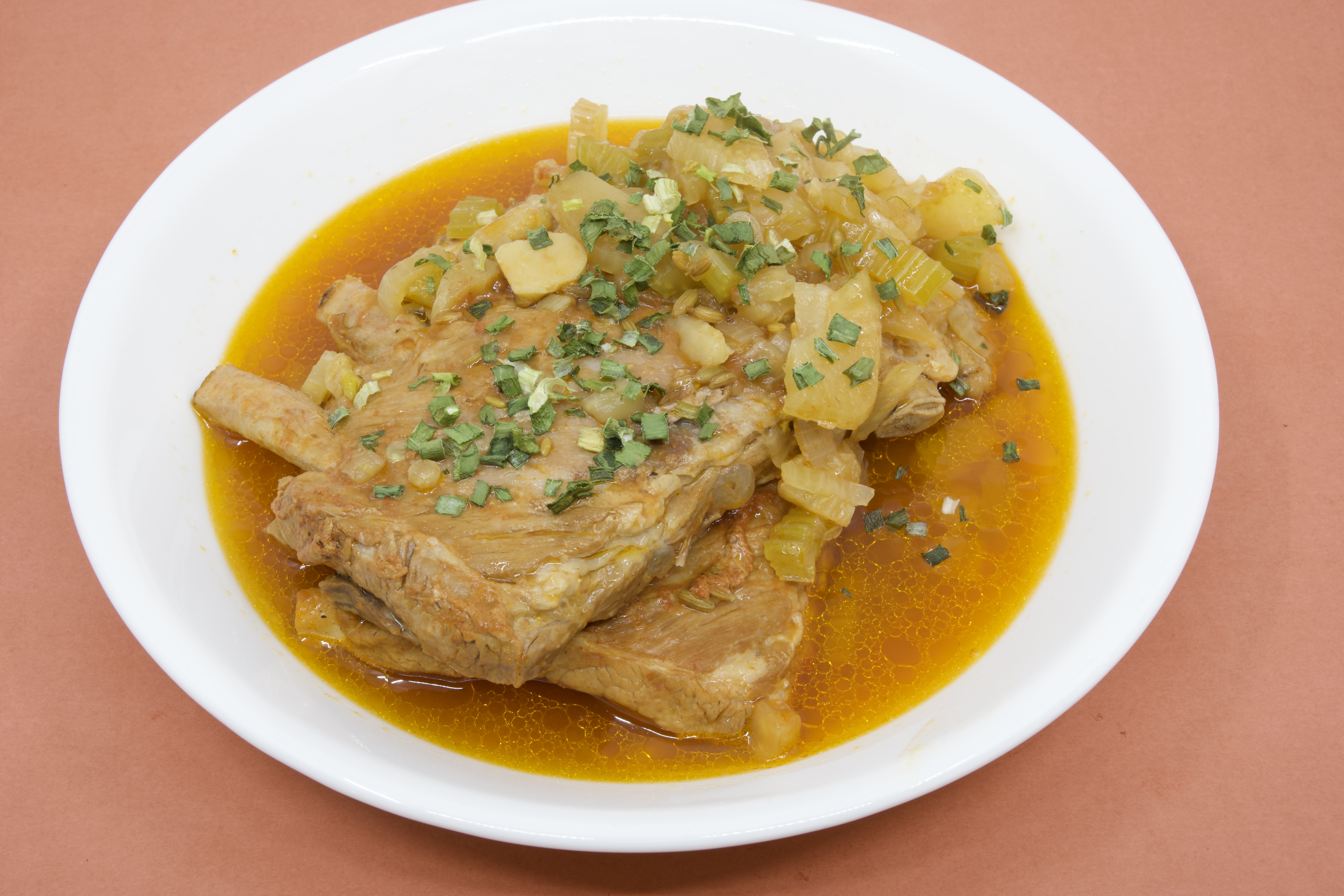
    After my pressure-cooker pork ribs, I had something valuable leftover, viz., the cooking liquor, enriched with passata, onion, fennel, celery, pork juices, collagen, and rendered fat, which is suitable for a rich, deeply flavoured pumpkin soup.

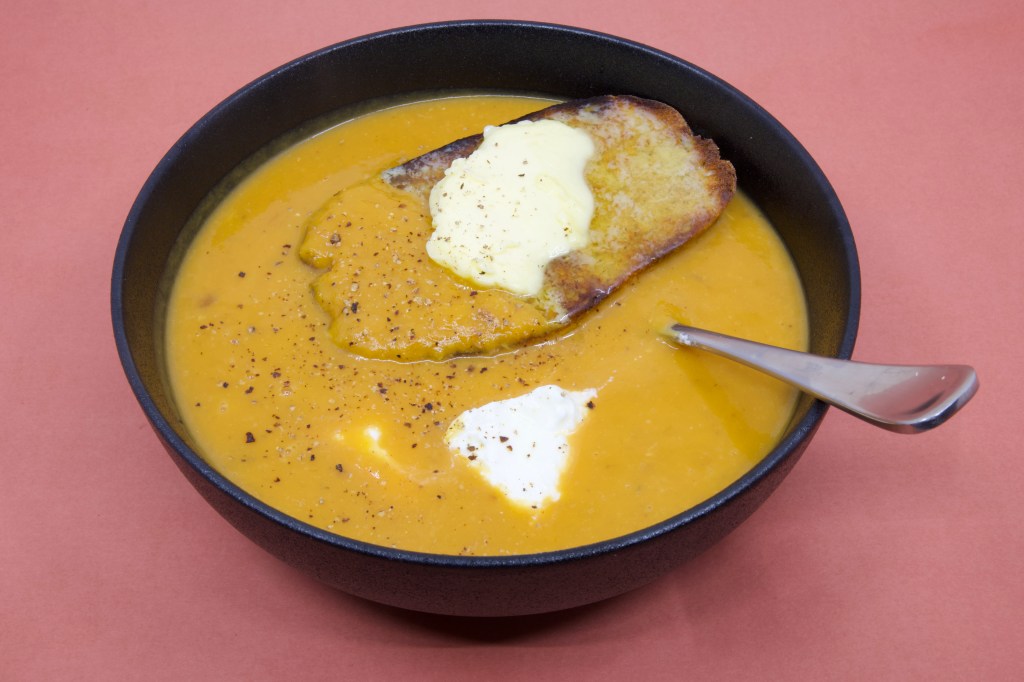
    This soup pairs with a slice of rye sourdough, generously trowelled with cultured butter.

    Ingredients

    For the soup

    • 1.5 kg jap pumpkin, peeled and cut into chunks
    • 750 mL reserved pork rib cooking liquor
    • 500 mL water (or more as needed)
    • 125 g bacon pieces
    • Freshly cracked black pepper, to taste
    • Sea salt, if required
    • Greek-style yoghurt
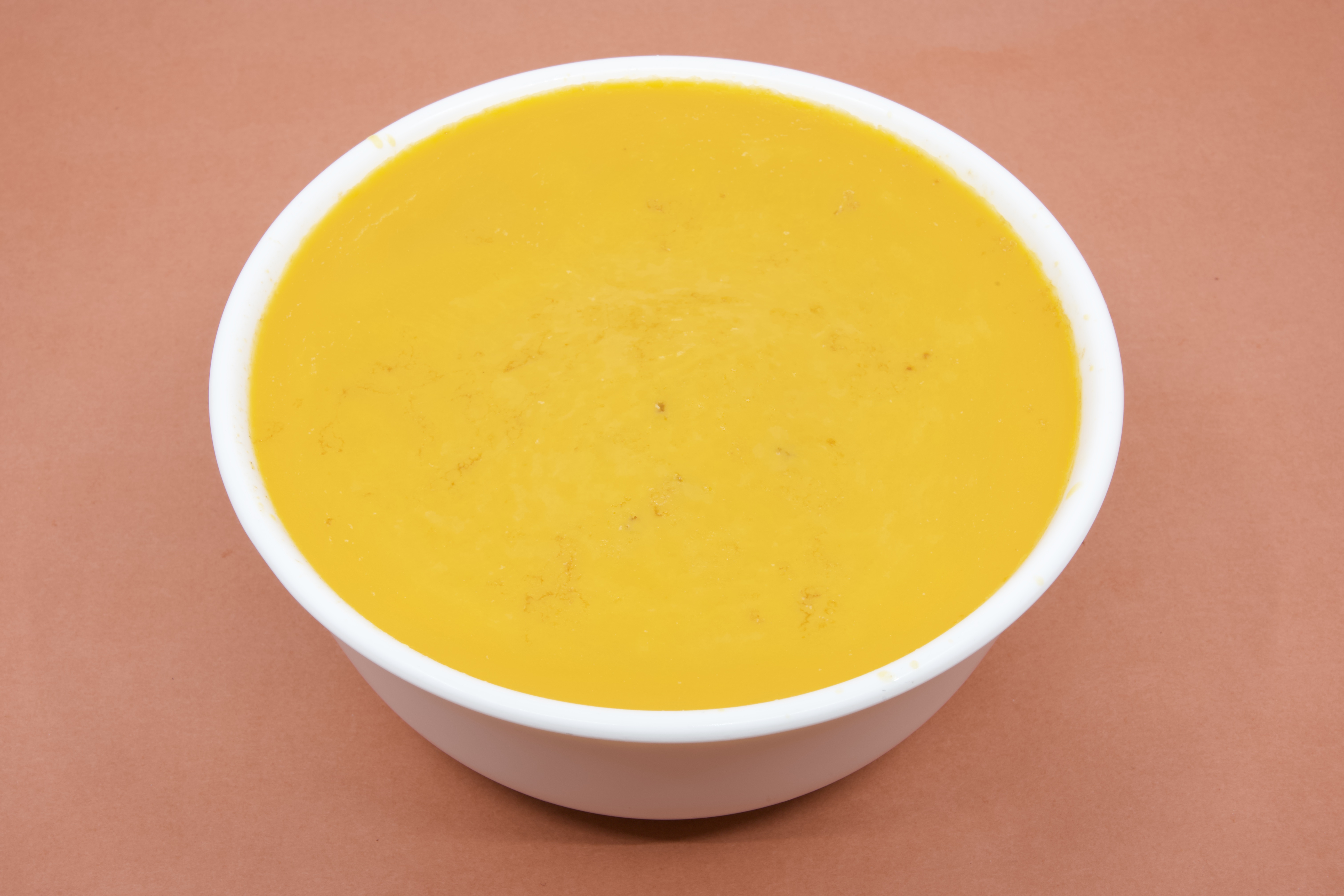
    A photograph of a bowl with chilled pork rib cooking liquor. The surface of the fluid is solid with pork and beef fat. The fat is orange in colour. The bowl is white in colour.
    A photograph of a bowl with chilled pork rib cooking liquor. The surface of the fluid is solid with pork and beef fat.

    To serve

    • Toasted rye sourdough bread (frozen to develop resistant starch)
    • Cultured butter
    • Extra cracked black pepper
    • Chives for garnish

    Equipment

    • Cast-iron skillet
    • Pressure cooker
    • Chopping board
    • Sharp cook’s knife
    • Vegetable peeler
    • Measuring jug
    • Wooden spoon or heat-safe stirring spoon
    • Stick blender
    • Ladle
    • Soup bowls
    • Bread knife and butter knife for serving the rye sourdough with cultured butter

    Method

    1. Pressure-cook the pumpkin

    • Place the bacon pieces and some water in a skillet, then bring the water to a simmer. Keep cooking while the water evaporates and the bacon fat renders. Keep going until the bacon pieces are crispy.
    • Place the pumpkin chunks in the pressure cooker.
    • Pour in the reserved pork rib cooking liquor and the water, ensuring the total volume remains below the pressure cooker’s maximum fill line.
    • Lock the lid, bring the cooker to high pressure, and cook for 8 minutes. Allow the pressure to release naturally for 10 minutes, then carefully release any remaining pressure before opening the lid.

    2. Blend

    • Transfer the crispy bacon pieces to the pressure cooker vessel.
    • Using a stick blender, blend the soup until smooth and velvety.
    • If the soup is too thick, add a little more water until it reaches your preferred consistency.

    3. Finish

    • Taste before adding salt. The braising liquid from the ribs may already contain enough seasoning.
    • Add plenty of cracked black pepper.
    • For a richer, tangier finish, stir through a spoonful or two of Greek-style yoghurt after blending, keeping the soup off the boil so the yoghurt stays smooth.

    4. Serve

    • Ladle the soup into warmed bowls.
    • Serve with a thick slice of toasted rye sourdough generously spread with cultured butter.
    • A final grind of black pepper over the top is a nice touch.
    • Give thanks.

    Notes from Yummy Lummy

    The fennel from the original rib cook does a lot here. Pork and fennel are best mates, and the aniseed notes complement pumpkin well. The passata adds acidity, preventing the soup from becoming overly sweet, while the collagen extracted from the ribs contributes body and a luxurious mouthfeel.
    The result is a soup that tastes much more complex than a standard pumpkin soup, with layers of savoury flavour underneath the pumpkin’s natural sweetness.

    Why This Soup Is Not Vegetarian or Vegan

    This recipe is neither vegetarian nor vegan.

    Not vegetarian

    The cooking liquor comes from pressure-cooking pork ribs. During cooking, pork juices, rendered fat, gelatine from collagen, and other animal-derived compounds enter the liquid. There’s also bacon 🥓 in it.

    Not vegan

    In addition to the pork-derived cooking liquor, the serving suggestion includes cultured butter, which is a dairy product made from milk.

    For these reasons, the recipe contains both meat-derived and dairy-derived ingredients.

    About Jap Pumpkin

    The pumpkin most Australians simply call “pumpkin” is often jap pumpkin.

    Despite the name, jap pumpkin is not actually from Japan. The term is believed to have arisen from historical references to Japanese pumpkin varieties introduced into Australia.

    Jap pumpkin typically has:

    • Dark green, mottled skin
    • Dense orange flesh
    • A naturally sweet flavour
    • A dry texture that becomes creamy when cooked

    It is one of the best pumpkins for soup because the flesh breaks down easily and produces a thick, silky result without requiring large amounts of cream.

    Information About Queensland Pumpkins

    A Microsoft Copilot generated image of a map of Queensland with a compass point for North. On the right is a coral reef beach scene in blue and on the left a Great Dividing Range scene in orange.
    Created with Microsoft Copilot.

    Queensland is one of Australia’s major pumpkin-growing regions, thanks to its warm climate and long growing season.

    I also associate Queensland pumpkin with pumpkin scones. I remember meeting Lady Flo Bjelke-Petersen in the diagnostic laboratory where I was working while putting myself through medical school. Lady Flo Bjelke-Petersen was the wife of Sir Joh Bjelke-Petersen, a former Premier of Queensland, and she was well known for making pumpkin scones and sharing them with others. Lady Flo was also an Australian Senator. She used to serve her pumpkin scones in the Senate, apparently. The memory fits neatly here: warm, orange-gold scones, a little butter, and the unmistakable comfort of pumpkin treated as something homely rather than ordinary.

    Some interesting facts include:

    • Pumpkins are grown commercially across several parts of Queensland, particularly in the Darling Downs, Lockyer Valley, Central Queensland, and the Bundaberg region.
    • Queensland’s warm weather allows growers to produce pumpkins over a longer period than cooler southern states.
    • Jap pumpkin is one of the most commonly cultivated pumpkin types in Queensland.
    • Pumpkins are botanically classified as fruit because they develop from the flower and contain seeds.
    • A mature jap pumpkin stores exceptionally well and can often keep for several months in a cool, dry place.
    • The deep orange colour of jap pumpkin flesh comes from β-carotene, which the body converts to vitamin A.

    Final Thoughts

    This soup is an example of kitchen thrift. The pork rib cooking liquor already contains tomato, fennel, onion, celery, pork flavour, and gelatine. Rather than discarding it, use it as the backbone of a hearty pumpkin soup. Served with rye sourdough and cultured butter, it makes a satisfying lunch or a light evening meal that feels both comforting and just a little indulgent.

    Today’s meals

    Morning tea

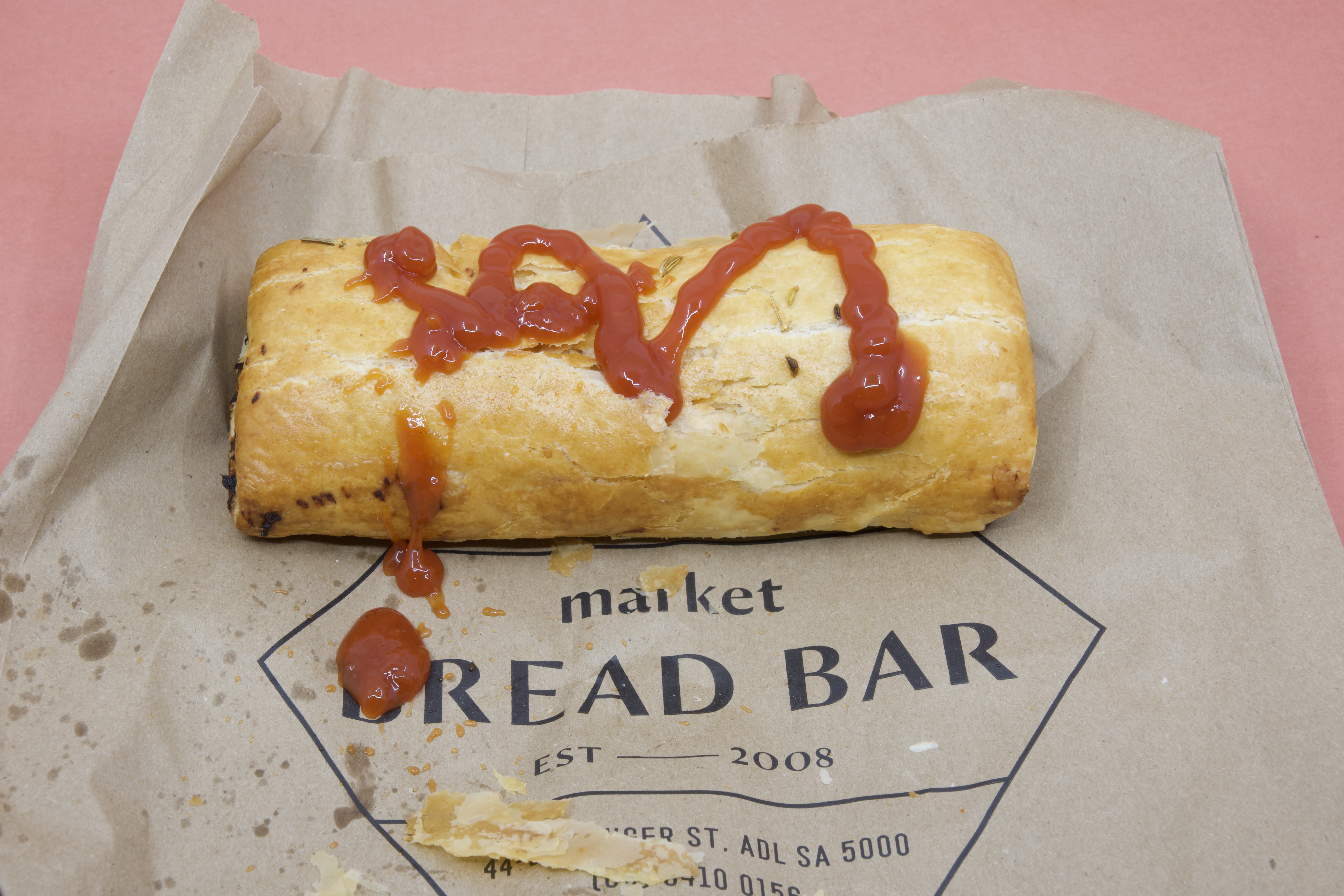
    A pork and fennel sausage roll from Market Bread Bar.

    This was the best pork-and-fennel sausage roll I’ve eaten in South Australia.

    Lunch

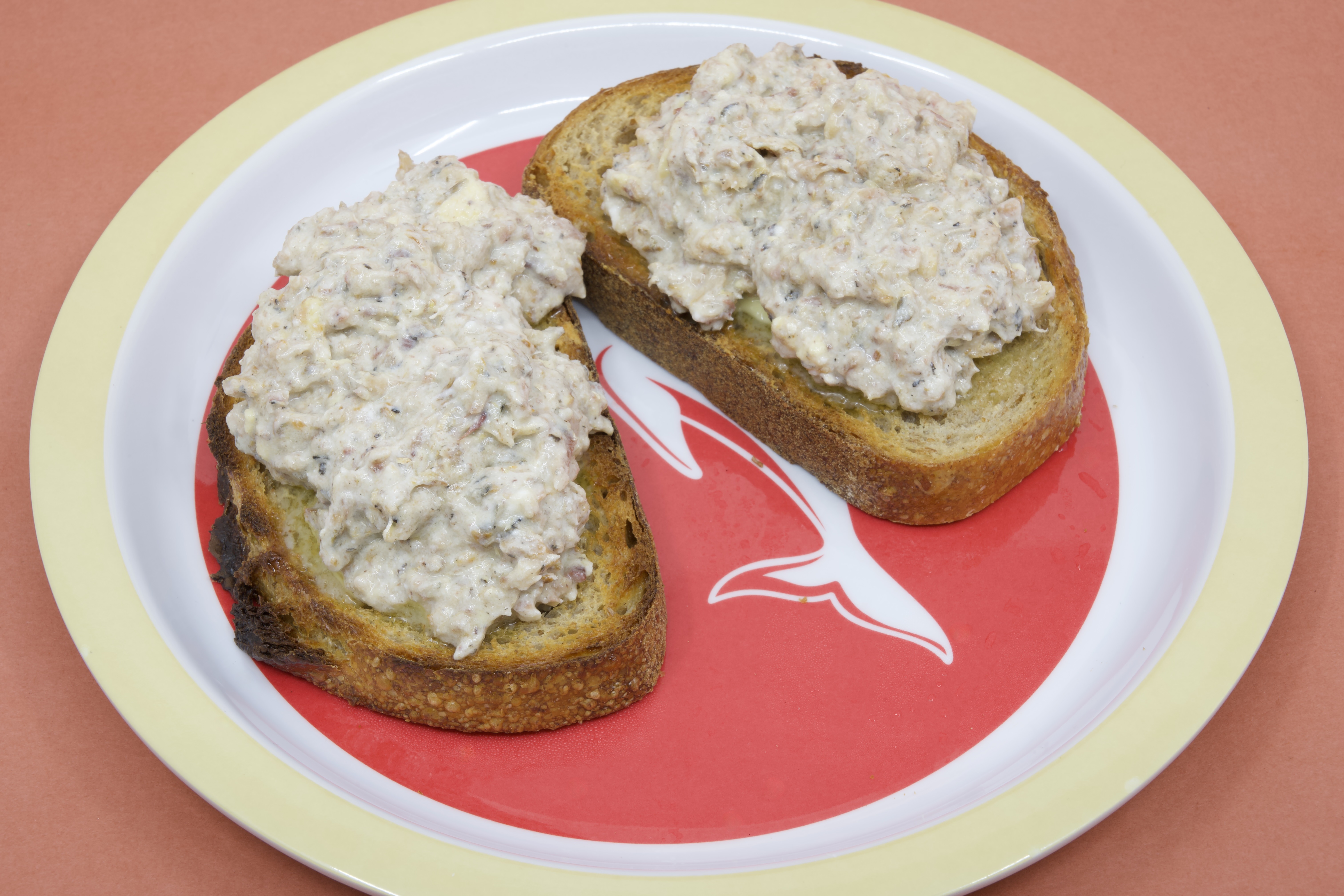
    Sardines on toast

    Photograph of John West sardines in spring water with market bread, bar rye sourdough, which has been toasted, and buttered with cultured butter. The sardines have been mixed with some Jalna biodynamic organic yoghurt. The sardines on the two pieces of toasted rye sourdough are placed on a Dolphins NRL plate.

    I mashed some sardines with yoghurt and spread it on a couple of pieces of toasted rye sourdough bread (from Market Bread Bar [Adelaide Central Market]), which had been buttered with cultured butter.

    The yoghurt reduces the “fishiness” and adds some creaminess. It’s perfect on nicely toasted rye sourdough.

    Fediverse Reactions
  • Pressure-cooker pork ribs

    Pressure-cooker pork ribs


    Ingredients

    For the ribs

    • 2 racks pork ribs (approximately 1.5 to 2 kg total)
    • 1 teaspoon sea salt
    • 1 teaspoon freshly cracked black pepper
    • 2 teaspoons dried fennel seeds

    For the braising base

    • 1 brown onion, roughly sliced
    • 1 fennel bulb, sliced into wedges
    • 2 celery stalks, sliced
    • 500 mL passata
    • 250 mL water
    • 1 teaspoon sea salt
    • ½ teaspoon black pepper
    • 1 teaspoon dried fennel seeds

    Equipment

    • Electric pressure cooker or stovetop pressure cooker
    • Sharp knife
    • Chopping board
    • Measuring spoons
    • Tongs
    • Large serving platter
    • Small bowl for resting the cooked ribs

    Instructions

    1. Prepare the ribs

    Remove the membrane from the back of the ribs if it is still attached.

    Season both sides generously with:

    • 1 teaspoon salt
    • 1 teaspoon black pepper
    • 2 teaspoons fennel seeds

    Allow the ribs to sit while preparing the vegetables.

    2. Prepare the cooking base

    Place the following into the pressure cooker:

    • Sliced onion
    • Fennel wedges
    • Celery
    • Passata
    • Water
    • Remaining salt
    • Remaining pepper
    • Remaining fennel seeds

    Stir gently.

    The vegetables will form a trivet-like base that keeps the ribs slightly elevated above the liquid.

    3. Load the cooker

    Cut the racks into manageable sections if necessary.

    Arrange the ribs vertically or lean them against the sides of the cooker, nestling them among the vegetables.

    Avoid packing them too tightly.

    4. Pressure cook

    Seal the cooker and cook at high pressure for:

    35 minutes

    Allow a 15-minute natural pressure release before manually releasing any remaining pressure.

    5. Finish the sauce

    Carefully remove the ribs and set aside.

    Using a spoon, stir the vegetables into the sauce. The pressure cooking process will have softened the onion, fennel, and celery until they are almost melting.

    If the sauce is thinner than you like, simmer it uncovered for 5 to 10 minutes using the sauté function until slightly reduced.

    6. Serve

    Arrange the ribs on a platter.

    Spoon the fennel and tomato sauce generously over the ribs.

    Finish with additional cracked black pepper.

    Notes from Yummy Lummy

    The beauty of this dish is the fennel. Many people think fennel belongs only in salads or with fish. That’s a mistake. Fennel and pork are old friends. The sweet aniseed flavour balances the richness of the pork and softens beautifully under pressure.

    The passata contributes acidity and sweetness without the fuss of peeling and crushing tomatoes. After 35 minutes under pressure, the vegetables collapse into a thick rustic sauce that tastes as though you’ve spent an afternoon tending a stove instead of pressing a button and waiting.

    Educational Information: Pork Ribs

    What are pork ribs?

    Pork ribs are cut from the rib cage of the pig and contain a mixture of:

    • Bone
    • Connective tissue
    • Fat
    • Muscle

    The connective tissue is rich in collagen.

    Why pressure cooking works so well

    Collagen is tough when undercooked. Given enough heat and moisture it converts to gelatin. Gelatin gives ribs their:

    • Succulent texture
    • Sticky mouthfeel
    • Rich flavour

    Pressure cooking accelerates this process because water boils at a higher temperature under pressure than it does in a conventional pot.

    Spare ribs versus baby back ribs

    Baby back ribs

    • Shorter and more curved
    • Leaner
    • Slightly more tender

    Spare ribs

    • Larger and flatter
    • More fat and connective tissue
    • Richer flavour

    Both work well in a pressure cooker, although spare ribs particularly benefit from the extended moist heat.

    Food safety

    For pork, modern food safety guidelines focus on achieving a safe internal temperature rather than overcooking. Ribs destined for tenderness are usually cooked well beyond the minimum safe temperature because collagen breakdown requires higher temperatures and longer cooking times.

    Fediverse Reactions
  • Beef shank

    Beef shank


    Pressure-cooker beef shank

    A photograph of the Henley Beach jetty at sunrise.

    I found some relatively cheap beef shank while grocery shopping.

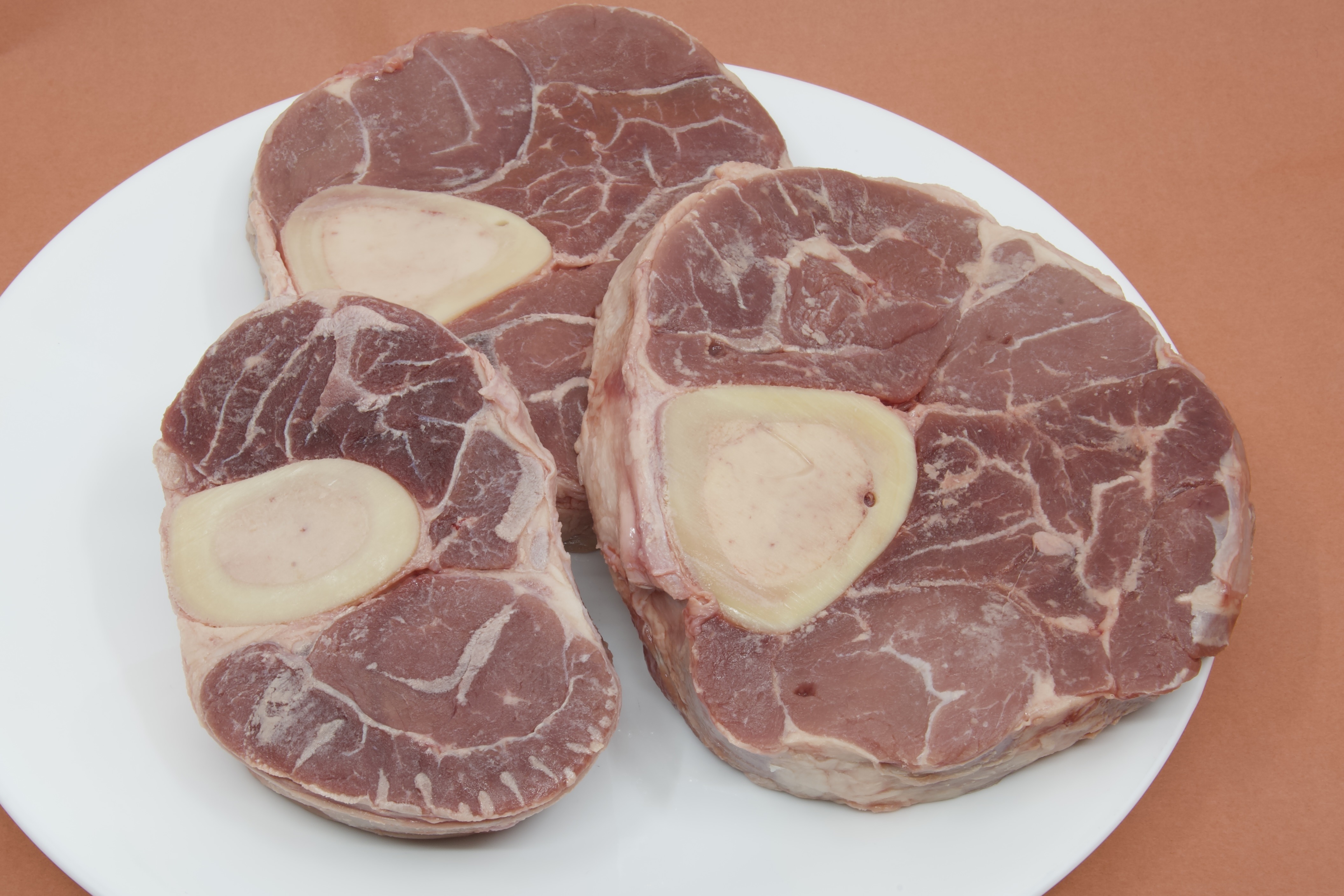
    A photograph of three pieces of raw beef shank which have been dried and are ready for searing.

    Introduction

    This meal is meat-focused. It keeps the good bits: browned meat, connective tissue, bone marrow, and a savoury cooking liquor. The result is rich, gelatinous and deeply satisfying.

    Anatomy of beef shank

    • Cut: Beef shank is a cross-cut section of the lower leg, usually veal or beef.
    • Bone: The central round bone contains marrow. After cooking, the marrow becomes soft, savoury, and rich. Scoop it out and eat it with the meat or stir it into the sauce.
    • Muscle: Shank muscle works hard during life, so it is firm and full of connective tissue. It needs moist heat to become tender.
    • Collagen: Long cooking under pressure converts collagen into gelatine, giving the sauce body and a glossy mouthfeel.
    • Thickness: Pieces about 3 to 5 centimetres thick work well. Thicker pieces hold together better during pressure cooking.

    Optimal cooking styles

    • Best traditional method: Slow braising in a heavy pot gives excellent flavour because the heat is gentle and the sauce reduces gradually.
    • Best weeknight method: Pressure cooking is ideal when time matters. It gives tender meat and gelatine-rich sauce in a fraction of the time.
    • Important step: Brown the meat first. Browning gives the sauce depth and a proper savoury base.
    • Liquid control: Pressure cookers do not evaporate much liquid, so use less liquid than for a slow braise. Reduce the sauce after cooking if you want it thicker.
    • Serving style: For low-carbohydrate meals, serve with cabbage and mushrooms.

    Recipe overview

    • Serves: 2 Gary-sized serves or 4 normal-person serves.
    • Preparation time: 20 minutes.
    • Cooking time: 55-70 minutes, including pressure build-up and natural release.
    • Best cut: Beef shank or veal shank, bone-in and crosscut.

    Ingredients

    • 2 large beef shank pieces, bone-in, about 900 g to 1.2 kg in total
    • 1 teaspoon fine salt, plus more to taste
    • 1 teaspoon freshly ground black pepper
    • 2 tablespoons beef fat
    • 1 small brown onion, finely diced.
    • 2 celery stalks, finely diced.
    • 200 g crushed tomatoes
    • 725 mL water
    • 1 bay leaf
    • 2 sprigs rosemary or thyme

    Equipment

    • Electric pressure cooker or stovetop pressure cooker, at least 6 litres
    • Barbecue grill cast-iron flat-plate
    • Tongs
    • Sharp knife
    • Chopping board
    • Measuring spoons
    • Measuring jug
    • Wooden spoon
    • Serving spoon
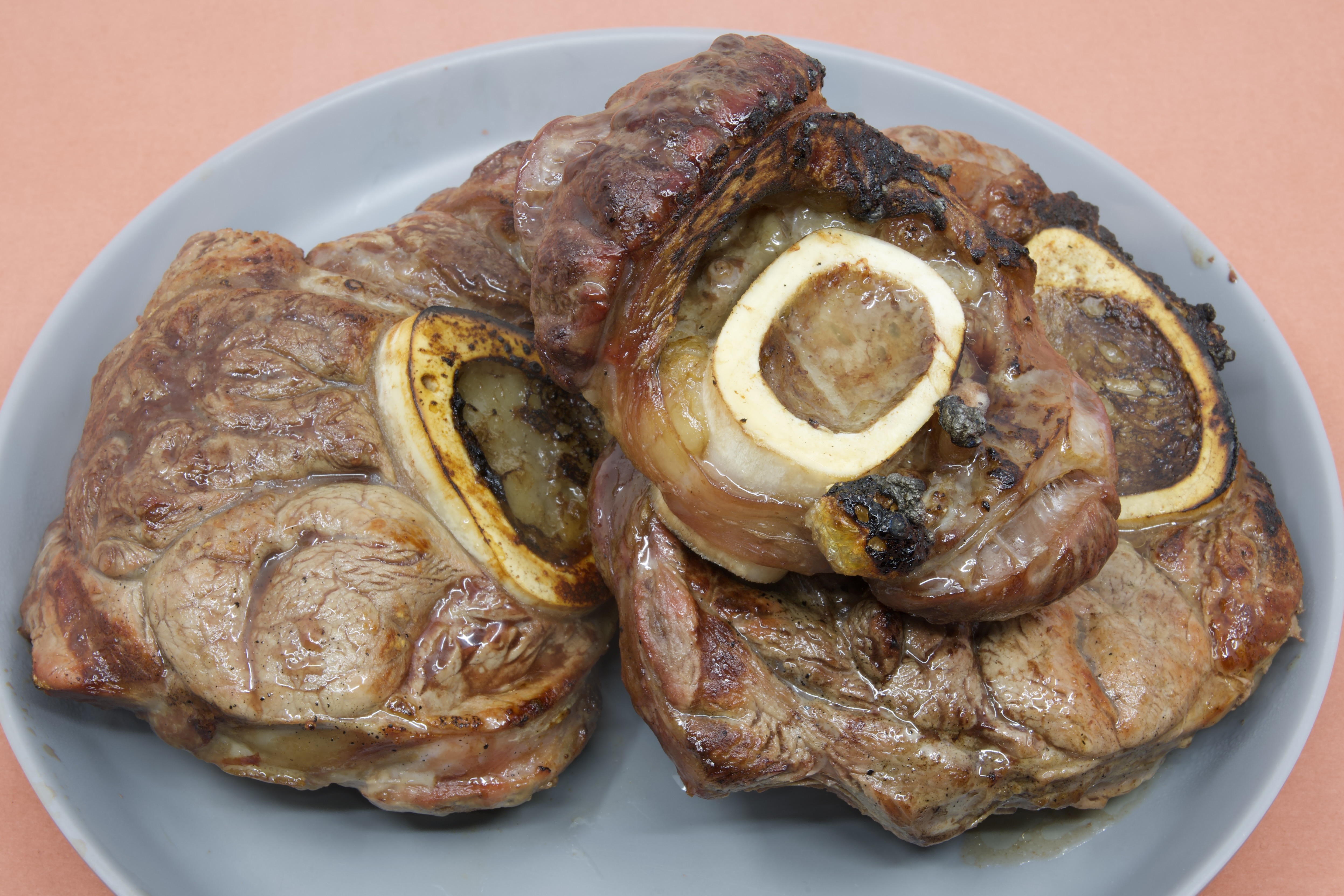
    A photograph of seared beef shank straight out of the barbecue. The bone marrow is still in the bone.

    Method

    1. Dry and season the meat. Pat the beef shank dry with paper towels. Season both sides with salt and pepper. Dry meat browns better.
    2. Brown the shanks. Heat a cast-iron flat-plate until hot, then sear the meat.
    3. Cook the aromatics. Add the onion and celery. Cook for 4 to 5 minutes, stirring often, until softened.
    4. Deglaze. Add the water. Scrape the bottom of the pot to lift the browned bits. This prevents scorching and builds flavour.
    5. Add the braising base. Stir in the crushed tomatoes, bay leaf, and rosemary.
    6. Pressure cook. Return the shanks to the pot. Lock the lid. Cook on high pressure for 50 minutes. Let the pressure release naturally for 15 minutes, then carefully release any remaining pressure.
    7. Check tenderness. The meat should be tender and nearly falling off the bone. If it is still firm, pressure cook for another 8 to 10 minutes.
    8. Reduce the sauce. Remove the shanks carefully. Set the cooker to sauté, then simmer the sauce for 8 to 12 minutes, until glossy and thickened. Stir in butter for extra richness.
    9. Serve. Spoon sauce into a shallow bowl. Add the shank. Scoop out the marrow and enjoy it with the sauce.

    Notes from the kitchen

    • If the sauce tastes flat, add salt first, then a small squeeze of lemon juice.
    • If the sauce is too sharp, simmer it longer and finish with butter.
    • Leftovers are excellent. Refrigerate in the sauce for up to 3 days or freeze in portions.
  • Pork chops

    Pork chops


    This morning, a photograph captures the full moon setting over Henley Beach in the Indian Ocean.

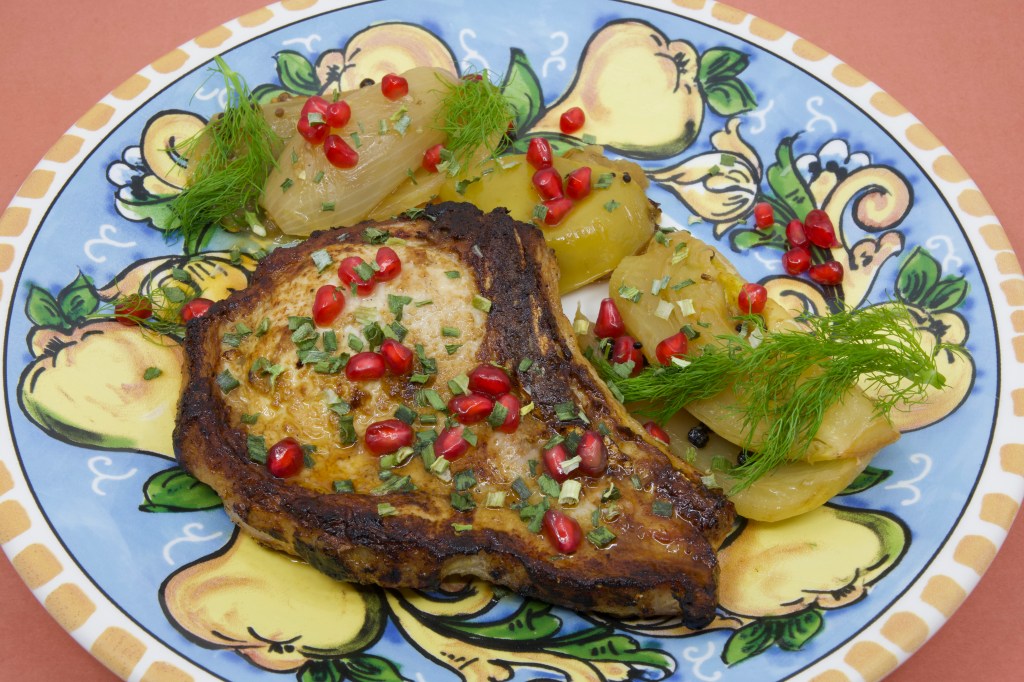
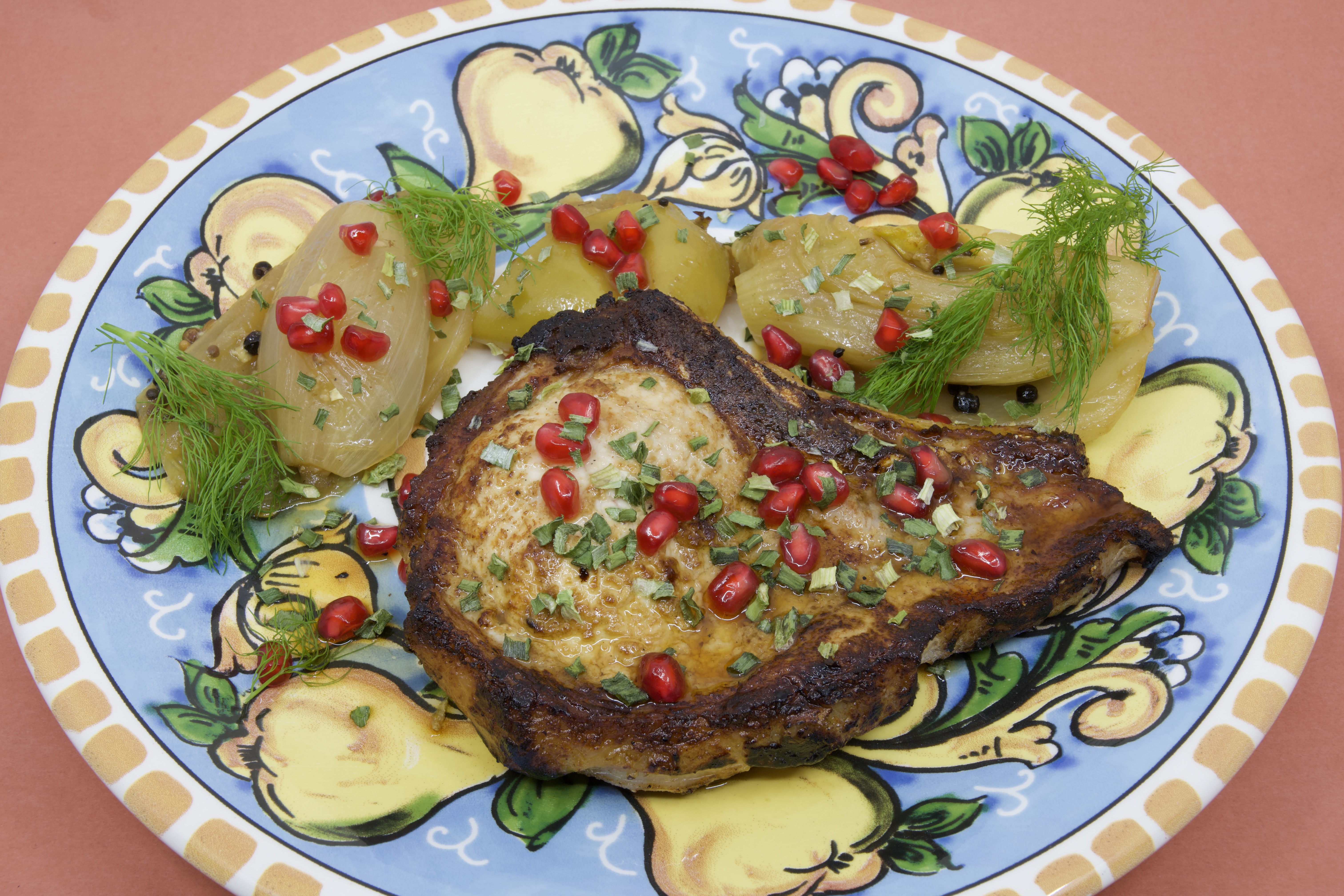
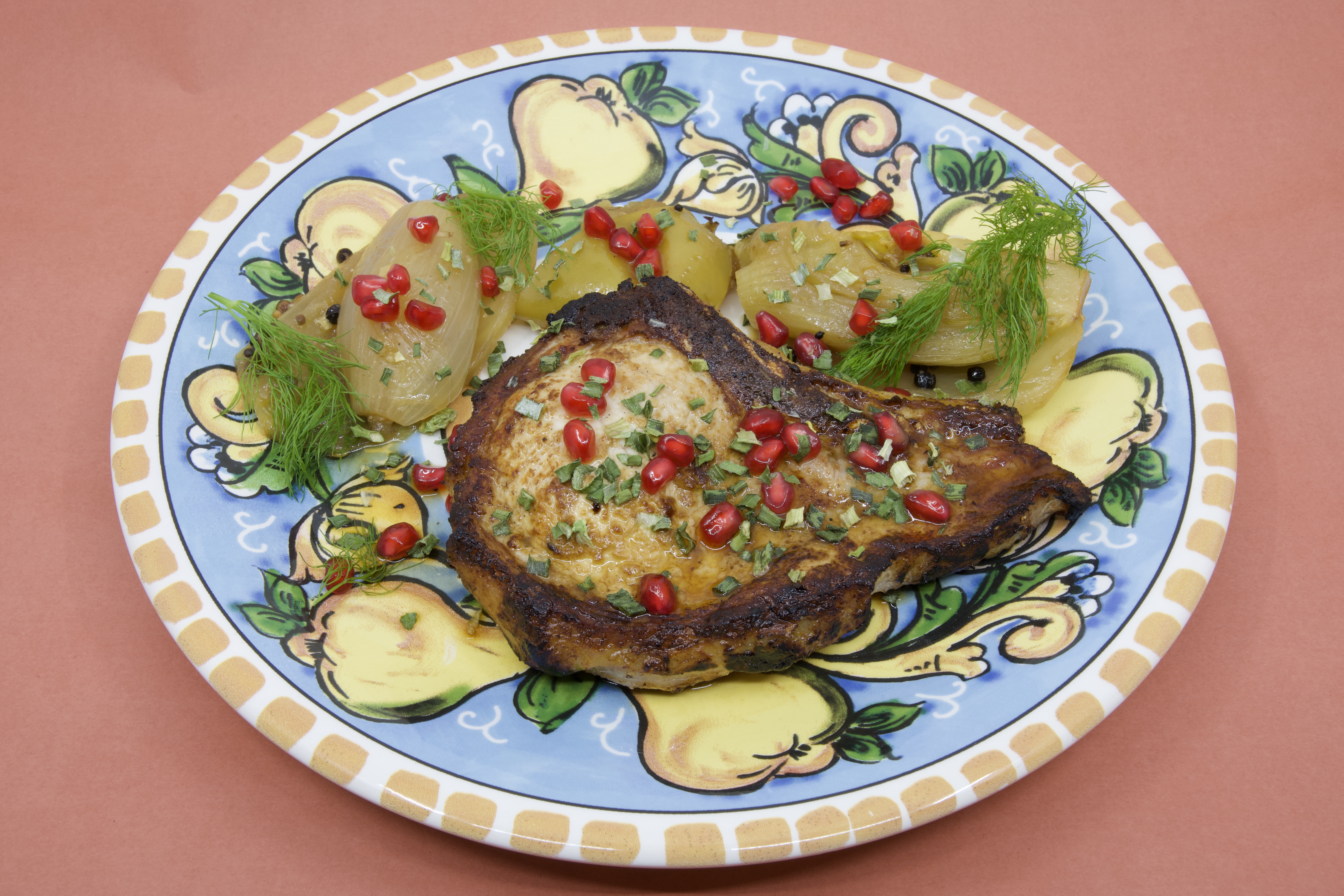
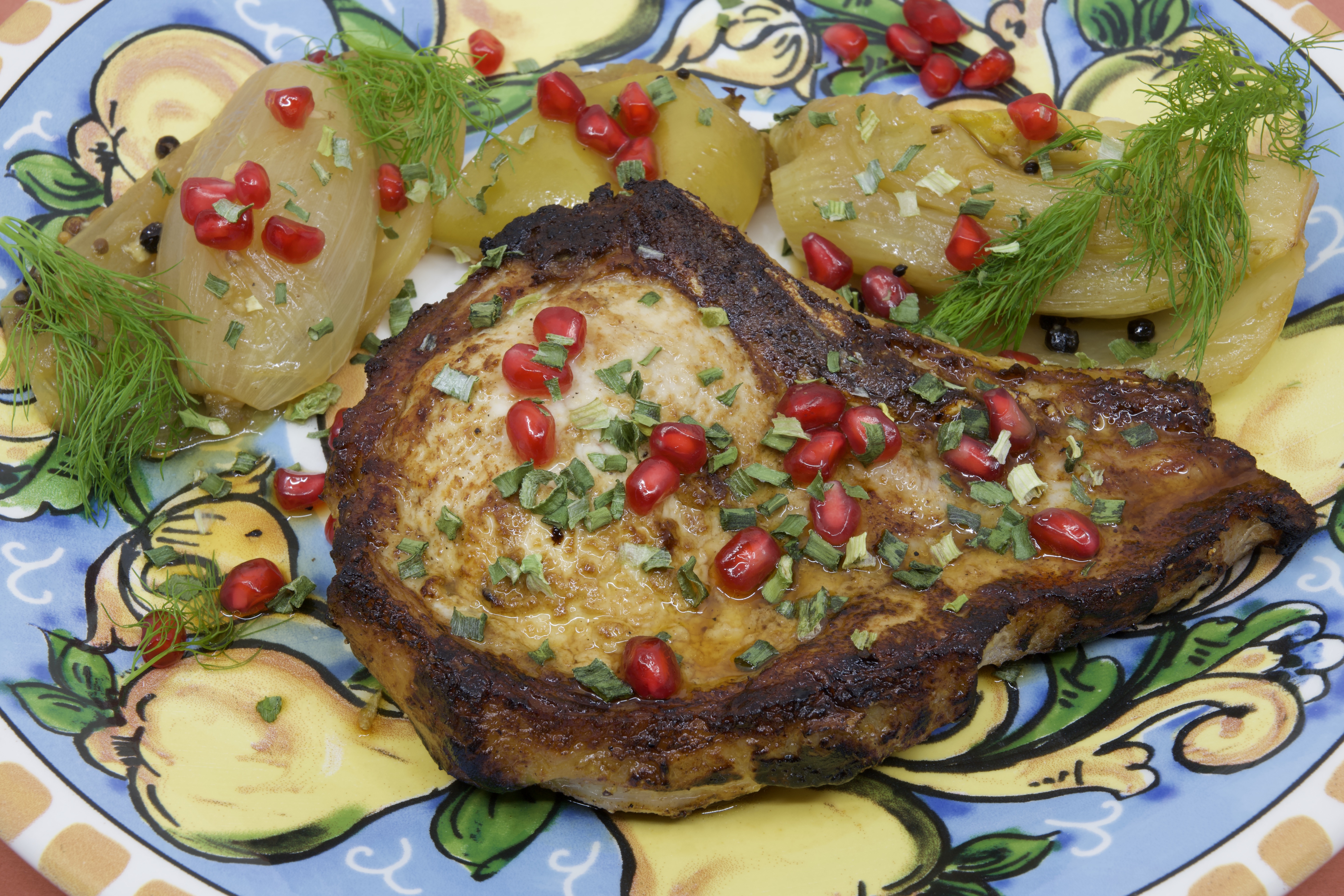
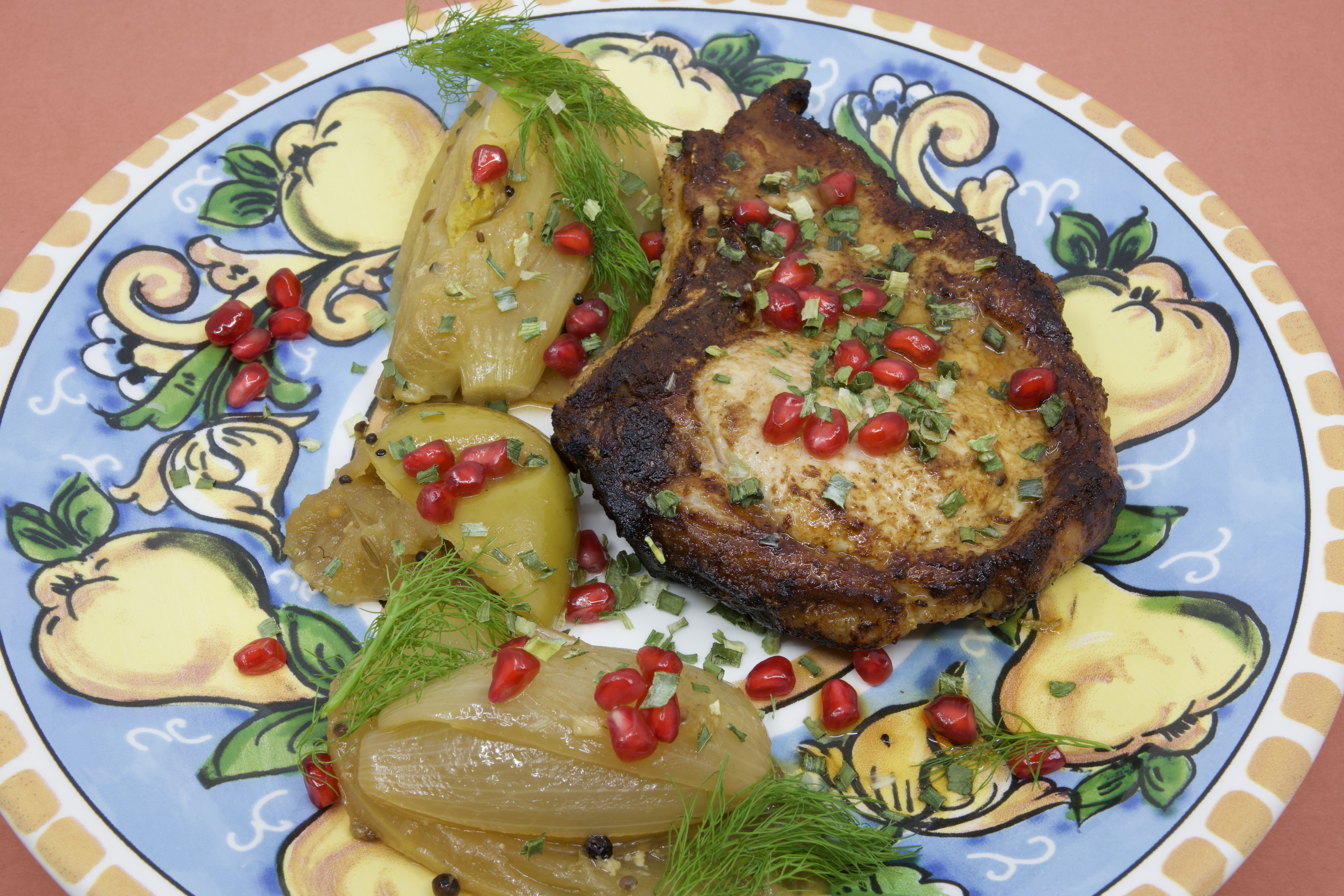
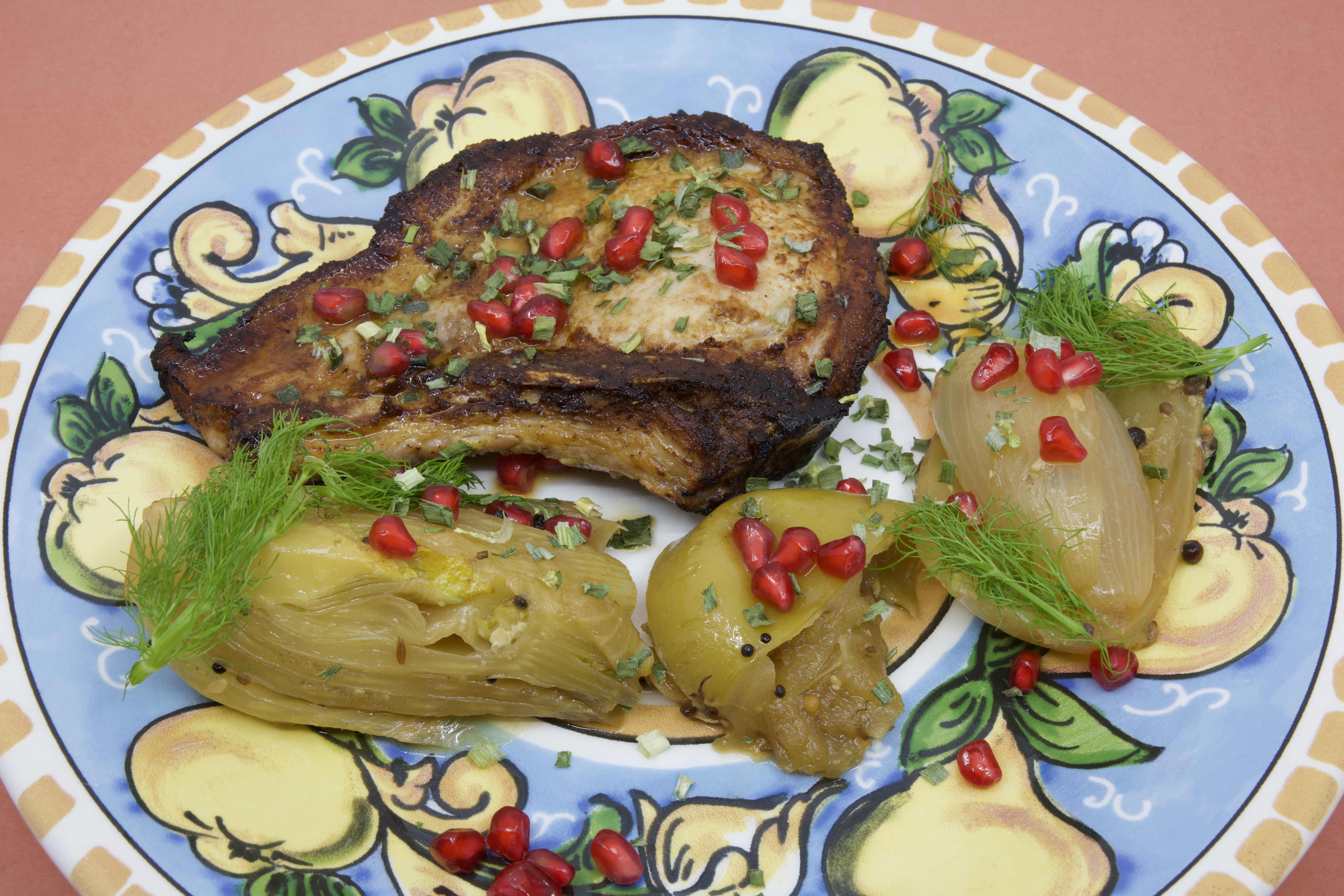
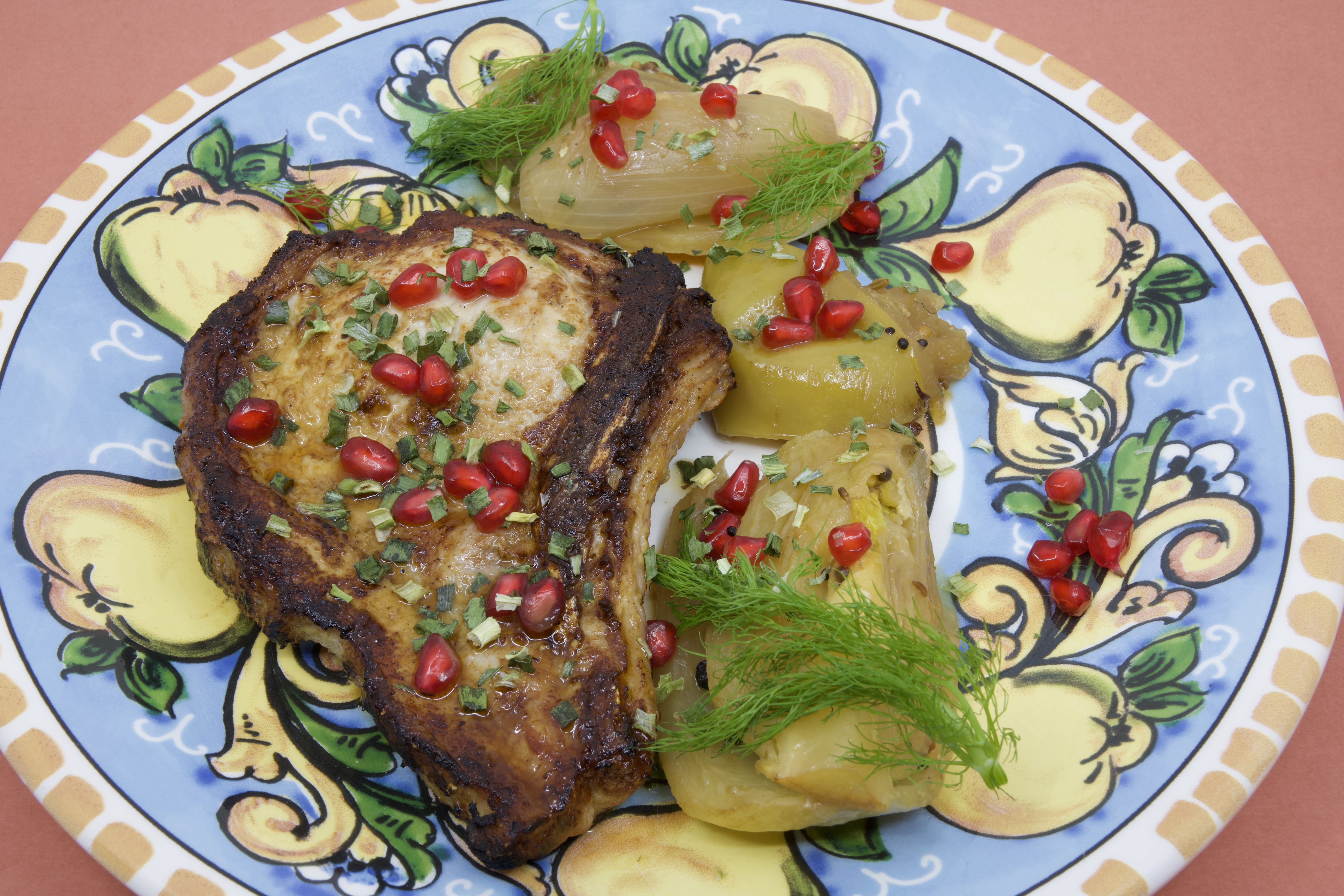
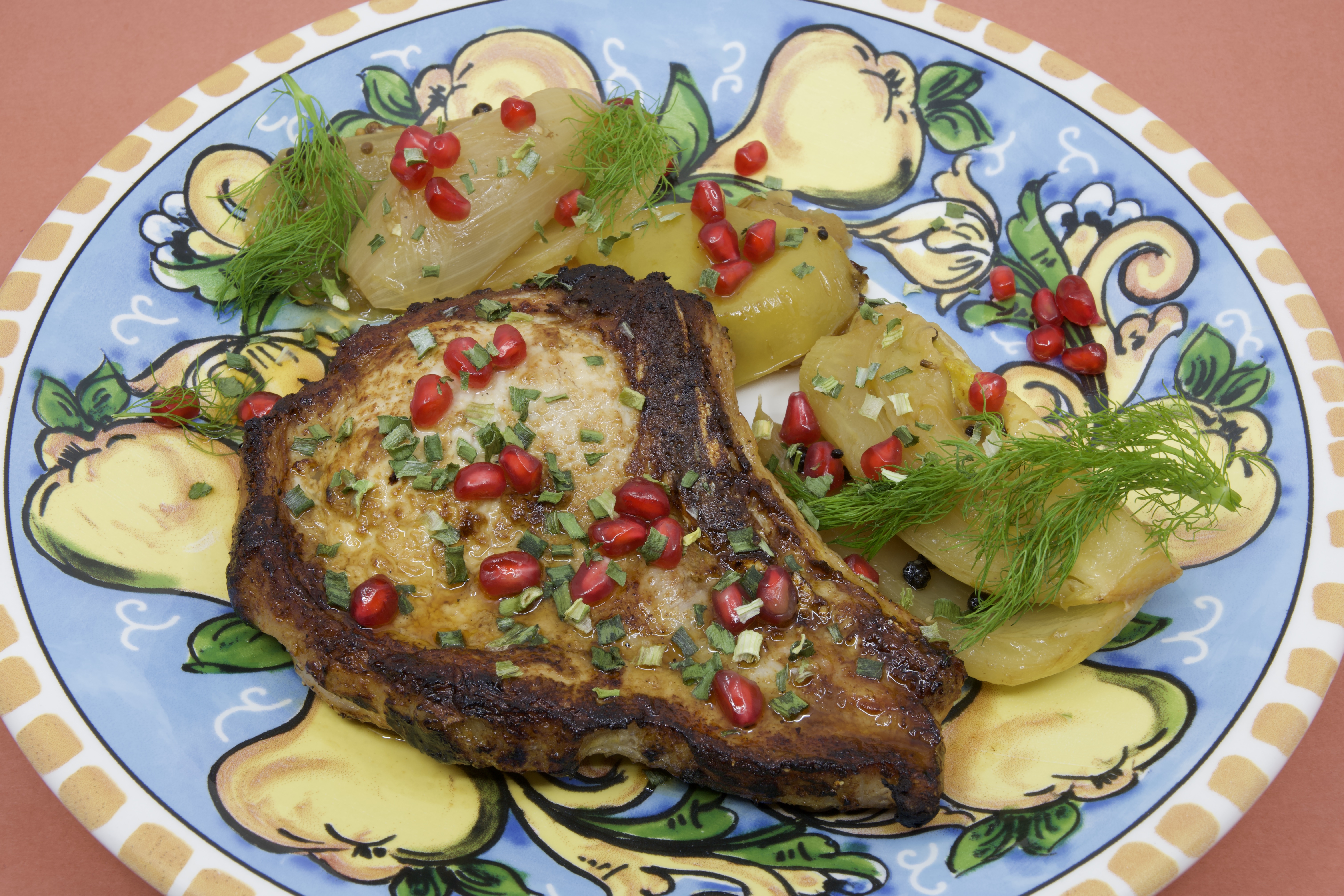
    Grilled pork chops with pressure-cooker-stewed fennel and Granny Smith apple

    A simple Yummy Lummy-inspired meal: pig, anise-sweet fennel, sharp green apple, heat, pressure, and appetite.

    A photograph of me smiling

    Introduction

    This is dinner for when you want something meaty, sharp, sweet, and soft without making a fuss. The pork chops are grilled hot and rested properly. The fennel and Granny Smith apple are cooked under pressure until they collapse into a silky, savoury-sweet stew. Pork and fennel are a classic pairing because pork brings richness and fennel brings a gentle anise sweetness. Apple joins the party with acid and freshness, especially when it is a tart Granny Smith. I do like tartness.

    Serves and timing

    • Serves: 2 Gary-type people or 4 normal people. I’m having the second serve tomorrow night.
    • Preparation time: 15 minutes.
    • Pressure cooking time: 3 minutes at high pressure, plus 5 minutes natural release.
    • Grilling time: 8 to 12 minutes, depending on chop thickness.
    • Resting time: 5 minutes.

    Ingredients

    For the pork chops

    • 2 bone-in pork chops, about 250 to 300 g each and 2.5 cm thick.
    • 1 teaspoon coarse cooking salt.
    • ½ teaspoon freshly ground black pepper.

    For the pressure cooker stewed fennel and Granny Smith apple

    • 1 large fennel bulb, trimmed, fronds reserved, bulb cut into 1 cm wedges.
    • 2 Granny Smith apples, unpeeled; keep the core and seeds, and cut into wedges.
    • 1 small brown onion, peeled and quartered.
    • 1 tablespoon beef fat.
    • ½ teaspoon coarse cooking salt.
    • ¼ teaspoon freshly ground black pepper.
    • 125 mL mixed mammal cooking liquor.
    • 1 tablespoon apple cider vinegar.
    • 1 teaspoon Dijon mustard.

    Method

    1. Season the pork

    1. Pat the pork chops dry with kitchen paper.
    2. Season both sides and the fatty edge of each chop.

    2. Pressure cook the fennel and Granny Smith apple

    1. Set the pressure cooker to sauté mode.
    2. Add the beef fat and let it melt.
    3. Add the onion, fennel, salt, and pepper.
    4. Cook for 3 minutes, stirring often, until the onion softens and the fennel smells sweet.
    5. Add the Granny Smith apple wedges, cooking liquor, apple cider vinegar, and Dijon mustard.
    6. Stir once, scraping the base so nothing is stuck.
    7. Seal the pressure cooker and cook on high pressure for 3 minutes.
    8. Allow a 5 minute natural release, then carefully vent the remaining pressure.
    9. Open the lid, stir gently, and simmer on sauté mode for 2 to 4 minutes if you want a thicker stew.
    10. Taste and adjust with a little more salt, pepper, or vinegar if needed.

    3. Grill the pork chops

    1. Heat a grill plate, barbecue, or heavy pan until hot.
    2. Place the chops on the grill and cook for 4 to 5 minutes on the first side.
    3. Turn and cook for another 4 to 5 minutes on the second side.
    4. Stand the chops on the fatty edge for 30 to 60 seconds to render and crisp the fat.
    5. Check the internal temperature. Aim for 63 °C in the thickest part, then rest the chops. The temperature will rise slightly as they rest.
    6. Rest the chops on a warm plate for 5 minutes before serving.

    4. Serve

    1. Warm dinner plates before serving. A warm dinner plate can have a remarkable effect on the enjoyment of a meal.
    2. Spoon the stewed fennel and apple onto warm plates.
    3. Place a rested pork chop on top, or beside the stewed fennel and apple.
    4. Add a final crack of black pepper.
    5. Garnish with fennel fronds and pickled pomegranate arils.
    6. Eat while hot, preferably with no apology for enjoying the fat.

    Homer Simpson’s pork chop moment

    There is something wonderfully uncomplicated about a pork chop. Homer Simpson would understand this meal. I can imagine him at the table, fork in hand, eyes fixed on the chop, giving the sort of pleased murmur usually reserved for doughnuts. The fennel and apple would probably be described as “the fancy green and white stuff”, but once the pork juices run into it, even Homer would know it belongs on the plate.

    A photograph of me smiling with a cartoon bubble and the words "mmm pork chops."

    Adelaide Central Market wander

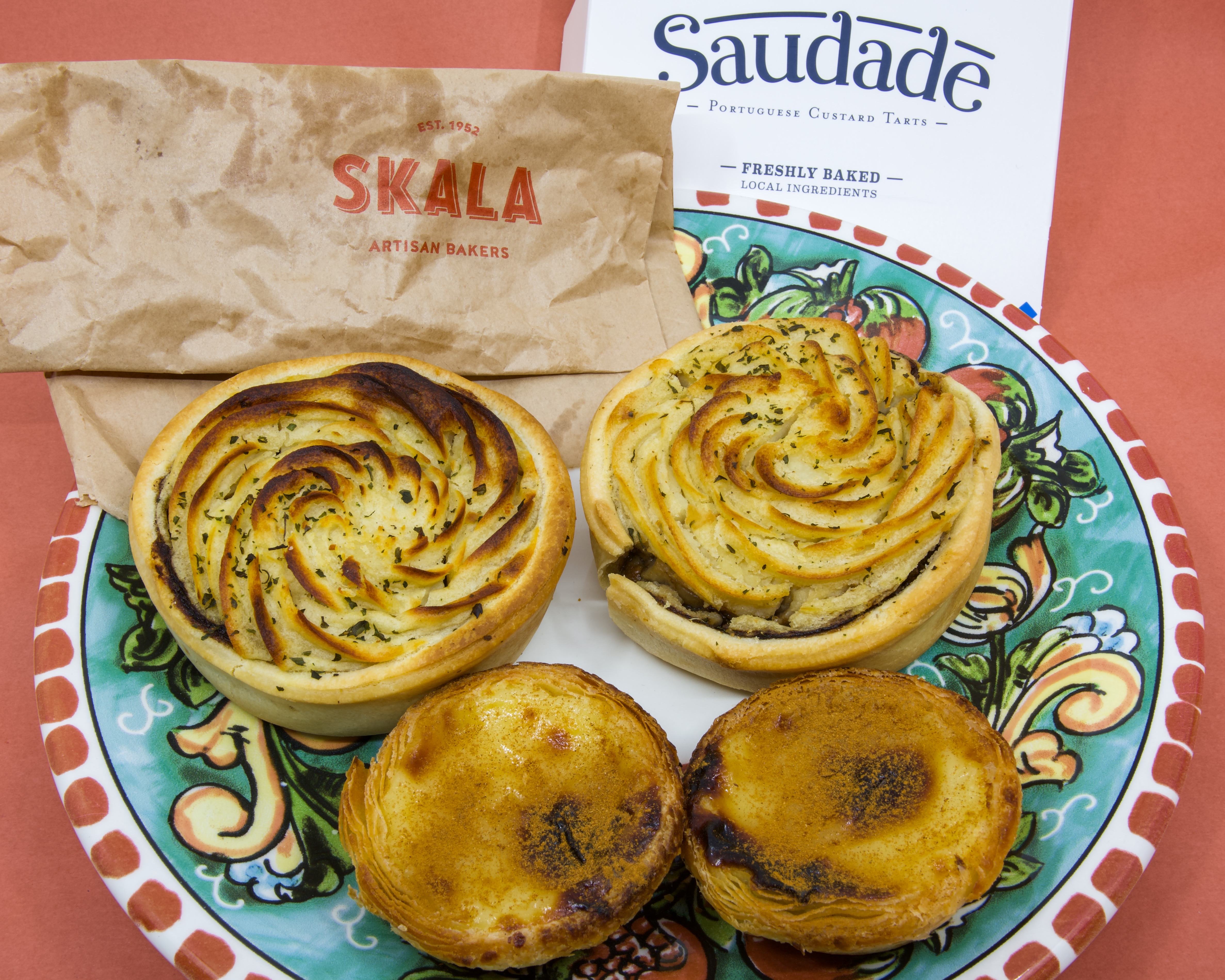
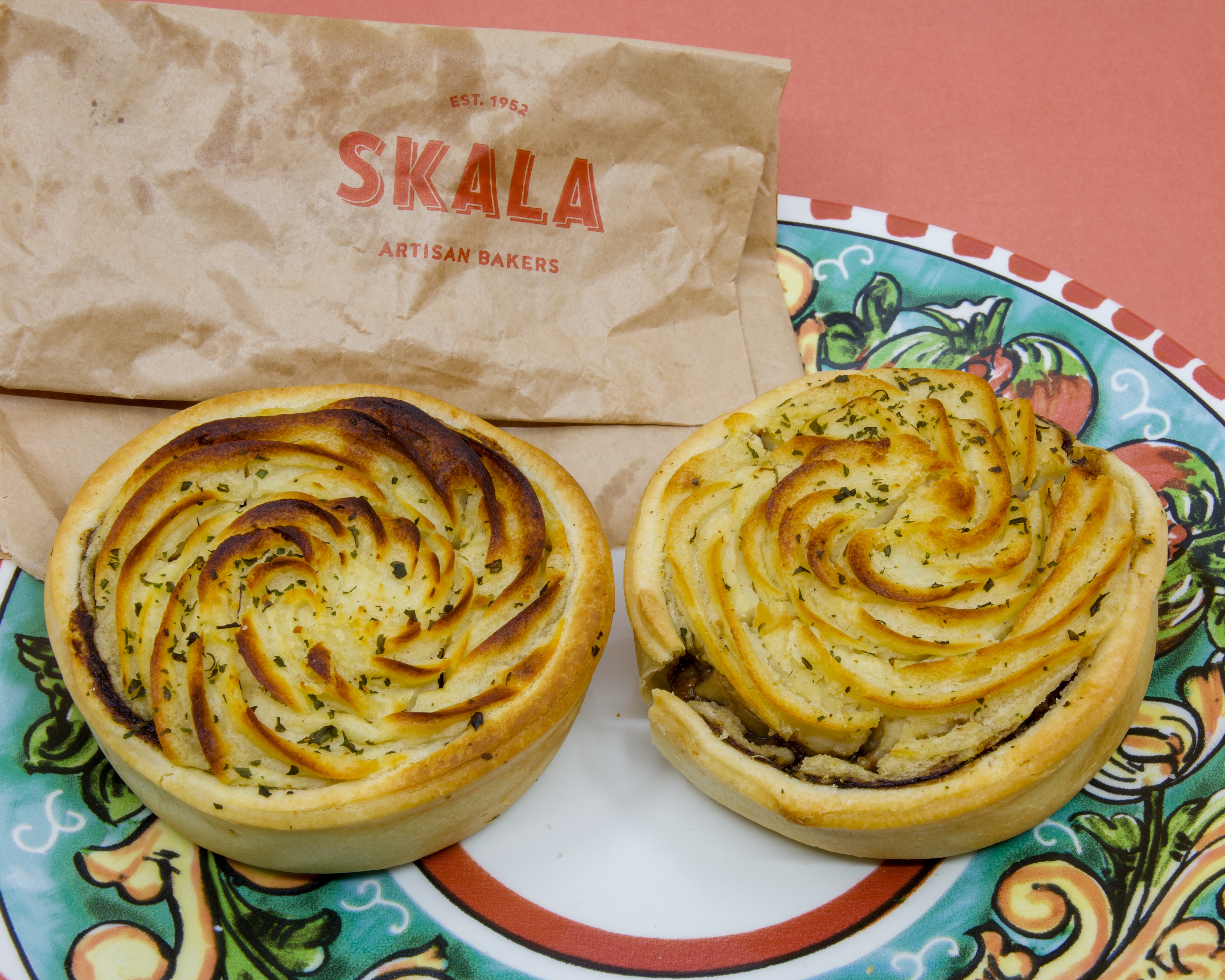
    Before cooking this pork chop dinner, I had one of those Adelaide Central Market visits that makes a person glad to live near good food. I wandered through the Market and stopped at Skala Artisan Bakers, a South Australian bakery known for bread, pastries, and cakes, and bought a couple of potato pies. There is something deeply reassuring about a pie with potato on top. It is practical. It is filling. It is not trying to be delicate.

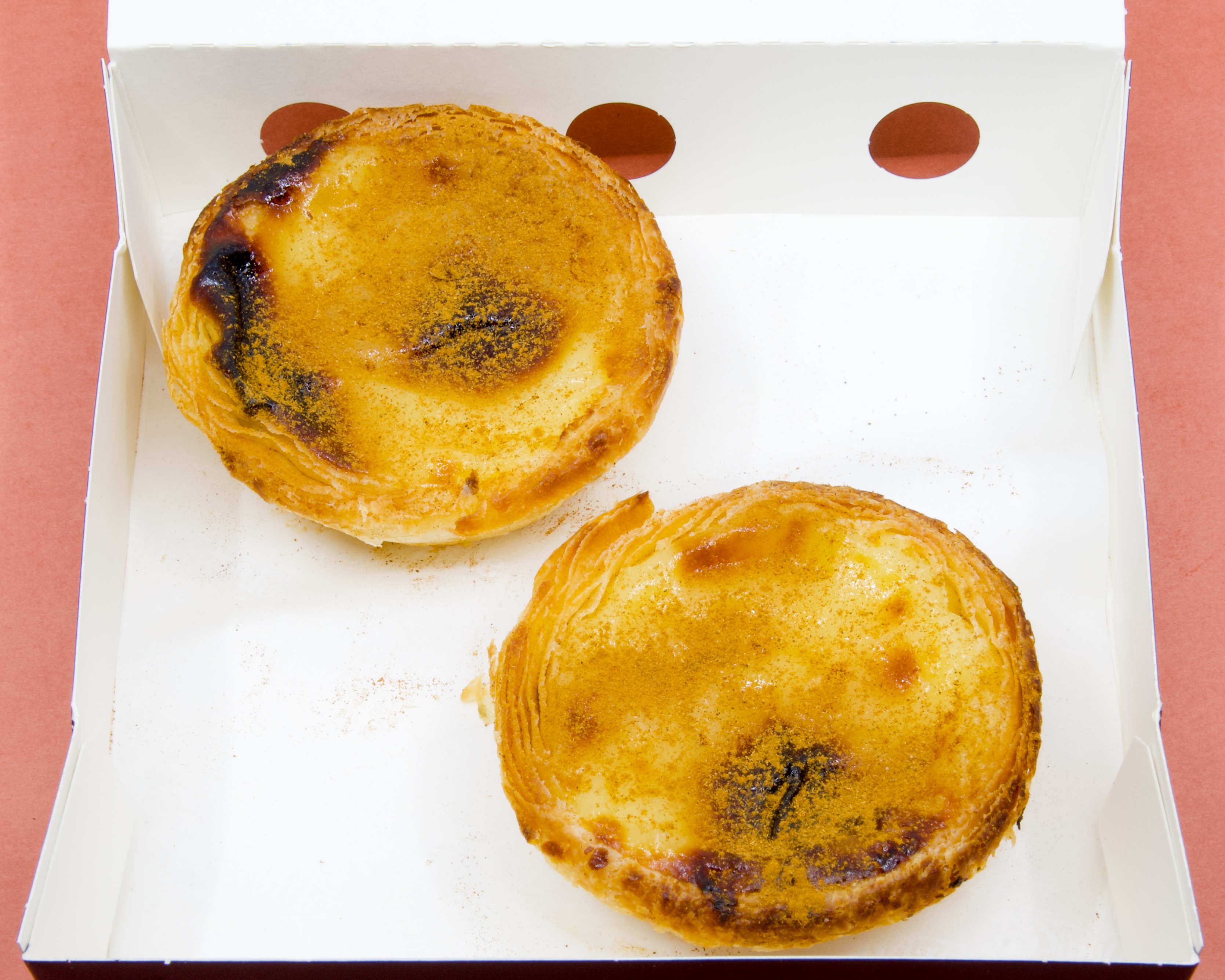
    I also picked up a couple of Portuguese tarts from Saudade, the Adelaide Central Market stall specialising in pastel de nata. These little custard tarts are a joy. The pastry should be crisp and flaky, with enough structure to hold the custard, yet tender enough to shatter slightly when bitten. The custard should be smooth, sweet, and gently eggy, with a burnished top that says heat has done its good work. These also had powdered cinnamon on top, which added a warm, sweet spice note without overpowering the custard. I like them still slightly warm if possible, but I am not proud; room temperature is also fine when the tart is good. Potato pie first, Portuguese tart later, and pork chops for dinner. That is a nice little food day.

    Cooking notes

    • Do not overcook the pork. A meat thermometer is the most reliable way to keep pork juicy.
    • Cut the fennel thicker if you want more texture. Cut it thinner if you want it to melt into the apple.
    • Granny Smith apples are useful here because their sharpness balances the pork fat.
    • If the stew tastes flat, add a splash more apple cider vinegar.
    • If the stew tastes too sharp, stir in a small knob of butter.

    I exploited Microsoft Copilot to refine and format this blog post. Artificial intelligence large language models can make mistakes.

    I exploited ChatGPT to add the cartoon bubble to the photograph of me. I also exploited ChatGPT to whiten my teeth. You do not need to see how yellow they are after all the coffee that I drink.

    Fediverse Reactions