

A buttery reflection on steak, corned beef, and why a fresh croissant may be better than ordinary sandwich bread.
There are moments in life when an ordinary sandwich loaf simply will not do. This week, fresh croissants found themselves pressed into sandwich service, and I am not sure I want to go back to standard bread any time soon.
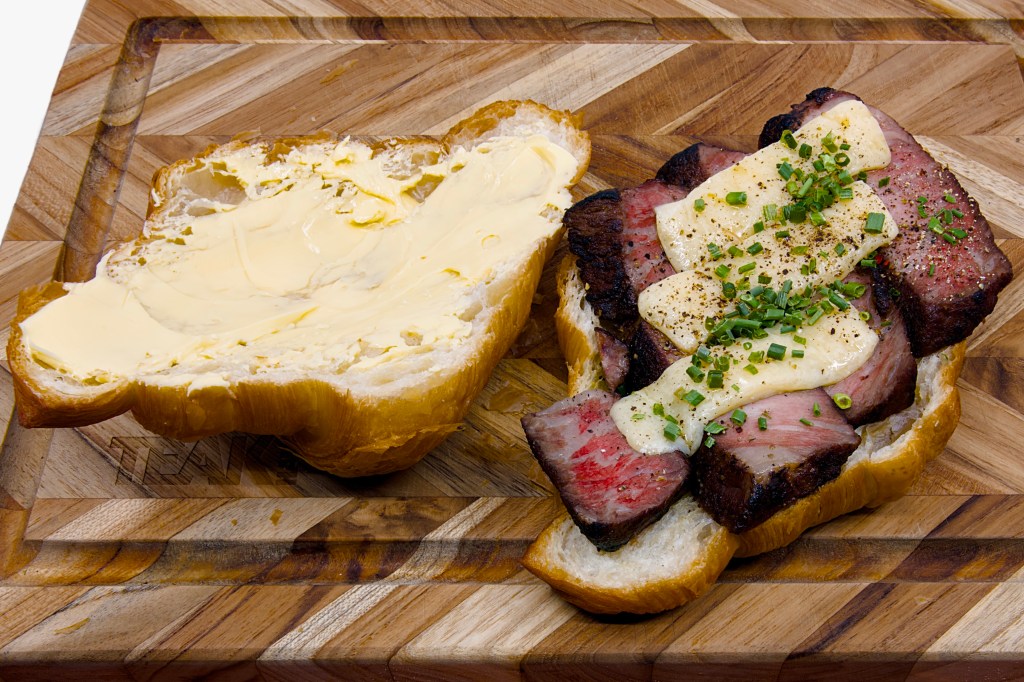
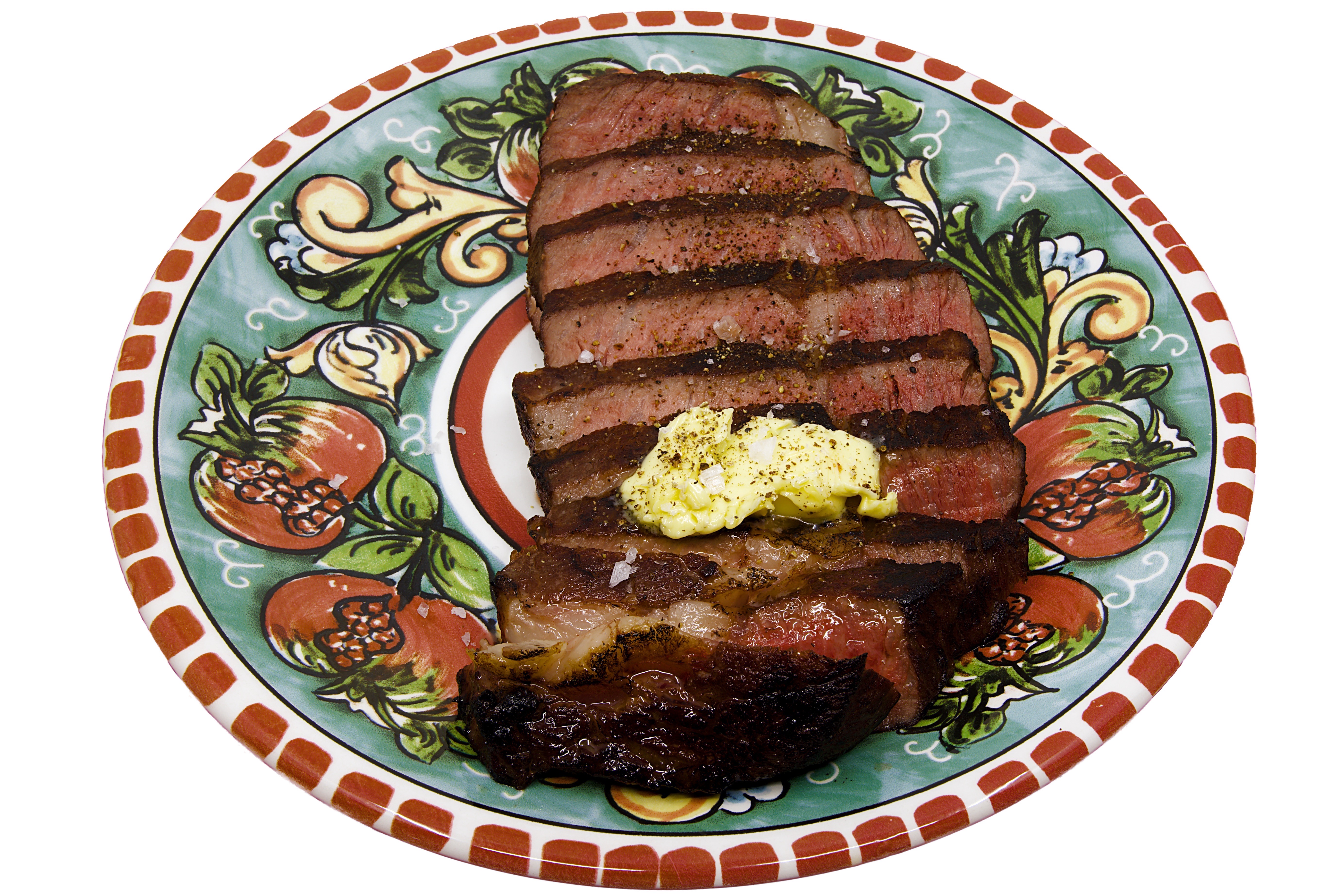
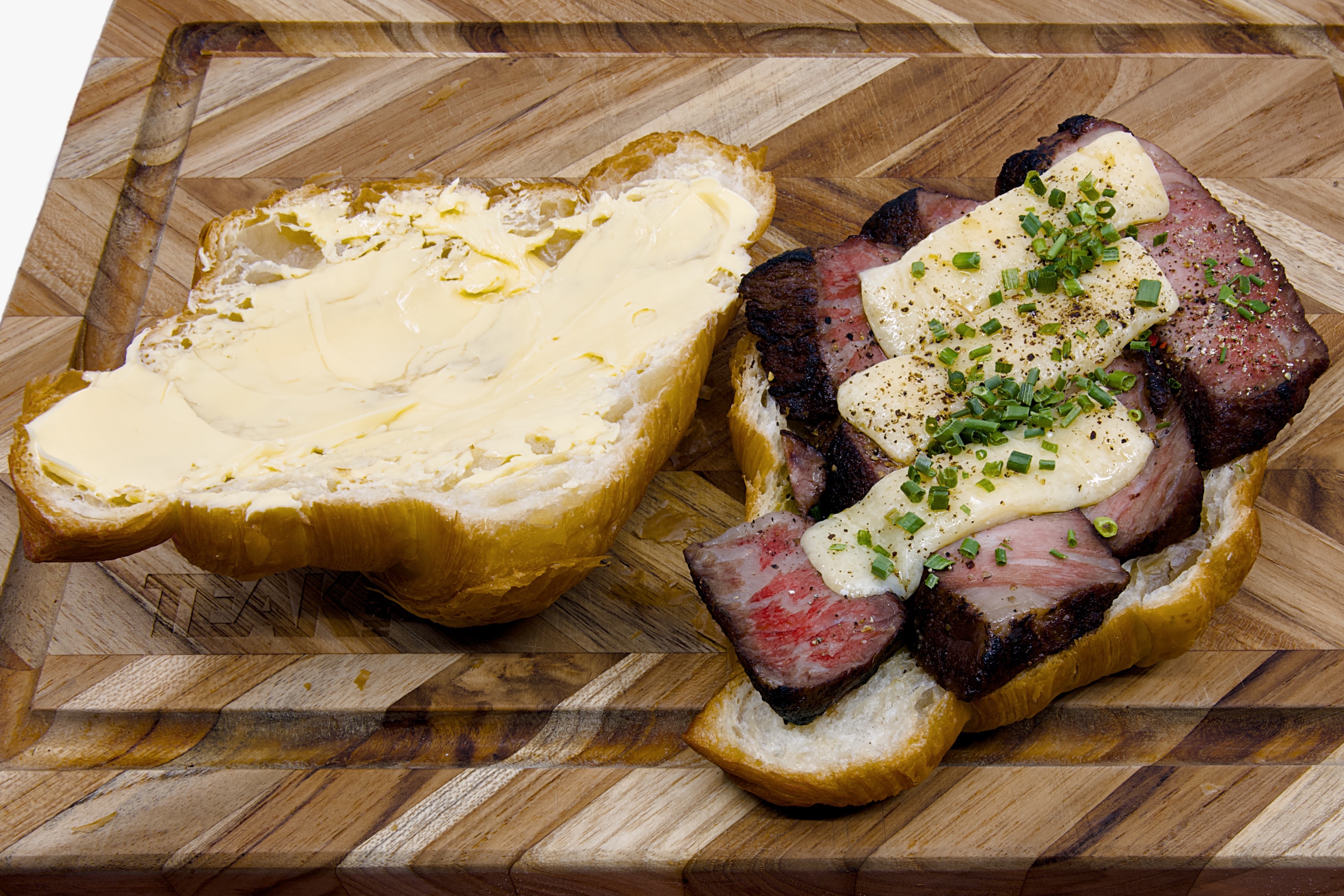
The first experiment used leftover Scotch fillet strips, vintage cheddar, and cultured butter. The croissant was split, the base was buttered, the beef and cheese were layered over the top, and the whole lot had five minutes in the air fryer. The lid received another smear of cultured butter after it cooled slightly because, apparently, I had decided moderation was a spectator sport.
The result was probably the best steak sandwich I have eaten in many, many years. There was flaky pastry, savoury beef, melted cheese, and enough cultured butter to make the croissant feel deeply appreciated.
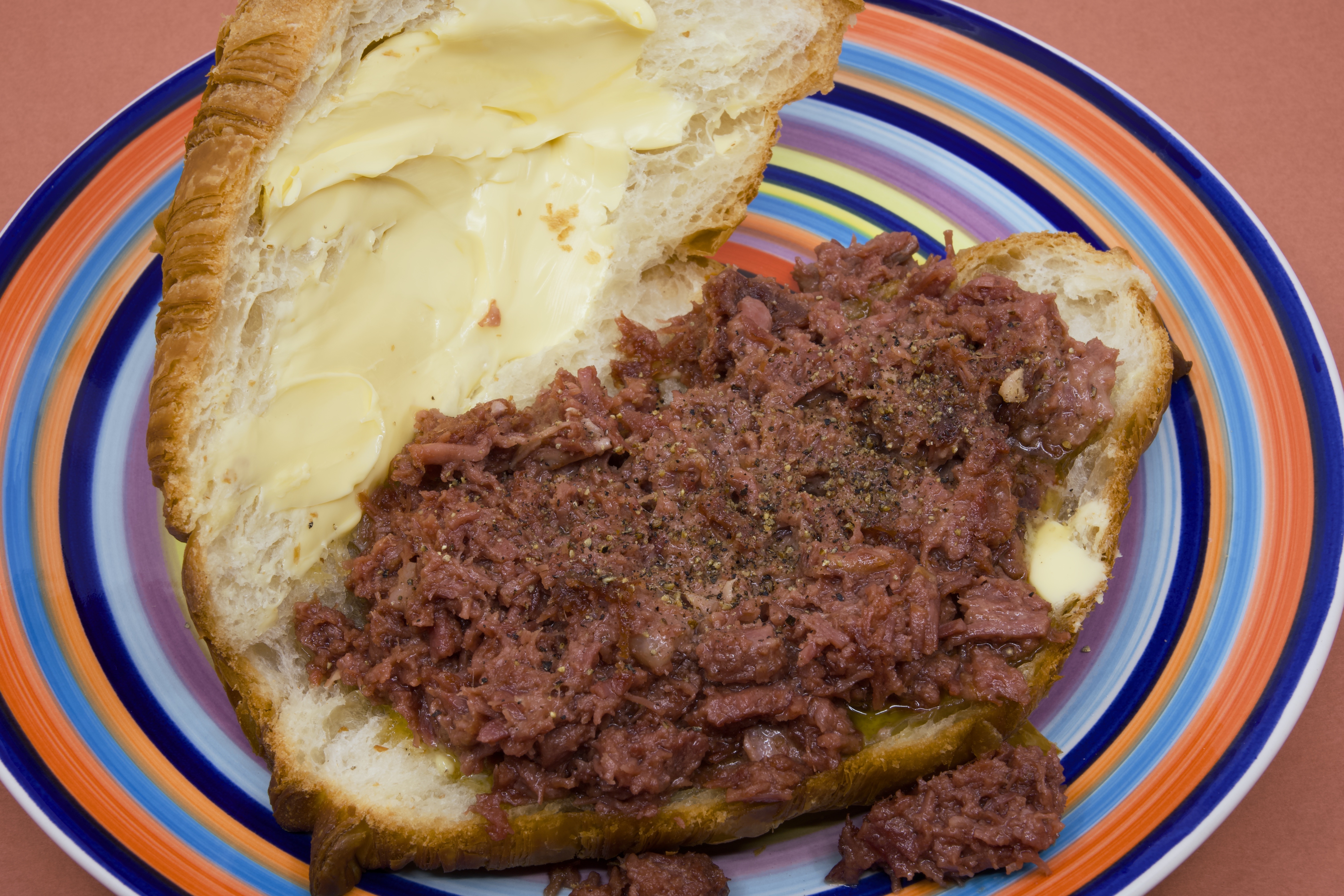
Not content with one success, I repeated the experiment with hashed corned beef from a tin. The corned beef was gently sautéed in a skillet until the fat rendered and the meat took on a little colour without becoming dry. Because the meat was hashed, it spread beautifully over the croissant base.
The warm corned beef met the generously buttered croissant, and the cultured butter melted through the pastry layers. This was not high ceremony. This was practical with a French accent and a very happy ending.
Why a Croissant Works So Well as Sandwich Bread
A good sandwich loaf has one job: it holds the filling together. A good croissant does more than hold things. It participates. The laminated layers bring crispness, tenderness, and buttery richness. The exterior flakes, the interior stays soft, and every bite has more texture than a plain slice of bread can usually manage.
That does not mean a croissant is right for every sandwich. A towering salad sandwich on a croissant may end with lettuce, tomato, and regret on your lap. However, with rich fillings such as steak, cheddar, ham, egg, chicken, or corned beef, a croissant can be just as good as ordinary bread, and possibly better. It is not merely a vehicle. It is the co-driver.
The Nutritional Question
Let us address the buttery elephant in the room. Nobody reaches for a croissant because it is dressed as a health food. A traditional butter croissant is more energy-dense than ordinary sandwich bread because it is made with laminated dough, in which butter is folded into the dough repeatedly to create those crisp, flaky layers.
Approximate Nutrition per Butter Croissant
| Nutrient | per large croissant |
| Energy | 1,300–1,600 kJ |
| Protein | 6–8 g |
| Fat | 17–22 g |
| Saturated fat | 10–13 g |
| Carbohydrate | 30–40 g |
| Sugars | 5–8 g |
| Dietary fibre | 1–3 g |
| Sodium | 250–450 mg |
The exact numbers will vary according to the baker, size, butter content, and whether the croissant is plain or filled. Once you add Scotch fillet, vintage cheddar, hashed corned beef, and cultured butter, the numbers change again. The beef lifts the protein and iron, the cheese adds protein and calcium, the corned beef contributes protein, iron, vitamin B12, and sodium, and the butter contributes joy, which nutrition panels still stubbornly refuse to measure.
From a low-carbohydrate perspective, a croissant is not an everyday staple. From a culinary perspective, however, it is an occasional indulgence that can transform a simple sandwich into something memorable.
Would the French Approve?
Possibly. Traditional French breakfasts often feature croissants served simply with coffee, tea, hot chocolate, butter, or jam. The classic version is uncomplicated: buy it fresh, eat it fresh, and preferably enjoy it before the flakes have time to settle into your shirt.
That said, France is not unfamiliar with savoury croissants. Café counters, bakeries, and takeaway shops commonly sell croissants filled with ham, cheese, chicken, or other savoury ingredients. Some pastry purists may object to using a croissant for corned beef, but food rules are often most interesting when they meet a hungry person holding cultured butter.
A Brief, Buttery History
The croissant is closely associated with France, but its ancestry is more complicated. Food historians commonly link it to the Austrian kipferl, a crescent-shaped bread or pastry that predates the modern French croissant. The croissant became distinct when French bakers applied yeasted laminated dough techniques, folding butter through dough to make the thin, airy layers that define the pastry today.
Those layers do not happen by accident. Croissant dough is rolled, folded around butter, chilled, rolled again, folded again, shaped, proved, and baked. In the oven, water in the butter turns to steam, the layers lift, and the baker hopes the result is golden, crisp, and structured rather than a buttery landslide.
A proper croissant is at its best on the day it is baked. The outside should shatter slightly, the inside should show an open honeycomb crumb, and the whole thing should make you feel that ordinary toast has taken the morning off.
Final Thoughts
Perhaps the lesson here is simple: croissants should not be confined by tradition. If a fresh croissant can elevate leftover Scotch fillet and vintage cheddar into a memorable steak sandwich, and transform humble hashed corned beef into something worth writing about, then it deserves greater recognition as sandwich bread.
The French may debate pastry etiquette. I will be over here, applying another generous layer of cultured butter.
Author’s note: No ordinary sandwich loaf was harmed during these experiments. Several croissants, however, made the ultimate sacrifice.
An artificial intelligence large language model was exploited to generate some of the original text before review and editing. The images have not been edited using artificial intelligence.


Comments will be moderated.