Category: Food

  • Adelaide Pie Floater

    Adelaide Pie Floater


    This week, Adelaide hosted a public health (communicable diseases) conference. A mate from Darwin called me last week, saying he was attending and asked if I’d go to “Bakery on O’Connell” with him to eat a pie floater.

    Microsoft Copilot generated image of a pie floater

    Drapes (as he’s known) is a bloke I’ve known for decades. He began as a medical laboratory scientist and has since become a top-flight epidemiologist and public health expert in the Northern Territory of Australia and the Democratic Republic of Timor-Leste.

    I’m very fond of Drapes, so despite not wanting to indulge in a fibre and carbohydrate-laden meal, I picked him up the other night and ventured into North Adelaide.

    Remarkably, in the early evening, Bakery on O’Connell is fairly quiet, so much so that my usual anxiety about my partial deafness and tinnitus was relieved. I could hear Drapes speaking, and I could carry on a conversation with him.

    A pie floater is priced at AUD$ 13. For that, you get a bowl, a knife, a fork, a spoon, a pie (upside down) of your choice, and pea soup. You can also ask for condiments. Drapes went for dead horse (tomato sauce). We both asked for pepper steak pies.

    Drapes said he was keen on the pie floater because it’s an iconic thing in Adelaide. I knew a little about pie floaters and, in 2022, had made my own version. It was a lamb shank meat pie in pumpkin soup, which had been made with coconut cream and laksa paste. It was my attempt at fusion cuisine.

    My version of a pie floater (22 March 2022). A lamb shank pie floating in spicy pumpkin soup spiced with laksa paste.

    Being upside down made the pie easier to penetrate with a spoon. The pie crust was softer on the bottom, allowing me to scoop a spoonful of chunky steak. The meat was delicious. I like a pepper steak meat pie. The pea soup was saltier than I expected. It was thick and substantial.

    Photograph from Drapes. Me with a pie floater from “Bakery on O’Connell.”
    Pie floater from “Bakery on O’Connell.”

    If I’m ever in the mood to make a pie floater again, I think I’ll use a slowly cooked lamb meat pie from my butcher. I’d use frozen peas and cook them in beef fat and butter, and then purée them with some pure pouring cream.

    Later that evening, my alimentary canal, specifically the colon, became active with audible activity.

    All in all, I’m happy that Drapes persuaded me to join him for an Adelaide pie floater. Thanks, Drapes for shouting me dinner.

    I’m thinking about visiting Drapes in Darwin next year for a Dolphins game. I’ll be suggesting grilled local barramundi.

    Questions

    • Have you had a pie floater?
    • Did you enjoy it?
    • What did you think?
    • If you’ve not had one, would you try one?

    I asked Google Gemini to provide me with words about pie floaters to share on Yummy Lummy. Here is what I’ve crafted with the material collected by Google Gemini.

    The Australian Pie Floater: from Pie Cart to Plate

    Introduction: A Taste of South Australian Heritage

    The pie floater is a distinctive dish, particularly in South Australia. The pie floater marries the comforting familiarity of a savoury meat pie with a thick pea soup. Some argue that it is ingrained in the region’s identity and history. Its composition, often described as a meat pie floating in a bowl of pea soup, immediately sets it apart in Australian cuisine.

    The cultural standing of the pie floater is formally recognised, having been declared a “South Australian Heritage Icon” by the National Trust of Australia in 2003. This acknowledgement underscores it as a part of the state’s heritage, cementing its place beyond a food item. Historically, the pie floater gained widespread popularity as a street food, often purchased from mobile pie carts as a late-night comfort meal, a tradition that speaks about its role in South Australian society. I wonder if it has the same legend as a kebab has for late-night shenanigans. 🤔

    What is a Pie Floater? Defining it.

    At its core, a pie floater is an Australian dish most commonly associated with Adelaide, consisting of a traditional Australian-style meat pie submerged, or sometimes simply sitting, in a bowl of thick pea soup. This simple combination offers a blend of textures and flavours, making it a comfort food for many.

    The main components of a traditional pie floater are specific in their nature. The foundation is an Australian meat pie, typically filled with savoury minced beef, often accompanied by a rich gravy, and all encased in a golden-brown pastry. The accompanying pea soup is thick and made from specific varieties of dried peas, such as “blue boiler peas” or “marrowfat peas”. This distinguishes it from the “mushy peas” often found in English cuisine. The soup may be blended to achieve a smooth, creamy, yet substantial consistency.

    A hallmark of the pie floater’s presentation is the orientation of the meat pie, which is often placed upside down in the hot pea soup. This particular method of serving is a characteristic of the traditional Adelaide pie floater. The dish is also traditionally served with tomato sauce. “Australian tomato sauce” is distinct from American ketchup; unlike ketchup, the Australian version is typically made without vinegar.

    Origins: Etymology and Culinary Roots

    The term “floater” itself has historical roots in English culinary traditions. In the 19th century, “dumplings in soup” were commonly referred to as “floaters”. This etymological connection provides a direct explanation for the “floater” element of the dish’s name, linking it to a broader history of hearty, soup-based meals. When I hear floater, I think about tiny specks “floating” in my field of vision.

    The culinary concept of combining meat with pea soup also has British origins. Dishes such as the “pea and pie supper,” prevalent in Yorkshire, and “pea soup with eel” or “saveloys” (a type of sausage) were common in 19th-century England. These dishes served a practical purpose, providing budget-friendly and substantial meals for feeding groups of people.

    The specific origin of the “Pie Floater” is largely credited to South Australia, with its emergence believed to be in the 1890s. While its birthplace is South Australia, the exact originator is unknown. Ern “Shorty” Bradley of Port Pirie is credited with early advertisements from the 1890s inviting patrons to his coffee stall for “Hot Saveloys, Rolls and Floaters”. However, James Gibbs, a Scottish emigrant who established one of Adelaide’s first pie carts in the 1880s on the corner of King William and Rundle streets, is also a contender. The sudden popularity of his “floaters” enabled him to rapidly expand his business with new carts. The existence of these two figures and locations in the late 19th century suggests that the dish may have evolved through parallel or closely timed innovations, driven by similar culinary needs and influences, rather than a single, definitively recorded invention.

    The corner of King William and Rundle streets is now a Haigh’s Chocolate outlet.

    The pie floater gained popularity through its association with mobile “pie carts,” which were part of South Australian streetscapes from the 1870s. These carts, originally horse-drawn or food vending trolleys, featured elongated windows where customers could stand and eat. They were moved into position for lunchtime and, as late-evening meal stops became a part of Adelaide’s urban landscape and nightlife.

    As traffic increased and the demand for on-street car parking grew, the pie carts became less viable. Adelaide City Council’s refusal to reissue licences further contributed to their decline, leading to the gradual disappearance of permanent late-night pie carts from Adelaide streets by 2011.

    Giant Panda

    What Constitutes a Traditional Pie Floater?

    Specific components and a distinctive presentation define the traditional pie floater.

    The meat pie serves as the foundational element. It is typically a traditional Australian-style pie, featuring a savoury minced beef filling, often enriched with gravy and sometimes incorporating vegetables (if you like that sort of stuff), all encased in a golden-brown pastry. While cooking pies from scratch offers authenticity, I’d opt for the convenience of store-bought meat pies.

    Traditionally, the pea soup is thick, mushy, and creamy, often made from dried “blue boiler peas” or “marrowfat peas.” These specific pea varieties contribute to the desired texture, which is distinct from the thinner, smoother pea soups. The soup is blended, ensuring a consistent and comforting base for the pie.

    A hot meat pie is placed, often upside down, into a bowl of the hot, thick pea soup. I’m told this is a traditional Adelaide pie floater. The pie is upside down for a practical reason. The bottom crust of the pie is softer than the top, and becomes submerged in the hot soup when inverted. This further softens the crust, making it easier to break into and eat with a spoon, which in turn makes eating while standing more convenient. Placing the pie upside down stabilises it within the bowl of soup, preventing it from slipping around and making it safer to consume when standing.

    The dish is typically garnished with Australian tomato sauce. Other additions include mint sauce, salt, pepper, and malt vinegar. I’d go for Worcestershire sauce.

    Table: Pie Floater Components and Accompaniments

    Component/AccompanimentDescription
    Meat PieTraditional Australian-style, typically minced beef with gravy, encased in pastry. Can be homemade or store-bought.
    Pea SoupThick, creamy soup made from dried blue boiler peas or marrowfat peas. Often blended smooth.
    PresentationHeated meat pie placed, often upside down, in a bowl of hot pea soup.
    Tomato SauceAustralian style (without vinegar, distinct from ketchup).
    Mint SauceCommon optional condiment, offering a fresh, tangy counterpoint.
    Malt VinegarOptional condiment, adding a sharp, acidic tang.
    Worcestershire SauceOptional condiment, providing a savoury, peppery kick.
    Salt and PepperTo taste, for seasoning.

    Beyond the Classic: Exploring Pie Floater Variations

    The dish has inspired various adaptations, particularly across different regions of Australia. These variations demonstrate the changing nature of culinary traditions, allowing a core concept to evolve and cater to diverse preferences.

    The most prominent regional variation is the New South Wales “Tiger Pie,” originating from Harry’s Cafe de Wheels in Woolloomooloo, Sydney. This version deviates from the thick, smooth pea soup of Adelaide, instead featuring thicker “mushy peas.” The “Tiger Pie” is frequently smothered in gravy or topped with a generous dollop of potato mash.

    Variations in ingredients and accompaniments exist. While traditional beef is the standard for the meat pie, other fillings such as lamb, pork, and chicken exist. Vegetarians could use mushrooms. For the pea soup base, while dried blue boiler or marrowfat peas are preferred for authenticity, practical shortcuts like using canned soup, regular peas (fresh, canned, or frozen), or green split peas are sometimes used. Methods for thickening soup, such as adding pureed cooked potato or carrot, or a cornflour slurry, can also be used for the desired consistency. The addition of mashed potato and gravy as a topping, particularly in the New South Wales style, is another variation that extends the dish beyond its classic form.

    Cassowary

    Heritage Claims and Geographical Reach

    South Australia, and specifically Adelaide, lays claim to the heritage of the pie floater. This claim was formally recognised in 2003 when the National Trust of Australia recognised the pie floater as a “South Australian Heritage Icon.” This recognition underscores its cultural roots and significance within the region.

    While its origins are rooted in South Australia, the dish has also made appearances in other Australian locations. Notably, it has been sold in Sydney from Harry’s Cafe de Wheels since the 1930s, and it even appeared in Brisbane in the 1950s. However, the consistent enduring impact, its “biggest mark,” has remained firmly in South Australia.

    Despite the disappearance of mobile pie carts, the pie floater remains available in South Australia at various fixed establishments. For example, Bakery on O’Connell in North Adelaide, along with general pubs, restaurants, and bakeries across the state.

    The Pie Floater’s Place in the Day: Mealtimes and Cultural Context

    Historically, the pie floater was predominantly purchased from street pie carts as a “late evening meal.” These mobile carts served as essential late-night food stops, providing a quick, satisfying, and often inexpensive meal for hungry Adelaide residents, especially after pubs closed or after Aussie Rules games.

    While its traditional role as a late-night street food has diminished with the decline of mobile pie carts, the pie floater has adapted. It is now served in pubs, restaurants, and bakeries, including lunchtime and evening meals. Some bakeries, such as the Bakery on O’Connell, operate 24 hours a day, seven days a week, making the pie floater accessible all the time.

    The pie floater holds a place as a “warming winter meal” and a “comfort food.”

    Conclusion: An Enduring Australian Comfort food

    The pie floater, with its distinctive combination of a hearty meat pie nestled in a bowl of thick pea soup, stands as an enduring dish in Australia.

  • May is the birthday month

    May is the birthday month


    May is a month of birthdays plus Mother’s Day. There are four first-degree birthdays and three extended-family birthdays. This year had at least three significant birthdays ending in 0 or 5. I spent a weekend in Brisbane to see my parents and daughters.

    Maniax axe throwing

    On Saturday morning, my daughters and I went to Maniax axe throwing at Newstead. It was my first axe-throwing experience. I enjoyed it. It feels satisfying to throw an axe and hear the solid “thud” as the axe blade embeds into a wooden target. I also enjoyed playing a couple of games of “21” with my daughters. It turns out I’m not too bad at throwing an axe.

    I wrote a Google Maps review

    Tempest Seafood Restaurant

    We held a birthday celebration dinner at Tempest Seafood restaurant. We had a group of eighteen, and with the loud music, I spent the night in my cocoon of tinnitus.

    While my tinnitus made me feel miserable, I found joy in continuing the seafood platter tradition with one of my daughters.

    Six years ago we were here. Here’s my Google Maps review.

    After finishing half of the platter, I experienced an urticarial reaction to something I had eaten. I broke out in an eruption of hives. I had welts on my eyelids, cheeks, lips, inside my ear canals, between my fingers and toes, and on my chest. My tongue didn’t swell, and I had no problem with my airway.

    One daughter and her boyfriend drove me to buy some antihistamine medication. The lesions and symptoms resolved within 36 hours of exposure. I think the culprit was some raw tuna.

    Urticaria

    In general, urticarial reactions to seafood represent a clinical concern. Urticaria, more commonly known as hives, is characterised by transient, itchy, red, or pale welts on the skin. These reactions can vary from mild discomfort to life-threatening anaphylaxis, and understanding them is essential.

    At the core of an urticarial reaction lies the immunological response to what is perceived as a threat. In the case of seafood allergies, the immunological system erroneously identifies specific proteins contained in fish, shellfish, or crustaceans as harmful. The protein triggers an immunoglobulin E (IgE) mediated reaction that results in the release of histamine and other inflammatory mediators from mast cells. Histamine quickly increases blood flow and permeability of the blood vessels, leading to the formation of characteristic welts on the skin. This rapid immunological cascade is why symptoms such as redness, swelling, and intense itchiness can develop within minutes of exposure.

    Individuals suffering from seafood-induced urticaria typically experience a range of symptoms. Apart from the visible red, raised welts, patients may report a burning or tingling sensation on the skin. In severe cases, urticarial reactions can be accompanied by respiratory difficulties, swelling of the lips or tongue, and, in rare instances, anaphylactic shock—a medical emergency that requires immediate intervention. The variable nature of these symptoms may require an evaluation by an allergist or immunologist, who may employ diagnostic tools such as skin prick tests or serum-specific IgE measurements to confirm the seafood allergen involved.

    The Village Baker

    I was chatting with Adelaide-based workmates this week about the 2025 South Australian Baking Award-winning vanilla slice from The Village Baker.

    I wrote a Google Maps review.

    When I looked at the website, I saw they also had a passionfruit icing option. I am a fan of passionfruit icing. My dream icing is pink passionfruit icing, but I’ve only seen homemade vanilla slices with pink passionfruit icing.

    When I arrived, I saw in the display case that the “standard” vanilla slice was the award winner. In my mind, I needed to buy both versions and eat them.

    Both vanilla slices are superb. The pastry wasn’t soggy. The custard was delightfully creamy and smooth, with a vanilla flavour that was not too sweet.

    The standard icing is okay. It’s a bit thick for me and a bit too sweet.

    The passionfruit fudge icing, on the other hand, is fantastic. I love anything sweet and tart. The tarty sweetness makes my lips tingle and “sing”. The passionfruit fudge is thick, but it doesn’t “feel” thick in my mouth, and it’s great to crunch the passionfruit seeds between my teeth.

    I ate the standard vanilla slice first because I wanted to finish with the tartness of the passionfruit fudge icing.

    I can appreciate why The Village Baker’s standard vanilla slice won this year’s baking award. I prefer their passionfruit fudge vanilla slice.

  • Rump cap

    Rump cap


    Description

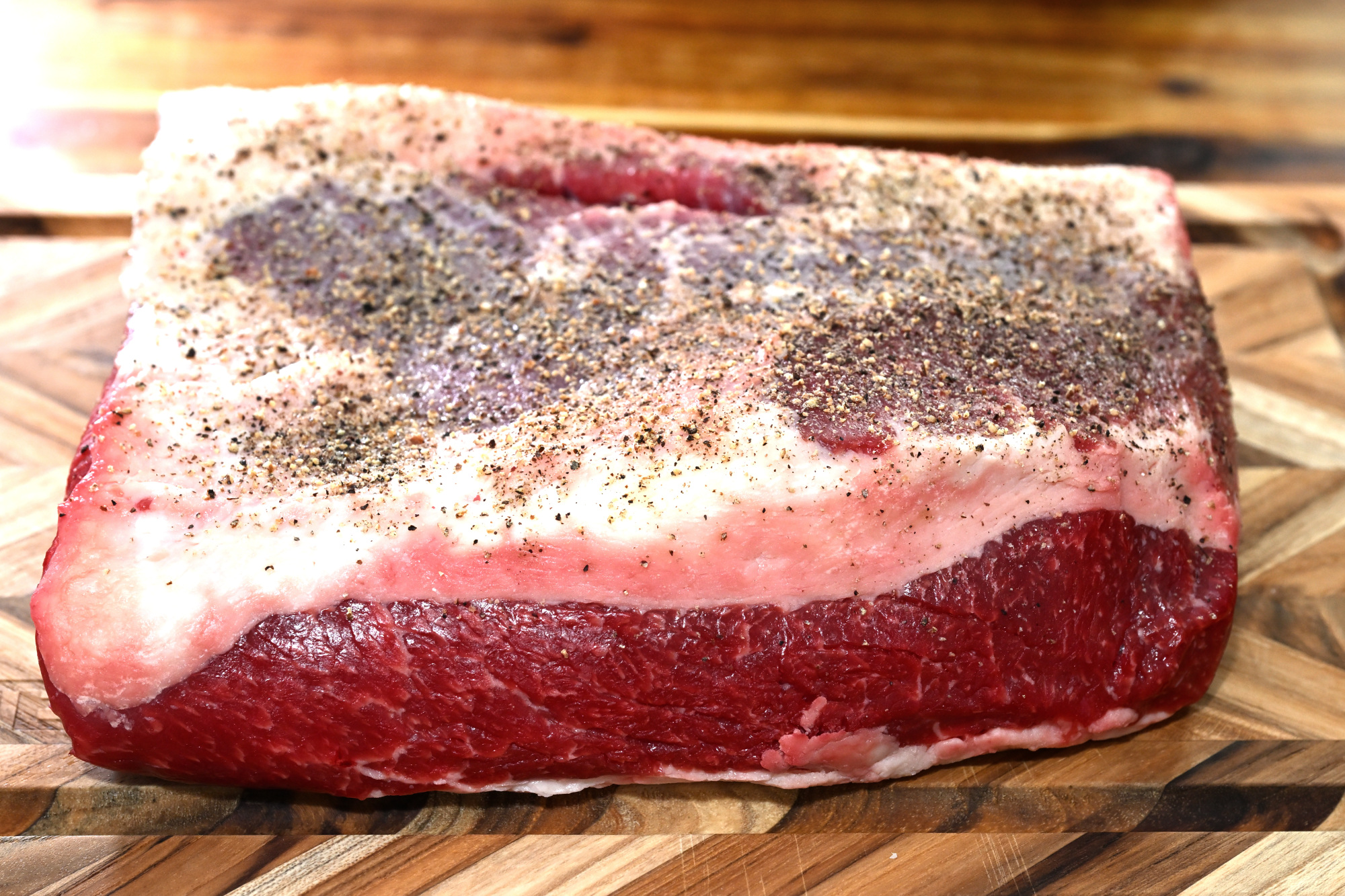
    The rump cap is a distinctive cut of beef taken from the top of the hindquarter of cattle (Species: Bos taurus). It consists of the final section of the biceps femoris muscle (one of the main rump muscles) along with a thick covering of firm fat. In Australian butchery, the rump cap is part of the boneless rump primal (which contains several muscles) that sits between the sirloin and the topside on the carcass. This cut is roughly triangular in shape and relatively small, usually about 1 to 1.5 kg, because butchers only use the underused, tender portion of the muscle for the rump cap. The muscle itself is not heavily worked during the animal’s life, which is why rump cap meat is known for being tender and finely textured.

    This cut is commonly called rump cap in Australia, but it goes by many names internationally. In Brazil and much of South America, it is picanha. North American butchers know it as the top sirloin cap or coulotte (culotte) steak. In the UK and other regions, it may be referred to as a rump cover or sirloin cap. Spanish-speaking countries have their own terms as well, for example, it’s called “colita de cuadril” or “punta trasera” in Latin America. Despite the varied nomenclature, all these names describe the same cut: the cap of the rump with its signature fat layer intact. The rump cap is one of the four to five sub-primal muscles that make up the whole rump, and it is usually separated out by skilled butchers upon request. Anatomically, it is essentially the cap of the top sirloin area, with the M. biceps femoris being the primary muscle component. The attached fat cap (usually about 1–2 cm thick) is a defining feature – this fat layer insulates the meat during cooking and contributes greatly to its flavour and juiciness.

    Cooking and eating characteristics.

    The rump cap is known for its beefy flavour and juicy tenderness. Because it comes from a little-exercised muscle, the meat has a fine grain and tender bite when cooked properly. A thick, creamy fat cap covers one side of the cut, which bastes the meat as it cooks and infuses it with rich flavour. Much of the rump cap’s appeal comes from this fat layer, which, when rendered and lightly crisped, adds succulence. The lean meat beneath has a flavour reminiscent of a top sirloin steak – beefy and satisfying – but it carries less internal marbling, so careful cooking is necessary to avoid toughness. Texturally, diners get the best of both worlds: a tender, lean interior and a delightful outer edge of golden, flavourful fat. Those who prefer a leaner experience can trim off the fat after cooking; by then, the meat will have absorbed its moisture and flavour benefits. Regular readers know I’d never trim away the fat.

    Preferred cooking techniques for rump cap focus on high-heat roasting or grilling, often followed by slicing. In Australian households, one popular method is to cook the rump cap whole on a hot barbecue grill or rotisserie spit. The meat is typically seasoned simply with coarse salt (and maybe pepper), allowing its natural flavour to shine. The fat-cap side is placed towards the heat source first to start rendering the fat. For example, when grilling individual rump cap steaks, cooks often begin by searing the fat side down over a high flame to crisp it and melt some fat, then sear the lean sides. After a good brown crust forms, the steak is finished over moderate heat until reaching the desired doneness. Medium-rare is the most common target doneness for rump cap – typically about 54–57 °C internal temperature – as cooking beyond medium can dry out the lean muscle and make it less tender. Overcooking is avoided because this cut can become firm if the centre is robbed of moisture.

    In terms of serving, rump cap is quite versatile. It can be roasted whole in an oven or covered barbecue and then sliced thinly, making for a quick roast dinner that’s “meltingly tender” inside. Alternatively, it can be sliced into steaks prior to cooking for individual portions – when doing so, butchers note a slicing technique: cut the raw rump cap with the grain into steaks, then, after cooking, each steak is sliced against the grain on the plate. This method, contrary to how many steaks are cut, results in maximum tenderness in each bite. Thanks to its rich flavour, rump cap is delicious with minimal adornment. It’s often served simply with a sprinkle of sea salt. The combination of juicy, pink-centred beef and crispy seasoned fat has made rump cap a star.
    Nutrition information

    Like other lean red meats, rump cap is nutrient-dense, providing protein, fats, vitamins and minerals. For 100 grams of rump cap:

    • Protein: 21–23 g. Beef rump cap is a source of protein, containing the essential amino acids needed for human nutrition. It is high in branched-chain amino acids (BCAAs) like leucine (2.6 g per 100 g), isoleucine (1.4 g) and valine (1.5 g). A typical serving (150 g) provides around 34 g of protein.
    • Fat: The fat content varies depending on how much of the external fat cap is trimmed. Lean trimmed rump cap (with visible fat removed) is low in fat – about 2.7–5 g of fat per 100 g. Trimmed lean beef has a similar fat level to skinless chicken breast. Moreover, about half to two-thirds of the fat in grass-fed beef is unsaturated fat, including some omega-3 fatty acids. If the fat cap is consumed, the total fat per 100 g will be higher (it can rise to ~10–15 g or more, depending on how much fat is left on). Notably, beef fat from grass-fed cattle tends to contain compounds like conjugated linoleic acid (CLA) in small quantities.
    • Carbohydrates: 0 g. Like all unprocessed meats, rump cap contains no carbohydrates or sugars. Any glycogen or glucose present in fresh meat is negligible, so it is essentially carbohydrate-free. This also means it has no dietary fibre.
    • Energy: Lean rump cap is relatively low in calories for its protein content. 100 g of lean grass-fed beef provides roughly 500–600 kJ (120–140 Cal). A portion that includes the fat cap will have higher energy (fat being calorie-dense), roughly on the order of 800–900 kJ (190–210 Cal) per 100 g for a well-marbled piece. Thus, a typical 150 g steak (lean) might be around 180–210 Cal, while the same with fat could be around 300 Cal.
    • Iron: ~2.0–3.0 mg per 100 g. Rump cap is a source of iron, predominantly in the haem iron form. A 150 g serving provides roughly 3 mg of iron.
    • Zinc: ~4–6 mg per 100 g. A 150 g portion has about 6.7 mg zinc.
    • Vitamin B12: A serving of rump cap (150 g) has around 1–2 µg of B₁₂. B₁₂ is only found in animal-derived foods.
    • Other B-Vitamins: Rump cap contributes other B complex vitamins, including niacin (B₃) and vitamin B₆. It also contains riboflavin (B₂) and pantothenic acid (B₅).
    • Selenium and Zinc: Australian grass-fed beef is a source of selenium and zinc. 100 g of beef can provide ~20–30 µg of selenium and a fraction of zinc.
    • Phosphorus and Magnesium: Beef rump cap supplies phosphorus and some magnesium. A typical 100 g might contain ~180 mg phosphorus and around ~20 mg magnesium.
    • Omega-3 Fatty Acids: Australian grass-fed beef contains small amounts of long-chain omega-3 fats. Lean beef usually has about 30–50 mg of omega-3 per 100 g.

    Australian beef is predominantly grass-fed and free-range, which means it’s usually free of additives and hormones by law and is naturally lean. Lean beef, like rump cap (with visible fat trimmed), is also low in sodium and contains only about 1% saturated fat by weight. Beef rump cap is a nutrient-dense food.

    Recipe

    Ingredients

    • Rump cap
    • Salt

    Equipment

    • Water bath
    • Precision cooker
    • Barbecue grill
    • Gas torch

    Instructions

    1. Dry brine the rump cap (whole).
    2. Slice the meat into meal-sized chunks.
    3. Vacuum seal the meat and refrigerate or freeze the portions.
    4. Leave one portion for today’s meal.
    5. Cook the meat for a few hours at 57 °C.
    6. Remove the meat from the bag.
    7. Dry the meat with kitchen paper.
    8. Place the meat onto a hot barbecue grill.
    9. Sear the meat with a gas torch.
    10. Slice the meat.
    11. Salt the meat.
    12. Eat the meat.

    Photographs

    This is a gallery of images. Click (or touch) on one and then scroll through the gallery.

    Thoughts on rump cap

    I am a fan of rump cap. It’s mostly because of the fat that bathes the meat as it cooks. The meat is tender and has a great beef flavour.

    I prefer scotch fillet steak (ribeye in North America) because of the different textures associated with the fillet and deckle muscle bundles. That said, rump cap (at least in Australia) is cheaper than scotch fillet steak and more economical when bought in bulk.

    I’m confident I’ll always have some rump cap in my freezer.

    Questions

    Feel free to share your thoughts in the comments

    1. Do you like rump cap?
    2. How do you prefer to cook rump cap?
    3. What do you eat with your rump cap?
  • Boneless sirloin steak

    Boneless sirloin steak


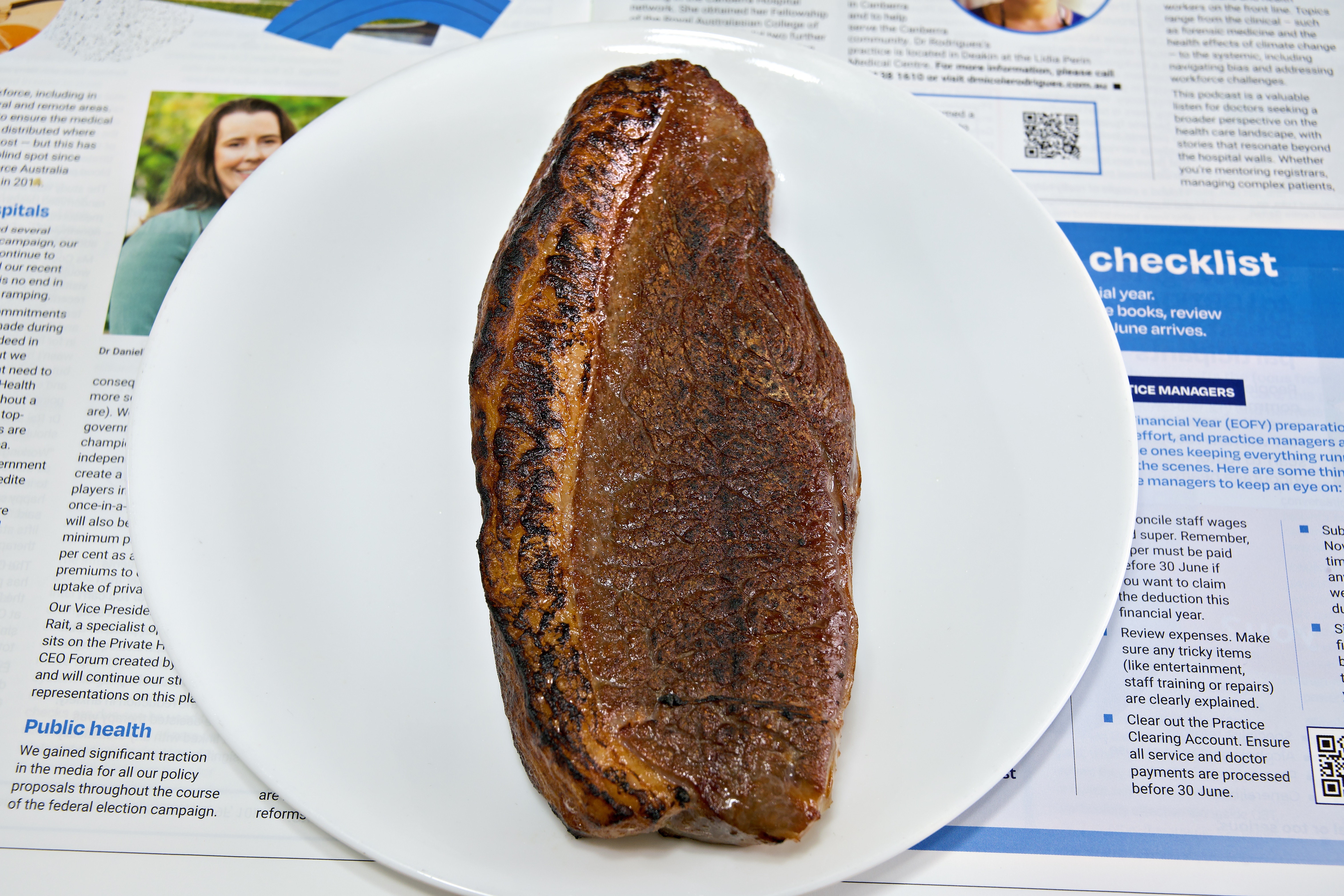
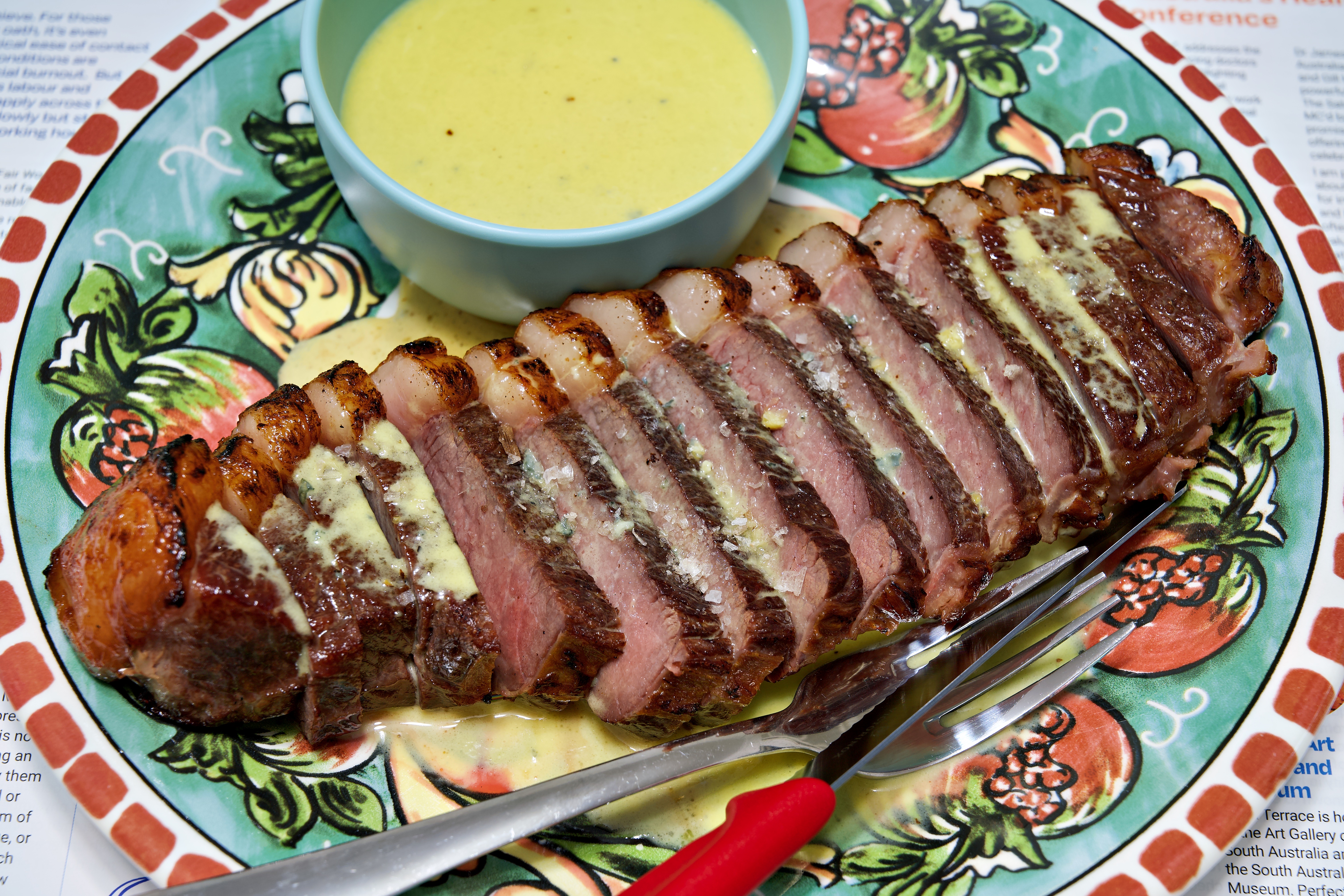
    I visited my butcher and bought a lump of boneless sirloin steak. I asked for it to be cut into thick slices.

    You can skip to the recipe.

    Description and International Nomenclature

    In Australia, the boneless sirloin steak is a popular, versatile cut of beef prized for its balanced flavour and firm but tender texture. it is trimmed and free of the bone, lending itself to a wide range of cooking methods and everyday meals. Internationally, a very cut is often simply known as the “sirloin steak” or “striploin steak” – with the United States frequently referring to a similar cut as the “top sirloin steak”, and European markets leaning towards the “sirloin” or “striploin” designation. These nomenclature differences are largely a matter of regional butchery traditions rather than fundamental differences in the meat itself.

    Anatomy in Bos taurus

    The boneless sirloin steak is sourced from the sirloin region of Bos taurus, the domestic cattle. This area is found in the hindquarter, just in front of the rump. Within this region, the meat is typically divided into the top and bottom sections, with the top sirloin being the preferred portion for its superior tenderness and moderate marbling. Anatomically, the muscle fibres are long and fine, offering both strength and a satisfying chew. Removing the bone results in a clean, easily portioned cut that highlights the natural grain and lean quality of the meat, while still preserving enough intramuscular fat to impart a rich flavour.

    Cooking and Eating Characteristics

    The boneless sirloin steak exhibits a fine balance between flavour and texture. Its characteristics include:

    Flavour and texture: The steak offers a pronounced beefy flavour that’s both rich and satisfying, yet it remains lean enough to avoid overt greasiness. Its firm structure—with well-defined muscle fibres—ensures a pleasant chew without being tough when cooked correctly.

    Eating Experience: When cooked to a medium-rare or medium doneness, the steak arrives at the table juicy and tender, providing a contrast between the flavour and the texture of the meat. Overcooking, can quickly render the cut dry due to its lean nature.

    Cooking techniques

    To optimise the texture and flavour of boneless sirloin steak, several cooking methods are favoured:

    Barbecue cooking: A high-temperature barbecue grill plate is good for achieving a seared exterior that locks in juices and producing a caramelised crust. This method preserves the steak’s inherent tenderness while accentuating its beefy flavour.

    Pan searing: Using a heavy-based skillet allows for a rapid sear on high heat, which creates a flavourful crust. Finishing in a moderate-heat environment (or even in an oven) ensures that the steak cooks evenly throughout.

    Sous vide with a finishing sear: Cooking the steak in a water bath achieves a consistent internal temperature, followed by a quick sear in a hot pan or on the barbecue grill. This method preserves juiciness and tenderness.

    Grilling: When using an oven, grilling mimics the high-heat effect of using a hot barbecue grill plate. By monitoring the steak, you can achieve a similar crust and maintain the integrity of the meat’s interior. In North America, this method is called broiling.

    Each of these techniques focuses on balancing a well-developed exterior sear with a juicy, evenly cooked interior, all while acknowledging the inherent lean quality and flavour profile of the cut.

    Nutritional Profile

    The boneless sirloin steak is nutrient dense. There is some variation based on the specific cut and cattle diet, an approximate breakdown per 100 grams is as follows:

    NutrientApproximate Value per 100 g
    Energy~210 kcal
    Protein25–30 g
    Total Fat10–12 g
    Saturated Fat~4 g
    Carbohydrates0 g

    Why Some People Do Not Like Boneless Sirloin Steak

    The boneless sirloin steak, though widely appreciated, isn’t universally loved. Some common reasons include:

    Texture variability: Its firm consistency can be a drawback for those who favour the ultra-tender nature of cuts like the fillet. When overcooked, it can quickly become dry.

    Insufficient marbling: Although the sirloin offers a rich beef flavour, some prefer a more buttery, soft texture—often found in more heavily marbled cuts such as scotch fillet.

    Flavour intensity: The beefy flavour might be too pronounced for individuals who enjoy subtler flavours or who are sensitive to the inherent intensity of red meat.

    Cooking challenges: Achieving the perfect doneness across the entire steak can be challenging. An improperly cooked sirloin may result in an inconsistent texture, causing disappointment.

    Ethical and environmental concerns: A subset of consumers opt out of red meat due to ethical, environmental, or dietary reasons, favouring plant-based proteins over traditional meat products.

    Many Australians favour the boneless sirloin steak. Its lean yet flavourful properties lend themselves well to various cooking techniques that accentuate its natural qualities.

    Recipe

    Ingredients

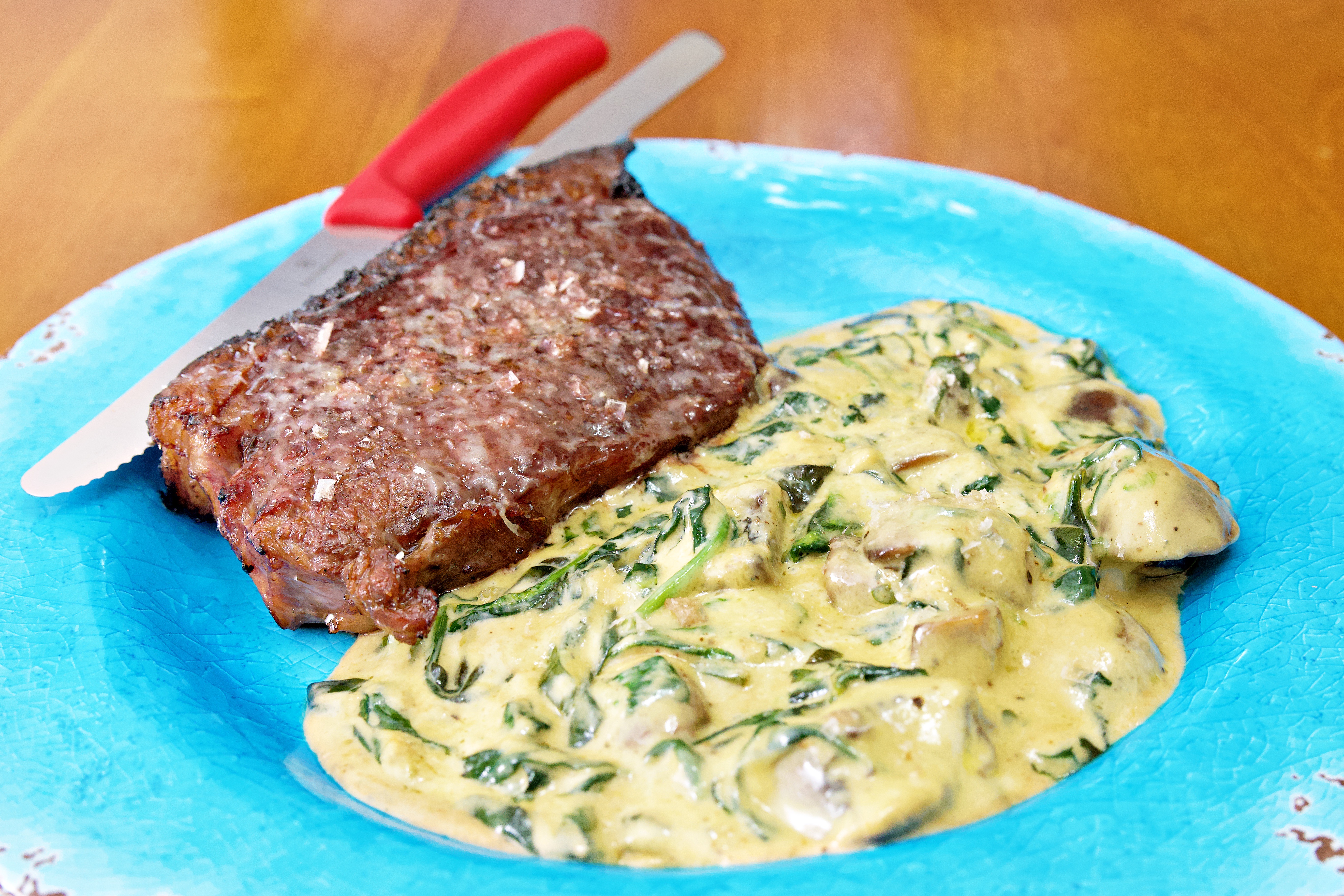
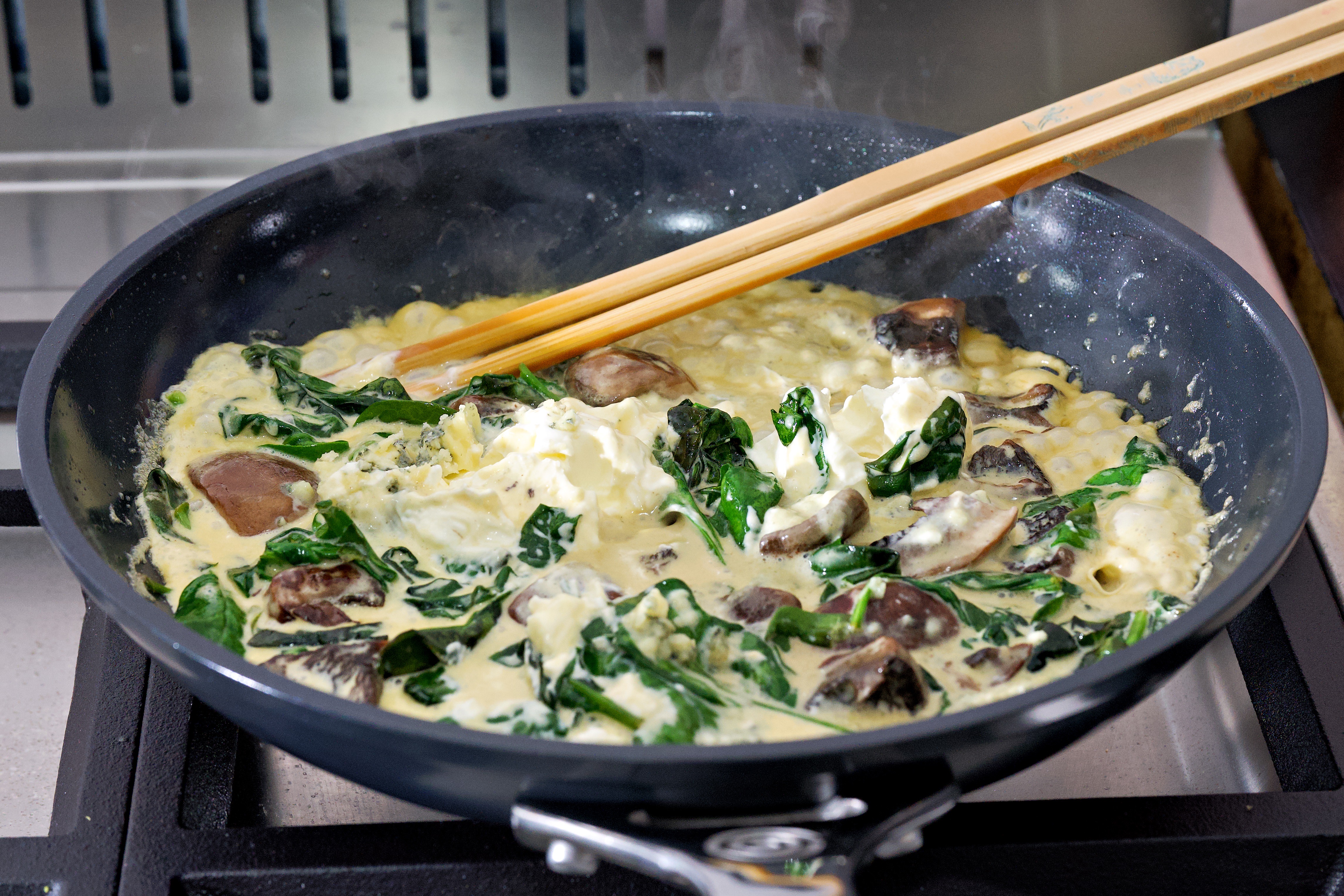
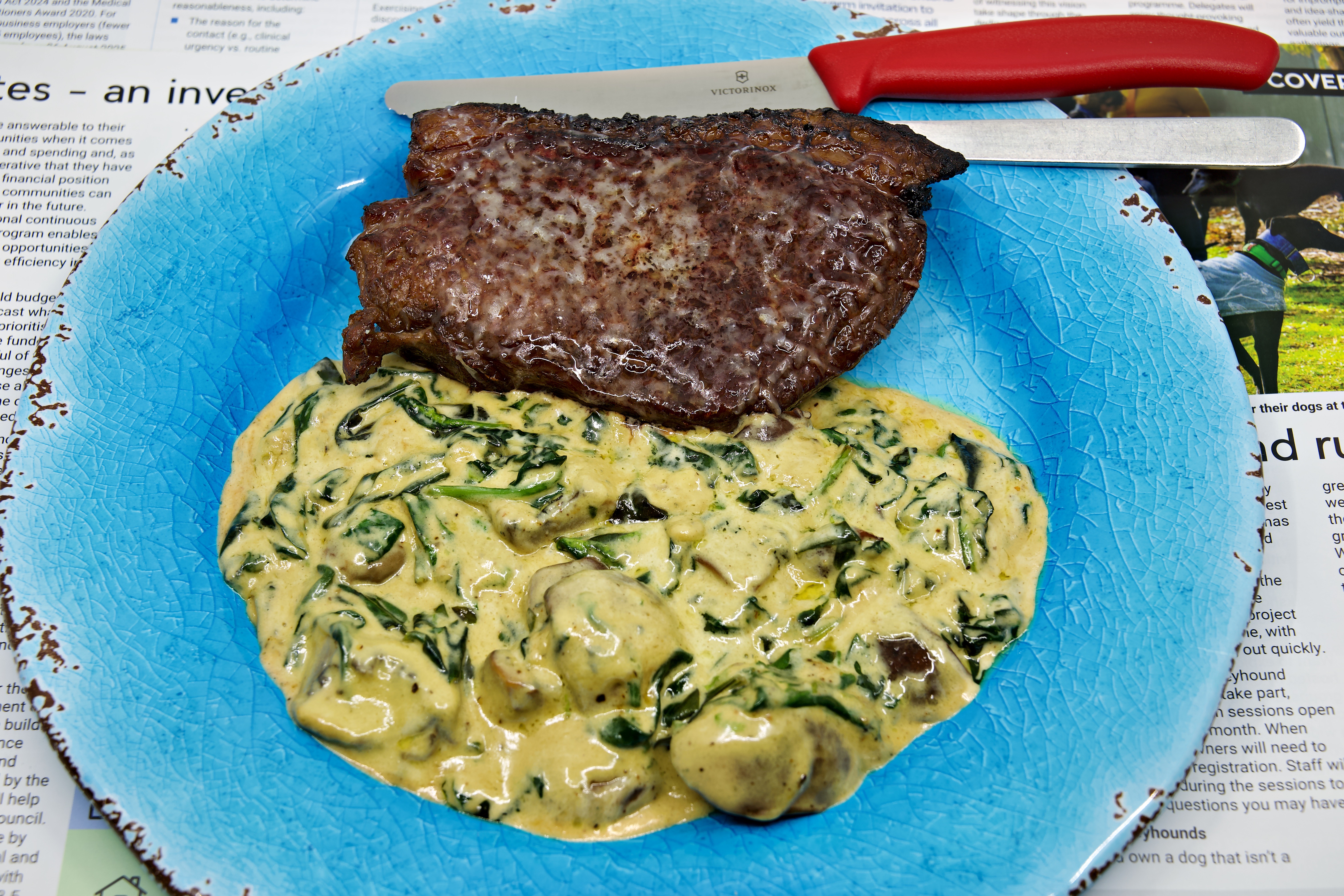
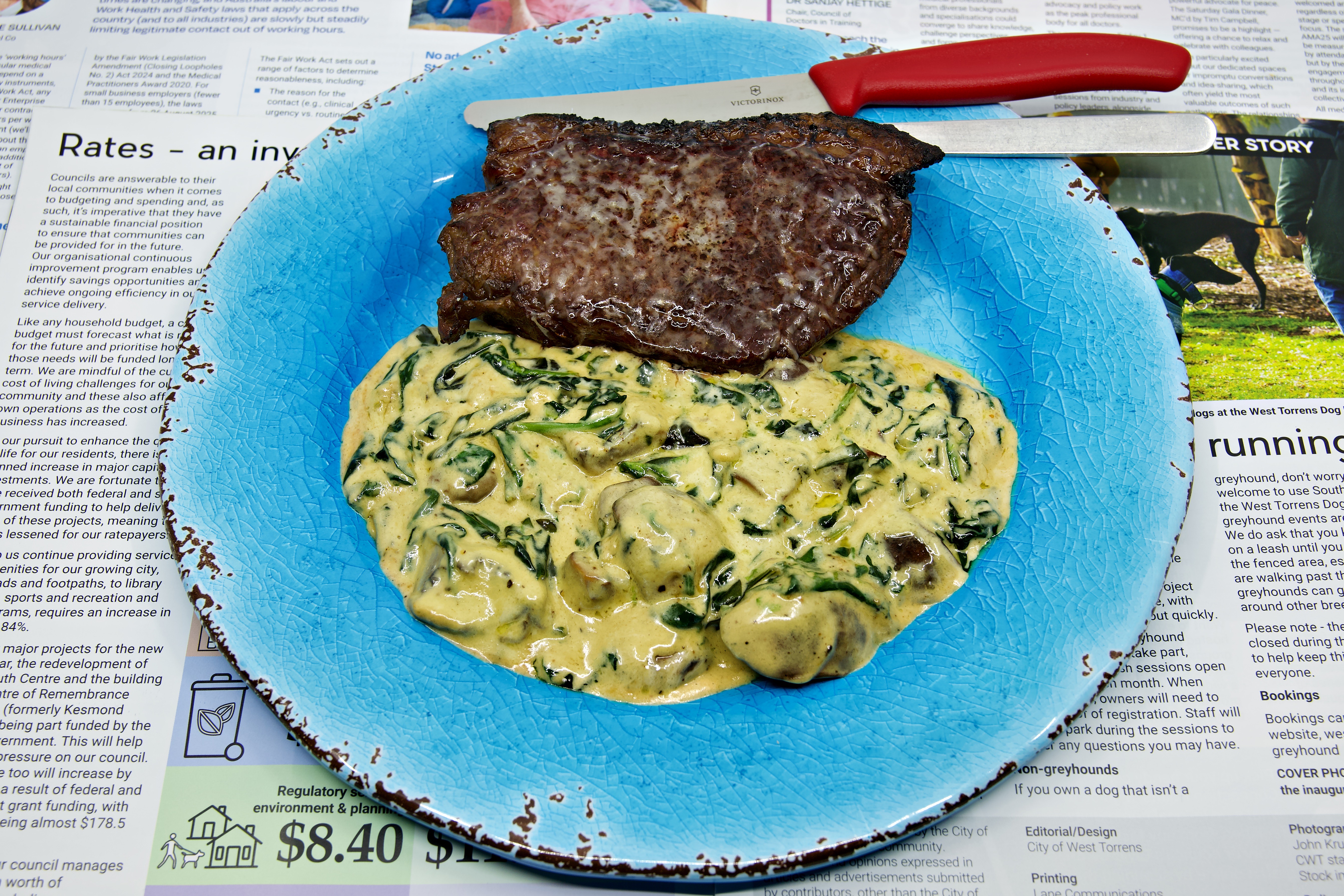
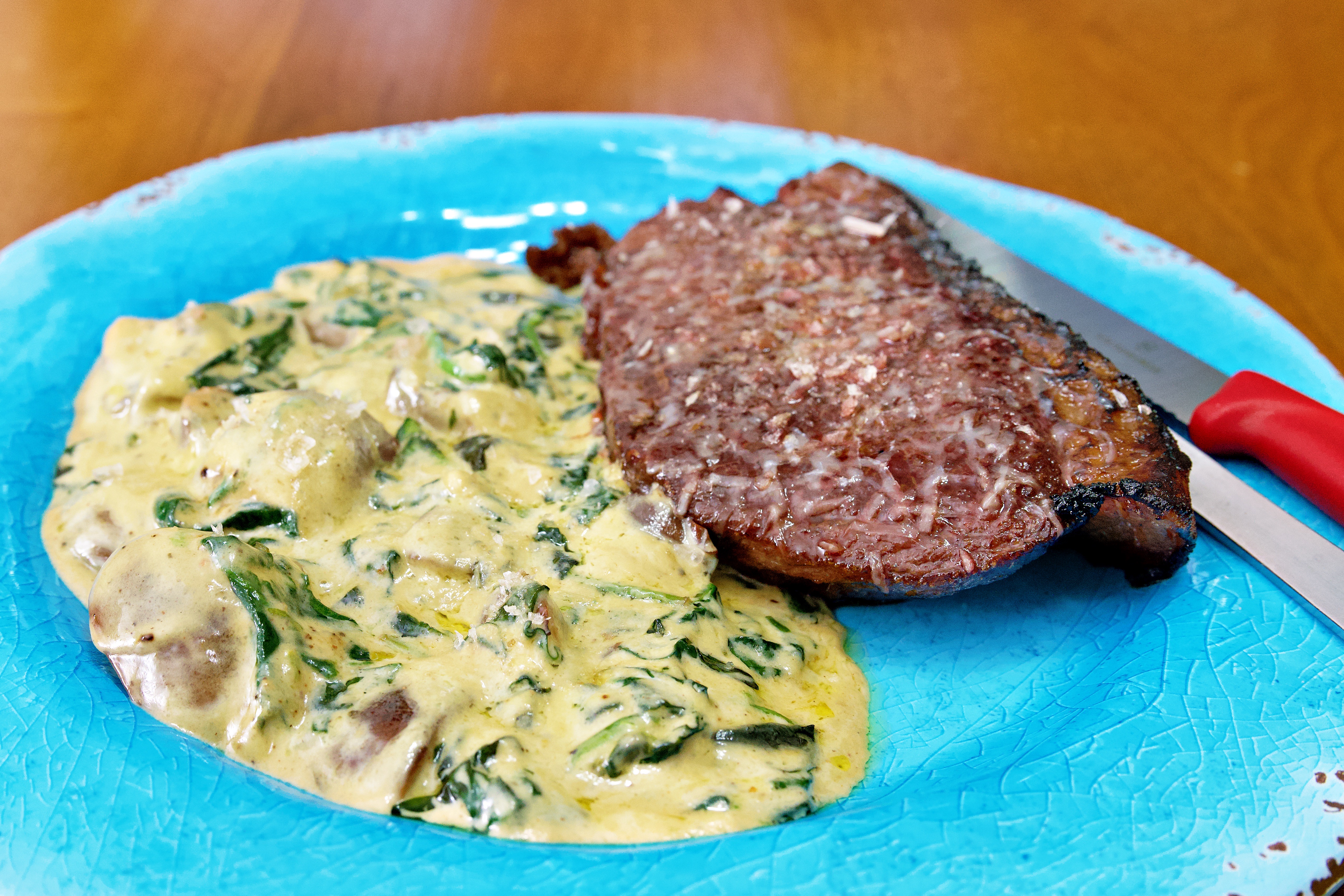
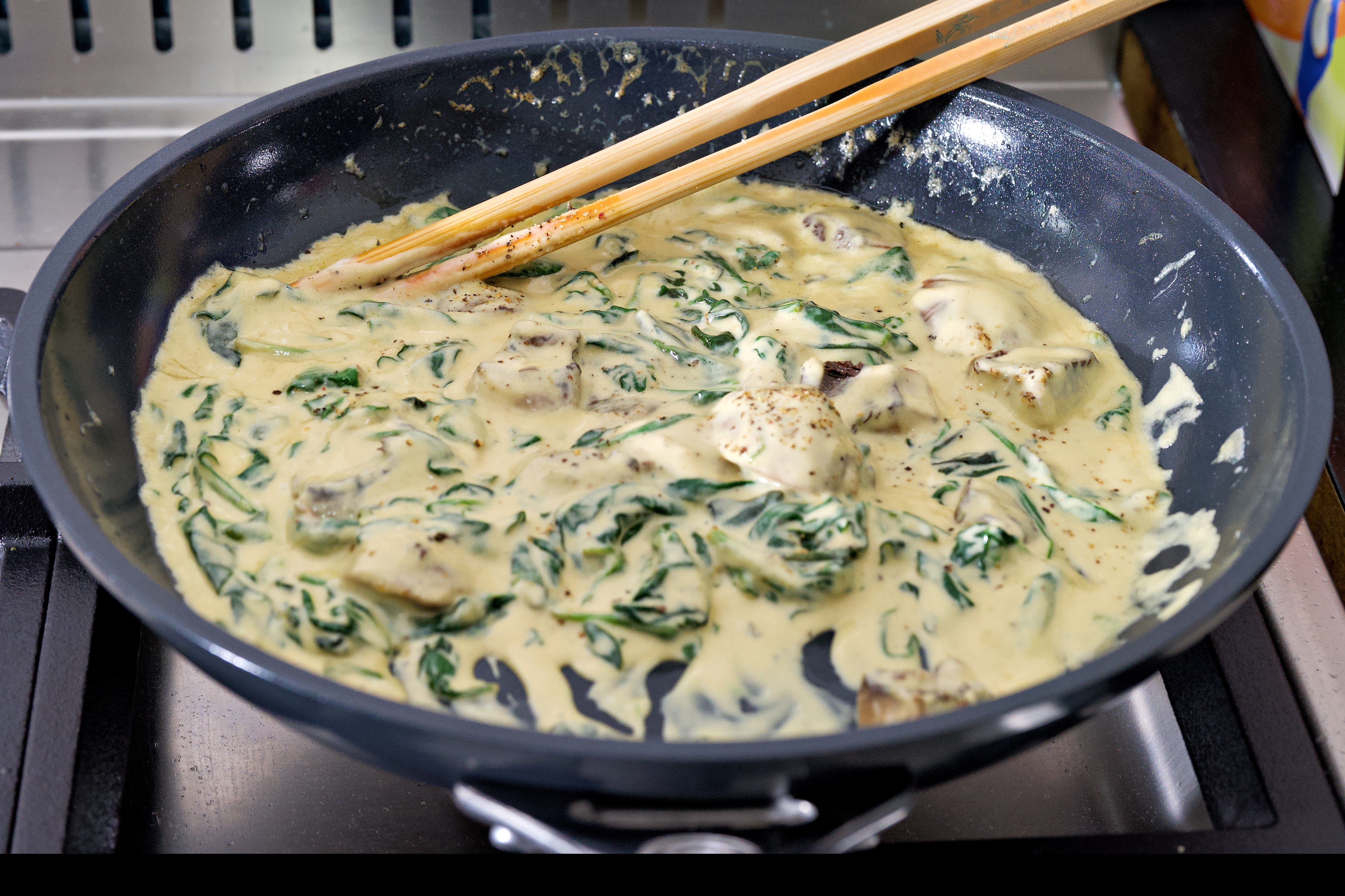
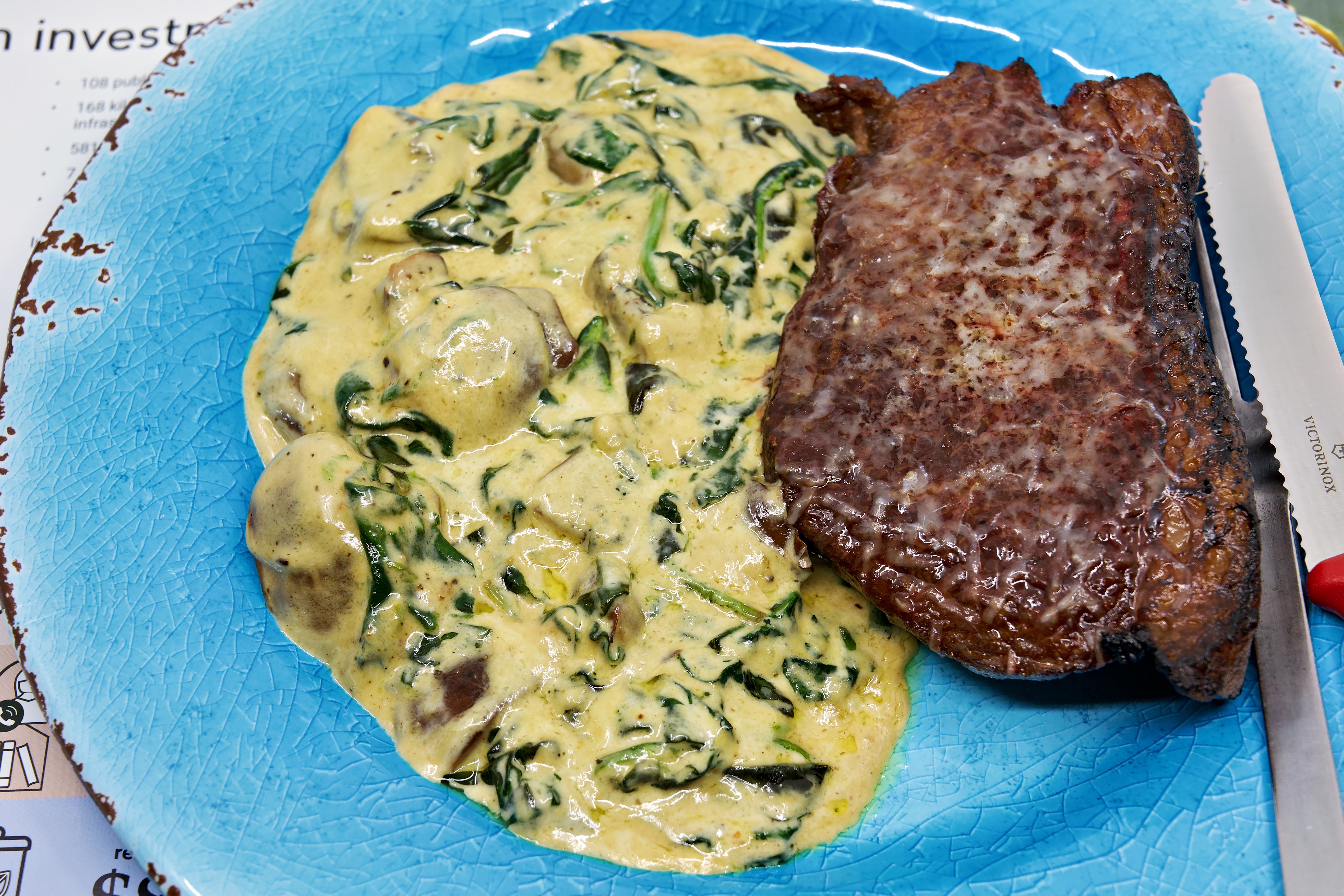
    • Sirloin steak (550 grams, Coorong Black Angus)
    • Salt — cooking salt to dry brine, and flaky salt for final seasoning.
    • Pepper
    • Beef fat
    • Butter

    Equipment

    • Water bath
    • Precision cooker
    • Barbecue grill
    • Gas torch

    Instructions

    1. Dry brine the meat.
    2. Vacuum bag the meat.
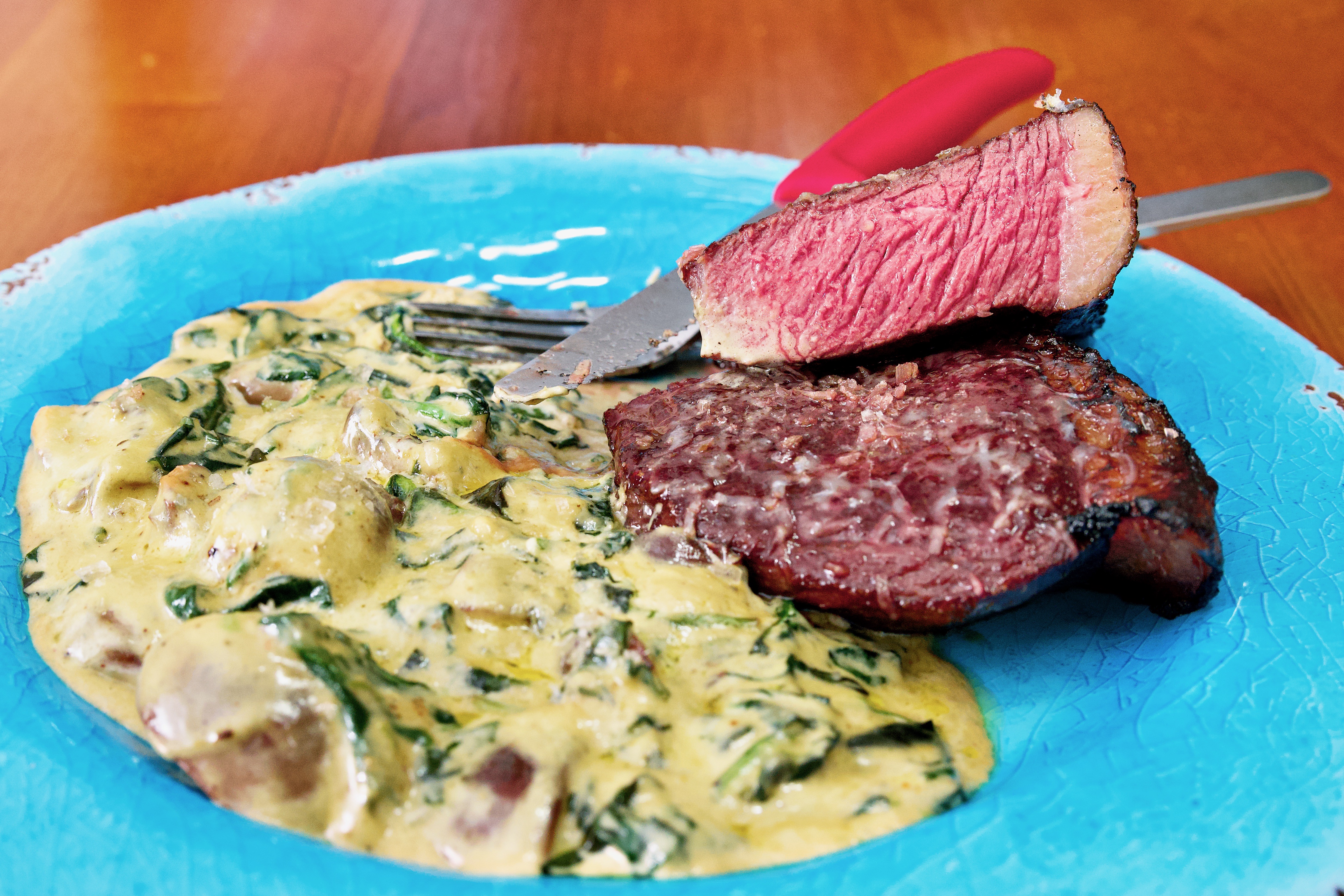
    3. Cook the meat for 3 hours at 57 °C.
    4. Dry the surface of the meat with kitchen paper.
    5. Sear the meat on a barbecue grill with a gas torch.
    6. Slice the meat.
    7. Salt and pepper the meat.
    8. Eat the meat.

    My thoughts on the meat

    The meat was firm, yet tender and juicy.

    I liked having a bit of fat on each piece.

    Photographs

    This is a gallery of images. Click on one and scroll through them.

    Non-food photographs of the day

    Why vegans have smaller brains: and how cows reverse climate change

    I’m reading this book. When I finish I’ll share a review.

    Ellis, David, Alison Morgan, and Anita Tagore. Why Vegans Have Smaller Brains: And How Cows Reverse Climate Change. Whitefox Publishing Ltd, 11 December 2024, 2024.

  • Pork belly and rice

    Pork belly and rice


    On the weekend, I saw a piece of pork in the meat display and thought I’d make a few meals from it during the week.

    Recipe

    Ingredients

    • Pork belly
    • Salt
    • Rice — White, long grain
    • Beef broth
    • Beef fat

    Equipment

    • Knife
    • Aluminium foil
    • Oven
    • Saucepan with lid

    Instructions

    Pork

    1. Score the skin with a knife. A clean box cutter blade is perfect for this purpose. Make the cuts skin deep and in a crisscross pattern.
    2. Season the pork generously with salt.
    3. Dry-brine the pork for two nights. Place the piece of pork on a rack and leave it uncovered in the refrigerator for two nights. Dry brining dries the skin and helps ensure the muscle-meat remains tender and juicy.
    4. After dry brining and before cooking, heat the oven to 120 °C.
    5. Wrap the base and sides of the pork with aluminium foil and then place it in a baking tray. This process avoids exposing the muscle meat to direct heat, keeping it moist. The exposed skin will dry further in the oven heat and make the development of crackling easier.
    6. Cook in the oven at 120 °C for 2 hours, and then
    7. Cook in the oven at 220 °C for 30 minutes. This second step creates the crackling.
    8. Rest the meat for about 15 minutes.
    9. Cut the meat.
    10. Serve the meat.
    11. Eat the meat.

    Rice

    1. The day before you plan to cook the pork, cook some rice.
    2. I like to wash the rice in a bowl of water.
    3. Swish the water and rice with your hand in the bowl and decant the water.
    4. Repeat the process until the water is clear.
    5. For cooking the rice, the amount of water necessary is about double the volume of the washed rice.
    6. Bring the water and rice to a simmer and stir slowly to avoid the rice sticking to the saucepan. As the rice absorbs the water, keep an eye on it until it’s cooked the way you like it.
    7. Transfer the rice to a bowl and cover it. Place it in the refrigerator overnight.
    8. Just before you plan to serve the pork, gently reheat the rice in a saucepan. I like to add a little beef fat and some beef broth while it’s reheating. The fat and broth will be absorbed and add some flavour.

    Thoughts on the meal

    The meal was great. The crackling was crispy and crunchy. The meat was tender and juicy.

    Photographs

    This is a gallery of photographs. Click on one and scroll through the images.